
For most homeowners, 'alternative energy hearth and patio' heating comes down to four real options: pellet or biofuel burners, electric infrared heaters, propane, and natural gas. Each one can keep you warm outside, but they behave very differently depending on your patio size, whether it's covered or open, your local codes, and what you want to spend month to month. If you're trying to pick one today, the short version is this: electric infrared is the cleanest and most flexible for covered patios; propane is the most portable and powerful for open spaces; natural gas is the cheapest to run long-term if you already have a line; and pellet or biofuel setups give you the best hearth-style ambiance with relatively low emissions. The rest of this guide helps you nail down exactly which one fits your situation.
Alternative Energy Hearth Patio Heating Guide for 2026

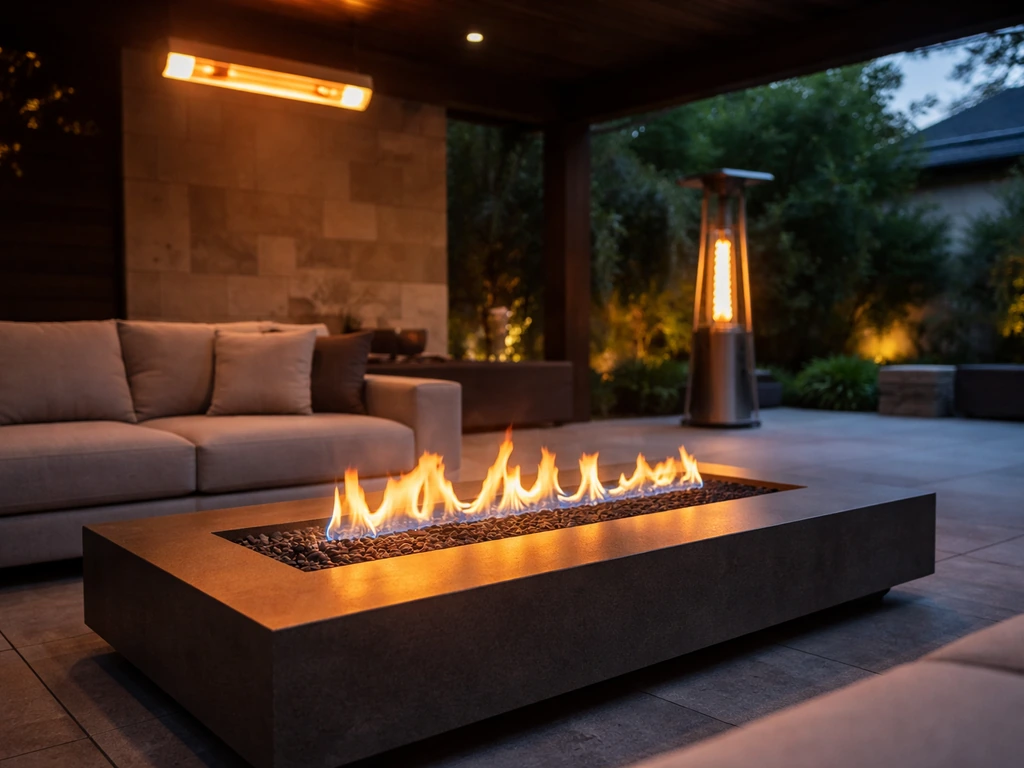
What 'alternative energy hearth and patio' actually means
The phrase gets used two ways, and it's worth separating them before you go any further. The first meaning is literal: a hearth-style feature on your patio, like a fire pit, outdoor fireplace, or a decorative hearth unit that also puts out heat. The second meaning is more about fuel choice: heating your outdoor space with something other than a traditional open wood fire, opting instead for energy-efficient or lower-emission alternatives like pellets, bioethanol, propane, natural gas, or electric power.
On a practical level, both interpretations matter. A pellet fire pit gives you the look of a real wood fire with far less smoke and EPA-acknowledged lower particulate output. A wall-mounted infrared heater doesn't look like a hearth at all, but it's the most energy-efficient way to heat a covered patio zone. The 'alternative energy' framing really just means you're thinking beyond a pile of logs and asking: what fuel or technology heats this space efficiently, cleanly, and safely? That's exactly the right question.
It's also worth knowing that EPA certification applies to wood and pellet appliances but not to traditional masonry fireplaces or decorative fire features. That distinction matters if you're in an area with air quality restrictions, since a non-certified open fire pit may face seasonal burn bans while a certified pellet unit won't.
Choose your heat source: the four real options
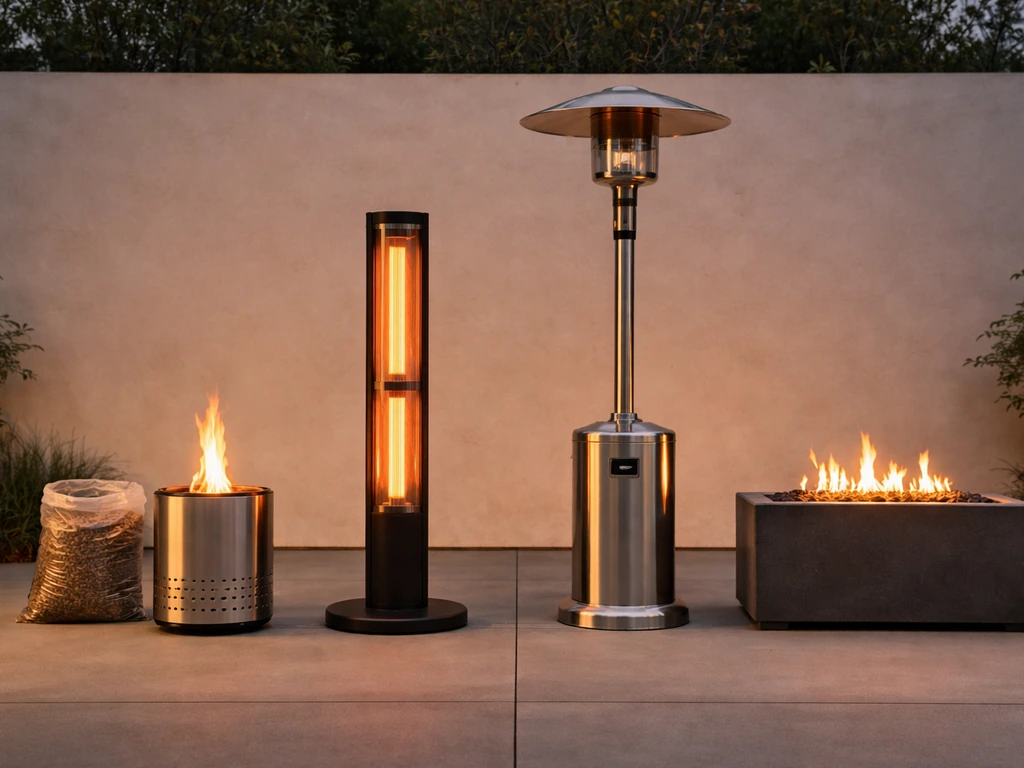
Here's a practical breakdown of how each fuel type performs in a real outdoor patio context. None of them is universally best, but each has a clear home turf.
Pellet and biofuel: hearth vibes with lower emissions
Pellet burners and bioethanol fire features are the closest thing to a genuine hearth experience outdoors, with visible flame and a warm glow. Wood pellets are compressed biomass, and EPA-certified pellet appliances burn them far more completely than a wood fire, producing less smoke and particulate matter. Bioethanol burners use liquid alcohol fuel and burn with an almost invisible, nearly smokeless flame. Neither option produces the crackle and pop of a log fire, but they're a strong choice if you want ambiance alongside actual heat output and you're in an area with air quality rules. The trade-off is that heat output is moderate compared to propane, and they're better suited to smaller patios or accent heating than warming a large open area.
Electric and infrared: the smartest choice for covered patios
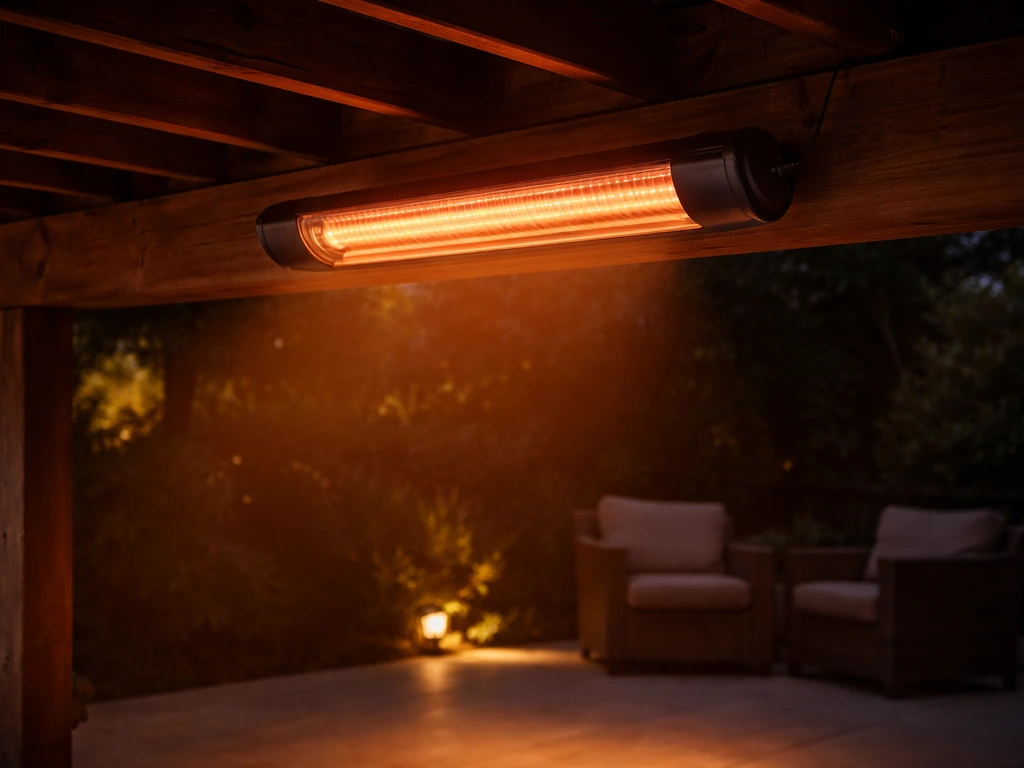
Electric infrared heaters are my top recommendation for covered or semi-enclosed patios. They work by radiating heat directly to people and surfaces rather than trying to warm the air, which means wind doesn't kill their effectiveness the way it does with convection-based heaters. A 6,000-watt (240V) electric infrared unit like those in the Infratech CD Series puts out roughly 20,472 BTUs and can realistically heat up to about 300 square feet in a covered space. That's serious output. You'll need a dedicated 240V circuit and a GFCI-protected outdoor outlet (required by NEC 210.8(F) for outdoor dwelling receptacles), so factor in an electrician's visit if you don't already have one. Operating cost is straightforward: watts times your local electricity rate. No tanks to refill, no combustion, no CO risk.
Propane: portable power for open spaces
A full-size propane patio heater typically outputs around 40,000 BTUs and can throw heat across a diameter of roughly 20 feet (about 314 square feet). That's the most raw heat output you can get from a portable, no-installation-required unit. Propane is also the most flexible fuel since you're not tethered to a gas line or an electrical circuit. The downsides are the recurring cost of refilling tanks, the fact that propane is heavier than air (so leaks pool at ground level, which is a safety concern), and that standard mushroom-style heaters are genuinely inefficient outdoors in wind. If you're comparing propane patio heaters specifically, the format matters a lot: a tower heater is great for a circle of chairs, while an infrared propane unit on a wall or ceiling works better for a defined outdoor dining zone.
Natural gas: lowest running cost, highest setup investment
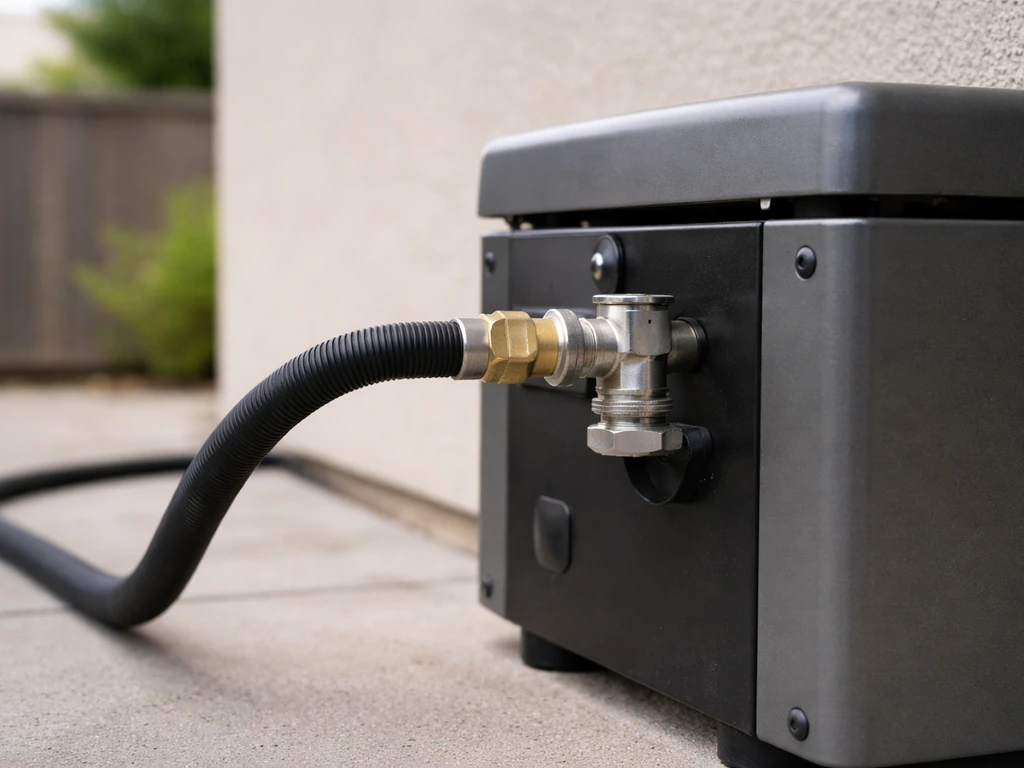
If you have a natural gas line at your house or are willing to run one to your patio, natural gas is almost always the cheapest fuel to run per BTU. You never run out mid-dinner party, and a permanently installed gas fire pit or outdoor fireplace can be a genuine focal point of your patio design. A permanently installed fire pit can turn a patio into a cozy focal point, especially when you’re aiming for better homes & gardens-style harbor-city backyard comfort fire pit or outdoor fireplace. The catch is upfront cost: running a gas line, installing a shutoff valve, and meeting local permit requirements can add hundreds to thousands of dollars before you even buy the heater. Natural gas burns cleaner than wood but still produces CO with incomplete combustion, so coverage, clearances, and ventilation still matter. CPSC notes that blank" rel="noopener noreferrer">carbon monoxide is produced by incomplete burning of fuels like propane and natural gas, and that portable heaters have been associated with CO poisoning incidents and deaths.
| Fuel Type | Typical BTU Output | Best For | Portability | Ongoing Cost | CO Risk |
|---|---|---|---|---|---|
| Pellet / Biofuel | 10,000–30,000 BTU | Ambiance + moderate heat, small patios | Moderate | Low–moderate | Low (biofuel) / Minimal (pellet) |
| Electric Infrared | Up to ~20,000+ BTU (6kW) | Covered patios, zone heating | Low (hardwired) | Depends on electricity rate | None |
| Propane | Up to 40,000 BTU (full-size) | Open patios, portable use | High | Moderate (tank refills) | Low–moderate |
| Natural Gas | 40,000–60,000+ BTU | Permanent installs, large patios | None (fixed) | Lowest long-term | Low–moderate |
Sizing and placement for real comfort
The biggest mistake people make is buying a heater by brand name or looks and then discovering it doesn't actually make them comfortable. Heat output, patio geometry, wind exposure, and ceiling height all interact in ways that aren't obvious from a spec sheet.
Match BTUs to your actual space
A good rule of thumb for open patios: plan for roughly 25–30 BTUs per square foot in mild climates, and up to 40–50 BTUs per square foot in colder regions or windy spots. For a 200-square-foot open patio in a moderate climate, a single 40,000 BTU propane tower heater is about right. For a covered 200-square-foot patio, a 6,000W infrared electric heater (roughly 20,000 BTU equivalent) will do the job because the radiant heat doesn't dissipate the way convective heat does. Covered spaces are dramatically more efficient to heat, so if you're planning a pergola or overhead cover, do that first and you can step down in heater size.
Wind changes everything
Wind is the enemy of convective heaters (propane towers, fire pits) and barely affects infrared heaters. If your patio is regularly exposed to even a light breeze, radiant infrared is worth the installation effort. If you're committed to a propane tower heater in a windy yard, position it upwind of your seating area and consider a partial windbreak (a fence panel, a privacy screen, or even a line of potted plants) to cut the draft. For fire pit or hearth-style features in windy spots, a gas or pellet unit with a glass screen will perform far better than an open flame.
Covered vs uncovered: it's not just about rain
Covered patios open up your heater options significantly. Wall-mounted and ceiling-mounted infrared units only make sense under a roof or pergola. Gas heaters designed for covered outdoor use need to meet specific clearance requirements, and some vented models require open-air conditions. Always check whether a heater is rated for outdoor use, covered outdoor use, or open-air only. Using an open-air-only heater under a solid roof is both a code violation and a real CO hazard. For uncovered patios, stick with propane tower heaters, outdoor-rated tabletop units, or open fire pit designs.
Safety, clearances, and code basics you can't skip
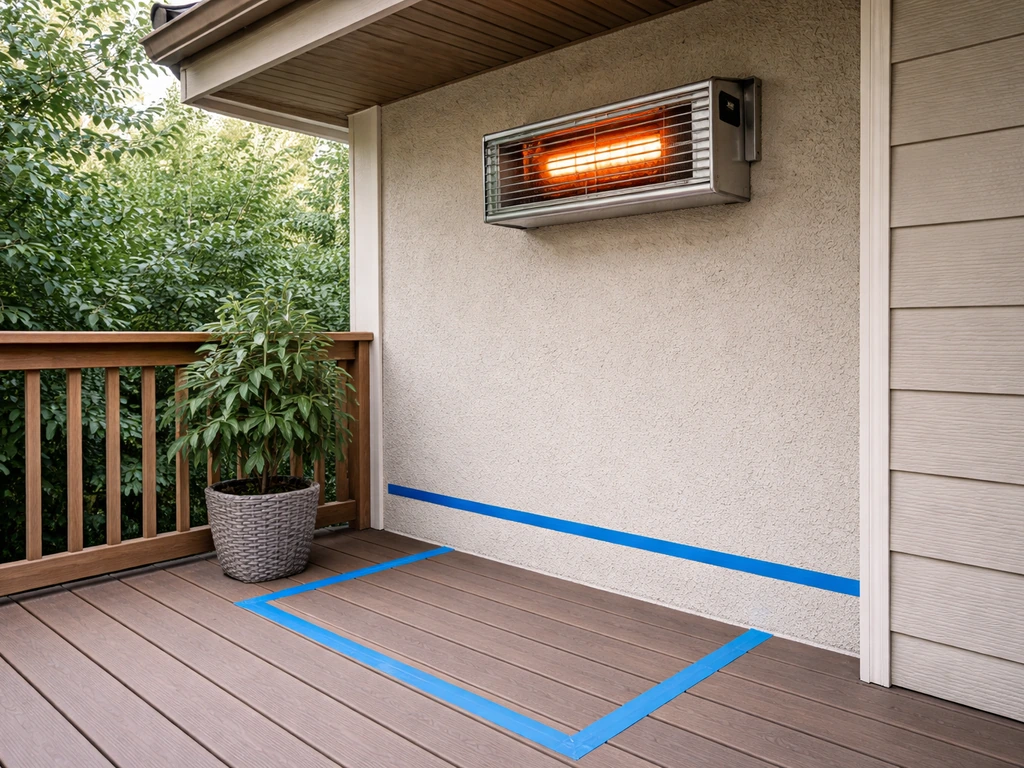
This is the section people skim and then regret. Outdoor heater safety isn't complicated, but cutting corners here causes fires, CO incidents, and failed inspections. A few firm rules to know before you buy anything.
- Clearance to combustibles: most propane and gas patio heaters require a minimum of 2 feet of clearance from combustible materials (wood, fabric, furniture). Infrared heaters have their own clearance requirements based on wattage and mounting angle; the Infratech CD Series, for example, is a common source of confusion for homeowners trying to mount them under low pergola rafters. Always read the manufacturer's clearance chart before mounting.
- NFPA 1 Fire Code governs outdoor portable heater placement, including requirements for spacing from structures and combustibles. If you're in a commercial or multi-unit residential setting, these rules are strictly enforced.
- Carbon monoxide: propane and natural gas produce CO with incomplete combustion. The CPSC has documented CO poisoning incidents and deaths from portable combustion heaters used in poorly ventilated spaces. Never use an indoor propane heater outdoors under an enclosed porch. 'Outdoor rated' means open-air or well-ventilated covered spaces only.
- Ventless combustion appliances: several states and municipalities have outright banned ventless combustion units due to CO and moisture risks. Check your local code before buying any ventless gas heater.
- Electric outdoor outlets must be GFCI-protected per NEC 210.8(F). If you're adding a 240V circuit for an infrared heater, a licensed electrician is not optional.
- Propane tanks: propane is heavier than air, so a leaking tank lets gas pool at ground level where ignition sources may exist. Store tanks upright, outdoors, away from ignition sources, and never store them indoors or in enclosed spaces.
Operating costs and day-to-day maintenance
Here's an honest picture of what it costs and what it takes to keep each type running well over time.
What you'll spend to run it
Natural gas is the winner on fuel cost per BTU in most of the country. Propane costs roughly twice as much per BTU as natural gas, though it varies by region and season. Electric infrared cost depends almost entirely on your local electricity rate: at the US average of around $0.16/kWh, a 6,000W heater costs about $0.96 per hour to run at full power. Pellet and biofuel costs vary widely by fuel source and local availability but tend to land in the moderate range. The key point is that the cheapest heater to buy (usually a portable propane tower) is often the most expensive to run, while natural gas and electric systems cost more upfront but less over time.
Maintenance: what each fuel type actually demands
- Propane tower heaters: inspect burner tip and thermocouple annually, keep the reflector clean (wipe with a damp cloth), cover or store it when not in use. Tanks need visual inspections and periodic recertification (every 10–12 years).
- Natural gas fire pits and heaters: annual inspection of gas connections and burner ports, clear debris from burner pans (leaves, insects), check igniter function at the start of each season.
- Electric infrared: almost zero maintenance beyond keeping the element and housing clean and free of spider webs or debris. Check mounting hardware and electrical connections annually.
- Pellet heaters: empty the ash pan regularly (frequency depends on usage), clean the burn pot and heat exchanger at the start and end of each season, use dry, high-quality pellets to avoid clinker buildup.
- Bioethanol: simplest maintenance of any fuel type; wipe down the burner bowl, ensure the fuel reservoir is clean and free of residue before refilling.
Weatherproofing your investment
Every outdoor heater will last significantly longer with a weatherproof cover when not in use. Propane and natural gas burner ports are particularly vulnerable to moisture and insect nesting. Infrared elements in outdoor-rated fixtures are generally sealed, but the housing and mounting brackets can corrode in coastal or high-humidity climates. If you're near salt air, look specifically for stainless steel or powder-coated aluminum construction.
How to decide: a quick comparison framework
If you're still not sure which direction to go, run through these four questions. They'll get you to a clear answer fast.
- Is your patio covered or uncovered? Covered = consider electric infrared or natural gas first. Uncovered and open = propane tower heaters or pellet fire pits.
- Do you already have a natural gas line nearby? Yes = run it to the patio and go gas. It pays for itself quickly in fuel savings.
- Is ambiance (visible flame, hearth feel) important? Yes = pellet fire pit or gas fire feature. No = electric infrared is simpler and more efficient.
- What's your budget? Under $300 = portable propane tower. $300–$800 = quality electric infrared or a propane fire pit. $800–$2,000+ = natural gas fire feature, built-in hearth, or premium hardwired infrared system.
Recommendations by use case
| Use Case | Best Option | Runner-Up |
|---|---|---|
| Small covered patio (under 150 sq ft) | Electric infrared (hardwired, ceiling/wall mount) | Natural gas tabletop or wall heater |
| Large open patio (200–400 sq ft) | Propane tower heater (40,000 BTU) or natural gas | Two electric infrared units if covered |
| Hearth/fire pit ambiance on a budget | Propane fire pit table | Pellet fire pit |
| Permanent installation, low running cost | Natural gas built-in fireplace or fire pit | Hardwired electric infrared system |
| Windy, exposed yard | Electric infrared (ceiling mount) or propane infrared | Any radiant model with windbreak |
| Rental or portable use | Portable propane tower heater | Tabletop propane or bioethanol burner |
If you're browsing specific products, you'll find that many brands like Better Homes and Gardens offer propane standing heaters and fire pit designs that cover the mid-range budget well. For premium electric infrared, brands like Infratech set the standard for commercial-quality outdoor heating. The right product within your chosen fuel category matters almost as much as the fuel type itself, so cross-reference BTU output, coverage area claims, and user reviews before buying.
Installation and setup: a practical checklist
Regardless of which type you choose, running through this checklist before or during setup will save you time, money, and headaches.
Before you buy
- Measure your patio square footage and note the ceiling height if covered.
- Identify whether the space is covered, semi-covered, or open-air, and what the primary wind direction is.
- Check local codes and HOA rules for restrictions on fuel type, open flame, or permanent gas appliances.
- If going electric (240V), check your electrical panel for available capacity and confirm outdoor GFCI outlet availability.
- If going natural gas, get a quote from a licensed plumber for running a line to the patio before budgeting.
During installation
- Follow manufacturer clearance-to-combustibles specs exactly. For propane heaters, maintain a minimum of 2 feet from any combustible surface. For infrared ceiling mounts, consult the wattage-specific clearance table in the manual.
- For hardwired electric infrared: hire a licensed electrician, confirm GFCI protection on the outdoor circuit per NEC 210.8(F), and verify the mounting surface can support the heater weight plus wind load.
- For natural gas: use only a licensed gas contractor, pressure-test the line, and install a shutoff valve within easy reach of the heater.
- For propane: connect the regulator before opening the tank valve, test all connections with soapy water (bubbles indicate a leak), and never light without confirming no smell of gas.
- Position the heater for maximum heat coverage of your seating zone, not the center of the patio.
Troubleshooting common problems
| Problem | Likely Cause | Fix |
|---|---|---|
| Propane heater won't stay lit | Thermocouple needs cleaning or replacement; low tank pressure | Clean thermocouple tip; swap to a full tank and test |
| Electric infrared heater trips the breaker | Circuit not rated for 240V load; loose wiring | Have electrician verify circuit amperage and connections |
| Pellet heater producing excessive smoke | Wet or low-quality pellets; clogged burn pot | Switch to premium dry pellets; clean burn pot and ash pan |
| Gas fire pit has weak, yellow flame | Clogged burner ports or low gas pressure | Clear ports with a soft brush; have gas pressure checked |
| Heater is on but people are still cold | Wrong type for uncovered/windy space; too far from seating | Move heater closer; add a windbreak; or switch to infrared |
| Outdoor outlet trips GFCI when heater runs | GFCI misreads heater startup current surge | Use a GFCI outlet with a higher trip threshold; consult electrician |
One last honest note: no heater of any fuel type will make a wide-open patio in freezing temperatures feel like a living room. The goal is extending your comfortable outdoor season by a few weeks in spring and fall and taking the edge off on cool evenings. If you set that expectation going in, pick the right fuel type for your space, and follow the sizing and placement guidance above, you'll end up with a setup you'll actually use and enjoy for years. If you want real-world insights before buying, these heat exchange hearth & patio shoppe reviews can help you compare performance, comfort, and value.
FAQ
What’s the fastest way to estimate how many BTUs I need for my patio if I’m unsure about square footage?
Use the seating area, not the entire patio footprint. Measure the approximate rectangle where people sit, then apply the article’s BTU guidance to that smaller area. If you have tall planters, a pergola end wall, or a partial enclosure, you can also treat the zone as “more covered” and size closer to the lower BTU range.
Can I use an electric infrared patio heater on an uncovered patio?
Yes, but expect reduced comfort on windy days. Infrared is more wind-tolerant than convective heaters, yet it still won’t heat a wide area as effectively when rain or strong breezes push people out of the radiant path. For uncovered spaces, place units higher than people’s heads (to reduce glare) and aim to “fill” the seating zone from multiple angles rather than one center heater.
Do I need a GFCI for every outdoor electric infrared setup, even if it’s hardwired by an electrician?
Outdoor receptacles typically require GFCI protection, but hardwired units may also need a GFCI or GFCI-protected circuit depending on the installation method and local code. Tell your electrician the exact heater model, whether it uses a plug or direct wiring, and the mounting location (covered vs fully exposed) so they can confirm the correct protection type.
Is pellet or biofuel better for people who want minimal smoke and fewer emissions?
Choose an EPA-certified pellet appliance if your priority is lower particulate emissions and more consistent burn quality. Bioethanol is often nearly smokeless visually, but it can have different heat output and run-time limits, so it may be better as ambiance plus spot heat rather than primary heating for large areas.
What should I consider if I want a “hearth look” but also need to follow local air quality restrictions?
Treat certification as the deciding factor. The safest approach is to select a certified pellet appliance for the hearth-style feature, and avoid non-certified open fire pit designs during ban periods. If your local rules restrict open burning seasonally, plan your design around a certified appliance rather than relying on “occasional use.”
Can I run a propane heater under a roof or pergola?
Only if the specific model is rated for covered outdoor use. Some propane heaters are designed for open-air operation, even if they look appropriate for patios, and using the wrong rating can create a CO risk and fail inspections. Check the heater’s outdoor use classification and clearance requirements, then match it to your cover type (pergola slats, solid roof, or canopy).
Are propane tower heaters really inefficient in wind, or is it just marketing?
It’s real physics. Tower heaters primarily warm by convection, so wind carries warm air away from the seating zone. If you must use propane outdoors in a breezy yard, put the heater upwind of where people sit and add a windbreak sized to block prevailing gust direction rather than a tiny screen that only interrupts a small portion of airflow.
How do I choose between a propane tower heater and an infrared propane unit for a dining area?
If your goal is a circle of people, a tower heater is usually the better match. If your goal is a defined outdoor dining rectangle, an infrared propane unit is often more efficient because it targets people and surfaces directly. In both cases, avoid placing the heater so that the heat direction blows away from your seating layout.
What safety steps should I take with propane tanks near the ground?
Because propane is heavier than air, it can pool near the floor if there’s a leak. Keep cylinders upright, secured, and away from where people might trip or knock them, and use the heater’s designated clearances. Also consider placement where a small leak would not accumulate near steps, basement doors, or drains.
If I have a natural gas line, is it always the cheapest option?
Often yes for per-BTU cost, but confirm the full installed cost and permit requirements. If you need to run a new line or add valves and upgrades, the upfront expense can outweigh fuel savings for small, short-season use. A practical decision aid is to estimate payback time: annual gas savings versus the total installation cost.
How can I improve performance if my patio has a high ceiling or tall open space?
High ceilings increase the volume you’re trying to warm, especially for convection-based heaters. For tall or cavernous patios, prioritize infrared (radiant) approaches, and use multiple lower-power units aimed at seating rather than one oversized unit that heats air more than people. If you have an overhead cover, consider adding partial side blocking to reduce heat loss.
Do I need to cover my electric infrared heater when it rains?
Yes, use a weatherproof cover even for outdoor-rated fixtures when they’re not in use. Outdoor-rated heaters are built to tolerate exposure, but seals, housings, and mounting hardware can still degrade in moisture, especially coastal environments. For coastal or high-humidity locations, prioritize corrosion-resistant hardware and keep covers breathable enough to avoid trapped condensation.
What’s the biggest reason outdoor heaters fail to keep people comfortable, besides wrong BTU sizing?
Placement and heat direction. Even correctly sized heaters can underperform if they’re not aligned with the seating zone, if the beam is blocked by walls or umbrellas, or if wind carries warmth away from people. After sizing, do a “stand test,” sit where guests will be, and check whether your body is in the strongest radiant zone or the warm-air path.