
The best fire hearth and patio setup for your outdoor space depends on three things: how big your patio is, whether it's covered or open to the sky, and what fuel source you can actually run there. For most people with a mid-size open patio, a 40,000 to 46,000 BTU propane standing heater covers roughly 200 square feet and needs zero installation.
Best Fire Hearth and Patio: Choose the Right Heat Setup

Willa Brennan
29 Apr 2026
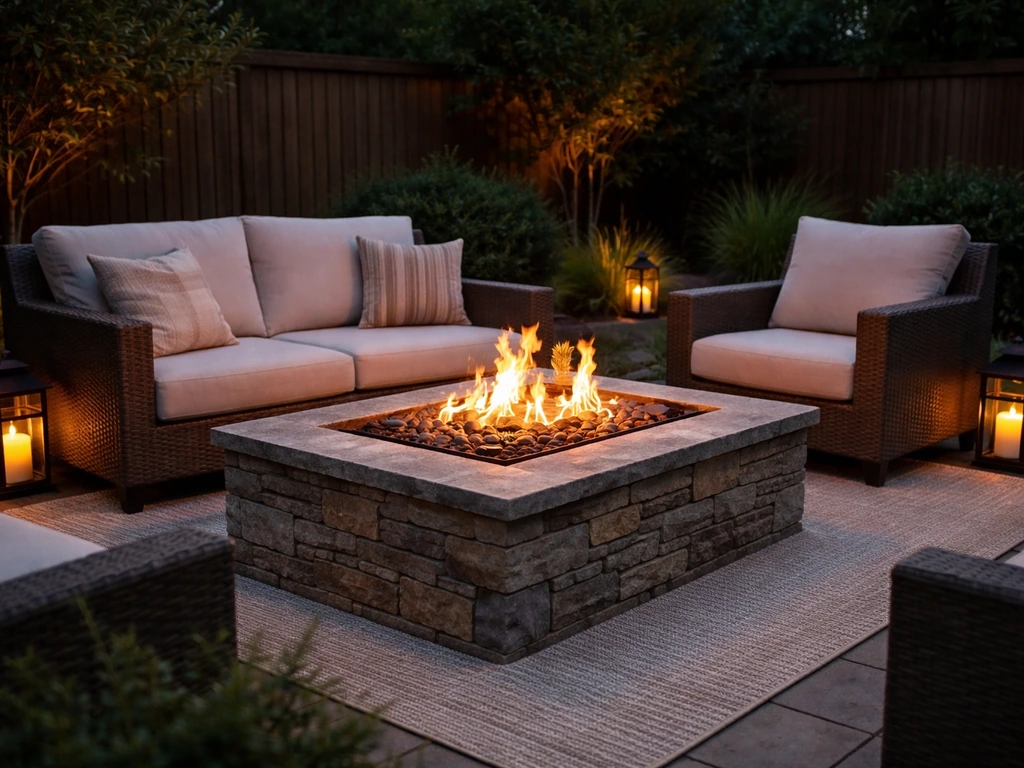
If you're on a covered patio or pergola and have an electrical outlet nearby, a wall-mounted electric infrared heater is safer, cleaner, and lower maintenance. Fire pit tables and outdoor fireplaces add the flame ambiance and social focal point that a standard patio heater can't replicate, but they prioritize atmosphere over raw heat output. Once you know which category fits your situation, picking the right product gets much easier.
What "Best Fire Hearth & Patio" Actually Means for Your Setup
When people search for the best fire hearth and patio, they're usually after one of two things: real, functional heat that extends the time they can spend outside, or a fire feature that anchors the patio aesthetically and doubles as a gathering point. Sometimes they want both. These goals point to different products.
A patio heater (standing propane mushroom style, wall-mounted electric infrared, or ceiling-hung gas radiant) is engineered to heat a defined area efficiently and give you control, meaning you can turn it on and off without fuss. A fire pit, fire pit table, or outdoor fireplace is more of a hearth-style feature that creates ambiance and warmth around a central flame, but it doesn't direct heat the way a purpose-built heater does.
Knowing which goal drives your search narrows the field dramatically.
The distinction matters because they solve different problems. Homes and Gardens frames it well: patio heaters are controllable, targeted appliances, while open wood fire pits behave more like campfires where heat drifts and you're managing a live flame. Fire tables split the difference by combining a gas burner (propane or natural gas) with a table surface, giving you the visual appeal of a flame plus a practical seating surface. If warmth is the priority, lean toward a heater. If atmosphere is the priority, lean toward a fire table or fire pit. If you want both, plan for both, because each does its job best separately.
Choose the Right Heater and Fuel Type for Your Space
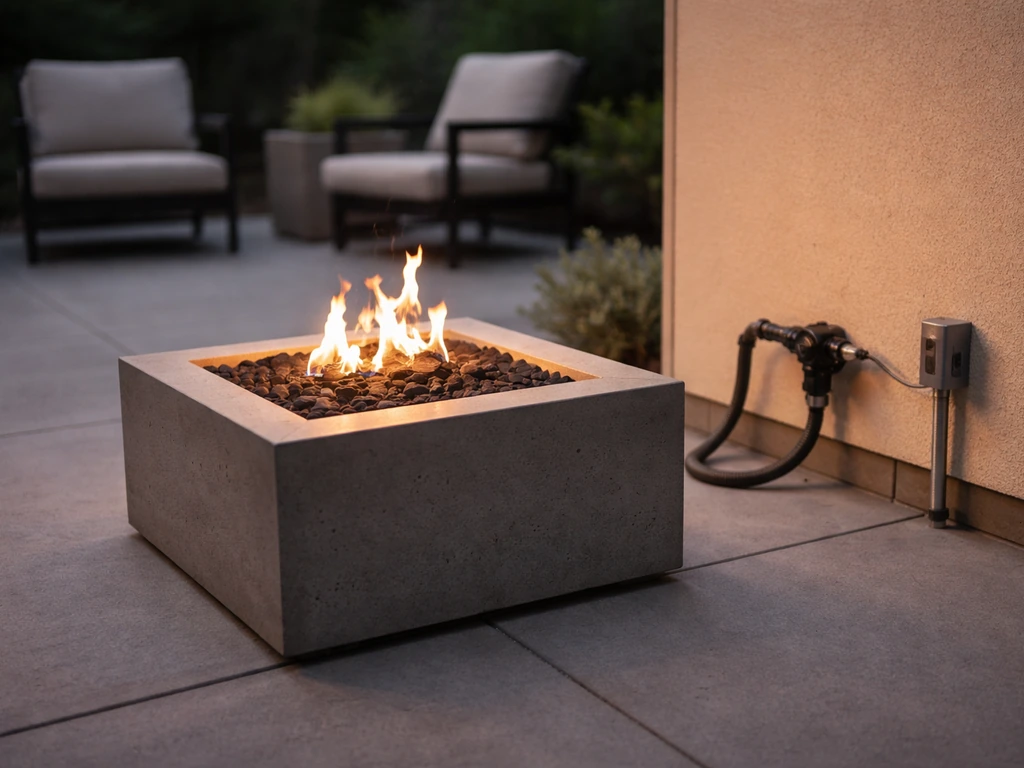
Your infrastructure dictates your fuel options more than preference does. If you don't have a natural gas line running to the patio and no electrician has wired an outdoor circuit, propane is almost always the path of least resistance. It's portable, widely available, and you can have a 40,000+ BTU heater running in an afternoon with no permits or installation costs. Natural gas is more economical over time and eliminates tank swaps, but it requires a plumbed line and typically a licensed installer, which adds upfront cost and planning. Electric infrared heaters need a dedicated outdoor electrical circuit, and while that's a one-time install, you should budget for an electrician if one isn't already in place.
Pellet-burning outdoor heaters and fire features are a smaller category, but they're worth knowing about if you want a wood-burning aesthetic without a traditional wood fire pit. They burn compressed wood pellets cleanly and are governed by EPA emissions standards under the New Source Performance Standards for wood-burning appliances.
EPA’s Burn Wise FAQ says that since 1988 EPA has implemented Residential Wood Heater NSPS that govern the manufacture and sale of wood heaters, including wood and pellet stoves and other categories governed by EPA emissions standards under the New Source Performance Standards for wood-burning appliances.
They require a fuel supply and a bit more maintenance than gas or electric options, but they produce genuine flame and can be a solid pick for rural properties where propane delivery is inconvenient. Wood fire pits and outdoor fireplaces round out the fuel options: completely infrastructure-free, but requiring more attention, producing smoke, and offering no real heat control.
| Fuel Type | Best For | Infrastructure Needed | Heat Control | Portability |
|---|---|---|---|---|
| Propane | Most patios, no existing utilities | None (tank swap) | Good (adjustable valve) | High (freestanding or tabletop) |
| Natural Gas | Permanent setups, frequent use | Plumbed gas line | Good (adjustable valve) | None (fixed) |
| Electric Infrared | Covered patios, enclosed areas | Outdoor electrical circuit | Excellent (thermostat/remote) | Low to medium (wall/ceiling mount) |
| Pellet | Ambiance + heat, rural properties | Pellet supply, clearance space | Moderate | Low |
| Wood/Fire Pit | Pure ambiance, open yards | None | None | Medium (portable pits) |
Best Options by Patio Size and Layout
Small Patios (Under 150 Square Feet)
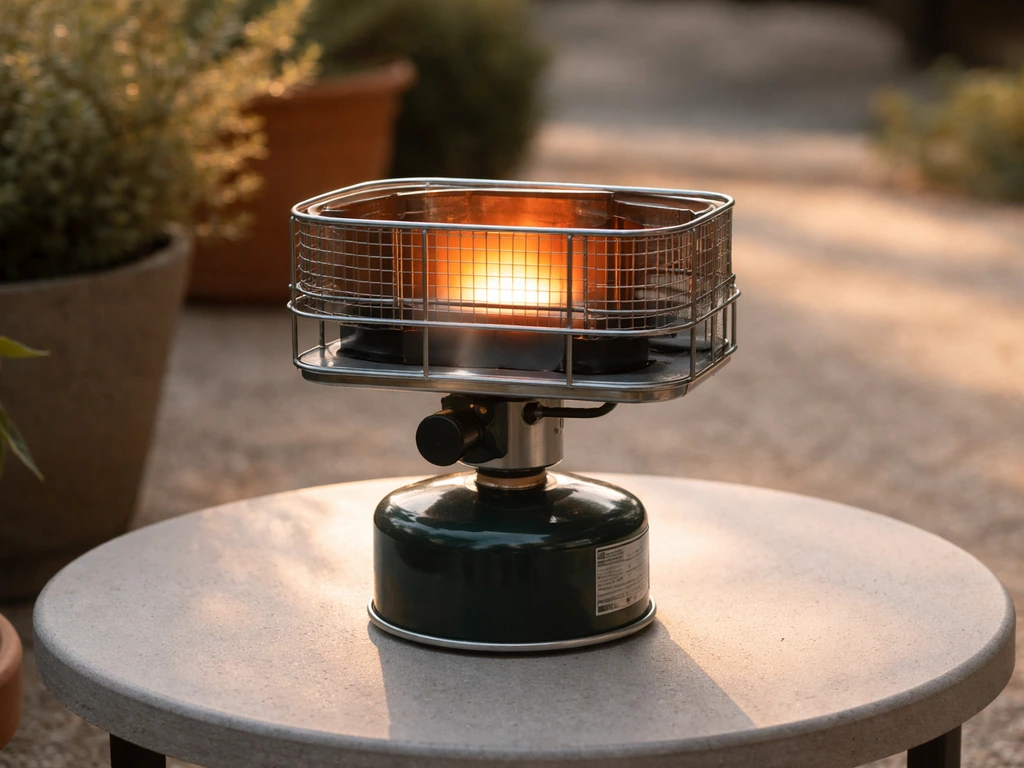
For tight spaces, a tabletop propane heater or a compact electric infrared panel is the right move. The Fire Sense 10,000 BTU tabletop propane heater is a good example of the category: it runs on a standard 1 lb propane cylinder for about three hours continuously, includes a tilt auto-shutoff valve and a safety grill guard, and puts warmth right at seated shoulder height where you actually feel it. It's not going to heat 1,000 square feet despite what some listing copy claims; realistically it keeps a table of two to four people comfortable in mild to cool weather. For small covered patios, a wall-mounted electric infrared panel in the 1,500 to 2,000 watt range does a similar job without refilling tanks.
Mid-Size Patios (150 to 300 Square Feet)
This is the sweet spot for a freestanding propane standing heater in the 40,000 to 46,000 BTU range. The Amazon Basics 46,000 BTU unit is a representative option: it covers roughly 200 square feet, runs on a standard 20 lb propane tank, and is straightforward to assemble. Always do a leak test before first use, as the manufacturer manual explicitly requires it. For covered mid-size patios, a ceiling-mounted or wall-mounted gas or electric infrared radiant heater works better because the radiant heat bounces off the overhead surface and warms the area underneath more efficiently than a standing mushroom heater.
Large Patios (Over 300 Square Feet) and Open/Windy Areas
Wind is the enemy of outdoor heating. Livingetc makes the point clearly: even centrally placed freestanding heaters lose significant warmth when heat drifts. For large open patios in exposed or windy conditions, multiple heaters positioned strategically outperform one large unit in the center. Ceiling-mounted gas infrared heaters are particularly effective here because they direct radiant heat downward and aren't as disrupted by horizontal airflow as convective standing heaters. Natural gas supply is ideal at this scale since you won't be constantly swapping tanks. For very large uncovered spaces, a fire table or fire pit adds a focal warmth point at seating level and pairs well with overhead radiant heat.
Covered Patios, Pergolas, and Partially Enclosed Spaces
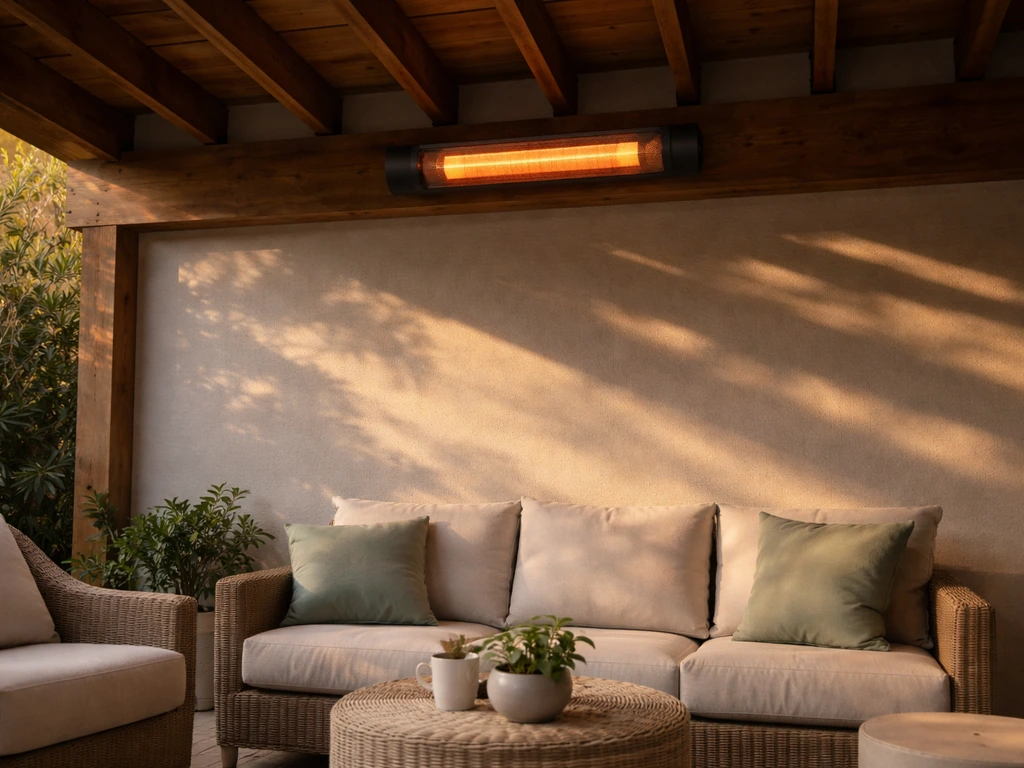
Covered spaces change the safety calculus. Electric infrared heaters are the safest choice for enclosed or semi-enclosed areas because they require little to no ventilation and carry no carbon monoxide risk. Gas-powered infrared heaters need adequate ventilation to prevent CO and CO2 buildup, and the CPSC is clear that improper venting of propane and natural gas heaters is a major cause of carbon monoxide poisoning.
If you're working with a gazebo that has plastic walls or a screened porch, do not use gas or propane heaters inside. Stick to electric infrared in those situations. For pergolas that are open on the sides but have an overhead structure, gas infrared ceiling mounts can work with sufficient airflow, but confirm clearances with your specific model's installation manual.
Infrared vs Flame-Style Patio Heating: When Each Wins
Infrared heaters work by emitting radiant energy that warms objects and people directly rather than heating the air around them. That's why they feel warm almost instantly and why wind disrupts them less than convective heaters, though Wikipedia notes that air movement across an infrared element does reduce conversion efficiency somewhat. Electric infrared units (like Infratech's W-series and C-series panels) are excellent for covered patios, restaurants, and any space where you need consistent, controllable warmth without combustion. Gas-fired infrared heaters (like Bromic's gas Tungsten models) work the same way but with a gas burner and require ventilation. Both categories outperform open-flame fire pits for pure heating efficiency.
Flame-style heating, meaning fire pits, fire tables, and outdoor fireplaces, wins on atmosphere every time. There's something about gathering around an actual fire that no infrared panel replicates. Fire tables in particular, a patio table with an integrated gas burner, are excellent social hubs that add warmth at table height where people sitting around them actually feel it. They work best as a complement to a primary heater rather than a replacement. If you're comparing the two as your only heating source, infrared or propane standing heaters will keep more people warmer more efficiently. If the goal is creating a patio that people want to linger in, a fire table or fireplace feature alongside a heater is the winning combination.
| Feature | Infrared Heater | Fire Pit / Fire Table | Standing Propane Heater |
|---|---|---|---|
| Heat efficiency | High | Low to moderate | Moderate to high |
| Wind resistance | Good (radiant) | Poor (open flame) | Fair |
| Ambiance/flame | None | Excellent | None |
| Safe in covered spaces | Yes (electric) | No (gas/wood) | No (gas) |
| Heat control | Excellent | None to moderate | Good |
| Installation | Requires mounting/wiring | Minimal (portable pits) | None (propane) |
| Best use case | Covered patios, precision heating | Social focal point, open yards | Open patios, portable warmth |
How to Compare Products That Actually Matter
BTUs and Coverage: Read This Skeptically
BTU output is the most commonly cited spec and the most commonly misunderstood one. A 10,000 BTU tabletop heater claiming 1,000 square feet of coverage is using best-case numbers. In real outdoor conditions with any wind, that coverage shrinks dramatically. Use BTU ratings as a relative comparison tool, not a literal coverage guarantee. For a rough guide: tabletop units (8,000 to 10,000 BTU) work for a small table group, mid-range standing heaters (30,000 to 40,000 BTU) cover a seating area of roughly 100 to 150 square feet comfortably, and high-output units (40,000 to 46,000 BTU) push toward 200 square feet in calm conditions. For covered spaces, radiant heaters are more efficient per BTU because they're not heating open air.
Controls, Ignition, and Ease of Use
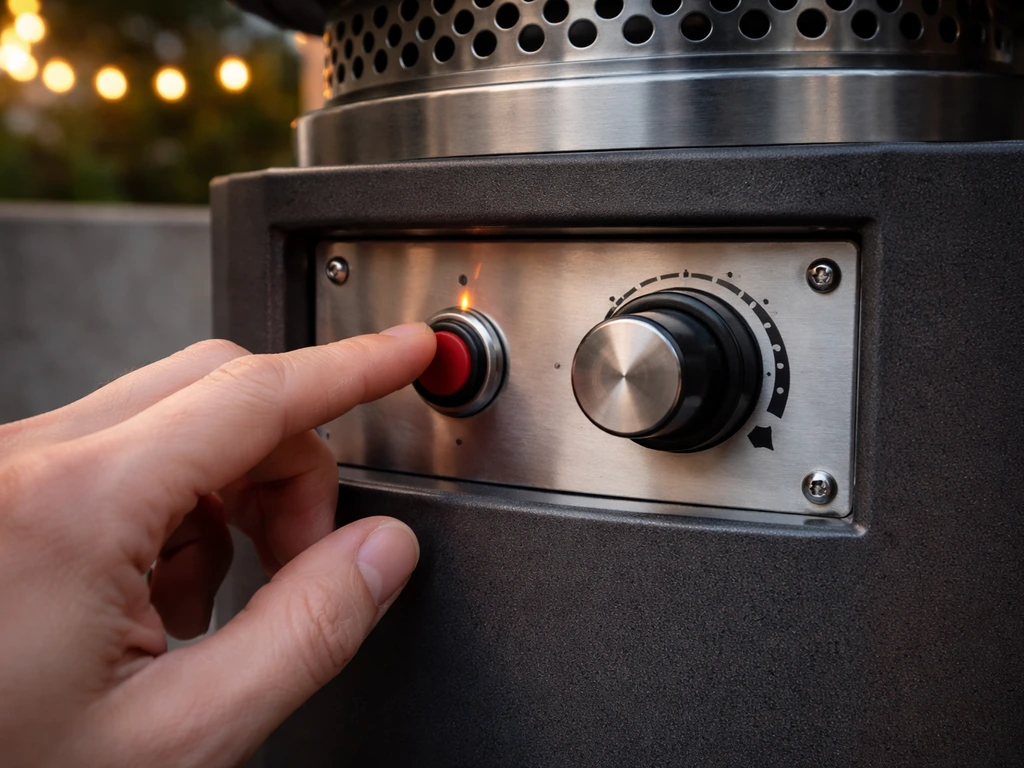
Look for push-button piezo ignition or electronic ignition on gas heaters rather than manual match lighting. Variable heat settings are worth the small price premium because you can dial back output on milder evenings and conserve fuel. Electric infrared heaters often come with remote controls or are thermostat-compatible, which is a genuine convenience upgrade for covered patio installations. Tilt shutoff valves on tabletop propane units are a non-negotiable safety feature. Auto-cutoff on tip-over is similarly important for freestanding standing heaters.
Materials, Durability, and Weather Resistance
Stainless steel and powder-coated aluminum hold up best outdoors. Cheaper units with thin steel housings rust quickly in humid climates. For electric infrared panels, check IP (ingress protection) ratings: IP65 means dust-tight and protected against water jets, which is the minimum you want for any outdoor-rated electric heater. For gas heaters, inspect the burner screen material and ignition housing, as these are the first components to corrode. A quality cover when the heater is not in use extends lifespan significantly regardless of the unit's construction quality.
Safety Standards and Certifications
Gas-fired outdoor patio heaters should be listed and labeled to ANSI Z83.26/CSA 2.37, the recognized North American safety standard for gas-fired outdoor infrared patio heaters. UL certification on the label is your confirmation the product has been independently tested. For electric heaters, look for ETL or UL listed marks. Avoid any gas heater that doesn't carry a recognizable third-party safety certification, regardless of price or marketing claims.
Recommended Shortlists: What to Buy Based on Your Scenario
Best Propane Pick
For a standard open patio with no gas line or electrical setup, a 40,000 to 46,000 BTU freestanding propane mushroom heater is the workhorse choice. The Amazon Basics 46,000 BTU is a solid budget-friendly option. Step up to brands like AZ Patio Heaters or Bromic for better build quality and longer lifespans. For a small table, the Fire Sense 10,000 BTU tabletop model (model 60262) is a well-reviewed, affordable pick that runs on a standard 1 lb cylinder and includes a tilt safety shutoff.
Best Electric Pick
For covered patios and pergolas, electric infrared is the smart long-term investment. Infratech's W-series and C-series wall-mount panels are among the most respected in the category. The C-series manual specifies a blank" rel="noopener noreferrer">minimum 18-inch clearance on all four sides and 36 inches directly in front of the heater, which is important to check before you mount. Bromic's Platinum Smart-Heat Electric series offers excellent directional control and remote compatibility. Budget-friendly alternatives from Dr. Infrared and other brands work well for smaller covered spaces.
Best Natural Gas Pick
If you already have a gas line or are willing to have one run, a natural gas ceiling-mounted or wall-mounted infrared heater delivers the best long-term value for a covered patio. Bromic's Tungsten Smart-Heat Gas series and Patio Comfort Natural Gas heaters are well-regarded. Expect a licensed plumber or gas fitter to handle the connection, and confirm local code requirements before installation.
Best Pellet or Wood Fire Feature Pick
If you want the hearth aesthetic and can manage a fuel supply, a pellet-burning outdoor fireplace or fire pit offers cleaner burning than wood with genuine flame. Solo Stove makes popular smokeless wood fire pits that dramatically reduce smoke output through a secondary burn design, making them a practical choice for tighter yards. For a more traditional hearth look, outdoor wood-burning fireplaces from brands like Pleasant Hearth work well in uncovered spaces. Remember that pellet appliances can generate heat from the vent that must be kept away from combustibles.
Best Tabletop Pick
The Fire Sense 10,000 BTU tabletop propane heater is the category standard at an accessible price point. It uses 1 lb propane canisters, runs about three hours per cylinder, includes a safety grill guard and tilt shutoff, and comes in multiple finishes. For a premium tabletop experience with natural gas compatibility, fire pit tables from brands like Outland Living or Real Flame bridge the gap between a tabletop heater and a full fire table.
If you're also researching local retailers and service providers, it's worth knowing that regional hearth and patio specialists, similar to what you'd find when looking into options like Better Homes Hearth & Patio or Alternative Energy Hearth and Patio Shoppe, can offer hands-on expertise and local installation support that online shopping can't match. Reading hearth and patio reviews from real customers in your region, including those specific to dealers in your area like Albany, NY options, can surface insights about service quality and regional climate performance that aren't captured in national product reviews.
Installation, Maintenance, and Getting Reliable Heat Season After Season
Before You Turn It On
- For any gas heater: perform a leak test before first use and after any tank change. Apply soapy water to all connections and check for bubbles before igniting.
- Confirm clearances to combustibles match your specific model's manual. Minimum clearances vary by model: Infratech C-series requires 18 inches on all sides and 36 inches in front; other units have different specs.
- For electric heaters: ensure the circuit is properly rated for the heater's wattage and that the outlet or hardwired connection is outdoor-rated (GFCI protected).
- For natural gas or gas infrared units in covered spaces: verify adequate ventilation is present. Never operate gas-burning heaters in fully enclosed spaces.
- Position freestanding propane heaters on a stable, level surface. Keep the base clear of trip hazards and never operate near flammable materials.
Seasonal Maintenance Checklist
- Inspect burner screens and heating elements for corrosion, spider webs, or debris before each season. Blocked burners are a leading cause of ignition failure and flare-ups.
- Check all gas connections and hoses for cracking or wear, especially after winter storage.
- For electric infrared units: disconnect power before inspecting or replacing heating elements, as Infratech's manuals specifically instruct.
- Clean reflector panels on radiant heaters with a soft cloth. Dirty reflectors reduce heat output noticeably.
- Store propane tanks upright in a well-ventilated outdoor area, never in a garage or enclosed shed.
- Cover freestanding and tabletop heaters when not in use to protect against UV degradation and moisture ingress.
- Test ignition systems at the start of each season. Replace igniter electrodes if sparks are weak or inconsistent.
Getting More Heat in Windy Conditions
Wind cuts the effective output of any outdoor heater. A few practical strategies help: position freestanding heaters on the downwind side of the seating area so the heater pushes heat toward people rather than away from them. Use windbreak panels, privacy screens, or strategic planting to reduce wind exposure at the patio level. For infrared heaters, overhead or angled mounting minimizes the surface area exposed to crosswind compared to a vertical standing heater. If you're regularly dealing with wind, overhead gas infrared or electric infrared panels mounted close to the seating zone will always outperform freestanding units in those conditions.
The bottom line: there's no single best fire hearth and patio product for everyone, but there absolutely is a best answer for your specific yard. Match the fuel source to your infrastructure, match the heater style to your patio size and coverage situation, verify safety certifications and clearances before you mount anything, and think about whether you want pure heat or a fire feature (or both) before you spend. If you are comparing options for outdoor warmth, you can also check alternative energy hearth and patio shoppe llc for adjacent heater and hearth product choices. With those decisions made, you're in a much better position to choose confidently and actually enjoy the result.
FAQ
Can I use a fire pit or fire table as the main heat source instead of an infrared heater?
You can, but expect slower, less consistent warming and more smoke management. Fire features mainly heat people near the flame, so if you want several feet of seating coverage or quick warm-up on cool nights, pair a fire feature with a heater instead of relying on it alone.
What clearance mistakes cause the most problems with electric infrared heaters on covered patios?
The most common issue is ignoring side and front clearances (they vary by model). Measure before mounting and keep the heater's front unobstructed, especially if you have angled soffits, hanging lights, or pergola beams in front of it.
How do I choose between a freestanding propane heater and an overhead radiant heater for windy yards?
If wind is frequent, favor overhead radiant (ceiling-mounted or close-to-seating angled mounting) because it directs warmth downward and is less disrupted by horizontal airflow. A single freestanding heater also loses effectiveness when the wind pushes heat away from your seating.
Is it safe to run a gas heater under a gazebo or near screened walls?
Only if the space has enough airflow for that specific unit, screened boundaries still restrict ventilation. If the enclosure uses plastic walls or is effectively closed on multiple sides, use electric infrared instead, and follow the installation manual’s ventilation guidance to the letter.
What should I do if my propane heater is difficult to ignite or the flame looks weak?
First check the cylinder connection, regulator (if applicable), and that the burner area is clean and dry. Avoid repeatedly cycling ignition, because a delayed ignition can lead to a small flare-up. If problems persist, stop and service it rather than troubleshooting by guesswork.
How much does BTU really matter for outdoor heaters?
BTU is useful for comparing models, but it is not a guarantee of square footage. In real outdoor conditions, wind and coverage assumptions can cut effective reach. Use BTU alongside your patio openness and seating layout, then plan for warmer performance by adding another unit or upgrading to radiant mounting when needed.
Can I rely on a 10,000 BTU tabletop heater for a whole group on a larger patio?
Usually no. Tabletop units are best for two to four people at shoulder-height, not for broad-area coverage. If your seating extends farther than a small table group or the air is windy, size up or switch to a wall or ceiling radiant heater.
Do I need a dedicated outdoor electrical circuit for infrared heaters, even if I already have an outlet nearby?
Often yes, because outdoor heaters may require a specific voltage and amperage and must be protected by proper outdoor wiring practices. If the outlet is on an indoor circuit or not rated for outdoor use, budget for an electrician to install a compliant dedicated outdoor circuit.
What fuel option is best if I hate tank swaps?
Natural gas is the lowest-maintenance choice if you can run a line. If you cannot, propane is the practical path, but consider a longer-run setup by choosing higher output models and planning for cylinder capacity, plus safe storage access.
What “safety certifications” should I verify before buying a gas or electric heater?
For gas-fired outdoor infrared heaters, look for recognized independent third-party testing marks and the unit being labeled to the relevant gas safety standard. For electric infrared, confirm the heater is listed for outdoor use and review its ingress protection rating, then match that rating to your exposure (rain, sprinklers, coastal humidity).
How can I reduce corrosion and extend lifespan on outdoor heaters?
Choose stainless steel or corrosion-resistant components where possible, use a quality weather cover when not in use, and inspect the burner or ignition area periodically for rust or debris. In humid climates, thin steel housings can degrade quickly even if the heater still works.