
The Blackstone Patio Oven (Model 1575) is a propane-powered outdoor pizza oven with a 60,000 BTU burner, patented 2Stone rotating cordierite stone technology, and a claimed ceiling of 900°F plus. It cooks a pizza in roughly 2 to 4 minutes in real-world use (manufacturer ads say 90 seconds, but practical preheat and dough thickness usually push that closer to 2 to 4). If you want a standalone outdoor oven that does serious high-heat cooking on your patio, this is one of the most accessible options at its price point. If you mainly want warmth for sitting outside on cool evenings, it is not the right tool and you should look at a dedicated patio heater instead.
Blackstone Patio Oven Review: Specs, Setup, and Who It’s Best For

Willa Brennan
30 Apr 2026
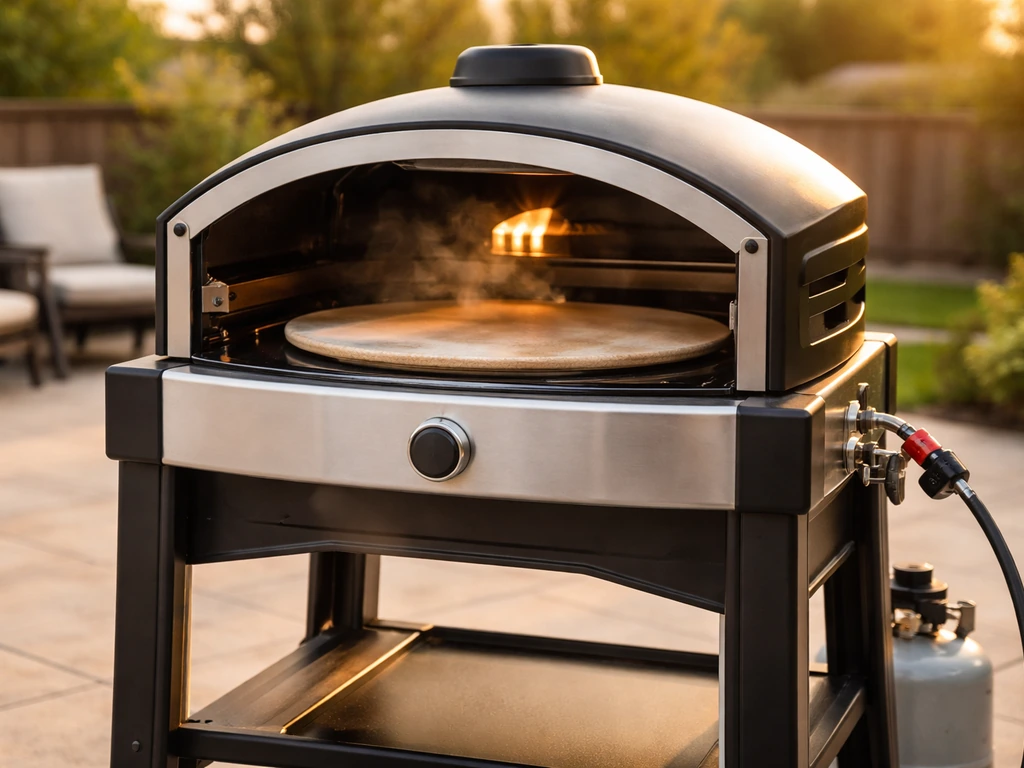
What the Blackstone patio oven actually is (and who it makes sense for)
Blackstone markets this as a patio oven, but it is first and foremost a pizza oven. The Model 1575 is a freestanding propane unit with a stainless steel body, a rolling cart, and a 16-inch cordierite cooking stone. The 2Stone system gives you a rotating bottom stone and a radiant top stone, which together mimic the even, surrounding heat of a wood-fired deck oven. It weighs 113 pounds, sits 54 inches tall, and measures 19 inches wide, so it takes up real estate on a patio but is technically movable if you have the muscle for it.
This oven makes a lot of sense for backyard entertainers who want wood-fired-style results without managing a wood fire. It also works well for anyone who already owns a Blackstone griddle and wants to round out an outdoor kitchen setup. For more help weighing where to buy the right unit, also check craft stove store and patio reviews for real buyer impressions outdoor kitchen setup. Where it does not make sense is if your primary goal is space heating. A 60,000 BTU propane oven radiates intense, directional heat from the cooking chamber, not the broad, ambient warmth you get from a mushroom-style patio heater or an infrared tower. Think of it as an outdoor appliance that happens to throw off heat, not a heater that happens to cook food.
Key specs worth comparing before you buy
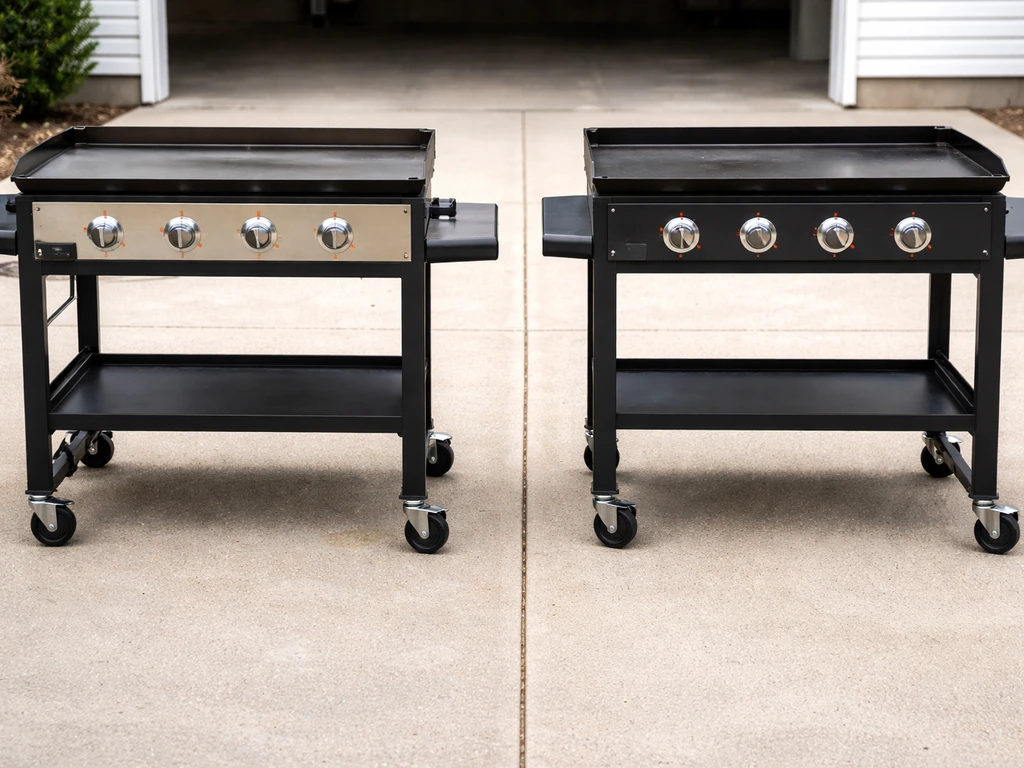
| Spec | Blackstone 1575 Details |
|---|---|
| Model number | 1575 (also sold as SKU 6825 with mobile cart) |
| Fuel type | Liquid propane (LP) |
| BTU output | 60,000 BTU burner |
| Max temperature | 900°F+ (stone surface) |
| Cooking stone size | 16-inch rotating cordierite (bottom) + radiant top stone |
| Stone technology | Patented 2Stone rotating bottom/radiant top |
| Ignition | Electronic push-button ignitor with adjustable control knob |
| Built-in thermometer | Yes |
| Dimensions | 19 in W x 54 in H |
| Weight | 113 lbs |
| Included accessories | Pizza peel and built-in peel holder |
| Body material | Stainless steel |
| Clearance required | 36 inches minimum from any combustible surface |
The 60,000 BTU rating is the number that matters most for performance comparisons. That is a serious amount of heat for a cooking appliance. For context, most propane patio heaters designed strictly for space warming run between 40,000 and 50,000 BTU, and electric infrared heaters typically land in the 5,000 to 21,000 BTU equivalent range. The Blackstone's output is concentrated into a small chamber to build intense, radiant cooking heat rather than warming the air around you.
Heat output, cooking space, and what you can realistically do with it
The 900°F ceiling is real, but it takes a bit of patience to get there. According to the owner's manual, the oven is fully warmed up when the built-in thermometer hits 300°F, which takes roughly 5 to 10 minutes from a cold start. From there, the manual recommends setting the burner to medium heat and waiting another 5 minutes for the stone surface to stabilize between 350°F and 400°F. If you want the full high-heat sear, let it run longer before loading a pizza. The stone surface actually runs hotter than the air temperature shown on the built-in thermometer, so do not judge readiness purely by the gauge.
For pizza, the 16-inch rotating cordierite stone handles a standard 12 to 14-inch pie comfortably. The rotating bottom stone is the key differentiator here. It eliminates the need to manually spin the pizza mid-cook to avoid hot spots, which is a genuine convenience advantage over fixed-stone competitors at a similar price. Real-world cook times run 2 to 4 minutes depending on dough thickness and topping load, not the 90-second headline. Thin-crust Neapolitan style at full heat is where you get closest to that claim.
Beyond pizza, the cooking chamber works for flatbreads, calzones, and even roasting smaller items in cast iron. It is not a multi-rack oven, so large proteins or sheet-pan cooking are off the table. Think of the usable space as purpose-built for anything that benefits from high, surrounding radiant heat in a compact footprint.
Fuel, setup, ignition, and day-to-day maintenance
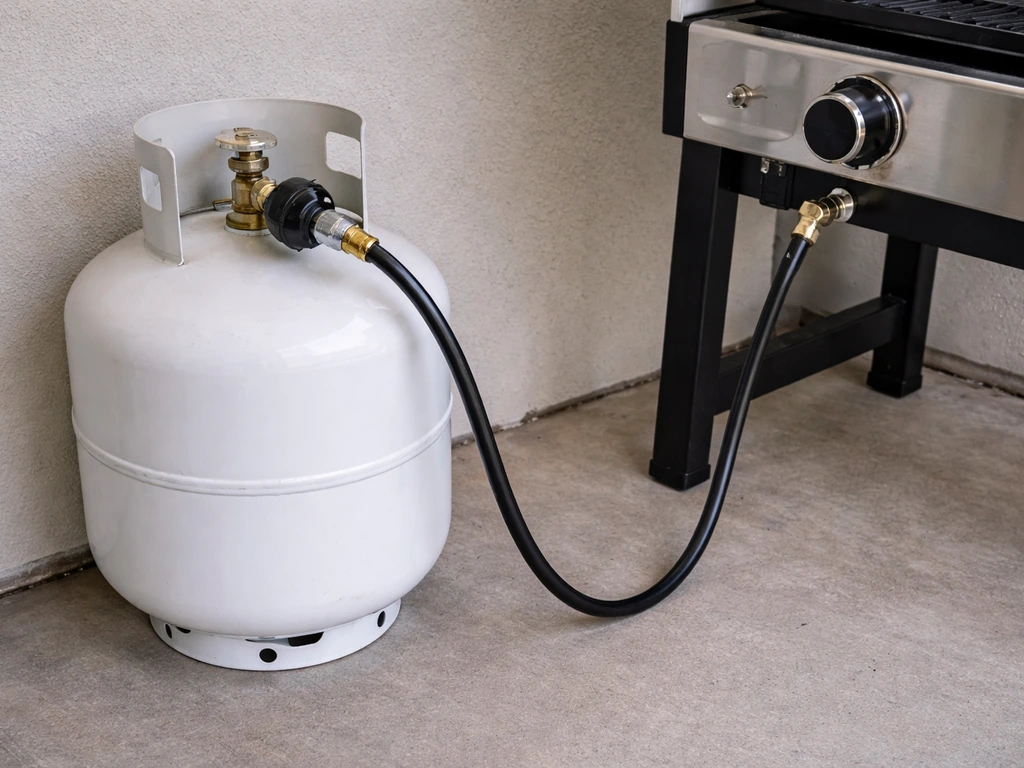
Setup and fuel sourcing
The 1575 runs exclusively on liquid propane. You connect a standard 20-pound propane tank (the same kind used for a gas grill), which is widely available at hardware stores, home improvement centers, and most grocery stores. The cart assembly is straightforward from the manual, and the unit ships mostly pre-assembled. Propane is a practical fuel choice for a patio oven because it gives you high, consistent output without running a gas line, and you can move the oven to different spots in your yard if needed.
Ignition and controls
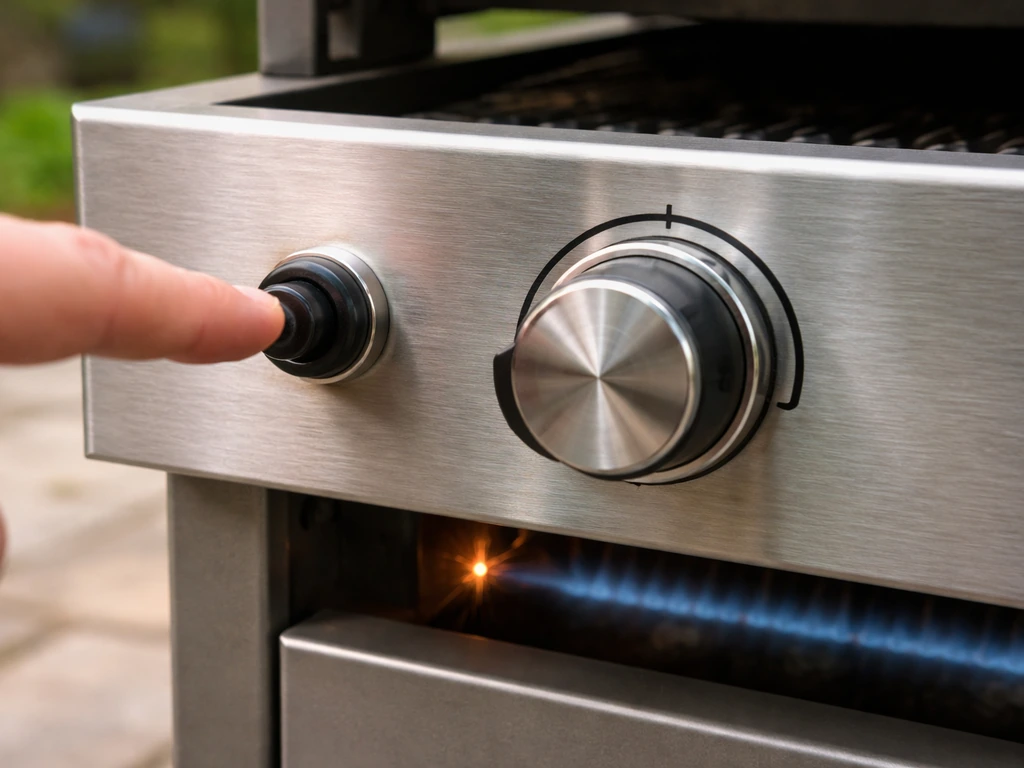
Ignition is electronic via a push-button ignitor with a single adjustable control knob for the burner. The sequence from the manual: open the gas valve, press and hold the ignitor button, verify you hear and see clicks and a flame catches, then adjust the knob for your target heat level. If ignition does not happen within the specified attempt window, the manual instructs you to wait before trying again to let any accumulated gas dissipate. Blackstone sells a replacement ignitor button that is compatible with the 1575, which tells you this is a known wear item. Blackstone lists a compatible replacement “Black Ignitor Button(w/Spring)” for the Model 1575 (Home SKU: RP 90021). Keep a long lighter as a backup.
Cleaning and ongoing maintenance
The cordierite stones are self-cleaning in the sense that high heat burns off most residue. For the stone surface, a stiff brush after a cook session is typically enough. Do not use soap or water on the stones directly. The stainless steel exterior wipes down with a damp cloth. The bigger maintenance concern based on real user experience is rust. At least one independent reviewer reported rust appearing within one week on an exposed unit. To combat this, keep a weatherproof cover on it when not in use and store it under a covered patio or in a garage if possible. Stainless steel resists rust far better than carbon steel, but surface corrosion can still develop on welds, seams, and any bare metal components if left uncovered in humid conditions.
Safety, weather use, and how long it will last
Clearances and safe placement
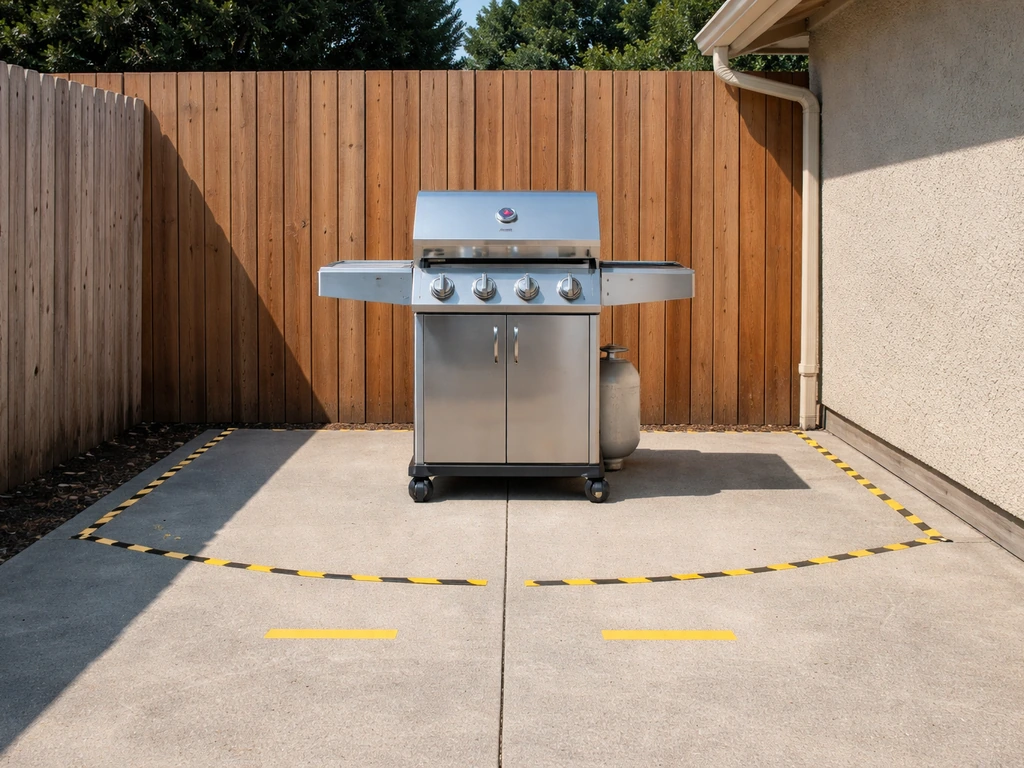
The Blackstone 1575 manual is explicit: maintain at least 36 inches of clearance from any combustible construction, including fences, walls, overhangs, and furniture. This is a non-negotiable safety requirement, not a suggestion. That clearance requirement matters a lot for covered patios. A standard pergola or patio cover is usually combustible, and the intense heat from a 60,000 BTU oven concentrating upward can cause damage or fire risk if you crowd it. Measure your space before buying.
Wind and weather performance
Propane-fueled appliances in general lose efficiency in breezy conditions. A 10 mph wind can meaningfully reduce effective output by disrupting the burner flame and allowing heat to escape the chamber more quickly. The enclosed cooking chamber of the 1575 does a better job than open-flame heaters at retaining heat, but wind still extends preheat times and can make temperature consistency harder to manage. For uncovered patios in windy climates, orient the oven so the opening faces away from the prevailing wind direction, and expect to run it slightly higher on the control knob to compensate.
The 1575 is designed for outdoor use, but it is not waterproof. Do not operate it in rain, and never leave it uncovered. The electronic ignitor is a vulnerability point in wet conditions. Long-term durability is solid if you maintain it, but expect surface wear on the stainless steel over several seasons of outdoor exposure, especially in coastal or high-humidity climates.
Stability and tip risk
At 113 pounds on a wheeled cart, the 1575 is heavier than it might look, which actually helps stability. Lock the cart wheels when you are operating it. The tall profile (54 inches) combined with a relatively narrow base means you should not place it on uneven ground or sloped surfaces where it could shift or tip. A level, flat patio surface is the correct placement.
How the Blackstone patio oven stacks up against other outdoor options
This is where intent matters most. If your goal is cooking, the Blackstone is a strong value compared to specialty pizza oven brands. If your goal is warmth, it is not the right purchase at all. Here is how it compares across the main outdoor heating and cooking categories covered on this site.
| Option | Best For | BTU / Output | Preheat Time | Weather Flexibility | Approximate Cost Range |
|---|---|---|---|---|---|
| Blackstone 1575 patio oven (propane) | Pizza and high-heat outdoor cooking | 60,000 BTU | 10-15 min to cook temp | Moderate (enclosed chamber helps) | $400-$600 |
| Propane mushroom/tower patio heater | Ambient space warming outdoors | 40,000-46,000 BTU | 2-5 min | Moderate (loses efficiency in wind) | $100-$400 |
| Electric infrared patio heater | Covered patios, zero fuel hassle | 5,000-21,000 BTU equiv. | Instant-on | Good under cover, avoid rain | $80-$300 |
| Natural gas patio heater | Permanent patio installs, always-on warmth | 40,000-50,000 BTU | 2-5 min | Moderate to good (hardline supply) | $200-$600+ |
| Pellet patio heater/fire pit | Ambiance + warmth, rustic feel | Variable (~90 min per hopper) | 5-15 min | Fair (open flame needs wind protection) | $200-$700 |
| Electric pizza oven (e.g., Ninja Artisan) | Covered patio cooking, no propane needed | ~700°F max | 18-20 min preheat | Indoor/covered only | $300-$500 |
The electric pizza oven comparison is worth a closer look if you have a covered patio with an outlet. An electric model like the Ninja Artisan tops out around 700°F versus the Blackstone's 900°F, and it takes 18 to 20 minutes to preheat versus the Blackstone's 10 to 15 minutes. For Neapolitan-style pizza that needs serious stone heat fast, propane wins. For convenience and placement flexibility under a covered patio where a gas line or propane tank is inconvenient, electric is a legitimate choice.
For pure space heating on your patio, a dedicated propane tower or mushroom heater does the job far better than any pizza oven, and at a lower cost. If you are considering a Solo Stove Tower patio heater instead, this solo stove tower patio heater review will help you compare heat output, build quality, and real-world performance. If you are comparing specialty outdoor cooking and heating retailers and want a sense of the full equipment ecosystem, shops like Woodstove Fireplace and Patio or stores reviewed in the Ambler Fireplace and Patio and Bowman's Stove and Patio categories on this site often stock a wider range of both cooking and heating solutions together, which can be worth exploring if you want hands-on help selecting both.
Which Blackstone patio oven setup is right for your situation
Best for small covered patios (under 150 sq ft)
If your covered patio is on the smaller side, measure the clearance carefully before buying. You need 36 inches from any combustible structure in every direction. A small covered space may not give you enough room to operate the 1575 safely under an overhang. If clearance is tight, either skip the oven entirely or look at a tabletop electric pizza oven that operates safely in a smaller enclosed footprint. If your covered patio is large enough to meet clearances, the Blackstone works fine here, but add a propane tank storage solution since the tank sits at the base of the cart.
Best for open or uncovered patios and backyards
This is where the Blackstone 1575 is most at home. Open space means you can meet clearance requirements easily, wind management is easier with smart positioning, and you have full freedom to run it hot without worrying about combustible overhead structures. If you entertain regularly outdoors and love pizza, this is a genuinely strong buy. Pair it with a separate dedicated propane or electric patio heater for ambient warmth and you have a complete outdoor setup.
Budget under $300: skip the Blackstone oven
The 1575 typically runs $400 to $600. Below $300, you are better served by a standalone propane patio heater for warmth, or a tabletop pizza oven for occasional cooking. Do not stretch the budget for the cart version if you will not use it regularly enough to justify the cost.
Budget $400 to $600: the Blackstone 1575 is a strong buy for cooking-focused buyers
At this price point, the 1575 is one of the best-value propane pizza ovens with rotating stone technology on the market. For more specific guidance on what to expect, check Ambler fireplace and patio reviews before you commit to an outdoor setup. The 60,000 BTU output, included peel and peel holder, built-in thermometer, and mobile cart make it a complete out-of-box cooking setup. The honest caveats: buy a heavy-duty weather cover immediately, keep a backup lighter ready in case the electronic ignitor gives you trouble, and plan on inspecting the stainless for rust development each season. If you want a second opinion before buying, check bowman's stove and patio reviews for real-world feedback on how well this oven performs on an actual patio.
Budget $600 and up: consider stepping up or adding a heater
If you have more to spend, look at higher-end pizza oven brands like Ooni or Gozney that offer multi-fuel flexibility (wood, gas, or both) and premium build quality. Alternatively, spend the extra budget on pairing the Blackstone 1575 with a quality infrared or propane tower heater for a patio setup that handles both serious cooking and comfortable ambient warmth for guests sitting nearby.
For people who mainly want warmth, not cooking
A patio oven is not a patio heater. If your core need is keeping guests warm while sitting around a patio on a cool evening, buy a propane mushroom heater, a natural gas wall-mounted heater, or an electric infrared unit. Propane heaters give you broad radiant warmth with minimal setup. Electric infrared heaters are better for covered patios where ventilation is limited and you want instant, directional warmth. Pellet options offer a more social fire-pit feel with roughly 90 minutes of consistent heat per hopper. Each of those options will serve your guests far better than running a pizza oven for warmth.
FAQ
Is the Blackstone 1575 a good choice if I want both pizza cooking and keeping guests warm?
It works well for cooking, but it is not efficient for ambient warmth. The heat is concentrated in the cooking chamber, so guests will feel little benefit unless they are close to the oven. If you want comfort, plan on a separate patio heater (tower, mushroom, infrared) and use the 1575 mainly for pizzas.
How much clearance do I really need on a covered patio, and what counts as “combustible”?
The manual requires at least 36 inches from any combustible construction in every direction, including fences, walls, overhangs, and patio furniture. A pergola or patio cover is often treated as combustible, so you need to measure height and side space, not just the ceiling clearance above the doorway.
What’s the best way to tell when the oven stone is ready if the built-in thermometer is confusing?
Use the thermometer as a starting point, not the final signal. After the gauge hits around 300°F you still need additional time for the stone surface to stabilize (the manual recommends an extra step), and the stone can run hotter than the gauge. If you consistently overcook or burn bottoms, reduce your loading time rather than trusting only the thermometer reading.
Does the rotating stone mean I never have to rotate my pizza during cooking?
You generally should not need to manually spin the pizza because the rotating bottom stone helps reduce hot-spot effects. Still, if you notice uneven results, topping load and dough moisture matter, so try using a consistent pizza thickness and avoid overloaded, dripping toppings rather than rotating more often.
What size pizzas can I cook, and what happens if I try a larger one?
The oven comfortably handles standard 12 to 14-inch pizzas. Going larger than that usually forces the dough to overhang the effective stone area, which increases the chance of uneven browning and spills onto the oven floor. If your pizzas are bigger, consider trimming to fit rather than pushing size.
How should I clean the cordierite stones after use without damaging them?
After the oven cools, use a stiff brush to remove residue. Do not apply soap or water directly to the stones, because moisture can cause issues and the stone texture can degrade faster. For the stainless exterior, wipe with a damp cloth only.
How do I protect the oven from rust if it sits outside in humid weather?
Stainless helps, but surface corrosion can still appear, especially on welds and exposed areas. Use a weatherproof cover immediately and store the unit under a covered patio or in a garage when possible. It also helps to check for early rust spots each season so you can address them before the problem spreads.
Is it safe to use the Blackstone 1575 in light rain or after a wet morning?
Do not operate it in rain, and never leave it uncovered. Even if the cooking chamber is outdoors, the electronic push-button ignition is a weak point in wet conditions. If the unit has gotten wet, wait until it is fully dry before attempting ignition.
What should I do if the push-button ignition fails to light?
Follow the manual timing guidance, pause to let any accumulated gas dissipate, then try again. Keep a long lighter as a backup because the ignitor button is a wear item and Blackstone sells a replacement compatible with the 1575. Repeated ignition failures are a good time to inspect the button and connection rather than repeatedly cycling without checking.
Does wind affect cooking performance with this oven?
Yes, breezy conditions can reduce effective output and make preheat and temperature control harder. For uncovered or windy patios, position the opening so it faces away from the prevailing wind, and expect longer preheat times. If you see lots of variability between pizzas, wind direction and gusts are likely a major factor.
Where should I store the propane tank if the cart sits outside?
Plan for propane tank storage since the tank sits at the base of the cart. Use safe, stable placement, keep the tank secured, and avoid leaving it where it can be exposed to direct heavy weather. If you use covers, ensure the cover does not interfere with ventilation or safe access points.
Is the 113-pound weight a problem for placement and setup?
It can be manageable, but the oven is tall and narrow, so placing it on uneven or sloped ground increases the risk of tipping. Lock the cart wheels before operating, and choose a level, flat surface. If you frequently move it for parties, plan your route and clear the area in advance.
What’s the most common reason people are disappointed after buying this oven?
They use it expecting it to function like a patio heater. If your goal is ambient warmth for sitting farther away, a dedicated heater will perform better and faster at a lower total cost. Use the 1575 for high-heat cooking, and pair it with a heater for comfort.
If I’m trying to decide between the Blackstone 1575 and an electric pizza oven, what tradeoff should I expect?
Electric units often preheat much slower and may not reach the same stone temperatures quickly, which matters for Neapolitan-style results. Propane typically gives higher peak heat sooner, but you must manage propane tank setup and outdoor safety clearances. If your patio is small and clearance is tight, electric can sometimes be the practical choice despite lower max temperature.