
If you want the simplest answer: the Char-Broil Patio Bistro TRU-Infrared Electric Grill (Model 20602109) is the best pick for most apartment balconies, small covered patios, and anyone who can't use gas. It plugs into a standard outlet, heats evenly thanks to the infrared emitter plate, and produces virtually no flare-ups. The gas/propane Patio Bistro is a better choice if you want higher heat output and don't mind dealing with a propane tank. If you are specifically looking for a char-broil patio bistro 240 gas review, these tradeoffs around heat output, propane storage, and maintenance matter most gas/propane Patio Bistro. But the naming across this entire product line is genuinely confusing, so let me break down exactly what you're getting with each version before you buy.
Char-Broil Electric Patio Grill Reviews: Patio Bistro Guide

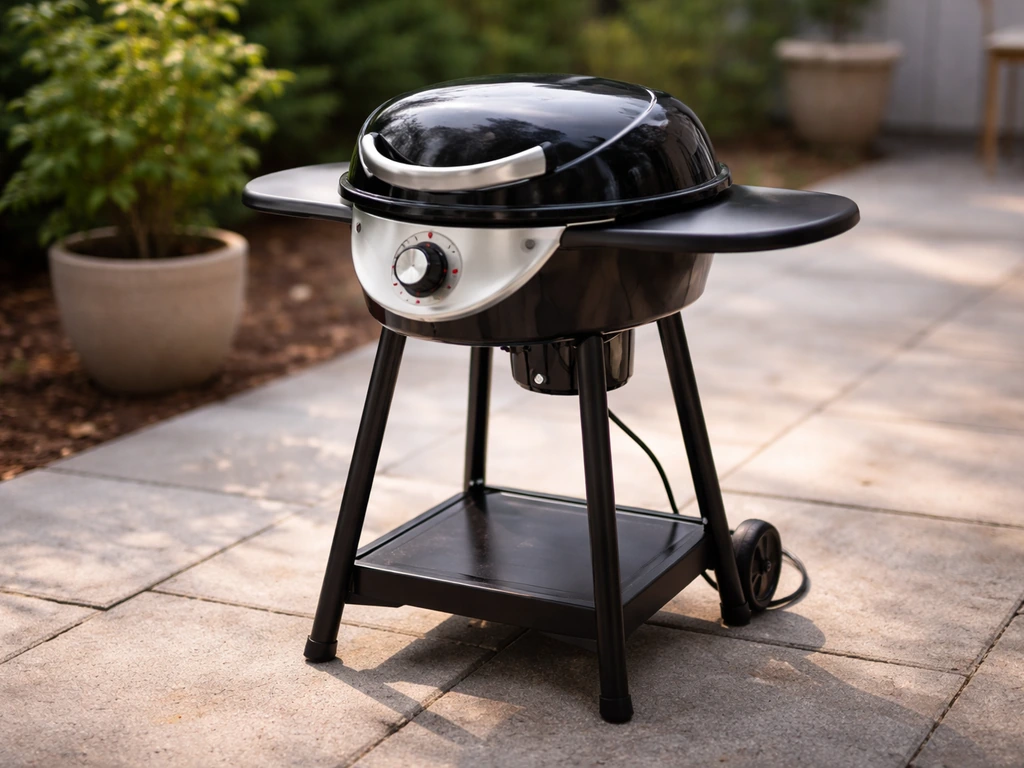
Quick take: which Patio Bistro model to buy
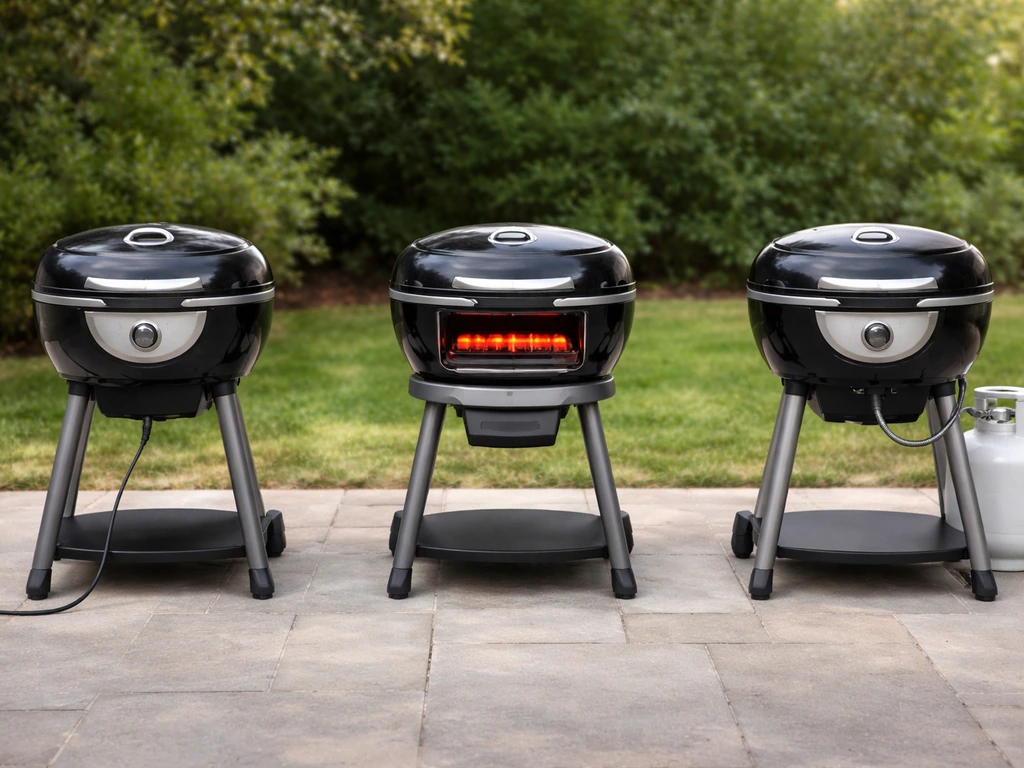
The Char-Broil Patio Bistro lineup splits into three real options: the standard electric (older models), the TRU-Infrared electric (the current version, Model 20602109 and closely related variants like 20602107/20602108), and the propane/gas TRU-Infrared version. Here's the 30-second guide before we get into the details.
| Model Type | Best For | Skip If |
|---|---|---|
| TRU-Infrared Electric (20602109) | Small patios, balconies, covered spaces, renters, convenience-first cooks | You need high-heat searing or hate the idea of a power cord |
| Standard Electric (older variants) | Budget buyers, light grilling only | You want consistent sear marks or plan to grill frequently |
| Gas/Propane TRU-Infrared (e.g., 15601900) | Outdoor patios where propane is allowed, higher heat cooking, uncovered spaces | You live in an apartment or want zero-maintenance setup |
The TRU-Infrared electric is the one most people searching for 'char broil electric patio grill reviews' actually end up buying, and it's the version I'd steer most readers toward. If you want a quick read on how it performs, these Char-Broil Patio Bistro 240 electric grill reviews focus on heat, flare-ups, and reliability in real use. The gas version earns its place if you have the outdoor space and want more firepower. The older standard electric models are essentially discontinued and not worth chasing.
Electric Patio Bistro reviews: what to expect in real use
The core electric Patio Bistro gives you 240 sq. in. of primary cooking space and an 80 sq. in. warming rack, which is roughly enough room for four burgers or two small chicken breasts at once. It's not a party grill. The assembled dimensions are 24.4 x 38.2 x 25.2 inches and it weighs 40 lbs, so it's easy enough to move around a patio or store in a corner between sessions. You control everything through a single knob, and there's a lid-mounted temperature gauge so you're not completely guessing what's happening inside.
Real owners are mostly positive about the convenience factor. Plug it in, turn the knob, and you're grilling in minutes with no lighter fluid, no propane tank to swap, and no open flame to worry about on a covered porch. The porcelain-coated steel grates hold up reasonably well and clean without much drama. The pull-out grease tray is a genuinely useful touch that makes post-cook cleanup faster than most grills in this size class.
Where the electric version gets mixed reviews is reliability. Customer feedback from verified buyers includes positive notes like 'quick to heat and precise with settings,' but there are also reports of units breaking down within three months of regular use. That's not a universal experience, but it's common enough to be worth noting. The 2-year warranty on the lid and firebox and 1-year coverage on grates and other parts gives you some protection, but Char-Broil's customer service reputation is inconsistent, so keep your receipt and register the product immediately.
One thing the manual is clear about: blank" rel="noopener noreferrer">keep the electric controller dry. This grill should not be left out in rain, and you should always unplug it before cleaning. If your patio is uncovered and you live somewhere that gets sudden downpours, either store it indoors between uses or invest in a fitted grill cover. The electrical controller getting wet is the most common cause of premature failure in this model.
TRU-Infrared electric performance: searing, evenness, and flare-ups
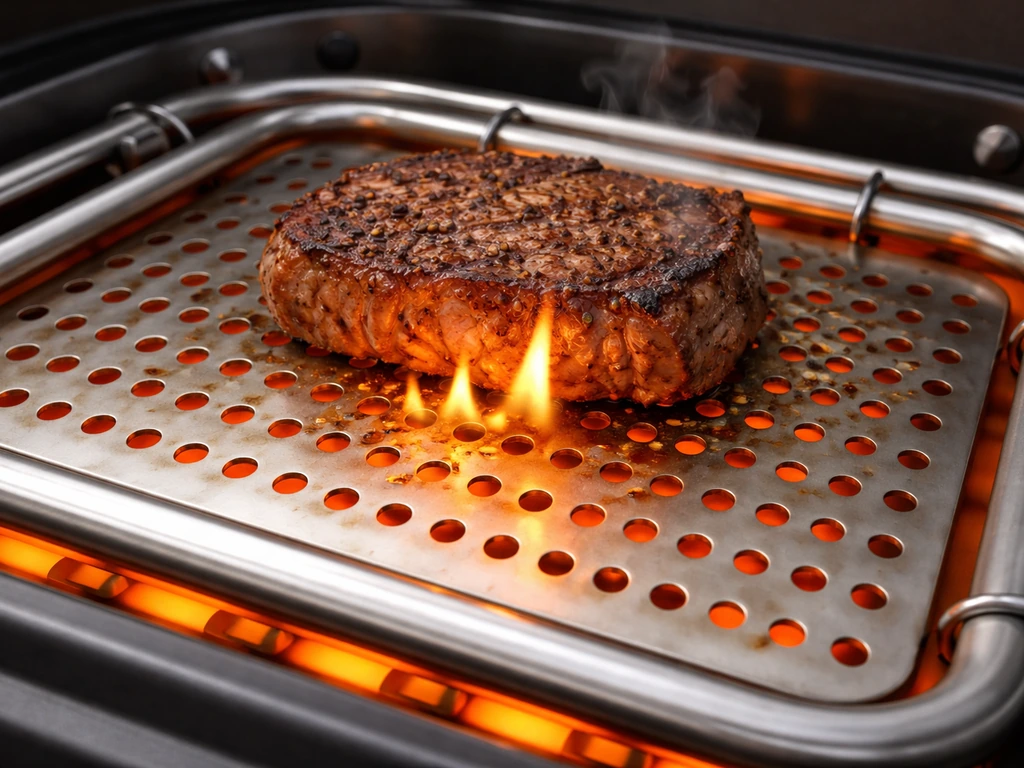
This is where the current Patio Bistro electric actually earns its price. The TRU-Infrared system uses a one-piece enameled steel emitter plate that sits between the heating element and the cooking grates. That plate absorbs heat and radiates it back upward as infrared energy rather than relying on hot circulating air (convection) to cook your food. The practical result is more even cooking across the full 240 sq. in. surface with fewer hot and cold spots than a conventional electric grill.
On flare-ups: because the emitter plate physically blocks drippings from hitting any kind of flame or exposed heating element, flare-ups are essentially eliminated. Fat drips onto the plate, vaporizes, and contributes to flavor without the sudden bursts of fire you'd get on a standard gas grill. Char-Broil makes this claim in their official documentation, and in practice it holds up. This is a real advantage if you're cooking on a covered porch, a balcony with overhead fabric, or any space where a flare-up would be a safety issue.
Searing is where you need to set realistic expectations. The TRU-Infrared electric gets hot enough to leave grill marks and create a decent crust on proteins, but it does not get as hot as a gas grill at full blast. If your benchmark for a 'great sear' is a cast iron skillet at 600°F, this grill will disappoint. If your benchmark is 'clearly better than a pan on my apartment stove and I want actual grill flavor,' this delivers. The infrared system does a better job of retaining moisture in meat than open-flame or conventional electric cooking because it reduces the dry convection heat that pulls moisture out during the cook.
Expect some smoke during use, especially when the emitter plate heats up for the first time or after a cleaning. This is normal, not a defect, and Char-Broil's own support documentation acknowledges it. The smoke dissipates quickly in open or semi-open spaces. If you're cooking in a fully enclosed area, even with windows open, it can get noticeable.
Gas and propane Patio Bistro reviews: real-world cooking and heat output
The gas Patio Bistro (including the TRU-Infrared propane version like Model 15601900) shares the same 240 sq. in. primary cooking space and 80 sq. in. warming rack dimensions as the electric, which makes sense since they're designed as alternatives within the same product family. The big difference is heat output. Propane gets significantly hotter than the electric version, which means better searing, faster preheat under real cold-weather conditions, and more flexibility for high-heat cooking techniques like direct grilling thicker cuts.
The TRU-Infrared gas version also benefits from the emitter plate technology, so you still get the even heat distribution and flare-up reduction of the infrared system, combined with the higher ceiling temperature of propane. This is the version to choose if you're cooking on an open deck, have a propane hookup available, and want the most 'real grill' experience the Patio Bistro line offers.
There is one important thing to know about the gas line specifically: Char-Broil issued a recall on certain gas Patio Bistro models (including variants around Model 11601558). The U.S. Consumer Product Safety Commission (CPSC) describes this Char-Broil gas grill recall and lists the affected model identifiers on its official recall page Char-Broil issued a recall on certain gas Patio Bistro models. Their own FAQ explicitly states that electric Patio Bistro grills are not included in this recall. If you're buying a used gas version or received one as a gift, verify the model number against Char-Broil's recall list before using it. New units currently on sale at major retailers should be post-recall, but it's worth a 30-second check.
On the downside, the gas version requires propane tank storage, which is not allowed on most apartment balconies and is restricted in many condo buildings. Maintenance is also slightly more involved: you need to check the hose and regulator periodically, keep the burner ports clear, and store or cover the grill properly when not in use. The electric version's simplicity is a real quality-of-life advantage for people who grill infrequently or want a minimal-hassle setup.
Design and build quality: size, portability, assembly, and weather readiness
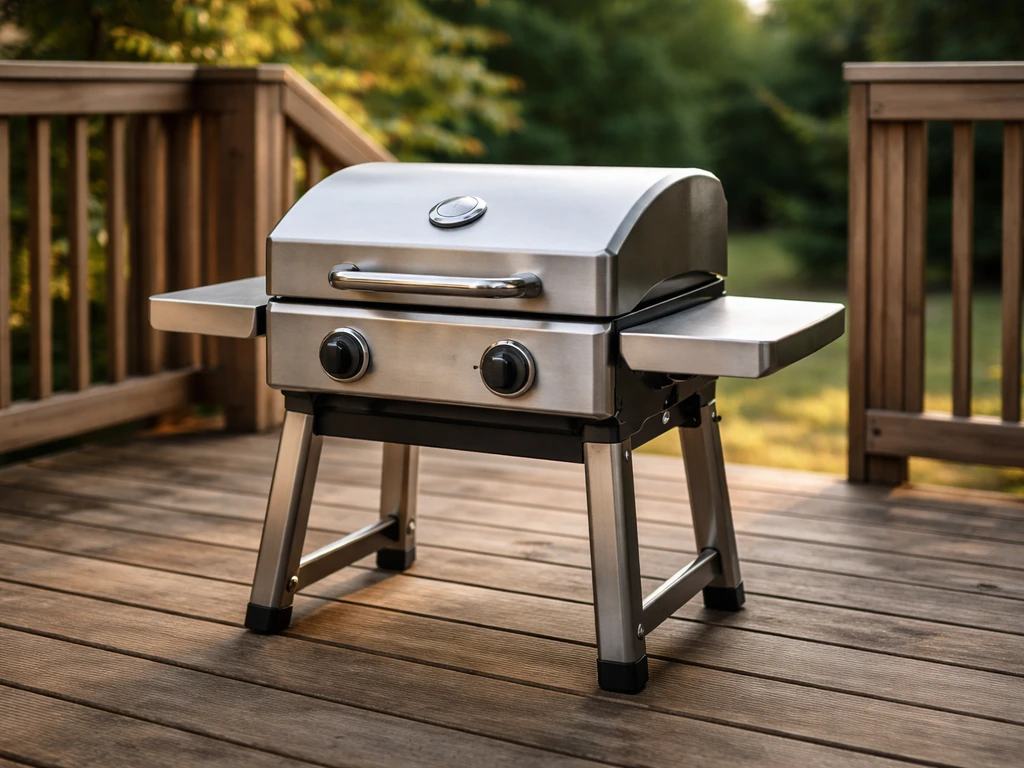
The Patio Bistro is genuinely compact. At under 25 inches wide and 38 inches tall, it fits on patios where a full-size grill would dominate the entire space. The 40 lb weight on the electric version means one person can move it without help. Assembly is generally straightforward and takes most people under 45 minutes, though the instruction manual isn't always praised for clarity.
Build quality sits in the middle of the market. The porcelain-coated steel lid and grates feel solid enough for regular residential use, and the black finish holds up reasonably well to outdoor exposure. It's not stainless steel construction, and it won't look pristine after a few seasons without a cover. Char-Broil officially recommends a cover for the Patio Bistro series, and I'd echo that. The porcelain coating can chip over time if the grill is moved around frequently without protection.
- Primary cooking area: 240 sq. in. (fits 4 burgers comfortably)
- Warming rack: 80 sq. in. (good for buns or keeping food warm)
- Dimensions (assembled): 24.4 x 38.2 x 25.2 inches
- Weight: 40.0 lb (electric version, one-person moveable)
- Controls: single knob temperature control plus lid-mounted gauge
- Grates: porcelain-coated steel (not cast iron)
- Warranty: 2 years lid/firebox, 1 year grates/emitters/other parts
The lid-mounted temperature gauge is a nice touch at this price point but runs a little inconsistent versus an internal probe thermometer. Treat it as a general reference rather than a precise readout, especially during the first 10 minutes of preheat. For anything protein-based, use an instant-read thermometer to verify doneness.
Value and buying guidance: who should get this grill (and who should skip it)
The Char-Broil Patio Bistro TRU-Infrared Electric is genuinely good value for a specific type of buyer. If you fit the profile below, it's an easy recommendation. If you don't, there are better options.
Buy the electric Patio Bistro if:
- You're on an apartment balcony or covered porch where open flame or propane is prohibited
- You cook for 1 to 3 people and don't need more than 240 sq. in. of grill space
- You want minimal setup: plug in and cook, no tanks, no igniter issues
- You're in a covered space and want the safety of no-flare-up infrared cooking
- You prioritize cleanup ease: the pull-out grease tray makes post-cook tidying fast
- You grill occasionally rather than multiple times per week
Consider the gas Patio Bistro (or skip the line entirely) if:
- You cook on an open deck and want serious searing heat that the electric can't fully match
- You're comfortable managing a propane tank and checking the regulator/hose regularly
- You grill larger cuts of meat frequently and need more ceiling temperature
- You want to step up to a full-size grill: at that point, skip the Patio Bistro and look at a standard 3-burner propane grill with more cooking surface
- You've had reliability issues with electric grills in the past and prefer mechanical simplicity
On price, the electric Patio Bistro typically lands in the $150 to $200 range at major retailers like Lowe's and Best Buy. The gas version usually runs $20 to $50 more. Neither is a throwaway purchase, but neither is a long-term investment like a premium stainless grill. Budget for a grill cover from day one, register your warranty immediately, and keep the electrical controller dry. Those three habits will extend your grill's life significantly.
If you want to dig further into specific model comparisons within this line, the Patio Bistro 240 electric and the propane version of the same footprint are worth reviewing side by side before you finalize your decision. The TRU-Infrared technology applies across both fuel types, but the real-world cooking experience and maintenance requirements are meaningfully different. Pick the fuel type that fits your patio rules and cooking habits first, then confirm the model number matches what's in stock before you buy.
Bottom line: most people searching for char broil electric patio grill reviews are going to be happiest with the TRU-Infrared electric (20602109 or 20602107). It's the most practical, lowest-hassle option in the lineup, and for small-space grilling it delivers real results. Just keep it dry, register the warranty, and don't expect it to replace a full-size gas grill. Know what it is, and it's a genuinely solid piece of equipment.
FAQ
Is the TRU-Infrared electric Patio Bistro safe to use under a covered balcony or pergola?
It’s intended for covered outdoor use, but you still need to keep the controller box and power connection dry. If rain can blow in sideways or puddles can form on the grill, move it indoors or use a fitted cover between sessions, and always unplug before wiping down anything near the controller.
How do I prevent uneven cooking with an infrared electric grill like this one?
Preheat longer than you think, especially after cleaning or if the grill is cold. Since cooking is more even than older electrics but still not identical across the surface, rotate food halfway through and avoid loading thick items directly against the edges where heat can run slightly hotter.
Why am I seeing a lot of smoke during the first few uses?
Smoke is most often normal during initial heat-up of the emitter plate and from residue that remains after factory testing or cleaning. Run the grill empty for a short warm-up period outdoors with ventilation, and let it fully cool before doing a proper wipe so drips do not keep burning on the first cooks.
What’s the best way to clean the emitter plate area without damaging it?
Let the grill cool completely, unplug it, and avoid hosing or soaking any part connected to the controller. For the emitter plate area, use a dry brush or carefully wipe with a lightly damp cloth where allowed, then make sure the tray and grates are fully dry before your next cook.
Can I use metal utensils and scrape the porcelain-coated grates aggressively?
Metal tools are usually fine for quick scraping, but aggressive scraping and abrasive pads can chip porcelain over time. Use gentle scraping, avoid dropping heavy cookware onto the grates, and keep a cover on to reduce corrosion and coating wear.
What size of food fits best, and can I cook for more than four people?
It’s realistically sized for small batches. Four burgers at once can work, but thicker cuts (chicken breasts, pork chops) may need staggered cooking times. For larger groups, plan for two rounds and use the warming rack to hold food while the next batch finishes.
Does the lid temperature gauge help with accurate doneness?
Treat the gauge as a rough reference only. It can lag behind actual food temperatures, especially during early preheat. For safety and consistency, rely on an instant-read thermometer and check the thickest part of the food.
How can I tell if my electric grill is overheating or failing early?
Common early warning signs are inconsistent heating (food cooks much slower than expected), temperature hunting, or the grill not reaching previous preheat levels. If you also notice controller-related issues like odor or repeated tripping when plugged in, stop using it and check the electrical outlet and model-specific warranty terms rather than continuing.
What outlet setup should I use to avoid electrical problems?
Use a properly rated, grounded outdoor outlet, ideally with a GFCI protection, and avoid extension cords unless the cord is specifically rated for outdoor appliance use and the manufacturer allows it. Using an undersized cord or non-rated setup can cause voltage drop and unreliable heating.
If I’m buying used, what should I verify before first use?
Confirm the exact model number printed on the unit so you know you’re getting the TRU-Infrared electric version. Inspect the grease tray, grates, and any controller components for damage, test that the knob and gauge function normally, and only then do a cautious warm-up outdoors.
Is the gas version affected by the gas recall, and what should I do if I own one?
Verify the model against Char-Broil’s recall list before using any used or gifted gas Patio Bistro. If it matches a recalled model, don’t operate it until you complete the remedy process through the manufacturer, and consider switching to the electric version if your building rules allow it.
Is it worth buying a cover immediately, or can I skip it?
A cover is strongly recommended because the porcelain-coated surfaces and exterior finish degrade faster from rain, UV exposure, and repeated moisture cycles. Even if you store the grill under shelter, condensation and overhead drips can chip coatings and speed up corrosion, so plan for cover use between cooks.