
Both Firestorm patio heaters are wood-pellet units, not gas or electric. The Firestorm Phoenix Flame is a 1.5 m tall borosilicate glass tube heater that burns sustainable wood pellets, covers roughly 10 to 15 m², and takes about 15 minutes to reach full flame. There is no separate propane or electric Firestorm model on the market right now, so if you came here expecting a gas comparison, the good news is that the pellet design is genuinely interesting and worth a close look before you rule it out.
Firestorm Patio Heater Reviews: Phoenix Flame vs Pellet

Willa Brennan
13 May 2026
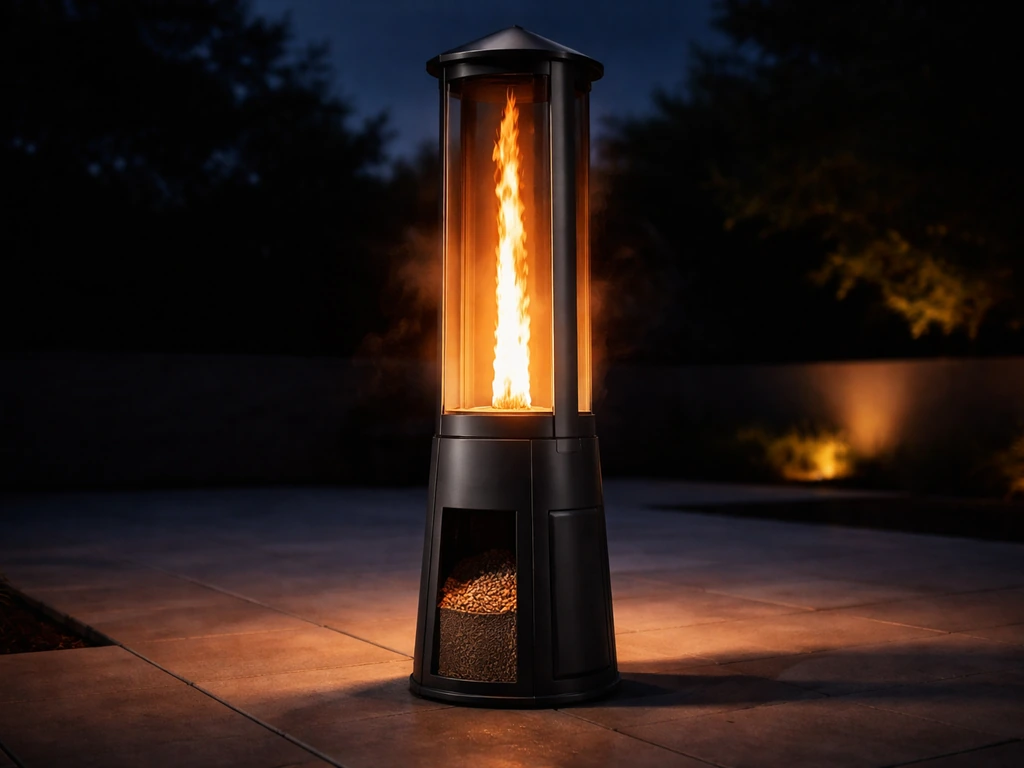
Wait, is there a propane Firestorm? Let's clear this up first
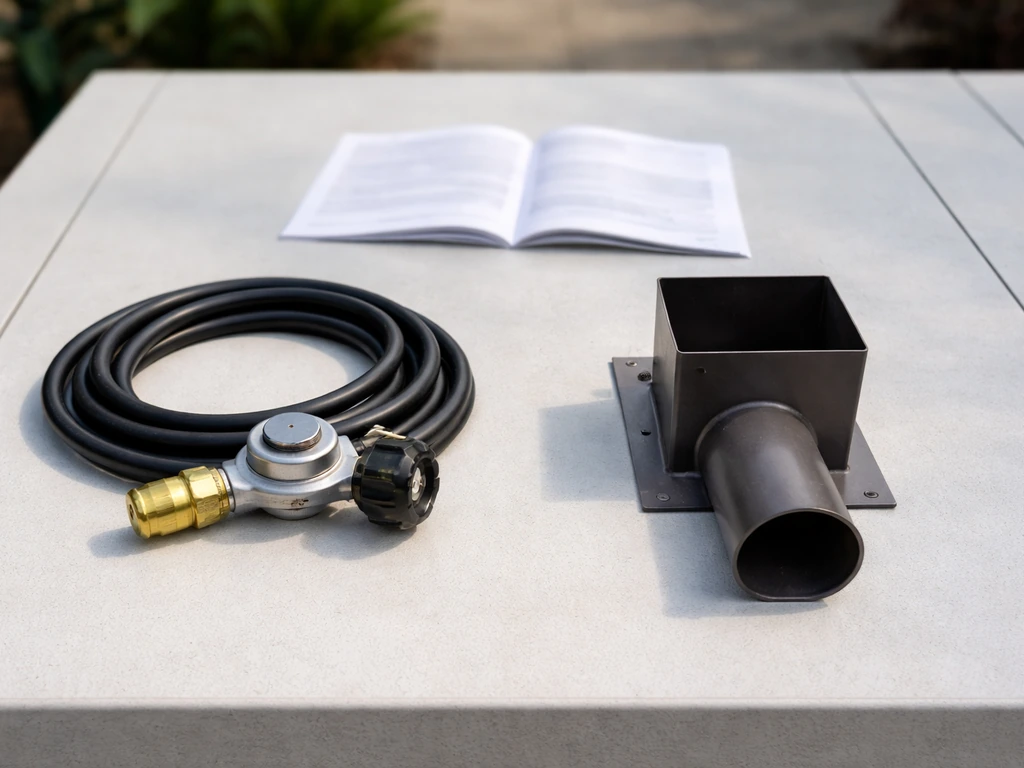
The naming causes a lot of confusion. The product is officially called the "Firestorm Phoenix Gas Outdoor Patio Heater" in its instruction manual, but that "gas" label is misleading. Open the manual and it immediately describes a wood-pellet Phoenix Patio Heater. The fuel is ENplus A1 certified wood pellets, full stop. There is no Firestorm model running on propane or natural gas, and the company's own product lineup and FAQ confirm this. So when people search for Firestorm Phoenix Flame reviews or Firestorm pellet patio heater reviews, they are looking at the same product from two different angles. The Phoenix Flame IS the pellet heater. Once you accept that, the buying decision gets a lot simpler.
Where things do split is between different versions or kit configurations of the Phoenix. Some retailers list it as the Phoenix Eco, some as the Phoenix Flame, and some simply as the 1. 5M Firestorm Phoenix. The specs are consistent across all of them: 1890 mm total height, 400 mm base footprint, 28 kg weight, and a 1.
StovesAreUs’ Firestorm Phoenix listing also gives matching product specs, including the 1890 mm height, 400 mm base footprint, 28 kg weight, and a 1. 5 m tall glass tube [28 kg weight and 1890 mm height, 400 mm base footprint, plus a 1. 5 m tall glass tube](https://www. stovesareus.
co. uk/firestorm-phoenix-flame-patio-heater. html). 5 m tall glass tube with a 10 cm diameter.
Treat any variation in naming as a marketing label, not a meaningful product difference.
Firestorm Phoenix Flame patio heater review
How it performs in real use
The heating zone sits at around 10 to 15 m², which puts it in the same ballpark as a mid-range propane mushroom heater. That is enough to keep 4 to 6 people comfortable around a patio table on a cool evening, but it won't blanket a large open terrace. The flame climbs the full 1.5 m glass column, so you get radiant heat from a surprisingly tall source rather than from a single head at the top. In practice this means the warmth feels more evenly distributed at seating height compared with a conventional umbrella-style heater.
Start-up takes about 15 minutes to reach full flame. That is longer than flicking a switch on an electric heater or turning a propane tap, so you need to plan ahead. A full hopper gives you over an hour of heat, and you can extend burn time simply by topping up with more pellets mid-session without shutting down. Pellet consumption runs at roughly 1.17 kg per hour, so a 5 kg bag (which ships with the unit from most retailers) covers your first four-plus hours. Ongoing fuel cost is pegged to pellet pricing rather than gas tariffs, which the manufacturer argues offers more stable running costs.
One honest note on noise: the unit emits a normal humming sound during combustion. It is not loud, but it is there. On a quiet patio you will notice it. Most users get used to it quickly, but if you need absolute silence for a formal dinner setting, it is worth knowing upfront.
Build quality and features
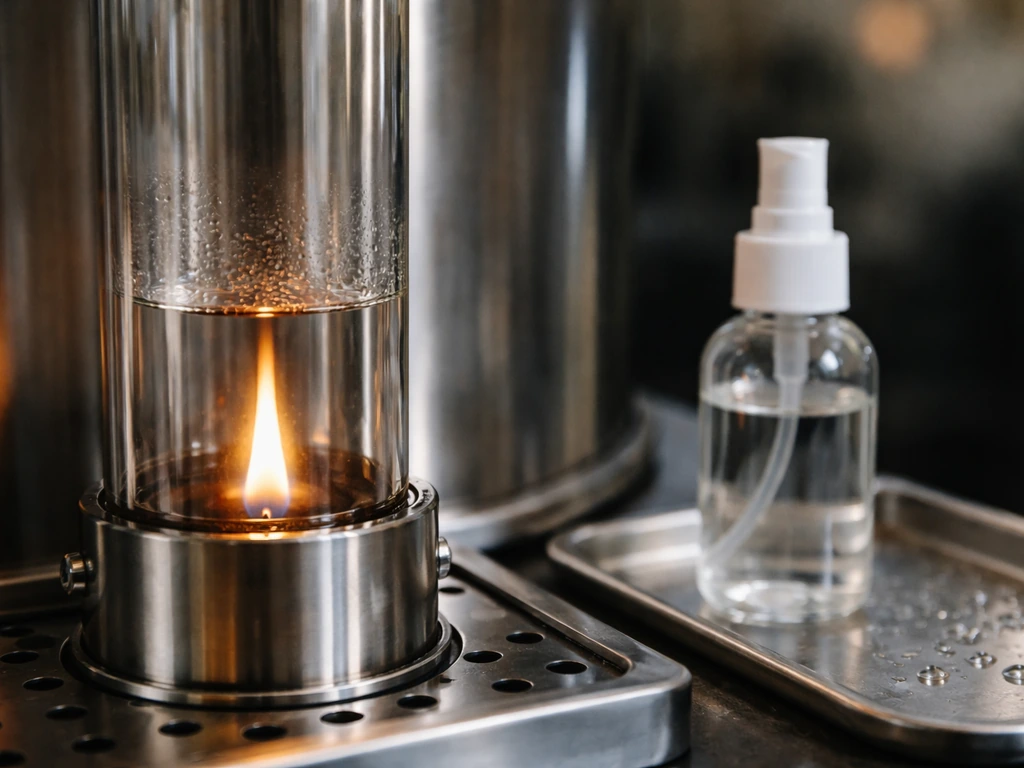
The glass tube is borosilicate, which is the same heat-resistant glass used in lab equipment. It handles thermal cycling well but has one critical rule: never spray water on it while it is hot. A sudden cold-water hit can crack it. The metal base and frame feel solid at 28 kg, and the overall build quality is noticeably above budget garden-center heaters. The flame cowl accessory is sold separately and adds a guard around the tube, which is worth considering for households with kids or pets. Ash from burnt pellets is described as compostable, and small amounts of debris can occasionally fall, so surface choice matters (more on that below).
Pros and cons at a glance
- Pros: Visually striking 1.5 m flame column that doubles as a garden feature
- Pros: Carbon-neutral fuel source using ENplus A1 certified wood pellets
- Pros: Fuel costs are independent of gas tariffs and relatively predictable
- Pros: 10 to 15 m² coverage is solid for a small to medium patio group
- Pros: Ships with a 5 kg pellet starter bag from most retailers
- Pros: Ash is compostable, so waste disposal is simple
- Cons: 15-minute warm-up time requires planning ahead
- Cons: Borosilicate tube must never be hit with cold water while hot
- Cons: Audible humming noise during operation
- Cons: Needs a flat, level, non-flammable surface and wind shelter to perform well
- Cons: Ongoing pellet sourcing required (must meet ENplus A1 or PFI standards)
- Cons: At 28 kg it is heavy to move around frequently
Firestorm pellet patio heater review
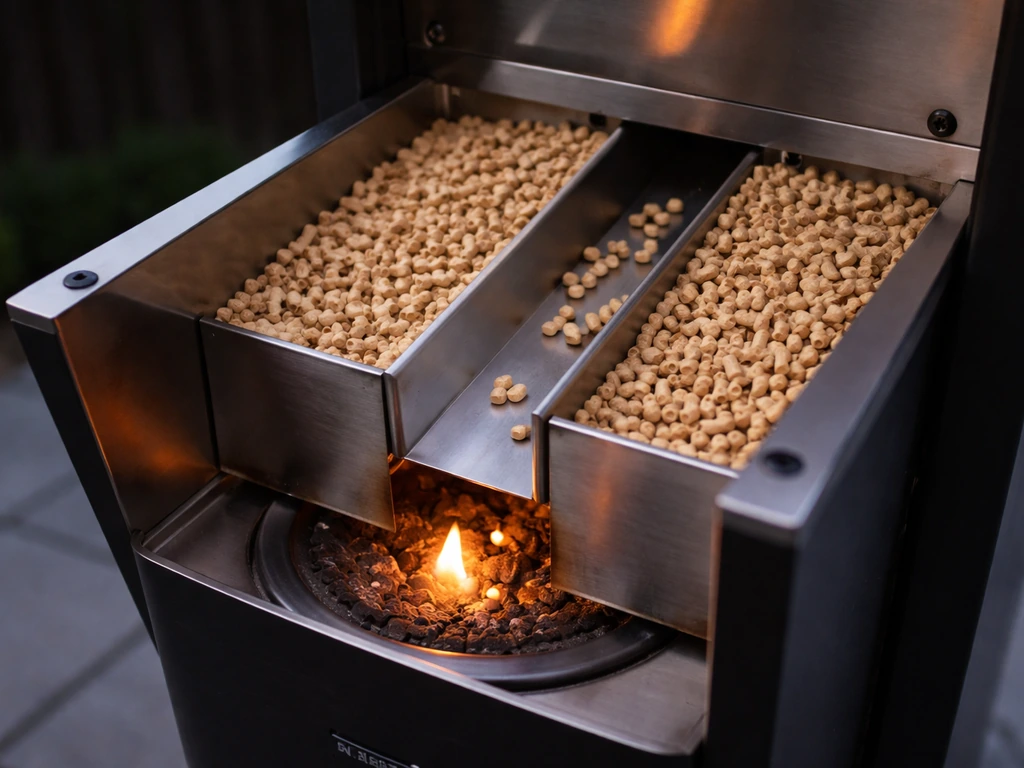
Since the Phoenix Flame is the Firestorm pellet heater, this section covers any meaningful differences between kit configurations and what the pellet format means for everyday use. The core machine is the same regardless of what label the retailer uses. What varies is the accessory bundle: some packages include just the heater, others add the 5 kg pellet bag, and premium kits include a flame cowl guard. If you are buying for the first time, aim for a kit that includes pellets so you can fire it up the day it arrives.
The pellet format itself has real advantages over propane or natural gas in specific situations. You are not tethered to a gas cylinder or a fixed gas line. The hopper sits at the base and you feed it from a bag. The Firestorm FAQ confirms you can place it on patio slabs, grass, wood decking, or composite decking, as long as the surface is flat and level.
That flexibility is genuinely useful if you rearrange your outdoor space through the seasons. The trade-off is that you are managing a solid fuel, which means ash, the occasional fallen pellet fragment, and the responsibility of sourcing quality pellets. Using low-grade pellets will hurt performance and increase ash buildup, so stick to PFI or ENplus A1 certified options.
- Pros: No gas cylinder or fixed line needed, genuinely portable across flat surfaces
- Pros: Eco credentials are strong, pellet combustion is considered carbon-neutral
- Pros: Can be topped up mid-session without shutting down
- Pros: Works on multiple surface types including decking and grass
- Cons: Pellet quality matters a lot, budget pellets degrade performance
- Cons: Ash cleanup after every session is part of the routine
- Cons: Small debris can occasionally fall, so surface and surroundings matter
- Cons: Not ideal for fully exposed, high-wind locations without shelter
Phoenix Flame vs pellet model: which one fits your patio?
Since both names describe the same product, this comparison is really about which use case the Firestorm Phoenix suits best versus where it falls short. Here is how it stacks up across the patio setups people actually ask about.
| Patio Setup | How the Firestorm Phoenix Performs | Verdict |
|---|---|---|
| Small covered patio (under 15 m²) | Covers the zone comfortably, coverage is more consistent with shelter from wind | Strong fit |
| Medium open patio (15 to 30 m²) | Reaches the edges of the zone but wind will reduce effective range significantly | Works with wind shelter |
| Large open terrace (30 m²+) | Underpowered for the full space, you would need multiple units | Not ideal alone |
| Decking or grass surface | Fully supported per manufacturer FAQ, flat and level required | Good fit |
| High-wind exposed location | Wind disrupts the flame column and reduces heat output noticeably | Poor fit without wind shelter |
| Occasional use / seasonal | Pellet storage between uses is straightforward, startup is reliable | Works well |
| Daily use / frequent entertaining | Ash cleanup after each session adds routine maintenance | Manageable but factor in time |
The honest recommendation: the Firestorm Phoenix Flame is best suited to a sheltered patio of 10 to 15 m² where you want ambiance as much as heat. The flame column looks spectacular, especially in the evening, and the eco credentials matter to a lot of buyers right now. If you are heating a large exposed terrace and need maximum output with minimal fuss, a high-BTU propane heater will likely serve you better.
Safety, daily operation, and maintenance
Safety rules that actually matter
The two safety rules that owners need to internalize from day one are: keep the glass tube away from cold water while it is hot, and always place the unit on firm, flat, level ground. The borosilicate glass is tough against heat but vulnerable to thermal shock from a cold splash. The 28 kg weight means it is stable in normal use, but uneven ground increases tip risk. The manual is explicit about wind exposure too: site it away from strong drafts. Practically speaking, this means a corner of the patio or close to a wall or fence is better than the middle of an open space.
The flame cowl accessory deserves a mention here. It wraps around the lower section of the tube and adds a physical barrier between the flame and anyone brushing past. If you have children or dogs that run around the patio, that accessory is not optional in my view. The manual also flags that ash and small burnt pellet debris can fall occasionally, so avoid placing the heater directly on materials that stain easily.
Operating it session to session
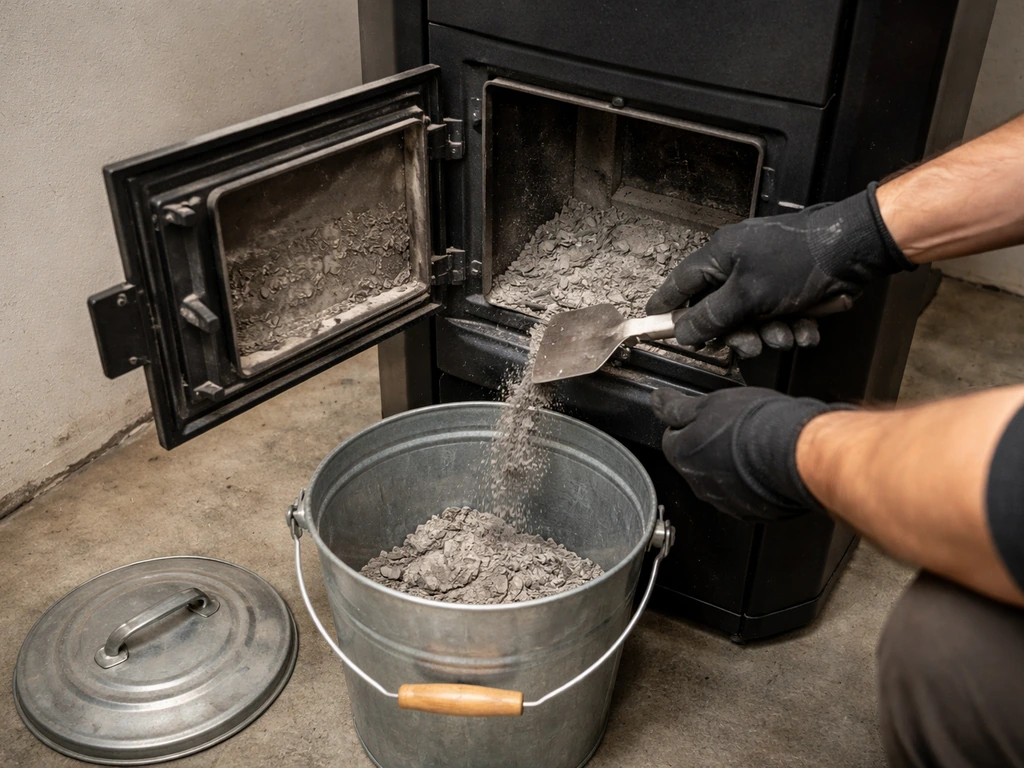
Fill the hopper with ENplus A1 pellets, light it, wait 15 minutes for the flame to climb the full tube, and you are off. You can scrape ash through the open door during a session using the supplied scraper and poker tools without shutting down. Adding more pellets mid-session to extend past the one-hour mark is straightforward. The humming noise is the combustion fan working normally, not a fault sign. The Phoenix manual also describes a normal humming noise during combustion as the heater runs humming noise is the combustion fan working normally.
Cleaning between sessions
Let the unit cool completely before any cleaning. Remove the grid, scrape out ash with the provided tools, and dispose of ash in the compost bin. Clean the borosilicate glass tube by disassembling it and wiping with a soft cloth and mild soapy water. Do not use abrasive cleaners or spray water on the tube while it is still warm. Regular cleaning keeps combustion efficient and extends the life of the glass. Skipping it leads to ash buildup that affects burn quality.
Choosing the right heater size for your patio
Patio size and wind exposure are the two factors that matter most when sizing any outdoor heater, and the Firestorm Phoenix is no exception. The 10 to 15 m² coverage figure comes from testing in reasonably sheltered conditions. In a covered pergola or against a sheltering wall, you will hit the upper end of that range. On a fully open deck on a breezy evening, effective coverage can shrink to 8 to 10 m². A rough rule of thumb for any outdoor heater: assume you lose about 20 to 30 percent of rated coverage for every meter per second of average wind speed above a gentle breeze.
Seating distance matters too. The Firestorm Phoenix delivers radiant heat along the full height of the glass column, which is a different heat distribution pattern from a top-down umbrella heater. Guests sitting within about 2 to 2.5 m of the column on all sides will feel warmth. Beyond that, heat dissipates quickly in open air. For a round patio table with four to six seats, that usually works out well. For a long rectangular dining setup, you might need two heaters at either end.
Covered versus uncovered patios also change the equation significantly. A covered or semi-enclosed space traps radiant and convective heat, making the Firestorm Phoenix punch above its weight. An uncovered patio loses heat upward constantly, so you need higher output to compensate. If your patio is fully open to the sky and frequently breezy, the Phoenix will work harder and feel less impressive than the specs suggest.
What to consider if the Firestorm is not quite right for you
The Firestorm Phoenix is a strong option if you want eco credentials, the visual spectacle of a flame column, and reasonable coverage for a small sheltered patio. But it is not the only patio heater worth considering, and depending on your setup, another fuel type might serve you better.
| Heater Type | Best For | Key Trade-Off |
|---|---|---|
| Pellet (Firestorm Phoenix) | Sheltered patio, eco focus, ambiance-first buyers | Warm-up time, ash maintenance, wind sensitivity |
| Propane (freestanding) | Large open patios, high BTU output (40,000 to 46,000 BTU+), quick heat | Gas cylinder management, running cost tied to gas prices |
| Natural gas (fixed) | Permanent patio setups, continuous use, no cylinder swaps | Requires fixed gas line installation, no portability |
| Electric (infrared) | Covered patios, indoor-outdoor spaces, instant-on heat | Higher per-hour running cost, cord management, less effective in wind |
| Tabletop heater | Small balconies, intimate seating groups, occasional use | Limited coverage, not suitable for larger groups |
If you are comparing on running cost, the manufacturer's own blog positions the Firestorm pellet option favourably versus electric (roughly £2/hour) and gas (roughly £3/hour), though actual figures depend heavily on your local tariffs and pellet pricing. If you want the cost angle before you buy, check the Fire Sense patio heater Costco review for current pricing and real-user takeaways.
For buyers weighing a high-output propane option, models in the 40,000 to 46,000 BTU range (similar to what other brands like Fire Sense offer in their standing heater lineup) will cover more ground and heat up immediately, but you lose the eco angle and the visual drama of the flame column entirely.
If you are comparing across different brands and fuel types, a Fire Sense patio heaters review is a helpful adjacent option to see how their output and build stack up. If you are specifically looking at a Fire Sense 46,000 BTU patio heater review, compare the output and coverage against this Firestorm pellet unit before you decide high-BTU propane heater.
Infrared electric heaters are worth a serious look for covered patios or pergolas where you can mount them overhead. They deliver instant heat at the push of a button, no fuel management required, and the heat targets people rather than the air, which makes them efficient in enclosed or semi-enclosed spaces. For a fully open, windy garden, though, even infrared struggles.
My bottom-line recommendation
Buy the Firestorm Phoenix Flame if: you have a sheltered patio of 10 to 15 m², you care about eco credentials and carbon-neutral fuel, and you want a heater that looks genuinely impressive rather than just functional. If you want to compare it with other options, read more inferno patio heater reviews to see how different fuel types perform in real patios. Budget for a flame cowl if there are kids or pets around, source ENplus A1 or PFI-certified pellets, and accept that 15-minute startup time as part of the ritual rather than a frustration.
Look elsewhere if: you need instant heat, you are working with a large open terrace over 20 m², your patio is exposed to strong wind with no shelter, or you simply do not want to manage ash and pellet stock between sessions. In those cases, a high-BTU propane standing heater or a ceiling-mounted infrared electric unit will give you fewer headaches and more consistent output. Both categories have excellent options across a range of budgets, and they are worth exploring alongside the Firestorm if you are still undecided.
FAQ
Do Firestorm Phoenix Flame patio heaters actually run on propane or natural gas? (The name says gas.)
Yes, but only if the “gas” in the name is ignored. The Phoenix Flame is designed to burn ENplus A1 wood pellets, so there is no propane regulator fitting, no gas hose hookup, and no ignition for gas modes. If a listing describes it as accepting propane, treat that as a retailer error.
Where should I place the Firestorm Phoenix Flame on my patio for best heating?
Plan for placement like you would for a small solid-fuel appliance. Set the base on firm, level ground, and keep it away from strong drafts since wind can reduce effective coverage from the stated 10 to 15 m². Many people get better results by locating it in a sheltered corner rather than the center of an open deck.
Can I refill the hopper while the heater is still burning, and what should I watch for?
You can usually keep it running through a session by topping up pellets, you do not have to cool it down between refills. However, avoid opening or refilling while it is actively burning if the manual cautions against handling near the firebox area. Also, keep extra pellets dry, because damp pellets can lead to weaker combustion and more ash.
Is the humming noise normal, and will it bother guests?
Expect a noticeable combustion hum, it is not a deal-breaker for everyone but it can stand out on quiet patios. If you are using it near a conversation area, try a test run earlier in the evening so you can confirm the sound level for your specific patio acoustics.
What is the correct way to clean the borosilicate glass tube without risking cracks?
The glass tube is borosilicate and resists heat well, but it can crack from thermal shock. Do not spray water on the tube while it is hot, and let it cool completely before washing. Use mild soapy water and a soft cloth, skip abrasive cleaners, and avoid soaking any components that the design expects to stay dry during operation.
How far away should people sit from the Firestorm Phoenix Flame to feel heat?
Yes, you can get uneven heating if seating is too far from the column. A practical target is roughly 2 to 2.5 m from the glass on the seating side, then let the heat dissipate beyond that. For long dining layouts, use two heaters positioned at opposite ends rather than relying on one unit to warm distant rows.
Does the 10 to 15 m² coverage hold up on exposed, windy patios?
Coverage depends heavily on wind and shelter. In a covered pergola or near a wall you may hit the upper end of 10 to 15 m², on a fully open and breezy deck you may see closer to 8 to 10 m². If your patio frequently gets gusts, treat the spec as optimistic and consider adding a second heater.
Which kit should I buy, heater-only or a bundle with pellets and the flame cowl?
Look for a kit that includes the 5 kg pellet bag if you want first-use convenience. Some bundles include accessories like the flame cowl, and having it matters more if you have kids or pets. If you buy the heater-only option, budget for an appropriate cowl and your first pellet stock right away.
What pellet type makes the biggest difference for performance and cleanup?
Use ENplus A1 or PFI-certified pellets and avoid low-grade fuel. Poor pellets tend to increase ash and can reduce burn quality, which means more cleaning and more frequent performance drop. If you notice excessive residue or weaker flame behavior, switch pellet brands before assuming the heater is defective.
How often should I clean out ash, and what is the safest cleanup workflow?
Let it cool fully before any cleaning, then scrape ash using the included tools. Dispose of ash responsibly, the article notes compostability in small amounts, but still keep it off sensitive surfaces and wipe up any pellet fragments. If ash buildup is ignored, it can affect burn quality over time, so make cleaning part of your routine after each session.