
The Mosaic tabletop patio heater is a propane-fueled, radiant infrared gas heater designed to sit on a table or flat surface and warm the people gathered around it. It runs on a small 1-lb propane canister (or an adapter hose to a larger tank), produces heat almost instantly, and is compact enough to move from a patio table to a balcony railing ledge without any tools. If you want to take the chill off a small outdoor seating area without running extension cords or installing a wall unit, this style of heater is genuinely one of the most practical options available.
Mosaic Table Top Patio Heater Buying Guide for Patios

Willa Brennan
21 May 2026
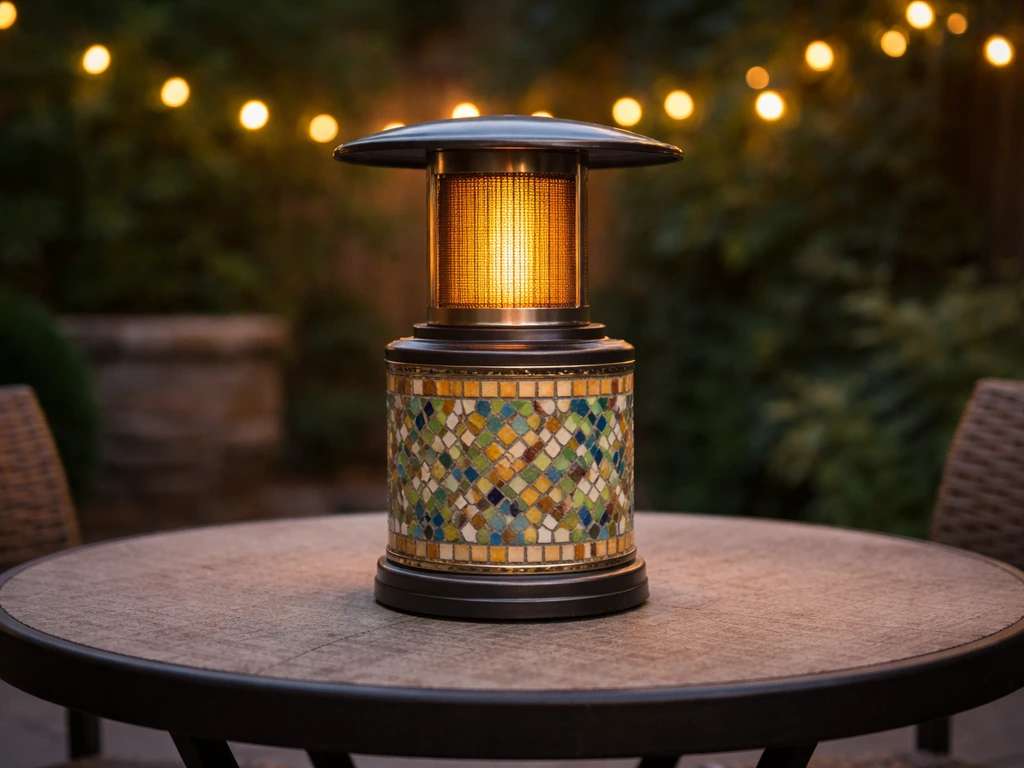
What a mosaic tabletop patio heater is (and how it works)
Mosaic is a brand name you'll find at retailers like Academy Sports, and their tabletop heater is classified under ANSI Z83.26 / CSA 2.37 as a gas-fired outdoor infrared patio heater. That's a specific category that tells you a lot: it burns propane to heat a ceramic or metal burner element, which then radiates infrared heat outward rather than just warming the surrounding air. Infrared heat works more like sunlight than a forced-air furnace. It warms objects and people directly, which is why you feel the warmth even when a breeze is blowing.
The unit sits on a tabletop, connects to a small propane canister at its base, and uses a simple ignition system (usually a push-button piezo igniter) to light the burner. From there, a reflector or dome directs the radiant heat downward and outward toward the people sitting around the table. Because it uses an open-flame burner, Mosaic-style units like these include two important safety features: a tip-over shutoff that cuts the gas if the unit gets knocked over, and an oxygen depletion sensor (ODS) that shuts the heater down if it detects dangerously low oxygen levels in the area.
Best use cases: patios, covered areas, and small spaces
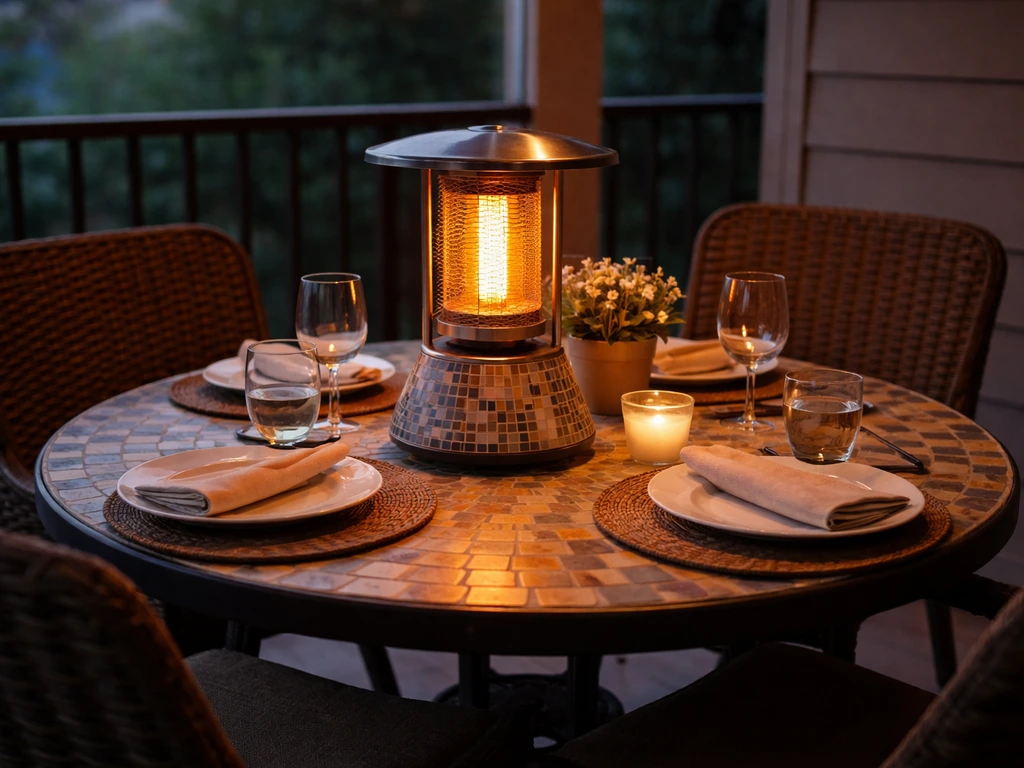
This type of heater is purpose-built for small gatherings in limited space. A 4-person patio table on a deck, a bistro setup on a balcony, a covered porch where running a long extension cord is a hassle, these are all situations where a mosaic tabletop propane heater really earns its keep. Because it's self-contained with no cord, you can use it anywhere you have a propane canister and a stable surface.
Covered and semi-covered spaces work especially well because the reflective dome keeps heat focused on the seating area, and a roof or pergola overhead traps some of that warmth. That said, you need at least some ventilation in any covered space when burning propane. That's not a dealbreaker; it just means a pergola with open sides is fine, but a fully enclosed room is not. The ODS system is there as a backup, but common sense ventilation matters more.
Where this heater isn't the right fit: large open patios with 8-plus people spread across multiple seating zones, very windy exposed locations (wind disrupts the flame and can reduce efficiency or cause ignition issues), or any space where you want completely hands-free, forget-about-it heat. For those situations, a floor-standing propane tower heater or a mounted electric infrared unit would serve you better.
Fuel type options and how to choose
For tabletop heaters in the mosaic/patio style, you're essentially choosing between propane and electric. Understanding the real-world difference helps you pick the right one for your setup.
| Feature | Propane (Mosaic-style) | Electric Tabletop |
|---|---|---|
| Heat output | Higher BTU output, typically 10,000–11,000 BTU | Lower wattage equivalent, typically 1,000–1,500W |
| Warm-up time | Near-instant radiant heat | 30–60 seconds for most halogen/infrared elements |
| Power source | 1-lb propane canister or adapter hose | Standard 120V outlet required |
| Portability | Fully cordless, use anywhere outdoors | Limited by cord length and outlet location |
| Wind performance | Flame can be disrupted in strong wind | Unaffected by wind |
| Safety systems | Tip-over shutoff + ODS sensor | Tip-over shutoff standard on most models |
| Ventilation needed | Yes, open or semi-open spaces only | No combustion, safe in more enclosed areas |
| Running cost | Cost of propane canisters | Cost of electricity, usually lower per hour |
| Best for | Covered patios, balconies, anywhere without power | Screened porches, covered decks near outlets |
If you want maximum portability and don't always have an outlet nearby, go with propane. If you have a covered porch with an outlet and want something you can leave plugged in and forget about, an electric model like a halogen tabletop heater is a strong alternative. The Cimarron stainless steel tabletop halogen heater and the Sahara tabletop model are worth looking at if you lean toward electric, while the Living Accents and Lifestyle Sirocco tabletop heaters offer different feature sets worth comparing before you commit.
What to look for when buying
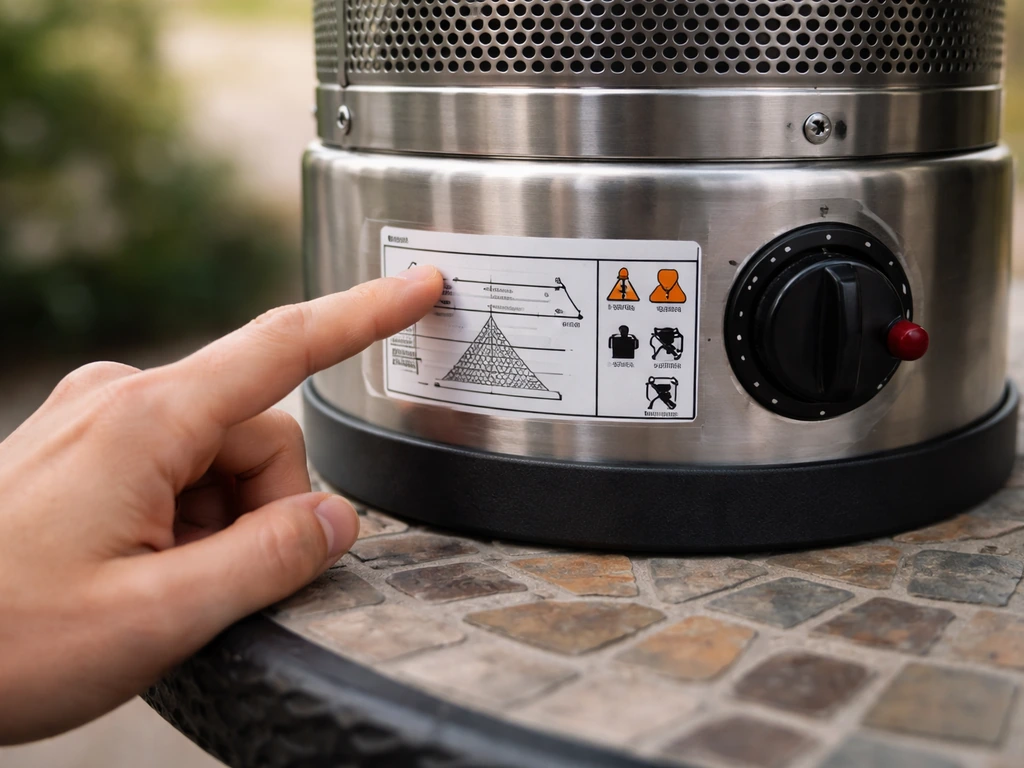
Heat output and coverage area
For propane tabletop heaters, look for BTU ratings between 8,000 and 11,000 BTU. That range is appropriate for warming a small circle of 3–4 feet around the heater at a table. Anything below 7,000 BTU will feel underwhelming on a cool evening (below 50°F). Some units offer multiple heat settings, which is genuinely useful for dialing in comfort rather than running the burner full blast all evening.
Safety features
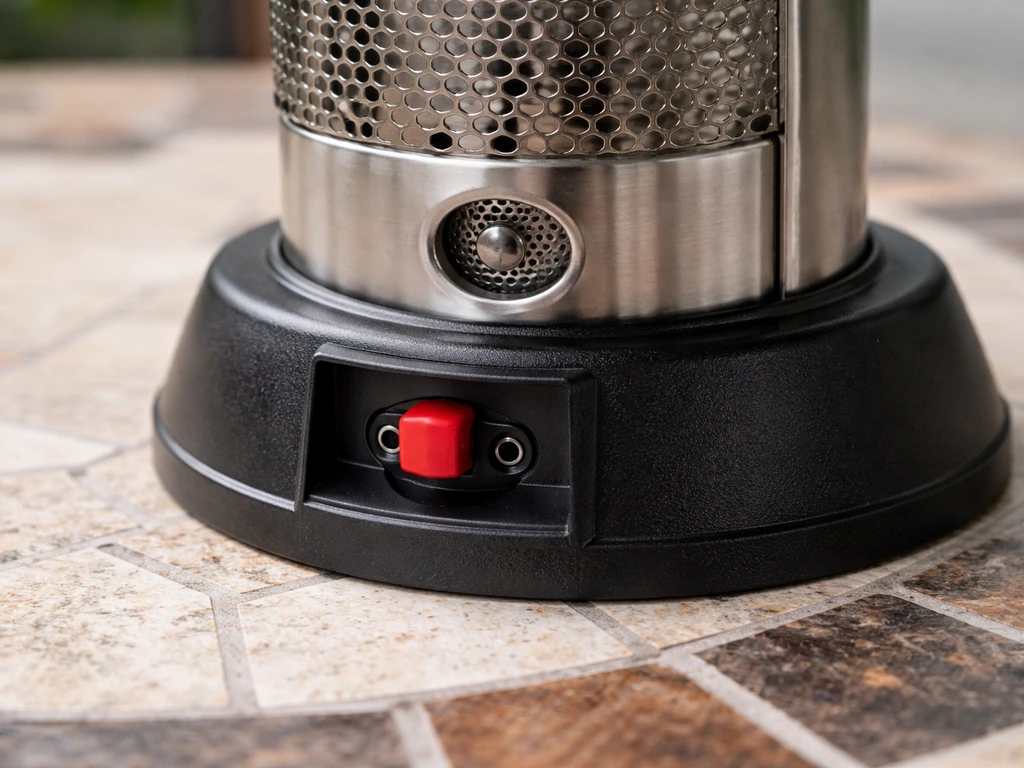
Two safety features are non-negotiable on any propane tabletop heater: a tip-over shutoff and an oxygen depletion sensor. The tip-over switch cuts the gas the moment the unit tilts past a safe angle, which matters a lot when it's sitting on an outdoor table that could get bumped. The ODS shuts off the burner if oxygen levels drop too low, which protects against carbon monoxide risk in partially enclosed spaces. Reputable models like those using the H-5221-style design specifically call these out, and the Mosaic SRPT03 (referenced in ANSI/CSA-compliant manuals) follows this same architecture. Do not buy a propane tabletop heater without both.
Ignition and controls
Push-button piezo ignition is the standard on these units and works fine for most people. Some models include a twist-and-push valve that lets you adjust flame height and therefore heat output. Electronic ignition with a separate variable control knob is a step up in convenience. Avoid any unit that requires matches or a separate lighter to ignite, that's an older design and an unnecessary inconvenience.
Stability, footprint, and portability
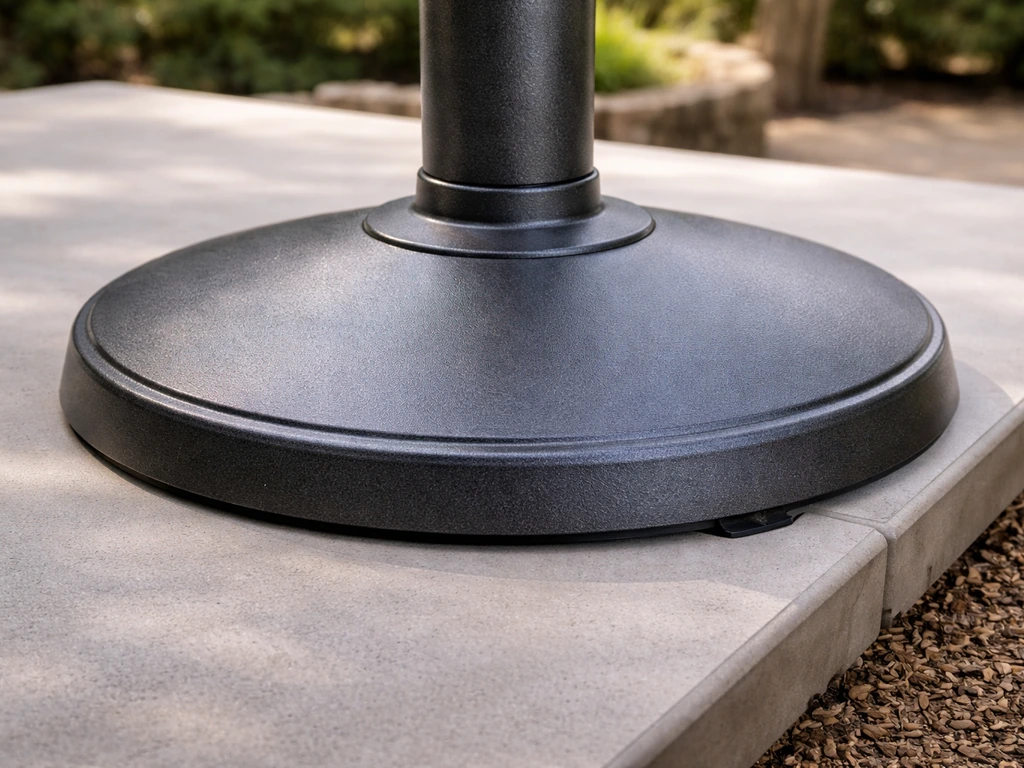
Check the base diameter against your table size. A heater that overhangs the table edge or wobbles on an uneven surface is a real hazard. Look for a wide, flat base with some weight to it. Most tabletop propane heaters are 6–10 lbs without the canister, which is light enough to carry but stable enough not to tip in a mild breeze. Also check the required clearance distance to combustible materials above and around the unit, this is listed in the manual and typically calls for 24–36 inches of overhead clearance.
Weather and UV durability
Look for a powder-coated or stainless steel finish if the heater will live outdoors between uses. UV-resistant plastic components matter too, especially for the reflector dome. Most mosaic-style tabletop heaters are not rated for use in rain and should not be left outside during wet weather, more on that in the maintenance section below.
Placement and setup tips for maximum warmth
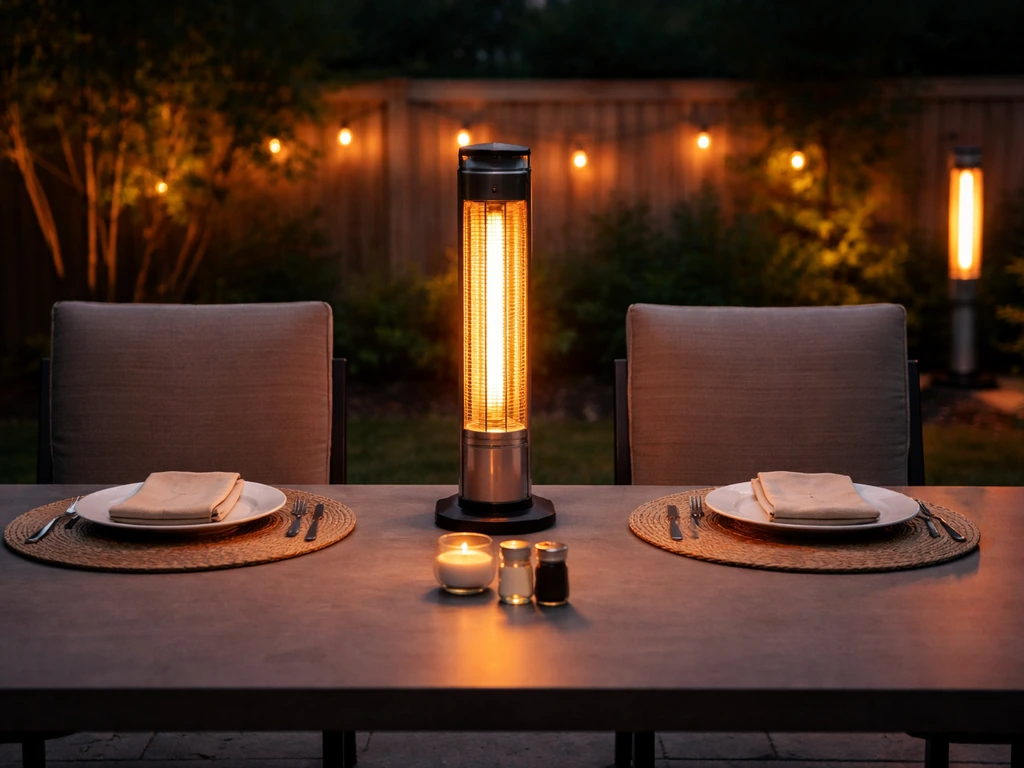
- Center the heater on the table so the heat radiates evenly to all seats. Off-center placement means one or two guests get most of the warmth.
- Keep at least 24–36 inches of vertical clearance above the heater. Check your specific model's manual — most gas-fired tabletop heaters specify this minimum distance from overhead surfaces like umbrellas, pergola beams, or awnings.
- Position the heater away from the table edge so there's no risk of it getting knocked off if someone bumps the table.
- In mild wind, angle the reflector dome slightly toward the most exposed side of the seating area if your model allows adjustment.
- On a balcony with a railing, keep the heater at least 3 feet from any combustible railing material and never place it on a narrow railing ledge.
- If using a 1-lb canister, keep a spare on hand — a full 1-lb canister lasts roughly 1–2 hours at full output. For longer sessions, use a bulk propane adapter hose connected to a standard 20-lb tank set beside or underneath the table.
One thing people consistently underestimate: the area you're trying to heat matters as much as the heater's BTU rating. A mosaic tabletop heater is warming the air and surfaces within about a 5-foot diameter, not an entire patio. If your guests are spread out, you'll need a larger floor-standing heater or multiple tabletop units placed at different tables.
Safety, maintenance, and weather considerations
Operating safely
- Never use a propane tabletop heater indoors, in a garage, or in any fully enclosed space — even with a door open. The ODS is a backup, not a primary safety strategy.
- Always inspect the propane canister connection for leaks before lighting. Apply soapy water to the connection point; bubbles mean there's a leak. Tighten or replace the connection before use.
- Keep children and pets at a safe distance from the unit during operation. The emitter element and reflector dome get extremely hot.
- Never leave the heater running unattended for extended periods, and always shut it off before leaving the area.
- Turn the gas off at the canister valve first, then at the heater control, to clear any residual gas from the line.
Maintenance between uses
These heaters need very little maintenance, but a few habits will extend the life of the unit significantly. After each use, let the heater cool completely before moving or covering it. Wipe down the reflector dome and outer surfaces with a damp cloth to remove pollen, dust, and debris that can affect heat distribution. Check the burner screen for spider webs and insects before each use, this is surprisingly common and can block the burner orifice, causing uneven flames or ignition problems. A small brush or can of compressed air handles this easily.
Rain and weather storage
Most propane tabletop heaters are not waterproof. Do not operate them in rain or leave them outside during wet weather. Store the heater indoors or in a covered area when not in use, and remove the propane canister before storing. If the unit does get wet, let it dry completely (at least 24–48 hours) before attempting to light it. Moisture in the burner assembly can cause ignition failure and in some cases can affect the ODS sensor's calibration.
How to compare mosaic tabletop heaters and our top picks framework
Here's how to frame your decision before you click buy. Match your situation to the profile below and use it as your baseline for comparing any mosaic-style or competing tabletop heater.
| Your situation | What to prioritize | Best heater profile |
|---|---|---|
| Small covered patio, 2–4 people, outlet nearby | Ease of use, no propane cost | Electric tabletop (halogen or infrared element), 1,000–1,500W |
| Balcony or deck, no outlet, 2–4 people | Portability, BTU output, tip-over safety | Propane tabletop 8,000–11,000 BTU, ODS + tip-over shutoff |
| Occasional use, budget-conscious | Low upfront cost, compact storage | Entry-level propane tabletop, 1-lb canister compatible |
| Frequent use, 4+ evenings per week | Running cost, fuel flexibility | Propane tabletop with adapter for 20-lb tank, variable heat settings |
| Windy exposed patio | Wind resistance, stability | Electric halogen tabletop or floor-standing propane tower heater |
| Travel, camping, or multi-location use | Portability and weight | Compact propane tabletop under 8 lbs, 1-lb canister only |
For most homeowners searching specifically for the Mosaic tabletop patio heater, the propane model sold at Academy is a solid entry-level choice: it's compliant with ANSI Z83.26 / CSA 2.37 gas-fired outdoor infrared standards, includes the critical ODS and tip-over safety systems, and is easy to find with replacement parts and a readily available owner's manual. Academy’s Mosaic Tabletop Patio Heater product listing also provides an owner’s manual and identifies it as a propane tabletop heater rather than electric owner's manual. It's best used on calm evenings on a covered or semi-covered patio with 2–4 people seated around a table.
If you want to compare it against alternatives before buying, look at the BTU output, whether the unit supports both 1-lb canisters and bulk tank adapters, the number of heat settings, and the build material (powder-coated steel vs. stainless). Units like the Sahara tabletop and Lifestyle Sirocco tabletop heaters take a slightly different design approach and are worth evaluating side by side if you want to weigh features across a few options before committing. The key specs to compare stay the same regardless of brand: BTU, safety certifications, heat settings, and weight.
Bottom line: if you need a portable, no-cord-required heater for a small outdoor table and you're comfortable handling a propane canister, the Mosaic tabletop propane heater does exactly what it promises. Buy the one that matches your BTU needs and check that it has both the ODS and tip-over shutoff before anything else.
FAQ
Can I use a mosaic tabletop patio heater under a fully enclosed patio cover?
Yes, but only if the heater is designed for outdoor infrared gas use in a covered, ventilated area. If the space is fully enclosed (like a small room or gazebo with closed sides), do not rely on the ODS alone, ventilation is still required for safe propane operation.
Will a mosaic tabletop patio heater work with a larger propane tank using an adapter hose?
Start by checking the manual for the exact canister-to-adapter compatibility. Use a single correct regulator/adapter setup for bulk tanks, and ensure the connection is tight and leak-checked before lighting (never use the heater if you smell gas).
How much area will a mosaic tabletop patio heater actually warm?
Expect a warm feeling at roughly a 3 to 5 foot diameter around the unit, not a whole-patio effect. If your group is spread out or conversation circles are larger than that, plan on multiple tabletop heaters or switch to a floor-standing model.
Can I move the mosaic tabletop patio heater right after turning it off?
In most cases, no, these units are not meant to be handled while hot. Let it cool fully, then move it. Moving a heater that is still warm increases the chance of damaging the burner assembly or disrupting safe valve operation.
What should I check to prevent a mosaic tabletop patio heater from tipping or wobbling?
Look for a wide, flat base that sits securely on your table, and confirm it does not overhang the edge. If the table surface is slanted, the heater may sit at the wrong angle, which can trigger the tip-over shutoff and interrupt ignition.
Do I need to worry about clearance around umbrellas, plants, or nearby furniture when using a mosaic tabletop patio heater?
Yes, you may be able to use it with a standard table that’s “not too high,” but you still need to respect the clearance-to-combustibles requirement above and around the dome. If your tabletop includes an umbrella, hanging plants, or nearby siding, measure the clearance before lighting.
What are the most common reasons a mosaic tabletop patio heater won’t light?
If it will not ignite after confirming propane supply and proper seating on the table, first let the unit rest and cool, then inspect the burner screen for spider webs or debris. If the burner still won’t light, stop and do not keep cycling ignition, the safest next step is servicing per the manual.
What should I do if my mosaic tabletop patio heater gets rained on?
Yes, but the correct approach is to dry it thoroughly first. Let it dry at least 24 to 48 hours in a dry, ventilated area before attempting to relight, and inspect the burner assembly for moisture or residue.
Is it better to run a mosaic tabletop patio heater on high or use lower heat settings?
Use multiple heat settings to match your comfort level. Running the burner at maximum output all night is unnecessary for most tables and can shorten canister life, so lower settings can stretch fuel while keeping people comfortable.
What safety features and ignition type should I prioritize when buying a mosaic tabletop patio heater?
If you are shopping, choose a model that explicitly includes both a tip-over shutoff and an oxygen depletion sensor. Also confirm the ignition type is piezo push-button (or electronic), since match-required designs add friction and are easier to misuse outdoors.