
When people search for 'patio heater top,' they usually mean one of two very different things: a replacement reflector shield or cap that sits above the burner on a standing propane heater, or a protective weather cover that slips over the entire heater when it's not in use. Occasionally, people just want to know which patio heaters are the best on the market right now. All three are valid, but buying the wrong one wastes your time and money.
Patio Heater Top: Replacement Covers vs Best Heater Models

Willa Brennan
2 May 2026
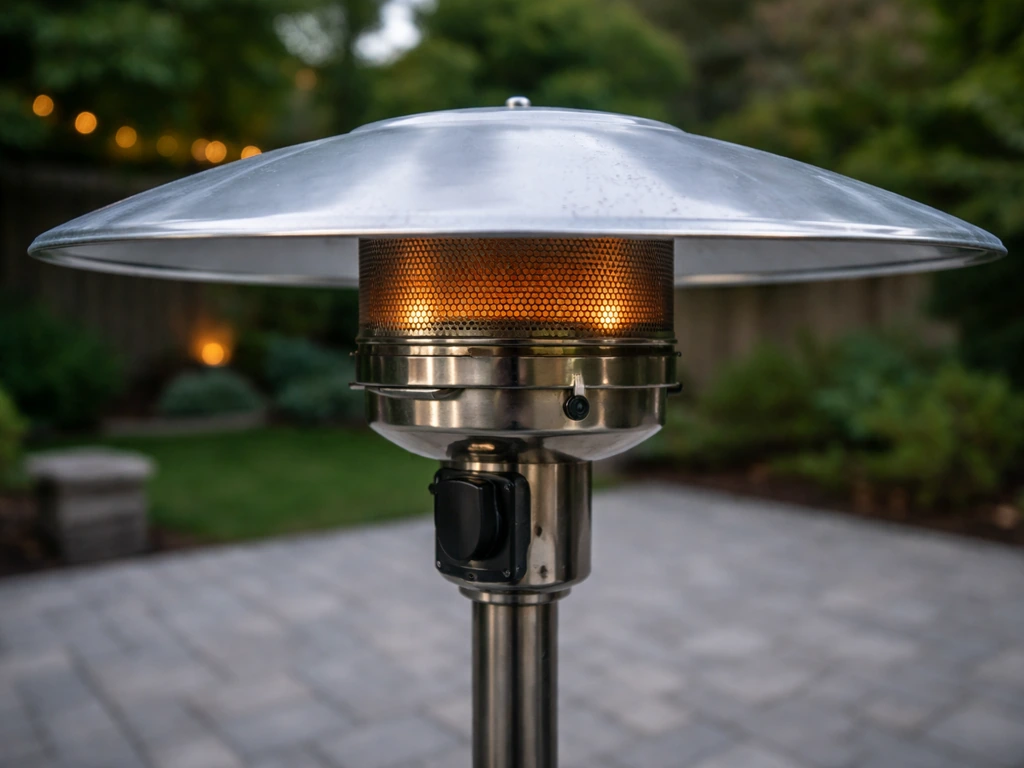
The fastest way to figure out which you need: if your heater is running but not throwing heat the way it used to, you probably need a replacement reflector. If your heater lives outside year-round and looks weathered, you need a protective cover. And if you're shopping from scratch, scroll to the buying section below.
What 'patio heater top' actually means
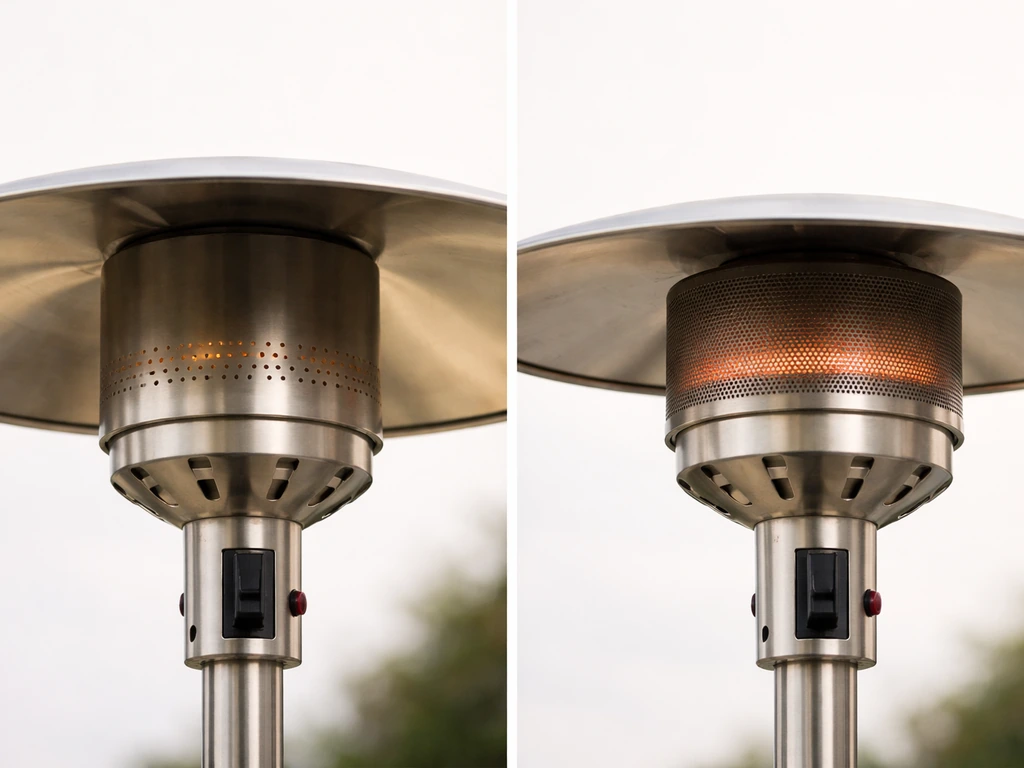
The phrase gets used for several distinct parts and products, and confusing them leads to buying the wrong thing entirely. Here's how to tell them apart.
The reflector shield (the functional top)
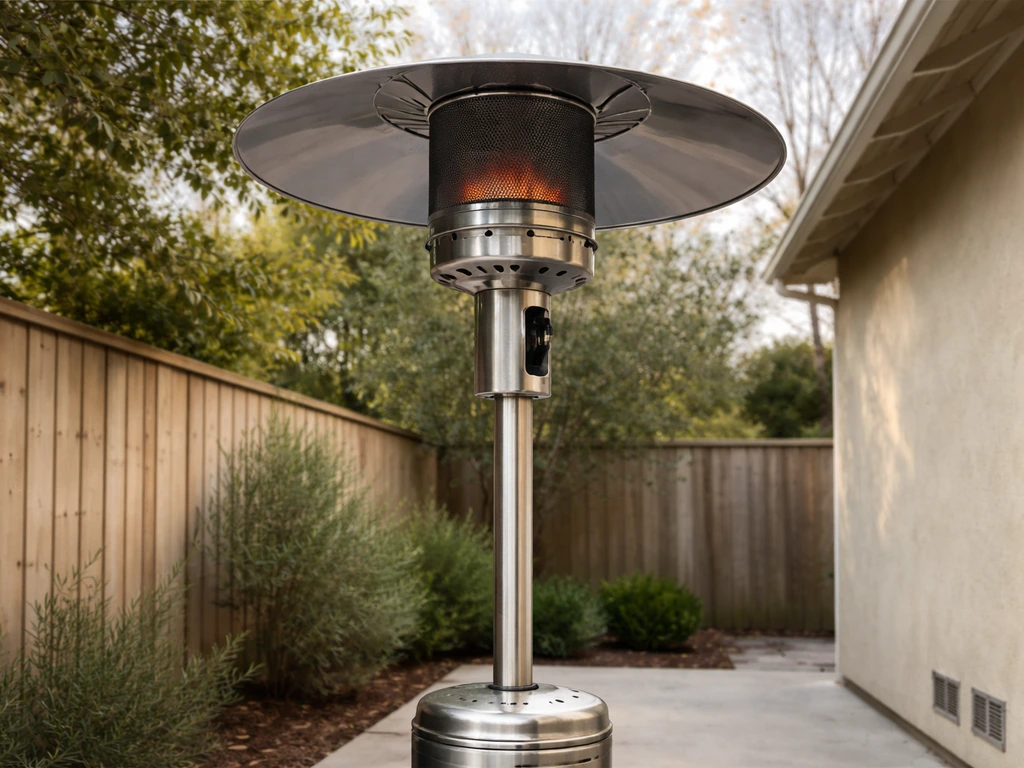
On a standard standing propane patio heater, the dome-shaped panel sitting above the burner is called the reflector shield, reflector panel, or heat reflector. Its job is to capture heat rising from the burner and redirect it outward and downward toward people sitting nearby. It's not decorative; it's a core functional component. Manufacturers like Napoleon explicitly warn: [never use the heater without the reflector](https://www.
napoleonproducts. com/downloads/grills/grill-manuals-north-america/PTH2650SS. pdf). One reason is safety (it's part of the approved clearance geometry), and the other is that without it, most of the heat just rises into the air and disappears.
If this piece gets warped, deeply dented, rusted through, or its reflective surface deteriorates, your heater will underperform noticeably. That's the piece most people mean when they ask for a 'patio heater top replacement. '
The top cap or burner screen (the small stuff)
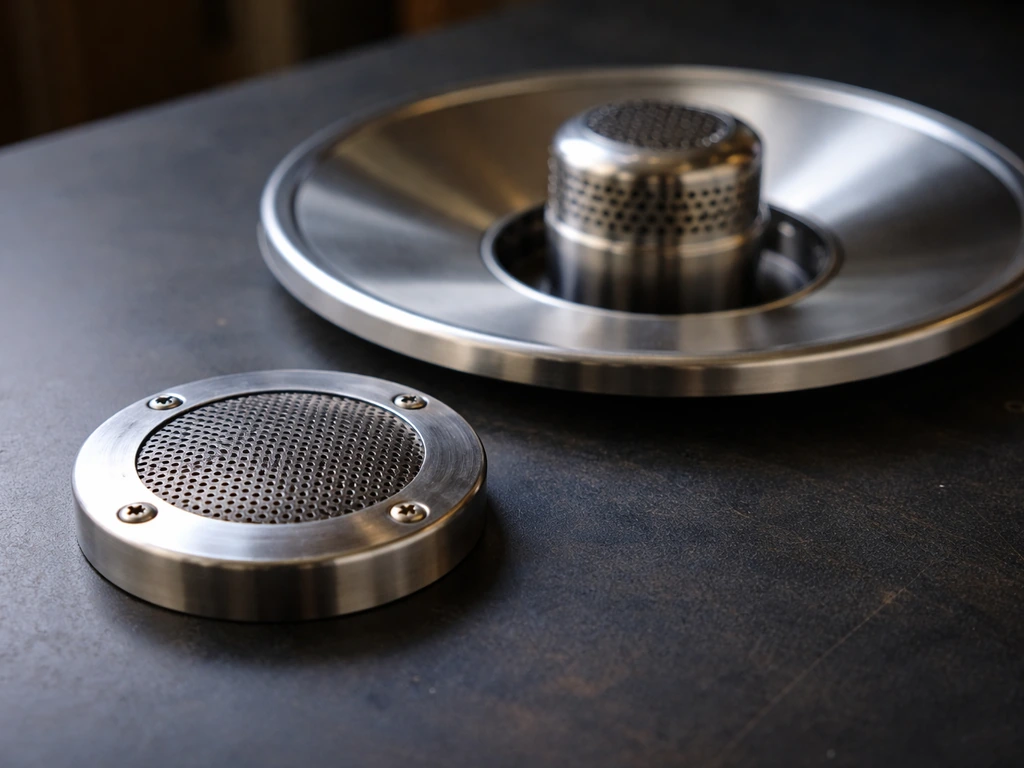
Separate from the reflector is the burner screen, sometimes called the emitter screen. OEM parts lists from brands like AZ Patio Heaters list these as distinct line items: 'Reflector Panel' and 'Heater Burner Screen' are not the same part. This matters because if you just need the screen replaced (common after insects nest in it or it gets corroded), ordering a full reflector assembly is overkill and often won't fit correctly anyway.
The 'top hat' protective cover
A 'patio heater top hat' or dome cover typically refers to a protective weather cover designed to slip over the heater's head and reflector area when the heater is stored. These are not used while the heater is running. Some listings also use 'top hat' to describe a specific dome shape profile of the heater's hood itself. If you're shopping for weather protection rather than a replacement functional part, this is what you want.
Full protective storage covers
These are the tall, fitted fabric covers (think: a fitted bag that slips over the entire heater, from base to dome, for off-season or overnight storage). They're sized by height and diameter and are 100% for protection when the unit is off, not for use during operation.
How to measure your heater before you buy anything
Getting the measurements right before you buy saves you a frustrating return. The key numbers depend on whether you're buying a replacement reflector or a storage cover.
Measuring for a replacement reflector shield
- Outer diameter of the existing reflector: Measure across the widest point of the dome/cone from edge to edge. The most common size on standard standing propane heaters is 33 inches. Write this number down exactly.
- Mounting hole pattern: Flip or tilt the reflector so you can see the underside where it bolts to the heater's frame. Count the mounting holes (most common is a three-bolt pattern) and measure center-to-center spacing between them. A typical spacing is approximately 6 and 7/8 inches, but this varies by brand and model. Both numbers must match for the part to seat correctly.
- Material and thickness: Most replacement reflectors are aluminum (lightweight, rust-resistant). East Oak's replacement shield, for example, specifies 1.0mm aluminum at 33 inches. Match the material if you want equivalent durability and heat reflection.
Measuring for a storage cover
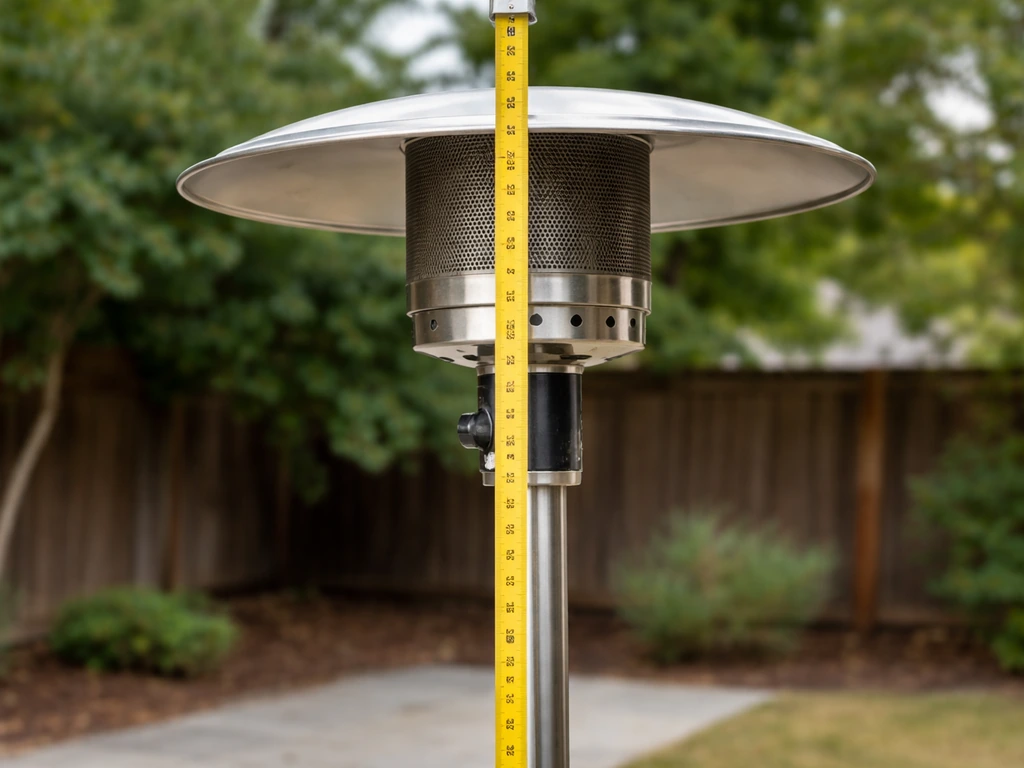
- Height (H): Measure from the ground to the very top of your heater including the reflector dome. Don't measure to the pole and guess — go all the way to the top.
- Diameter (D): Measure across the widest point of the heater, which is usually the reflector hood. This is the edge-to-edge width through the widest part of the dome area.
- Check the cover's listed dimensions against both numbers. A cover that fits the height but not the dome width will either gap or won't pull down correctly.
Compatibility: fuel type, model, brand, and mounting style
Not every reflector fits every heater, and fuel type matters more than you might think. Here's how to do a proper compatibility check before clicking 'add to cart.'
Fuel type
Most replacement reflector shields are listed specifically for propane outdoor heaters, like the East Oak top reflector shield. Natural gas heaters can look identical from the outside but may have slightly different burner configurations or mounting positions that affect which reflector fits. Electric and infrared heaters use a completely different heat-distribution design (often a quartz tube or ceramic element with a surrounding reflector that's part of the heating element housing), so parts are not interchangeable with gas/propane models. Always confirm fuel type before ordering a replacement top piece.
Heater style: standing vs. tabletop
Standing floor heaters (the tall mushroom-shaped models) use large-dome reflector shields, typically in the 33-inch range. Tabletop patio heaters use much smaller reflector assemblies, and these parts are rarely interchangeable. For a patio table top fire pit, make sure any replacement top components match the correct size and mounting style so the unit performs safely. If you're looking at tabletop models specifically, brands like Hampton Bay, Fire Sense, and Paramount all have model-specific parts. Fire Sense tabletop patio heaters typically use model-specific reflector assemblies and caps, so check compatibility before ordering. The same sizing logic applies: measure before you buy.
Brand and model matching
Some replacement reflectors are sold as universal (sized by diameter only), while others are OEM parts for specific brands. OEM parts from AZ Patio Heaters, Hampton Bay, or Napoleon will fit their specific models reliably. Universal parts require you to verify both the outer diameter AND the mounting hole pattern yourself. When in doubt, search by your heater's model number rather than just the brand name, since the same brand often sells multiple incompatible reflector sizes across their lineup.
Mounting styles
Most standing propane heaters use a bolt-through mounting pattern on the underside of the reflector. The number of bolts (commonly three) and their spacing is the physical lock-in point. A reflector with the right outer diameter but the wrong bolt pattern won't mount correctly and can sit loose, which is both a performance and safety issue. Some models use a friction-fit or clip system instead, so always check the installation method in your existing owner's manual before ordering.
Top covers vs. protective caps vs. top-hat designs
| Product Type | What It Does | Used While Heater Is On? | Best For |
|---|---|---|---|
| Reflector shield / reflector panel | Directs heat downward and outward from the burner; functional safety component | Yes — required for safe operation | Replacing a warped, dented, or rusted reflector to restore heating performance |
| Burner/emitter screen | Protects the burner opening from debris and insects; aids combustion airflow | Yes — required for safe operation | Replacing a clogged, corroded, or damaged screen without replacing the whole reflector |
| Top-hat dome cover | Covers the reflector dome area to protect from rain, bird droppings, UV when stored | No — storage only | Covered patios or overnight protection between uses |
| Full-length storage cover | Covers the entire heater from base to top in a fitted weather-resistant sleeve | No — storage only | Off-season storage, uncovered patios, areas with heavy rain/snow |
The key takeaway: if it goes on the heater while the flame is lit, it's a functional part (reflector or screen). If it goes on when the heater is off, it's a protective cover. Mixing these up is how people accidentally damage their heater or create a fire hazard.
Weather protection and safety: installation, clearance, and airflow
This is where mistakes can get dangerous, so pay attention to these points even if you skip everything else in the article.
Never block vents or obstruct the reflector during operation
Multiple manufacturer manuals are consistent on this: storage covers must be fully removed before lighting the heater. Napoleon's manual specifically warns against obstructing the ventilation opening (the 'hand hole') on the cylinder cover section. Running a heater with even a partial cover over it can trap heat, disrupt combustion airflow, and in propane models, create a gas accumulation risk. There is no safe 'partial' cover scenario during operation.
Clearance to combustibles
The reflector assembly is part of the heater's designed safety configuration, not an add-on. Heatstar manuals define 'clearance to combustibles' as the minimum distance between the reflector or infrared surface and any combustible materials nearby. When you install a replacement reflector, the geometry must match the original so that the approved clearance distances are maintained. A reflector that's too large can point heat toward surfaces that aren't supposed to receive that concentration. SunStar's installation instructions further specify that the heat shield must be mounted at the correct angle, because the orientation directly affects whether those clearances hold in real use.
Airflow and ventilation requirements
Gas patio heaters need airflow to combust cleanly. If you're in a partially enclosed or covered patio space, check that there's adequate ventilation above and around the heater. The evenGLO portable series installation manual explicitly notes that the top reflector and burner head must be accessible for removal and maintenance, meaning the heater should never be installed in a position where the top is permanently blocked. For indoor or semi-enclosed use, SunStar's guidance (per NFPA 54) calls for at least 4 CFM of exhaust air per 1,000 Btu/hr of heat input when mechanical ventilation is used.
Installing a replacement reflector correctly
- Turn off and disconnect fuel before starting. For propane, remove the tank. Let the heater cool completely.
- Remove the old reflector by loosening the mounting bolts. Note their position and keep the hardware unless the replacement comes with new bolts.
- Check the mounting bracket and burner screen for corrosion or damage while you have access.
- Align the new reflector with the mounting holes. The dome should curve downward over the burner. Hand-tighten bolts first to confirm alignment, then snug them evenly.
- Confirm the reflector sits level and centered above the burner before reconnecting fuel and test-firing.
Buying advice: picking the right top or accessory for your situation
Here's how to match what you buy to your actual situation rather than just grabbing the first listing that looks right.
If you need a replacement reflector
- Prioritize OEM parts when available for your brand and model (AZ Patio Heaters, Hampton Bay, Napoleon all publish parts lists).
- For universal replacements, confirm 33-inch outer diameter if you have a standard standing propane heater, and verify the bolt pattern spacing before ordering.
- Choose aluminum over steel for a reflector that stays lighter and resists rust longer.
- Avoid painted or coated reflectors if they don't specify high-temperature ratings; standard paint will bubble off near a live burner.
If you need a protective storage cover
- For uncovered patios with heavy rain and UV exposure, look for at least 420D polyester with waterproofing and UV-resistant coating.
- If you live somewhere with freezing winters, look specifically for 'cold crack protection' ratings down to negative 10°F or lower.
- For covered patios or mild climates, a lighter-weight cover is fine — you're mainly guarding against dust, bird droppings, and occasional moisture.
- Measure height and dome diameter first. A cover that's too narrow will stress the seams and fail sooner.
Budget guidance
Replacement reflector shields from third-party suppliers typically run less than OEM parts, and for a universal aluminum shield at the right size and mounting pattern, they're often a solid value. For patio setups like a round firepit with an AZ Patio Heaters style top, measuring carefully helps you choose the right replacement shade or shield that fits correctly.
Where OEM parts earn their price is in precise fit, if the bolt pattern is even slightly off on a generic part, you'll spend more time and frustration than the savings are worth. Protective covers range from budget options under $20 to heavy-duty commercial covers above $60. The mid-range ($30 to $45 with 420D or better polyester and UV resistance) covers most residential needs well.
Care, maintenance, and fixing common problems
Reflector problems
A damaged or dented reflector is one of the most common reasons a heater suddenly stops throwing heat as well as it used to. The dome shape creates a parabolic curve that focuses heat in a specific direction. Even moderate denting disrupts that geometry and scatters heat inefficiently.
Replacement triggers to watch for: any dent that distorts the curve visibly when you sight down the dome, rust perforation or heavy pitting that breaks the reflective surface, warping from heat stress over multiple seasons, or a surface that's gone matte and oxidized rather than shiny. If you see any of those, a replacement reflector will bring your heater back to like-new performance more reliably than trying to pound out the damage.
Storage cover problems
- Poor fit (cover blows off in wind): Check if the cover has tie-down straps or drawstring cords at the base and use them. If it still blows off, the cover is likely too large for your heater's diameter.
- Condensation and moisture buildup inside the cover: This is common when covers are sealed too tightly. Store the heater only when it has fully cooled, and if possible choose a cover with a small ventilation panel or leave the base slightly loose to allow airflow.
- Cover cracking in cold weather: Cheaper polyester without cold-crack protection becomes brittle below freezing and can crack when you try to remove it. In cold climates, this is worth paying more to avoid.
- Rust on the heater despite using a cover: Usually means the heater is sitting in pooled water at the base. Use a cover with a water-repellent base seam and store the heater off the ground if possible.
General maintenance for the reflector area
Clean the reflector surface a few times per season with a damp cloth to remove soot, debris, and oxidation. Don't use abrasive pads, which scratch the reflective surface and accelerate oxidation. Check the burner screen each spring for insect nests, which are a surprisingly common cause of ignition problems. The screen and reflector are separate parts, so if only the screen is clogged or corroded, replace just that component rather than the whole reflector assembly. Keep the mounting bolts snugged up each season since vibration from wind can loosen them over time.
When to replace vs. repair
If the reflector has surface oxidation or minor scratches, clean and apply a high-temp metal polish to restore reflectivity. If it has structural damage (dents, warping, rust holes), replace it. Attempting to hammer out dents in a reflector usually creates more distortion than the original damage. A new reflector costs relatively little compared to a new heater, and it genuinely restores performance rather than just making the heater look better. For covers with torn seams or cracked fabric, replacement is almost always the right call since patching rarely holds up to UV and moisture cycles.
FAQ
Can I use any “universal patio heater top” if the diameter matches?
Most reflector replacements are not interchangeable across heater types, even when the dome size looks similar. Match your heater’s fuel type (propane vs natural gas), then verify the mounting method (bolt-through, friction-fit, or clips) and the underside bolt hole pattern. If you cannot confirm all three from the listing, use your heater’s model number.
Is it safe to leave a patio heater cover on during ignition or while it’s still warm?
A cover can reduce airflow and trap heat if any part remains on during operation. Even if it looks thin or partially vented, there is no safe way to run with a cover installed, because ventilation openings and combustion airflow can be blocked. Remove the cover fully before lighting.
If my patio heater tilts or is installed at an angle, will the standard reflector still work?
Yes, but only if the heater is designed for that mounting orientation. If a reflector replacement arrives for a model that expects the heater head to sit upright, a different angle can affect heat direction and clearance geometry. Use the existing reflector’s underside mounting pattern and check that the new part reproduces the same angle and clearances.
My heater ignites but doesn’t heat like it used to, how do I tell if it’s the reflector or the burner screen?
If the heater lights but produces weak heat, the reflector or emitter screen are common culprits, but also check the burner screen for insect nests and the gas control or regulator for performance issues. A reflector that is intact but mismatched can still underperform, so after confirming the screen is clear, verify the replacement reflector is the exact correct model/size.
What’s the safest way to clean and restore a dull or oxidized reflector?
Avoid abrasive pads on the reflective surface because scratches accelerate oxidation and reduce reflectivity. For minor surface oxidation, wipe clean first, then use a high-temp metal polish made for stainless or aluminum reflective parts, following the product instructions. If the metal is warped or pitted through, polishing will not restore the parabolic geometry.
How can I tell whether my reflector damage is “cosmetic” or requires full replacement?
Look for rust perforation, deep pitting, or warping that changes the dome shape. A simple test is to sight down the reflector from multiple angles, a correctly shaped reflector should keep the curve consistent. If you can visibly see the curve distorted, replacement is more reliable than trying to reshape it.
Can I place a standing patio heater under a covered patio or in a partially enclosed space?
When the top is permanently blocked, maintenance and combustion airflow can become unsafe. Position the heater so the top dome and burner head are reachable for inspection and so air can circulate around the cylinder head area. If you have a gazebo, pergola, or covered patio, ensure there is enough clearance above and around the head, not just on the sides.
Do weather covers protect against wind damage, or should I anchor something differently?
It depends on where the cover is required. A weather cover is for storage when the heater is off, it should not be considered a wind shield or ventilation solution. In high-wind areas, rely on the heater’s stability and tie-down or base anchoring instead, then cover only after shutdown and cooling.
If my new reflector feels loose, do I just tighten it more, or is it a sign I ordered the wrong part?
If bolts loosen, vibration can also change alignment, which affects heat direction. Tighten mounting bolts each season, and after installing a new reflector, re-check fit after the first use once the unit cools. If the reflector still sits loose with the correct diameter, the bolt pattern or mounting system is likely wrong.
How do I confirm whether a listing is a replacement functional reflector versus a storage “top hat” cover?
Yes. Many “top cap” listings mix protective storage covers with functional dome components. If the item description says it goes on only for storage and requires removal before lighting, it is a cover. If it is described as part of the approved clearance geometry or required for safe operation, it is the functional reflector or screen component.