
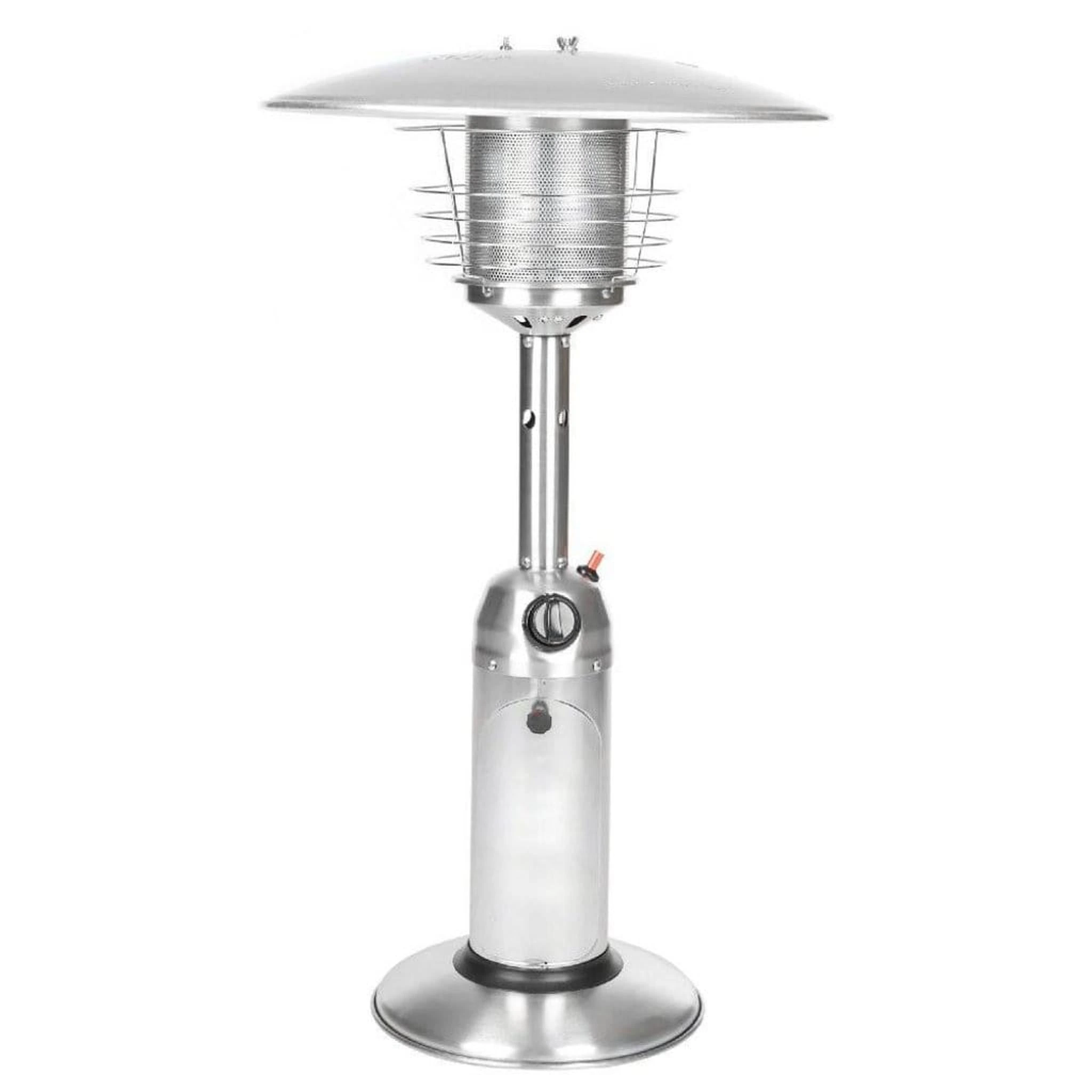
The Fire Sense 60262 is the tabletop propane patio heater you're most likely looking for. It's a stainless steel, 10,000 BTU unit that runs on a standard 1-lb propane cylinder, heats roughly 100 square feet (about an 8-foot diameter around the table), and weighs around 16 lbs, so it's genuinely portable. If you want a compact, no-installation heater you can set on a patio table and light in seconds, this is a well-known, widely available option that works exactly as described. That said, there are a few things to check before you buy, and a handful of real-world quirks you should know about.
Fire Sense Tabletop Patio Heater: Buying Guide and Troubleshooting

Willa Brennan
7 May 2026
What a Fire Sense tabletop patio heater is and who it's for
The Fire Sense tabletop line is designed for people who want warmth around a small outdoor table without committing to a full standing patio heater. These are compact propane heaters you place in the center of a table (or on any stable flat surface), connect a small 1-lb propane cylinder to the bottom, and ignite with a single button. No gas line, no extension cord, no installation. That simplicity is the whole point.
They're ideal for small patios, balconies, decks, or anyone who needs a heater they can move around or pack away after use. If you're heating a large open patio or a covered pergola with more than a couple of people, a 10,000 BTU tabletop heater won't cut it and you'd be better served looking at a full standing propane or natural gas unit. But for two to four people gathered around a patio table on a cool evening, this hits the sweet spot.
One quick naming note: Fire Sense (sometimes written as Fire•Sense) makes multiple tabletop models. The main stainless steel version is the 60262. Related model numbers 61322 and 62969 share the same owner's manual and are very similar units, just with minor finish or configuration differences. If you see those numbers on a listing, you're in the same product family. Don't let the variant names throw you off.
Propane tabletop specifics: how it works and what to check
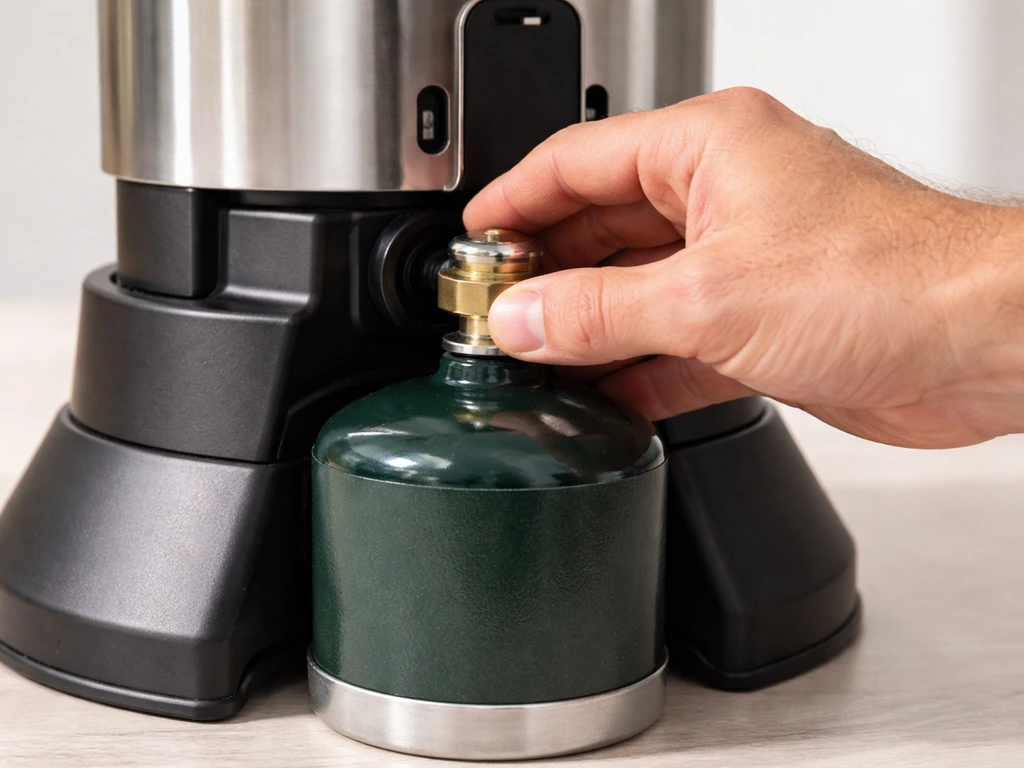
The Fire Sense 60262 runs on a standard 1-lb propane cylinder, the same small green canisters you'd use for a camping stove. You screw the cylinder directly into the regulator connection at the base of the heater. That's it for setup. From there, you turn the control knob and press the one-step Piezo igniter button to light it. No matches, no lighter needed.
At 10,000 BTU on a single 1-lb cylinder, expect roughly 3 hours of run time on a full tank. That's a realistic number for a cool evening but it does mean you'll want a few spare canisters on hand if you're planning a longer gathering. This is the biggest practical trade-off with tabletop propane units: the small cylinder keeps them portable, but it also limits run time compared to a larger tank.
A common buyer mistake is trying to hook up a larger 20-lb propane tank using an adapter hose. Some reviewers do this successfully with a third-party 3-foot gas adapter/regulator, but it's not the manufacturer's intended setup and can create compatibility or safety issues if you use the wrong regulator. If longer run time is a priority, it's worth factoring that in before you buy rather than improvising later.
The heater is CSA approved and comes with several safety systems worth knowing about: an auto shutoff tilt valve (it cuts gas if the unit tips over), an oxygen depletion sensor (ODS) that shuts it off if oxygen levels drop too low, and a safety grill guard over the burner. These are standard features for a certified tabletop gas heater and they matter, especially when the unit is sitting on a table around people.
Stainless steel vs other finishes: what actually holds up outside
The 60262 is explicitly listed as stainless steel across every major retailer, including Target, Kohl's, and Best Buy. That matters outdoors because stainless resists rust and corrosion far better than painted or powder-coated finishes, especially in humid climates or near salt air. The burner and heating grid are also stainless, not just the shell.
If you see a similar-looking Fire Sense tabletop heater at a lower price in a bronze or hammered finish, check the model number carefully. The 61322 and 62969 are close relatives but may differ in finish and styling. None of these finishes are as corrosion-resistant as brushed stainless, so if you're leaving this outside frequently or storing it on an exposed deck, the stainless model is the smarter long-term choice. A heater cover or indoor storage between uses extends the life of any finish.
| Finish | Corrosion Resistance | Best For | Notes |
|---|---|---|---|
| Stainless Steel (60262) | High | Humid, coastal, or exposed patios | Most durable finish; burner and grid also stainless |
| Bronze/Hammered (61322/62969) | Moderate | Covered patios, drier climates | Same manual family; check model number on listing |
| Painted/Powder-coated | Lower | Occasional use, sheltered spots | More prone to chipping and rust over time |
Fire Sense tabletop patio heater reviews: what buyers actually say
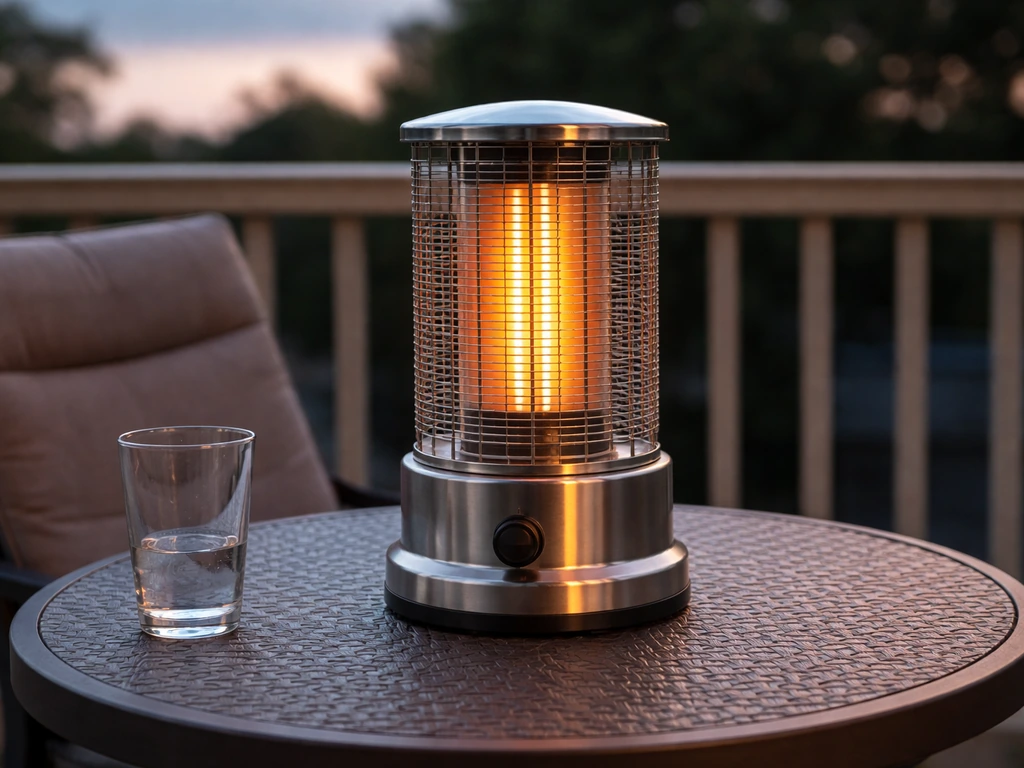
Across reviews on Best Buy, Target, Walmart, and Kohl's, most buyers come away happy with the heat output for the size. People consistently mention how easy it is to set up (the Piezo ignition works well out of the box) and how genuinely warm it feels when you're sitting close to it. For a small table setting, the 8-foot heat diameter lands right where it needs to.
The honest negatives show up in a few recurring patterns. First, the 3-hour run time catches people off guard if they were expecting longer sessions without swapping cylinders. Second, wind is a real issue. blank" rel="noopener noreferrer">The manufacturer's own manual flags that the heater should only be used when wind velocity is below 10 mph, and real-world reviews back that up, the flame can flicker or extinguish in even a moderate breeze. The Fire Sense 60262 owner’s manual also specifies using the heater only when blank" rel="noopener noreferrer">wind velocity is below 10 mph. Third, a small but consistent group of reviewers mention ignition trouble, usually traced back to not following the purge/wait steps before relighting or a partially empty cylinder.
On the positive side, the tilt shutoff and ODS are frequently praised by safety-conscious buyers, especially those using the heater on a crowded table. The compact footprint (about 13.4 inches wide) means it doesn't dominate the table surface, and at roughly 16 lbs it's easy to carry inside after use. Overall, the consensus is that this is a solid, well-made heater for its intended use case, as long as you go in with realistic expectations about run time and wind sensitivity.
Common praise
- One-step Piezo ignition works reliably when cylinder and steps are correct
- Genuine warmth in a small footprint, good for two to four people
- Stainless steel construction feels and looks premium
- Tilt shutoff and ODS give peace of mind for family use
- Easy to move and store between uses
Common complaints
- Only about 3 hours of heat per 1-lb cylinder
- Wind above 10 mph can extinguish the flame
- Ignition issues when relighting without following cool-down and purge steps
- Some buyers try to use larger tanks with adapters, which creates compatibility headaches
- Not suitable for large patios or open outdoor areas
Buying checklist: what to confirm before you order
Before clicking buy, run through these points. They cover the things that trip people up most often and that reviewers wish they'd thought about in advance.
- Model number: Make sure the listing shows model 60262 (stainless steel) if that's what you want. If you see 61322 or 62969, check the finish and features carefully since they're related but not identical.
- Fuel type and cylinder size: This unit uses a standard 1-lb propane cylinder only in its factory configuration. Have a couple of spares ready for longer evenings.
- Heat coverage: 10,000 BTU covers roughly 100 sq ft or an 8-foot diameter. Great for a small table; not enough for a full patio.
- Clearance requirements: The manual requires at least 18 inches of clearance from the top and 24 inches from all sides to any combustible surface. Measure your table setup before placing the heater.
- Stability: The heater needs a flat, stable surface. If your patio table has a center hole (umbrella hole), you'll need a cover plate or a different placement.
- Wind exposure: If your patio is open and regularly breezy, plan for the heater to struggle. It's not rated for wind above 10 mph.
- Safety certifications: Look for CSA approval on the listing. The 60262 is CSA approved, which means it's been independently verified for safety standards.
- Storage plan: Stainless holds up well, but storing indoors or under a cover extends the life of all finishes and keeps the igniter clean.
How to use, maintain, and troubleshoot it
Getting it started
Screw the 1-lb propane cylinder into the regulator connection at the base until it's hand-tight. Set the heater on a stable, flat surface with appropriate clearances. Turn the control knob to the start position and press the Piezo igniter button. If it doesn't light on the first try, wait 30 to 60 seconds before trying again to let any gas dissipate. Most ignition failures happen because people retry too quickly.
Checking for leaks
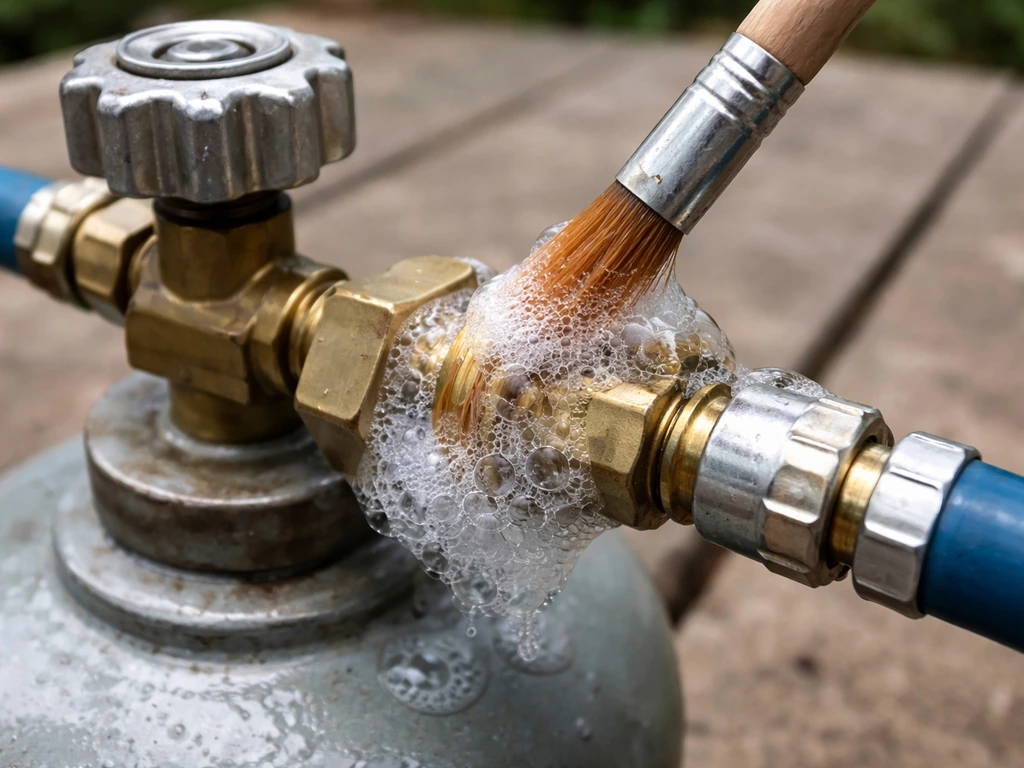
Before the first use with any new cylinder, do a quick leak check. Apply a soapy water solution to the regulator connection and watch for bubbles. If you see bubbles, turn off the gas, disconnect the cylinder, and recheck the connection. The manufacturer's manual is explicit: if bubbles persist after multiple attempts, do not use the heater until the leak is resolved. ManualsLib hosts the Fire Sense 60262 owner’s manual, which can be used as the primary source for operating steps and safety information The manufacturer's manual is explicit: if bubbles persist after multiple attempts, do not use the heater until the leak is resolved.. This step takes two minutes and eliminates the most common safety risk.
Troubleshooting ignition problems
- Flame won't light: Check that the cylinder isn't empty, the connection is tight, and you've waited long enough between attempts.
- Flame goes out shortly after lighting: This is often the ODS triggering, which can happen if the heater is in an area with poor air circulation. Move it to a more open spot.
- Flame extinguishes in use: Wind is the most likely culprit. Reposition the heater to a more sheltered spot or use a windbreak.
- Weak or yellow flame: Low cylinder pressure or a dirty burner. Try a fresh cylinder first; if that doesn't help, clean the burner grid with a soft brush.
Maintenance basics
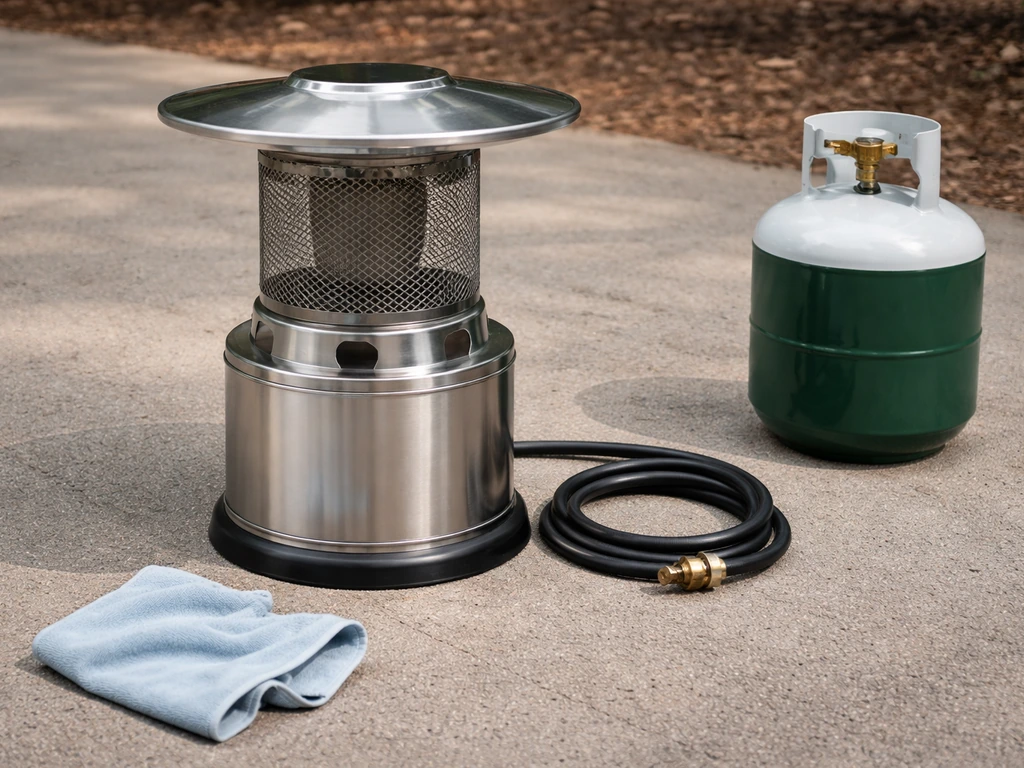
After each use, turn the heater off and let it cool completely before handling or storing. Disconnect the propane cylinder when not in use. Periodically wipe down the stainless exterior with a damp cloth and inspect the burner and heating grid for debris or spider webs (a common cause of ignition issues after the heater has been stored). Keep the Piezo igniter tip clean and dry. A basic once-a-season inspection of the regulator connection and gas hose for cracks or wear is good practice.
Alternatives if a tabletop propane heater isn't the right fit
A 10,000 BTU propane tabletop heater is a great tool for the right situation, but it's worth being honest about when something else would serve you better.
If you want more heat output at a similar tabletop footprint, a 4kW tabletop gas heater gives you roughly 13,600 BTU and longer reach. Options like the Firefly 4kW tabletop gas heater are worth comparing if you're consistently heating four or more people. If the Firefly 4kW tabletop gas model is on your shortlist, compare its coverage and run time against your expected group size before you buy 4kW tabletop gas patio heater Firefly. Electric tabletop options like the 2. If you specifically want an electric alternative, compare the Firefly table top electric patio heater for convenient plug-in heating. 1kW tabletop electric patio heater with rattan base are worth a look if you have an outdoor outlet nearby and prefer no-cylinder convenience, though electric units don't quite match propane for raw heat output.
If you have a larger patio (say, 200 square feet or more), a standing heater from a brand like Kettler makes more sense than any tabletop model. If you want to warm more people without relying on propane cylinders, the 2.1kw table top electric patio heater with rattan base is a related electric option worth comparing, especially if you have an outdoor outlet nearby. If you specifically want something smaller, a Kettler table top patio heater can be a better fit than a larger standing unit. If you're comparing standing options, these Kettler Kalos patio heaters are frequently part of the same conversations as popular tabletop units like the Fire Sense 60262 Kettler tabletop patio heater and Kettler Kalos. If you're comparing broader options like the Kettler Universal Lantern patio heater, it helps to look at 80cm reviews for coverage and heat output expectations. The Kettler tabletop patio heater and Kettler Kalos are well-regarded options in the standing and larger tabletop space, and they cover significantly more ground. Similarly, a Garden Glow 4kW tabletop patio heater is another alternative worth checking if you want a higher output in a compact form.
For covered or enclosed spaces like a screened porch, an infrared electric heater is often safer and more efficient than any propane unit since you avoid combustion gases. And if you're in a spot with a natural gas line, a permanent natural gas patio heater eliminates the cylinder-swapping problem entirely. The right choice depends on your space, your fuel access, and how often you'll actually use it.
| Situation | Better Alternative | Why |
|---|---|---|
| Need more than 3 hours without swapping tanks | 20-lb propane standing heater | Larger tank, longer runtime, more BTU |
| Heating 4+ people or larger patio area | 4kW tabletop gas or standing heater | Higher BTU output, wider heat radius |
| Covered patio or enclosed porch | Electric infrared tabletop heater | No combustion risk, plug-and-use simplicity |
| Permanent outdoor setup with gas line | Natural gas patio heater | Unlimited fuel, no cylinder management |
| Budget buyer, occasional use | Electric tabletop heater (2.1kW) | Lower upfront cost, no fuel to buy |
If the Fire Sense 60262 matches your setup (small table, occasional use, open but sheltered outdoor space), it's a solid, well-tested choice with a good safety record and easy operation. Stock up on 1-lb cylinders, do your leak check before the first use, and keep it out of the wind. You'll get a lot of warm evenings out of it.
FAQ
Can I use the Fire Sense fire sense patio heater table top with a 20-lb propane tank?
No, it is not intended to be used with a hose to a larger propane cylinder. The heater is designed for a direct connection to a standard 1-lb cylinder, using the matching regulator setup at the base. If you want longer runtime, the safer approach is to plan for spare 1-lb canisters or consider a different heater designed for larger tanks.
How much space should I leave around a Fire Sense tabletop patio heater?
For the tabletop model, clearances are part of safe operation. Place it on a stable, flat surface, keep the burner area free of anything that can trap heat, and do not set it directly on glass, fabric, or thin outdoor furniture. If you are using it on a table, verify the tabletop material will not be damaged by radiant heat and maintain a gap from overhanging items.
What should I do if the flame keeps flickering in wind?
The “below 10 mph” wind guidance matters because propane flames can flicker or go out in breezy conditions. In practice, if you notice the flame height changing a lot, reduced heating, or repeated re-ignition attempts, stop using it and reposition the heater to a more sheltered spot (or use a different heater type).
Why does my tabletop propane heater sometimes fail to ignite?
If it will not relight, avoid immediately retrying. Let it sit 30 to 60 seconds so gas dissipates, then follow the lighting steps again. If problems persist, check for a nearly empty cylinder, confirm the knob and ignition button are functioning as intended, and inspect the burner and heating grid for debris (for example, spider webs).
Do I need to leak-test every time I swap the 1-lb propane cylinder?
Yes, but only when you handle propane safely. Leak-check the regulator connection with soapy water before first use and any time you change cylinders. If you ever see persistent bubbles after multiple checks, do not use the unit until the connection or parts are corrected.
What is the safest routine for shutting down and storing the fire sense patio heater table top?
Turn the heater off and let it cool completely before you move it, cover it, or store it. Also disconnect the cylinder when not in use, and wipe down the stainless exterior while keeping the igniter area dry to prevent corrosion and ignition problems.
How do I estimate whether 10,000 BTU is enough for my outdoor space?
A tabletop propane heater will not typically warm a large open area evenly. If you consistently have more than a few people around the table, you may want a higher-output option, a different fuel source, or more heaters placed strategically rather than expecting one 10,000 BTU unit to cover a large patio.
Will the heater shut off if someone bumps the table or knocks it over?
Yes. If the unit tips, the auto shutoff tilt valve is designed to cut gas, but you should still keep it on a stable surface where it cannot be knocked by chairs, bags, or foot traffic. Avoid placing it near places where people tend to bump or lean.
What routine maintenance helps prevent ignition problems after seasonal storage?
Some ignition issues are caused by not allowing the correct purge or wait time before re-trying. Another common cause after storage is blocked air paths or residue from debris. Cleaning the burner and heating grid and keeping the igniter tip clean and dry can resolve many “works once then fails” complaints.
How can I get longer heating sessions without changing to a different heater?
If you need longer run time than about 3 hours per 1-lb cylinder, budgeting spare cylinders is usually more practical than trying to adapt a larger tank. If you are hosting longer gatherings or running it in colder conditions, plan cylinder swaps in advance, or consider moving up to a heater designed for higher output and longer burn.