
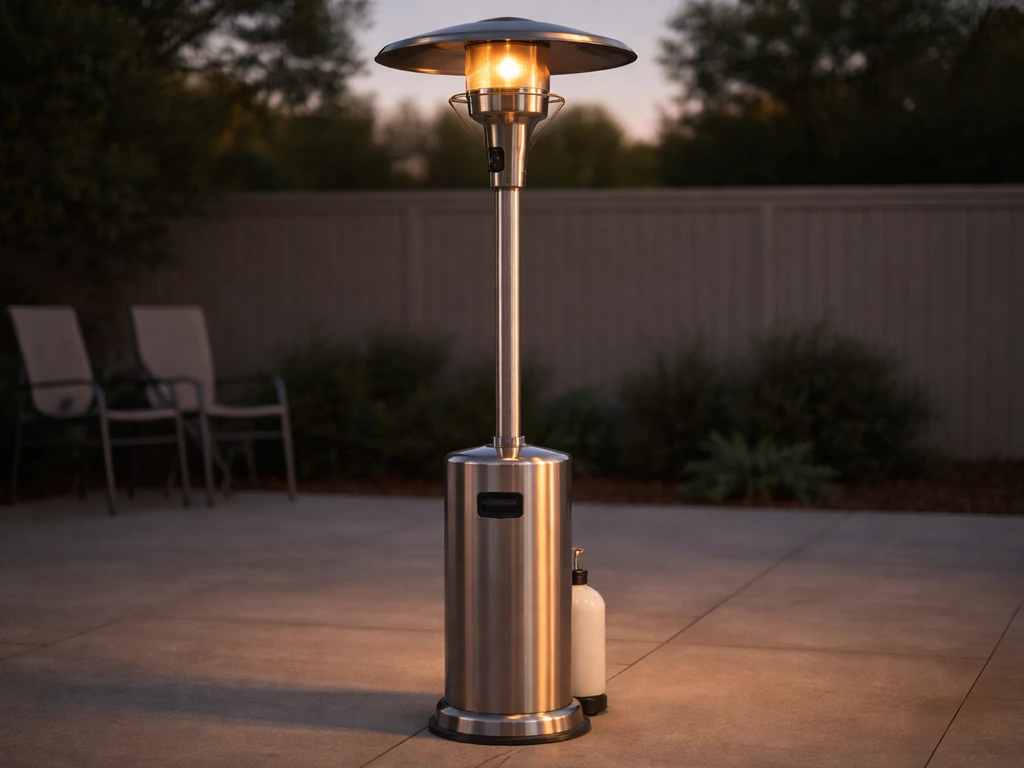
The Hampton Bay 48,000 BTU stainless steel patio heater (model NCZH-G-SS) is a solid mid-range propane standing heater that covers roughly 200 to 215 square feet of outdoor space, blank" rel="noopener noreferrer">retails for around $249 at Home Depot, and works well for most backyard setups as long as you go in with realistic expectations about wind sensitivity and thermocouple quirks. For the price, it's one of the better-looking stainless units you'll find, and it holds up reasonably well season after season with basic maintenance.
Hampton Bay 48,000 BTU Stainless Steel Patio Heater Reviews

Willa Brennan
19 Jun 2026
Quick verdict: who should buy this heater and who should skip it
This heater is a great fit for homeowners who want a tall, freestanding propane patio heater that looks good, pushes out serious heat, and doesn't require any permanent gas line installation. If you're heating a patio that's roughly 200 square feet, hosting small outdoor gatherings through spring and fall, and want something you can roll into the garage for winter, this ticks most of the boxes. The stainless steel finish also makes it noticeably more corrosion-resistant than powder-coated steel options at the same price point.
That said, skip this one if you're in a consistently windy area (the manual advises against using it above 10 mph), need to heat a larger open patio beyond 200 square feet, or want the simplicity of an electric plug-in setup. It's also not ideal for fully covered pergolas with low ceilings, since you need 3 feet of clearance on the sides and at least 2 to 3 feet from the top to combustible materials. If you're comparing it directly against the broader category, there's a full breakdown of the best 48,000 BTU patio heaters worth looking at alongside this one. If you want the short list, compare it with the best 48000 btu patio heater options available in your budget and climate best 48,000 BTU patio heaters.
Specs breakdown: what 48,000 BTU and stainless steel actually mean
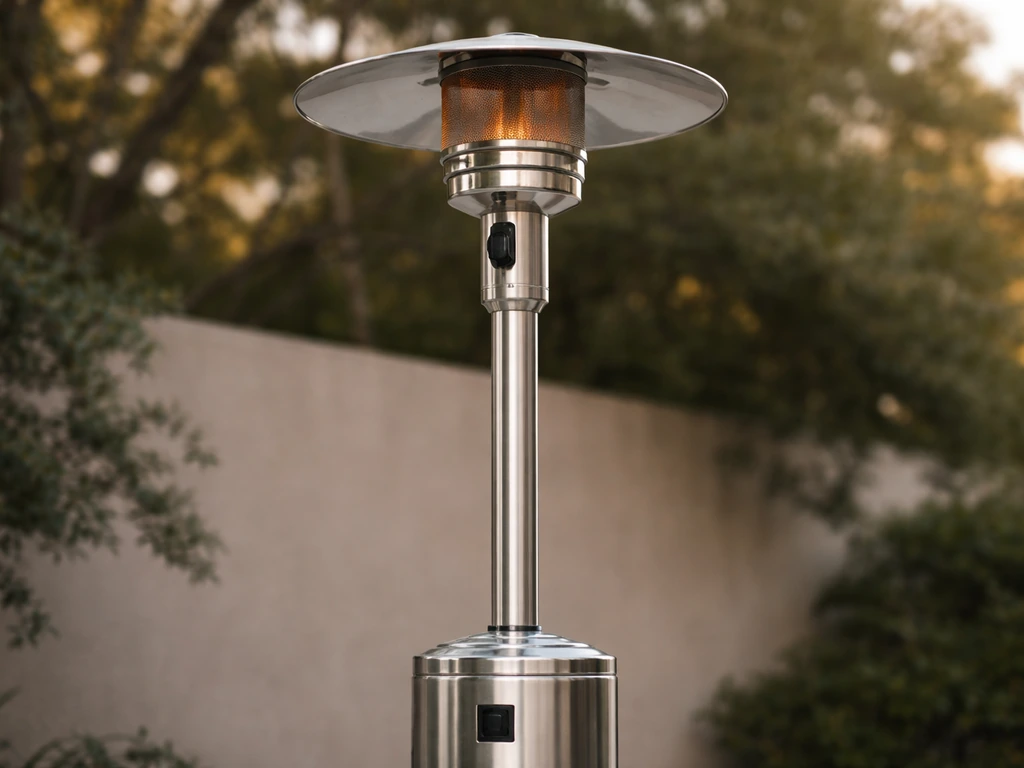
BTU stands for British Thermal Unit, and it's simply a measure of heat output per hour. At 48,000 BTU on the high setting, this heater is putting out enough heat to meaningfully warm a medium-sized outdoor space. For context, a standard outdoor heater in this category runs between 40,000 and 50,000 BTU, so this sits right in the sweet spot. You also get a minimum setting of 17,000 BTU, which is useful for mild evenings when you don't need full blast. That adjustability is something you'll appreciate more than you'd expect.
The heater runs on propane (LP gas) and connects to a standard 20 lb propane tank, the same type you'd use for most backyard grills. It's certified to ANSI Z83.26-2014 and CSA 2.37-2014 standards, which are the relevant North American standards for gas-fired outdoor patio heaters. This heater is identified as Hampton Bay model NCZH-G-SS and Item #1002 693 240 / #1002 633 101 in its use and care guide PDF, which also lists relevant certifications/standards such as ANSI Z83.26-2014 and CSA 2.37-2014. The included regulator is set to 11 inches of water column pressure, and the manual is clear that you must use the provided regulator rather than a third-party one.
The stainless steel construction is the headline feature at this price. At 87.25 inches tall and 32.25 inches wide, this is a full-size mushroom-style standing heater. It weighs around 30 to 33 lbs depending on the source, which makes it manageable to move but substantial enough to feel stable. The stainless finish resists surface rust significantly better than painted steel, though it's not immune to corrosion in coastal or salt-air environments.
| Spec | Detail |
|---|---|
| Model | NCZH-G-SS |
| Fuel type | Propane (LP gas) |
| Heat output (high) | 48,000 BTU/hr |
| Heat output (low) | 17,000 BTU/hr |
| Heating coverage | approx. 200 to 215 sq ft |
| Tank size | Standard 20 lb propane |
| Dimensions (DxWxH) | 32.25" x 32.25" x 87.25" |
| Weight | approx. 30 to 33 lbs |
| Certifications | ANSI Z83.26-2014, CSA 2.37-2014 |
| Warranty | 1-year limited |
| Retail price | ~$249 (Home Depot) |
Real-world heating performance: coverage, distance, and wind
On paper, Hampton Bay rates this heater for about 200 to 215 square feet. In practice, that translates to a comfortable heat radius of roughly 6 to 10 feet on a calm evening. Actual owners report that on low or medium settings you can sit comfortably in an open area at 10 to 12 feet away, though you'll feel it more as ambient warmth than direct heat at that distance. On the high setting, the 48,000 BTU output is legitimately impressive and you'll feel it on your face from across a dining table.
Wind is the biggest real-world variable. The manual specifies the heater should only be used when wind velocity is below 10 mph, and that's not a throwaway caution. In breezy conditions, the flame becomes unstable and the thermocouple may trigger a safety shutoff. Some owners mention the heater handles a light breeze better than expected on the high setting, but in a genuinely gusty backyard or near the ocean, this is going to frustrate you regularly. A wind guard or sheltered patio placement helps a lot.
Cold temperatures also cut into efficiency. The manual notes reduced performance below 40°F, which is common for propane heaters since LP gas loses pressure as temperatures drop. If you live somewhere that gets cold nights in the 30s, don't expect the same output you'd get on a 60°F evening. That said, for typical shoulder-season use in spring and fall, it performs exactly as advertised. Covered patios and semi-enclosed spaces will always get more out of this heater than open spaces will, since walls and overhead coverage trap radiated heat.
Day-to-day experience: startup, controls, and portability
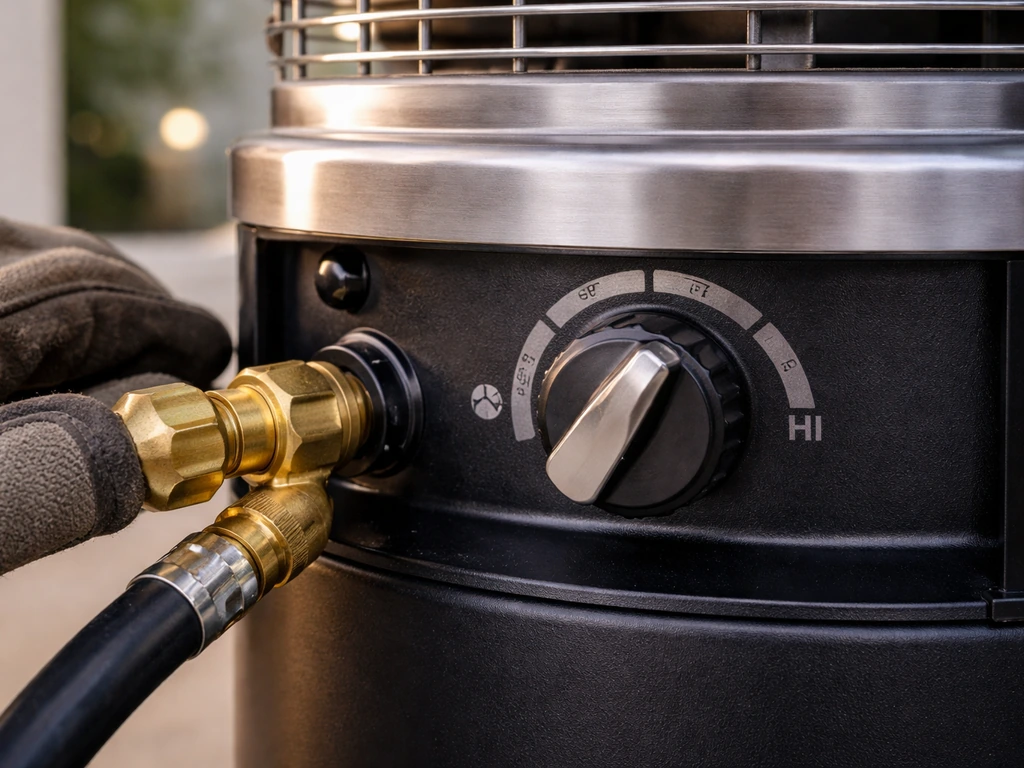
Lighting the NCZH-G-SS follows the standard propane patio heater sequence: open the propane valve, press and turn the control knob to the PILOT position, hold it down to purge air from the line, then press the igniter until the pilot flame lights. You hold the knob down for about 10 seconds after ignition to let the thermocouple heat up before releasing. If the flame goes out when you release the knob, shut everything off and wait at least 5 minutes before trying again. The igniter runs on a AAA battery, so if it stops clicking that's the first thing to check.
Once lit, the control knob lets you dial between LO and HI, which gives you enough range for different temperatures and group sizes. The simplicity is a genuine plus for most people. There's no app, no remote, no timer, just a knob. Shutdown is equally straightforward: turn the knob to OFF, close the cylinder valve, and disconnect the regulator if the heater won't be used for a while.
Where some owners get frustrated is the thermocouple. The thermocouple is a safety sensor that shuts off gas flow if the pilot flame goes out, but it's also the part most commonly blamed for startup issues, especially on heaters that have sat unused for a season. Yellow flame, black soot on the screen, or a flame that won't stay lit after you release the knob are all signs the thermocouple tip may need cleaning or the burner may have a spider or insect blockage (more on that in the maintenance section). It's not a defect unique to Hampton Bay, but it is something you should expect to manage occasionally on any propane patio heater.
Portability is reasonable for a heater this size. At 30 to 33 lbs, it's not something you'd want to carry far, but it wheels easily on flat surfaces and most models in this class have a wheel kit built into the base. Moving it from the patio to the garage for storage is a one-person job.
Safety, maintenance, and how long it lasts
Safety features built into the heater
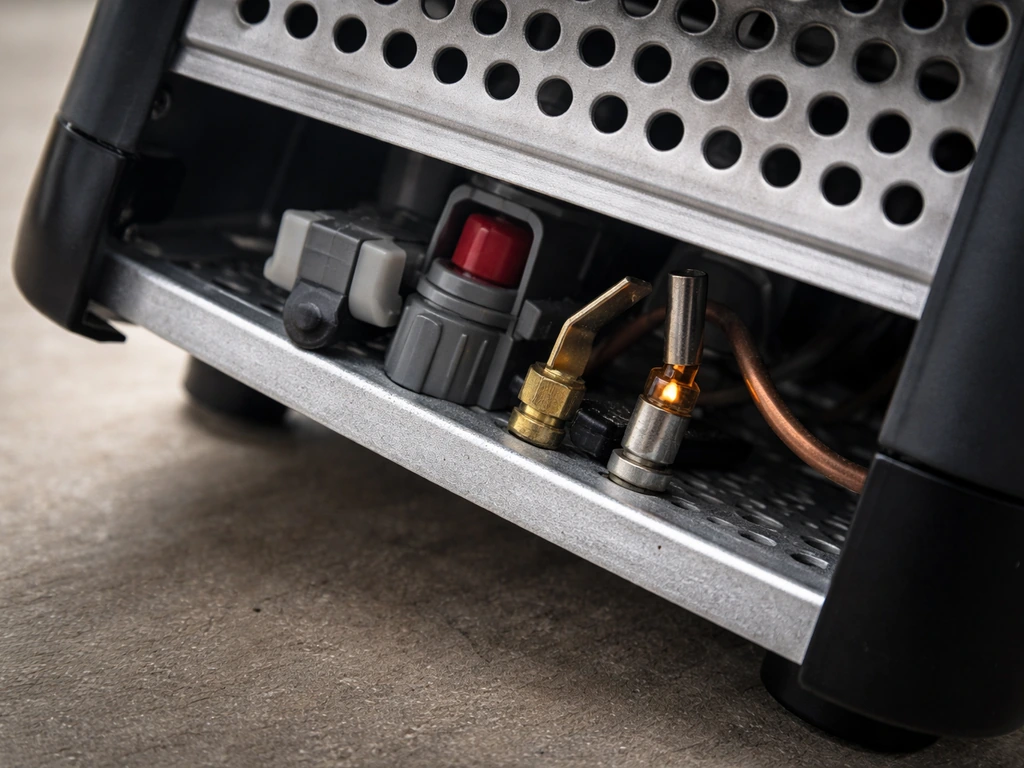
- Anti-tilt safety switch: automatically shuts off gas if the heater tips over
- Thermocouple safety sensor: cuts gas flow if the pilot flame goes out
- Required clearances: 3 feet from sides and 2 to 3 feet from the top to any combustible material
- For use on noncombustible floor surfaces only
- Must use the included pressure regulator (11 in wc) rather than aftermarket alternatives
- First use: expect smoke and odor for approximately 30 minutes as manufacturing oils burn off — this is normal
Cleaning and maintenance
The most important maintenance task is keeping the burner clear of spider and insect nests. This sounds oddly specific, but it's a known issue with all propane patio heaters that sit unused for weeks or months. Insects build nests in the burner tube, which blocks gas flow and can create a dangerous condition. The manual specifically calls this out and recommends using a heavy-duty pipe cleaner and compressed air to clear the burner holes. Make this part of your start-of-season checklist every year.
Wipe down the stainless steel exterior regularly to keep it looking good and prevent surface buildup. Stainless steel is not fully rust-proof, especially in coastal or salt-air environments. If you're near the ocean, the manual advises inspecting for corroded areas frequently and addressing them promptly. For storage, wait until the heater has fully cooled before covering it, store it upright in a sheltered spot away from rain and snow, and disconnect the LP cylinder during extended off-season storage.
Warranty coverage
The heater comes with a one-year limited warranty from the date of original purchase, and you'll need proof of purchase to make a claim. The warranty does not cover routine cleaning, normal adjustments, or damage caused by taking the heater apart without contacting the service center first. If you ever need a replacement thermocouple, the brand's guidance is to use the original part since thermocouple tips and valve connections can differ between models even when they look similar.
Value, cost, and how it compares to other options
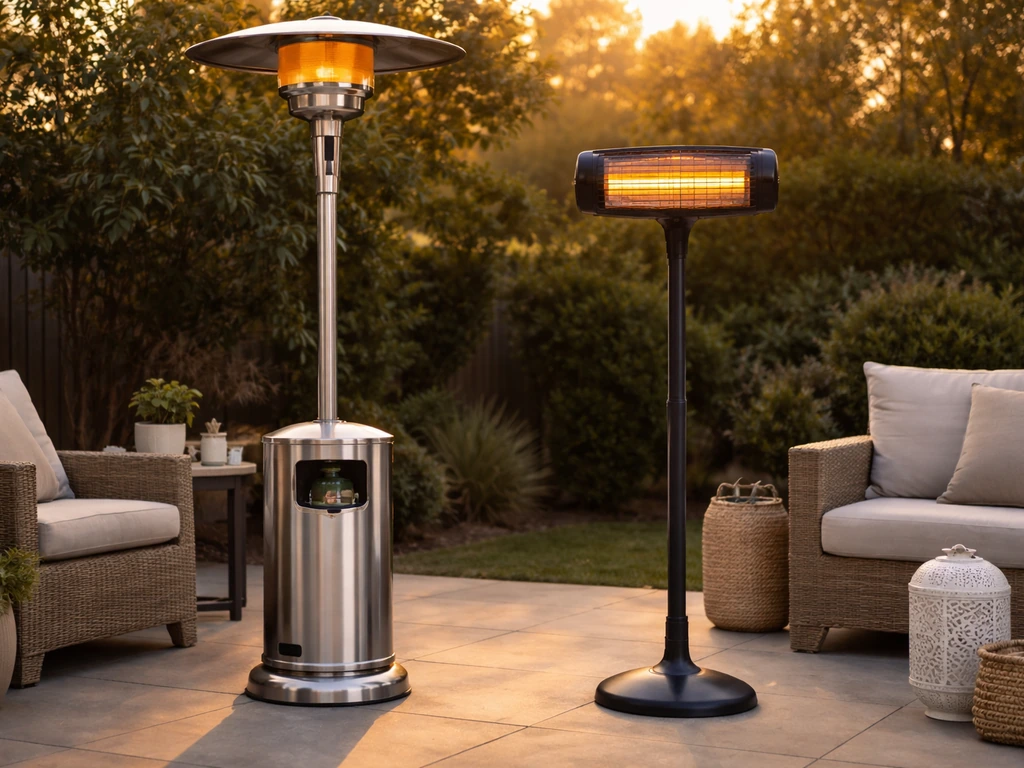
At roughly $249 at Home Depot, the Hampton Bay NCZH-G-SS sits in the middle of the propane standing patio heater market. Prices have been seen as low as $169 to $190 through third-party sellers and as high as $300 during peak seasons, so if the Home Depot price feels steep, it's worth checking availability elsewhere. That said, buying through an authorized retailer protects your warranty, which matters if you run into thermocouple or ignition issues in year one.
Compared to other heater types in the same general space, here's the honest picture:
| Heater type | Approx. cost | Coverage | Best for | Trade-offs |
|---|---|---|---|---|
| Hampton Bay 48K BTU propane (this heater) | $169–$300 | 200–215 sq ft | Open patios, portability, no electrical outlet needed | Wind-sensitive, needs propane refills, 1-year warranty |
| Electric patio heater (120V) | $80–$250 | 50–150 sq ft | Covered patios, simplicity, low maintenance | Lower heat output, needs outlet nearby, less portable |
| Natural gas standing heater | $200–$500+ | 200–300 sq ft | Permanent installations, lower fuel cost | Requires gas line hookup, not portable |
| Infrared patio heater | $150–$400 | 100–200 sq ft | Targeted directional heat, wind resistance | Directional only, may need electrical or propane |
| Tabletop propane heater | $50–$150 | 50–100 sq ft | Small tables, tight spaces, apartment balconies | Lower BTU, limited coverage |
| Pellet patio heater | $300–$700+ | Variable | Ambiance seekers, eco-conscious buyers | Higher upfront cost, more maintenance, slower startup |
The Hampton Bay stainless model competes directly with other 48,000 BTU propane heaters in its class. If you're comparing it against a similar Nexgrill 48,000 BTU model, the differences tend to come down to specific design details, ignition system reliability, and price at a given retailer rather than dramatic performance gaps. If you want more real-world insight before choosing the Nexgrill 48,000 BTU route, check out Nexgrill 48000 btu patio heater reviews for firsthand performance feedback. Both are standard mushroom-style propane heaters in the same output class.
The stainless steel finish is the key differentiator at this price range. Comparable models in powder-coated steel typically run $30 to $80 less, but the stainless holds up noticeably better over time in humid or coastal conditions and simply looks better on a nicer patio. If you're in a dry, inland climate, the powder-coated option saves money without meaningful long-term downside.
Your buying checklist before you order
Before you pull the trigger, run through these questions to make sure this is actually the right heater for your situation:
- Is your patio 200 square feet or smaller? If you're trying to heat a larger open deck, one 48,000 BTU standing heater won't cut it and you'll want two units or a higher-BTU option.
- Is your space sheltered from wind? If your patio is consistently breezy above 10 mph, consider a wall-mounted infrared heater or a more wind-resistant placement for this unit.
- Do you have a covered patio with adequate clearance? You need at least 3 feet from the sides and 2 to 3 feet from the top to combustible materials. Measure before you buy.
- Are you okay managing a propane tank? You'll need to refill or swap your 20 lb tank regularly. If you'd rather plug something in and forget it, an electric model is a better fit.
- Are you near saltwater? If you're in a coastal environment, plan to inspect and maintain the stainless finish more frequently than the average buyer.
- Have you checked current pricing across retailers? The price range on this model is wide enough ($169–$300) that shopping around can save you real money, just make sure the seller supports the warranty.
- Do you want to compare this against other top-rated 48,000 BTU heaters before deciding? There's a dedicated roundup of the best 48,000 BTU patio heaters on this site that lines up the top models side by side.
Bottom line: the Hampton Bay NCZH-G-SS is a genuinely good propane patio heater for the price. It's not perfect (the thermocouple can be finicky and it doesn't love wind), but for a casual backyard setup where you want portable heat, a nice stainless finish, and 200 square feet of coverage without running a gas line, it earns its spot on the shortlist. If you've got the right patio for it, you'll be happy. If you want a quick way to shop for the best 120V patio heater for your space, look for models designed for the square footage you need and that match your typical temperature and wind conditions.
FAQ
Is a 20 lb propane tank enough for the Hampton Bay 48,000 BTU heater, and about how long will it run?
Plan on tank life varying mostly by whether you use LO or HI most evenings. At 48,000 BTU output, the heater will consume fuel faster, so if you often run high for long stretches you may be replacing tanks more often than you expect, compared with short bursts on medium or low. If you want longer runtimes, use LO for extended mingling and reserve HI for arrivals or colder moments.
What should I check if the pilot lights but the flame goes out when I release the control knob?
That symptom usually means the thermocouple is not heating fast enough or is not clean. First, hold the knob at least 10 seconds before releasing, then retry. If it still drops, clean the thermocouple tip and confirm the pilot flame fully engulfs the thermocouple sensor. Also inspect for debris or insect blockage at the burner since incomplete gas flow can make pilot stabilization unreliable.
Why does this heater sometimes start fine after storage, then fail the next week?
Most intermittent startup issues come from partial insect nests or spider silk that re-blocks burner holes, or from condensation and dampness affecting pilot performance. A quick preventive step is to do a brief burner inspection before use (look for webbing) and keep the heater protected and dry during storage. If you live in a high-insect area, consider a seasonal check mid-season, not just at the start of spring.
Can I use this heater under a pergola or gazebo if there is overhead cover?
You generally can, but low or fully enclosed overhead structures can trap heat and violate clearance needs. The key is maintaining the side clearance and the required distance from the top to combustible materials. If you have a ceiling closer than the heater’s clearance guidance, switch to a heater specifically designed for enclosed or low-ceiling spaces.
How do I reduce wind problems beyond just “moving it away from gusts”?
Positioning matters, choose a sheltered spot behind a wall, fence, or structural corner, and avoid placing the heater where wind funnels between surfaces. If you consider a wind guard, make sure it does not block airflow to the burner or reduce required clearances. Also remember the heater’s wind limit is a safety parameter, not just comfort guidance.
Is the stainless steel finish actually rust-proof in coastal air?
It resists surface rust better than many painted options, but it is not immune to corrosion from salt spray and humidity. In coastal areas, wipe it down more frequently and inspect joints, hardware, and any seams where salt can collect. If you see pitting beginning, address it early, since early surface corrosion can worsen even if the main body still looks fine.
Does colder weather affect heat output, and can I compensate by running HI longer?
Cold reduces propane heater efficiency, and below the manual’s noted temperature range you should expect less effective heating. Running HI longer can help take the edge off, but it will not fully restore summer performance because gas pressure and combustion efficiency are still affected. For the best results in colder nights, use the heater in semi-enclosed spaces and pre-warm the area rather than relying on long continuous high output.
What is the correct way to store the heater between seasons, especially with the propane tank connected?
Store it upright in a sheltered, dry location, and only cover it once it is fully cooled. For extended off-season storage, disconnect the LP cylinder and keep it stored safely per propane-tank handling guidance. This reduces moisture-related issues around the regulator connection and lowers the chance of debris entering the burner during months of inactivity.
How often should I clean the burner, and is pipe cleaner enough?
Use the burner-clearance process as a start-of-season checklist at minimum, and clean more often if you notice insects, webs, or reduced flame stability. A heavy-duty pipe cleaner plus compressed air helps clear burner holes, but also visually check around the burner and pilot area for buildup. Never rely on brushing alone if you suspect blockage, because silk can smear without fully clearing gas passages.
Is this heater safe to use on a patio surface like wood decking or near landscaping fabric?
Safety depends on clearance and on what is considered “combustible materials.” Keep the heater on a stable, non-combustible area and maintain the required distances from sides and top. Avoid placing it where heat can radiate toward landscaping fabric, outdoor cushions, or low-hanging coverings, and if in doubt, choose a location that increases clearance rather than trying to “make it fit.”
What’s the best way to decide whether this 200 to 215 sq ft estimate matches my space?
Use the estimate as a comfort target under relatively calm conditions, then adjust for real factors like wind exposure, ceiling height, and whether the patio is open or semi-enclosed. If your seating sits farther than about 10 to 12 feet from the heater, you may experience more ambient warmth than direct heating. For larger open areas, you may need two heaters or a higher-capacity setup to keep everyone comfortable.
What parts are most likely to fail, and how do I avoid wasting time before contacting warranty service?
Ignition issues and thermocouple-related pilot stability are the most common problems. Before contacting service, confirm the AAA igniter battery works, verify you are using the included regulator, and clean the thermocouple and burner area if it has been unused for a while. If troubleshooting still fails, collect proof of purchase and note what setting (LO or HI) and what symptom occurs, since that speeds up warranty diagnostics.