
Lehrer Fireplace & Patio is a long-running Denver-area retailer and service shop that has been selling fireplaces, outdoor heaters, grills, and patio accessories since 1954. They operate multiple locations in the metro area (including spots in Highlands Ranch and Arvada) and carry a wide range of brands like Mendota, Kozy Heat, Avalon, Valor, Traeger, and Tropitone. Reviews across platforms average around 4.3 stars from 121+ ratings, which is solid but not spotless, and understanding what those reviews actually say is where the real value is for a buyer trying to decide whether to shop here and what to buy.
Lehrer Fireplace & Patio Reviews: What to Check Before Buying

Willa Brennan
14 Jun 2026
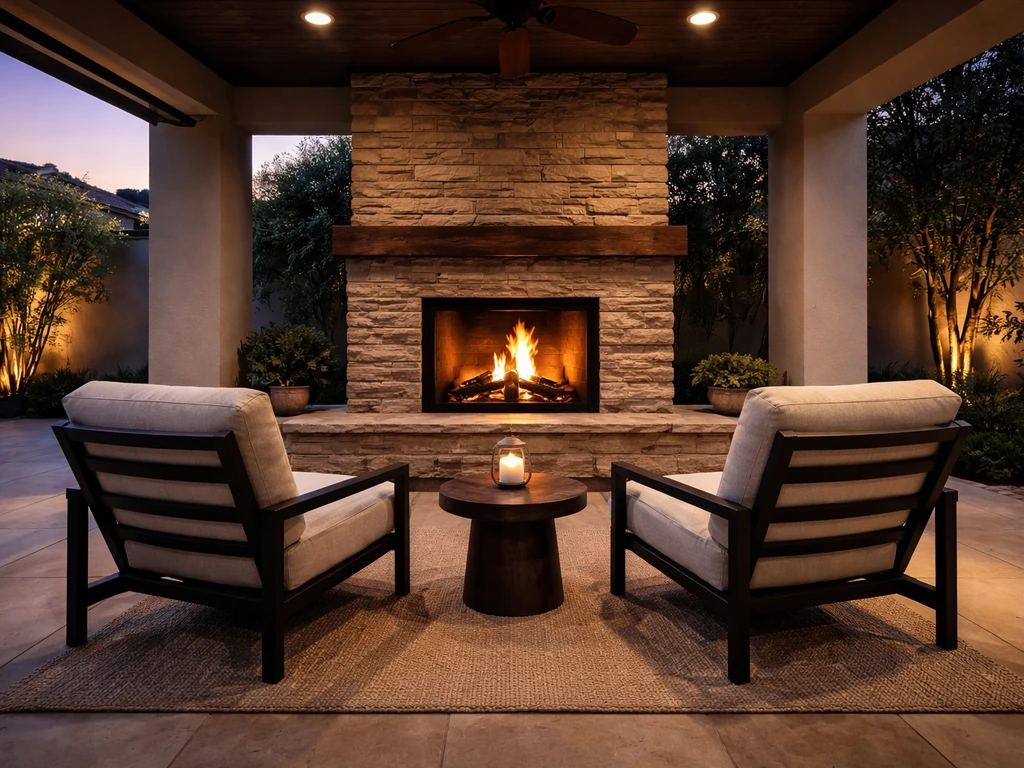
What Lehrer Fireplace & Patio is and what you should expect
This is not a manufacturer, it is a specialty retailer and installation/service provider. That distinction matters a lot when you are reading reviews, because the experience customers describe spans the store itself (staff knowledge, showroom selection), the brands they stock (product performance and build quality), and the service side (installation accuracy, warranty handling, parts sourcing). A glowing review about a knowledgeable salesperson tells you something different than a glowing review about a specific heater holding up for three winters.
The positive review themes that come up consistently are staff knowledge and friendliness, people describe the team as genuinely helpful and the showroom selection as impressive. The negative themes are worth paying attention to: some customers report not being notified promptly about problems, repairs requiring multiple service trips, and delays waiting for parts to arrive. Neither of those patterns is unusual for specialty fireplace dealers, but they do tell you to ask pointed questions about parts availability and service timelines before you commit to a purchase that will need professional installation or ongoing service.
How to read and verify reviews the right way

The most useful reviews for a patio heater buyer are the ones that go past "great product" and into the specifics. Look for reviewers who mention how long they have owned the unit, what kind of space they are heating, and whether they had to call for service. Reviews on Birdeye, Google, and Angi each capture slightly different customer segments, Angi tends to attract people who specifically hired for installation work, so those reviews are especially useful if you are getting a natural gas line run or a permanent electric infrared panel mounted.
Here is what to look for when scanning reviews, and what actually signals a problem:
- Specific product model mentioned alongside the complaint or praise — vague reviews are harder to act on
- Timeline details: how long between purchase and a problem surfacing, and how long the fix took
- Parts availability: any mention of waiting weeks for a part is a yellow flag for that brand
- Installation quality: multiple return trips on a fresh install suggests process or training issues
- Response speed: did the company proactively notify the customer, or did the customer have to chase them?
- Warranty follow-through: did the dealer honor the manufacturer warranty without a fight?
Red flags to avoid: reviews that describe a "Buyers beware" experience without resolution, patterns of delayed communication rather than isolated incidents, and any mention of a technician installing a unit without providing the clearance specs or a copy of the manual. On the positive side, reviews calling out specific staff by name for product knowledge are a reliable indicator of a well-trained team, that is a genuine differentiator in this category.
What product lines and heater types you will find there
Lehrer's brand list covers a wide range of outdoor and indoor heating options. On the outdoor heating side, you are likely to see propane and natural gas patio heaters (both freestanding and wall/ceiling-mounted infrared), fire pits (gas and wood), and pellet options. The electric category is also represented. Knowing this upfront helps you shop with a plan rather than getting upsold into a format that does not actually suit your space.
The broad categories you should be deciding between before you walk in (or call):
- Freestanding propane patio heaters (mushroom-style, 40,000–48,000 BTU range, portable)
- Wall or ceiling-mounted infrared heaters (electric or natural gas, fixed installation, targeted radiant heat)
- Natural gas fire pits and fire tables (mostly aesthetic, some supplemental heat)
- Tabletop propane heaters (lower BTU, best for very small zones or bistro-style settings)
- Pellet stoves/heaters for covered outdoor rooms or semi-enclosed spaces
- Electric infrared panels (low maintenance, best for covered patios with power access)
If you are coming from researching retailers like Youngstown Propane Fireplace & Patio, you will notice Lehrer carries a broader urban/suburban brand mix with more emphasis on premium brands and installation services, which shifts the cost profile upward but also provides a more hands-on service experience.
Matching heater performance to your actual outdoor space

The single most common mistake buyers make is picking a heater based on maximum BTU output without accounting for how that heat actually moves in their specific setup. A good starting point is roughly 20 BTU per square foot of usable seating area. That means a 200-square-foot covered patio needs around 4,000 BTU of effective heat delivery, not the 48,000 BTU max output of a standard propane tower heater, most of that output is wasted heating air above the seating zone in an open space. If you are also shopping for an Even Embers patio heater, it helps to compare how customers rate specific models for real-world warmth and durability even embers patio heater reviews.
Covered versus uncovered matters more than most buyers realize. Most patio heaters are rated for covered or semi-covered conditions, they can handle humidity but not direct rain or sustained wind exposure. If your space is fully open, wind becomes the dominant factor, and this is where infrared (radiant) heating has a clear advantage over convective heating. Infrared warms people and surfaces directly rather than heating the air, so wind disrupts it far less. In a windy Denver suburb backyard, a ceiling-mounted infrared panel in a covered zone will outperform a freestanding convective propane tower every time.
For zone heating versus whole-area warmth, think in terms of geometry. One 40,000 BTU propane tower heater covers roughly a 15-foot-diameter circle reasonably well in calm, covered conditions. For larger spaces, you are better off with two or three smaller zone heaters positioned near seating clusters than trying to push one high-output unit to cover more area than it realistically can. Ask the Lehrer sales team how they would approach your specific layout, that question alone will tell you a lot about how knowledgeable the person helping you actually is. That same approach is what you want when reading a west elm standing patio heater review, because fit and coverage matter as much as the listed BTUs Ask the Lehrer sales team how they would approach your specific layout.
Fuel type comparison: propane vs natural gas vs electric vs pellet
This is the decision with the biggest long-term cost and convenience implications. Here is how the four fuel types compare across the metrics that matter most to an outdoor heater buyer:
| Fuel Type | Upfront Cost | Running Cost (2026) | Installation Needs | Best For |
|---|---|---|---|---|
| Propane | Low to medium (heater only) | $25–$45 per million BTU; ~$2.67/gallon avg | None (portable) or line if plumbed | Portable use, renters, spaces without gas lines |
| Natural Gas | Medium to high (line + heater) | $11–$18 per million BTU | Professional gas line required | Permanent installs, frequent use, lowest ongoing cost |
| Electric (infrared) | Low to medium | 18.2¢/kWh avg (2026) | Dedicated circuit; may need electrician | Covered patios, low-maintenance, zone heating |
| Pellet | Medium to high | Moderate; pellet bags vary by region | Ventilation needed, regular fueling | Semi-enclosed outdoor rooms, aesthetic warmth |
Natural gas is the cheapest fuel to run by a significant margin, propane costs roughly two to three times more per equivalent heat output. If you are in a Denver-area home with an existing natural gas supply and plan to use your patio heater regularly through a long Colorado shoulder season, running a gas line and installing a permanent natural gas infrared heater will pay back the installation cost in a few seasons. If you are renting, want portability, or just need occasional supplemental heat, propane is the more practical starting point.
Electric infrared is the most hands-off option operationally, no fuel to manage, no igniter to replace, no regulator to check. At 18.2 cents per kWh, a 3,000-watt electric infrared panel running two hours a night costs about $1.09 per evening, which is reasonable for a covered patio zone. The catch is that electric panels need a dedicated circuit and a covered mounting location, so there is an upfront electrical work cost if you do not already have a suitable circuit in place. Pellet is the least common format for pure outdoor patio heating and makes the most sense for semi-enclosed outdoor living rooms where you want the atmosphere of a fire alongside the warmth.
Safety, installation, and maintenance, what to ask and verify
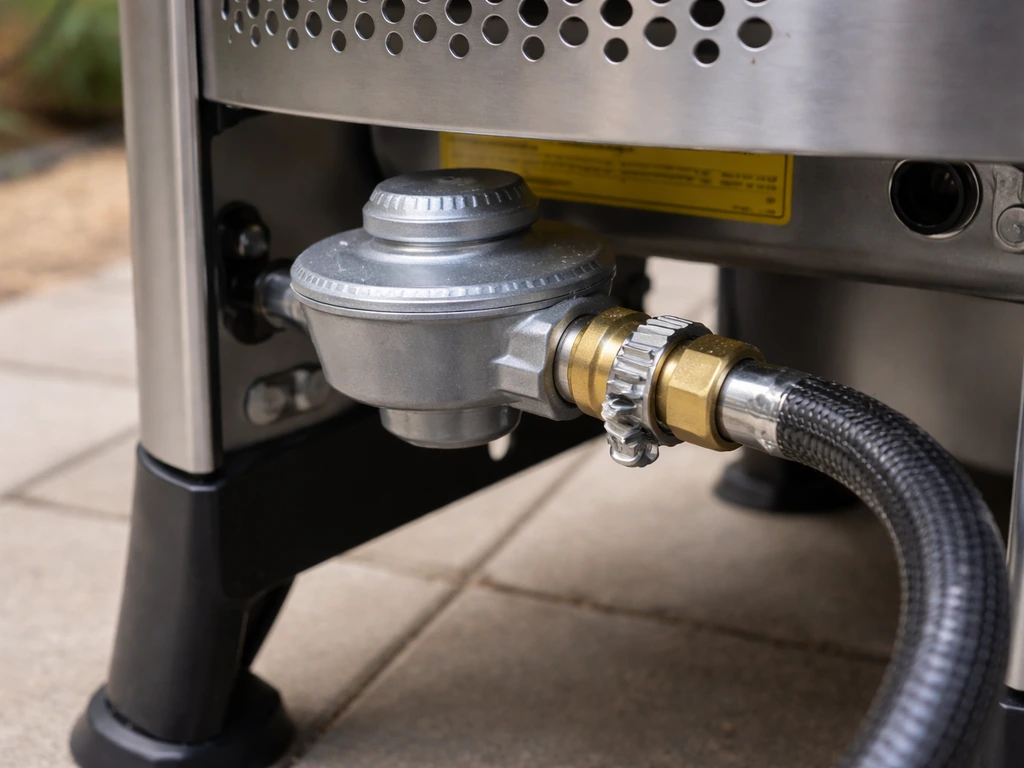
Any patio heater Lehrer sells and installs should comply with recognized safety standards. For gas-fired outdoor infrared units, the relevant standard is ANSI Z83.26 / CSA 2.37, ask whether the specific model you are buying is tested and listed to this standard. For propane units, the NFPA's outdoor heater guidance and NFPA 58 (which covers LP-gas container placement) are the references that govern safe setup. A dealer who can speak to these is one you can trust; one who shrugs at the question is a dealer you should push harder.
For propane heaters specifically, the regulator and hose assembly must match the specific unit, using a mismatched regulator is a safety risk, not just a performance issue. Any propane heater manual will list the approved regulator and inlet pressure range. If a technician shows up to install or service a unit and is not working from the manufacturer manual, that is a problem worth flagging.
For electric infrared panels, clearances from walls, ceilings, and combustible materials are model-specific, generic rules like "give it 4 inches" are not good enough. Request the actual clearance diagram for the model being installed and verify that the installer is following it. Fixed electrical connections should comply with local electrical codes, which typically means a licensed electrician for permanent mounting.
Maintenance is simpler than most buyers expect, but it does need to happen. A practical annual checklist:
- Propane and natural gas: inspect burner and igniter for spider webs or debris blockages before the season starts; check regulator and hose for cracks or wear
- Electric infrared: wipe reflector and element housing clean; check mounting hardware for corrosion if it is in a humid or coastal environment
- All types: check for any physical damage to the housing or mounting bracket after winter storage or exposure
- Pellet: clean burn pot and ash pan after every few uses; inspect feed auger and hopper for moisture damage seasonally
On the parts and service side, the negative Lehrer reviews that mention parts delays are worth taking seriously. Before you buy, ask the dealer specifically: "If this unit needs a part replaced under warranty, what is the typical lead time?" and "Do you stock common replacement parts for this brand?" That question will surface any known supply chain issues before they become your problem.
Best picks by use case and budget
Here is how to think about your choice based on your actual situation rather than just a spec sheet:
| Use Case | Best Heater Type | Fuel Recommendation | Budget Range |
|---|---|---|---|
| Small covered patio (under 150 sq ft), occasional use | Electric infrared panel, ceiling-mounted | Electric | $200–$600 installed |
| Medium covered patio (150–300 sq ft), frequent use | Natural gas infrared (wall/ceiling mount) or propane tower | Natural gas if line exists; propane otherwise | $400–$1,500 installed |
| Large uncovered space, windy conditions | Multiple infrared zone heaters near seating; avoid single convective tower | Natural gas or electric depending on coverage | $800–$3,000+ installed |
| Rental property or portable needs | Freestanding propane tower heater | Propane (tank) | $150–$500 unit only |
| Semi-enclosed outdoor room, aesthetic priority | Pellet or gas fire table/fire pit | Natural gas or pellet | $1,000–$5,000+ |
| Budget-conscious, small bistro zone | Tabletop propane or electric infrared | Propane or electric | $50–$200 |
If you are comparing options from other retailers or brands, like the standalone models reviewed at places such as Mainstays or Even Embers, or floor-standing premium options like West Elm's patio heater line, the Lehrer advantage is that you get a local expert and installation service rather than a box-shipped product. That is worth paying a premium for on a permanent natural gas or electric install; it is less compelling if you just need a portable propane tower that you will store in the garage.
Your next steps: a practical checklist before you buy
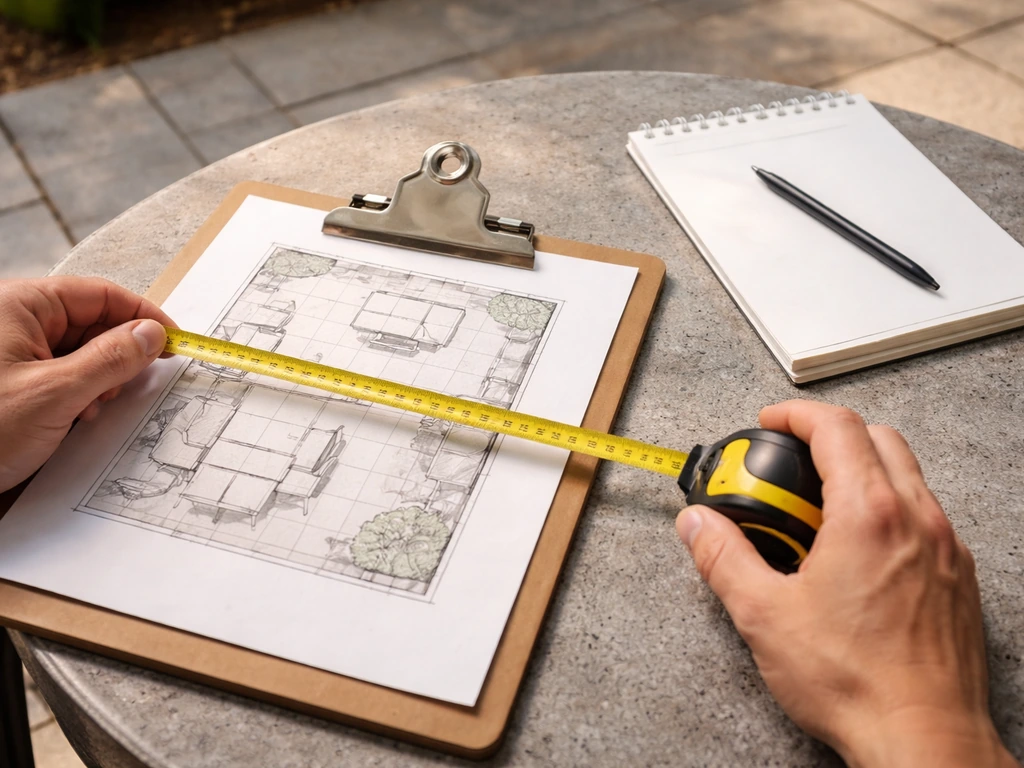
Before you call or visit Lehrer Fireplace & Patio (or any dealer), work through this checklist so you walk in with the information needed to get a useful answer:
- Measure your patio: total square footage and usable seating area separately, and note whether it is covered, semi-covered, or fully open
- Assess wind exposure: if your space is regularly windy, put infrared at the top of your shortlist regardless of fuel type
- Decide on fuel: if you have a natural gas line and plan to use the heater frequently, get a quote for permanent natural gas. If not, start with propane or electric
- Ask the dealer for the specific model's ANSI/CSA certification, clearance diagram, and whether they stock parts for that brand locally
- Ask directly: "What is your typical lead time for warranty service parts?" and "How many trips does installation typically take?"
- Confirm the return and warranty policy in writing before paying a deposit: who handles warranty claims — the dealer or the manufacturer directly?
- Narrow to two models max, then request a side-by-side BTU output and coverage estimate for your specific patio dimensions
- Check Birdeye and Google reviews one more time focused on service and parts reviews, not just sales reviews
Lehrer Fireplace & Patio is a legitimate, established dealer with genuine product expertise and a track record going back decades. The reviews suggest their sales experience is a real strength, and the negatives cluster around service responsiveness and parts timelines rather than product quality itself. Go in with your patio dimensions, your fuel preference already researched, and the checklist questions above, and you will leave with a recommendation you can actually trust.
FAQ
When reading Lehrer Fireplace & Patio reviews, how can I tell if complaints are about the store versus the specific product or installation contractor?
Look for whether the review names the exact model (or fuel type and size) and whether the customer describes the same issue repeating across multiple jobs. If problems center on delayed parts or incomplete communication after purchase, that is usually service workflow, but if the complaint is about poor performance right out of the box with no service follow-up, it may be a product mismatch or setup issue.
What specific questions should I ask about service lead times before buying an installed patio heater?
Ask for (1) the typical response time for scheduling service calls, (2) the expected time to receive warranty parts, and (3) what happens if a part is backordered (loaner unit, partial refund, or extended wait). Reviews that mention multiple trips often correlate with unclear expectations on those three items.
Do Lehrer reviews mentioning “multiple service visits” always mean the installation was bad?
Not necessarily. Some heaters require commissioning steps (gas line adjustments, ignition tuning, infrared placement validation). Still, you should ask whether the company documents commissioning and provides a final checklist after installation, because lack of documentation often shows up in reviews as ongoing back-and-forth.
How should I compare propane heaters that advertise very high BTUs without getting misled by marketing?
Compare usable coverage for your actual seating area, not the maximum output. Ask the dealer to map the heater to a seating zone (where people will sit) and to explain how much of the heat will be radiant versus convective in your specific layout. A strong review usually includes details about comfort in the space, not just BTU numbers.
Is infrared really better than convective heating in Denver-area windy conditions, or are there cases where convective still works?
Infrared generally performs better when wind interferes with heating the air. Convective can still be fine if the heater is in a sheltered, semi-enclosed pocket with strong wind blocking and you can place it close enough to the seating. Ask Lehrer how they would position the unit relative to walls or pergola openings.
If my patio is only partially covered, how do I avoid buying a heater rated for the wrong exposure level?
Ask whether the model is explicitly rated for covered, semi-covered, or uncovered use, and request the installation environment requirements. Many negative experiences happen when customers assume “weather resistant” means safe under direct rain or sustained wind exposure.
What clearance information should I request for electric infrared panels, and why does it matter in reviews?
Request the model’s specific clearance diagram and minimum mounting height, then verify the installer’s plan in writing. Reviews often complain about safety shutoffs or premature failure when clearance is incorrect, and generic “rule-of-thumb” spacing is not a substitute for the manufacturer diagram.
Can I use my own propane regulator or hose to save money, or must I match what the manual specifies?
Match the regulator and hose exactly to the unit’s manual, using the specified inlet pressure range and approved parts. If a review indicates repeated problems after servicing, it can sometimes trace back to component mismatches, so treat “upgrades” or substitutions as a red flag unless the dealer verifies compatibility.
Do I need to hire an electrician separately for an electric infrared panel installation?
Often yes, for permanent mounting and a dedicated circuit, especially if you do not already have an appropriate outlet or breaker. Before buying, ask whether Lehrer coordinates licensed electrical work or whether you must schedule it, then confirm who is responsible for permits and final code inspection if required.
What should I expect for warranty and parts handling if something breaks under a year?
Ask how warranties are administered locally, what documentation they require (invoice, installation proof, serial number), and how quickly they can get the correct replacement part. Reviews mentioning parts delays are most actionable when they also describe whether the dealer communicated replacements clearly and offered options while waiting.
How do I decide between whole-area heating and zone heating based on customer feedback?
Use reviews that mention comfort at seating height and describe where people actually felt warmth. Then ask Lehrer to recommend placement near seating clusters, ideally with multiple smaller units if you have wide or oddly shaped patios, because coverage complaints often come from trying to “overdrive” one heater.
What’s the most practical way to verify that Lehrer’s product recommendations fit my space before I buy?
Bring patio dimensions, a quick sketch of doorways and walls, and your preferred seating locations. Then ask for a proposed layout (heater type, mounting position, and expected coverage zone) and compare that proposal to what the positive reviews describe, specifically the staff explaining fit and placement rather than just recommending higher BTU.