
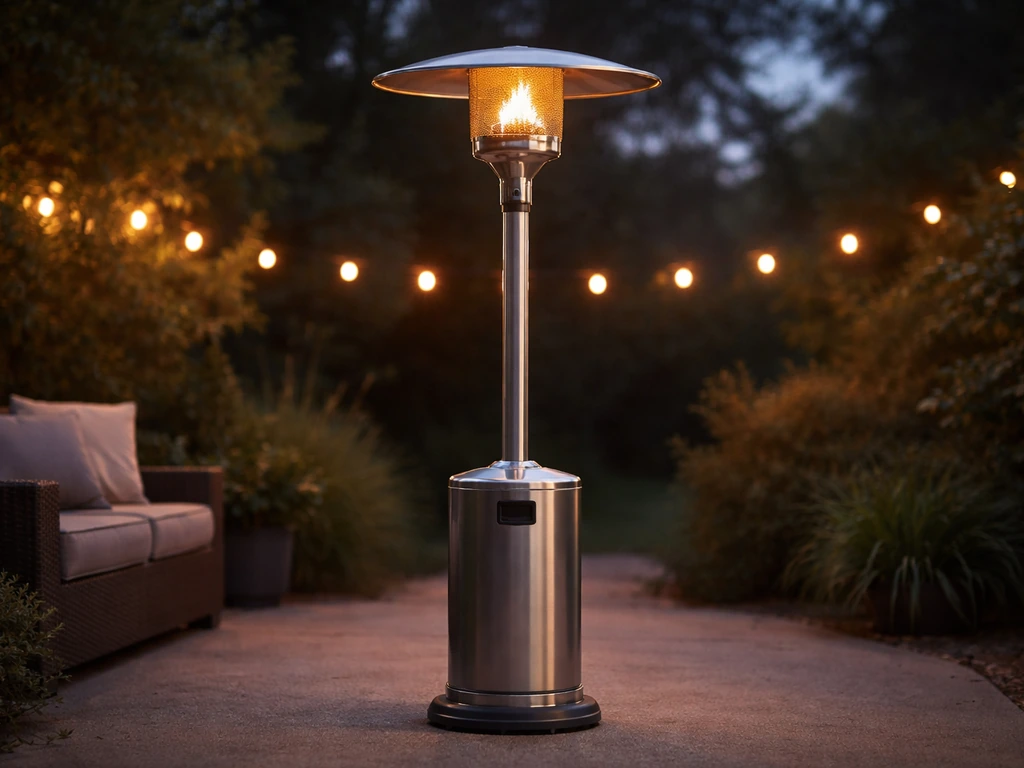
Mainstays makes a small lineup of patio heaters sold exclusively through Walmart, and the standout option is the 48,000 BTU freestanding propane heater. It covers up to 200 square feet, costs less than most comparable models, and comes with real safety credentials including CSA approval, a thermocouple, and an auto shut-off. If you have a medium-sized open patio and want a no-fuss propane tower heater without spending a lot, this is a legitimate choice. That said, Mainstays is a budget brand with a narrow lineup, so understanding exactly what you're getting matters before you pull the trigger.
Mainstays Patio Heater Reviews: Best Models and Buying Guide

Willa Brennan
18 Jun 2026
Quick Verdict on Mainstays Patio Heaters
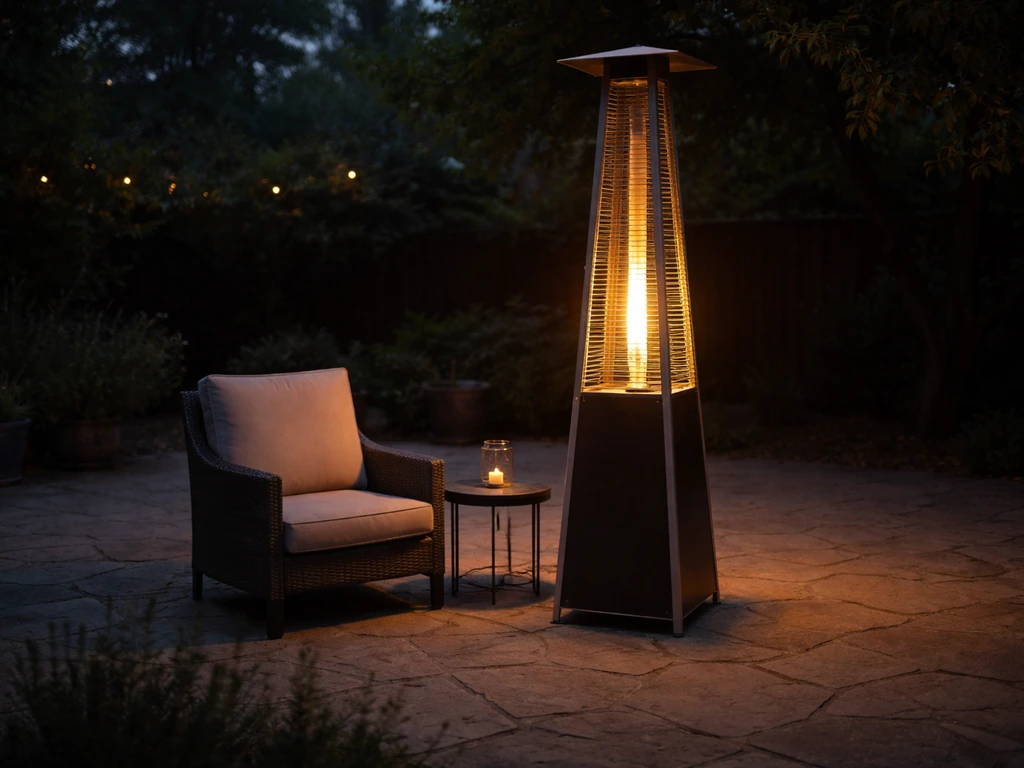
Mainstays patio heaters are solid entry-level picks for budget-conscious buyers who want functional outdoor heat without a complicated setup. The lineup is small, currently just three items on Walmart's outdoor heating page, with the 48,000 BTU freestanding propane model being the main event. You're not getting premium construction or smart controls, but you are getting a CSA-certified heater with practical safety features at a price that makes sense for seasonal use. If your expectations are reasonable and your patio is around 150 to 200 square feet, this heater will do its job.
Where Mainstays falls short is range. There's no natural gas version, no pellet option, and no tabletop electric model in the current lineup. Brands like Even Embers offer broader selections with more fuel-type variety, and premium retailers go further with design-forward options. Mainstays is for the buyer who wants a propane tower heater that works, ships from Walmart, and doesn't cost a fortune.
Model-by-Model: What's Worth Buying
Mainstays 48,000 BTU Freestanding Propane Heater (Black or Stainless Steel)
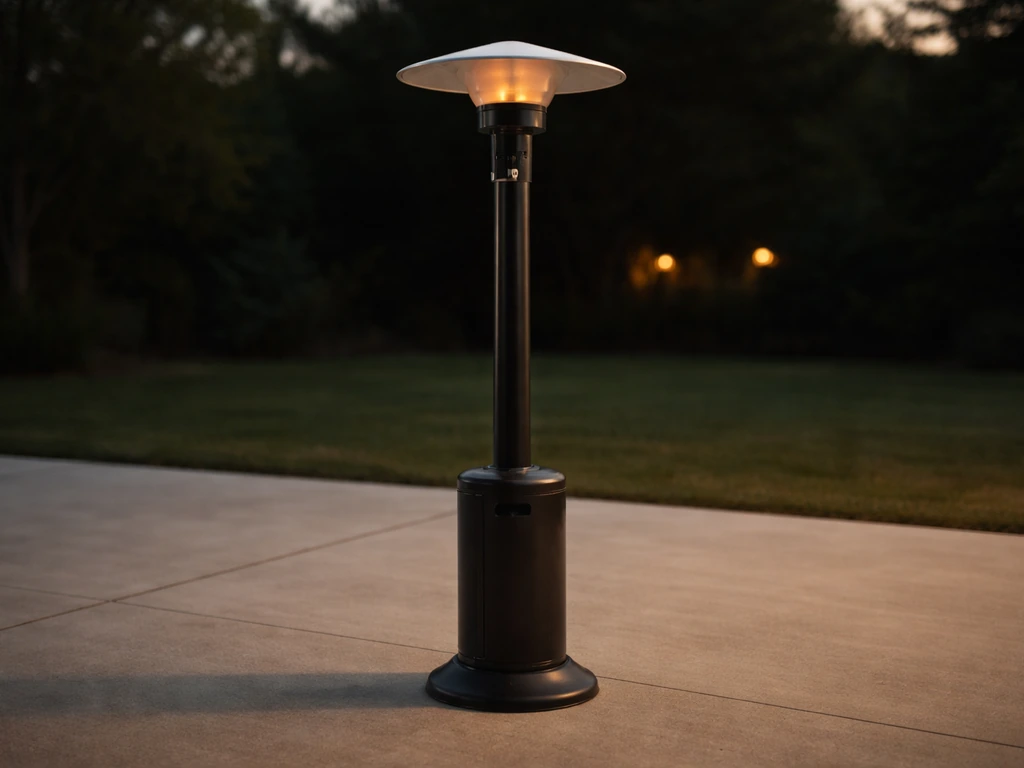
This is the core Mainstays offering and the model you'll find with the most reviews and availability. It's a classic mushroom-top tower heater standing 86.6 inches tall with a 31.5-inch square footprint, so it's a full-size unit that doesn't try to be anything it's not. At 32.67 pounds, it's light enough to move around a patio without help. The black finish is the more popular option, but a stainless steel version is also available if you want something that blends better with a modern outdoor setup.
| Spec | Detail |
|---|---|
| Heat output | 48,000 BTU |
| Coverage area | Up to 200 sq ft |
| Fuel type | Propane (20 lb tank, not included) |
| Ignition | Piezo push-button |
| Safety features | CSA-approved, thermocouple, anti-tilt device, auto shut-off |
| Dimensions | 31.5"L x 31.5"W x 86.6"H |
| Weight | 32.67 lbs |
| Finish options | Black, Stainless Steel |
| Where to buy | Walmart (exclusive) |
In practice, 48,000 BTUs is a solid output for an open or semi-covered patio. On a calm evening with temperatures in the mid-50s Fahrenheit, you'll feel meaningful warmth within about 8 to 10 feet of the unit. The piezo ignition is straightforward: turn the knob to the pilot position, press the igniter, hold it for a few seconds until the thermocouple heats up, then turn up to your desired heat level. Nothing fancy, but it works reliably. The heat shield and reflective cover at the top help direct warmth downward and outward rather than just straight up, which is exactly what you want from this style of heater.
The honest trade-off here is build quality. The metal construction is functional but not particularly heavy-duty. In a sheltered patio or under a pergola, that's fine. In an exposed backyard where the heater will deal with wind, rain, and UV year-round, you'll want to use a cover when it's not in use and bring it inside or to a garage during winter. Treating it as seasonal equipment extends its lifespan significantly.
The Rest of the Lineup
Walmart's Mainstays outdoor heating page currently shows only three Mainstays-branded items. Beyond the 48,000 BTU propane tower, the other options are minor variations rather than distinct product categories. There's no Mainstays electric infrared model or tabletop unit at the time of writing. If you need an electric option or a smaller tabletop heater, you'll need to look at other brands. The Mainstays lineup, as it stands, is essentially a one-heater answer for a specific buyer profile.
Propane vs Electric: Which Fuel Type Actually Makes Sense for You
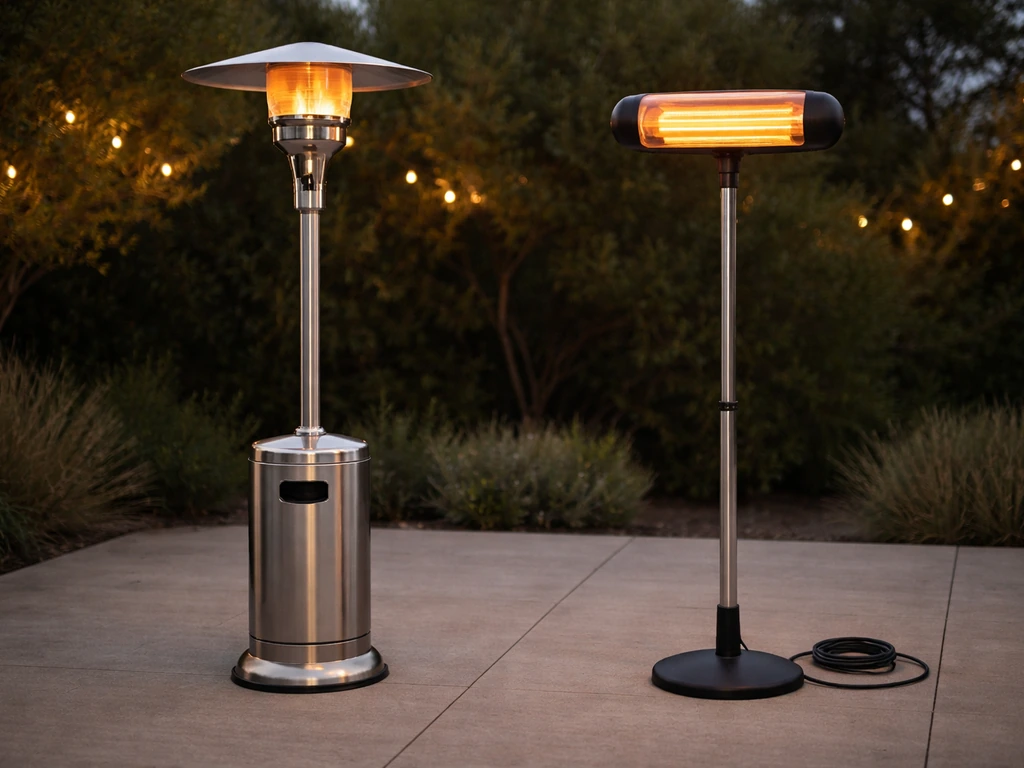
Mainstays currently focuses on propane for its main patio heater, which means this section is partly about understanding why propane works well here and when you'd want to look elsewhere for an electric alternative.
| Factor | Propane (Mainstays 48K BTU) | Electric (Other Brands) |
|---|---|---|
| Heat output | 48,000 BTU (very strong) | 600W–3,000W (roughly 2,000–10,000 BTU equivalent) |
| Coverage area | Up to 200 sq ft | Typically 50–150 sq ft |
| Portability | High (no cord, runs on tank) | Moderate (needs outlet nearby) |
| Running cost | Propane prices vary; ~20 lb tank lasts 8–10 hrs at max | Lower per hour at medium settings |
| Best environment | Open or semi-open patios, no power outlets | Covered patios, enclosed spaces |
| Infrared heating | Not infrared; radiant convective heat | Many electrics use infrared for instant targeted heat |
| Weather tolerance | Good; works in wind better than electric | Variable; some aren't rated for rain |
| Setup complexity | Attach tank, light pilot | Plug in, done |
Propane wins in open spaces, windy yards, and anywhere you don't have a convenient outdoor outlet. The Mainstays 48,000 BTU unit puts out enough heat to make a real difference on a 15-degree cooler night. Electric heaters, particularly infrared models from other brands, are better for covered patios and enclosed spaces where you want instant directional warmth without the hassle of propane tank management. If you have a covered porch with an outlet, an electric infrared heater is often more practical. If your patio is open and you're heating a group of people spread across a deck, the Mainstays propane tower is the more effective choice.
Natural gas is not an option in the Mainstays lineup, which is a real gap for homeowners who already have a gas line on their patio. If that describes you, you'll need to look at other brands that offer natural gas conversion kits or dedicated NG models. Similarly, pellet-fueled heaters are a niche product Mainstays doesn't touch at all.
Coverage Planning: Matching the Heater to Your Space
The 200-square-foot coverage claim on the Mainstays propane heater is a manufacturer maximum under ideal conditions. In the real world, expect reliable warmth across about 150 to 170 square feet on a calm night. Here's how to think about your specific setup:
- Open patios with no wind: The heater performs closest to its rated 200 sq ft. Position it centrally among seating for best coverage.
- Patios with partial wind exposure: Coverage drops noticeably. A 200 sq ft open deck in even light wind might only feel comfortable within 10 feet of the heater. Position it upwind of your seating area.
- Covered patios and pergolas: Heat stays in the space better, so you may get better effective warmth. Just confirm you have adequate clearance above the heater (see the safety section below).
- Small patios under 100 sq ft: This heater is oversized for the space and may feel too intense at close range. A tabletop propane unit from another brand might be a better fit.
- Large decks over 300 sq ft: You'll likely need two units or a higher-output heater. The Mainstays 48K BTU can anchor one zone but won't heat a large entertaining deck on its own.
Mounting height is fixed with this freestanding model at 86.6 inches. That's a standard tower heater height and works well for standing or seated groups. Because the heat radiates outward and downward from the mushroom top, taller ceilings (10 feet or more) help the warmth spread. Low 7-foot ceilings can trap heat uncomfortably, so take that into account if you're putting this under a pergola or gazebo.
Safety, Maintenance, and Using It in Wet Weather
Safety Features and Clearances
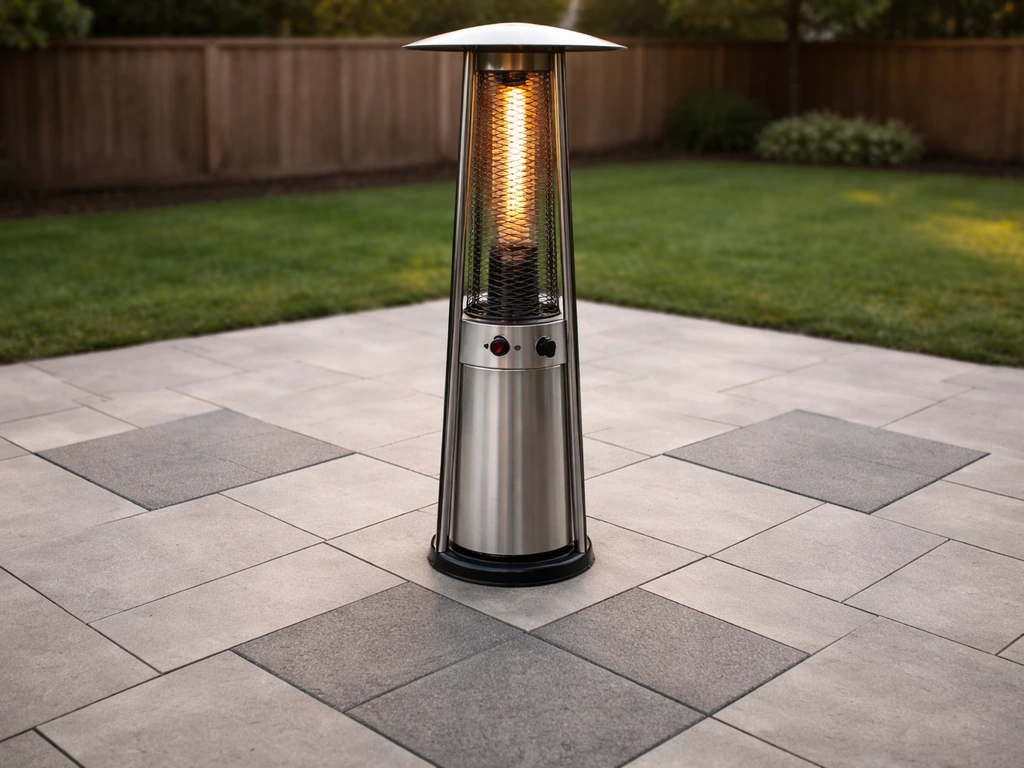
The Mainstays propane heater earns its CSA certification, which means it's been independently tested and meets North American gas appliance safety standards. The thermocouple is the key safety element: it detects whether the pilot flame is lit and cuts off gas flow automatically if the flame goes out, preventing unburned propane from accumulating. The anti-tilt device shuts the heater off if it's knocked over, which matters a lot if you have kids, dogs, or guests who might bump into it. These aren't marketing fluff features; they're practical safeguards that genuinely reduce risk.
Clearance requirements for tower propane heaters like this one are typically 3 feet on all sides and a minimum of 3 feet between the top of the heater and any overhead structure. Always check your specific installation against the included manual's clearance specs. Don't position the heater under hanging fabric, low pergola beams, or anywhere combustible material might fall onto or near it.
Rain and Weather Tolerance
This heater is not rated as fully weatherproof. Light drizzle while the heater is running is generally fine, but you should avoid operating it in heavy rain and never leave it uncovered in prolonged wet weather. The pilot and burner assembly can collect moisture, which makes relighting difficult and can corrode internal components over time. A fitted patio heater cover (available separately at most hardware stores) is a worthwhile $15 to $25 investment that dramatically extends the life of the unit. If you live in a region with harsh winters, store the heater indoors during the off-season.
Routine Maintenance
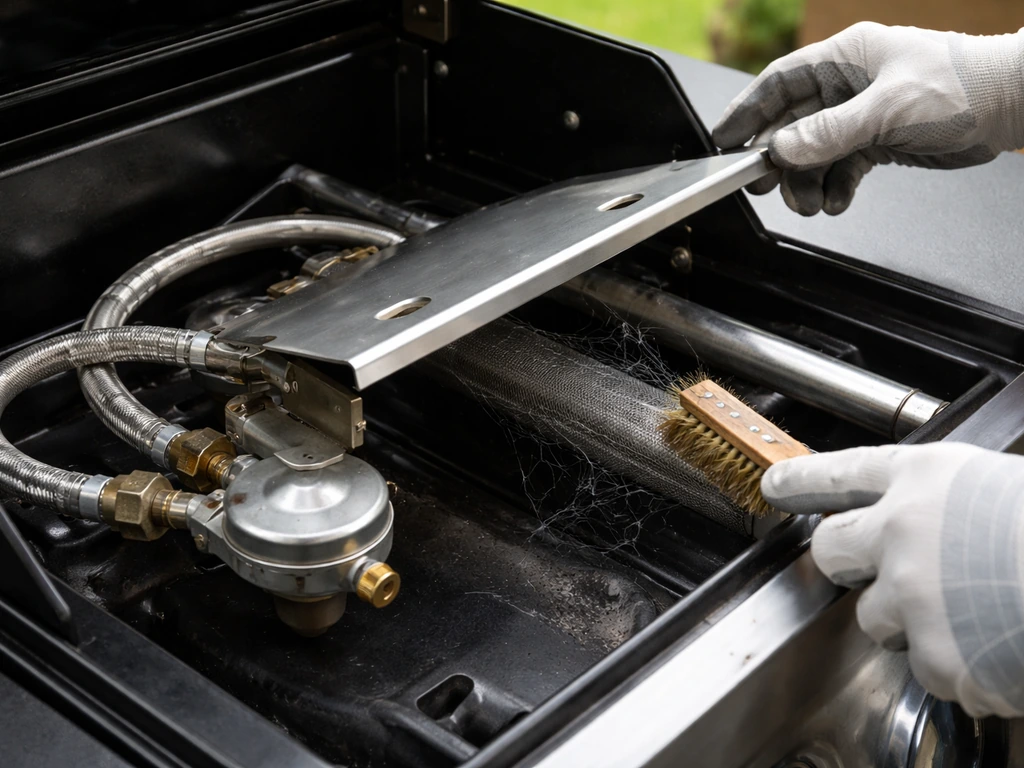
- Inspect the propane hose and regulator for cracks or damage before each season.
- Clean the burner screen with a soft brush to remove spider webs and debris, which are a common cause of ignition problems.
- Check that the thermocouple tip is positioned correctly in the pilot flame path. If it shifts, the heater may shut off unexpectedly.
- Wipe down the reflector and heat shield with a damp cloth to maintain heat reflection efficiency.
- Store with the propane tank disconnected and the valve closed. Never store indoors with the tank attached.
Setup, Controls, and Getting the Most Heat Where You Need It
Assembly on the Mainstays propane heater is straightforward. Most buyers report putting it together in 20 to 30 minutes with basic hand tools. The main steps involve attaching the pole sections, securing the burner head, connecting the hose to a standard 20-pound propane tank (the kind used for a backyard grill), and attaching the base. The piezo ignition means no matches or lighters required: turn the control knob to the pilot position, press the igniter button, hold the knob in for 5 to 10 seconds while the thermocouple heats up, then release and turn to your desired heat level. If the flame goes out, wait a few minutes before reigniting to let any accumulated gas dissipate.
The heat pattern from a mushroom-top tower heater like this one is radiant and convective rather than focused infrared. That means it warms the air and nearby surfaces in a radius around the unit, rather than beaming heat in a specific direction. It's better for heating a group of people spread out around the heater than for spot-heating one chair or corner of your patio.
If you need targeted directional heat, an infrared wall-mount or tabletop electric heater from another brand would serve you better. For comparison, you can find detailed west elm standing patio heater review coverage on how other standing models perform and whether they fit your space. For the Mainstays propane tower, think of it as a campfire replacement: it creates a warm zone people gather around.
There are no digital controls or timers on this heater. It's a simple analog knob with low, medium, and high settings. That's perfectly fine for most people and actually reduces the number of things that can break. The trade-off is you won't have precise temperature control or the ability to schedule it on and off automatically.
How to Choose and What to Check Before You Buy
If you're deciding whether the Mainstays 48,000 BTU propane heater is right for your situation, run through this checklist before ordering: For local perspective, you can also look up youngstown propane fireplace & patio reviews to see how other homeowners rate similar outdoor heating setups propane heater.
- Measure your patio: If it's between 100 and 200 square feet and reasonably sheltered from wind, this heater will cover it well. Larger spaces need a more powerful unit or multiple heaters.
- Confirm propane availability: You'll need access to 20-pound propane tanks, either by purchasing refillable ones or using an exchange program. If you'd prefer not to deal with propane, this model isn't for you.
- Check local regulations: Some municipalities and HOAs restrict propane heaters on balconies, in garages, or in multi-unit housing. Verify before you buy.
- Assess your overhead clearance: If you have a covered patio, measure from the ground to the ceiling and confirm you have at least 3 feet of clearance above the 86.6-inch heater top.
- Think about wind exposure: Open, windy yards reduce effective coverage significantly. If your patio is exposed, either position the heater strategically or consider a wind-blocking barrier.
- Decide between freestanding and tabletop: The Mainstays lineup only offers freestanding propane. If you need a tabletop format for a smaller space, look at other brands. Similarly, if you want wall-mount or ceiling infrared, you'll need to look elsewhere.
- Budget for accessories: A fitted cover ($15 to $25), a propane tank, and a hand truck for moving the tank are practical additions to budget for alongside the heater itself.
For most buyers looking at Mainstays, the 48,000 BTU freestanding propane heater hits a sweet spot: enough heat for a real patio, real safety certifications, and a price that doesn't require much justification. It's not the most durable heater on the market and the lineup is narrow, but for seasonal use on a mid-size open or covered patio, it delivers what it promises. If you find yourself wanting more fuel flexibility, a broader model range, or higher-end construction, checking out what brands like Even Embers or others offer side by side is worth your time before committing. If you’re also shopping other options, reading even embers patio heater reviews can help you compare fuel types and build quality side by side.
FAQ
Does the Mainstays 48,000 BTU propane patio heater come with a propane tank and hose, or do I need to buy them separately?
This heater uses a standard 20 lb propane tank with a hose connection, so you need to buy the tank separately unless Walmart lists it as included for your specific order. Also confirm your hose length gives you safe clearance so the tank sits outdoors at an appropriate distance, not tucked against the base where heat could build up.
How weather-resistant is the Mainstays propane tower heater, can I leave it out during rain?
Do not run it in heavy rain or leave it outdoors uncovered for long wet periods. Light drizzle while operating is generally manageable, but moisture around the pilot and burner can make relighting difficult and increase corrosion risk, which is why using a fitted cover matters even in mild climates.
Is the “up to 200 square feet” coverage claim accurate, and how should I estimate my patio size?
Coverage is a best-case, maximum figure. For realistic comfort, plan on about 150 to 170 square feet on calm nights, and reduce your expectations if it is windy, your patio is more enclosed, or the ceiling height is low (around 7 feet can trap warmth).
Can I schedule or automate the Mainstays heater with a timer or smart controller?
It is not rated for use with digital timers or smart scheduling, since it has a simple analog knob. If you need automation, you will have to manually adjust it or use an external control solution designed specifically for propane systems, not a standard outdoor plug timer.
Will this type of tower heater warm one spot well, or is it better for warming a whole group?
Because it is radiant heat, it works best for a group gathered around the unit. If your goal is warming one chair or directing heat toward a specific corner, you will likely be disappointed compared with directional infrared models.
What are the right clearance and placement rules to follow for this propane tower heater?
Placement affects safety and performance. Follow the manual clearance requirements, typically around 3 feet on all sides and adequate space above overhead structures, and avoid positioning under low hanging fabric or anything combustible that could fall near the burner.
If the flame goes out or it won’t relight, what is the safe relighting process?
Yes, but not immediately. If the flame goes out, wait a few minutes before attempting to relight so any accumulated gas dissipates. When relighting, keep the knob/pilot steps consistent, and ensure the thermocouple warms properly before turning up.
Can I convert the Mainstays propane heater to natural gas or pellet fuel?
Mainstays does not offer natural gas or pellet options in its current lineup, so you cannot simply switch fuel types with this model. If you already have a natural gas line, you would need a different heater designed for NG or one with an approved conversion approach from other brands.
What parts of assembly are most likely to go wrong, especially regarding the propane connection?
Assembly is commonly reported as 20 to 30 minutes, but the hose connection is the part to be most careful about. After attaching the regulator and hose to the tank, check for leaks with an approved leak-detection method (never a flame), and make sure the connection is secure before operating.
Do I need to bring the heater indoors for winter, even if I have a cover?
This model is not “fully weatherproof.” If you live somewhere with freezing temperatures and snow, storing it indoors during the off-season is the best way to prevent internal moisture and extend lifespan, even if you use a cover between uses.
What factors change how warm the Mainstays heater feels, like wind, seating distance, or temperature swings?
The heater’s output is steady, but comfort depends on wind and your seating position relative to the unit. For best results, place it where you do not have strong crosswinds pushing heat away, and keep the group within the typical warm radius (roughly 8 to 10 feet on milder nights).
How precise is temperature control with the analog low, medium, high knob?
Since it has no digital controls, the only way to dial comfort is by adjusting the knob to low, medium, or high. Expect less precision than thermostat-based heaters, and use small knob changes rather than quick cycling to maintain a comfortable temperature.
Is it easy to move the heater around my patio, and can I reposition it while it’s on?
You can likely move it with a single person because it is relatively light for a tower heater, but do not drag or tip it while pressurized. Turn it off, let it cool completely, then transport it carefully to avoid damaging the burner assembly or upsetting the base.