
The best outdoor patio heater for most homeowners in 2026 is a propane standing heater for open or large patios (look for 40,000–46,000 BTU output to cover roughly 150–200 square feet) or a wall-mounted infrared electric heater for covered patios and smaller spaces. Neither fuel type universally wins. The right choice depends on whether your space is covered or open, how big it is, whether you have an outdoor outlet or gas line nearby, and how much you want to spend per hour of heat. This guide walks through all of it so you leave with a clear answer, not just a list of options.
Outdoor Patio Heaters Reviews: Propane vs Electric Best Picks

Willa Brennan
14 May 2026
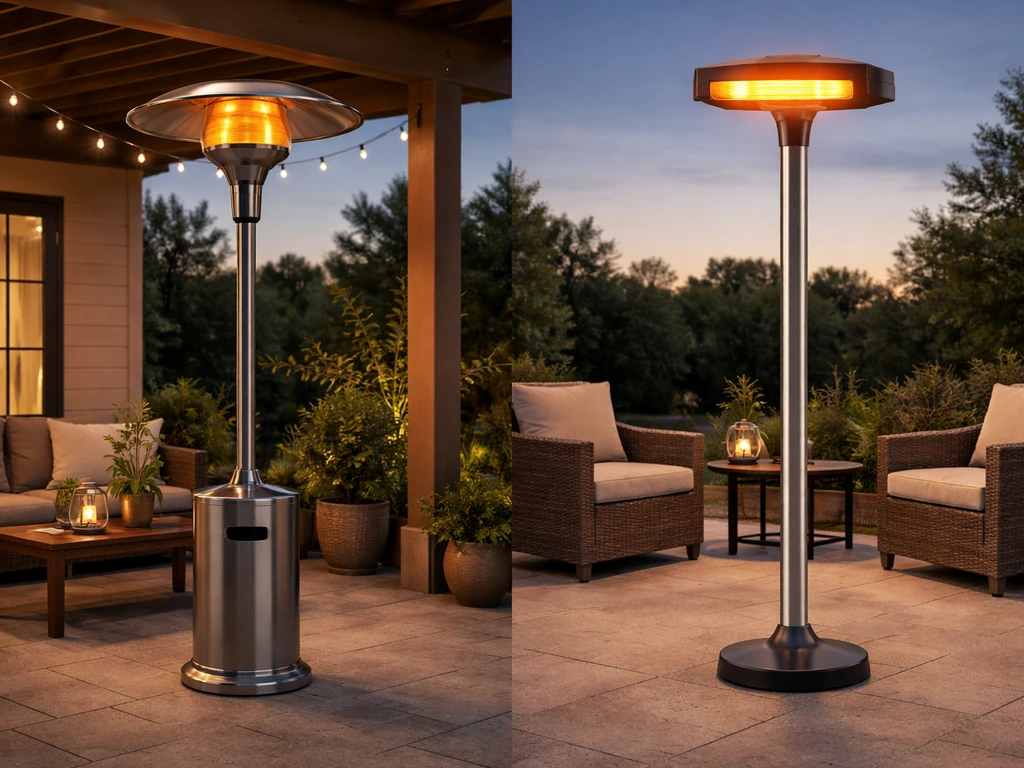
How to Choose the Right Patio Heater Type
Before you look at a single product review, nail down two things: your fuel source availability and whether your patio is covered or open. These two factors eliminate about half the options immediately and save you from buying something that won't actually work in your setup.
Fuel source is the starting gate. If you don't have a natural gas line run to your patio and don't want to pay a plumber to do it, propane or electric are your real choices. If you rent, or if your patio is on a second-floor deck with no outdoor outlet, that narrows things further. Electric heaters need a dedicated 120V or 240V outlet within reach. Propane heaters need you to haul and swap tanks (a standard 20 lb tank runs about 8–10 hours on a large floor heater at full blast).
Covered vs. uncovered matters more than most people expect. Open, exposed patios lose heat to the wind constantly, which is why propane and natural gas mushroom-top heaters dominate outdoor restaurants and uncovered decks. They push serious BTUs that fight ambient air loss. Consumer Reports also emphasizes that some very tall infrared gas heaters can be rated around 66,000 BTU and heat about 36 square feet for roughly 12 hours. Electric infrared heaters work beautifully in covered or semi-enclosed spaces because the radiant heat warms people and objects directly rather than trying to heat the air around them, and wind disrupts that less. In an open, windy backyard, a wall-mounted electric heater will disappoint you.
| Heater Type | Best For | Covered or Open? | Avg. BTU / Wattage | Typical Price Range |
|---|---|---|---|---|
| Propane Standing (mushroom) | Large open patios, decks | Open or semi-open | 40,000–46,000 BTU | $80–$250 |
| Natural Gas Standing | Permanent outdoor installations | Open or semi-open | 40,000–50,000 BTU | $150–$400+ |
| Electric Infrared (wall/ceiling mount) | Covered patios, porches, pergolas | Covered or semi-enclosed | 1,500–4,000W | $100–$400 |
| Electric Tabletop Infrared | Small seating areas, balconies | Covered or calm outdoors | 700–1,500W | $50–$150 |
| Propane Tabletop | Patio tables, camping | Open or covered | 8,000–12,000 BTU | $50–$120 |
If you're choosing between a few specific categories, this site also has detailed breakdowns on tabletop patio heaters and commercial patio heaters if you're outfitting a larger space or a business patio.
Propane Patio Heater Reviews and Real-World Fit
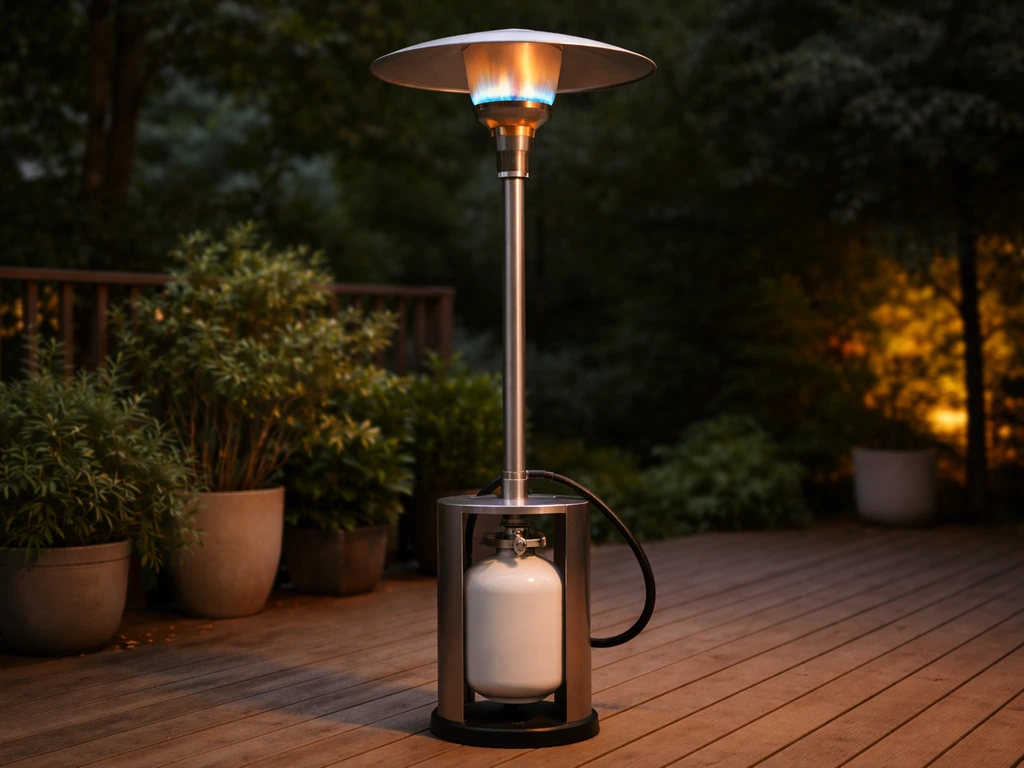
Propane heaters are the workhorse of outdoor heating. The classic standing mushroom-top design (think 87–90 inches tall, stainless steel pole, umbrella-shaped reflector) puts out 40,000 to 46,000 BTU and can genuinely warm a circle of about 10–12 feet in diameter when conditions aren't too windy. That's roughly 150–200 square feet of comfortable warmth. For open backyard patios in the 300–400 square foot range, two of these heaters placed thoughtfully can do the job.
In real-world use, propane standing heaters are fast. You'll feel heat in under a minute. The piezo ignition on most models means no lighter needed, though cheaper ignitors can get finicky after a season or two of use. Heat output is adjustable with a simple dial, which is something a lot of electric models at lower price points can't match. The main complaints in user reviews are consistent: tanks run out faster than expected at high settings, the heaters tip over in wind if you don't anchor or weight the base, and cheaper models (under $100) can rust out at the reflector after one or two seasons, especially near salt air.
Top-performing propane standing heaters in 2026 reviews consistently include models from AZ Patio Heaters, Hampton Bay, and Bromic's propane range. The AZ Patio Heaters Hammered Bronze and Stainless Steel models earn strong marks for durability, with stainless steel variants holding up significantly better over time. For a deeper look at steel construction and corrosion resistance, the stainless steel patio heater reviews section of this site covers those trade-offs in detail.
Propane tabletop heaters are a separate subcategory worth mentioning. If you specifically want tabletop patio heater reviews, focus on BTU output for your table size and how well the unit handles wind and safety clearances. They're ideal for small patio tables seating two to four people, outputting 8,000–12,000 BTU and running on small 1 lb camping-style canisters or adapters for larger tanks. They heat the immediate zone well but don't cover a whole patio. Think of them as a personal warmth supplement, not a primary solution for a full outdoor space.
What propane heater reviews consistently get right (and wrong)
- Heat output and startup speed are consistently praised across brands
- Portability is a genuine advantage: no wiring, move it anywhere
- Wind performance is average at best on open patios, poor in gusty conditions above 10 mph
- Cheaper models rust at the reflector and burner after 1–2 seasons
- Tank swaps are inconvenient for daily users; budget for a propane exchange or bulk delivery
- Most models lack smart controls or timers, which electric competitors do better
Electric Patio Heater Reviews and Real-World Fit
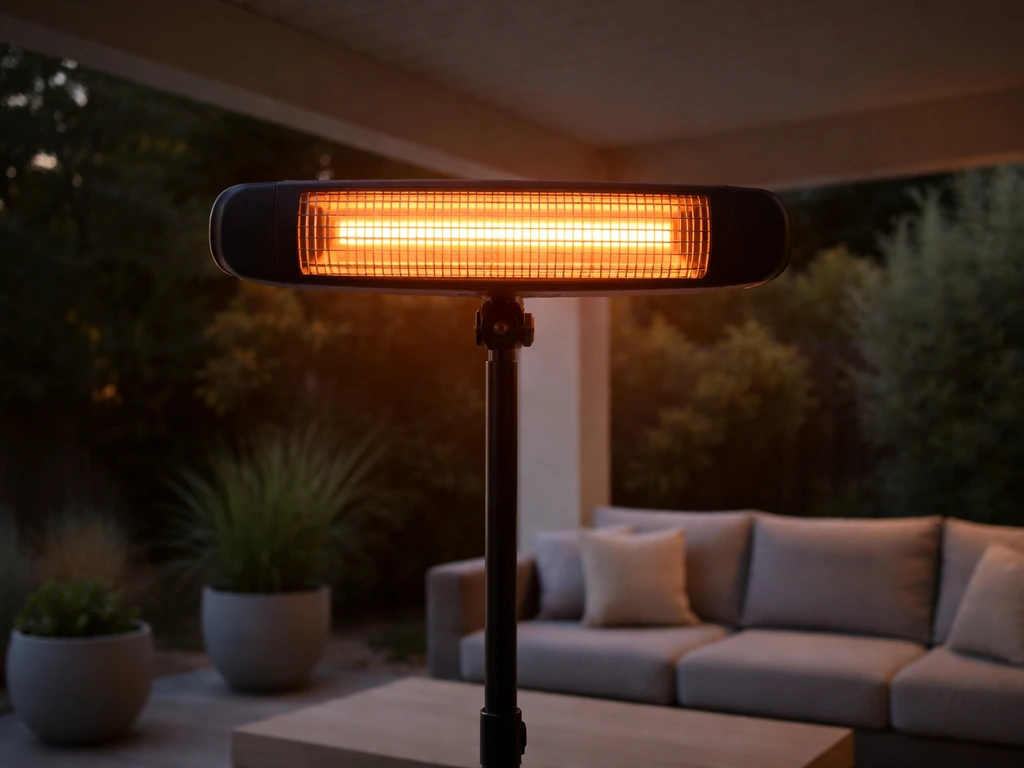
Electric patio heaters, particularly infrared models, have improved dramatically over the past few years and now rival propane in comfort for covered spaces. A good 2,000W infrared wall-mount heater will warm a 100–150 square foot covered porch almost immediately, with zero flame, zero gas smell, and near-silent operation. That last part matters more than people think. If you're eating or having a conversation outside, propane heaters produce a faint (but noticeable) hissing sound. Quality electric infrared heaters are almost completely silent.
The best electric models in current reviews are infrared (not coil or quartz tube types, which are older technology). Infrared heats objects and people directly, which is why you feel warm even if the surrounding air is cold. Brands like Bromic, Dr. Infrared Heater, and Schwank produce wall and ceiling-mount options that are genuinely impressive in covered patio setups. The Bromic Tungsten Smart-Heat Electric is regularly cited as the premium standard, with precise zone heating and optional smart home integration. It's expensive (around $700–$1,000 installed), but if you have a covered outdoor dining area or porch you use year-round, the investment holds up.
At the more budget-friendly end, models from Duraflame and AmazonBasics-adjacent brands in the $80–$150 range use quartz heating elements and work fine for seasonal use on small covered patios. They're not as efficient or durable as infrared halogen or carbon fiber element heaters, but they do the job without a big upfront cost.
One safety point worth taking seriously: Consumer Reports notes that some electric patio heater elements can get hot enough to burn skin or ignite nearby materials if wind-blown paper, leaves, or clothing makes contact. This is especially relevant for freestanding electric units and quartz tube heaters. Wall or ceiling mounting keeps the heat source out of reach and is the safer configuration for households with kids or pets.
What electric heater reviews consistently get right (and wrong)
- Silent operation is a genuine quality-of-life advantage over propane
- No fuel to buy, store, or refill once wired or plugged in
- Smart controls, timers, and remotes are common even on mid-range models
- Coverage area is smaller per unit than high-BTU propane on open patios
- Wind dramatically reduces effectiveness for freestanding electric models
- Installation can require an electrician for hardwired 240V models, adding $100–$300 to upfront cost
- Heating elements (especially quartz) have a limited lifespan and need occasional replacement
Comparing the Best Overall Options (and When Each Wins)
There's no single best outdoor patio heater. But there are clear winners for specific situations, and being honest about trade-offs is more useful than picking one product and calling it done. Here's how the main categories stack up side by side.
| Scenario | Recommended Type | Why It Wins | What You Give Up |
|---|---|---|---|
| Large open backyard patio (300+ sq ft) | Propane standing heater | High BTU output, portable, fast heat in open air | Wind sensitivity, tank refills, no smart controls |
| Covered porch or pergola (under 200 sq ft) | Electric infrared (wall/ceiling mount) | Silent, efficient, precise zone heat, safe mounting | Higher upfront cost if hardwired, limited to covered use |
| Small balcony or apartment patio | Tabletop propane or electric infrared tabletop | Compact, affordable, no installation needed | Limited coverage, not for large groups |
| Restaurant or commercial patio | Natural gas standing or commercial propane | Lower fuel cost at scale, robust output, permanent setup | Installation cost, gas line required for natural gas |
| Year-round covered outdoor room | Premium electric infrared (Bromic, Schwank) | Durable, precise, smart controls, weatherproof | High upfront cost ($700–$1,200 installed) |
| Occasional weekend use, renter | Portable propane standing heater | No installation, move or store easily | Running cost higher than electric long-term |
If you're trying to pick a single model that works for the widest range of home patios, a 46,000 BTU propane standing heater from AZ Patio Heaters or a comparable brand hits the sweet spot of heat output, price ($100–$180), and real-world reliability based on current reviews. For covered setups, the Dr. Infrared Heater DR-238 or similar 1,500W infrared wall-mount is a reliable mid-range pick that installs easily and performs consistently. For premium, permanent installs, Bromic's electric and propane lines are as close to set-it-and-forget-it as outdoor heating gets.
Sizing Guidance by Patio Size, Coverage, and Placement
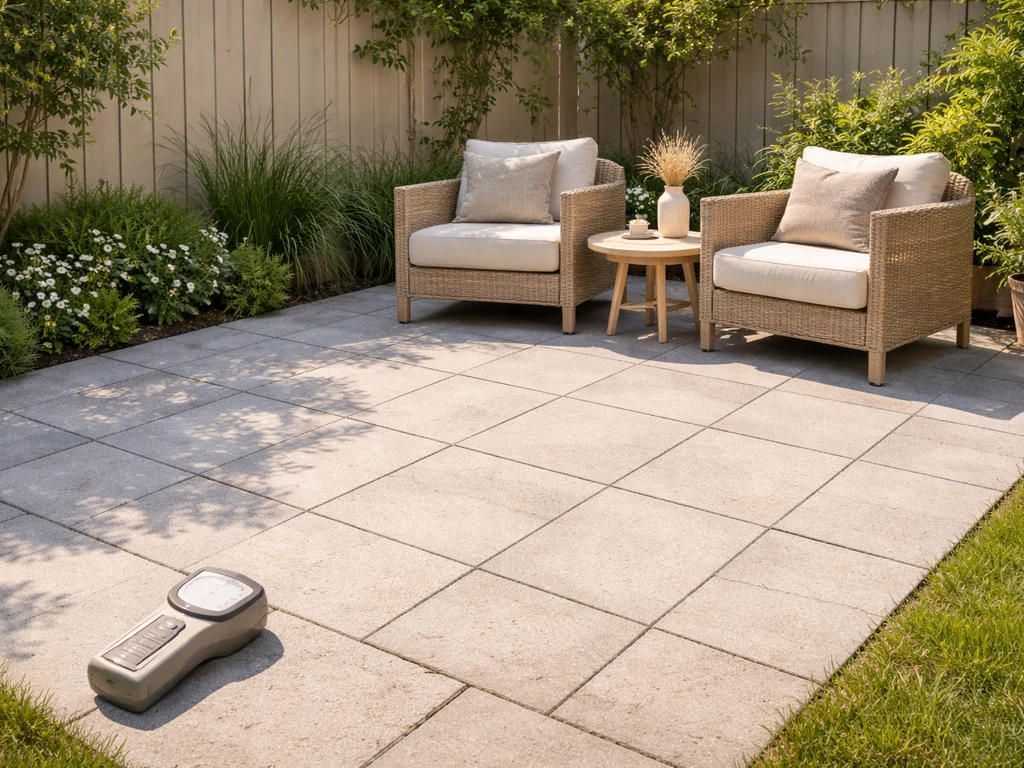
Getting the sizing right is where most buyers go wrong. The general rule is about 20 BTUs per square foot of patio space. So a 200 square foot patio needs roughly 4,000 BTUs at minimum to feel comfortable. A single 46,000 BTU propane heater covers about 150–200 square feet effectively (roughly 10–12 foot radius), which means one unit works for a medium patio, and two are better for anything larger.
For covered patios specifically, the calculation changes because heat stays in better. A covered patio typically only needs one heater per 1,500 to 2,000 square feet, which is a significant efficiency advantage over open setups. In practice, this means a single well-placed infrared heater on a 300 square foot covered porch can keep the whole space comfortable, whereas the same space open to the sky might need two or three units.
Placement is half the battle. For standing propane heaters, center placement in a seating area works best because heat radiates out in a circle. Keep at least 3 feet of clearance from anything flammable (umbrellas, string lights, drapes). For wall or ceiling-mounted electric heaters, aim the heater at a 30–45 degree downward angle toward the seating zone rather than straight down, which maximizes the heated area. Ceiling-mount placement at 8–10 feet is ideal for most covered porches.
| Patio Size | Space Type | Recommended Heater Output | Number of Heaters Needed |
|---|---|---|---|
| Under 100 sq ft | Covered porch or balcony | 1,500W electric or 10,000 BTU propane tabletop | 1 |
| 100–200 sq ft | Covered patio | 2,000–3,000W electric infrared | 1 |
| 100–200 sq ft | Open patio | 40,000–46,000 BTU propane standing | 1 |
| 200–400 sq ft | Covered patio | 3,000–4,000W electric or 40,000 BTU propane | 1–2 |
| 200–400 sq ft | Open patio | 40,000–46,000 BTU propane standing | 2 |
| 400–600 sq ft | Open or semi-open | 40,000–46,000 BTU propane standing | 2–3 |
| 600+ sq ft | Commercial/large open | Natural gas or commercial propane | 3+ (consult a specialist) |
Safety, Cost to Run, and Maintenance Considerations
Safety
Both fuel types have legitimate safety considerations. Propane heaters must never be used indoors or in enclosed spaces because of carbon monoxide risk. Even a semi-enclosed covered patio with limited ventilation is a concern with propane. Electric heaters are safe for more enclosed setups but, as noted above, exposed heating elements on freestanding electric models can burn skin or ignite materials on contact. Wall or ceiling mounting significantly reduces both risks. For any installation, keep a 3-foot clearance minimum around the heat source and never run propane heaters under low fabric ceilings, market umbrellas, or string lights.
Cost to Run
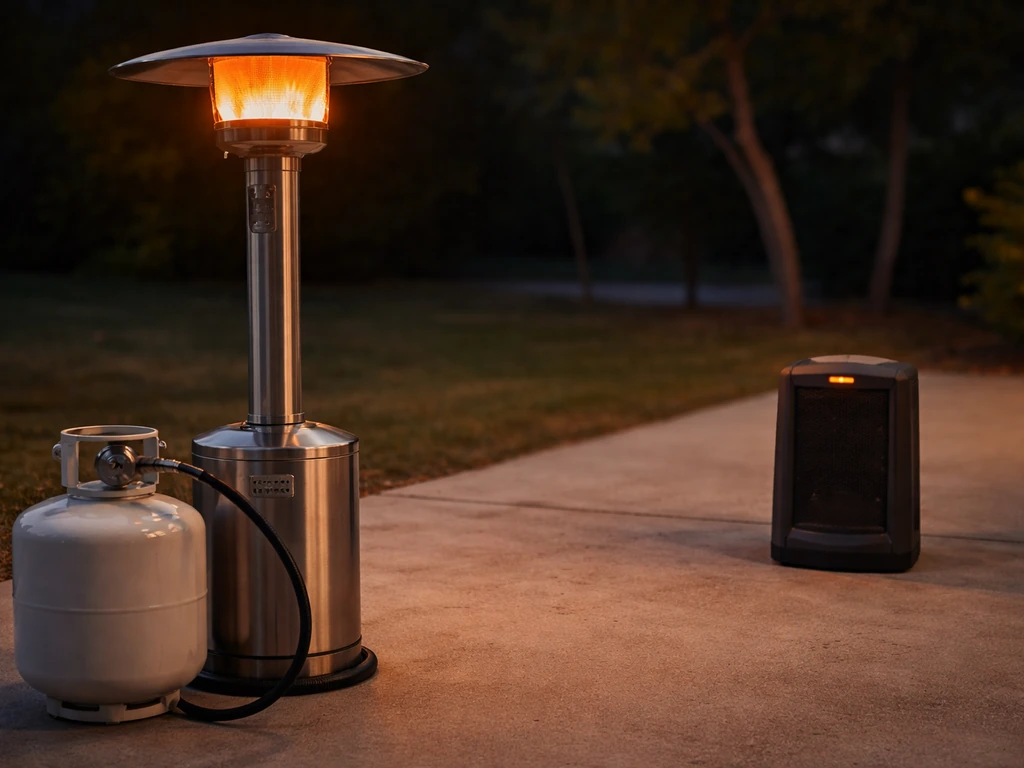
Running costs are a genuine differentiator over time. A 46,000 BTU propane heater running on a 20 lb tank at full power will burn through a tank in roughly 8–10 hours. At current propane exchange prices (around $5–$6 per gallon, or $20–$25 per 20 lb tank exchange), that's about $2.00–$3.00 per hour of heat. A 1,500W electric infrared heater at the average U.S. electricity rate of around $0.17 per kWh costs roughly $0.26 per hour. Even a high-output 4,000W electric model runs about $0.68 per hour. Electric wins on operating cost handily, though the higher upfront cost of quality hardwired electric models can take a season or two to recoup.
Maintenance
Propane heaters need the most attention. At the start of each season: clean the burner screen with a soft brush, inspect the gas valve and hose for cracks or wear, and test the ignitor. Store the heater indoors or cover it during off-season to prevent rust at the reflector and burner assembly. Mid-range models from brands like AZ Patio and Hampton Bay typically last 3–5 seasons with decent care. Premium models (Bromic, Fire Sense) can go 7–10 years with proper storage.
Electric infrared heaters are lower maintenance overall. The main consumable is the heating element itself. Quartz tube elements may need replacement after 2–3 years of regular use; carbon fiber and halogen elements last longer. Wipe down the reflector housing periodically and check that mounting hardware remains tight. Hardwired models should be inspected by an electrician every few years if they're exposed to rain or humidity year-round.
Buyer Checklists and Next-Step Recommendations
Before you buy anything, run through this quick checklist. It takes five minutes and will save you from a return.
- Measure your patio in square feet (length x width). Write it down. This determines how many heaters you need and what BTU or wattage to target.
- Decide: covered or open? Covered = electric infrared is viable and often better. Open or windy = propane standing heater is more reliable.
- Check your fuel access. Is there an outdoor outlet within reach? Is it 120V or 240V? Do you want to deal with propane tank exchanges? Answering these eliminates whole categories quickly.
- Set a budget for both purchase AND running cost. If you'll use the heater 4+ nights a week, propane's $2–$3/hour adds up fast compared to electric at $0.26–$0.68/hour.
- Confirm clearance requirements. Measure the space where you'll place or mount the heater and check that you have at least 3 feet of clearance from any flammable material.
- Look for these specs when comparing products: BTU (propane) or wattage (electric), IP weather rating (IPX4 or better for rain resistance), tip-over auto shutoff (essential for standing propane models), and heat settings (adjustability matters for comfort).
- Read reviews specifically for your use case. Reviews for 'small covered porch' users often read very differently than reviews from 'large open backyard' users, even for the same product.
For most homeowners with a medium-sized open patio: get a 46,000 BTU propane standing heater with a stainless steel finish, tip-over shutoff, and piezo ignition in the $120–$180 range. For a covered porch or pergola under 300 square feet: a hardwired or plug-in 2,000–3,000W infrared wall-mount in the $150–$300 range is the right tool. If you want the fastest way to compare options, the best patio heaters reviews walk through what to buy for covered vs. open patios, plus real-world performance. If you want something low-commitment or portable first, a propane tabletop heater in the $60–$100 range is a good starter before you invest in something permanent.
If you're outfitting a restaurant patio or large commercial outdoor area, the sizing math and durability requirements change significantly, and it's worth looking at commercial-grade options separately. Commercial patio heater reviews can help you compare durability, heat output, and maintenance for high-usage outdoor spaces. Similarly, if you've landed on a specific brand like Cuisinart's patio heater line or you're locked into a stainless steel aesthetic for your space, more focused reviews on those specific categories can help you narrow down further without wading through every option on the market.
FAQ
How do I size an outdoor patio heater if my patio is windy or partially enclosed?
Most people overspend by buying based on patio square footage only. For propane, plan for wind, then size around “seating distance,” not the whole deck. A single 46,000 BTU heater is typically comfortable only within roughly a 10 to 12 foot radius for an open patio, so if your seating is farther, you usually need either two heaters or better shielding (windbreak, partial enclosure) rather than a single bigger unit.
Can I use different propane tanks or adapters with the same patio heater?
A 20 lb propane tank is meant for outdoor use with the correct regulator and hose assembly. Don’t rely on random “tank adapters,” and never modify the regulator to make a tank fit. If you’re going to use a tabletop unit with smaller canisters, confirm the burner head is designed for that fuel type and check whether the heater ships with the right adapter, otherwise you can end up with unsafe pressure mismatches.
Can I install an infrared electric heater myself, or do I need an electrician?
Yes, but only if your electrical setup matches the heater requirements and location. Many infrared wall heaters want a dedicated 120V or 240V circuit and proper outdoor-rated wiring, especially if installed under a roof where moisture can still be present. If the listing calls for hardwiring, use a licensed electrician rather than a power cord, and confirm the heater’s IP rating is suitable for your climate and how exposed the unit is.
Where should I place the heater, and what clearance rules should I actually follow?
Use a “clearance plus aim” approach. For standing propane, keep at least 3 feet from flammables and avoid centering it under things like fabric ceilings, umbrellas, or decorative drapes. For wall or ceiling infrared electric units, the angle matters: aiming toward the seating area (downward at about 30 to 45 degrees) spreads warmth more effectively than aiming straight down at the floor.
What’s the safest choice for households with kids, pets, or lots of foot traffic?
If you can’t keep the heat source away from high-traffic zones, choose a wall or ceiling mounted infrared unit instead of a freestanding electric model. Freestanding quartz and tube-style heaters have exposed hot surfaces that can burn skin or ignite nearby materials if something falls or wind blows debris into contact. Also keep a physical barrier or seating layout buffer to reduce accidental contact.
How much maintenance do hardwired electric patio heaters really need?
Don’t assume “hardwired” means “no maintenance.” Even hardwired infrared units should have periodic checks: verify the mounting stays tight after storms, clean the housing and reflector surfaces, and inspect the conduit or wiring pathway for water intrusion. For hardwired installations exposed to rain and humidity year-round, plan on a professional inspection every few years.
Which heats up faster in real use, propane or electric infrared?
In general, propane warms people faster but electric is more consistent in comfort once you dial it in. Electric infrared typically provides near-instant radiant warmth, while propane has a heat-up moment and then strong output that can feel intense close to the heater. If you frequently entertain and want fewer variables, electric often wins for covered patios, but for open wind-exposed yards propane usually performs better.
What should I compare besides BTUs and watts, like controls or adjustability?
Look beyond watts or BTUs and check your “control type.” Propane often gives adjustable output with a dial, which helps manage comfort and tank usage, but cheaper models may have less stable ignition or inconsistent performance over seasons. For electric, prioritize models with reliable heat controls and correct mounting style for the intended coverage zone, because low-end portable units often waste energy heating air or the wrong area.
Why do some propane patio heater reviews say the tank lasts less time than expected?
For propane, the most common “review complaint” pattern is shorter runtime at high output. If you tend to run full blast, expect faster tank consumption than the headline hours. A practical fix is to run at a lower setting longer, because radiant warmth feels adequate at moderate outputs without pushing the tank to empty quickly.
Are stainless propane patio heaters actually better in coastal or salt-air areas?
If you want a durable stainless look, don’t just look for “stainless” on the label. Check whether the reflector and internal components are truly corrosion-resistant, since rust usually starts where moisture and salt air collect. Stainless models generally hold up better, and consistent off-season storage (covered, dry, and protected) is what separates multi-year performance from early corrosion.
What if my patio has no outdoor outlet or no way to add one?
If you have no outdoor outlet, electric is harder to use unless you run wiring safely or choose battery-free plug-in options with an appropriate rated cord length and outlet placement. For renters or second-floor decks, propane often stays the simplest. Another edge case is permits and landlord rules for gas lines, so double-check before assuming natural gas or hardwired electric is allowed.