
For most patios, a 3-4 burner propane gas grill in the 450-600 square inch cooking range is the sweet spot. It handles family cookouts without overwhelming a modest outdoor space, costs $300-$600, and runs on a standard 20 lb propane tank with no installation needed. If you have a small balcony or apartment patio, a bistro-style gas grill like the Char-Broil Patio Bistro (around 240 square inches, 13,000 BTU) is purpose-built for tight spaces and still delivers real grilling performance. Larger patios with a natural gas line can go bigger, but for most people reading this today, a mid-size propane grill is the right call. If you are specifically comparing charcoal options, these char griller patio pro charcoal grill reviews can help you judge real-world performance before buying.
Patio Gas Grill Reviews: Best Options for Any Patio Setup

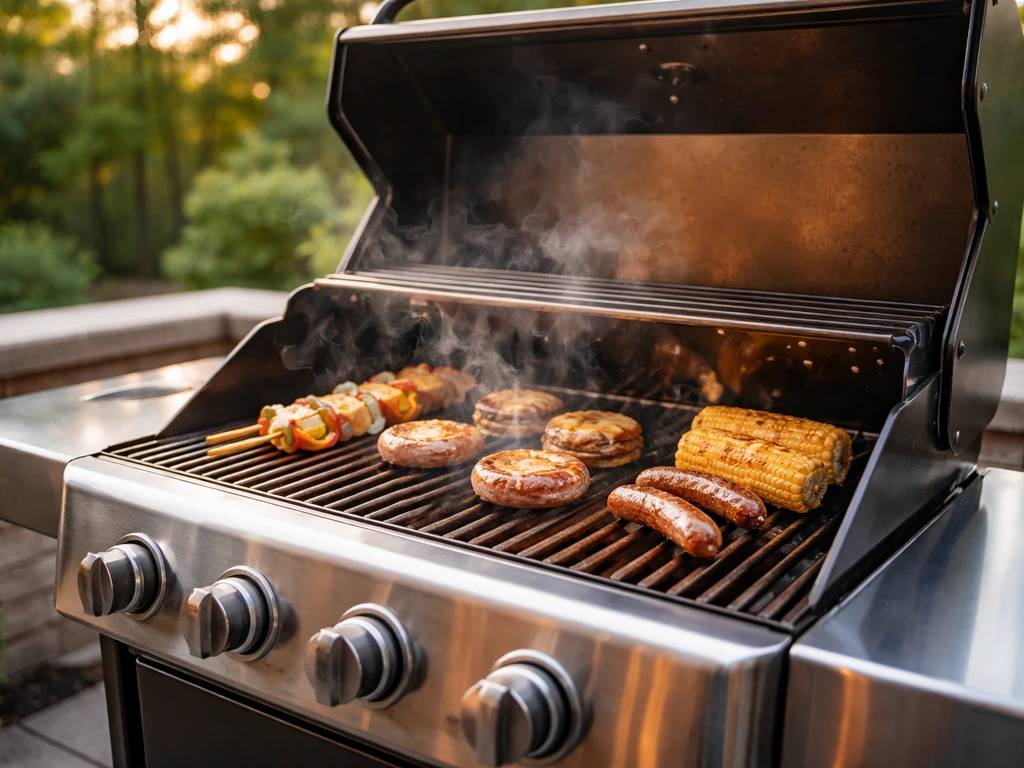
Best patio gas grills by patio size and budget
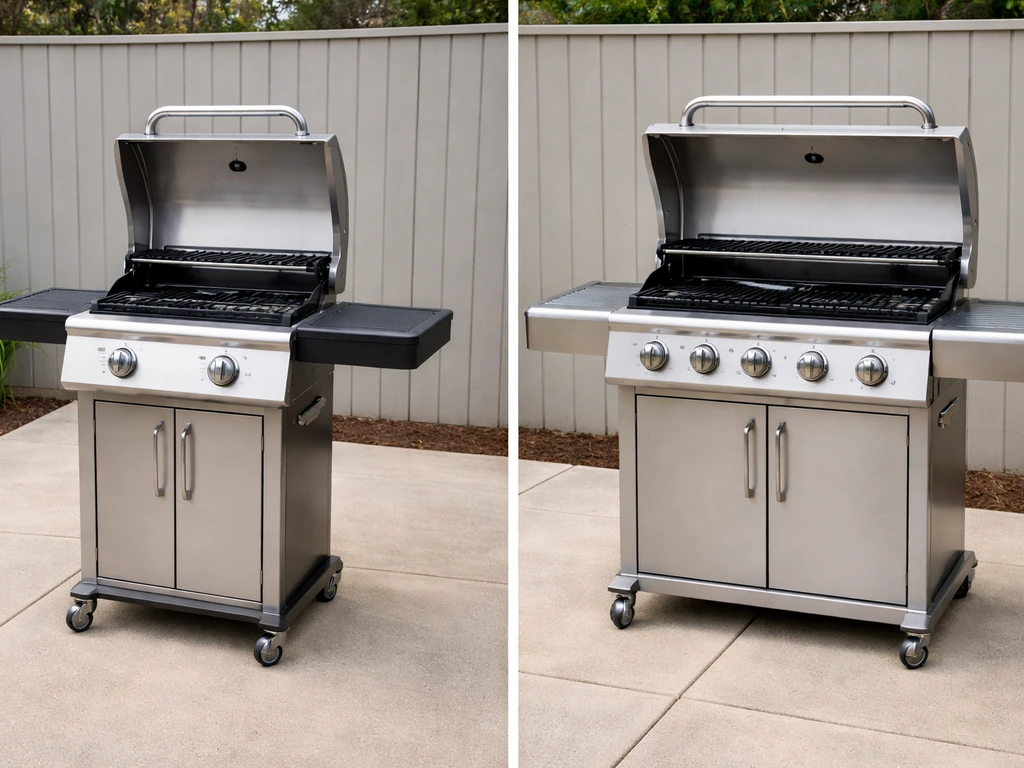
Here's a practical breakdown by situation. These aren't hype picks, they're grounded in testing data, real-world spec reviews, and how each grill fits common patio setups.
| Patio Size / Situation | Recommended Grill Type | Cooking Area | Budget Range | Fuel |
|---|---|---|---|---|
| Balcony or small patio (under 100 sq ft) | Bistro gas grill (e.g., Char-Broil Patio Bistro 180R or 240R) | 180-240 sq in | $150-$300 | Propane |
| Medium patio (100-250 sq ft) | 3-4 burner gas grill (e.g., Nexgrill 4-Burner stainless propane) | 450-550 sq in | $300-$550 | Propane or NG |
| Large patio / entertainer (250+ sq ft) | 4-6 burner gas grill (e.g., Nexgrill 6-Burner 720-0896X) | 550-800 sq in | $500-$900 | Propane or NG |
| Portable / camping crossover | Weber Q 1200 or similar compact LP grill | 189-280 sq in | $200-$350 | Propane (1 lb or adapter) |
| Built-in outdoor kitchen setup | Built-in NG grill head (Weber Genesis or Napoleon Rogue series) | 500-700 sq in | $800+ | Natural Gas |
Good Housekeeping's May 2026 roundup specifically called out the Nexgrill 4-Burner stainless propane model as a best-value pick for mid-size setups, and Consumer Reports' 2025 lab testing included the Nexgrill 6-Burner 720-0896X as one of their top performers in the full-size category. Those aren't arbitrary shoutouts, they reflect consistent temperature distribution across the grates, which matters more than raw BTU numbers (more on that below).
What "patio gas grill" and "bistro gas grill" mean, and who each is for
These terms get used loosely, so let's clear them up. A patio gas grill is any full-size or mid-size gas grill designed to live on your patio, it usually has legs or a cart, multiple burners, a lid, and a cooking area above 400 square inches. On Char-Broil’s Patio Bistro 180R model page, the “Burner Warranty Term” section lets shoppers compare warranty coverage when evaluating compact bistro models like this one Burner Warranty Term section. It's meant to stay in one place and handle everything from weeknight burgers to weekend briskets.
A bistro gas grill is a compact, scaled-down version designed for smaller outdoor spaces. Char-Broil popularized the name with their Patio Bistro line (the 180R and 240R are current models), which tops out around 240 square inches of cooking space and runs on a small propane tank. These are genuinely useful for apartment balconies, small condo patios, or anyone who wants a real grill without a big footprint. They're not toys, a 13,000 BTU infrared bistro grill can sear a steak properly, but they're also not the right tool if you're feeding more than 2-4 people regularly.
If you've been searching for patio bistro gas grill reviews specifically, Char-Broil's Patio Bistro line is the dominant option in that niche. Worth noting: there was a CPSC recall on certain Char-Broil Patio Bistro models related to a burner flame issue (the flame could go out and unexpectedly reignite when turning the knob to OFF, creating a burn hazard). Char-Broil issued a repair kit fix, so if you're buying used or have an older unit, check the recall page to confirm your model is either unaffected or has been remedied.
The specs that actually matter (and which ones don't)
BTUs: the most misunderstood number in grilling
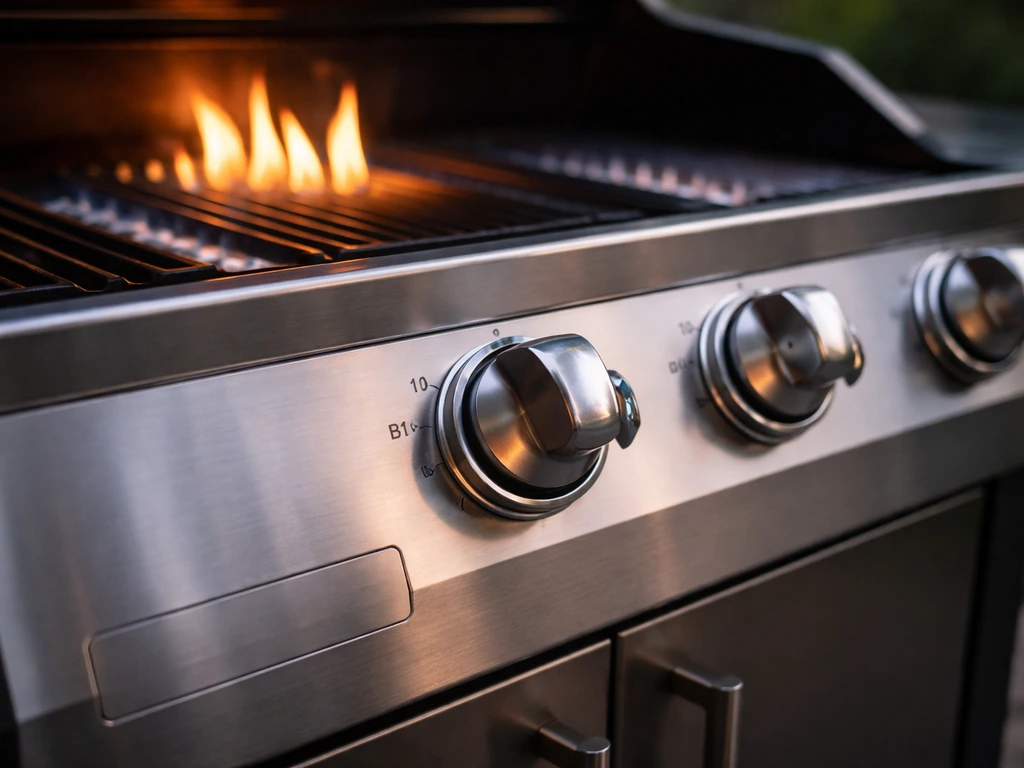
BTU (British Thermal Units) measures heat output, but higher isn't automatically better. A grill with 60,000 BTU that has poor heat distribution will cook unevenly, and you'll end up with burnt spots and raw centers. Consumer Reports tests grills by placing thermocouples across the grates and measuring actual temperature distribution, which is a much more honest performance metric than the BTU spec on the box. As a general rule, look for 80-100 BTU per square inch of cooking surface. A 500 sq in grill should have around 40,000-50,000 total BTU to cook properly. Much less and it'll struggle to sear; much more and you're wasting fuel.
Burner count and cooking zones
Burner count matters because it controls your cooking zones. Two burners mean you can do indirect cooking (heat on one side, food on the other), the minimum setup for roasting chicken or cooking thick cuts through without burning. Three or four burners give you more flexibility: low-and-slow on one end, high-heat sear on the other. Six burners are for large entertaining setups. For most patio cooks, three burners is the practical minimum and four is the sweet spot.
Cooking area: how much grate do you actually need?
Tom's Guide's 2026 roundup listed models with cooking areas ranging from around 189 square inches (compact portables) to 544 square inches for something like the Ninja FlexFlame. As a rough guide: 200-300 sq in handles 4-6 burgers at once, 400-500 sq in handles 8-12, and 600+ sq in lets you run a full party spread. Don't pay for square inches you'll never use, a bigger grill also takes longer to preheat, costs more to run, and is harder to store.
Heat control and ignition quality
Look for individual burner knobs (not a single control for all burners), a reliable push-button or electronic igniter, and a lid thermometer you can actually see. Infrared burners, like the ones used in the Char-Broil Patio Bistro, cook faster and more evenly but can be harder to use for low-and-slow indirect cooking. Traditional open-flame burners give you more temperature range and are easier to control for different cooking styles.
Propane vs natural gas: which setup is right for you
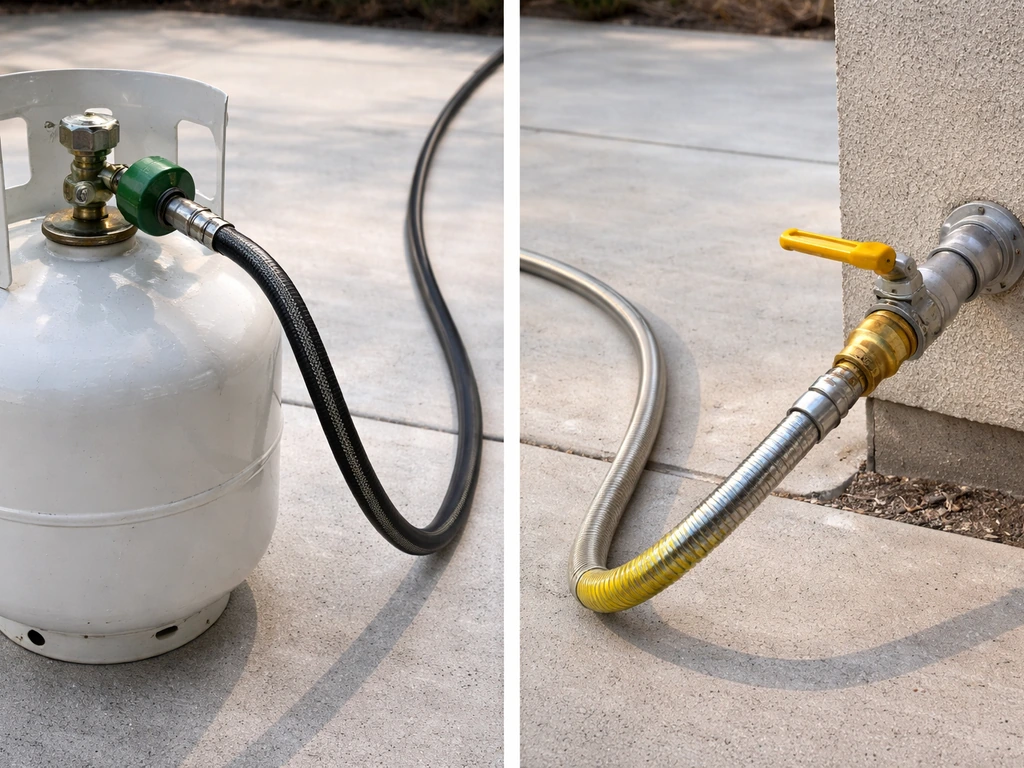
This is one of the most important decisions you'll make, and it's mostly determined by your patio situation, not your cooking preferences.
| Factor | Propane (LP) | Natural Gas (NG) |
|---|---|---|
| Setup cost | Low — just buy a tank | Higher — requires gas line + professional installation |
| Portability | Fully portable | Fixed to the gas line location |
| Fuel cost (ongoing) | Higher per BTU | Lower per BTU over time |
| Pressure required | ~11 inches water column (WC) | Different regulator — varies by utility |
| Tank management | Refill or swap 20 lb tank every 15-25 hrs of use | No tank needed — unlimited supply |
| Best for | Renters, small patios, portability needed | Homeowners with existing NG line, heavy users |
Propane operates at around 11 inches water column pressure (roughly 0.36-0.40 psi) for standard residential appliances. That pressure is regulated by the regulator attached to your tank, and using the wrong regulator type can make the system inoperable or unsafe. Most grills come with the correct regulator pre-installed, but if you're converting a grill or replacing a regulator, don't guess. Use the manufacturer spec.
Natural gas grills require a dedicated gas line run to your patio, that means hiring a licensed plumber or gas fitter and potentially pulling a permit. Weber's installation guides for their Genesis and built-in NG models include explicit clearance requirements and ventilation considerations, so the installation isn't just about connecting a hose. If you already have a natural gas line on your patio (common in newer homes with outdoor kitchen setups), NG is the better long-term choice. If you don't, the installation cost can easily hit $300-$800+, which changes the math on "saving money on fuel."
One more thing: regardless of fuel type, Weber's guidelines state your grill should be at least 24 inches (61 cm) away from combustible materials, including your home's siding, deck railings, and covered patio structures. This isn't just a recommendation, it's a fire safety requirement.
Durability and weather-readiness for your specific patio
Whether your patio is covered or exposed to the elements makes a real difference in which grill materials and coatings will hold up. This is the section most buyers skip, and it's why a grill that looks great at the store ends up rusting in two years.
Covered patios
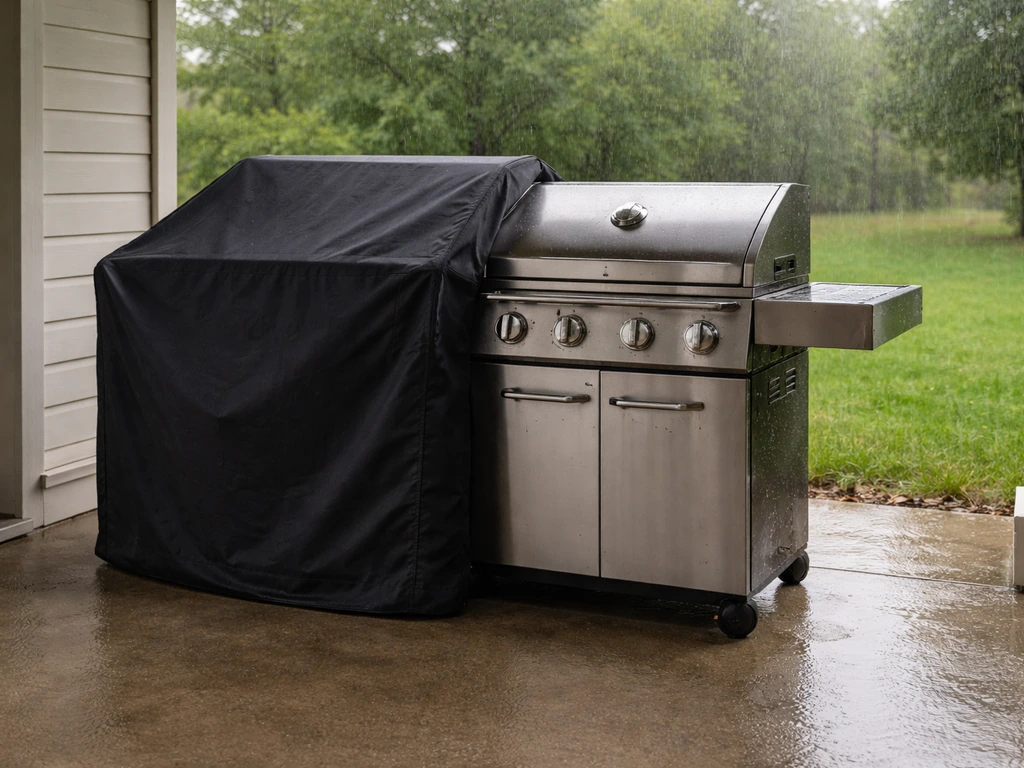
A covered patio gives your grill protection from direct rain and UV exposure, which significantly extends the life of painted steel and cast iron components. A camp chef flat top grill patio cover can help shield the cooking surface and finish from rain, UV, and condensation, especially on covered-but-damp patios. You still get humidity, condensation, and temperature swings, so stainless steel cooking grates and a porcelain-enameled cookbox are worth prioritizing. Weber's warranty covers the cookbox for 5 years with a no-rust-through/no-burn-through guarantee, which tells you something about the confidence level they have in their porcelain enamel coating. That's the kind of spec worth checking on any grill you're considering.
Uncovered patios and exposed locations
For fully exposed setups, you need 304-grade stainless steel on the most exposed surfaces (lid, side panels, cooking grates), a quality grill cover rated for UV and water resistance, and ideally burner tubes made from stainless or aluminized steel rather than plain carbon steel. Napoleon's owner's manuals (including the Rogue series) explicitly warn that corrosive environments, including areas with salt air near the ocean, affect warranty coverage and component longevity. If you're coastal, factor that in hard. A Napoleon or Weber stainless model with documented corrosion resistance specs is worth the extra cost over a budget imported grill.
Wind and open exposure
Wind kills grill performance by pulling heat out of the cookbox faster than the burners can replace it. If your patio is regularly windy, look for a grill with a tighter-sealing lid, and consider positioning it with the lid hinge facing the wind. Infrared burner systems (like those in the Char-Broil bistro line) are actually less affected by wind than open-flame burners, which is a real advantage for exposed balcony setups. If you're comparing electric patio grill options for wind-sensitive situations, that's a different path entirely, fully enclosed cooking elements have their own wind advantages.
Cleaning, maintenance, and keeping it running for years
This is the part most people neglect, and it's the single biggest factor in whether your grill lasts 3 years or 10. The good news: it doesn't take much effort if you're consistent.
Monthly routine (takes 10-15 minutes)
- Brush the cooking grates while they're warm after each cook — a brass or stainless bristle brush works well, but check that no bristles are left on the grates before cooking
- After cooking, run all burners on high for 10-15 minutes with the lid closed to burn off residue (the "burn-off" method)
- Once a month, brush excess grease and debris from inside the cookbox into the bottom tray, then empty and clean the grease tray
- Wipe down the exterior with a damp cloth — avoid abrasive cleaners on stainless or painted surfaces
Seasonal deep clean (once or twice a year)
Weber recommends a full deep clean after seasonal storage or extended exposure to weather. This means removing the cooking grates and heat diffusers, brushing out the burner tubes and ports with a soft wire brush (clogged ports cause uneven flames and performance loss), washing removable parts with warm soapy water, and inspecting the igniter and gas connections. Char-Broil's cleaning guidance makes the same distinction between routine and deep cleaning, the deep clean involves removing and checking internal components that you'd otherwise never see.
Long-term reliability checks
Beyond cleaning, there are a few things worth inspecting annually. Check the burner tubes for cracks, corrosion, or blockages (spider webs are surprisingly common and can cause dangerous flare-ups). Inspect the gas hose and regulator for cracks or brittleness, hoses degrade over time. Check that all knobs turn smoothly and ignition sparks reliably. If you're running natural gas, watch for any smell of gas near the connection points and use soapy water to test for leaks at joints. Most manufacturers, including Weber and Napoleon, have warranty exclusions for damage caused by lack of maintenance, so keeping records of your cleaning routine is smart if you ever need to make a warranty claim. Napoleon similarly notes that warranty coverage can exclude damage from improper or neglected maintenance, so follow its upkeep guidance and keep your cleaning routine records warranty exclusions for damage caused by lack of maintenance.
How to compare models and pick the right grill today
Here's the practical process I'd use if I were buying a patio gas grill today. If you’re specifically considering the Char Griller Patio Pro, the same checklist helps you judge whether its heat output, burner performance, and build quality match your patio space and cooking needs patio gas grill. It takes about 30-45 minutes of research and saves you from expensive regret. If you're considering an electric model, reading masterbuilt electric patio grill reviews can help you spot the differences in heat consistency, ease of use, and real-world durability.
- Measure your patio space first. Confirm how much room you have for the grill footprint plus the required 24-inch clearance from combustible structures on all sides. This alone will eliminate most of the options you're considering.
- Decide on propane vs natural gas based on your actual setup — not based on what you wish you had. If you don't have a natural gas line on your patio right now, start with propane.
- Set a realistic budget and add 15% for a quality grill cover, which extends grill life significantly. A $400 grill with a $50 cover will outlast a $500 grill left uncovered.
- Check BTU-per-square-inch ratio (aim for 80-100 BTU per sq in of cooking area) and burner count (minimum 2, prefer 3-4 for flexible cooking).
- Look up the warranty terms — specifically the cookbox/body warranty (5 years is strong, 1-2 years is weak) and the burner warranty. Char-Broil publishes burner warranty terms on the individual model pages for both the 180R and 240R bistro models, so you can compare directly.
- Search the CPSC database for any recalls on the specific model you're considering. The Char-Broil Patio Bistro recall is a real-world example of why this 2-minute check matters.
- Read temperature distribution data, not just BTU specs. Consumer Reports' thermocouple-based testing methodology is the gold standard here — if a model they've tested is on your shortlist, that result is more useful than any marketing claim.
- If you're also comparing charcoal options (like the Char-Griller Patio Pro charcoal grill), gas options with electric alternatives (masterbuilt or electric patio grill reviews), or considering brand-specific heaters like Nexgrill patio heaters, make sure you're comparing within the same use case — a gas grill and a patio heater solve different problems.
At the end of that process, you should have a shortlist of 2-3 models that fit your space, fuel setup, and budget. From there, check current pricing at major retailers (prices shift regularly), confirm the model is in stock, and look at recent buyer reviews specifically about igniter reliability and rust, those two issues surface faster than any lab test can predict. When you compare patio heaters, the most helpful starting point is usually master forge patio heater reviews, because they summarize how the heat output performs in real backyards buyer reviews.
The goal isn't to find the "best" patio gas grill in the abstract. It's to find the right one for your specific patio, your cooking habits, and your maintenance willingness. A $350 Nexgrill 4-burner that you clean regularly and cover properly will outperform a $700 grill that sits uncovered and gets ignored. Buy the grill that fits your real life, and it'll reward you for years.
FAQ
How do I size a patio gas grill for the number of people I cook for?
Start with the cooking surface area, not the number of burners. If you usually cook for 2 to 4 people, target roughly 200 to 300 sq in so you can leave spacing for even browning, then add room for side trays if you like. For 6 to 8 people, plan closer to 400 to 500 sq in, otherwise you will overcrowd and lose sear quality.
What’s the easiest way to tell if a grill has good heat distribution?
Look for a lid thermometer that is actually visible and consistent, then read reviews that mention hot spots, uneven searing, or needing to rotate food. After setup, do a quick test cook with two different spots on the grates, if one side repeatedly runs cooler, you will likely fight it even if BTUs are high.
Is it safe to use a patio gas grill under a covered patio?
Usually yes, but you must maintain clearance from combustibles and ensure airflow is not restricted. If the grill sits under an overhang, check the manufacturer’s clearance and ventilation guidance, not just the general rule of thumb. Also avoid placing the grill where the flame could be blocked by a beam or where smoke and heat recirculate into the structure.
Can I convert my grill from propane to natural gas (or the reverse)?
Sometimes, but only if the manufacturer provides the correct conversion kit and regulator setup. Using the wrong or mismatched regulator and orifice settings can cause poor combustion, flare ups, or ignition problems. If you are converting a used grill, confirm the exact model number and kit part number before buying anything.
What regulator should I use for propane, and what’s the risk of using the wrong one?
Use the regulator that matches your grill model and the fuel type spec from the manufacturer. The risk of the wrong regulator is not just lower performance, it can lead to unsafe pressure behavior or make the burner system unreliable. Most new grills come with the correct regulator, but replacements and conversions are where people make costly mistakes.
My igniter clicks but the burners do not light, what should I check first?
Verify gas flow at the tank and confirm the igniter is producing a strong spark at the electrode. Then inspect for grease or residue around the burner ports, clogged ports can prevent ignition. Finally, check that burner knobs and valve connections are seated properly, loose or sticky controls are a common cause of intermittent ignition.
How often should I deep clean my patio gas grill?
A practical approach is routine cleaning after every few cooks, and a deeper clean at least once per season or after long exposure to weather. Deep cleaning usually means removing grates and internal parts to brush burner tubes and ports, then inspecting igniter parts and checking gas connections for wear or cracks.
Is a grill cover required if I already have stainless steel?
Yes, especially for exposed patios. Stainless components can still pit or discolor in salt air and can rust at fasteners, welds, and heat-affected areas. Choose a cover rated for UV and water resistance, and make sure it fits well enough that water does not pool and run under the cover.
What’s the most common cause of flare ups on propane grills?
Grease buildup and clogged burner ports or tubes. Food drippings that are not removed can ignite quickly, and restricted ports can create uneven flames that burn food too aggressively in one zone. Cleaning the grease management system and doing a targeted port inspection can fix many flare-up complaints.
If my patio is very windy, does an infrared bistro grill really hold up better?
Infrared systems can be less affected by wind because they tend to maintain more consistent heat in the cooking zone, but you still need lid management and placement. Aim the grill so the lid hinge is less exposed to direct gusts, and avoid cooking near strong drafts from HVAC vents or open doorways that keep blasting air into the cookbox.
What should I look for if I’m buying a used Char-Broil Patio Bistro?
Confirm the exact model number and check whether the affected burner-related recall repair was completed. Also inspect the burner area closely for signs of repeated flame behavior, corrosion around the burner assembly, and verify ignition works consistently before you consider it a bargain.
Do I need to keep maintenance records to use the warranty?
In many cases, yes. Manufacturers commonly exclude damage linked to neglect or lack of maintenance, so saving receipts for replacement parts, photos of cleaning routines, or a simple maintenance log can help if you need warranty service. Include dates for deep cleaning and note any parts replaced, like hoses or ignition components.