
The best electric infrared patio heaters right now are the Infratech CD-3024 SS for mounted, whole-patio coverage and the Herschel California 2000R for a weatherproof, mid-range pick that works in most covered or semi-covered spaces. If you want a plug-and-play portable unit without any wiring, a 1500W freestanding infrared heater like the Phewnyzo or Pasapair gets the job done for close-range spot heating. Which one is actually right for you comes down to your patio size, whether you have a roof overhead, and how far you're sitting from the heater, and that's exactly what this guide breaks down.
Patio Infrared Heater Reviews: Best Electric Models for Your Patio

Willa Brennan
12 May 2026
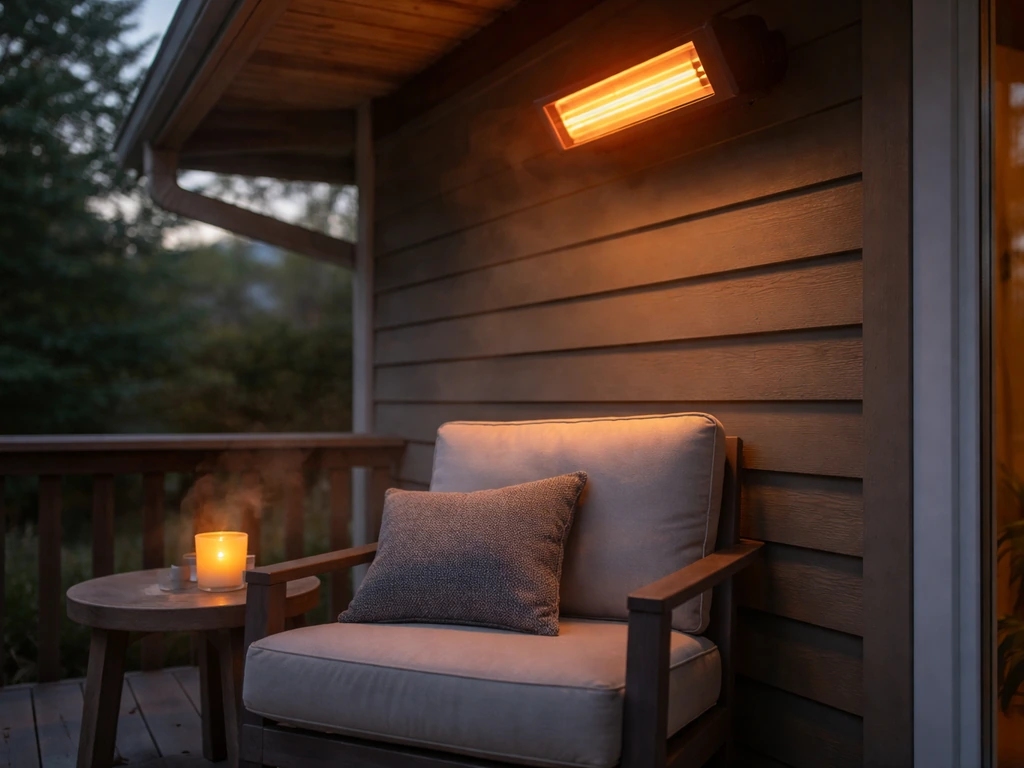
What infrared heaters actually do (and why their reviews read differently)
Most outdoor heaters, propane mushroom heaters, natural gas tower heaters, primarily warm the air around you. That sounds fine until the wind picks up and sweeps all that warm air away. Infrared heaters work differently: they emit thermal radiation that's absorbed directly by surfaces, skin, and clothing rather than heating the air volume. Think of the sun on a cool day. The air is cold, but you feel warm because radiant energy is hitting you directly.
This is why infrared heaters tend to be more wind-resistant than convective systems for outdoor use. Wind above about 5 MPH starts to reduce effectiveness, but because you're being warmed directly rather than by the surrounding air, infrared still outperforms a propane convection heater in a breeze. There's also a useful residual effect: objects and surfaces that have absorbed infrared heat continue to radiate warmth and release heat via convection even after the unit shuts off, which improves what heating engineers call the Mean Radiant Temperature (MRT) of your space.
Infrared heaters also come in different wavelength bands, Infrared-A (roughly 0.7 to 1.4 micrometers), Infrared-B, and Infrared-C, and these affect how the heat is absorbed by skin and surfaces. For outdoor patio comfort heating, short-wave (Infrared-A) elements like quartz tube heaters deliver fast, directional heat that you feel almost instantly. That's why product reviews for infrared heaters focus so heavily on element type, mounting height, and distance from the heater, those factors matter far more than they do with a propane tower heater.
Size your patio first, then pick the heater
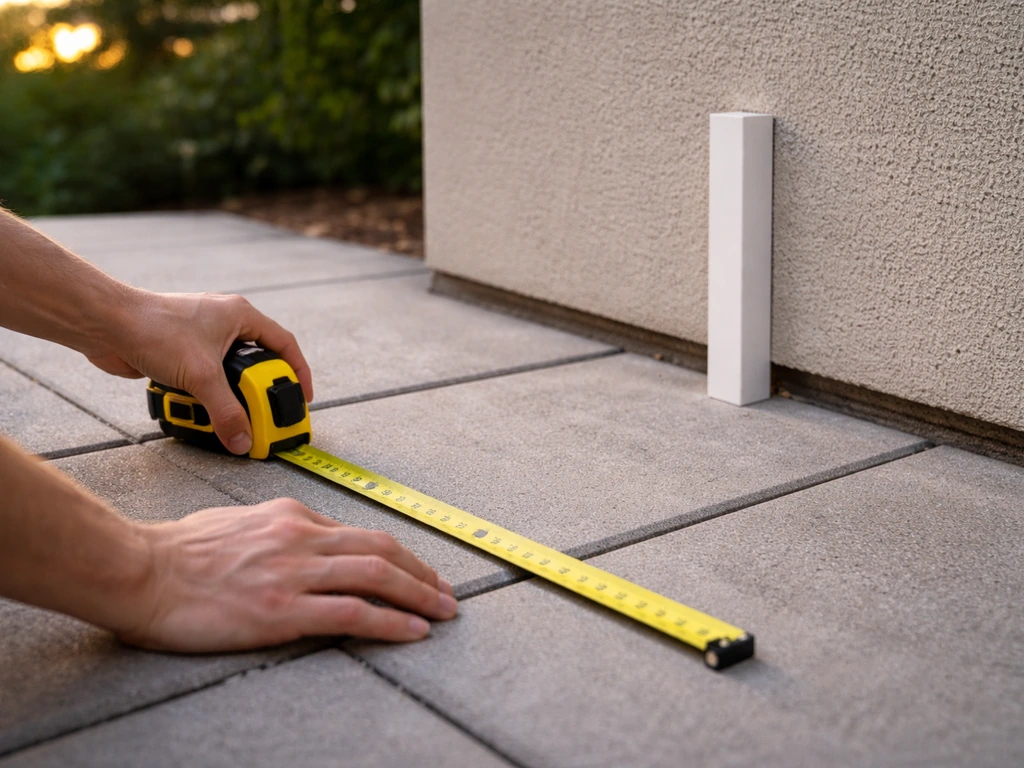
Before you read a single product review, measure your patio and figure out your mounting or placement height. If you want faster decisions, start with radiant patio heater reviews that summarize wattage, coverage, and mounting requirements for your space. This one step eliminates most of the buyer regret I see with infrared heaters. Here's a practical framework:
- Small patio or dining area (up to ~50 sq ft): A single 1500W–2000W wall-mounted or portable unit is sufficient for close-range heating (people sitting within 5–7 feet of the heater).
- Medium patio (50–100 sq ft): A 3000W ceiling or wall-mounted infrared heater like the Infratech CD-3024 covers roughly a 7 ft x 7 ft zone from a mounting height of 7–8 feet.
- Large patio (100–200+ sq ft): Plan for multiple units or move up to a 6000W dual-element model like the Infratech WD-6024 SS, which needs 240V wiring and provides more concentrated premium coverage.
- Mounting height matters enormously: most overhead electric infrared heaters require a minimum floor clearance of 71 inches (1800mm) and typically perform best mounted at 7–10 feet.
- Seating distance: the closer people sit to the heater, the less wattage you need. If you're heating a dining table directly underneath a mounted heater, a 3000W unit goes a long way.
For covered patios, you have more flexibility with IP ratings and can use units like the Herschel Manhattan, which is rated IP54 (splashproof) and must be installed in a covered area for best protection. For open, uncovered patios or pergolas exposed to rain, you need at minimum an IP65 rating, the Herschel California 2000R meets that bar.
Infrared patio heater reviews: the models worth considering
Infratech CD-3024 SS, best ceiling-mounted 3000W pick
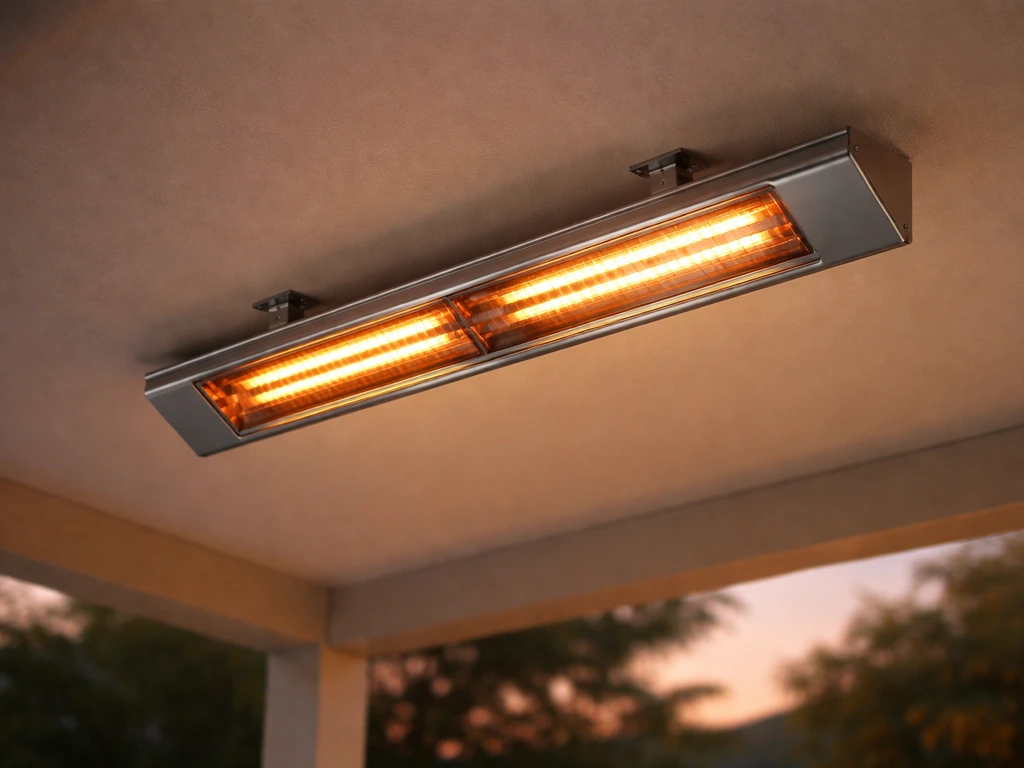
The Infratech CD-3024 is a 3000W dual quartz tube heater designed for recessed or surface ceiling mounting at 7–8 feet. At that height, it covers a 7 ft x 7 ft area (about 49 sq ft) comfortably, and Infratech's own guidance shows coverage can stretch to 9 ft x 9 ft if you push the mounting height slightly higher or accept lighter warmth at the edges. The dual-element design means you can run it at half power (1500W) or full power (3000W) by independently switching each element, which is a genuinely useful feature on mild evenings when you don't need full blast.
What makes this heater worth its price is build quality and longevity. The quartz tube elements are proven, and Infratech's documentation is thorough, clearance requirements, wiring specs, coverage maps, all clearly laid out. The main caveats: it needs to be hardwired (no plug), you need a qualified electrician for installation, and clearance to combustibles is a real consideration. Reddit threads show real buyers struggling with the required distances near outdoor screens and curtains. If your patio has lots of fabric or wood paneling nearby, measure carefully before buying.
Infratech WD-6024 SS, premium dual-element for large covered patios
The WD-6024 SS steps up to 6000W on a 240V circuit, making it a serious heater for larger covered patio areas or for buyers who want concentrated premium warmth across a bigger zone. It uses a Duplex or Stack Switch setup to independently control each 3000W element, giving you 3000W or 6000W modes. This is not a casual install, the wiring requirements are substantial, and loose connections can cause elements to fail prematurely (something Infratech's installation guide specifically flags). You'll need an electrician who understands the load requirements. If your budget and patio size justify it, this is about as capable as residential electric infrared gets.
Herschel Manhattan 3000W, smart controls, covered patio focus
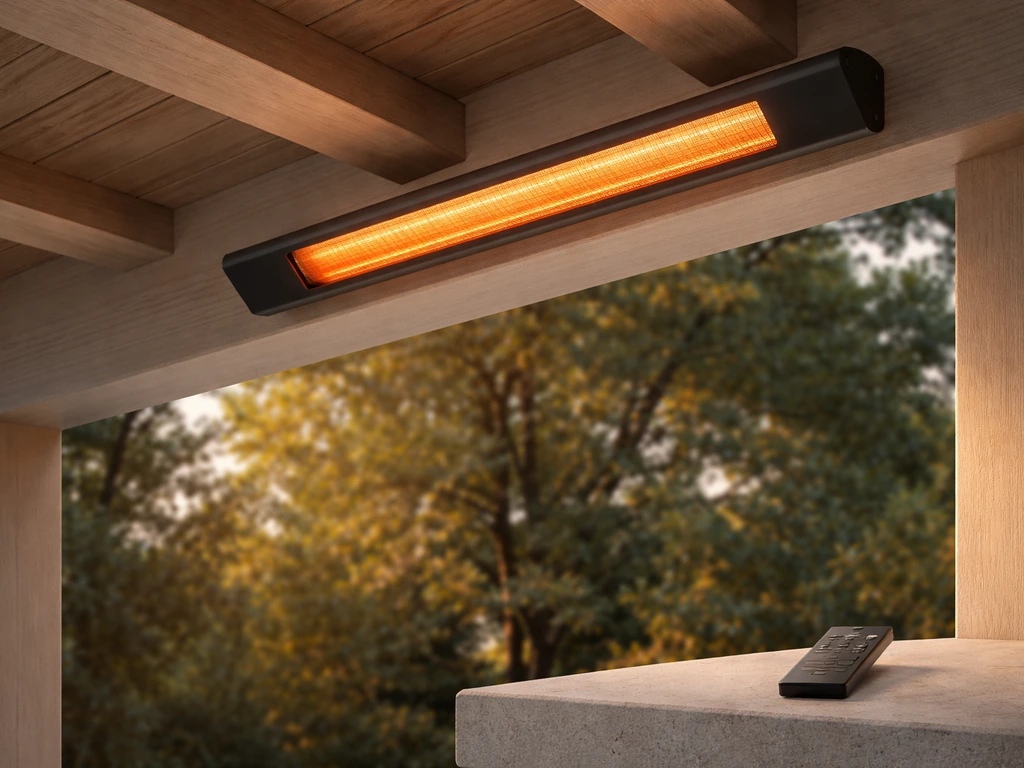
The Herschel Manhattan is a 3kW ceiling or wall-mounted heater with a remote control offering two power levels (1500W and 3000W) plus a 24-hour timer, features that genuinely matter for day-to-day usability. It requires 71 inches of floor clearance and 12 inches of top clearance, similar to the Infratech CD-3024. The key limitation is its IP54 rating, which means it's splashproof but not fully waterproof. Herschel themselves state it must be installed in a covered outdoor area for full protection against driving rain, frost, and salt. If your patio is fully covered, this is an excellent pick with easy-to-use controls. If it's open to the elements, step up to the California instead.
Herschel California 2000R, best weatherproof mid-range heater
At 2000W and rated IP65, the Herschel California 2000R is built to handle outdoor exposure that would damage a lesser heater. IP65 means it's dust-tight and can withstand water jets from any direction, genuinely useful if your patio is semi-open or exposed to rain at an angle. The recommended installation height is 1.8m to 2.4m (71 to 95 inches), and it includes an overheat switch that cuts power automatically if it senses an unsafe temperature. At 2kW, it's better suited for smaller patios or spot heating than covering a large open area, but for a covered pergola or small outdoor dining setup, it punches well above its price point.
Portable 1500W infrared heaters (Phewnyzo, Pasapair, and similar), plug-in convenience
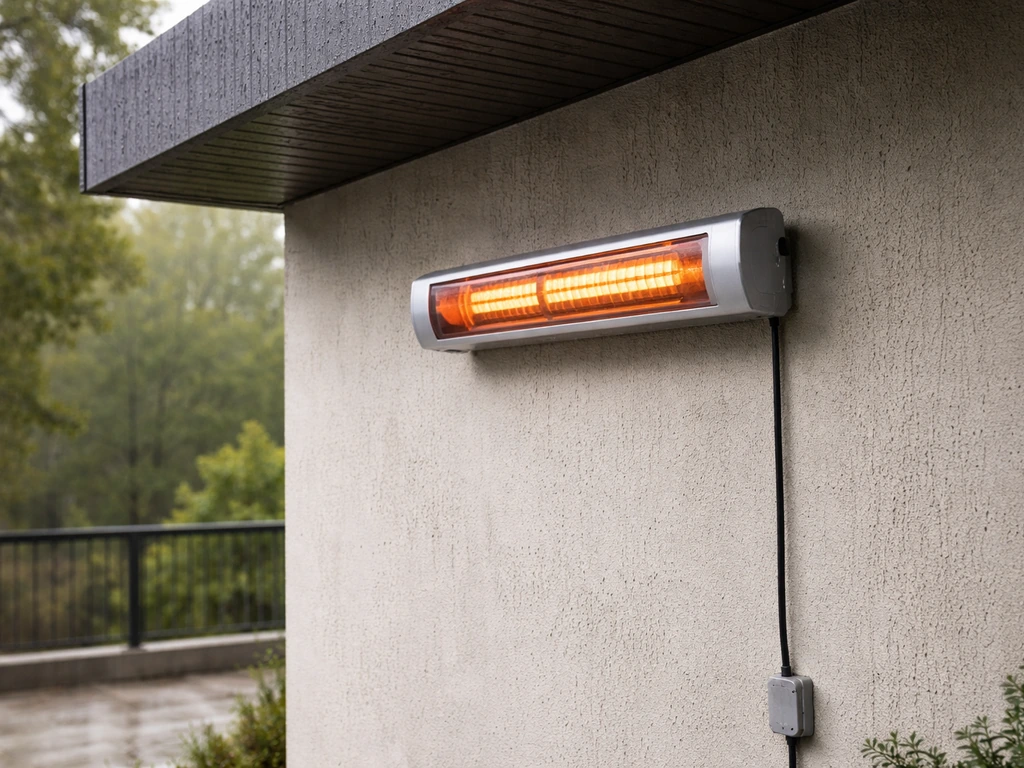
If you don't want to hardwire anything, a 1500W freestanding infrared heater gives you a real outdoor heating option with zero installation. The Phewnyzo and Pasapair models both include tip-over protection, overheat protection, and IPX5 waterproofing, a solid safety package for the price. The honest trade-off: at 1500W, these heaters are close-range devices. You need to be within 5 to 7 feet and aimed directly at the element to feel meaningful warmth.
I've seen buyers complain these feel underpowered, and almost every time it's a placement issue, the heater is aimed at the air rather than directly at seated people. Aim it right, sit close, and a 1500W infrared heater works well on cool evenings. Expect to heat one or two people, not a whole patio.
Best pick by use case
| Use Case | Best Pick | Why It Works |
|---|---|---|
| Small covered patio or balcony | Herschel California 2000R | IP65 rated, 2kW, easy installation height, overheat protection |
| Medium covered patio (dining area) | Herschel Manhattan 3000W | Remote + timer, two power levels, 3kW output, covered-area use |
| Medium-to-large covered patio (mounted) | Infratech CD-3024 SS | 3000W, 7x7 ft coverage at 7–8 ft height, half/full power dual element |
| Large premium covered patio | Infratech WD-6024 SS | 6000W, 240V, dual-element independent control, concentrated warmth |
| Close-range spot heating / no wiring | Phewnyzo or Pasapair 1500W | Plug-in, tip-over + overheat protection, IPX5, portable |
| Open/uncovered patio exposed to rain | Herschel California 2000R | IP65 is the minimum you need for genuine rain exposure |
The specs that actually matter when reading infrared heater reviews
Heat output: watts, not just BTUs
Electric infrared heaters are rated in watts (or kilowatts). You'll sometimes see BTU equivalents listed, but the wattage is what matters for sizing and electrical planning. As a rough guide: 1500W covers a small spot or one to two people at close range, 2000–3000W covers a small-to-medium patio zone at 7–8 feet mounting height, and 6000W handles larger zones or buyers who want intense, fast warmth. Don't get distracted by BTU comparisons to propane heaters, the heating mechanisms are different enough that direct BTU comparisons mislead more than they help.
Coverage distance and mounting height
Manufacturer coverage claims are a starting point, not a guarantee. The Infratech CD-3024's 7x7 ft coverage at 7–8 ft mounting height is a reasonable real-world estimate in calm, mild conditions. In cold or windy conditions, coverage shrinks, Infratech's own documentation notes this. When evaluating coverage claims, always check what mounting height they're based on and whether the manufacturer acknowledges environmental limits. If a product page just says '200 sq ft coverage' with no mounting height specified, treat that number skeptically.
Controls and thermostats
Power-level control is underrated in most reviews. Being able to run at 50% or 100% means you can extend element life on mild evenings and reduce running costs. The Herschel Manhattan's remote with two power levels and 24-hour timer is a practical convenience most buyers end up valuing. The Infratech dual-element models achieve the same result with independent element switching. For portable units, a simple rotary or push-button control is typical, and that's fine for occasional use.
Safety features
For any infrared patio heater, check for these safety features before buying: overheat protection (cuts power automatically), tip-over shutoff (critical for freestanding units), and a published IP rating for weather resistance. IP54 is the baseline for covered outdoor use. IP65 is what you need for open-air or rain-exposed installations. Also note clearance-to-combustibles requirements, most ceiling-mounted infrared heaters require at least 3 feet (0.9 meters) of clearance from drapery, furniture, and other combustibles, and meeting this in real patio layouts can be trickier than it looks on paper.
Element type and durability
Quartz tube elements (used by Infratech and many others) are the workhorses of the electric infrared category, fast to heat, durable, and well-understood. Some budget models use carbon fiber or halogen elements, which can be less durable outdoors. When reading reviews, pay attention to whether element replacements are available and what they cost, because element life is the main long-term maintenance cost for infrared heaters.
Setup, placement, and getting real warmth
The single biggest reason infrared heaters underperform in real-world use is poor placement. Infrared heat is directional, it warms what it's aimed at. A ceiling-mounted heater works best when seated people are directly beneath or within its coverage cone. A wall-mounted angled unit should point toward seating, not toward the open sky or adjacent walls. For portable heaters, aim the element at people's torsos, not at head height or over their heads.
For ceiling-mounted models, confirm the minimum floor clearance before purchase, typically 71 inches (1800mm). Standard 8-foot ceilings give you just enough clearance, but anything lower requires measuring precisely. Keep the required 12 inches of top clearance in mind for Herschel units installed in tight pergola overhangs. For any heater: keep combustibles (curtains, wood screens, fabric furniture covers) at least 3 feet away from the element.
Wind is the real enemy of outdoor infrared performance. While infrared is more wind-resistant than convective heating, effectiveness drops measurably at wind speeds above about 5 MPH. If your patio is exposed to regular wind, adding a windbreak, even a simple glass or polycarbonate panel, dramatically improves perceived warmth. This is a cheap fix that most buyers overlook and every reviewer should mention.
- Measure your patio square footage and ceiling or mounting height before choosing a heater.
- Confirm your electrical supply can support the heater's load (3000W on 120V or 240V; 6000W always needs 240V with appropriate circuit sizing).
- For hardwired units, hire a licensed electrician — loose wiring connections cause element failures.
- Mount ceiling units so the element faces directly toward main seating, not toward walls or open ends of the patio.
- Add a windbreak if your patio is exposed to wind above 5 MPH.
- Keep at least 3 feet of clearance between the heater and any combustible materials.
- Test the heater at 50% power on mild evenings to extend element life and lower running costs.
Common issues and mistakes to avoid before you buy
Buying too little wattage for an open patio
A 1500W portable heater will feel underwhelming if you're trying to heat a 200 sq ft open patio on a cold evening. These units are close-range devices. If you size based on room square footage alone (the way you'd size an indoor heater) without accounting for the open-air heat loss and seating distance, you'll end up disappointed. Use mounting height and coverage zone specs, not just square footage, as your primary sizing guide.
Ignoring IP rating for your specific installation
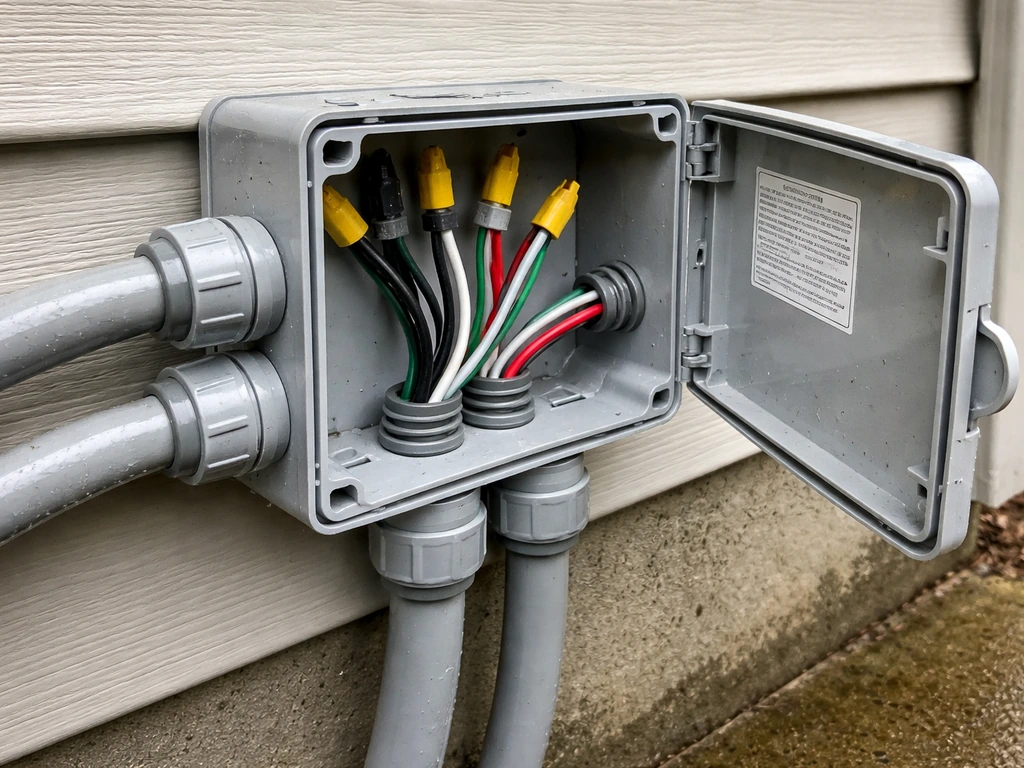
IP54 and IP65 are not interchangeable in real outdoor conditions. The Herschel Manhattan is a great heater, but if you install an IP54-rated unit in a position exposed to driving rain, you're inviting moisture damage and voiding your warranty. Always match the IP rating to your actual installation conditions, not the most optimistic interpretation of 'outdoor use'.
Underestimating electrical installation complexity
High-wattage infrared heaters, especially 240V dual-element models like the Infratech WD-6024, require proper circuit sizing, outdoor-rated wiring components (minimum IPX4 rating per Infratech's own installation specs), and compatible control hardware. Running a 6000W heater on undersized wiring is a fire risk. Budget for professional installation when buying any hardwired infrared heater; it's not optional.
Clearance problems you discover after installation
Real buyers on forums regularly discover after mounting that their outdoor screens, curtains, or wood columns are closer than the required combustible clearance allows. This is especially common with ceiling-mounted heaters in screened porches. Measure your clearance distances with tape before purchase, not after the electrician has already run wiring.
Warranty and long-term costs
Infrared element warranties vary widely. Budget portable heaters often carry just a one-year warranty. Premium brands like Infratech and Herschel generally offer stronger coverage and better parts availability. Herschel has over 1,200 verified customer reviews on Trustpilot, which is a reasonable signal for post-purchase support reliability. Before buying any infrared heater, confirm that replacement elements are available and reasonably priced, that's your biggest recurring maintenance cost over the heater's lifespan.
If you're comparing specific models in more depth, it's also worth looking at dedicated electric infrared patio heater comparisons or UK-specific infrared patio heater guides, since voltage standards and product availability differ by region, what's easy to source in the US (like Infratech's CD and WD series) may be less accessible in the UK, where Herschel and similar brands dominate. If you want the single best electric infrared patio heater for your setup, focus on wattage, mounting height, and the right weatherproofing rating for your patio. If you want a quick starting point, use our guide to find the best infrared patio heater UK for your patio size and weather conditions.
FAQ
Do electric infrared patio heaters plug in, or do I always need hardwiring?
Most ceiling-mounted electric infrared heaters need a hardwired connection, not just a “weatherproof outdoor plug.” If the product does not explicitly state plug-in use, assume you will need an electrician to install an outdoor-rated junction box and the correct circuit (including the right amp rating for a 2000W to 6000W model).
How do I estimate real coverage if the brand’s “square feet” claim seems optimistic?
Coverage depends heavily on mounting height and seating distance, and wind reduces the effective area. A good way to avoid disappointment is to plan for the manufacturer’s stated coverage as a best-case zone, then size one step higher if your patio is open, drafty, or you sit farther than the recommended cone.
Can I improve performance with placement, angles, or nearby surfaces?
Yes. Since infrared is directional, reflectors and nearby surfaces can either boost warmth or steal it. If you have bare walls or a pergola beam, the radiation will bounce and heat more effectively than if the heater is aimed toward open space; aim portable units at people, and for wall/ceiling units verify the seating sits inside the heat cone.
What’s the practical difference between IP54 and IP65 for patios that get rain?
Look for a published IP rating and also check whether the manufacturer includes installation restrictions for wet conditions. IP54 units are often “splashproof,” not meant for driving rain, so mounting under a solid roof matters; IP65 is designed for water jets from multiple directions.
How strict are clearance-to-combustibles rules, and what do people usually measure wrong?
Measure the clearance to combustibles before you buy, not after installation. Many failures come from drapery, wood screens, fabric outdoor curtains, and even decorative trim being closer than the heater’s required distance from the element or face.
Is it worth paying for power-level control (1500W vs 3000W) on infrared heaters?
If you buy a dual-element or multi-power model, using half power on milder evenings can reduce how often the heater runs at full output. This can lower energy cost and potentially reduce element wear, but only if you still meet the heat demand for your seating distance.
Which heating element type lasts longest outdoors, and can I replace it later?
Quartz tube infrared elements usually last longer than many carbon fiber or halogen alternatives in outdoor exposure, but long life still depends on product quality and correct clearance. Before choosing, confirm whether replacement elements are sold separately and what they cost, because that’s the most common future maintenance expense.
What electrical issues should I verify before buying a 240V, high-wattage infrared heater?
A “6000W heater on the wrong circuit” is one of the biggest edge-case risks. Ensure you have the correct 240V circuit capacity, outdoor-rated wiring, and compatible control hardware, and do not use indoor extension cords or undersized wiring for any high-wattage unit.
If infrared has a “residual heat” effect, can I turn it off early and still stay comfortable?
Residual warmth can happen, but you should still treat the heater output as the main driver for the first minutes. If you want a consistent warm experience for guests, use the timer or staged power levels rather than relying on heat soak alone after shutdown.
How should I place a freestanding infrared heater safely, especially if it has tip-over protection?
Freestanding units are more vulnerable to being knocked over and are usually intended for close-range use. Even with tip-over protection, place it on a stable surface, keep it aimed at seated people, and do not operate it near high-traffic areas where bumps are likely.
What should I troubleshoot first if my patio infrared heater feels underpowered?
If the heater feels weak, the most common cause is aiming or distance, not defective output. For portable units, try lowering the height so the element faces torsos, stay within the recommended 5 to 7 foot range, and avoid pointing the heater at empty air or overhead space.