
Alternative Energy Hearth & Patio Shoppe LLC is a full-service hearth and outdoor living retailer located at 114 Lafayette Road in Hampton Falls, NH (phone: 603-926-0388, website: alternativeenergyhearth. Alternative Energy Hearth and Patio Shoppe lists its location as 114 Lafayette Road, Hampton Falls, NH located at 114 Lafayette Road in Hampton Falls, NH.
Alternative Energy Hearth and Patio Shoppe LLC Guide

Willa Brennan
5 May 2026
com). They sell and install gas stoves, fireplaces and inserts, wood stoves and inserts, electric stoves and fireplaces, pellet stoves, BBQ grills, patio furniture, and hearth accessories. They've been in business since 2004, carry multiple brands, and offer installation and after-sale service on everything they sell.
If you found this shop while searching for a patio heater or hearth product, you're in the right ballpark, but to walk in (or call) with confidence, you need to know which fuel type, heat output, and heater style actually fits your outdoor space.
What Alternative Energy Hearth & Patio Shoppe Actually Sells
The shop is a specialty hearth retailer, not a big-box general merchandise store. That distinction matters because it means the staff knows the products, can handle installation, and will support you after the sale. Their product categories span both indoor hearth products and outdoor heating and patio solutions, so whether you're looking for a living room fireplace insert or a backyard patio heater, this is a place that covers both ends of that spectrum.
- Gas stoves, inserts, and fireplaces (natural gas and propane options)
- Wood stoves and inserts
- Electric stoves and fireplaces
- Pellet stoves and inserts
- BBQ grills and outdoor cooking equipment
- Patio furniture
- Hearth accessories and supplemental heating products
The LLC structure and BBB listing (file opened March 2006) reflect a stable, established business rather than a pop-up retailer. They represent multiple hearth and outdoor-heating brands, which gives you options when comparing models side by side in one place. For patio heating specifically, the relevant categories are their gas, electric, and pellet product lines, since those translate directly to the most common outdoor heater fuel types you'll be choosing between.
Which Fuel Type Is Right for Your Patio Setup
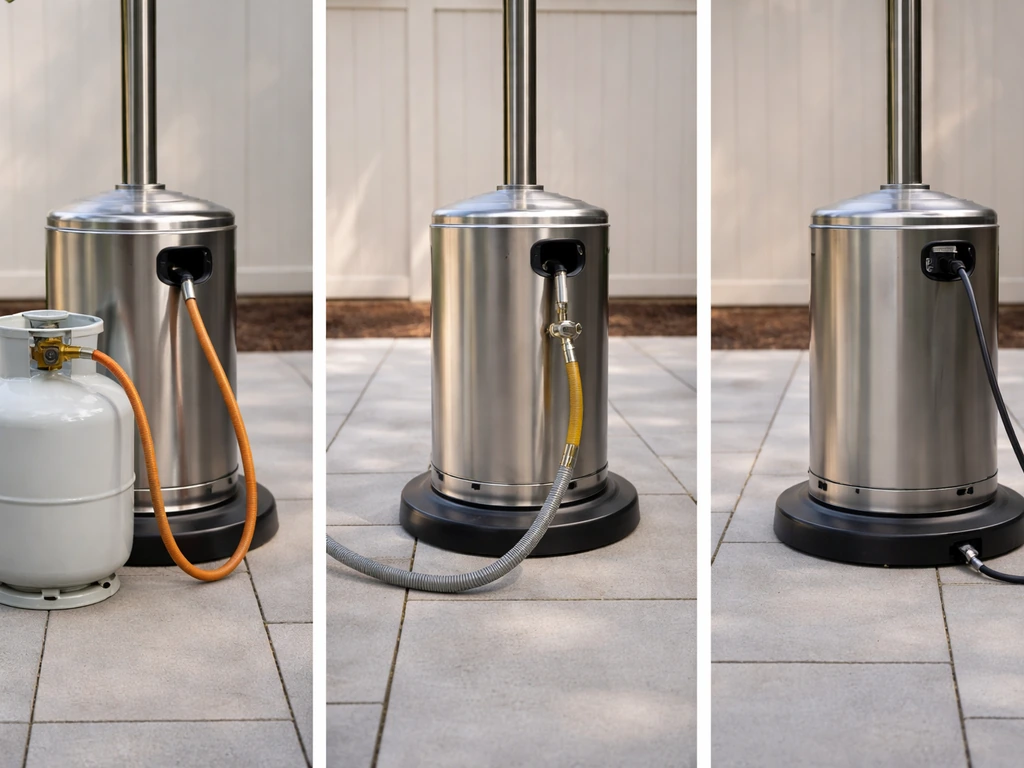
Before you call the shop or walk in, narrow down your fuel type. This single decision shapes your heater options more than anything else. Each fuel type has a genuine sweet spot, and real trade-offs.
Propane
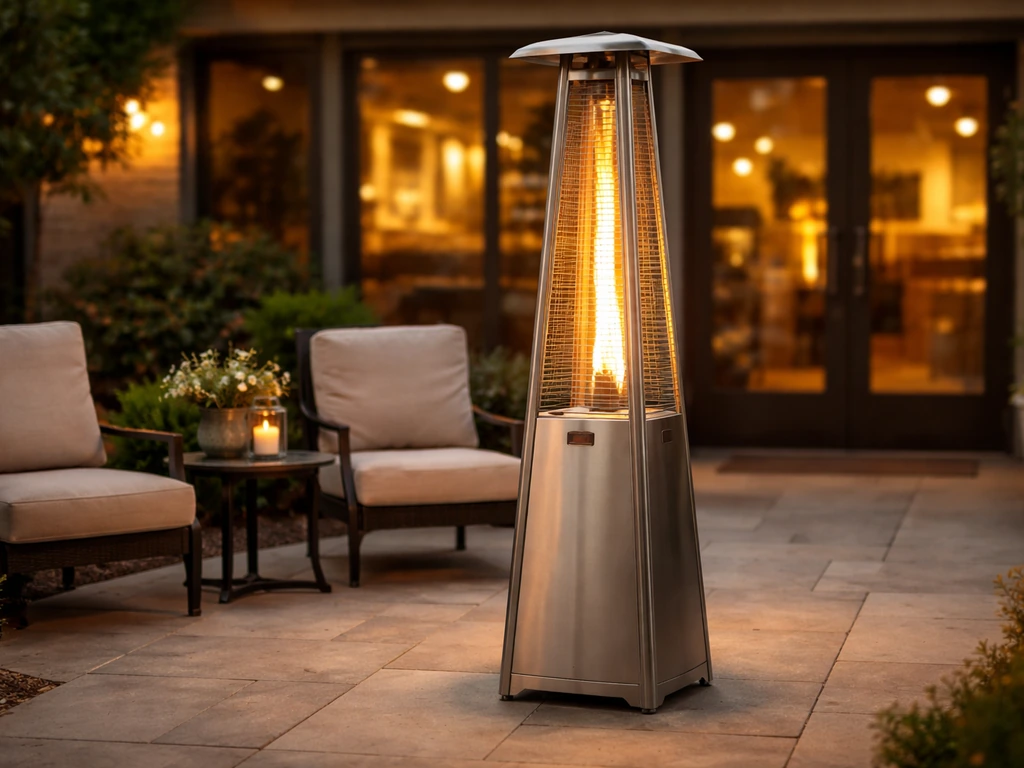
Propane is the most flexible option for most homeowners. You don't need a gas line, and you can move the heater around the patio. A standard 20 lb propane tank (the same size as a backyard grill tank) runs a typical 40,000-BTU patio heater for 8 to 10 hours. Propane heaters are great for uncovered or semi-covered patios, and the tall mushroom-style tower heaters that dominate the market are almost all propane. The downside: you're buying and swapping tanks, and propane prices fluctuate. If you entertain a lot, you'll go through tanks faster than you expect.
Natural Gas
If your home already has natural gas service and you're willing to run a line to the patio, a permanently piped natural gas heater is the most convenient long-term solution. No tanks to swap, lower per-BTU fuel cost, and it fires up instantly every time. The catch is the upfront installation cost and the fact that you're locked in place, you can't reposition the heater easily. Natural gas is the best choice for homeowners who have a fixed entertaining space and use it regularly throughout the colder months.
Electric
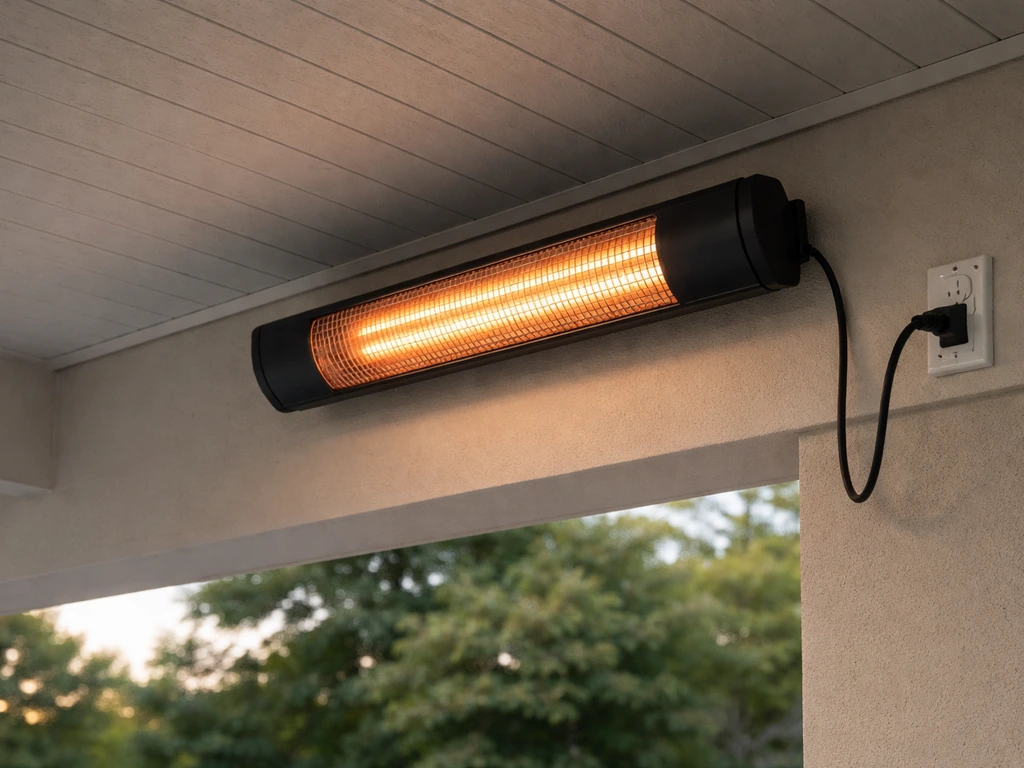
Electric patio heaters, especially infrared electric models, are the cleanest and easiest to install, just plug into a standard or dedicated outdoor outlet. They're ideal for covered patios, pergolas, and screened porches because they don't produce combustion gases and can be safely mounted overhead. Heat-up time is nearly instant (infrared warms objects and people, not the air), and you can control them with a switch or remote. The limitation is heat output: most residential electric models top out around 1,500 to 5,000 watts (roughly 5,100 to 17,000 BTUs equivalent), which is noticeably less than a full-size propane or gas heater. They're best for smaller covered spaces or as supplemental heat.
Pellet
Pellet stoves are primarily an indoor or semi-enclosed space product, you'll see them listed at hearth retailers like Alternative Energy Hearth & Patio Shoppe as a home heating option rather than a standalone backyard patio heater. Outdoors, pellets need protection from moisture, and the hopper-fed mechanism isn't suited for open-air use. If you're looking for a pellet-based heating option for a well-enclosed porch or a sunroom, they can work beautifully and are extremely fuel-efficient. For a standard open or partially covered patio, look at propane, gas, or electric instead.
| Fuel Type | Best For | Heat Output | Installation | Flexibility | Running Cost |
|---|---|---|---|---|---|
| Propane | Open/uncovered patios, portability | 30,000–48,000 BTU | None (tank-fed) | High — moveable | Medium (tank refills) |
| Natural Gas | Fixed covered/uncovered patios, heavy use | 30,000–50,000 BTU | Gas line required | Low — fixed position | Low (piped gas) |
| Electric (Infrared) | Covered patios, porches, pergolas | 5,100–17,000 BTU equivalent | Outlet or hardwire | Medium — wall/ceiling mount | Medium (electricity rates) |
| Pellet | Enclosed porches, sunrooms, indoor-outdoor spaces | Varies by unit | Venting required | Low — semi-permanent | Low-medium (pellet bags) |
Features That Actually Matter When Comparing Patio Heaters
Once you've settled on a fuel type, here's what to evaluate when comparing specific models at any shop, including Alternative Energy Hearth & Patio Shoppe.
Heat Output (BTU or Wattage)
BTU is the standard measurement for gas and propane heaters. A 40,000 BTU heater can comfortably warm a 10x10-foot area, and a 48,000 BTU model stretches to roughly 12x12 feet in calm conditions. For electric heaters, look at wattage: 1,500W covers about 150 square feet indoors or a small covered patio area. Don't over-buy on BTUs for a small patio, a 48,000 BTU tower heater on a 6-foot balcony is overkill and a waste of fuel.
Coverage and Heat Range
Tower-style and mushroom-head heaters radiate heat in a 360-degree pattern and typically cover a diameter of 15 to 20 feet at full output. Directional wall-mount or ceiling-mount heaters focus heat in a cone-shaped pattern and are better for seating areas against a wall or under a pergola roof. For a large open patio with multiple seating zones, two medium heaters placed strategically often outperform one large central heater.
Ignition and Controls
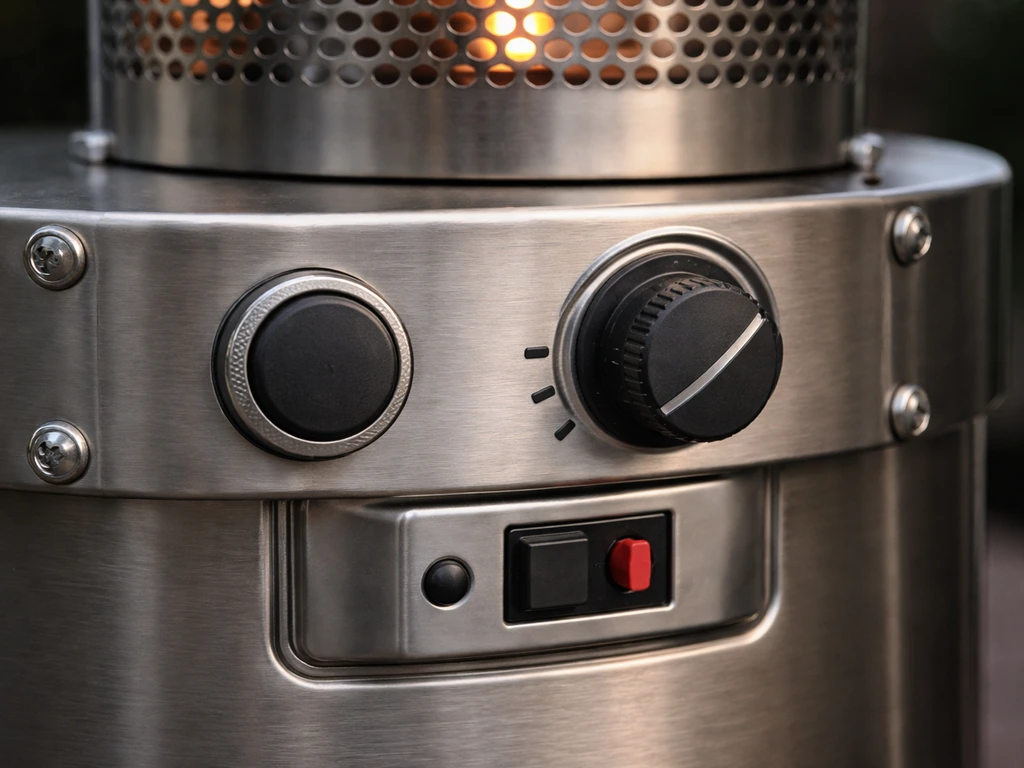
Electronic ignition (push-button or piezo) is much more convenient than match-lighting on a cold evening. Look for models with a variable heat dial or multiple output settings rather than single-output units. Remote controls and smart home compatibility are worth it if you entertain frequently, since you won't want to walk across the patio every time you adjust the heat. For electric infrared models, a built-in timer is a genuinely useful feature.
Safety Features
The minimum safety feature for any propane or gas patio heater is an auto shut-off (tip-over switch) that kills the gas if the unit falls over. For electric heaters, look for overheat protection. For enclosed or semi-enclosed spaces, make sure any gas or combustion heater is rated for that use, indoor-rated only means it's designed with low-oxygen shutoffs and proper flue connections. Don't use an open-flame propane heater in a fully enclosed space without proper ventilation.
Wind and Weather Performance
Open-flame heaters lose a significant amount of effective heat in windy conditions. If your patio is exposed, look for models with glass wind guards around the burner (common on freestanding propane towers) or consider an infrared electric model, which heats objects directly and is less affected by wind than convective heat. For New Hampshire winters specifically, check the minimum operating temperature for any electronic ignition system, some fail to light reliably below freezing.
Best Options by Patio Type and Size
Small Covered Patio or Screened Porch (Under 150 sq ft)
A wall-mounted or ceiling-mounted electric infrared heater is the cleanest choice here. It mounts out of the way, heats instantly, and doesn't require fuel storage or ventilation. A 1,500W to 2,000W unit is plenty for this size space. If you want the ambiance of a flame, a small electric fireplace insert from a shop like Alternative Energy Hearth & Patio Shoppe can do double duty as a heating and decorative feature in an enclosed porch.
Medium Open or Semi-Covered Patio (150–350 sq ft)
This is the sweet spot for a freestanding propane tower heater in the 40,000–46,000 BTU range. Place it centrally in the seating area, and it'll cover the space effectively. If you have natural gas at the house, ask the shop about permanent patio heater installation, the upfront cost is offset within a couple of seasons if you use it regularly.
Large Open Patio or Deck (350+ sq ft)
Two propane tower heaters or a combination of one central propane heater and wall-mounted electric heaters near seating areas will outperform a single unit at this scale. Alternatively, a natural gas overhead heater (plumbed in) mounted on a pergola or patio cover beam is an elegant permanent solution that keeps floor space clear.
Tabletop Heaters for Small Gatherings
Tabletop propane heaters (typically 10,000–11,000 BTU) are ideal for intimate seating areas, bistro tables, or balconies where a full tower heater is impractical. They run on 1 lb disposable propane cylinders or a small refillable canister. Don't expect them to heat more than a 5-foot radius, but for two to four people sitting close together, they're surprisingly effective and easy to stow away. Tabletop infrared electric models also exist and are worth asking about if you have an outdoor outlet nearby.
How to Evaluate a Hearth and Patio Shop Before You Buy
Whether you're buying from Alternative Energy Hearth & Patio Shoppe or any other local hearth retailer, run through these checkpoints before committing to a purchase. A good shop makes a meaningful difference compared to buying blind online, especially for anything that requires installation. Local retailers such as Better Homes Hearth & Patio can also help you compare options and plan the right installation for your outdoor setup.
- Product mix across fuel types: Does the shop carry options across propane, electric, natural gas, and pellet categories? A broader inventory means you're getting recommendations based on what's right for you, not just what's in stock. Alternative Energy Hearth & Patio Shoppe explicitly covers all four fuel types.
- Installation capability: Can they install what they sell? Full-service installation matters for gas lines, pellet stove venting, and fireplace inserts. Confirm the shop handles permits and inspections if required in your area.
- Warranty and after-sale support: Ask specifically what happens if your heater has a problem in year two. Does the shop handle warranty claims directly, or are you on your own with the manufacturer? 'We support what we sell' is the right answer.
- Brand representation: Multi-brand dealers can help you compare models objectively. Ask why they recommend one brand over another for your specific situation.
- Reviews and consumer feedback: Check Google reviews, BBB standing, and any consumer feedback for specific installation quality and responsiveness to problems — not just product satisfaction. A 21-year track record (since 2004 for Alternative Energy Hearth & Patio Shoppe) is a good baseline signal.
- Price vs. value: Specialty retailers charge more than big-box stores on the product itself, but that difference is often recouped in correct installation, fewer callbacks, and warranty handling. Get an installed price, not just a unit price, for any gas or pellet product.
For comparison, shops like Better Homes Hearth & Patio and Best Fire Hearth & Patio operate in a similar specialty retail niche, and evaluating them using the same checklist will help you make a fair comparison if you're weighing multiple local options. If you are looking for the best fire hearth & patio products for your home, use the same checklist to narrow options by fuel type, heat output, and coverage.
Installation, Setup, and Safe Use Basics
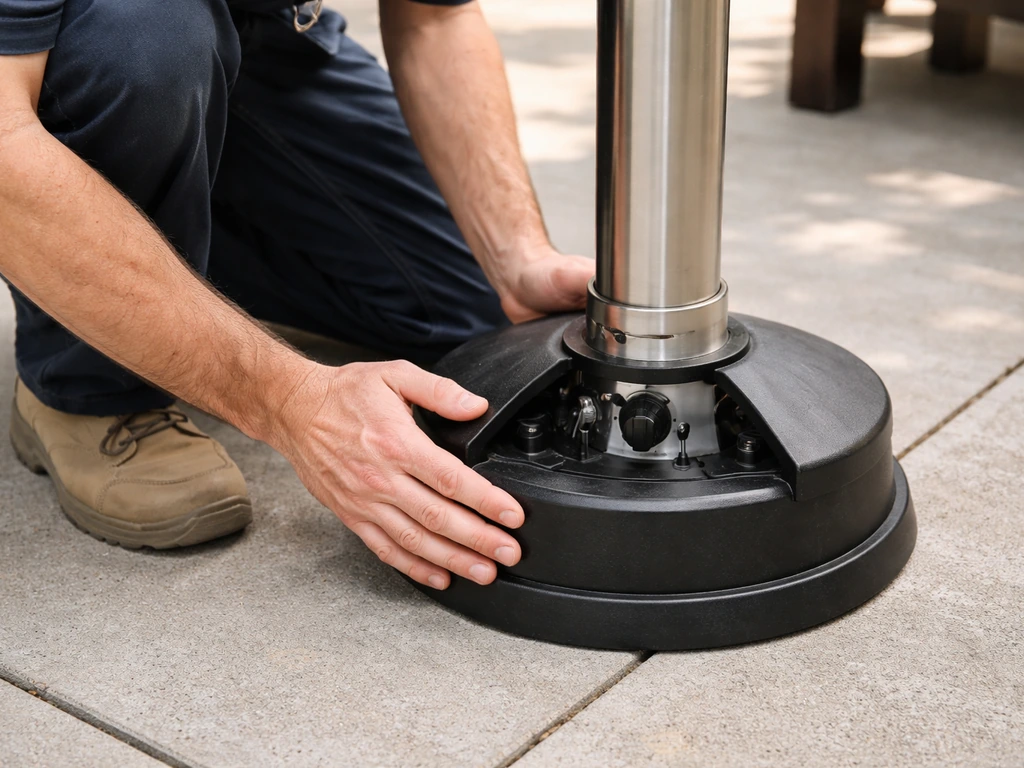
Getting the heater right is only half the job. blank" rel="noopener noreferrer">Setting it up safely and using it correctly prevents the most common problems that end in damage, injuries, or wasted money.
Clearances
Every patio heater has a minimum clearance requirement from combustible materials (wood decking, overhead structures, umbrellas, awnings, and furniture). For most freestanding propane tower heaters, the standard is 3 feet of clearance on all sides and 8 feet of vertical clearance from the burner head to any overhead surface. Infrared electric heaters mounted overhead typically require 24 to 36 inches of clearance below the element. Always check the manufacturer's spec sheet, don't guess.
Ventilation for Gas and Pellet Products
Any combustion heater (gas, propane, pellet, or wood) requires adequate air for combustion and a path for exhaust gases to escape. For patio heaters used outdoors in open or semi-open air, this is usually not an issue. For pellet stoves and fireplace inserts installed in enclosed spaces (porches, sunrooms, or homes), proper venting to the outside is non-negotiable and usually requires a professional installation. Carbon monoxide is odorless and deadly, a CO detector is cheap insurance for any enclosed space with a combustion appliance.
Weather and Seasonal Storage
Propane and natural gas heaters should be covered or stored when not in use, especially through New Hampshire winters. Moisture getting into burner components causes corrosion and ignition failures. For propane units, close the tank valve and disconnect the regulator before covering or storing. Electric heaters left mounted outdoors year-round should be rated for outdoor use (IP44 or higher weather resistance rating at minimum). Pellet stove fuel (bags of pellets) must be kept dry, a wet pellet bag turns into sawdust paste and will jam your auger.
Basic Operation Reminders
- Always open the propane tank valve slowly and check for gas smell before igniting
- Never leave an open-flame heater unattended around children or pets
- Turn off gas at the source (tank valve or shutoff) when done — don't just rely on the control knob
- Inspect burner screens and pilots at the start of each season for spider nests and debris (this is the most common cause of gas heater ignition failure)
- Test your CO detector at the start of each heating season if you have any combustion appliance in an enclosed space
Alternatives and Backup Plans If the Shop or Fuel Type Doesn't Fit
Sometimes a local shop's inventory doesn't match your specific need, or the fuel type you want isn't practical for your property. Here's how to adapt.
If Propane Isn't Practical
Switch to electric infrared. If your patio has a covered section, a hardwired or plug-in infrared heater from a brand like Dr. Infrared, Bromic, or Infratech gets you reliable heat without tanks. You'll lose some raw BTU output but gain convenience and zero fuel logistics. For a medium-sized covered patio, two 2,000W electric infrared heaters placed 6 to 8 feet apart will rival a single propane tower heater in comfort.
If Natural Gas Installation Cost Is Too High
Start with propane and use a bulk propane setup (a 100 lb tank instead of a standard 20 lb grill tank) to reduce swap frequency. A 100 lb tank runs a 40,000 BTU heater for roughly 40 hours, that's a full season of casual entertaining for many households. If you eventually run a gas line, most propane heaters can be converted with an orifice swap kit.
If the Shop Doesn't Carry What You Need
Other specialty hearth and patio retailers operate in the same niche and use a similar full-service model. If you want to see what customers actually think about specific heaters and retailers, check hearth and patio reviews alongside the specs before you buy. Shops reviewed under categories like hearth and patio reviews or Albany-area hearth and patio retailers (such as Best Fire Hearth and Patio in Albany, NY) follow the same evaluation criteria: product breadth, installation capability, brand representation, and after-sale support. Online direct-to-consumer brands like Bromic, Napoleon, and Twin-Star can also fill gaps for specific models, but you lose the installation support that justifies a specialty retailer's price premium.
When to Consider Switching Fuel Types Entirely
Rethink your fuel type if: you're spending more than $150 per season on propane tanks (natural gas or electric will pay back faster), your propane heater keeps failing to light in cold weather (switch to electric for below-freezing reliability), or you're converting an open patio into an enclosed sunroom (combustion heaters now need venting, and electric or pellet may be simpler). The right fuel type for your patio today may not be the right one after a renovation, don't lock yourself into a permanent gas install without thinking through future plans.
FAQ
What’s the fastest way to decide between electric infrared and propane for my patio?
If you want instant heat with minimal fuel hassle, choose electric infrared for a covered area, because it warms people and objects quickly and avoids tank storage. If your patio is uncovered or very windy, propane or natural gas usually delivers more usable heat, but you should plan for tank swaps (propane) or pay for fixed piping (natural gas).
Do BTU and wattage estimates still hold true if my patio is windy?
The coverage ranges in the guide assume relatively calm conditions and typical outdoor seating layouts. In coastal winds, near open doorways, or on patios with strong cross-breezes, expect noticeably less effective heat, so you may need a higher output, a wind-guard model, or two heaters rather than one.
How do I figure out whether I can mount an infrared heater under a pergola or porch ceiling?
Overhead mounting is a real constraint for electric infrared units. Measure from the bottom of the heater element to the lowest combustible surface (ceiling beams, pergola slats, umbrellas), then follow the manufacturer clearance range, since “pretty close” can lead to heat buildup and premature component wear.
What are the most common reasons a propane tower heater won’t start, and what should I check first?
For propane towers, look for a tip-over auto shut-off, then also check the regulator hose routing and protection from foot traffic. Many problems blamed on “the heater” are actually caused by a partially kinked hose, a dirty burner, or an empty or low-pressure tank swap, so inspect those basics before troubleshooting ignition.
If I put a combustion heater on a covered porch, what extra safety checks matter most?
In enclosed porches or sunrooms, “indoor-rated” does not automatically mean “safe for any enclosure.” You still need the correct venting, and you should confirm whether the unit requires direct venting or a flue path to the exterior, and whether the space volume is appropriate for combustion appliances.
Will switching from a standard 20 lb propane tank to a larger bulk tank solve most fueling issues?
If you’re trying to reduce tank swaps, a bulk setup (like a larger propane tank) helps, but you should still keep the heater on a practical fueling plan. Ask the shop whether the larger tank will require a compatible regulator and hose length for your patio layout, so you don’t lose pressure or create trip hazards.
How should I think about payback time when choosing between propane and a permanent natural gas patio heater?
When you compare propane versus natural gas, include the installation payback window, not just the per-BTU cost. If you entertain only sporadically, you may not recover the upfront piping cost, but if you use the heater repeatedly through the cold season, natural gas typically wins on convenience and long-term expense.
What readiness issues should I consider before buying, like outlets, clearance, and storage?
Don’t confuse fuel storage needs with electrical requirements. Electric heaters still need weather-rated outdoor power (and correct circuit capacity for plug-in use), while gas and propane need clearance, gas shut-off safety, and protection from moisture during winter storage.
Why does one large heater sometimes feel worse than two smaller heaters on the same patio?
Most users underestimate the “seating geometry” problem. If your group sits across different sides of a patio, two smaller heaters aimed at each seating zone can feel warmer than one centrally placed heater, because directional or localized radiant heat reduces cold spots.
What should I watch for regarding ignition reliability during New Hampshire winters?
For winter reliability in New Hampshire, ignition performance at low temperatures matters. If electronic ignition struggles below freezing, consider an electric infrared setup for the coldest months or verify the heater’s stated minimum operating temperature before you commit.
What’s the correct way to store a propane or electric patio heater for winter?
Before storing any patio heater, protect against corrosion and ignition failures by keeping burners and valves clean and dry. For propane, close the tank valve, disconnect the regulator as recommended, and use a breathable cover suitable for outdoor equipment, not a sealed plastic bag that traps condensation.
Are tabletop propane or infrared heaters worth it for a small balcony, and what limits should I expect?
For tabletop heaters, the practical limitation is radius and line of sight to the flame or emitter. They work best when people sit close together and the heater is not obstructed by umbrellas, hanging items, or tall backs that block the radiant path.