
The Fire Sense 46,000 BTU propane patio heater (model 01775) is a solid mid-to-large outdoor heater that works best on open patios up to about 15–18 feet in diameter. It runs on a standard 20 lb propane tank, lights via electronic ignition, and puts out enough heat to keep a group of 6–8 people comfortable on a cool evening. It's not perfect for every space, but if you have an open patio, a backyard deck, or a restaurant-style outdoor setup and want a tall freestanding mushroom-style heater with commercial-grade output, this one deserves a serious look.
Fire Sense 46000 BTU Patio Heater Review: Performance, Specs

Willa Brennan
17 Jun 2026
What this heater is and who it's actually built for
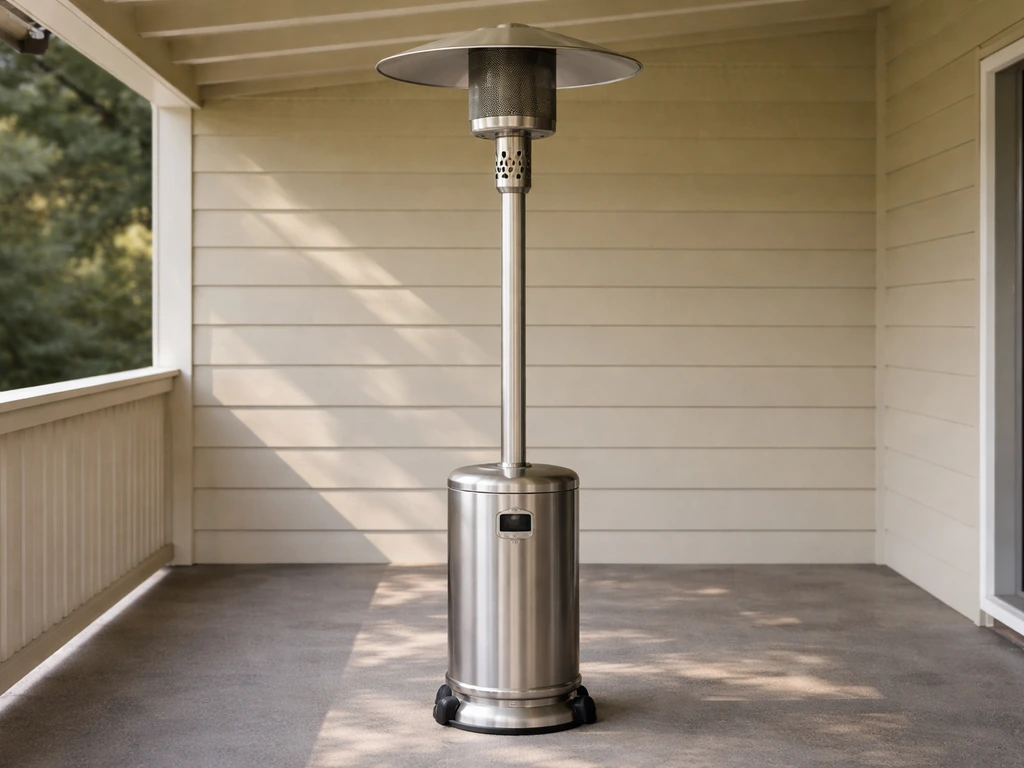
The Fire Sense 01775 is a freestanding, propane-fueled patio heater in the classic "mushroom" tower style. It stands about 89 inches tall, uses LPG (propane) only, and is marketed under both the Performance Series and Commercial Series labels depending on the retailer. You'll find it sold at places like Home Depot, Tractor Supply, and BBQGrills, sometimes in stainless steel and sometimes in a hammered platinum finish. The design is familiar: a weighted base, a pole, a burner head with a dome reflector on top, and an emitter ring that radiates heat outward in a wide arc.
This heater is built for people who want serious output without going through a natural gas line hookup. It's a good fit for homeowners who entertain on large open patios, restaurant owners or event hosts who need portable heat that can move around, and anyone who wants to extend their outdoor season into the fall and early spring. It's not really a casual "warm up a small corner of my patio" product. At 46,000 BTU, it's built to heat a real space, and its size and weight reflect that.
Heat output and real-world coverage: what 46,000 BTU actually means
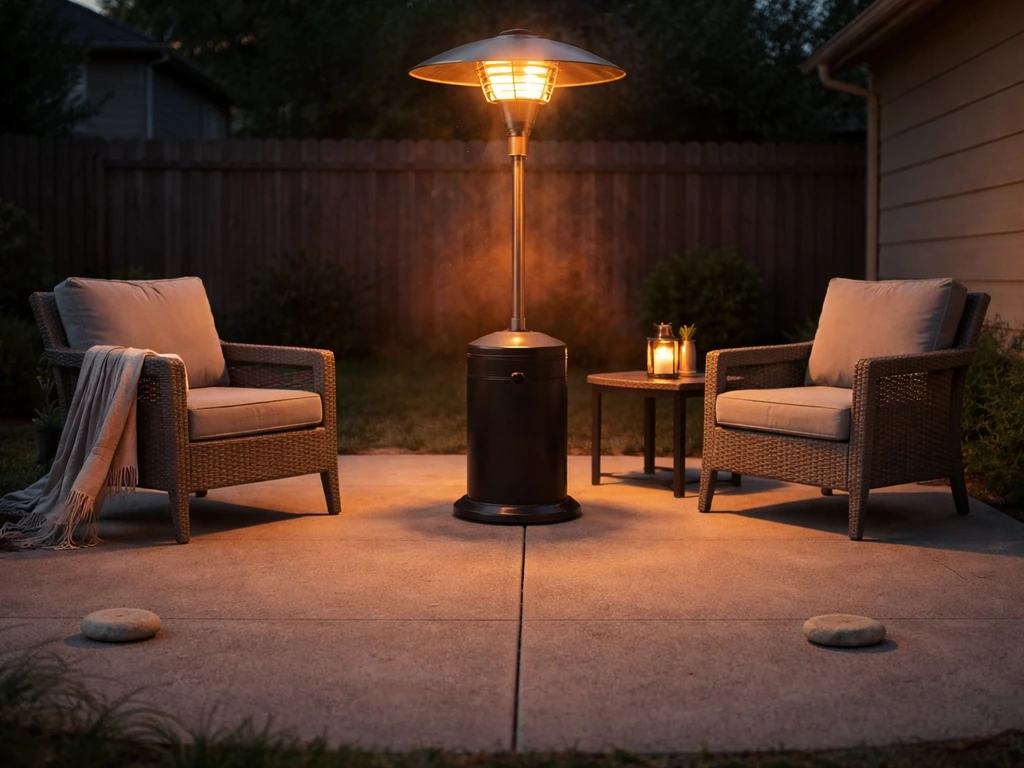
BTU stands for British Thermal Unit, and it's a measure of how much heat a burner produces per hour. At 46,000 BTU, the Fire Sense 01775 is at the high end of what residential and light commercial propane patio heaters offer. In practical terms, that translates to comfortable warmth across roughly a 15-to-18-foot radius on a calm night. You can comfortably heat a group gathered around the heater within about 10–12 feet in most conditions.
The key caveat is wind. Mushroom-style propane heaters like this one are radiant heaters, meaning they warm people and objects directly rather than warming the air. That makes them reasonably effective even in light breezes, but once you get into sustained wind above 10–15 mph, the heat dissipates quickly and coverage shrinks noticeably.
Some users on Reddit and Home Depot reviews have been underwhelmed by the perceived heat output, and that's almost always a wind or placement issue rather than a defect. In a Costco Reddit discussion about the Fire Sense patio heater, commenters similarly focus on expectation management, comparing real performance to how the heat feels in practice Some users on Reddit and Home Depot reviews have been underwhelmed by the perceived heat output.
If your patio is exposed and regularly windy, a wind screen or a more sheltered placement will make a significant difference.
On the fuel side, a standard 20 lb propane tank holds roughly 430,000 BTU worth of fuel. Running this heater at full output (46,000 BTU/hr), you're looking at about 9–10 hours per tank. In practice most people run it on a lower setting, so you can reasonably expect 10–12 hours or more of use per fill. That's a cost of roughly $4–6 per tank depending on your local propane prices, which is very competitive compared to electric infrared heaters at scale. If you want real-world shopping impressions, a Fire Sense patio heater Costco review can help you compare value, heat performance, and overall satisfaction.
Key specs and standout features
| Spec | Detail |
|---|---|
| Model number | 01775 |
| Fuel type | Propane (LPG only) |
| BTU output | 46,000 BTU/hr |
| Height | Approx. 89 inches |
| Ignition | Electronic ignition |
| Tank size | Standard 20 lb propane tank |
| Estimated run time | 9–12 hours per tank |
| Safety shutoff | Auto-shutoff tilt valve |
| Clearance required | 36 in. above, 24 in. on sides (from combustibles) |
| Finish options | Stainless steel, Hammered Platinum |
The electronic ignition is a genuine quality-of-life upgrade over piezo push-button systems. You turn a knob, press the igniter, and the burner lights without needing a lighter or match. The auto-shutoff tilt valve is the most important safety feature: if the heater tips over, it automatically cuts the gas. That's a non-negotiable safety feature on any propane tower heater this tall, and the 01775 has it. The weighted base helps stability, but the tilt shutoff is your real protection against accidents.
The stainless steel construction holds up well to outdoor conditions. The dome reflector does a good job of directing heat downward and outward rather than straight up into the sky, which is what makes these mushroom heaters more efficient than a raw burner. The control knob lets you adjust flame height, so you're not locked into full blast. There's no digital thermostat or remote control on this model, but for a propane outdoor heater, that's normal and expected at this price point.
Honest pros and cons from everyday use
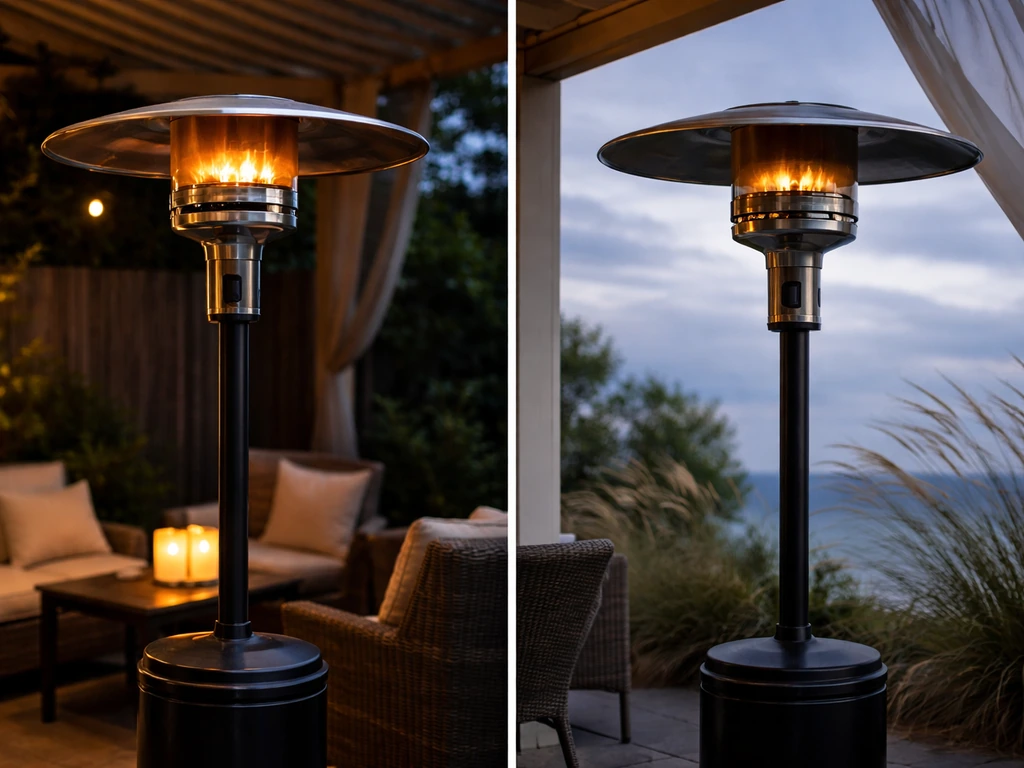
- Strong heat output: 46,000 BTU covers a genuinely useful area for group gatherings
- Electronic ignition works reliably in most conditions without needing a lighter
- Tilt auto-shutoff adds real peace of mind, especially with kids or pets nearby
- Runs on a standard 20 lb propane tank you can swap anywhere
- Stainless steel build holds up season after season with basic maintenance
- Adjustable flame means you can dial back heat and extend tank life
- Portable enough to reposition for different patio layouts or events
- Wind sensitivity is real: open or exposed patios dramatically reduce effective coverage
- Some units require 3–5 minutes of purging before the first ignition of the season (this is normal, but it can feel like a malfunction if you don't know to expect it)
- At 89 inches tall, it needs meaningful clearance overhead, making it unsuitable for low pergolas or covered spaces without careful planning
- No remote or thermostat control; you adjust manually at the heater
- Fuel costs add up if you're running it every night; natural gas line heaters are cheaper to operate long-term
- A handful of users report ignition reliability issues over time, often caused by spider web blockages in the burner rather than a defective unit
- The propane tank is stored inside the base, so you need to plan for easy access during refills
Setup, installation, and safe operation
Assembly is straightforward. The heater ships in sections that bolt together: base, pole sections, and burner head. Most people complete it in 30–45 minutes with basic tools. The propane tank sits inside the weighted base, which keeps the center of gravity low and the heater more stable.
Positioning matters a lot. The manufacturer requires a minimum of 36 inches of clearance above the heater dome and 24 inches of clearance on the sides from any combustible materials. That means if you're thinking about running this under a louvered aluminum pergola or a covered patio overhang, you need to measure carefully. A 36-inch clearance from the reflector dome to any overhead structure is the hard minimum. Many pergola and patio cover heights don't leave that much room once you account for the full 89-inch heater height, so check before you buy.
Once positioned, connect the propane hose to your 20 lb tank, open the tank valve slowly, and wait a moment for gas to reach the valve. On first use or at the start of a new season, air in the hose can delay ignition, so give it 3–5 minutes to purge if needed. Turn the control knob to the "start" or "high" position, press and hold the igniter button, and the burner should light within a few seconds. If it doesn't catch on the first try, release the knob, wait 30 seconds for any unburned gas to clear, and try again.
Never use this heater indoors, in a garage, or in any enclosed space. Propane combustion produces carbon monoxide, and even a covered patio needs good airflow. The USFA recommends keeping propane patio heaters in open-air or well-ventilated environments at all times. Keep the heater away from drapes, furniture cushions, and any flammable materials within the clearance zone.
Maintenance, storage, and what to do when things go wrong
Keeping it running well season to season
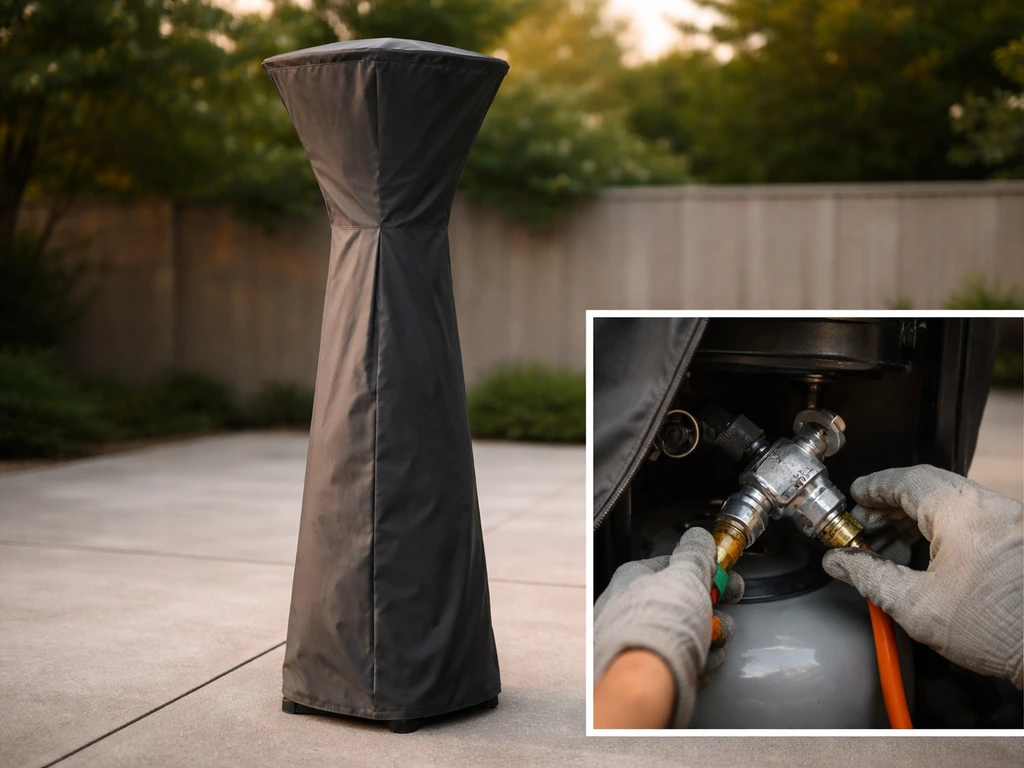
The single best thing you can do for this heater is keep it covered when not in use. A quality heater cover keeps moisture out of the burner assembly, prevents debris buildup, and protects the finish. At the start of each season, visually inspect the burner emitter ring and the gas orifice for spider webs or insect nests. This is genuinely one of the most common causes of ignition failure and weak flames on propane heaters. Home Depot’s Fire Sense 01775 owner review page is available for mining firsthand ignition reliability, flame stability, and heating or coverage commentary. A small wire or burst of compressed air clears the blockage in seconds and often fixes what looks like a serious problem.
Check the gas hose and regulator connection once a year. Apply a soapy water solution to all connections with the gas on: if you see bubbles, you have a leak that needs to be fixed before using the heater. Also wipe down the reflector dome and the pole periodically to keep surface rust from taking hold on any raw metal edges.
For winter storage, close the tank valve, disconnect the hose, and either store the propane tank outside in a well-ventilated area away from the house or take it in for a refill before storing. Bring the heater itself to a covered area like a garage or shed, or at minimum keep it covered with a weatherproof cover through the off-season.
Common issues and how to fix them
- Heater won't ignite on first try: Wait 3–5 minutes for air to purge from the gas line, especially at the start of the season. Then try again. If it still won't light after multiple attempts, check that the tank has propane and the valve is open.
- Weak or low flame: The most common culprit is a blocked burner orifice. Turn off the gas, let it cool, then inspect the burner emitter ring for spider webs or debris. Clear the blockage and retry. A low propane tank is the other frequent cause.
- Heater shuts off mid-session: This usually triggers the tilt valve (even a slight lean activates it) or indicates a propane flow issue. Make sure the heater is on a level surface and that the tank isn't nearly empty. A partially blocked regulator can also cause this.
- Igniter clicks but no flame: The igniter electrode may be dirty or misaligned. Wipe it clean and make sure the tip is positioned close to the burner. If the electrode is cracked or corroded, replacement igniters are available and easy to swap.
- Uneven heat or flame: Usually means the emitter ring has a partial blockage or the burner head isn't seated evenly. Check the emitter ring for debris and confirm all connections are tight.
Who should buy this and who should skip it
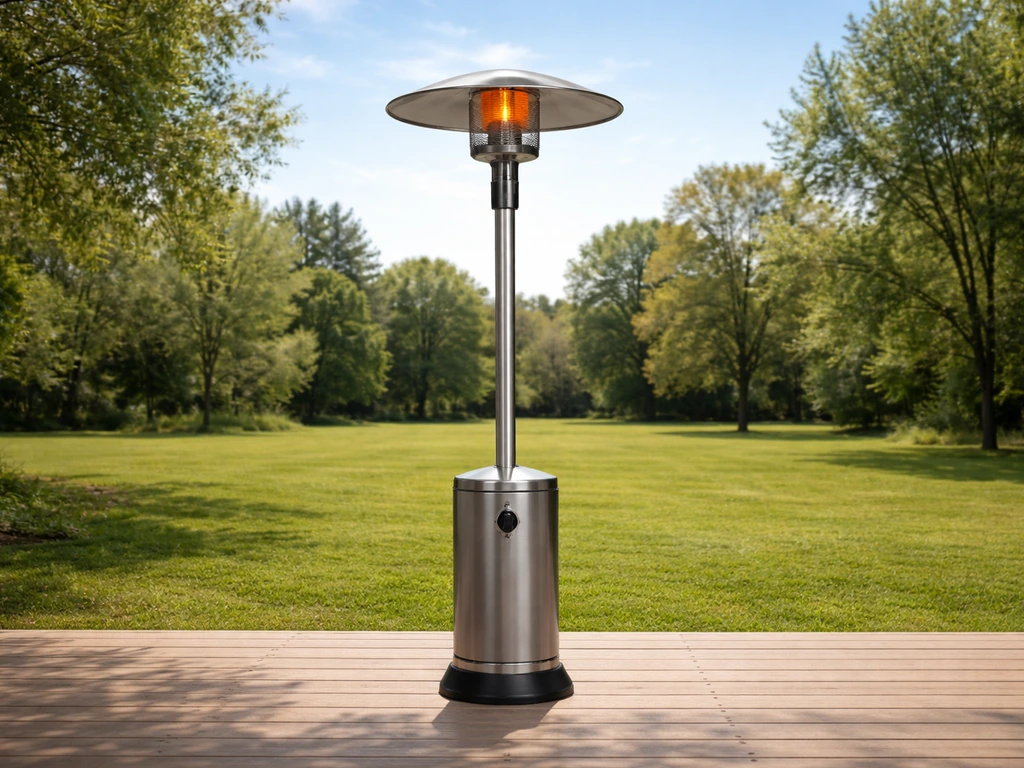
Buy the Fire Sense 46,000 BTU propane heater if you have an open patio or backyard space at least 10–15 feet across, you want a no-permanent-installation portable heat source, and you're comfortable managing propane tanks. This Fire Sense patio heater is a strong choice if you want a high-output freestanding option for an open outdoor setup Fire Sense 46,000 BTU propane heater. It's especially well-suited to people who entertain regularly and need to move the heater around, or those who want commercial-style output without a gas line. It's also a smart pick if you've already used smaller patio heaters and found them underwhelming for your space.
Skip it if your patio is small and enclosed, your overhead clearance is less than 36 inches, or you're hoping to heat a covered gazebo or pergola with low ceiling panels. It's also not the right choice if you run your heater every single night through a long winter and want to minimize operating costs.
In that case, a natural gas hookup model (like the Fire Sense 61445 in the natural gas configuration at 45,000 BTU) would lower your fuel costs significantly over time. If you want more shopping guidance, these firestorm patio heater reviews cover how similar propane models perform in real outdoor setups propane patio heater. And if portability or table height is what you need, Fire Sense makes tabletop propane heaters that are a completely different category.
How it compares to close alternatives
| Heater | Fuel | BTU | Best For | Main Trade-off |
|---|---|---|---|---|
| Fire Sense 01775 | Propane (LPG) | 46,000 | Open patios, portable setups, group entertaining | Wind sensitivity, ongoing propane cost |
| Fire Sense 61445 | Natural gas | 45,000 | Permanent installs, frequent use, lower running cost | Requires gas line, not portable |
| Generic 48,000 BTU propane heater | Propane | 48,000 | Budget buyers wanting similar output | Build quality and safety features vary widely |
| Infrared electric patio heater (2,000–3,000W) | Electric | 6,800–10,200 BTU equivalent | Small covered patios, indoor-adjacent spaces | Limited coverage area, needs outlet |
| Natural gas mushroom heater (other brands) | Natural gas | 40,000–50,000 | High-frequency use with existing gas line | Permanent install, higher upfront cost |
If you're cross-shopping within the Fire Sense lineup, it's worth knowing the brand makes several models at overlapping BTU ranges. The broader Fire Sense patio heater range covers everything from small tabletop units to full commercial-grade floor heaters. The 01775 sits firmly in the upper-middle tier: more capable than the brand's entry-level models, but without the added complexity of a permanent natural gas install. Readers who've looked at other high-output propane heaters from different brands will also want to compare ignition reliability and safety certifications, since not every budget propane heater in this BTU class includes a tilt shutoff valve.
Your next steps before you buy
Before pulling the trigger, do a quick measurement on your patio. Find where you'd place the heater and measure overhead clearance from that point. If it's less than 9.5 feet (the 89-inch heater height plus the required 36-inch clearance), this heater won't work in that spot safely. Then think about wind exposure. If your space is wide open and regularly breezy, plan to position the heater near a wall or fence that provides some wind break, or budget for a wind screen accessory.
On the accessories side, a fitted weatherproof cover is the single best investment you can make alongside this heater. It adds years to the finish and prevents the spider web ignition problems that trip up a lot of owners. If you plan to use the heater frequently, consider buying a second 20 lb tank so you can swap instead of waiting for a refill mid-evening. A propane exchange program at your local hardware store or gas station makes refills easy and keeps costs predictable.
If after all this you're realizing your patio is too small, too covered, or too exposed for this style of heater, an electric infrared wall-mount or ceiling heater might be a better fit for your space. And if you're committed to propane but want to compare how other brands in the same category perform, checking out broader roundups of commercial-style propane heaters will give you a clear sense of how the Fire Sense 01775 stacks up against the full competitive field. If you’re specifically shopping for an Inferno patio heater, these reviews will help you compare models and decide what fits your setup inferno patio heater reviews.
FAQ
Can I use the Fire Sense 46,000 BTU heater under a covered patio or gazebo?
Yes, but only if the area is genuinely open-air. A roof overhang or pergola still requires the stated clearances, and you should never use it in an enclosed or mostly enclosed space where gas can accumulate (for example, an enclosed gazebo). If you ever smell propane or see abnormal flame behavior, shut it off immediately and restart only after the issue is resolved.
How many hours will the 20 lb propane tank last in real use (not just on “high”)?
Propane consumption depends heavily on how long you run it and at what flame height. If you use it at “high” most of the time you will feel the tank empty closer to the high-output estimate, while running on medium or low can stretch runtime notably. A practical approach is to treat the stated 9 to 10 hours at full BTU as a ceiling and plan for shorter sessions when using high heat for longer periods.
Does the Fire Sense 01775 have a thermostat or a way to automatically maintain temperature?
This model lacks a built-in thermostat and remote, so “set it and forget it” comfort control is limited. If you want to reduce fuel use, start at high for a short preheat, then dial down to a lower flame height and adjust manually as people arrive or the temperature drops.
What is the best way to position it for groups, and does orientation affect warmth?
No fixed number fits every patio, but placement matters more than most people expect. Because it is a radiant heater, you will get better perceived warmth when people are within the main radiated zone and the heater is oriented so the dome is not partially blocked by furniture, walls, or tall planters. If you are trying to heat a group, center the heater relative to where people will sit or stand.
If it’s windy, will the heater shut off or just provide less heat?
The tilt shutoff is designed for tipping, not for wind gusts. If gusts are strong enough to disturb the flame, the heater may not heat as effectively or the flame can behave differently. The most reliable fix is sheltered placement or a wind screen that still respects the clearance requirements.
Can I convert this propane model to run on natural gas?
Yes, but only if the setup matches the required gas system. This unit is LPG (propane) only, so you cannot swap to natural gas without a compatible natural gas model and correct conversion hardware (which this model is not intended for). If you need natural gas for cost or convenience, the safest path is choosing a natural gas-specific Fire Sense model.
What should I check if it won’t light on the first ignition attempt?
If it fails to ignite after you try the normal procedure, the most common non-defect causes are blocked burner ports (often from insects) and air trapped in the hose during first use or after refilling. Clean the burner emitter ring area, allow time for gas to purge (as described), and check the hose connection for proper seating before repeatedly pressing the igniter.
Why might the heater seem to put out less heat than expected after the first few uses?
Seasonal coverage issues can look like “weak heat,” and wind or blocked burner ports are the usual culprits. Also verify that the burner is correctly assembled and that nothing is obstructing airflow or the reflector dome. If the heater produces an unusually small or unstable flame even when sheltered, inspect for spider webs and confirm the gas connections are leak-free.
Can I use it in light rain, or should I only run it in dry weather?
For safety and performance, do not run it while it is exposed to heavy rain unless the manufacturer specifies rain tolerance for operation. At minimum, keep it covered when not in use, and avoid starting it if water has accumulated in or around the burner area. If the igniter behaves oddly after moisture exposure, let it dry fully under a cover.
What kind of cover should I buy, and does it really prevent ignition problems?
A cover is recommended, and it helps with both moisture and debris, including insect nests that can block ignition. For best results, choose a fitted cover designed for outdoor mushroom heaters so it does not trap standing water or leave gaps where debris can collect. Remove the cover before operation and confirm nothing touches the dome or burner.
How often should I check for gas leaks, and what should I do if I see bubbles?
You should do a leak check with soapy water periodically, and especially after reconnecting the hose or if you suspect any damage to the line. If bubbles appear, do not operate the heater until the leak is fixed. Also consider replacing aged hoses if cracking or stiffness shows up, since brittle lines are a common failure point over time.
What’s the safest way to store the heater and the propane tank during winter?
Plan to store it in a way that protects the burner and reflector. Typical winter storage is to close the tank valve, disconnect the hose, and store the heater under a weatherproof cover in a shed or garage. For the propane tank, store it outdoors in a well-ventilated area away from the house, or follow local guidance if you store tanks indoors for refilling.