
Frontgate makes two main patio heaters worth considering right now: the Commercial Patio Heater (available in Mocha or Black, currently around $551) and the higher-end Sundry Patio Heater (currently around $1,359). Both are propane-powered freestanding heaters built for outdoor use, and both are genuinely good pieces of equipment. The Commercial is a solid 46,000 BTU workhorse that earns its 'commercial' label through build quality and heat output. The Sundry sits at the premium end of the category with a 50,000 BTU output and a more polished aesthetic that earns it 'best luxury' mentions from outlets like HGTV. Whether either one is right for you depends on your patio size, budget, and how often you actually plan to use it.
Frontgate Patio Heater Reviews: Home and Commercial Guide

Willa Brennan
8 Jul 2026
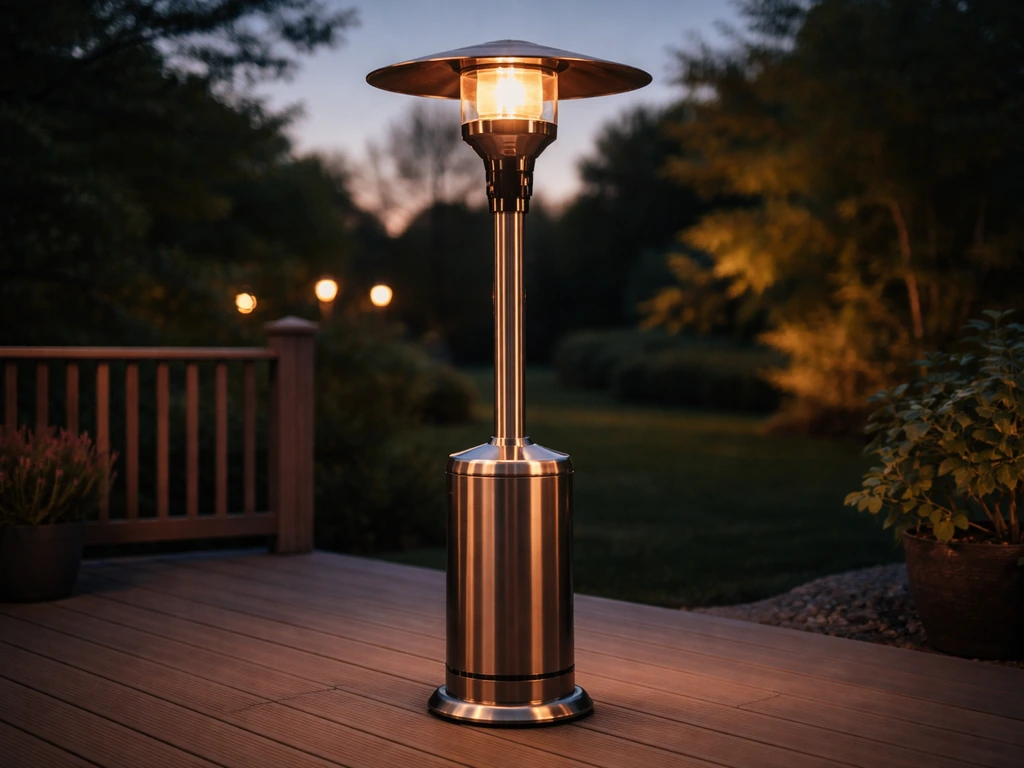
What 'Frontgate patio heater' actually means (home vs. commercial)
When people search for 'Frontgate commercial patio heater reviews,' they're usually looking at the same product a homeowner would buy. The word 'commercial' here refers to build quality and heat output, not some restricted product line only available to restaurants or venues. Frontgate uses that label to signal that the heater is more robust than a basic big-box-store mushroom heater. You get a heavier steel construction, a higher BTU rating, and features like an automatic tip-over shutoff that are standard in commercial food-service environments but increasingly common in quality residential heaters too.
The Sundry, by contrast, is positioned more explicitly as a premium home product. It's the one you buy when you want the heater to look like it belongs next to a $3,000 outdoor sectional. Both models are freestanding propane units, which matters when you're comparing them to mounted or built-in heaters that run on natural gas. If you're planning a permanent installation with a gas line, neither Frontgate heater is what you're shopping for.
Model-by-model breakdown
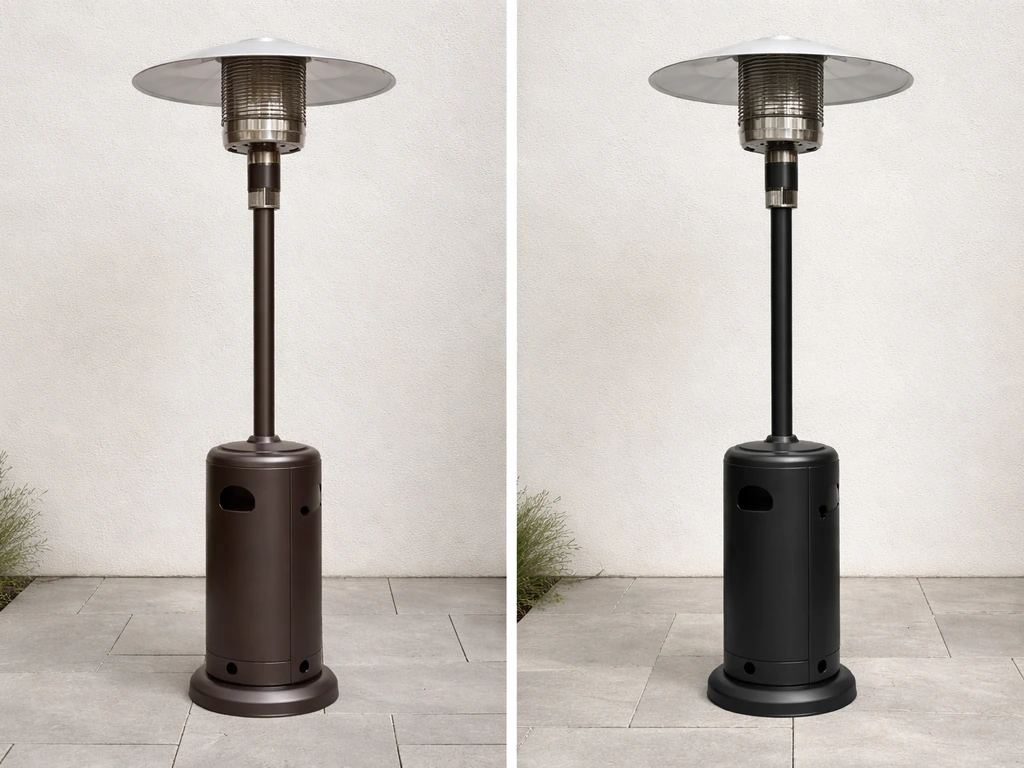
Frontgate Commercial Patio Heater (Mocha or Black, ~$551)
This is the one most people end up buying, and it's been picked up by Gear Patrol and The Quality Edit in their best patio heater roundups specifically for its 46,000 BTU output. At roughly $551 on sale from $649, it's not cheap, but it's priced in the range where you're getting a meaningful step up in materials and performance over a $200 Home Depot special. It comes in Mocha and Black finishes, and the hammered finish on the metal helps mask surface scuffs over time. Assembly is straightforward for most people, though you'll want a second pair of hands for lifting the heater head onto the pole.
Key specs to know: 46,000 BTUs, standard propane tank compatibility (fits a typical 20 lb propane tank in the base), and a built-in automatic shutoff valve that triggers if the unit tips over. Controls are simple, which is either a pro or a con depending on how much you like to fidget with heat settings. You get an on/off and a basic flame adjustment, not a digital thermostat or programmable timer.
Frontgate Sundry Patio Heater (~$1,359)
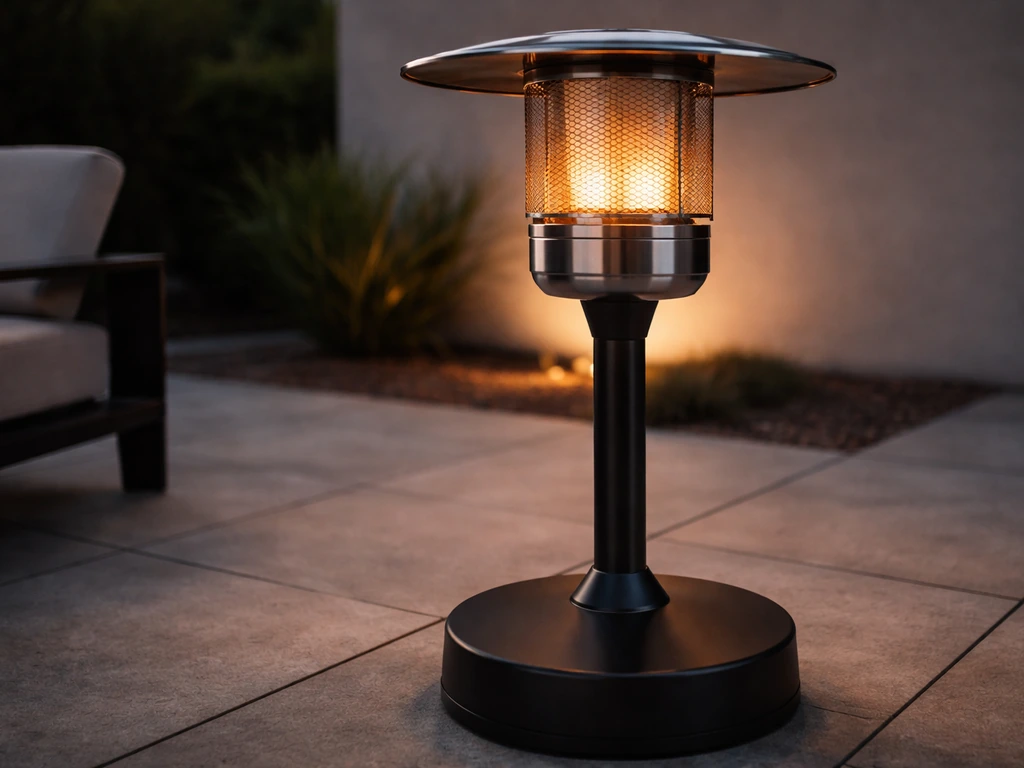
The Sundry is Frontgate's flagship heater and carries a price tag to match. At $1,359 on sale from $1,699, you're paying a premium for both aesthetics and a slight bump in output: HGTV's coverage puts it at 50,000 BTUs. ShopStyle's listing references a marketed effective radius of about 6.5 feet, which is consistent with what 46,000 to 50,000 BTU heaters generally deliver in calm conditions. If you're hosting regularly and your patio is a showpiece, the Sundry justifies its cost with a more refined look. If you just need reliable heat on a deck, the Commercial model does the functional job at a significantly lower price.
Heat coverage, real-world performance, and what wind actually does
Frontgate's own buying guide is refreshingly honest about BTU-to-area math. Their heuristic: 30,000 BTUs warms roughly a 5-to-8-foot radius, and 50,000 BTUs extends that to about 8-to-10 feet. So a 46,000 BTU heater like the Commercial model realistically covers a radius of 7 to 9 feet in calm conditions. That's comfortable for a table of four to six people gathered around the unit.
Wind is the biggest variable that manufacturer specs don't fully account for. Even a light breeze (8 to 10 mph) can push the radiant heat cone sideways and reduce your effective warmth by 30 to 40 percent. If your patio is exposed, a fence, privacy screen, or pergola wall behind you dramatically improves performance by both blocking wind and reflecting heat back toward people. Covered patios are genuinely the best case for these heaters: the overhead surface traps rising heat and keeps the warmth around seated guests longer. On a completely open, wind-exposed deck, you'll notice the patio heater working harder to maintain comfort even at full output. If you're specifically shopping around for portable patio heater reviews, compare these propane models against other mobile options that fit your space and usage style.
Warm-up time on propane mushroom heaters like these is fast, typically 30 to 60 seconds to reach full output once the flame is stable. That's a real advantage over electric patio heaters, which often need a few minutes to reach peak output. You light it, you feel it almost immediately. For more detailed nuu garden patio heater reviews and comparisons, you can see how other models stack up on coverage, wind performance, and safety features.
Propane vs. electric vs. natural gas: which fuel type fits Frontgate's lineup
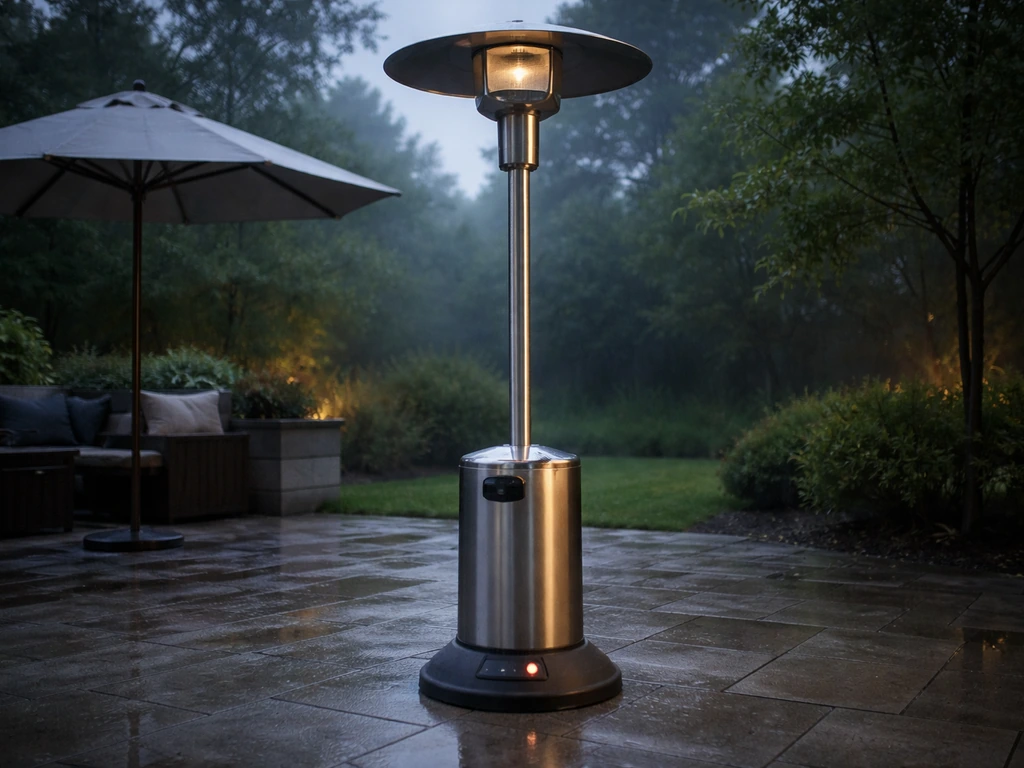
Both Frontgate heaters covered here are propane freestanding units, so this isn't a decision you're making within the Frontgate lineup. But it's worth understanding how propane stacks up against the alternatives so you know whether these models fit your situation.
| Fuel Type | Heat Output | Portability | Running Cost | Best For |
|---|---|---|---|---|
| Propane (Frontgate) | 40,000–50,000 BTU | High (tank in base) | Moderate (propane refills) | Open or semi-open patios, no gas line |
| Natural Gas (mounted/stationary) | 40,000–50,000 BTU | None (fixed) | Lower long-term | Permanent installs with existing gas line |
| Electric (infrared) | 1,500–3,000W (5,000–10,000 BTU equiv.) | Moderate to high | Higher per hour | Covered patios, smaller spaces, no propane access |
| Pellet | Variable | Low | Variable | Ambiance + heat, longer setup time |
Propane freestanding heaters like Frontgate's models are the right call when you don't have a natural gas line on your patio and you want real heat fast. The portability is a genuine advantage: move it to different areas of the yard, store it in the garage during winter, or position it wherever the party happens to be. If you're specifically considering the Swan Al Fresco portable patio heater, make sure to compare its output, coverage, and safety features against the Frontgate propane models reviewed here Swan Al Fresco portable patio heater review. Electric infrared heaters are worth considering if your patio is covered or enclosed, since they're more efficient in smaller, bounded spaces and don't require propane management. For large open spaces needing consistent high output, propane wins.
Safety features, weather resistance, and keeping it running long-term
Both Frontgate models include an automatic tip-over shutoff valve, which is the most important safety feature on a freestanding propane heater. A Home Depot “Owner’s Manual” example for patio heater categories also points to manuals commonly spelling out operation and safety procedures like tip-over shutoff behavior, which matches how these heaters are documented automatic tip-over shutoff valve. If the unit gets knocked over (by wind, by a dog, by a clumsy guest), the gas cuts off. This is standard on quality heaters and non-negotiable if you have kids or pets around.
Weather resistance on Frontgate's heaters is above average for the category. The hammered finish on the Commercial model resists visible scratching and minor corrosion better than smooth painted steel. That said, no freestanding patio heater is designed to be left outside year-round in wet climates without protection. A fitted cover (available from Frontgate and third-party sellers) extends the life of the finish significantly, especially if you're in a coastal area where salt air accelerates corrosion. The reflector dome at the top is typically stainless or powder-coated steel and holds up well, but the base and pole can develop surface rust over multiple seasons without a cover.
Maintenance is minimal but not zero. Every season you should check the regulator and gas hose for cracks or brittleness, clean the burner screen of debris, and inspect the igniter. Propane heaters with piezo igniters (push-button) occasionally develop ignition issues after two to three seasons of use. Keeping a long lighter on hand as a backup is good practice. Frontgate's product documentation follows standard industry procedures for these checks, and parts like regulators and hoses are widely available as replacements if needed.
What real buyers like and complain about
Frontgate's heaters generally collect positive reviews for build quality, heat output, and aesthetics. The complaints that show up repeatedly are consistent with the category rather than unique to Frontgate, but they're still worth knowing before you buy.
- Heat output is strong and fast: reviewers consistently note the 46,000 BTU output is noticeably more powerful than cheaper heaters
- Build quality stands out: heavier gauge steel than entry-level competitors, with a more premium feel at assembly
- Aesthetics earn compliments: the Commercial heater's finish and the Sundry's design get specific positive mentions for looking good on nicer patios
- Tip-over shutoff and safety features work as described
- Portability is easy: the propane tank sits in the base cleanly, and the unit rolls/moves without drama
- Price is high relative to similar BTU competitors: brands like Bali Outdoors and others offer comparable 46,000 BTU mushroom heaters at significantly lower prices
- Igniter reliability can degrade after two or three seasons of heavy use, which is common across propane heaters at all price points
- No thermostat or digital controls: just a valve dial, which limits precision compared to electric infrared options
- Finish can fade or show minor corrosion after multiple outdoor seasons without a cover
- The Sundry's price jump from the Commercial is steep and not always easy to justify on function alone
One reliability point worth flagging: regulator issues are the most common service call on propane heaters across all brands. If your heater flames out repeatedly at low settings or won't stay lit, the regulator is almost always the cause. This isn't a Frontgate-specific flaw, but it's worth knowing the regulator is a replaceable part (around $15 to $30) rather than a reason to replace the whole heater.
How Frontgate compares to other brands at this price level
The honest answer is that at $551, the Frontgate Commercial heater is competing in a crowded field. Brands like Bali Outdoors and others offer 46,000 BTU propane heaters at lower price points with similar functional performance. If you're considering a Bali outdoor patio heater, these reviews can help you compare heat output, build quality, and real-world performance before you buy Bali Outdoors. What Frontgate offers at its price is a stronger finish, a more polished retail experience, and the Frontgate brand reputation for premium outdoor furnishings. If you're already buying outdoor furniture from Frontgate and want your heater to match aesthetically, the premium makes more sense. If you're purely optimizing for heat-per-dollar, there are comparable performers at lower prices.
The Sundry at $1,359 is a genuine luxury purchase. It earns its 'best luxury' designation from HGTV because it looks exceptional and puts out serious heat, but the functional difference between it and a $550 heater is mostly visual. For a commercial patio at a restaurant or event venue that needs to make an impression, the Sundry makes sense. For a home deck, most buyers will be happier putting the price difference toward outdoor furniture or a propane delivery service.
Which Frontgate heater to buy for your patio
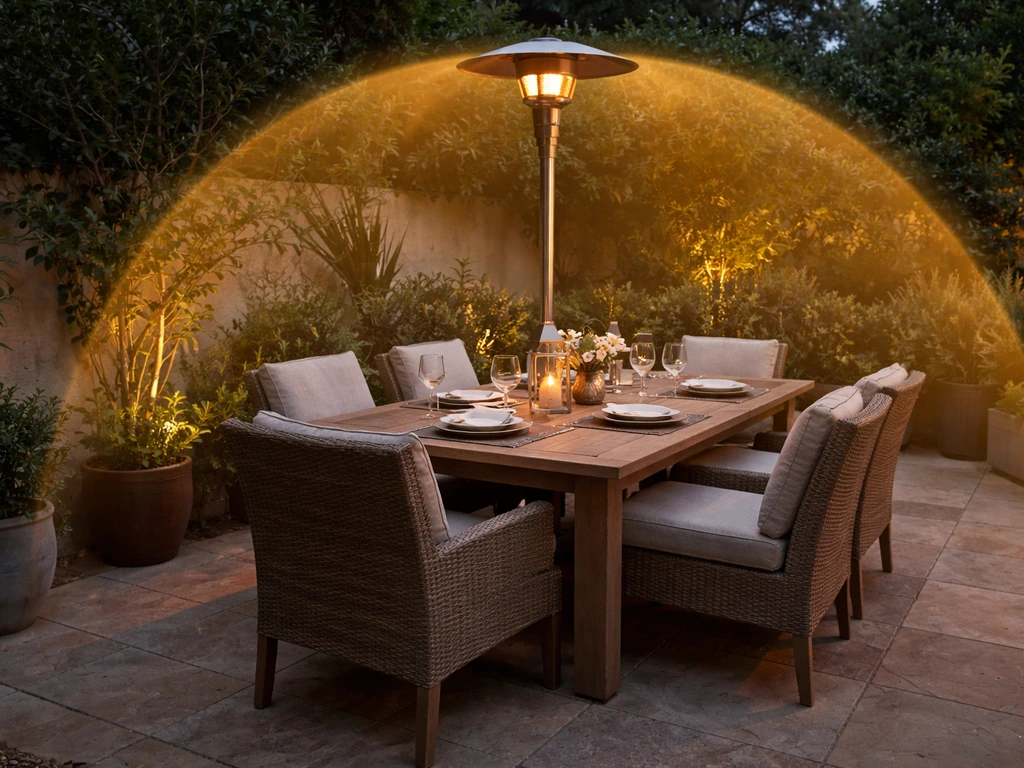
Before you buy, answer these four questions. They'll tell you quickly which direction to go.
- How big is your patio and how many people do you typically heat? A 7-to-9-foot effective radius covers a standard dining table of four to six people. If you're heating a larger gathering space, you'll need two heaters regardless of which model you choose.
- Is your patio covered, semi-covered, or fully open? Covered patios make both models more effective. Fully open and windy setups reduce performance significantly. If your patio is very exposed, also consider adding a windscreen or privacy panel.
- Do you have propane access or prefer a different fuel? If you want to run a natural gas line or prefer a wall-mounted electric unit, neither Frontgate heater applies. The Frontgate lineup is propane-freestanding only at this time.
- What's your real budget and how much does aesthetics matter? If you're furnishing a premium outdoor space and aesthetics are part of the value, the Sundry earns consideration. If you want the best functional heat for the money, the Commercial at ~$551 is the rational buy.
| Use Case | Recommended Model | Why |
|---|---|---|
| Everyday home use, 4–6 people, mid-size patio | Commercial (~$551) | Best value in the Frontgate lineup, 46,000 BTU handles a standard patio table |
| Premium outdoor space, aesthetics important | Sundry (~$1,359) | Flagship look and 50,000 BTU output for showpiece patios |
| Large open patio, 8+ people | Two Commercial units | One heater of any type won't cover a large space effectively |
| Small covered porch or tight budget | Consider alternatives | Electric infrared at lower cost may outperform in enclosed spaces |
| Commercial venue needing durable high-output units | Commercial (~$551 each) | Build quality and BTU rating justify the per-unit cost at volume |
If you're still weighing Frontgate against the broader market, it's worth looking at how other brands handle the same price tier. If you are specifically shopping by model type like a gardenline portable patio heater, check out the available gardenline portable patio heater reviews before you decide. Brands like Bali Outdoors and portable heater specialists offer solid alternatives in the same BTU range, often with slightly different trade-offs in design and warranty. The best choice is the one that fits your specific setup, not the one with the biggest brand name on the side.
FAQ
Do the Frontgate Commercial or Sundry heaters use a standard 20 lb propane tank?
Yes, both models are designed to run with a standard 20 lb propane tank in the base, but confirm the tank type and connector compatibility before purchase if you use an adapter or a different cylinder size. Using an incompatible regulator or hose setup is a common cause of unstable flame and shutdowns.
How many people or tables can one Frontgate propane heater realistically heat in wind?
If you need steady warmth across a wide seating area, a single heater may fall short because wind can cut effective coverage by roughly a third. A practical approach is to use two heaters spaced apart rather than one heater pushed to maximum output, so each group has its own heat cone.
Can I convert these Frontgate heaters to natural gas for a built-in installation?
Neither model is a great fit for a permanent natural gas installation, since they are propane freestanding units. If you want a hardwired setup, budget for a natural gas rated heater and have the line installed, then compare it to the propane option based on annual run time and fuel cost.
What should I troubleshoot first if the heater won’t stay lit or flames out on low?
You should expect quick ignition once the flame stabilizes, but you may still see intermittent startup issues on older units. If it lights inconsistently or goes out on low, check the regulator and hose condition first, since regulator problems are the most frequent service issue on propane heaters.
Should I cover the Frontgate patio heater when it rains or over the winter?
Yes, but only with the right kind of cover. Use a fitted waterproof cover that shields the base and pole openings, since salt air and pooled moisture can accelerate surface rust even if the top reflector dome holds up well. Avoid leaving the unit exposed year-round in wet or coastal climates.
Where should I place the heater on my patio to reduce wind from ruining coverage?
A simple rule is to position the heater so wind-driven heat loss is minimized, typically with a fence, privacy screen, or solid wall behind the unit. Even a partially enclosed layout performs better than placing the heater in an open center of the deck.
Is the automatic tip-over shutoff enough for child or pet safety?
These are freestanding heaters, so the tip-over shutoff matters, but placement still affects safety. Keep the base on level ground, maintain clearances from furniture and walls, and avoid placing the unit where foot traffic or kids can bump the pole and cause frequent shutdowns.
Does either Frontgate model include a thermostat or programmable timer?
The lack of a digital thermostat means you control heat intensity manually, so you can end up “chasing comfort” as the temperature drops. If your gatherings are at fixed times, consider how often you will adjust flame settings and whether you prefer a heater that holds a target temperature automatically.
What routine maintenance should I do each season to keep performance strong?
For maintenance, focus on seasonal checks, especially cleaning the burner screen and inspecting the hose and regulator for brittleness or cracks. Also plan for ignition backups, since push-button piezo systems can start acting up after a couple of seasons.
Will the hammered finish prevent rust or only cosmetic wear?
The hammered finish helps hide cosmetic scuffs, but it does not prevent corrosion if moisture gets trapped at the base and pole. If you notice rust spots returning quickly, increase cover quality, shorten exposure time outdoors, and inspect for gaps where water can collect.