
The Solo Stove Tower is a pellet-fueled patio heater that genuinely puts out serious heat (72,000+ BTUs, felt up to 6 feet away in real-world testing), but it comes with meaningful trade-offs: a 10–15 minute warm-up window, a strict no-covered-patio rule, a 5 mph wind limit, and a cleanup routine you'll need to commit to. If you have an open, sheltered outdoor space and you want a visually striking heater that runs on wood pellets instead of propane or electricity, it's a strong choice. If you need instant warmth under a pergola or covered patio, this isn't the one.
Solo Stove Tower Patio Heater Review: Is It Worth It?

Willa Brennan
19 May 2026
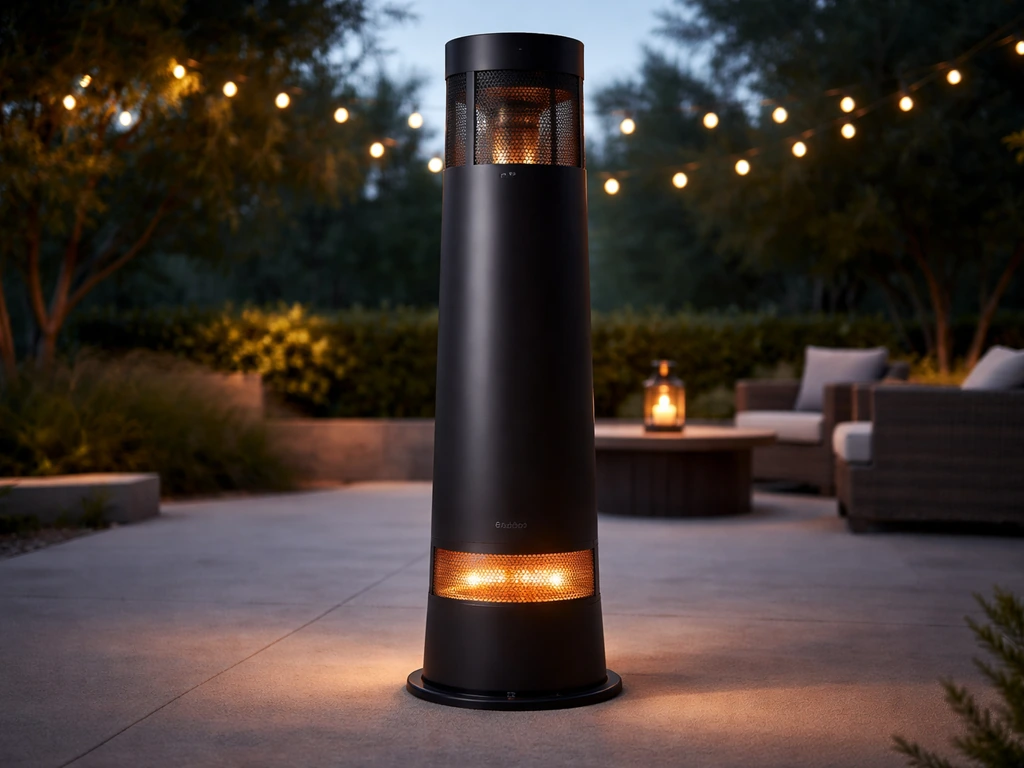
Quick take: is the Solo Stove Tower worth it?
Yes, for the right setup. The Tower is one of the most powerful pellet-fueled patio heaters on the market, and its 360-degree radiant heat genuinely outperforms many propane heaters in terms of warmth radius. In Bob Vila's head-to-head test against a 48,000 BTU Hampton Bay propane unit, the Tower's warmth was felt as far as 6 feet out, versus about 4.5 feet for the propane heater. That's a meaningful real-world difference when you're trying to keep a full group comfortable.
That said, the Tower is heavier (104 lb), takes longer to warm up, and requires more active maintenance than a propane or electric heater. You also can't use it under a covered patio, pergola, or awning, full stop. The manual is unambiguous: outdoor use only, with at least 15 feet of vertical clearance above the chimney. So if your patio has a roof or a low overhang, you need to look elsewhere.
For open backyard entertaining spaces where you want serious heat, a natural wood-fire aesthetic, and you don't mind a slightly more involved routine, the Tower earns its price. If speed, simplicity, or covered-space compatibility is your priority, a propane or infrared electric heater will serve you better.
Specifications that actually matter
Here's a quick look at the numbers that will actually affect your buying decision, not just the marketing copy.
| Spec | Detail |
|---|---|
| Heat output | 72,000+ BTUs |
| Coverage claim | 10-foot radius (approx. 314 sq ft) |
| Fuel type | Wood pellets (heating pellets, not cooking pellets) |
| Burn settings | Low/slow and max speed (Open/Half/Closed feed control) |
| Hopper capacity | 25 lb / 16 liters |
| Burn time per fill | Up to 3 hours |
| Height | 80.5 inches |
| Base width x depth | 19.8 x 23.3 inches |
| Weight | 104 lb |
| Materials | 304 stainless steel, cold-rolled steel, high-heat powder coating |
| Ignition | Gel-type pellet starters (no lighter fluid or gasoline) |
| Ash management | Shaker system + removable ash pan |
A few of these specs deserve a closer look. The 72,000 BTU figure is impressive on paper, but BTUs from a radiant wood-burning source feel different from BTUs delivered by a mushroom-top propane heater. Radiant heat warms objects and people directly rather than heating the air around them, which is actually more efficient outdoors. The two burn speed settings give you practical control over pellet consumption and heat intensity, which is a genuinely useful feature for mild versus cold nights.
One spec that often gets overlooked: fuel type matters more than usual here. You need heating-grade wood pellets, not cooking or BBQ pellets. Cooking pellets don't burn as hot and won't deliver the performance the Tower is rated for. That's an ongoing cost and sourcing consideration worth factoring into your total budget.
Heating performance in real-world conditions
How far does the heat actually reach?
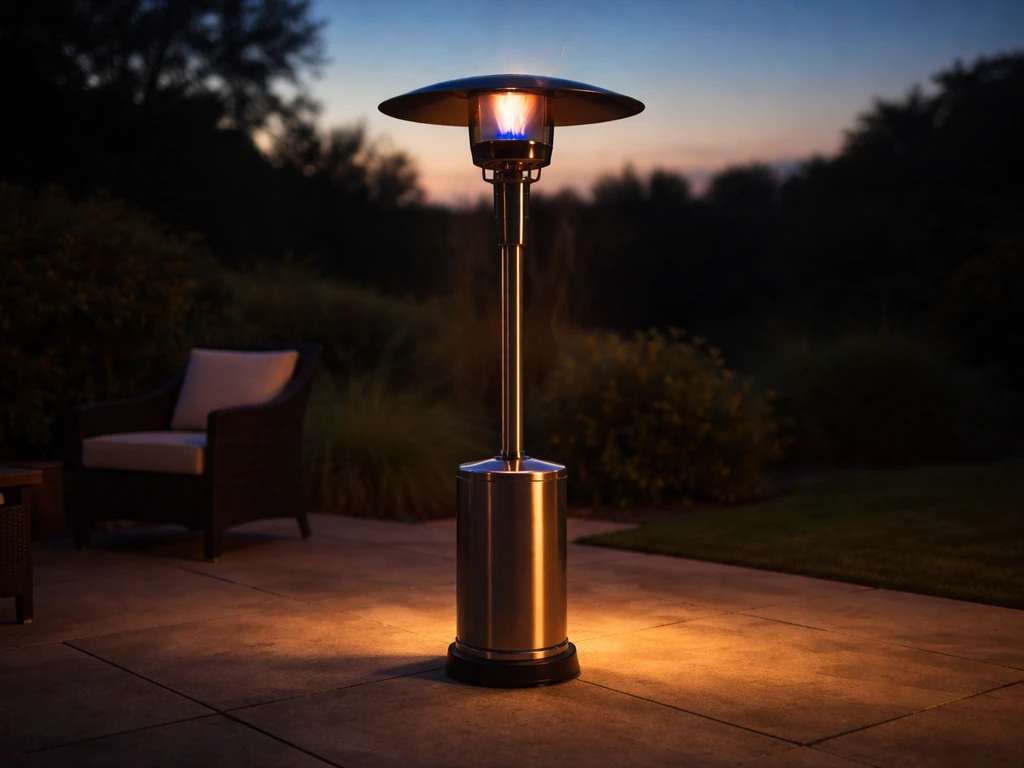
The brand claims a 10-foot radius (about 314 sq ft), and independent testing supports a realistic 10- to 12-foot diameter of warmth, meaning roughly 5–6 feet on each side. Reviewed.com’s heater evaluation similarly reports benchmarked warmth and coverage results consistent with a roughly 10- to 12-foot diameter under real-world conditions independent testing supports a realistic 10- to 12-foot diameter of warmth. Bob Vila's testers felt noticeable heat at 6 feet from the unit, which is better than comparable mushroom-top propane heaters in the same test. For a patio seating group of 6–8 people arranged around the heater, that's genuinely useful coverage.
Wind, covered vs uncovered, and patio size
This is where the Tower's limitations become critical. The manual explicitly prohibits use in winds exceeding 5 mph. That's a low threshold. A light breeze on most evenings can hit 5–10 mph, so if your yard is exposed or regularly breezy, the Tower will be frustrating to use reliably. Wind also accelerates pellet consumption and can disrupt combustion.
The covered patio restriction is equally important. The Tower cannot be used under covered patios, pergolas, awnings, or near open windows. This rules it out for a significant number of common outdoor setups. If you have a fully open backyard patio or a courtyard with good sky clearance, you're fine. But a screened-in porch, a deck with a pergola, or anything with a roof overhead is off-limits due to carbon monoxide risk.
For patio sizing: realistically, the Tower works best on medium to large open patios (roughly 300–500+ sq ft) where you can place it centrally and maintain 6 feet of clearance from any structures or flammables. Tighter urban balconies or small enclosed decks are not a good fit, both for safety and performance reasons.
Warm-up time and startup
Expect 10–15 minutes from lighting to feeling warmth in the surrounding area. The startup process itself is quick (pellets catch fast with a gel starter and the door shut), but the thermal mass of the unit means you won't feel much until it's fully up to temperature. For spontaneous use, this matters. With a propane or electric heater you can have warmth in under 60 seconds. The Tower rewards people who plan ahead a little.
Build quality, design, safety, and weather durability
The Tower is built from 304 stainless steel and cold-rolled steel with a high-heat powder coating, which gives it solid rust resistance and handles the thermal stress of regular burns without warping. One honest caveat: reviewers at Reviewed. You can also look up bowman's stove and patio reviews for more hands-on impressions before you buy. com noted the stainless finish developed a slight brownish tint after several uses. It's a cosmetic thing, not a structural issue, but worth knowing if you're paying a premium partly for aesthetics.
At 104 lb, this heater is not something you'll be moving casually once it's placed. That weight is a feature as much as a limitation: it contributes to stability and heat retention. You should position it where you intend to keep it, on a level, stable, non-combustible surface. The manual is very clear about surface hazards: use extreme caution on grass, composite decking, wooden decks, or artificial turf, because surfaces get extremely hot.
On safety more broadly: all surfaces on the Tower get extremely hot during operation. Keep children and pets well away, and don't attempt to move it while it's burning or still cooling down. The manual requires heat-resistant gloves for any handling. The clearance requirements for safe placement are specific: at least 6 feet horizontally from any buildings or flammables, and at least 15 feet of vertical clearance above the chimney top.
For weather protection, the Tower can be left outside overnight, but Solo Stove strongly recommends covering it when not in use. The matching Tower Shelter cover is sold separately and isn't included with the heater. Budget for that accessory if you're buying.
Ease of setup, use, and maintenance
Assembly
Initial setup takes about an hour if you're doing it solo. Reviewed.com's tester noted it would be easier with two people, which is fair given the unit's weight and size. This is a one-time task, so it's not a dealbreaker, but don't plan to assemble it alone 30 minutes before guests arrive.
Day-to-day use
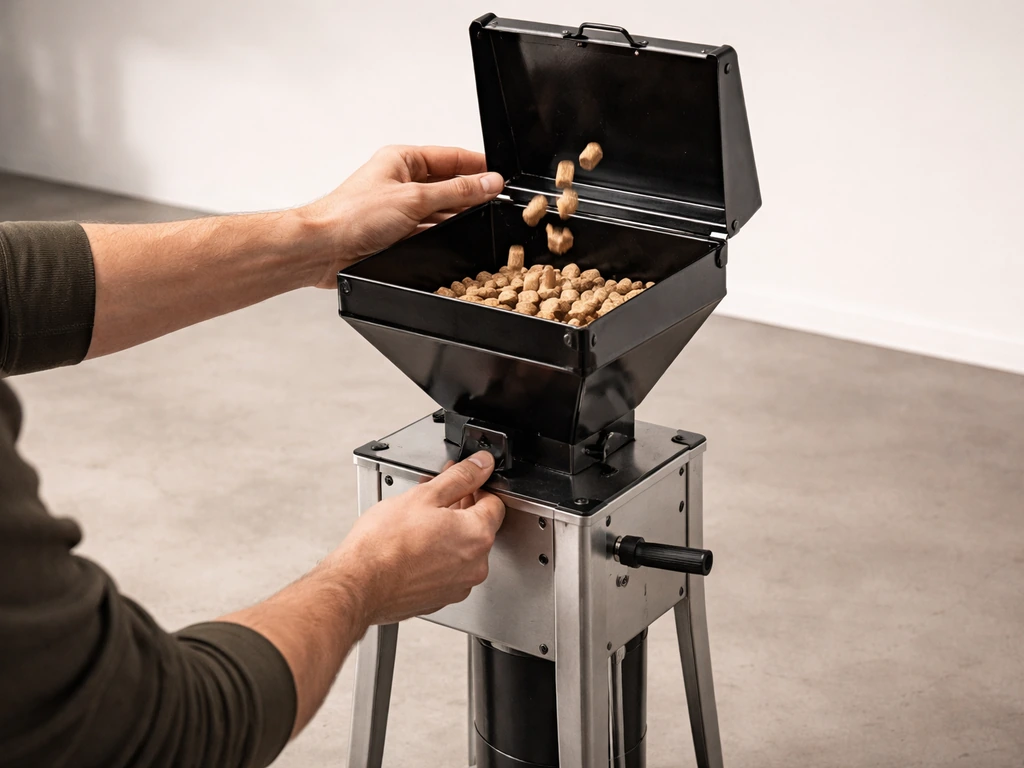
The gravity-fed hopper is genuinely convenient. Load up to 25 lb of pellets, set the feed control (Open for max heat, Half for moderate, Closed to shut it down), light with a gel starter, and let it run. The two burn speeds are practical for dialing in comfort versus fuel economy. You can get up to 3 hours of heat from a full hopper, which covers most evening gatherings without a refill.
Post-burn cleaning
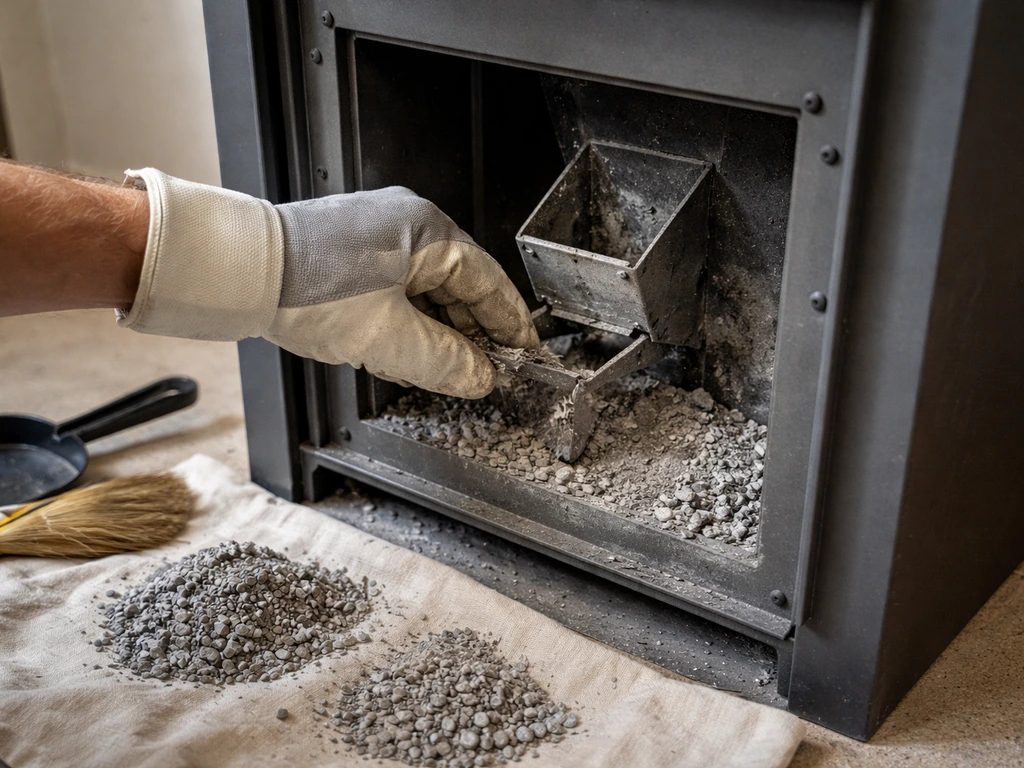
This is the part that separates pellet heaters from plug-in options. After each burn, you need to close the hopper chute, lift out the metal pellet bracket, sweep ash and debris through the grate, use the shaker to clear the firebox, replace the bracket, and empty the ash pan. Solo Stove's built-in shaker system makes this faster than it sounds, but it's still a 5–10 minute routine per session. The ash pan should be cleaned before every use. Never remove the ash pan while the unit is still hot or in use.
Compared to propane (which needs essentially zero maintenance per use) or electric (wipe it down occasionally), the Tower asks more of you. For people who enjoy the ritual of a fire and don't mind a brief cleanup, it's a non-issue. For people who want to hit a button and walk away, this friction will get old.
How the Tower stacks up against other heater types
It helps to put the Tower in context against the full range of patio heater options, because the right choice really does depend on your setup.
| Heater Type | BTU Range | Warm-up Time | Covered Patio OK? | Maintenance | Best For |
|---|---|---|---|---|---|
| Solo Stove Tower (pellet) | 72,000+ BTU | 10–15 min | No | Medium (ash after each use) | Open patios, ambiance, high heat output |
| Propane (mushroom top) | 40,000–48,000 BTU | Under 1 min | No (gas combustion) | Low (tank swap) | Open patios, quick heat, portability |
| Natural gas (fixed) | 40,000–60,000 BTU | Under 1 min | Check clearances | Very low | Permanent installs, high-frequency use |
| Electric infrared | 1,500–5,000W | Immediate | Yes | Very low (wipe down) | Covered patios, small spaces, renters |
| Tabletop propane/electric | 10,000–15,000 BTU | Under 1 min | Check model | Low | Small spaces, supplemental heat |
The Tower's biggest advantage over propane is heat output and radiant coverage: 72,000 BTUs versus a typical 40,000–48,000 BTU propane unit, with a wider warmth radius in testing. Its biggest disadvantage versus propane is the 10–15 minute warm-up and the wind restriction. Versus electric infrared, the Tower loses on covered-patio compatibility and convenience but wins on output and atmosphere.
If you're specifically evaluating the Tower against natural gas options, the gas route wins on convenience (always on, no fuel sourcing) but requires a fixed gas line installation. Pellet heaters like the Tower are fully portable and don't require utility hookups, which is a real advantage for renters or people who rearrange their outdoor space seasonally.
It's also worth noting that the Tower is a fundamentally different product from a pure outdoor fireplace or fire pit. For shoppers specifically looking for ambler fireplace and patio reviews, it helps to compare real-world coverage, cleanup, and setup requirements across similar outdoor heating options. If you've looked at specialty outdoor retailers (the kind covered in comprehensive shop reviews across this site), you'll know there's a wide range of pellet and wood-burning options out there.
If you are also comparing woodstove fireplace and patio setups, reviews can help you spot which models heat well without the hassle shop reviews. The Tower's advantage is that it's purpose-designed as a heater with a chimney and heat deflector, not just a decorative fire.
Who should buy the Tower, and what to check first
Buy it if:
- You have an open, uncovered patio with at least 15 feet of vertical clearance and low wind exposure
- You want maximum BTU output and wide 360-degree radiant coverage for larger seating groups
- You don't mind a 10–15 minute warm-up and a brief post-burn cleanup routine
- You value the aesthetic of a real wood fire and want something that looks as good as it heats
- You prefer not to deal with propane tanks or gas line installations
- You entertain regularly and will get enough use out of it to justify the cost and upkeep
Consider something else if:
- Your patio is covered, has a pergola, or sits under an awning (electric infrared is the right call here)
- Your yard is regularly windy (5 mph is a very low threshold)
- You want instant heat with zero warm-up (propane or infrared will suit you better)
- You're in a space where moving a 104 lb heater in and out of storage regularly isn't practical
- You want zero maintenance per session (propane or natural gas wins on that front)
- You're on a small urban balcony or enclosed deck (safety clearances can't be met)
Pre-buy checklist
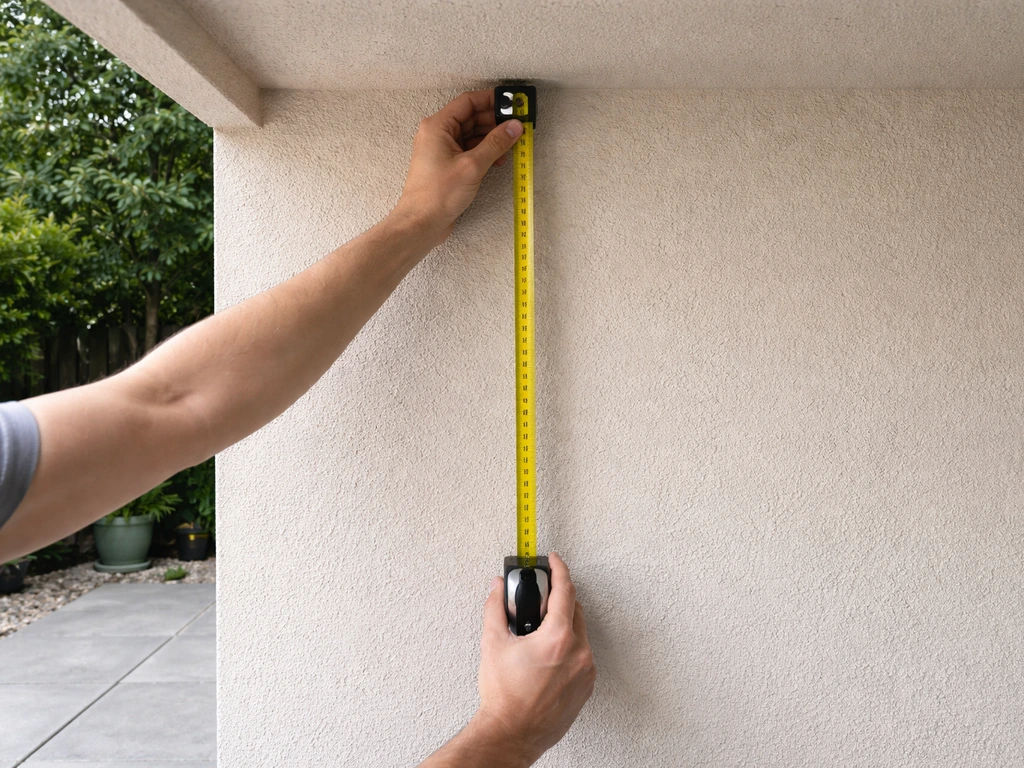
- Measure your patio: confirm you have open sky exposure with at least 15 feet of vertical clearance above where the chimney top will sit
- Check your surface: non-combustible (concrete, pavers, stone) is safest; if you have a wood or composite deck, you'll need a protective pad underneath
- Assess your local wind: if your space regularly sees breezes above 5 mph, the Tower will be unreliable
- Source heating pellets locally before you buy: confirm you can get heating-grade (not cooking) wood pellets at a reasonable price and convenient location
- Budget for the Tower Shelter cover: it's not included and you'll want it to protect the stainless finish between uses
- Plan your placement: 6 feet minimum clearance from buildings, structures, and anything flammable
- Confirm you have a second person available for assembly day: solo assembly takes about an hour and is harder than it needs to be with the unit's weight
Recommended accessories and next steps
- Tower Shelter cover (sold separately): buy this at the same time as the heater
- Heat-resistant gloves: required for any ash handling or adjustment while warm
- Deck/surface protector pad: critical if you're placing it on wood or composite decking
- Heating-grade wood pellets: stock up; you'll use 8–25 lb per session depending on burn setting and duration
- Gel-type pellet starters: the only approved ignition method per Solo Stove's manual
The bottom line: the Solo Stove Tower is a premium, high-output pellet heater that genuinely delivers on heat performance for open outdoor spaces. It's not the most convenient heater you can buy, and it's not for covered patios. But if your space fits its requirements and you want something that combines serious warmth with a real fire aesthetic, it's one of the best options in its class. Go in with clear eyes about the setup, the wind limitation, and the cleanup routine, and it will reward you.
FAQ
Can I use the Solo Stove Tower on a covered patio if I keep the clearance rules and use it only when the wind is calm?
No. The Tower is explicitly restricted to uncovered outdoor use, with no pergola, awning, roof overhang, or near-open-window setup. Clearance and wind limits do not override the covered-space prohibition, since the main concern is carbon monoxide risk from smoke and exhaust.
What wind conditions actually matter, since the review mentions a 5 mph limit?
The issue is that mild-to-moderate gusts can push operation beyond the stated threshold, which can both reduce comfort and increase pellet consumption. If your yard is exposed (open field, corner lots, near fences or walls that funnel airflow), assume it will be harder to run consistently, even if it “does not feel that windy.”
How can I tell whether my pellets are the right kind (heating-grade vs BBQ/cooking pellets)?
Look for labeling that specifically states heating pellets or wood pellets intended for heating. Cooking or BBQ pellets are often formulated for different burn characteristics and may produce less heat, which can make the Tower feel underpowered compared with what the BTU rating suggests.
Is the warm-up delay of 10 to 15 minutes typical, or are there things I can do to get heat faster?
The delay is mainly due to the heater needing to reach operating temperature, not just pellet ignition. You can reduce variability by using a proper gel starter, making sure the pellet feed is set correctly, and starting the unit before guests arrive, but you should still plan for a noticeable wait compared with propane or infrared.
Can I place the Tower on grass, turf, or composite decking?
Use extreme caution. The Tower gets extremely hot on surfaces around it, so grass, composite decking, wood decking, and artificial turf can be unsafe due to heat transfer or scorching. For best results, place it on a level, stable, non-combustible surface designed for outdoor heating appliances.
What is the safest way to move or reposition the Tower after it has been running?
Do not attempt to move it while it is operating or still cooling down. Use heat-resistant gloves for any handling, and wait until all exterior parts are cool. Because it weighs 104 lb, moving it while hot increases the risk of burns and tipping.
How often do I need to clean ash and run the shaker, and what happens if I skip it?
Plan on cleaning after each session, including sweeping ash and debris through the grate and emptying the ash pan. Skipping cleaning can reduce airflow and combustion efficiency, leading to poorer heat output and more mess during subsequent burns.
Should I remove the ash pan while the heater is still hot?
No. Never remove the ash pan while the unit is in use or while it is still hot. Wait for full cool-down, and use gloves as required by the manual to avoid burns.
Is it normal for the stainless finish to darken or tint after several uses?
Yes, minor discoloration can occur. If the finish develops a slight brownish tint after multiple uses, it is typically cosmetic rather than a sign of structural damage, but it can matter if aesthetics are part of what you are paying for.
How long can I run the Tower on a full hopper in real use?
The full-hopper runtime depends on which burn setting you use. The review notes up to around 3 hours from a full load, which is usually enough for evening gatherings, but colder conditions and more frequent pellet feed settings can shorten that window.
Can I leave the Tower outside overnight without damage?
You can, but Solo Stove recommends covering it when not in use. Leaving it uncovered can accelerate wear from weather exposure, and since the matching shelter cover is sold separately, budgeting for it helps protect the heater between uses.
What placement details should I double-check before buying if I have a tight outdoor layout?
Verify both horizontal and vertical clearance requirements before finalizing the spot. The Tower needs substantial spacing from buildings and flammables (at least 6 feet horizontally) and significant chimney clearance overhead (at least 15 feet vertically), so measure above and around the intended location, not just the patio floor area.