
If you're searching for woodstove fireplace and patio shop reviews, here's the honest answer: the best wood-burning setup for your patio depends on three things, whether your space is covered or open, how much heat output you actually need, and whether local codes even allow open wood burning where you live. Once you know those three things, you can cut through the noise in retailer reviews and zero in on the right unit from a shop that will actually support you after the sale.
Woodstove Fireplace & Patio Shop Reviews: What to Buy

Willa Brennan
19 May 2026
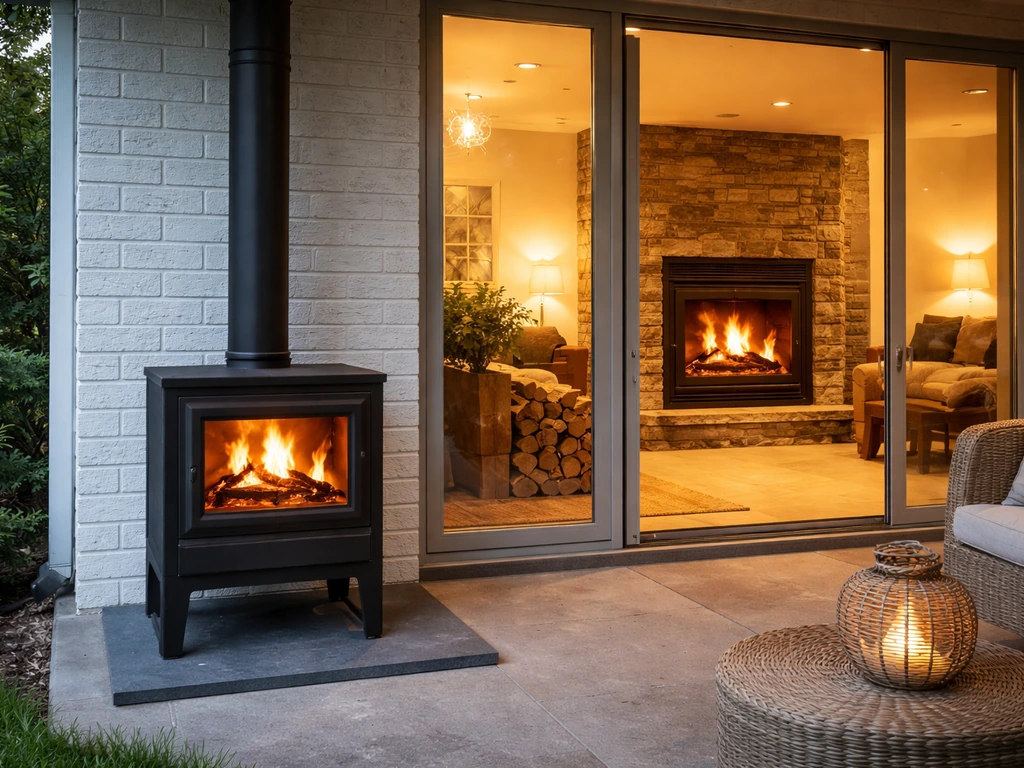
Woodstove vs. wood fireplace vs. patio wood heater: which one fits your setup?
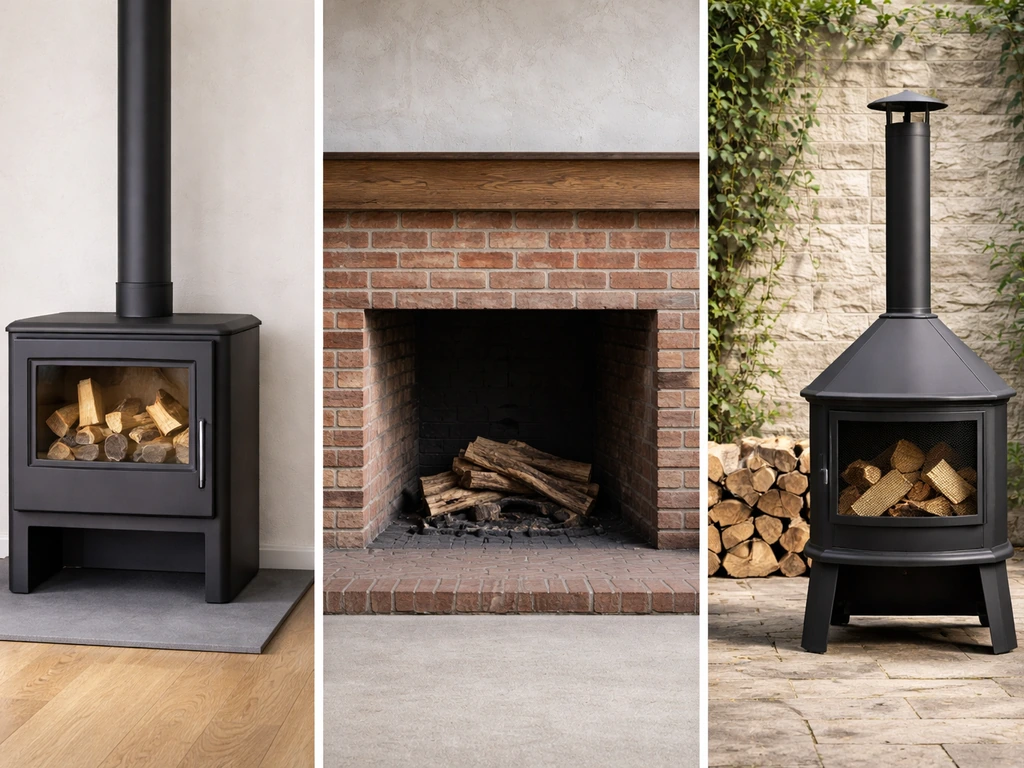
These three categories get lumped together constantly, but they serve genuinely different purposes. A traditional woodstove is designed for enclosed or semi-enclosed spaces, think a covered porch, a three-season room, or an indoor living area. It uses a flue or chimney to exhaust combustion gases and typically puts out serious heat (anywhere from 30,000 to 100,000+ BTUs depending on the model).
A wood-burning fireplace, whether masonry or prefabricated, is similar in concept but optimized for radiant heat and ambiance, and always needs a properly lined chimney system per NFPA 211 standards. A patio-focused wood or biomass heater, things like chimineas, fire pit heaters, or pellet-fueled patio towers, is built for open or partially open outdoor use, with no flue required, but with meaningful trade-offs in raw heat delivery and wind tolerance.
Here's a practical way to decide. If your patio is fully covered and has at least three enclosed walls, a woodstove with a proper chimney install is genuinely viable and will outperform any open-air option. If your space is partially covered or you're dealing with significant wind exposure, a patio-specific wood burner or a pellet heater with a directional output will serve you better.
If you want ambiance plus heat and don't mind a bigger project, a built-in or prefab wood fireplace with an outdoor-rated insert is worth the investment. Open patios with no overhead cover are the toughest case, wood fires lose heat fast in exposed wind, and you'll want to look at models specifically designed for outdoor radiant performance.
| Unit Type | Best For | Heat Output Range | Chimney/Flue Needed? | Outdoor-Rated? |
|---|---|---|---|---|
| Woodstove | Covered/enclosed patios, indoor rooms | 30,000–100,000+ BTU | Yes, required | Only specific models |
| Wood Fireplace (prefab or masonry) | Covered patios, indoor use, ambiance | 20,000–80,000 BTU | Yes, required | Outdoor-rated inserts available |
| Chiminea / Fire Pit Heater | Open or partially open patios | 10,000–35,000 BTU (estimated) | No | Yes |
| Pellet Patio Heater | Open or covered patios, wind-exposed areas | 15,000–50,000 BTU | No (vented only) | Yes, most models |
How to actually vet a shop or retailer before you buy
Shop reviews for fireplace and patio retailers are all over the map in terms of usefulness. If you want a real-world example of what to look for, compare bowman's stove and patio reviews against the rest of the dealer market using the same criteria. A four-star average on Google or Yelp tells you almost nothing without digging into the specifics. Here's what I look for when evaluating whether a shop is worth trusting with a purchase in this category.
Brand selection and stocking accuracy
A credible shop carries a range of established brands and is upfront about what's actually in stock versus what has to be ordered. Watch for reviews that mention bait-and-switch situations, long backorder delays that weren't communicated, or showroom models that aren't actually available to purchase. Good shops update their inventory in real time or are honest about lead times upfront.
Delivery and shipping reliability
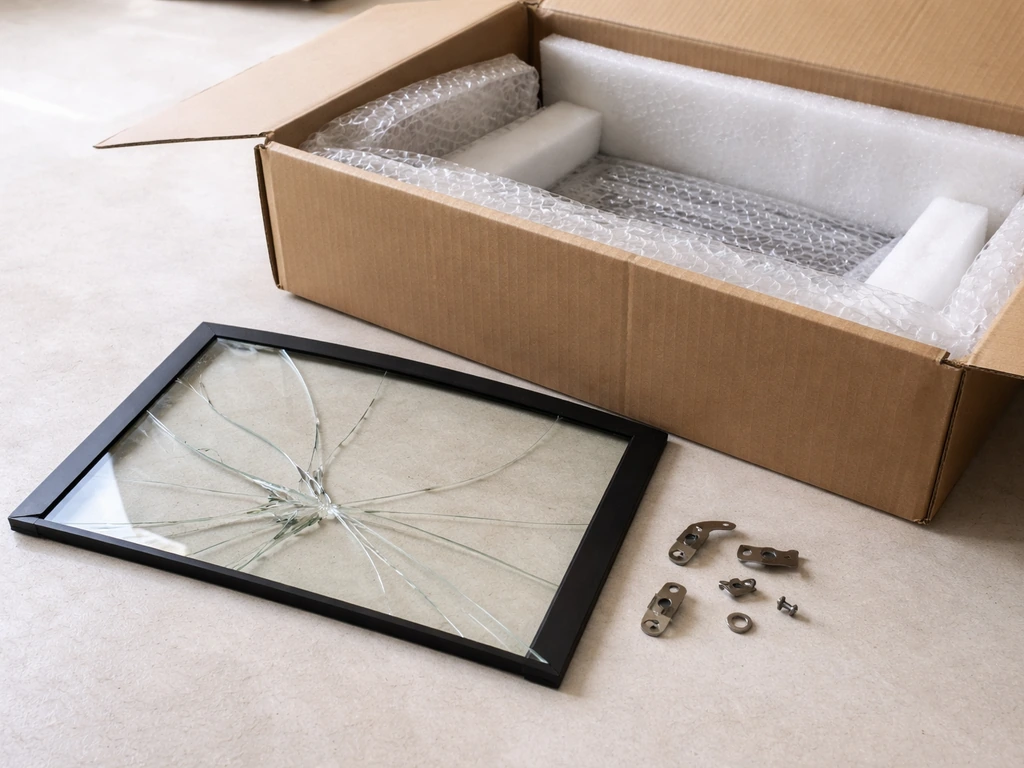
Wood stoves and fireplace inserts are heavy freight items. Shipping damage is one of the most common complaints in this category. Look for reviews that specifically mention whether the unit arrived undamaged, how freight delivery was handled (liftgate? white glove?), and what the shop did when something went wrong. A retailer that processes damage claims quickly and without a fight is worth a premium over one that's slightly cheaper but leaves you arguing with a freight carrier.
Installation and assembly support
Some shops offer professional installation or have certified installer networks they can refer you to. This matters a lot for woodstoves and fireplaces, where a bad chimney connection or improper clearance can be a serious safety issue. Check whether the shop offers any technical guidance post-sale and whether their staff can actually answer questions about NFPA 211 clearance requirements and local code compliance. NFPA 211 covers the design, installation, and maintenance of chimneys, fireplaces, vents, and solid-fuel-burning appliances, including clearance-related requirements NFPA 211 clearance requirements. If a shop can't help you figure out flue sizing, that's a red flag.
Warranty handling and return policies
Manufacturer warranties on woodstoves and fireplaces range from one year to lifetime on the firebox, but what matters is how the shop handles warranty claims in practice. Reviews that mention the shop going to bat for the customer with the manufacturer, processing parts orders quickly, and following up on claims are the ones to trust. Avoid shops where multiple reviews mention being passed off entirely to the manufacturer without any retailer support.
Authenticity of reviews
Fake reviews are common in the hearth and patio space. Look for specific, detailed reviews that mention product model names, staff names, or particular installation situations. Generic five-star reviews with no detail are worth ignoring. Also cross-reference: check the BBB, check Trustpilot, and search the shop name alongside words like 'complaint' or 'delay' to see if there are patterns that don't show up in curated testimonials. Other retailer-focused reviews, like those covering shops such as Bowman's Stove and Patio or Ambler Fireplace and Patio, can give you a useful benchmark for what a well-reviewed shop in this niche actually looks like.
Woodstove and fireplace performance specs that actually matter

Manufacturers throw around big BTU numbers and efficiency claims that don't always translate to real-world performance. Here's how to read the specs that actually tell you something useful.
Heat output (BTU) and heating area
For covered patio or indoor use, you generally want about 25–35 BTU per square foot as a baseline for a well-insulated space, or up to 50 BTU per square foot for a drafty or semi-open covered porch. A 1,000 square foot space needs roughly 30,000–50,000 BTU of reliable output. Most mid-size woodstoves hit this range comfortably. But be skeptical of maximum BTU claims, look for the EPA-listed heat output figures in the EPA Certified Wood Heater Database, which pulls from actual certification testing rather than marketing sheets.
Efficiency ratings
EPA-certified wood heaters are tested for both emissions and efficiency. blank" rel="noopener noreferrer">EPA Step 2 certification (which became mandatory for new stoves sold after May 15, 2020) requires emissions of no more than 2.0 g/h of particulate matter. Higher-efficiency stoves in the database often achieve certified emissions in the 1 to 2 g/h range, meaning more of the wood's energy goes into heat rather than smoke. Efficiency directly affects how much wood you burn and how often you're loading the firebox, so it's worth checking the EPA database before making a decision rather than relying on the manufacturer's spec sheet alone.
Burn time and firebox size
Burn time is a function of firebox capacity and air control. A stove with a large firebox (3+ cubic feet) and a good secondary combustion system can hold a fire overnight at low settings. For patio use where you're heating for an evening rather than 24/7, this matters less than BTU delivery at moderate settings. Look for reviews that mention how the stove performs at mid-range rather than just maximum output.
Smoke and chimney requirements
Every woodstove and wood fireplace needs a properly designed chimney or flue system. NFPA 211 governs the design, installation, and maintenance of these systems, including clearance requirements from combustibles, flue sizing, and liner specifications. Prefab or factory-built fireplaces must use the specific venting system they're listed and labeled for, you can't mix and match components. Patio-specific wood burners like chimineas don't require a flue but do require careful placement away from combustibles and overhead structures.
Safety, ventilation, and code considerations you can't skip
This is the section most people skim and then regret. Wood-burning appliances have real safety and legal requirements that vary by location, and getting them wrong can mean a failed inspection, a voided insurance policy, or worse.
- EPA certification is required for all new residential wood heaters sold in the U.S. Check the EPA Certified Wood Heater Database before purchasing to confirm the model is actually certified.
- Many municipalities, counties, and air quality management districts have burn bans, restrictions on new wood-burning installations, or outright prohibitions on open outdoor burning. Check your local air district's rules before you buy.
- Woodstoves installed in any enclosed or semi-enclosed space (including covered patios with walls) require a proper chimney system meeting NFPA 211 specifications, including correct clearances from combustibles (typically 36 inches to unprotected combustibles from the stove top and sides, though this varies by model listing).
- Outdoor wood-burning fireplaces and patio units must be placed on non-combustible surfaces with clearance from overhead structures, fences, and vegetation.
- Carbon monoxide is a concern with any wood-burning unit in a partially enclosed space. CO detectors should be installed if you're using a stove or fireplace on a covered porch or three-season room.
- Homeowners association (HOA) rules and local zoning codes may further restrict or prohibit wood-burning installations, especially in newer developments.
- Insurance companies increasingly ask about wood-burning appliances. An improperly installed unit can affect your homeowners insurance coverage.
The 'patio' label on a product doesn't automatically mean it's approved for all outdoor uses. Some patio wood stoves are listed for covered outdoor use only, some are rated for open-air use, and some are indoor-only units that get mislabeled in retail listings. Always check the manufacturer's listing and your local code before installation.
What real buyer experiences actually reveal
When you read through a stack of buyer reviews for woodstoves and patio wood heaters, certain themes come up consistently that you won't find in spec sheets. Here's what to pay attention to.
Ease of starting and consistent heat
Buyers who are new to wood burning often struggle with getting fires started and maintaining consistent heat. Reviews that praise a stove's air control and draft performance are usually more reliable than reviews that complain about this, because poor starting is often a technique issue rather than a product defect. However, consistent complaints about poor draft or smoke spillage in normal conditions are a genuine red flag worth noting.
Weather and wind performance for outdoor units
For open-air or partially covered patio units, wind is the biggest performance variable. Chimineas and fire pit-style burners can struggle badly in windy conditions, both for heat delivery and for controlling smoke direction. Look for reviews from buyers in similar climate and exposure conditions to yours. A unit that gets glowing reviews from someone in a calm suburban backyard may be nearly useless on a coastal or exposed hillside patio.
Parts availability and maintenance burden
Replacement gaskets, firebricks, catalytic combustors, and door glass are wear items on woodstoves. Buyers who've owned units for two or more seasons will often mention whether parts are easy to find and affordable, or whether they've had to wait weeks and pay significant amounts for basic consumables. This is worth paying attention to when choosing between a major brand with widespread dealer support and a lesser-known brand sold only through one retailer. Shops like Craft Stove Store and Patio or similar specialty retailers are worth checking specifically for their parts sourcing reputation.
Delivery condition and setup experience
Wood stoves and fireplace inserts ship as heavy freight and arrive on pallets. Damaged glass, cracked fireboxes, and missing hardware are reported frequently enough that it's worth specifically searching for these issues in reviews before you order. The best retailers inspect units before shipping and have a clear, fast process for handling freight damage claims. Reviews that mention quick resolution of shipping issues are a meaningful positive signal.
Best wood and biomass patio heating options by space size and layout
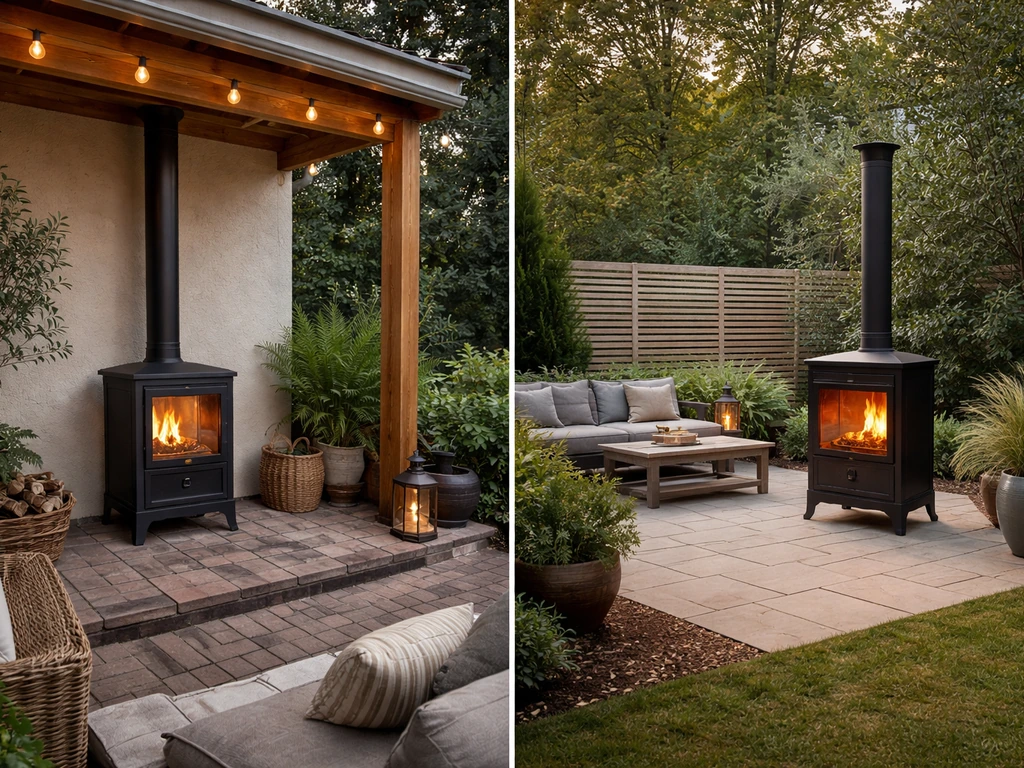
Here's a practical breakdown of which type of wood-burning heater makes the most sense based on your patio setup. These aren't universal rules, but they reflect what consistently works well based on real-world use patterns.
| Patio Size / Layout | Recommended Unit Type | Key Specs to Target | Watch Out For |
|---|---|---|---|
| Small covered patio (under 200 sq ft, 2–3 walls) | Compact EPA-certified woodstove with short flue | 20,000–35,000 BTU, emissions under 2.0 g/h | Clearance to combustibles, CO buildup |
| Medium covered patio (200–500 sq ft, partial enclosure) | Mid-size woodstove or outdoor fireplace insert | 35,000–60,000 BTU, high-efficiency rating | Proper chimney sizing, local code compliance |
| Large covered or screened porch (500+ sq ft) | Full-size woodstove or prefab wood fireplace | 60,000–100,000 BTU, large firebox capacity | Structural support for flue, insurance requirements |
| Small open or partially open patio | Chiminea or enclosed patio fire pit | Radiant output, spark arrestor screen | Wind exposure, smoke direction control |
| Large open patio or backyard | Fire pit heater or pellet patio tower | Directional radiant output, weather resistance | Limited heat range, wind performance |
| Multi-zone or L-shaped patio | Two smaller units or pellet heater with fan assist | Targeted BTU placement, portability | Code limits on multiple open-flame units |
For buyers who are also considering non-wood options, it's worth noting that propane and natural gas patio heaters offer simpler installation and no smoke issues, which is a meaningful trade-off if your local air district has burn restrictions. The wood-burning category wins on fuel cost and ambiance, but it requires more planning and ongoing effort. If you're on the fence, reading reviews of pellet patio heaters like the Solo Stove Tower, which bridges the gap between clean burning and wood-fire aesthetics, can help clarify whether the wood-burning route is worth the added complexity for your situation.
What wood heating actually costs to own (not just to buy)
Purchase price is just the starting point. Here's a realistic breakdown of what owning a wood-burning patio or indoor heating setup costs over time, so you can do an honest comparison before committing.
Purchase and installation costs
A quality EPA-certified woodstove runs from roughly $800 to $4,000 depending on size and brand. A prefab wood-burning fireplace or insert runs $1,500 to $5,000+. Chimineas and open patio fire burners are the affordable entry point at $100 to $800. Installation costs for anything requiring a chimney are significant: expect $1,000 to $3,500 for a basic woodstove install with a factory-built chimney system, more for masonry work or complex flue runs. Patio-only units with no flue are DIY-friendly, but even these need proper non-combustible hearth pads or bases.
Fuel costs
Seasoned firewood typically runs $200 to $400 per cord depending on your region, and a cord goes pretty fast in a stove used daily through a cold season. For a patio heater used a few evenings a week during the shoulder season, one or two face cords per year is a reasonable estimate. Pellet fuel for pellet stoves runs around $250 to $350 per ton, and most pellet stoves burn a 40-pound bag (about 400,000 BTU potential) over several hours of operation.
Annual maintenance costs
A woodstove or wood fireplace chimney should be inspected and cleaned annually. Professional chimney sweeping typically costs $150 to $350. Wear parts like door gaskets ($15–$50), firebricks ($10–$30 each), and catalytic combustors ($50–$200 if applicable) need periodic replacement. Budget roughly $200 to $500 per year for maintenance on a regularly used woodstove, less if you're using a patio fire unit with no chimney system. Skipping chimney maintenance is how house fires start, so this isn't an optional expense.
Long-term value
A quality woodstove from a reputable brand, properly installed and maintained, can last 20 to 30 years. That's a very different value proposition than a $200 patio fire pit that corrodes after two seasons. When you're comparing price across shops and units, factor in the expected lifespan, parts availability, and whether the manufacturer has been in business long enough to back a warranty that matters. The cheapest option rarely wins over a ten-year horizon in this category.
Your practical checklist before you buy
Before you commit to a shop or a specific unit, run through this checklist. It covers the questions that separate a good purchase from a frustrating one.
- Confirm the unit is EPA-certified by checking the EPA Certified Wood Heater Database directly, not just the retailer's listing.
- Verify your local air quality rules and permit requirements for wood-burning installations or open outdoor burning.
- Measure your patio and calculate the BTU you actually need based on square footage and enclosure level, then match to units rated for that output range.
- Check whether the unit is listed for your intended use (covered outdoor, open outdoor, or indoor only) in the manufacturer's documentation.
- Search the retailer's name with terms like 'shipping damage,' 'warranty claim,' and 'customer service' to find unfiltered feedback beyond curated reviews.
- Ask the shop directly about installation support, parts availability, and what happens if the unit arrives damaged—their answer tells you a lot.
- Compare at least two to three units across retailers, factoring in total ownership cost (purchase + install + annual maintenance) rather than just sticker price.
- If the shop carries wood stoves, fire pits, AND patio furniture, check whether their staff actually has product expertise in wood-burning appliances specifically.
- Before finalizing, re-read at least 10 detailed buyer reviews (not star ratings) specifically about your target product, filtered to the most recent 12 months.
The best wood-burning setup for your patio isn't the most expensive one or the most popular one, it's the one that matches your space, passes local code, comes from a retailer who will support you through the install and beyond, and fits a realistic ongoing maintenance budget. If you are evaluating the Blackstone patio oven, use the same checklist to compare sizing, safety, and retailer support before buying Blackstone patio oven review. If you approach the buying process with that filter, the right choice becomes a lot clearer than any single product review will make it seem.
FAQ
How can I tell from woodstove fireplace and patio shop reviews whether the shop actually offers installation support, not just product sales?
Look for reviewers who mention a specific install step, like flue path planning, clearance verification, or who inspected the finished chimney connection. Vague comments about “they were helpful” are weaker than details such as whether the shop scheduled a certified installer, provided an install checklist, and documented changes if the site didn’t match the original plan.
What should I ask the shop before ordering, to avoid getting stuck with an incompatible venting setup?
Ask whether the unit is listed for your exact use case (indoor, covered outdoor, or open-air), and confirm what venting components are included versus customer-provided. Also request the listed chimney or vent system part numbers and liner requirements, then verify they match the manufacturer labeling for your model.
Are there signs in reviews that a woodstove or insert will be difficult to start or maintain, even if the BTU numbers look good?
Yes. Prioritize reviews that describe behavior at mid-range settings, start-up time, and smoke spillage during normal use. If multiple reviewers complain that they can only get it to burn clean with constant tinkering or only in perfect draft conditions, that pattern is more predictive than performance claims.
What if my patio is “covered,” but it’s still windy, what do I check beyond the roof coverage?
Check exposure, wind channeling, and ceiling or overhang design. Reviews matter most when they reference similar weather patterns, not just “covered patio.” Also ask the shop whether the model is listed for covered outdoor use only or rated for open-air performance, because listing category often overrides best-effort performance.
How do I interpret reports about shipping damage in woodstove fireplace and patio shop reviews?
Treat “arrived damaged” differently depending on resolution speed and documentation. Strong reviews mention photos, immediate replacement or parts shipping, and clear carrier coordination. Weak reviews often stop at “they told us to deal with the manufacturer,” which usually means longer downtime and more hassle for you.
Do I need to buy a chimney inspection or cleaning plan before I purchase, or can I figure it out later?
It’s smarter to line it up before the order, especially if you need a liner or rework. Ask the shop for typical post-install inspection timelines and whether they recommend a particular type of chimney sweep. If your local area requires inspection after installation, scheduling early prevents delays between delivery and first use.
What should I do if a shop or reviewer keeps mixing up ‘fireplace’ and ‘woodstove’ terminology?
Ask them to confirm the exact product type and certification, whether it’s an EPA-certified wood heater, a listed outdoor heater, or an outdoor fire feature. Confusion can hint they are advising based on marketing labels instead of the listing and test data, which affects both safety and real emissions performance.
Can I rely on generic star ratings in woodstove fireplace and patio shop reviews?
Use star ratings only as a starting filter, then look for reviewer specificity. The most useful reviews include model names, install details, and outcomes months later, especially comments about parts availability and maintenance needs. If the majority of reviews are short and non-technical, assume higher uncertainty.
How do I evaluate whether parts and wear-item availability will be a problem later?
Search reviews for specific consumables, like door gaskets, replacement glass, firebrick, and catalytic components (if equipped). Also ask the shop how long parts typically take to arrive and whether they stock common wear items or rely on special orders. Longer wait times for small items can turn minor repairs into weeks of downtime.
Should I consider propane or natural gas patio heaters instead of a wood setup, and what reviews tell me either way?
Consider it if you have frequent air quality restrictions, limited time for maintenance, or a patio layout that struggles with draft and smoke direction. When comparing, read gas-related reviews for convenience and reliability, then compare wood-related reviews for start-up effort and smoke control. If wood reviews repeatedly mention “constant adjustments,” the convenience trade-off may not be worth it.
What’s a practical way to estimate total yearly cost without overbuying fuel?
Match fuel purchase to usage frequency, for shoulder season versus cold-season heating, and confirm expected burn time at the settings you’ll actually use. Then read reviews for how often owners refill at mid-range settings, not at peak. If reviewers say it burns faster than expected during normal evenings, adjust your cord or face-cord estimate before committing.