
Ambler Fireplace & Patio is a regional hearth and outdoor living retailer based in the Philadelphia suburbs, not a single product brand. They sell and install fireplaces, fire pits, pellet stoves, and outdoor kitchen equipment from major manufacturers, and they've been doing it since their roots in 1968. If you’re specifically looking for a Blackstone patio oven review, compare its cooking style, heat output, and warranty support against the outdoor kitchen options this retailer carries outdoor kitchen equipment. So when you search for 'Ambler Fireplace and Patio reviews,' you're really researching two things: the store's service quality and the specific heating products they carry. If you are comparing options, look specifically at craft stove store and patio reviews to judge service, installation, and after-sale support. Knowing that distinction upfront saves a lot of confusion.
Ambler Fireplace and Patio Reviews: Buyer Guide for Patio Heat

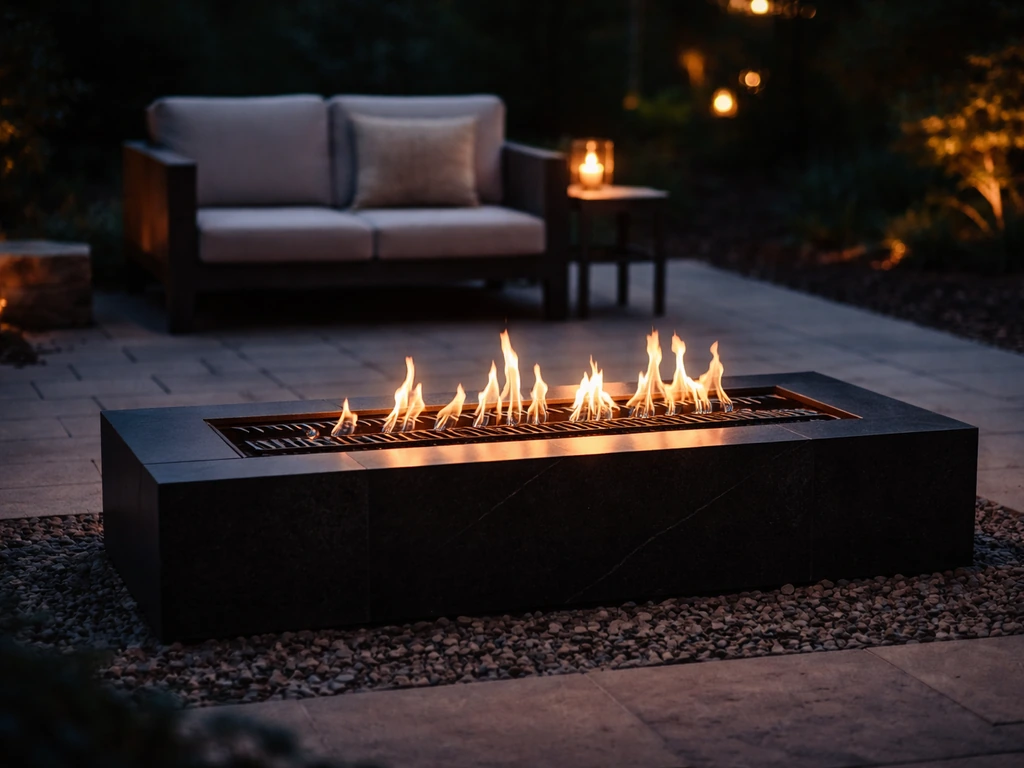
What Ambler Fireplace & Patio actually is
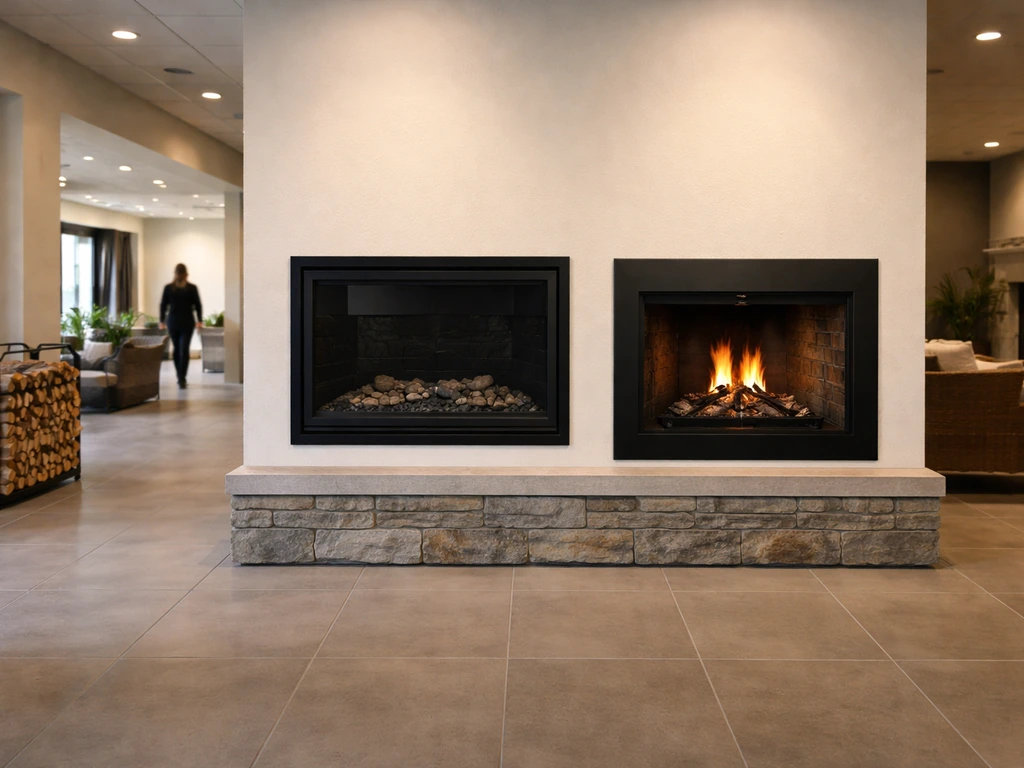
Ambler Fireplace & Patio operates showrooms in Chalfont (31 Oak Ave Suite 100, Chalfont, PA 18914) and Ambler (903 E Butler Pike, Ambler, PA 19002), with additional locations that have opened over the years, including a Colmar store in 1994 and a Willow Grove location in 2015. They describe themselves as hearth experts serving Montgomery and Bucks County in Pennsylvania, and they position their value around both product selection and installation services.
Their catalog covers a wide range: gas fireplaces and inserts, wood-burning fireplaces, electric fireplaces, pellet stoves, outdoor fire pit tables (gas and wood-burning), BBQ grills, and full outdoor kitchen setups. They explicitly claim to service and repair every product they sell and install, which is a meaningful commitment for a specialty retailer. When you read reviews about Ambler, you'll find opinions split between the buying/showroom experience, the installation quality, and post-sale service responsiveness. Each of those deserves a separate read.
How to read Ambler reviews without getting misled
Aggregated review scores vary by platform, and it matters which one you use. Birdeye shows Ambler at a 4.2-star average across around 95 reviews, which gives you a meaningful sample size. HomeAdvisor has a smaller set of homeowner reviews focused specifically on installation and repair work, which is more useful if installation quality is your main concern. Trustburn and Trustindex pull in a mix of sources, and some specialty aggregators like Tipsfireplace just mirror content from Yelp or Google without adding context. Always click through to the original platform before trusting a screenshot or excerpt.
For any negative review, read for specifics. A 2026 complaint on Trustindex referenced odors, a warranty dispute, and a claim about flammable insulation. That's worth taking seriously, but it's also worth cross-referencing with Ambler's own troubleshooting documentation: they publish a break-in procedure that calls for running a new gas insert for 3 to 4 hours on high to cure paint and off-gas, then another 8 to 12 hours. Many early 'burning smell' complaints in the first few uses are normal and expected. That doesn't dismiss every concern, but it does help you separate real product defects from first-use confusion.
Remote control complaints are another common theme across hearth product reviews generally. Ambler's own troubleshooting page notes that gas fireplace remotes require a minimum of 200 millivolts from the standing pilot thermopile to function, and low millivoltage will cause an automatic shutoff. If a reviewer says 'the remote stopped working for no reason,' that's almost always a thermopile issue or a dead battery, not a product defect. Read complaint reviews with that lens.
- Prefer platforms where reviewers describe the specific product or service they received (HomeAdvisor, Google with photos)
- Treat 4+ star platforms with low review counts (under 20) cautiously, they may not be representative
- Check review dates: a cluster of older negative reviews followed by recent positives often signals a service change
- Dismiss reviews that don't mention a specific product type, installation detail, or timeframe
- Mirror-site aggregators like Tipsfireplace add no value; always go to the original source
Gas vs. electric vs. pellet vs. wood: which fuel type makes sense for you
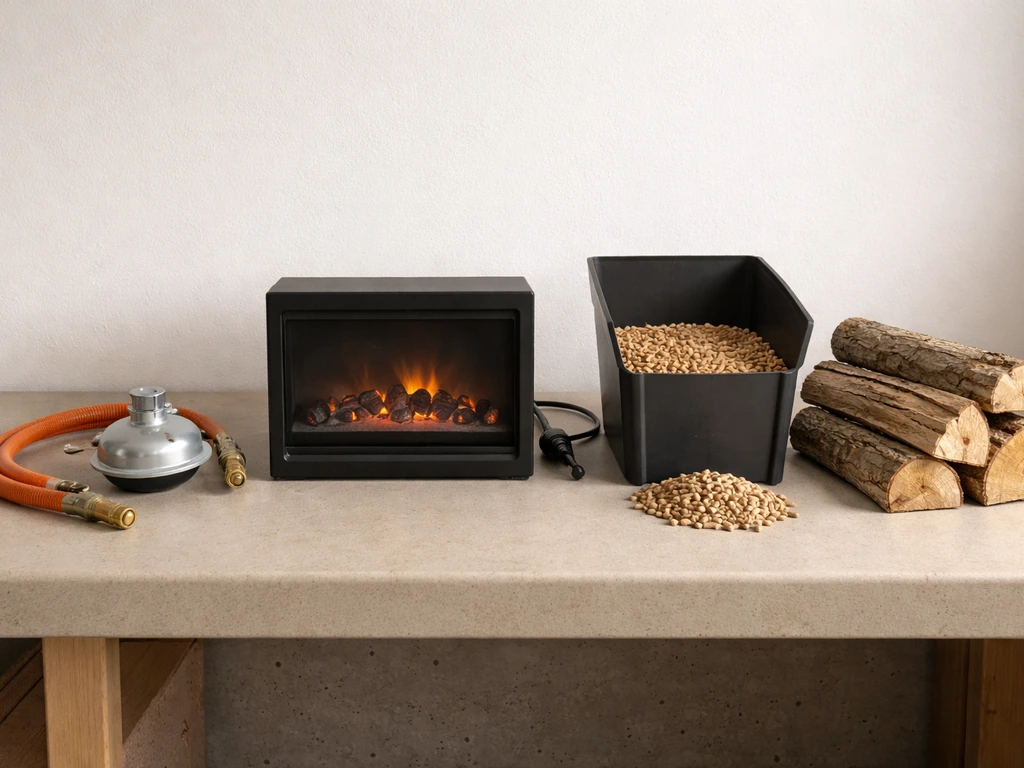
Ambler carries products across all major fuel types, so you're not locked into one path. But the right choice really does depend on your setup. Here's how the fuel types map to real-world patio and hearth use cases.
| Fuel Type | Heat Output Range | Best For | Main Trade-Off |
|---|---|---|---|
| Gas (propane/NG) fire pit | 55,000 to 106,000 BTU | Open or semi-covered patios, ambiance + warmth | Requires gas line or tank; installation cost |
| Gas fireplace insert | Up to 75,000+ BTU | Indoor-style fireplace or screened porch | Break-in odor period; needs licensed install |
| Pellet stove | Up to 51,000 BTU (e.g., Quadra-Fire) | Covered patios or indoor supplemental heat | Requires electricity; pellet storage/cost |
| Wood fireplace/insert | Up to 56,000 BTU peak | Classic ambiance, indoor or outdoor hearth | Smoke, cleaning, and local burn restrictions |
| Electric fireplace | Typically 4,000 to 5,000 BTU | Small covered spaces, visual ambiance focus | Lower heat output; not for open/cold spaces |
Gas fire pit tables are Ambler's strongest outdoor patio category. They carry products from brands like HPC Fire, Telescope Casual, and The Outdoor GreatRoom Company, with blank" rel="noopener noreferrer">outputs ranging from 55,000 BTU for a 36-inch table up to over 100,000 BTU for larger bowls. Those are meaningful numbers: 55,000 BTU is roughly comparable to a mid-range patio heater running continuously, and 100,000+ BTU is serious heat for a larger gathering space. For example, The Outdoor GreatRoom Company’s blank" rel="noopener noreferrer">Cove 42″ gas fire pit bowl listing specifies 105,000 BTU on LP and 106,000 BTU on NG, showing how high-output products are rated by fuel type. If you specifically want a Solo Stove Tower patio heater review, focus on heat output, coverage in wind, and how well it performs in your setup mid-range patio heater. HPC Fire products are CSA-certified, which matters for deck and patio installs. For anything under a roof or on a wood deck, that certification is not optional.
Pellet stoves from Quadra-Fire (a brand Ambler carries) run up to 51,000 BTU and are a strong choice if you want automated fuel feed and cleaner burning than wood but still want a flame. They need electricity to run the auger and fan, so an outdoor outlet or covered patio with power access is necessary. Wood-burning options deliver the most authentic ambiance and don't depend on gas or electricity, but they generate smoke, require more cleanup, and some municipalities restrict outdoor wood burning. Electric models are the least powerful and best thought of as ambiance pieces rather than primary heat sources.
Performance by patio setup: covered, open, and windy spaces
This is where a lot of buyers make mistakes. A fire pit table that looks great in a showroom can underperform badly in an open, windy backyard. Conversely, a powerful gas insert in a small screened porch can overheat the space quickly. Let me break down how Ambler's product categories actually perform by setting.
Open, uncovered patios
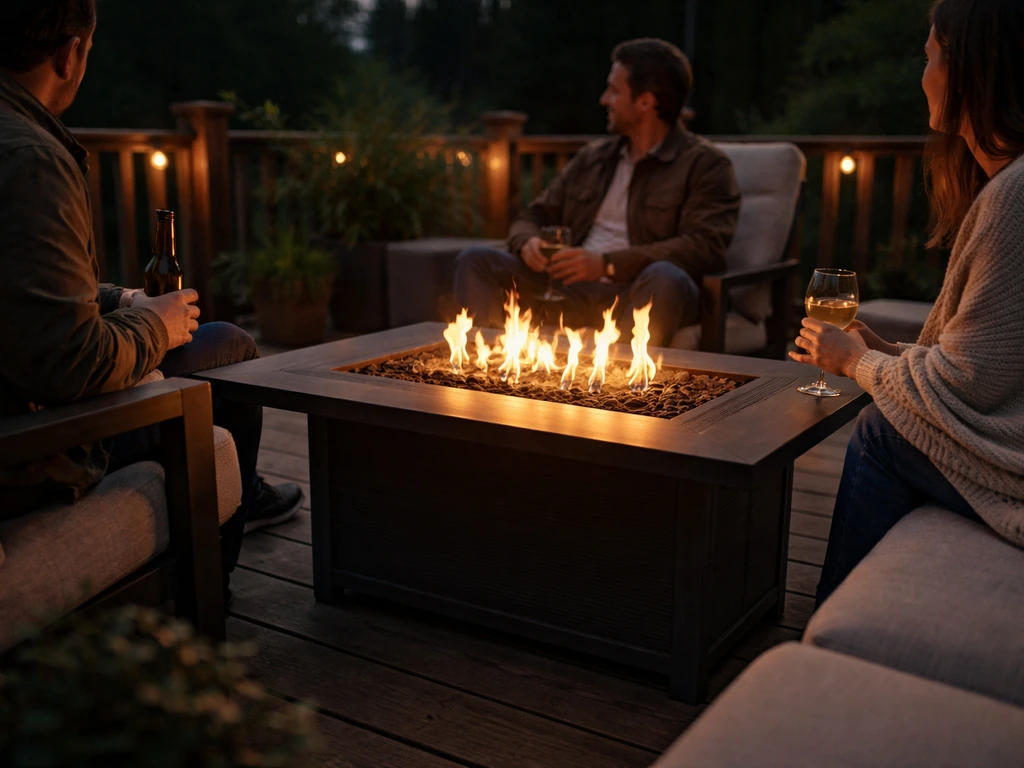
For uncovered outdoor spaces, gas fire pit tables are the most practical option. A table running 75,000 to 100,000 BTU can hold a comfortable heat zone for people sitting within about 5 to 6 feet of the flame in calm conditions. Wind kills radiant heat fast, so if your space is exposed, look at windbreak placement, not just BTU numbers. Wood-burning fire pits work well outdoors since smoke disperses, but gas is more convenient and easier to control. Ambler specifically notes that gas fire pit tables are generally safe for patios and decks, while wood-burning requires additional heat-resistant base protection.
Covered patios and screened porches
A covered space concentrates heat more efficiently, which means you can often use a lower-output product than you'd expect. A 55,000 BTU gas fire table can genuinely heat a 300 to 400 square foot covered patio on a 40-degree night. Pellet stoves shine here since they're designed for semi-enclosed spaces and produce consistent, thermostat-controllable heat without the open flame risk of a standard fire pit. Electric fireplaces are adequate for a small screened room used mainly for ambiance. Gas inserts are best reserved for true indoor or indoor-adjacent setups like a finished porch with a proper hearth surround.
Cold climates and high wind exposure
In the Philadelphia region (which is Ambler's home territory), winters hit hard. If you're buying for fall and winter outdoor use, size up on BTU rather than down. A 55,000 BTU fire table rated for warmer climates may struggle on a 30-degree night with a breeze. Go for at least 75,000 BTU in an open space if you plan to extend your outdoor season past October. For serious cold-weather covered spaces, a pellet stove with a dedicated air supply and proper clearances is a more reliable choice than relying on a decorative gas fire feature.
Safety, maintenance, and what reviews reveal about reliability
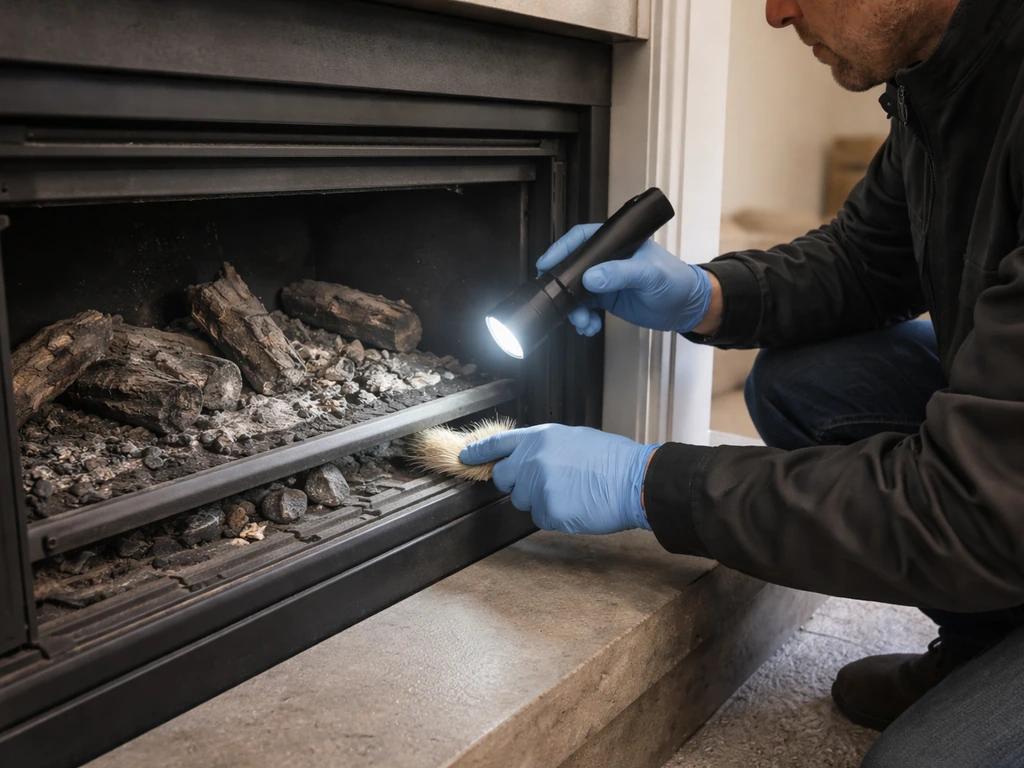
Ambler's service team services and repairs everything they sell, which is a genuine differentiator for a local hearth retailer. Their documented maintenance categories include cleaning burners and valves, testing for gas leaks, and checking CO levels. For gas products, those aren't optional nice-to-haves: they're annual necessities. The negative review involving alleged fire code violations and flammable insulation placement near a gas appliance is a reminder that installation quality matters as much as product quality. If you're using Ambler for installation (not just purchase), verify that the installer pulls the required permits and that final work is inspected.
For gas fire pit inserts specifically, HPC Fire's installation specs note a maximum inlet water column pressure of 11.0 inches W.C. and require fixed piping systems rather than small portable tanks for permanent installs. That's not a casual DIY job. If you're buying a gas fire pit table for occasional propane tank use, you have more flexibility, but permanent natural gas line connections must go through a licensed installer.
The break-in odor issue deserves a clear call-out. Nearly every gas fireplace or insert will smell during the first few uses as paint cures and manufacturing residue burns off. Ambler's documentation specifically says to run the unit 3 to 4 hours continuously on high, then come back for an additional 8 to 12-hour session if odor persists. Opening windows during this process is standard. If a reviewer complains about smell in the first week and gave a 1-star review without returning for service, that's worth discounting. If odors persist past the full break-in period, that's a legitimate warranty issue.
- Schedule annual gas appliance service checks (burner cleaning, leak test, CO check)
- Confirm installer pulls permits for any gas line or vented fireplace work
- Run break-in procedure fully before judging a new gas insert for odors
- Check thermopile millivoltage before assuming a remote control is defective
- For wood-burning units, clean the firebox and flue at least once per season
- Gas fire pit tables on decks should be on non-combustible surfaces per Ambler's own FAQ guidance
What it actually costs to own and run an Ambler product
The sticker price is just the starting point. Installation for a natural gas fireplace insert or a vented gas fireplace can run $500 to $1,500 or more depending on venting complexity and whether gas line work is needed. Propane fire pit tables are simpler to install and often don't require a contractor, but propane costs more per BTU than natural gas over time. Pellet fuel costs fluctuate seasonally; budget around $250 to $350 per ton, and a typical pellet stove running at mid-output burns about a ton every one to two months in heating season.
On warranty and support: Ambler's claim to service everything they sell is one of their main value propositions versus buying the same product online. Brand warranties vary by manufacturer, but having a local service team who knows the product and can respond on-site is worth something real, especially for gas appliances where you can't just return-ship a problem. The warranty dispute referenced in one 2026 review is a red flag to watch, but a single dispute doesn't define a store's overall service record. A 4.2-star average across 95 reviews suggests the majority of customers leave satisfied.
Long-term ownership costs also include parts. For pellet stoves, wear parts like augers, igniters, and combustion fans need replacement every few years. Gas appliances need thermocouple or thermopile replacements eventually, typically every 5 to 10 years. Wood-burning products have the lowest mechanical complexity but the highest cleaning burden. If you're not willing to do seasonal maintenance yourself, Ambler's service plan is worth asking about at purchase time.
| Product Type | Typical Install Cost | Fuel Cost (Annual, moderate use) | Service Frequency |
|---|---|---|---|
| Gas fire pit table (propane) | $0 to $200 (self-install possible) | $150 to $400 in propane | Annual burner/valve check |
| Gas fireplace insert (NG) | $500 to $1,500+ | $100 to $300 in natural gas | Annual service required |
| Pellet stove | $300 to $800 installed | $500 to $800 in pellets | Annual; quarterly cleaning |
| Wood fireplace insert | $500 to $1,200 installed | $200 to $500 in wood | Annual flue sweep |
| Electric fireplace | $100 to $300 installed | $50 to $150 in electricity | Minimal; filter cleaning |
Your buying checklist before you walk into the showroom
Before you visit either of Ambler's showrooms or call for a consultation, nail down these specifics. It'll make the conversation faster and help you avoid getting upsold on something that doesn't fit your space.
- Measure your patio: length, width, and ceiling height if covered. This determines the BTU range you need.
- Identify your fuel access: do you have a natural gas line near the patio, or are you running on propane? Is there an outdoor electrical outlet for pellet or electric options?
- Decide on primary use: ambiance and occasional warmth, or serious cold-weather heat extension? The answer changes your BTU target significantly.
- Check your deck or patio material: wood decks need gas fire pit tables on non-combustible pads; concrete and stone patios have more flexibility.
- Confirm local burn restrictions: some Philadelphia-area municipalities restrict wood-burning outdoors during certain conditions. Gas and electric have no such restrictions.
- Set a total budget including installation, not just product price. A $1,000 fire pit table plus $800 for gas line work is a $1,800 purchase decision.
- Ask about service plans and what the warranty covers for both parts and labor, not just parts replacement.
- Read at least 10 to 15 recent reviews on Google or HomeAdvisor specifically about installation and post-sale service before committing.
If you're comparing Ambler against going direct to an online retailer, the trade-off is real: you'll likely pay a bit more through a local dealer, but you get in-person product selection, local installation, and an accessible service team for a category of product where something eventually will need service. For gas appliances especially, that's not a small thing. If you're open to exploring other regional specialty retailers for comparison, shops like Woodstove Fireplace & Patio or Bowman's Stove and Patio serve similar regional markets and can be useful reference points for pricing and product mix. If you are specifically looking for bowman's stove and patio reviews, compare their reported installation and service follow-through the same way you would for Ambler. If you want to compare options, reviewing Woodstove Fireplace & Patio shop reviews can help you judge service, pricing, and installation experiences in the same region.
Bottom line: Ambler Fireplace & Patio is a legitimate, long-established regional dealer with a broad catalog and a genuine service commitment. Most of the negative reviews trace back to installation disputes or first-use confusion, not fundamental product failures. If you walk in knowing your space dimensions, your fuel access, and your heat output needs, you'll be able to have a productive conversation and leave with the right product. The brands they carry, including Quadra-Fire for pellet stoves and HPC Fire for gas pit inserts, are reputable with published BTU specs and safety certifications. Do your review homework, read the break-in documentation before your first use, and confirm your installer pulls permits. That covers most of the risk.
FAQ
How should I interpret “Ambler Fireplace and Patio reviews” if most complaints are about installation rather than the products themselves?
Separate store-service reviews from product-performance reviews. If a negative post mentions permits, clearances, gas smell, or callbacks, it is more about the installation workflow. Ask Ambler (or your installer) to list what was inspected, what was corrected, and whether the work was permitted and signed off.
What specific details should I tell Ambler during a consult so I do not get pushed toward the wrong fuel type?
Bring your usable patio dimensions, whether the space is covered or exposed, wind exposure level, and your power availability (for pellet stoves) or gas access (natural gas vs propane). Also mention any local outdoor burning restrictions if you are considering wood. This prevents “one-size-fits-all” recommendations based only on BTU.
If a reviewer says a gas unit had a burning smell, how do I tell whether it is normal break-in or a warranty issue?
Look for timing and whether they completed the full break-in run plus any follow-up service. A first-week odor without evidence they followed the manufacturer’s extended burn-in schedule is often confusion, especially if it improved after ventilation. Persistent odor beyond the documented break-in window, or any odor paired with fault behavior, should be treated as a warranty/service item.
Can I rely on review star ratings without knowing which platform the reviewer used?
Use platform-specific context. Some sites show broad experience reviews, others focus on installation or repair. If one platform shows a small number of posts, you should treat it as directional, then confirm details by reading the original comments and looking for repeated themes like remote control failures, odor complaints, or permit issues.
What are the most common remote-related “product defects” that are actually power or sensor issues?
For gas fireplaces, remote problems are often linked to low millivoltage supply, commonly from the standing pilot thermopile, or a basic dead battery. If a reviewer never checked the pilot condition or battery, discount the conclusion that the remote itself failed, and ask Ambler what measurements or checks they perform during troubleshooting.
If I am installing on a deck or near a structure, what should I ask about certifications and clearance requirements?
Ask whether the specific model is rated for deck or patio installations and what clearance distances apply to your surface type. For any gas product, request the exact safety documentation the installer will follow and confirm who is responsible for noncombustible base protection and any required hearth surround materials.
What questions should I ask about permits and inspections before installation starts?
Ask whether Ambler will handle permitting for your address, what inspection milestones are expected, and whether they provide paperwork after installation. For gas appliances, confirm the installer will test for leaks and verify ventilation and CO-related safety steps before final sign-off.
Are there key differences between choosing a gas fire pit table versus an insert for patio heat?
Yes. A fire pit table is typically for outdoor, people-to-flame heat in open or semi-open spaces, while an insert is usually for a defined structure (indoor or indoor-adjacent) with proper venting and a different safety and install scope. If you tell Ambler you want patio heat only, you may avoid being upsold into an insert setup that is not ideal for open-air comfort.
How can I estimate whether BTU is enough for my patio, without relying only on the number in a listing or review?
Ask how far the installer expects people to sit from the flame and whether your patio is exposed to wind. In open yards, radiant heat drops quickly, so a “high BTU” model can still feel weak if wind disrupts heat. In covered spaces, lower BTU can be more effective because heat is retained.
What power and fuel-access limitations should I verify before buying a pellet stove for outdoor or semi-enclosed use?
Pellet stoves typically need electricity for the auger and fan, so confirm you have an outdoor-rated outlet or safe power route. Also clarify whether you want it placed under a cover, how ventilation will be handled, and whether you have a practical plan for pellet delivery and storage in your season.
What are the realistic ongoing maintenance items that could affect satisfaction after installation?
Plan for periodic cleaning and part replacement. Gas units may require thermocouple or thermopile replacements over time, pellet stoves may need auger, igniter, and combustion fan wear-part service, and wood options typically require more frequent ash and soot maintenance. Ask what maintenance Ambler recommends for your exact model and whether they sell maintenance services or service-plan coverage.
How should I think about long-term costs if I choose between natural gas, propane, and pellets?
Do not compare only purchase price. Propane often costs more per unit of heat than natural gas over time, pellet fuel costs can swing seasonally, and electric models have the lowest output. Ask Ambler to estimate monthly fuel cost for your expected usage hours, including the cost impact of weather and wind.
What should I do if I have a warranty concern, based on “Ambler fireplace and patio reviews” that mention disputes?
Document the issue immediately (photos, model and serial number, install date, and what symptoms occur). Ask for an official service response timeline and get any warranty communication in writing. Then compare it to what the model’s manufacturer warranty requires for eligibility and troubleshooting steps.