
Bernzomatic patio heaters are solid, no-frills propane tower heaters that work best for open outdoor spaces up to about 15 feet in diameter. The flagship PH3250 series puts out 40,000 BTU, runs on a standard 20-lb propane tank, and is built around a central cylindrical burner with a reflective saucer and protective screen to spread heat and resist wind. If you want a dependable, widely available propane mushroom-style heater without a lot of bells and whistles, Bernzomatic delivers. But if you need heating for a covered patio, enclosed pergola, or tight urban balcony, this is not the right tool, and the manual is emphatic about that.
Bernzomatic Patio Heater Reviews Plus Manual and Parts Help

Willa Brennan
7 Jun 2026
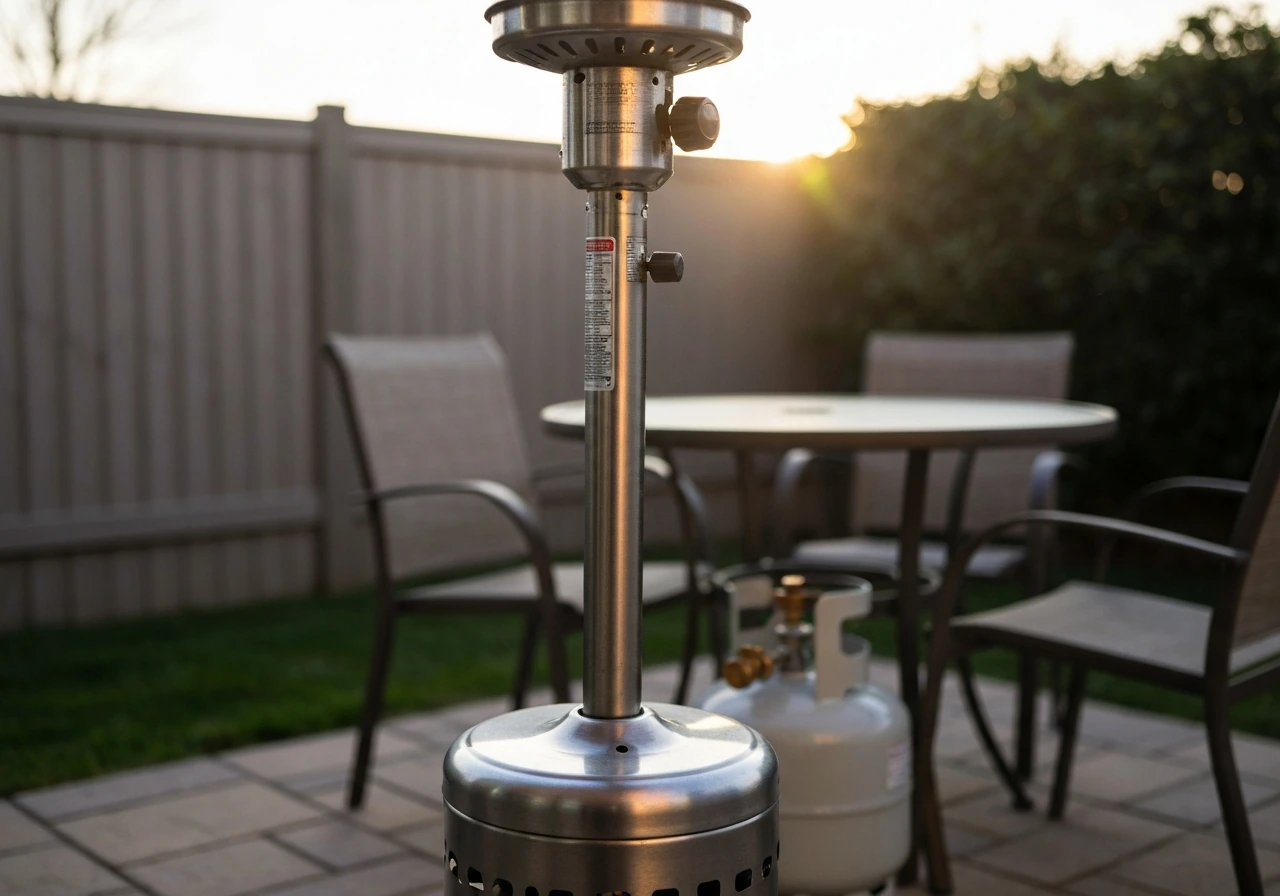
Does a Bernzomatic patio heater actually fit your space?
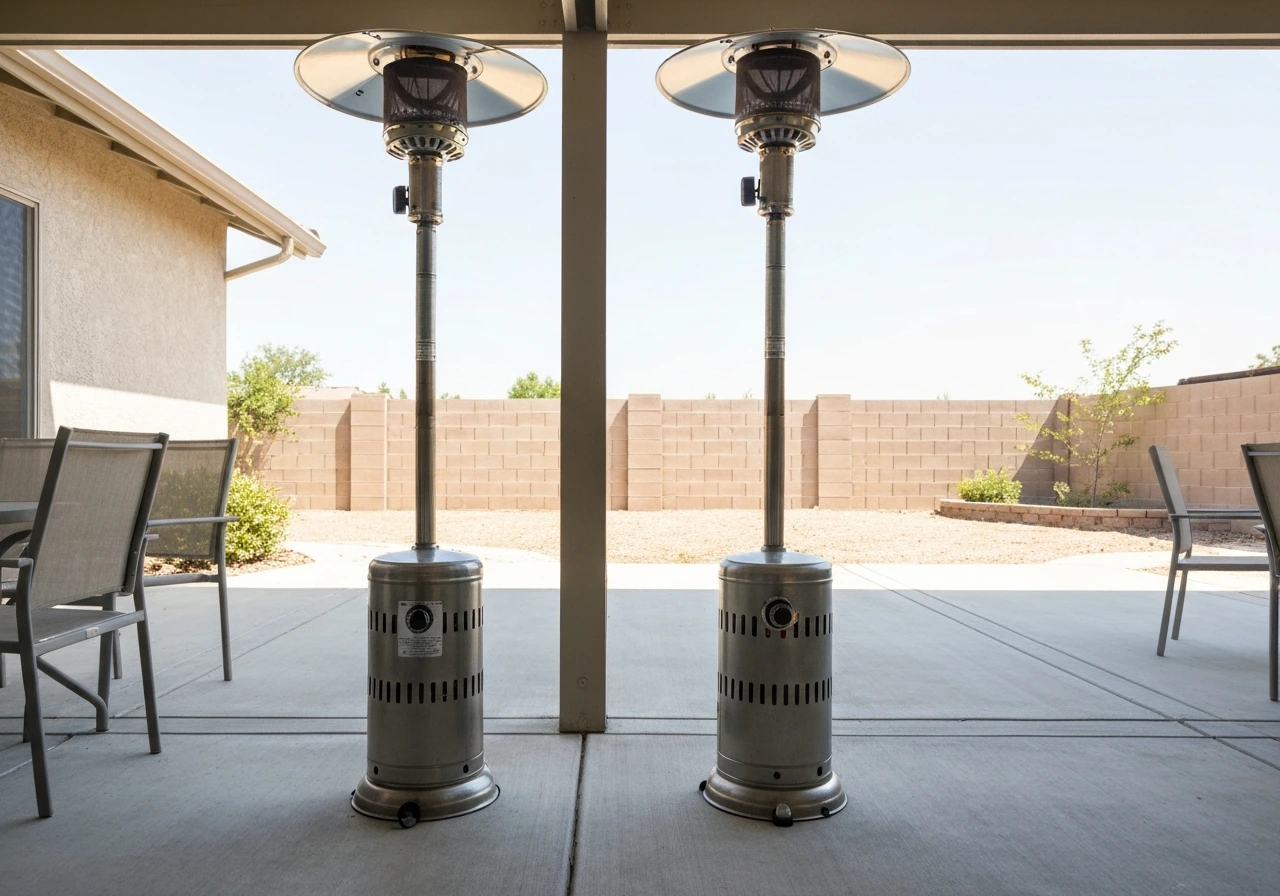
The honest answer is: it depends almost entirely on whether your space is open to the air. Bernzomatic heaters in the PH3250 family are certified and designed strictly for uncovered outdoor use. The owner's manual explicitly prohibits using them in buildings, carports, garages, porches, covered patios, tents, or any enclosed area. This isn't a vague caution, it's a hard limit tied to carbon monoxide risk. So if your patio has a solid roof, a pergola with a shade sail, or even partial walls, stop here and look at electric infrared heaters instead.
For a fully open patio or backyard setting, the 40,000 BTU output is genuinely useful. That's enough to take the edge off on a cool evening for a group of 6 to 8 people sitting within roughly 10 to 15 feet of the heater. The central cylindrical heating system is designed to push warmth outward in all directions rather than in a single beam, which makes it better for round seating arrangements than for heating one side of a long table. The wind-mitigation design, the small reflective saucer and enclosed, screened flame, helps in light breezes, but on genuinely gusty nights you'll still feel the difference.
How Bernzomatic compares to other heater types
| Heater Type | Best For | Heat Output | Covered Space OK? | Fuel Cost |
|---|---|---|---|---|
| Bernzomatic Propane (PH3250) | Open patios, backyards, events | 40,000 BTU | No | Moderate (propane) |
| Electric Infrared | Covered patios, balconies, small spaces | 1,500–5,000W | Yes | Low–moderate (electricity) |
| Natural Gas (fixed) | Permanent outdoor kitchens, large patios | 40,000–50,000 BTU | Varies by model | Low (gas line) |
| Pellet Patio Heater | Ambiance + heat, off-grid setups | Variable | No | Moderate (pellets) |
| Tabletop Propane | Small decks, intimate seating | 10,000–15,000 BTU | No | Moderate (propane) |
If you're comparing Bernzomatic against brands like Bromic or Hampton Bay, the main difference is build quality and feature set. For a side-by-side look at premium infrared options like Bromic, see bromic patio heater reviews before you commit to a propane tower. Bromic leans into premium infrared technology with sleek mounting options. Hampton Bay offers a wide range of price points with some covered-patio-safe electric models. Bernzomatic sits comfortably in the mid-range propane mushroom-heater category: straightforward, widely supported, and a good pick for someone who wants a portable heater they can move around a yard or store in a garage off-season.
Figure out exactly which Bernzomatic model you have
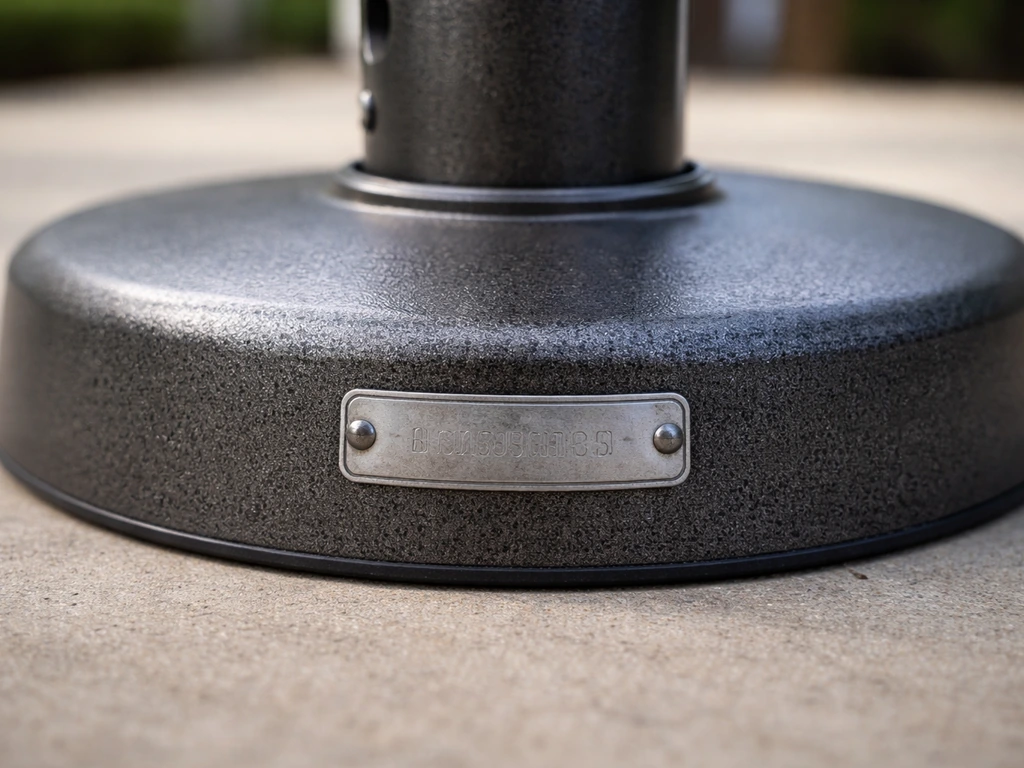
Before you download a manual or order a single part, get your model number right. Bernzomatic's PH3250 line includes five variants, PH3250S, PH3250P, PH3250N, PH3250C, and PH3250B, and while they share a common owner's manual, the specific finish, UPC, and potentially the included parts can differ between them. Getting the wrong part because you assumed yours is the same as your neighbor's is a frustrating and avoidable problem.
The model number is stamped on a label on the heater's base or pole. Check there first. If the label is worn, look at your original purchase receipt or the box, the UPC will match one of these: PH3250S (070042197204), PH3250P (07004297426), PH3250N (070042197402), PH3250C (070042197259), or PH3250B (070042197440). The PH3250N, for example, is the brushed nickel finish version rated at 40,000 BTU, one of the more commonly stocked variants at retailers like Northern Tool.
Once you have your model number, head to ManualsLib, they host individual owner's manuals for PH3250B, PH3250C, PH3250N, PH3250P, and PH3250S. Download the PDF and keep it somewhere accessible, because you'll want it for setup and any future troubleshooting.
What the manual actually tells you: setup, ignition, and controls
Assembly and initial setup
Assembly is straightforward for a tall tower heater, you're essentially stacking pole sections, attaching the burner head, and connecting the regulator and hose to a 20-lb propane tank. The manual walks through each step with diagrams, and the key thing to follow precisely is the regulator/hose connection. Bernzomatic is clear that you must use only the Bernzomatic-supplied LP regulator and hose assembly, not a generic replacement, and not a hose from another appliance. This matters for safety and also for warranty purposes. Tighten all connections hand-tight first, then snug with a wrench, and check for leaks with soapy water before the first use.
Lighting and ignition
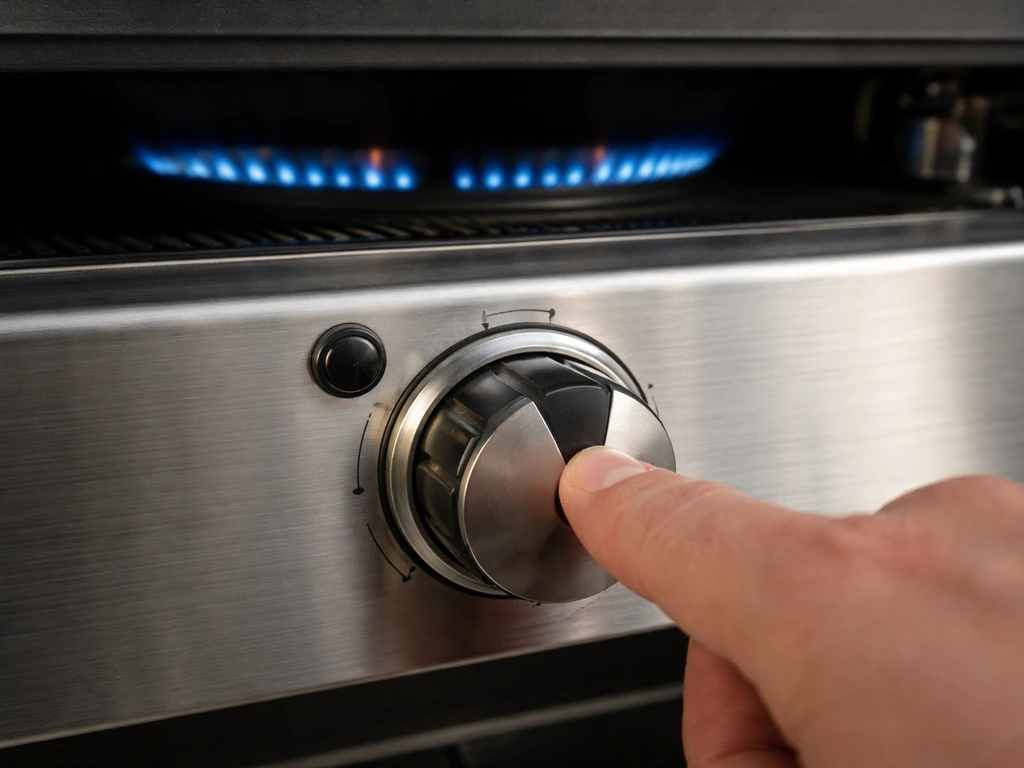
The PH3250 series uses a push-button piezo igniter built into the control knob assembly at the base. To light it: open the propane tank valve slowly, push the control knob in and turn it to the pilot or low position, then press the igniter button while holding the knob in. Hold the knob in for about 30 seconds after ignition to let the thermocouple heat up, release too soon and the flame will go out. If it doesn't light after two or three tries, turn the knob off, wait 5 minutes for any accumulated gas to dissipate, then try again. Never attempt to relight immediately after a failed ignition.
Controls and daily operation
Once lit, the control knob lets you adjust flame height and heat output between low and high. For most evenings, a mid-range setting is plenty. When you're done, turn the knob to off first, then close the propane tank valve, this order matters because it burns off the gas remaining in the hose rather than trapping it under pressure. For storage or any time the heater won't be used for more than a day or two, disconnect the regulator from the tank and store the hose coiled loosely, away from heat sources.
Using the parts manual: finding what you need and ordering it
The parts diagram is usually included at the back of the owner's manual PDF, or available separately from Bernzomatic's support resources. It's a labeled exploded-view drawing of every component, each tagged with a part number. The most commonly needed replacement parts on a propane tower heater like the PH3250 series tend to fall into a few categories:
- Regulator and hose assembly: the most wear-prone component, especially if the hose cracks from UV exposure or improper storage
- Igniter/spark electrode: the piezo igniter tip can corrode or crack over time, causing hard-start or no-start problems
- Thermocouple: the safety valve sensor that keeps gas flowing when the pilot is lit — a failed thermocouple is the most common cause of flame dropout
- Burner/emitter screen: can clog with spider webs or debris, causing uneven flame patterns
- Control valve assembly: less common failure, but relevant if the knob becomes stiff or leaks past the seal
- Reflector dome: can warp or corrode and is sometimes replaced for aesthetic reasons
To find the right part number, open the parts diagram and match the component to its label number. Then use that number when contacting Bernzomatic directly (1-800-359-9678) or when searching through authorized parts retailers. Don't order by description alone, a regulator hose that fits a different BTU rating may not be safe or compatible. If you're ordering online, double-check that the listing explicitly references your model number (e.g., PH3250N or PH3250S) alongside the diagram part number.
Troubleshooting the most common Bernzomatic heater problems
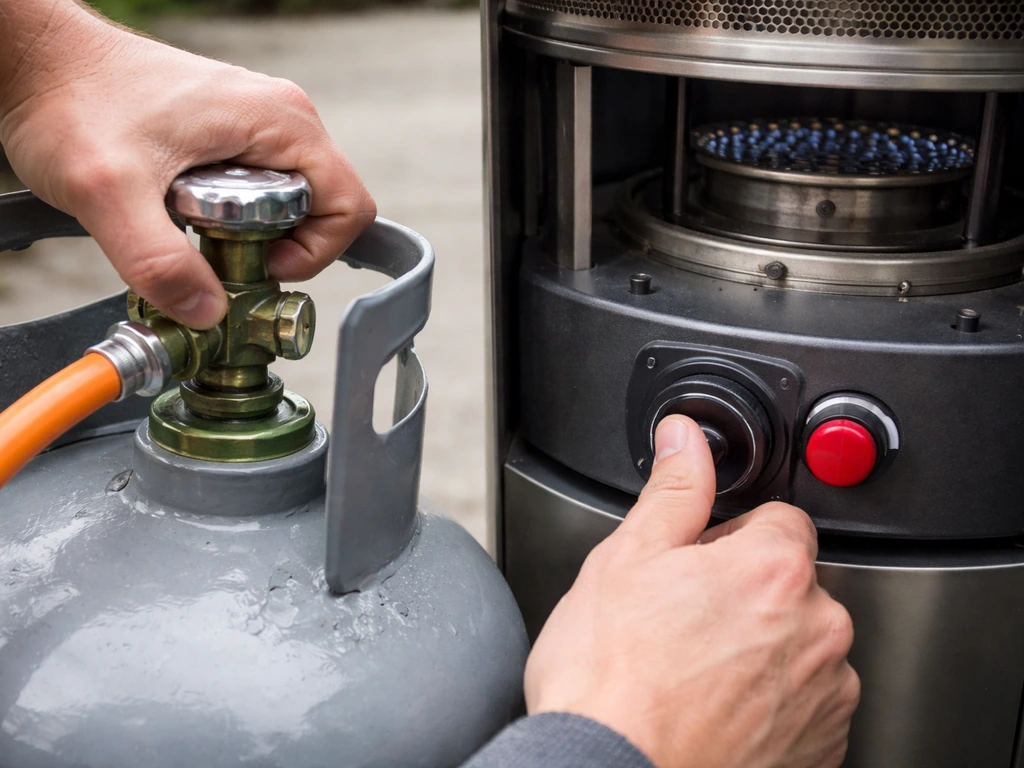
Heater won't light or igniter clicks but no flame
- Check that the propane tank has fuel and the valve is fully open.
- Make sure you're holding the control knob in fully while pressing the igniter — partial depression won't allow gas to flow.
- Inspect the igniter electrode tip for corrosion or a cracked ceramic body. Clean gently with fine steel wool or replace the electrode.
- Check the gap between the electrode tip and the burner. It should be roughly 3/16 inch (about 5mm). Too wide and the spark won't jump; too narrow and it grounds out.
- If the igniter clicks but there's still no flame, try lighting manually with a long-reach lighter while following the same ignition procedure — if that works, the igniter is the problem, not the gas system.
Flame lights but goes out immediately
This is almost always a thermocouple issue. The thermocouple is a thin probe that sits in the pilot flame, it generates a tiny electrical signal that tells the safety valve to stay open. If it's dirty, misaligned, or failing, the valve shuts off gas as soon as you release the control knob. Try cleaning the thermocouple tip with fine sandpaper, then check that it's positioned directly in the pilot flame path. If cleaning doesn't help, replace the thermocouple, it's one of the cheaper parts and a common service item.
Weak flame or uneven heat output
Low heat output usually comes from one of three things: a nearly empty tank, a clogged burner orifice, or a spider web in the burner tube. Spiders are genuinely one of the most common causes of patio heater problems, they love the dark interior of burner tubes and their webs block gas flow. Turn off and disconnect the gas, let everything cool, then inspect the burner tube opening and orifice with a flashlight. Clear any debris with a soft brush. Don't use wire to poke the orifice, you risk enlarging it, which permanently alters the flame characteristics. If the orifice is clogged, a can of compressed air or an orifice cleaning tool (sized to match) is the right approach.
Seasonal maintenance checklist
- Before first use each season: inspect the regulator hose for cracks, brittleness, or kinks — replace if any damage is visible
- Check all burner tube openings for spider webs and debris
- Wipe down the reflector dome and emitter screen with a damp cloth
- Test the piezo igniter and thermocouple response before the first guests arrive
- After the season: disconnect the regulator, store the hose coiled away from UV and heat, and cover the heater or bring it indoors
Warranty, safety, and when to stop troubleshooting yourself
Bernzomatic backs the PH3250 series with a three-year limited warranty covering defects in materials and workmanship, for units purchased on or after June 1, 2016. To make a claim, you'll need proof of purchase and can reach Bernzomatic at 1-800-359-9678 or through any authorized Bernzomatic retailer. The warranty covers repair or replacement, it does not cover damage from misuse, and it's voided if anyone other than Bernzomatic repairs or modifies the unit. That last point is important: if you've already taken apart the valve assembly or modified a hose fitting, you've likely voided coverage.
For DIY troubleshooting, cleaning, and part swaps like an igniter electrode or thermocouple, you're generally in safe territory as long as you follow the manual's procedures, test connections for leaks with soapy water, and never operate the heater while smelling gas. Stop DIYing and call Bernzomatic support when you have: a gas smell that persists after shutting off the tank, a control valve that feels loose or leaks around the stem, a regulator that hisses or froths, or any visible damage to the main burner assembly. These are not backyard fixes, they involve components that control pressurized fuel, and getting them wrong has serious consequences.
One safety rule worth repeating, because it's the one most often ignored: never use this heater under a covered patio, pergola, awning, or in any partially enclosed space. The manual is explicit. Carbon monoxide from propane combustion doesn't smell, and enclosed spaces accumulate it quickly. If your patio is covered, the right heater is an electric infrared model designed for that purpose, the kind reviewed in other sections of this site. No amount of BTU output is worth the risk of CO exposure.
Bottom line: Bernzomatic's PH3250 series is a reliable, well-documented propane tower heater for open outdoor spaces. If you're also comparing heater types, check our halogen patio heaters reviews for how they perform in covered or semi-covered setups. If you want the practical take on fit, performance, and value, look at shinerich patio heater reviews next.
The manual is thorough, parts are identifiable through a clear diagram, and the most common failures (thermocouple, igniter, clogged burner) are all fixable with basic tools. Know your model suffix, download the right manual, and use the parts diagram to order by number rather than guessing. Do that, and this heater will give you several seasons of trouble-free use.
If you are specifically looking for hanover patio heater reviews, compare that type of heater to propane tower models like the PH3250 before you buy trouble-free use.
FAQ
Can I use a Bernzomatic PH3250 on a screened-in porch if there is airflow through the screen?
No. Even with screens, a porch is considered at least partially enclosed, and the PH3250 manual prohibits use in places like porches, carports, and covered patios. Screen openings do not prevent carbon monoxide buildup the way open outdoor air does.
What distance should I plan for seating relative to a Bernzomatic 40,000 BTU tower heater?
A practical starting point is about 10 to 15 feet for a small group, but your real coverage depends on wind direction and how sheltered the seating area is. In gusty or very breezy yards, you may need to reduce the distance or consider a second heater rather than relying on maximum output.
Is it safe to swap in a different brand regulator or hose if the threads look the same?
No. The PH3250 series requires the Bernzomatic-supplied LP regulator and hose assembly. Using a generic part can be incompatible with pressure needs and can also create a warranty issue, even if it seems to thread on.
My piezo igniter “clicks” but the burner won’t light. What should I check first?
Verify the gas is actually flowing (open the tank valve fully and confirm you are on the correct control position). Also ensure you hold the control knob in after ignition long enough for the thermocouple to heat, about 30 seconds. If it still fails after two or three attempts, wait 5 minutes before trying again to avoid pooling gas.
The flame stays on briefly then shuts off when I release the knob. Does that always mean thermocouple?
Most of the time, yes, because the thermocouple keeps the safety valve open. However, also confirm the thermocouple is properly positioned in the pilot flame and that the pilot flame is present and stable, since a weak pilot can be caused by burner blockage or low/near-empty propane.
How do I tell whether low heat is from the tank or from a burner clog?
Do a quick tank check first, if you recently refilled then you can focus on the heater. If you see an uneven, weak, or hard-to-start flame, inspect the burner tube and the orifice for debris, spiders, or webs. Use a flashlight and a soft brush, and avoid poking the orifice with wire because it can permanently change the flame pattern.
What is the correct order for shutdown and tank closing to prevent issues later?
Turn the heater control knob to off first, then close the propane tank valve. This order helps burn off gas in the hose rather than leaving fuel trapped under pressure. If you shut the tank first, you can increase the chance of nuisance ignition problems when restarting.
Can I store the heater connected to the propane tank during the off-season?
No. Disconnect the regulator from the tank and store the hose coiled loosely away from heat sources. For longer-term storage, keep it where insects and dust are less likely to get into the burner area, since spiders are a common cause of later blockages.
Do PH3250 models use the same parts, or do I need the exact suffix?
You need the exact suffix model number (PH3250S, PH3250P, PH3250N, PH3250C, PH3250B) because finish and included components can differ. When ordering replacements, use the part number from your specific parts diagram, not just a description.
Is DIY repair okay for things like igniter or thermocouple, and when should I stop?
DIY is generally reasonable for common, low-level service like cleaning or replacing a thermocouple, as long as you follow the manual and leak-test with soapy water. Stop DIY and contact support if you smell gas that persists after shutting off, notice regulator hissing or frothing, see valve stem leaks, or find visible damage to the burner assembly.
What should I do if I have a gas smell even after turning the heater off?
Turn off the propane tank immediately, ventilate the area, and do not attempt to relight. If the smell persists after shutdown, treat it as a safety issue and contact Bernzomatic support rather than troubleshooting with tools around pressurized components.
Is there any warranty guidance I should know before attempting repairs or modifying parts?
Yes. The PH3250 series is covered by a three-year limited warranty for eligible purchases, but warranty coverage can be voided if anyone other than Bernzomatic repairs or if you modify the unit, including changing hose fittings. If you are unsure, check with support before disassembly that goes beyond basic cleaning or the manual’s allowed parts swaps.