
The FlamePro 81''H Steel Patio Pellet Heater is a solid buy for homeowners who want a wood-fired, campfire-style heat experience on their patio without the mess of a full fire pit. At $199.99 to $279.99 (it regularly goes on sale at Costco), it pumps out 75,000 BTUs and covers about 120 square feet, which is genuinely impressive for the price. That said, it has real trade-offs: manual ignition with lighter fluid, occasional gravity-feed jams, and startup smoke are things you'll deal with regularly. It earns a 3.4 out of 5 from Costco buyers, and that rating feels about right. It's a great fit for the right patio setup, but it's not for everyone.
FlamePro 81''H Steel Patio Pellet Heater Review

Willa Brennan
19 Jun 2026
Quick verdict: is it worth buying?
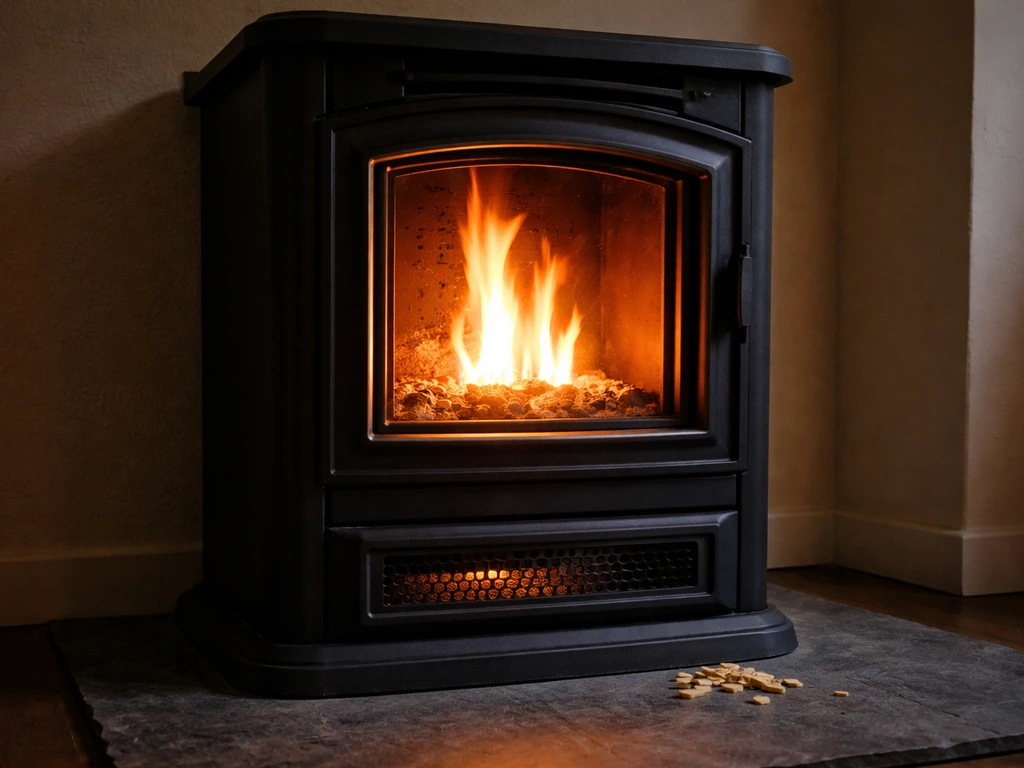
Yes, with some caveats. If you're comfortable with a more hands-on heating experience (think: lighting a wood stove rather than flicking a switch), you'll get a lot of heat for under $200 when it's on sale. It's essentially a wood stove designed to look like a traditional patio heater, and that's honestly a useful way to think about it before you buy. You get real flame warmth, solid BTU output, and a striking visual piece for your patio.
What you don't get is push-button convenience. If you want to flip a switch and have heat in 10 seconds, you'll be much happier with a propane or electric option instead. If you specifically want a gas option, compare this to a performance series LPG patio heater for faster, more convenient heat.
What it is and the specs that actually matter
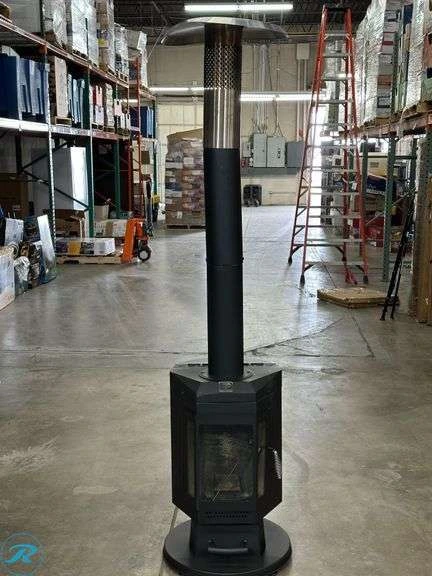
This is a freestanding pellet-burning patio heater manufactured under the FlamePro brand and sold primarily through Costco (item #1713430). It stands 80.7 inches tall (just under 81 inches), with a footprint of roughly 23 by 21 inches, and weighs 73.5 pounds. The body is steel with a black high-temperature powder-coated finish, a stainless-steel chimney top, and an aluminum reflector that directs heat downward toward the people around it. Three glass panes (triple-pane windows) let you see the flame, which is a nice touch for ambiance.
The hopper holds around 18 to 20 pounds of wood pellets (listings vary slightly between 18 and 20 lb, likely depending on the specific production run). The feeding system is gravity-automatic and entirely non-electric, meaning pellets fall into the burn chamber on their own without any powered auger. That's both a strength (no electrical components to fail) and a weakness (pellets can bridge and get stuck). Ignition is manual: you open the door, add a small amount of lighter fluid to the pellets, and light them with a match or lighter. There's no electronic igniter here.
| Spec | Detail |
|---|---|
| Height | 80.7 inches (81''H) |
| Footprint | 23.22'' L x 20.87'' W |
| Weight | 73.5 lb |
| Heat output | 75,000 BTUs |
| Coverage area | ~120 sq ft radius |
| Hopper capacity | 18–20 lb wood pellets |
| Burn time | Up to 4 hours per hopper |
| Feeding system | Gravity-automatic, non-electric |
| Ignition | Manual (match/lighter + lighter fluid) |
| Body material | Powder-coated steel |
| Chimney top | Stainless steel |
| Reflector | Aluminum |
| Flame viewing | Triple-pane glass windows |
| Ash management | Removable ash tray |
| Included accessories | PVC protective cover |
| Retail price (Costco) | $199.99–$279.99 depending on sale |
How it actually heats in real outdoor conditions
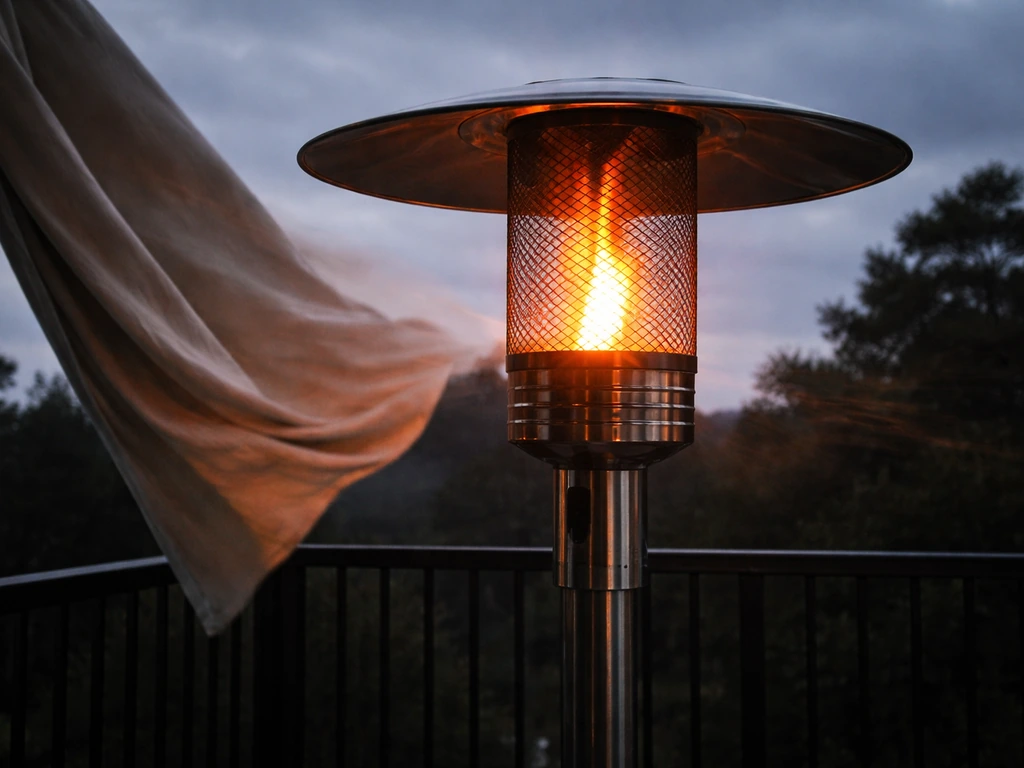
The 75,000 BTU rating is legitimately strong for a patio heater in this price range. Costco Japan states that the reflector releases 75,000 BTUs of heat across up to 120 square feet and provides blank" rel="noopener noreferrer">up to 4 hours of burn time. If you're cross-shopping, the Fire Sense Performance Series LPG patio heater is a different fuel approach that trades open-flame pellet behavior for more propane-style convenience. To put that in context, most standard propane patio heaters top out around 46,000 to 48,000 BTUs, so on paper this unit beats them by a wide margin. The aluminum reflector is designed to push heat downward and outward, covering that claimed 120 square foot radius with noticeable warmth on calm evenings.
Wind is where things get tricky. Because this is a combustion heater with a chimney and open flame, wind disrupts the burn and scatters the heat you've built up. In mild breeze conditions (under 10 mph), it still performs well. In gusty conditions, you'll notice both reduced heating efficiency and more smoke variability. This is a trait shared by all open-flame patio heaters, but pellet burners can be a bit more sensitive than propane units because pellet combustion depends more on consistent airflow through the burn chamber.
For covered patios, the chimney component is a real consideration. The smoke rises through the stainless chimney top, and under a pergola or covered patio ceiling you need adequate vertical clearance so smoke doesn't pool. On an open patio or a pergola with good airflow, this usually isn't a problem. Under a fully enclosed or low-ceiling covered patio, it can be. More on safe clearances in the safety section below.
Day-to-day usability: startup, feeding, and cleanup
Starting it up
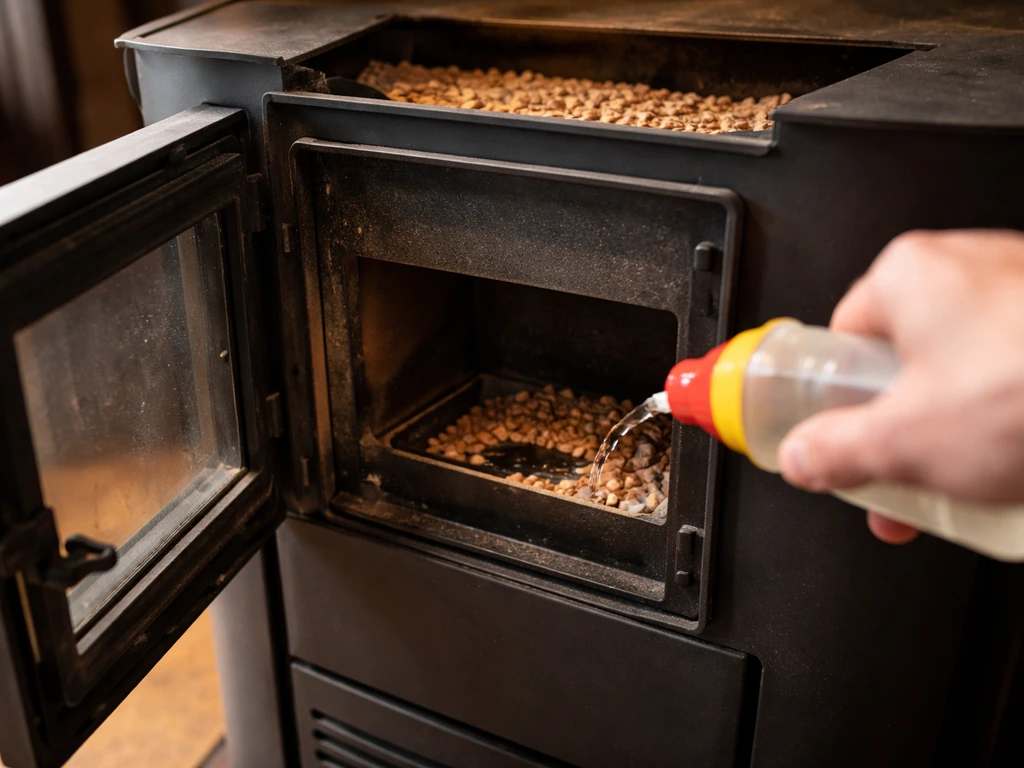
Getting this heater going takes more effort than a propane or electric unit. You open the side door, load pellets into the hopper, pour a small amount of lighter fluid over the pellets in the burn chamber, and light it with a match or lighter. Once it catches, it usually takes 5 to 10 minutes to build up to full heat output. That startup smoke is real and consistently reported by owners. Plan on a couple of minutes of visible smoke while the pellets fully ignite and the burn stabilizes. For most people this becomes a normal part of the ritual, but if you're on a small urban patio with close neighbors, it's worth being aware of.
Fueling and feed issues
Once lit, the gravity-automatic feeding system takes over and drops pellets into the burn chamber as they're consumed. Under ideal conditions this works smoothly and you can get up to 4 hours of burn time from a full 20 lb hopper. The catch is that gravity feeds can jam. Pellets occasionally bridge across the hopper opening and stop feeding, which means the fire can burn down or go out even with pellets remaining. A quick shake or tap usually clears it, but it does mean you should check on the heater periodically rather than setting it and forgetting it. Using high-quality, standard-size hardwood pellets (the same kind used in pellet stoves) helps reduce bridging versus cheaper or irregular pellets.
Ash cleanup
Wood pellets produce ash, and this heater includes a removable ash tray to make cleanup straightforward. After a full 4-hour burn, expect a moderate amount of fine ash. You'll want to clean the tray every one to two uses to prevent buildup that can interfere with airflow and burning efficiency. It's less convenient than a propane heater (where there's zero cleanup) but far simpler than a traditional wood fireplace. Keep a small ash scoop and a bag nearby and the process takes under five minutes.
Noise and mess
This heater crackles and pops the way a wood fire does, which many people actually enjoy. It's not silent like an electric heater, but it's not disruptively loud either. The flame visible through the triple-pane windows adds to the ambiance. The main mess factor is ash, some small pellet dust when loading the hopper, and occasional startup smoke. None of these are deal-breakers, but they're different from the zero-maintenance experience of a propane or electric option.
Safety and setup requirements
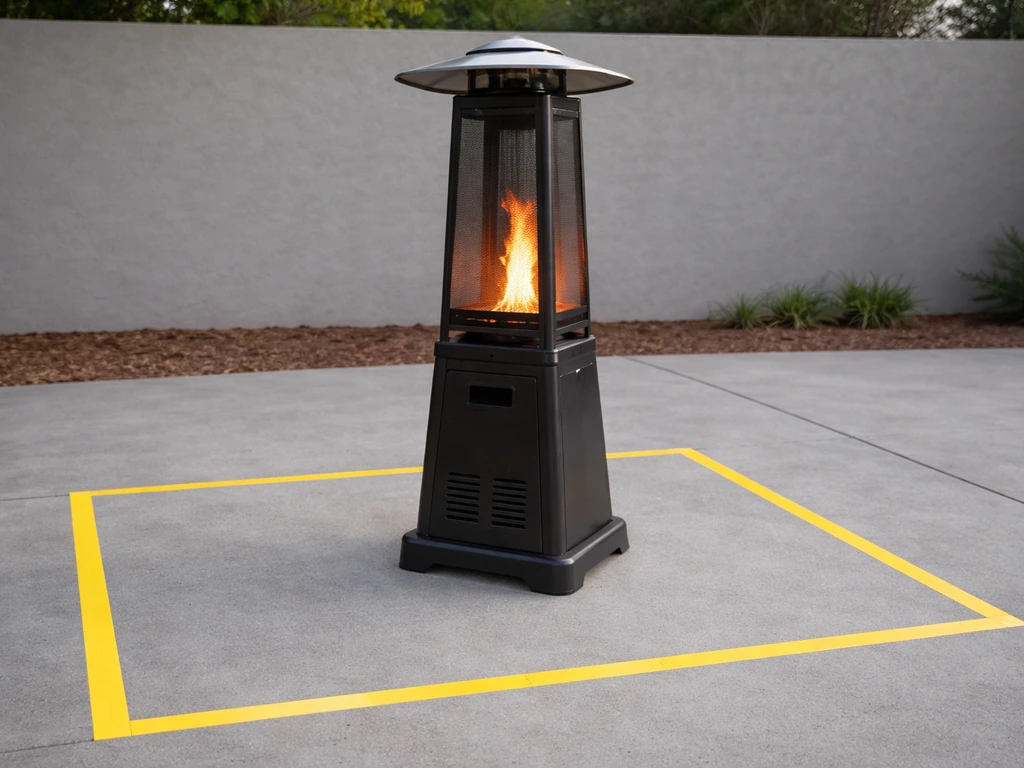
At 73.5 pounds, this heater has a solid base and doesn't tip easily under normal conditions, but you should still position it on a level, stable surface away from foot traffic. Like any freestanding patio heater, it's not designed to be left unsupervised in high winds that could tip it over.
Clearance matters more with a pellet heater than with most other patio heater types because you're dealing with real combustion and a chimney. Keep at least 3 feet of horizontal clearance from any combustible material (furniture, curtains, overhead structures made of wood). Vertical clearance above the chimney top should be a minimum of 2 to 3 feet, and under a covered patio you want to confirm smoke can escape rather than collect. Open pergola structures work fine. A solid roof directly above is more problematic and requires very good airflow or should be avoided.
The smoke and smell from startup are normal for any wood-burning appliance but are worth noting for HOA or neighborhood considerations. Once fully lit and burning well, the smoke is minimal and channeled upward through the chimney rather than drifting freely at head height. Think of it like standing near a campfire versus standing in front of a fireplace: the chimney design does a real job of directing combustion byproducts upward. Still, if you're in a no-open-flame HOA zone, check your rules before buying.
Operating costs and upkeep over time
Wood pellets are widely available at hardware stores, home improvement stores, and Costco itself, typically sold in 40 lb bags for roughly $6 to $10. Running this heater for 4 hours consumes a full 20 lb hopper, which means you're spending about $3 to $5 per session on fuel at current pellet prices. That's comparable to or slightly cheaper than running a propane patio heater for the same duration, though propane prices vary by region.
Beyond fuel, maintenance is relatively light. Clean the ash tray every one to two sessions. Once or twice per season, inspect the chimney top and interior for creosote or debris buildup. The powder-coated steel body holds up well to outdoor conditions, but leaving it exposed to rain and moisture year-round will shorten its lifespan. The included PVC cover is a must-use whenever the heater isn't in active rotation. Steel bodies can rust at connection points and around the door hinges if moisture gets in repeatedly.
- Fuel cost: roughly $3–$5 per 4-hour session using standard hardwood pellets
- Pellet availability: widely sold in 40 lb bags at hardware stores and Costco
- Ash tray: clean every 1–2 uses to maintain airflow and efficiency
- Chimney inspection: once or twice per heating season
- Cover: always use the included PVC cover when not in use to protect the steel body
- Pellet type: use standard-size hardwood pellets (pellet stove grade) for best results
How it stacks up against other patio heater types
Choosing between a pellet heater and a propane, natural gas, electric, or infrared model really comes down to what matters most to you: convenience, ambiance, heat output, or running cost. Here's an honest comparison across the options most relevant to a typical homeowner. If you're considering the FlamePro pellet model specifically, read our FlamePro pellet patio heater review for a complete rundown of performance, usability, and trade-offs.
| Heater Type | BTU Range | Startup | Running Cost | Maintenance | Best For |
|---|---|---|---|---|---|
| Pellet (FlamePro) | 75,000 BTU | 5–10 min, manual | Low ($3–5/session) | Medium (ash, cleaning) | Ambiance + high heat, casual evenings |
| Propane (freestanding) | 40,000–48,000 BTU | Instant, push button | Medium ($5–10/session) | Very low | Convenience, portability |
| Natural gas (built-in) | 40,000–60,000 BTU | Instant, push button | Low (utility rate) | Low | Permanent installations, heavy use |
| Electric/infrared | 1,500–5,000 W | Instant, switch | Medium (electricity rate) | Minimal | Covered patios, small spaces |
| Tabletop propane/electric | 10,000–15,000 BTU | Instant | Low (small area) | Minimal | Small seating areas, balconies |
The FlamePro's 75,000 BTU output is a clear advantage over standard propane tower heaters, which top out around 46,000 to 48,000 BTUs. If raw heat output is your priority and you don't mind the manual startup ritual, pellet wins on sheer warmth for the money. But if you entertain frequently and want heat on demand without a process, a performance-grade propane heater or a natural gas unit will serve you better.
Electric and infrared options work extremely well in covered or enclosed spaces where smoke isn't appropriate and where wind isn't disrupting the heat. If you're heating a small seating area on a balcony or compact patio, a tabletop model is worth considering instead. If you prefer a flame-based tabletop patio heater instead of a freestanding unit, look for models that are designed for small spaces and easy placement.
Who should buy this and who should skip it
This heater is a great fit if you:
- Enjoy the look and feel of a real wood fire as part of your outdoor experience
- Have an open or semi-open patio where smoke can dissipate freely
- Have easy access to hardwood pellets locally (Costco, hardware stores)
- Want high heat output (75,000 BTU) at a competitive price point
- Are comfortable with a 5–10 minute startup process and regular ash cleanup
- Have a patio of roughly 120 square feet or less to heat
Skip it and look elsewhere if you:
- Want instant, push-button heat with no preparation
- Have a fully covered or low-ceiling patio where smoke clearance is an issue
- Live in an HOA or area with restrictions on open-flame or smoke-producing appliances
- Host frequent spontaneous gatherings where startup time is an inconvenience
- Have a small balcony or tight space where a full-size 81-inch tower heater won't fit well
- Are not willing to deal with occasional gravity-feed jams or startup smoke
Things to check before you buy
- Confirm pellet availability in your area: standard hardwood pellets (the kind used in pellet stoves) should be accessible year-round, not just seasonally
- Measure your patio and ceiling height: the unit is just under 81 inches tall and needs 2–3 feet of vertical clearance above the chimney for smoke to escape properly
- Check HOA rules or local regulations about open-flame or wood-burning outdoor appliances
- Decide where you'll store it when not in use: the included PVC cover handles rain, but protected storage in winter extends the steel body's lifespan significantly
- Watch for the Costco sale price: it has dropped as low as $199.99 from the $279.99 standard price, and that sale price makes the value proposition considerably stronger
- Consider your entertaining style: if you light it once and enjoy a long evening around the patio, this heater suits you perfectly; if you need heat on and off quickly through the night, propane is more practical
The FlamePro 81''H Steel Patio Pellet Heater occupies an interesting niche in the patio heating market. A flamepro table-top patio heater can be a better fit if you need a smaller, space-saving option for quick, directed warmth. It's not the most convenient heater you can buy, but it delivers genuine campfire-level warmth with more control and safety structure than an open fire pit. At the sale price, it's genuinely hard to beat on BTUs per dollar. Just go in with clear eyes about what it takes to run it, and you'll be pleased. Go in expecting propane-level ease and you'll be frustrated within the first week.
FAQ
How do I reduce the startup smoke and smell when lighting the FlamePro 81''H steel patio pellet heater?
It typically starts cold with a visible smoke phase for a few minutes, then settles. If you want to minimize smoke, pre-position the heater in its final spot, use only a small measured amount of lighter fluid, and start on calm evenings if possible, because wind makes combustion less stable.
What causes the gravity-feed jams, and what should I do to prevent the heater from going out with pellets still in the hopper?
Since the feeding system is gravity-based and non-electric, it relies on pellets bridging less and on consistent airflow through the burn chamber. Use standard-size hardwood pellets (not irregular or softwood blends), keep the ash tray clean, and give the hopper a gentle shake if it seems to stall before the fire fully fades.
Can I use this heater under a pergola or covered patio without worrying about smoke pooling?
Yes, but you should avoid tight, low-clearance enclosed areas because the chimney needs room for smoke to rise and exit. If your patio ceiling is low or your setup is mostly enclosed, verify you can maintain the recommended horizontal and vertical clearances and ensure you do not trap smoke under a roof or pergola.
How well does the FlamePro pellet heater handle windy conditions, and when should I avoid using it?
Not if you want it to perform like the review describes. The heater depends on stable combustion and a chimney draw, so heavy gusts can reduce burn efficiency and increase smoke variability. If you regularly face strong wind, treat the heater as a seasonal or occasional use item unless you can shelter it with safe, non-combustible barriers.
What maintenance is required during the season, and how often should I clean ash and inspect the chimney?
Expect more than zero, but not like a traditional fireplace. You should plan on cleaning the ash tray every one to two burn sessions, and a quick check for debris at the chimney top every so often. If you skip ash removal, you can reduce airflow and cause weaker burns or more bridging.
How consistent is the burn time, and what factors make it shorter than the advertised 4 hours?
It will burn until the hopper runs out or feeding stalls, which can be less predictable if pellets bridge. For best consistency, use high-quality pellets, keep the ash tray from filling, and check once within the first 15 to 20 minutes after ignition to confirm it is feeding smoothly.
Is it safe to leave the FlamePro patio pellet heater running unattended on the patio?
It is not designed to be left unattended. Even with a stable base, pellet combustion plus open flame means you should supervise use, especially in wind or if children or pets could approach the heater.
How should I position and store the heater to prevent rust and extend its life outdoors?
Your best option is to place it on a level, non-combustible surface and use a weather cover when not actively burning. Repeated rain exposure can shorten lifespan due to rust at connection points and near door hinges, so storing it dry is a practical must.
Should I choose the FlamePro pellet heater or a propane, natural gas, electric, or infrared option for my specific patio setup?
Generally, yes, but it comes with a trade-off. If you frequently want quick heat on demand, a propane or natural gas heater is easier, while electric and infrared are often better for enclosed spaces where smoke is not appropriate. This pellet unit is most attractive when you want flame ambiance and can tolerate the manual start ritual.
How do I estimate monthly fuel cost if pellet and propane prices differ in my area?
Do not assume pellet availability matches cost in your region. The review estimates per-session cost using typical bag pricing, but prices vary by area. If pellets nearby cost significantly more than propane where you live, your “BTUs per dollar” advantage may shrink.