
Natural gas patio heaters are genuinely the best long-term heating solution for most homeowners who already have a gas line running to their outdoor space. You get unlimited runtime, lower fuel costs (roughly 48 cents per hour for a 40,000 BTU model), and no heavy propane tanks to swap. The tradeoff is upfront installation work and a permanent placement. If you're trying to decide between natural gas and propane, or you're trying to pick the right model for your patio size and setup, this guide gives you real specs, honest comparisons, and a clear shortlist process.
Gas Patio Heater Reviews: Best Natural Gas Options Compared

Willa Brennan
3 Jun 2026
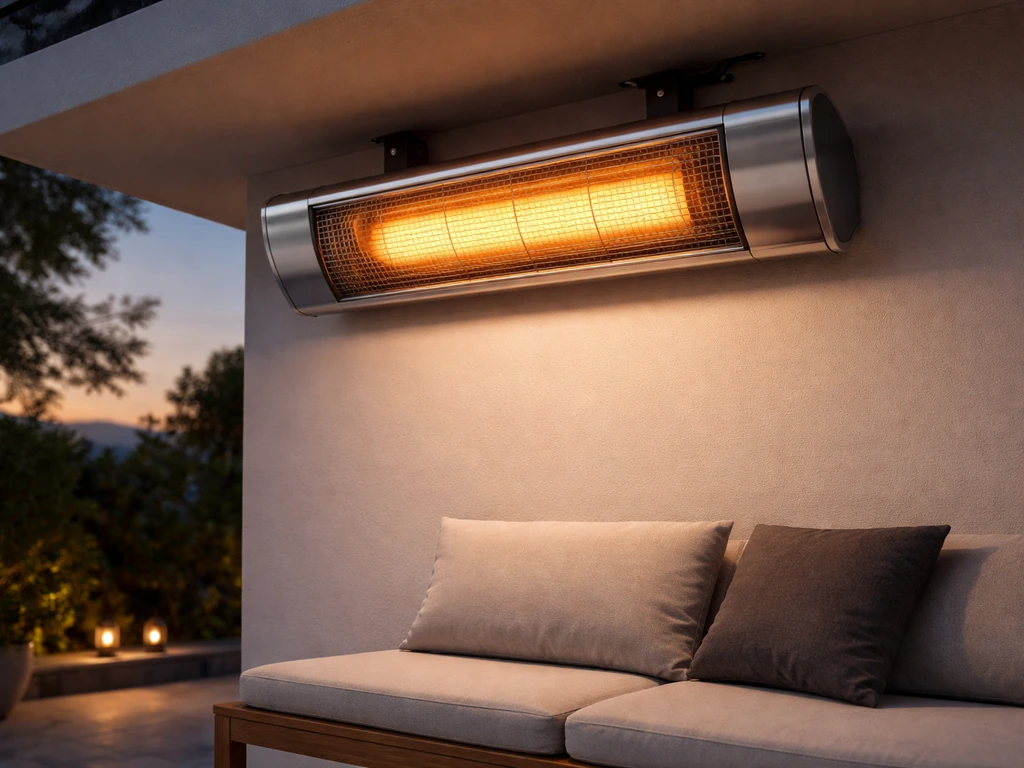
Why natural gas patio heater reviews matter (vs propane)
Most generic "gas patio heater" searches pull up a mix of propane and natural gas models, and the two are not interchangeable. The regulators operate at different pressures: propane runs at around 11 inches of water column (W.C.), while natural gas runs at 5 to 7 inches W.C. That's a meaningful difference. Running the wrong regulator on your gas type is a real safety risk and will also destroy your heater's performance. So when you're reading reviews, you need to make sure you're comparing like for like.
Natural gas models are almost always wall-mounted, ceiling-mounted (overhead radiant), or hard-piped freestanding units. They're not portable in the way a propane mushroom heater is. That shapes everything: where you can put them, how you install them, and how reviews should be evaluated. A review that praises a propane model for portability is irrelevant if you're planning a permanent installation on a covered patio with a gas drop. Reading natural-gas-specific reviews means focusing on output consistency, mounting quality, ignition reliability, and real-world wind and weather performance, not portability or tank costs. When you compare style selections gas patio heater reviews, focus on specs like BTUs, coverage, ignition, and safety certifications natural gas patio heater reviews.
The cost case is also stronger with natural gas over time. Propane tanks need frequent replacing on high-output heaters, and propane consistently costs more per BTU than natural gas. If you entertain outdoors regularly, the savings compound quickly. The catch is that you need an existing gas line or you'll need one installed, which adds to upfront cost. That's why reviews of natural gas models should always address installation complexity alongside the heater specs themselves.
What to look for in gas patio heater reviews (BTUs, coverage, controls)
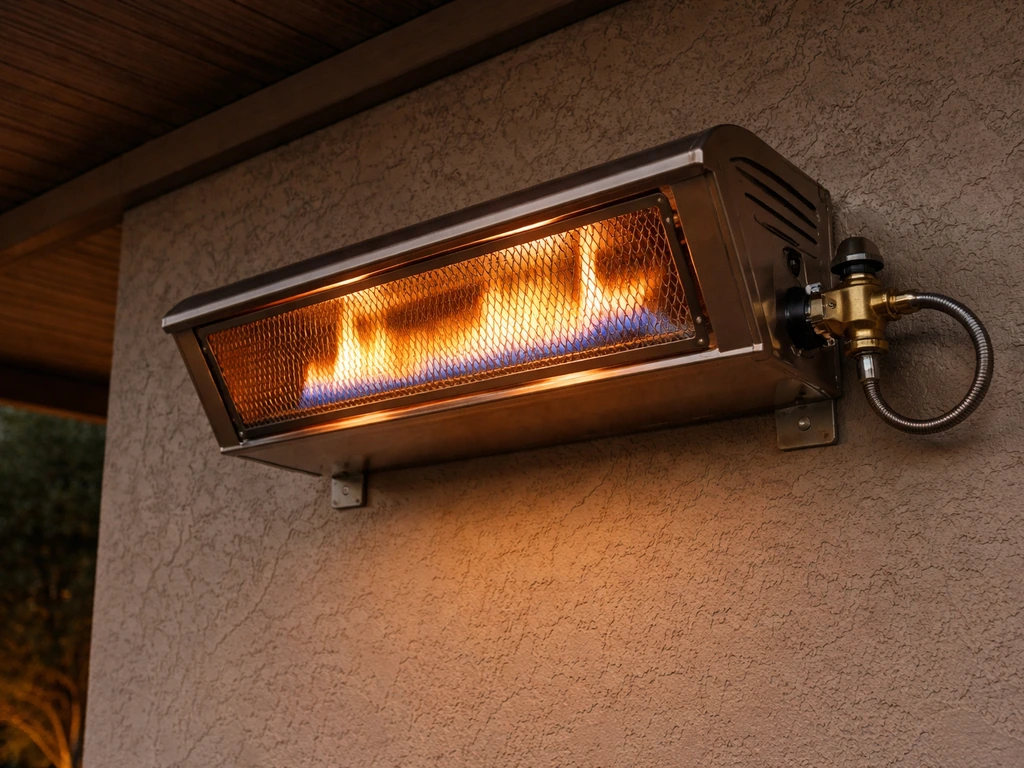
BTU output and real-world coverage
BTU ratings are the starting point, but they're not the whole story. A 40,000 BTU heater can heat roughly 314 square feet under ideal conditions, meaning still air and moderate ambient temperature. That's the manufacturer's number in a best-case scenario. In practice, wind, elevation, and cold ambient temperatures all reduce effective coverage, sometimes by 30 to 50 percent. If a review doesn't acknowledge this gap between rated and real-world coverage, treat it with skepticism.
Altitude also affects output in ways most buyers never consider. The Heatstar HSRP37GL manual, for example, includes a table showing how manifold pressure and BTU output change at different elevations. At higher altitudes (above 2,000 feet), the same heater delivers less heat because of lower air density. This is something to specifically look for in reviews if you're in Denver, Albuquerque, or anywhere above sea level.
Multi-level output is a genuine feature worth prioritizing. The Twin Eagles TEGH48, for instance, has two heat settings: 25,000 BTU on low and 37,000 BTU on high. That flexibility means you're not burning full gas on a mild evening. Bromic's Platinum Smart-Heat Gas line comes in 23,600 BTU and 39,800 BTU variants, letting you size to your space rather than overheating a small patio or underheating a large one.
Ignition type and controls
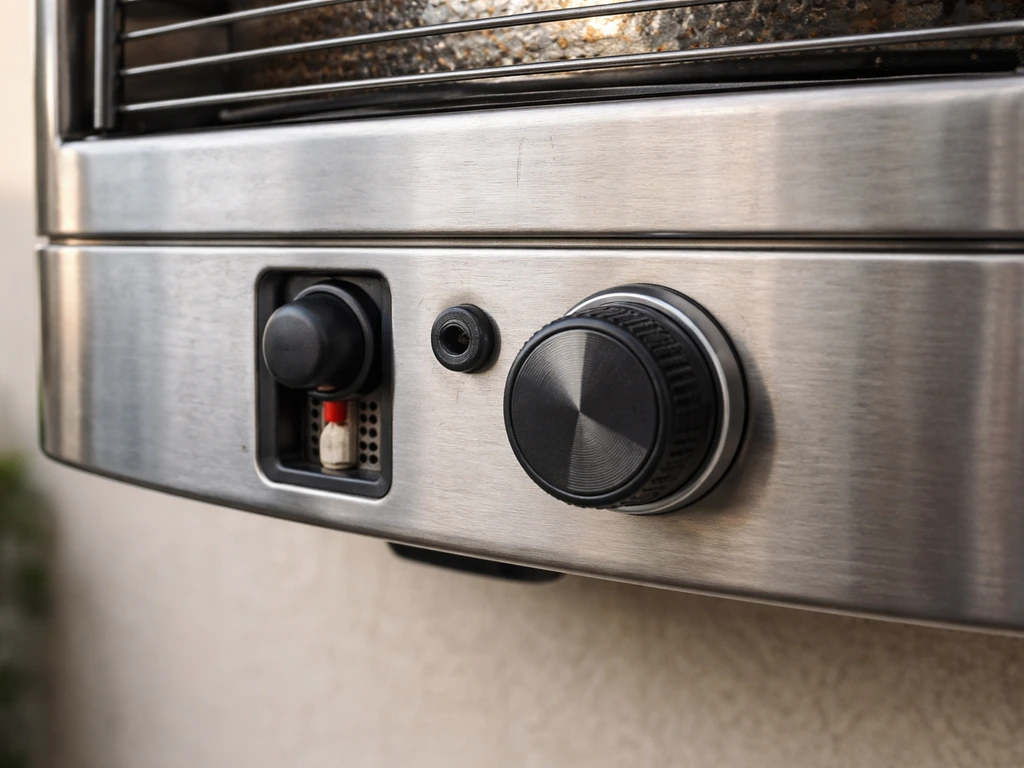
Electronic ignition is the standard on quality natural gas patio heaters, and it matters more than it sounds. Manual ignition on a wall-mounted overhead heater means reaching up with a lighter every time, which gets old fast. Electronic ignition with a remote control (like the Twin Eagles TEGH48's wireless remote) is a meaningful quality-of-life upgrade. Sunpak's 34-TSH also uses electronic ignition with flame rectification safety, which means the gas valve automatically shuts off if flame isn't detected. That's the kind of integrated safety logic you want to see called out in reviews.
Safety certifications to confirm
Look for CSA or ETL certification, specifically against the CSA 2.37/ANSI Z83.26 standard, which covers gas-fired outdoor infrared patio heaters. The Heatstar HSRP37GL, for example, references CSA 2.37 compliance directly in its documentation. If a heater's product listing doesn't mention any certification, that's a red flag. Certifications aren't just bureaucratic checkboxes; they mean the design has been independently tested for safe operation outdoors.
Safety, installation, and code checks for natural gas models
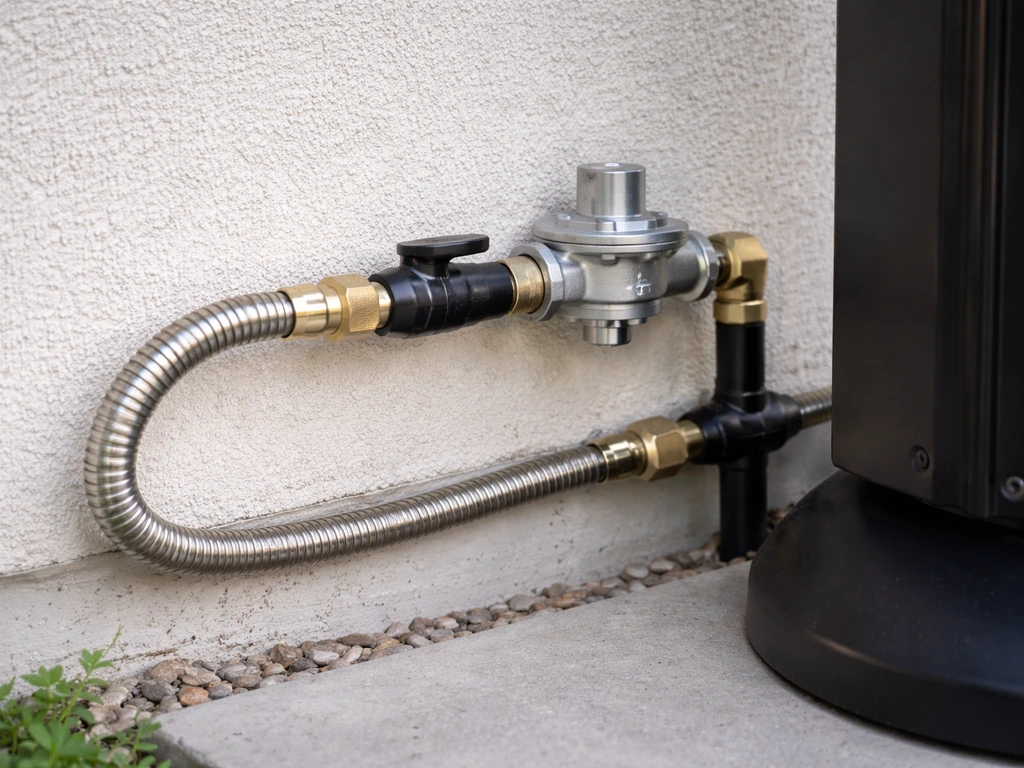
Natural gas patio heaters are regulated appliances, and installation needs to meet real codes. The National Fuel Gas Code (NFPA 54) applies, and many local jurisdictions layer additional requirements on top of that. This isn't something to wing. If you're hiring a plumber or gas fitter to run your line, they should already know this, but it's worth verifying explicitly.
Clearance requirements are non-negotiable. SunStar's installation guidelines call for at least 24 inches of clearance from combustible materials on the sides and top of the heater. Sunpak recommends a minimum mounting height of 7 feet from the floor for overhead radiant models. These aren't suggestions; they're part of the safety design. A covered patio with a low ceiling may not be able to accommodate a ceiling-mounted unit safely without structural modifications.
A dedicated gas shutoff valve is required close to the heater. Sunpak specifies a half-inch lever-handled shutoff valve within 6 feet of the appliance. This makes it possible to cut the gas quickly in an emergency or during servicing without going back to the main shutoff. If your installation quote doesn't include this, ask about it specifically.
Carbon monoxide is a real concern even with outdoor heaters. The Heatstar manual specifically warns that using the heater without adequate fresh air can produce CO. For covered patios, pergolas, or partially enclosed outdoor kitchens, ventilation matters. If your space is more than 50 percent enclosed on the sides, you should consult with a gas professional before installing a natural gas radiant heater.
Gas hose routing is a practical safety detail that's easy to overlook. The Heatstar manual specifically flags that the gas hose must be positioned so it doesn't become a trip hazard or get accidentally pulled. For permanent installations, the gas supply line should be hard-piped, with flexible connectors used only at the final connection to the heater. SunStar calls for a minimum 24-inch flexible gas connector for certain hanging installations.
- Confirm installation must comply with NFPA 54 (National Fuel Gas Code) and any local amendments
- Check that the heater is CSA 2.37 / ANSI Z83.26 certified before purchasing
- Measure clearances: at least 24 inches from combustible materials, minimum 7 feet floor-to-heater mounting height for overhead models
- Plan for a lever-handle gas shutoff valve within 6 feet of the heater
- Assess ventilation: partially enclosed spaces need fresh air exchange to avoid CO buildup
- Confirm your gas line pressure: natural gas needs 5 to 7 inches W.C. at the appliance; have a plumber verify
- Never use a propane regulator on a natural gas heater, and vice versa
Best natural gas patio heaters by patio size and setup
Here's how the main options stack up across real-world patio scenarios. These are the models that consistently come up in professional and consumer reviews for natural gas specifically, with specs worth trusting. If you want the fastest way to narrow down the best fit, start with home appliance guys patio heater reviews that focus on real setup and performance professional and consumer reviews for natural gas specifically.
| Model | BTU Output | Coverage (ideal) | Wind Resistance | Key Feature | Best For |
|---|---|---|---|---|---|
| Bromic Platinum Smart-Heat Gas 300 | 23,600 BTU | ~130–150 sq ft | Up to 20 km/h | Sleek wall/ceiling mount, smart controls | Small covered patios, design-forward spaces |
| Twin Eagles TEGH48 | 25,000–37,000 BTU (2 levels) | ~100 sq ft (10'x10') | Up to 15 mph | Wireless remote, dual heat levels | Mid-size patios, covered or semi-covered |
| Bromic Platinum Smart-Heat Gas 500 | 39,800 BTU | ~200–215 sq ft | Up to 20 km/h | High output, commercial-grade build | Large open patios, restaurant-style setups |
| Heatstar HSRP37GL | 37,000 BTU | ~200 sq ft (still air) | Moderate (no stated rating) | Built-in regulator, CSA certified | Residential and light commercial use |
| Sunpak 34-TSH | 34,000 BTU | ~150–175 sq ft | Good (flame rectification safety) | Electronic ignition, flame safety control, 24V control | Covered patios, pergolas, outdoor kitchens |
| SunStar SGL35 (marine grade) | 35,000 BTU | ~175 sq ft | Up to 40 mph (marine-grade) | Rain/wind resistant, stainless construction | Exposed coastal or windy patios |
Covered patios and pergolas
For covered spaces, overhead radiant heaters are the clear winner. The Sunpak 34-TSH and Bromic Platinum 300 or 500 mount to the ceiling or a structural beam and direct heat downward in a focused pattern. This is far more efficient than a freestanding model in a covered space because you're heating people, not the open sky. The Sunpak's flame rectification safety system makes it a smart choice for spaces where you can't always see the flame from where you're sitting.
Open or exposed patios
Exposed patios need higher output and better wind resistance. The SunStar SGL35 marine-grade model is the standout here, with wind and rain resistance rated up to 40 mph, making it viable for coastal or consistently windy environments. The Bromic Platinum 500 also performs well in open spaces at 39,800 BTU. SunStar's own sizing guidelines recommend adding a windbreak (fence, screen, or hedge) whenever possible, which can meaningfully extend effective coverage even with a lower-BTU model.
Large patios (over 200 sq ft)
For large outdoor entertaining areas, a single heater usually isn't enough. The professional approach here, used in restaurant and hospitality settings, is to use SunStar's heat-map layout method: plan multiple heater positions to distribute warmth evenly rather than trying to cover everything with one high-output unit. Two Bromic Platinum 500 units placed strategically will outperform one 80,000 BTU unit in a corner every time.
How to compare brands and features that impact real-world performance
Wind resistance is more important than BTUs on open patios
Wind is the single biggest enemy of patio heater performance outdoors. A heater's rated BTU output assumes still conditions. On a breezy evening, you can lose half your effective heat to wind dispersion. The Twin Eagles TEGH48 is marketed as windproof up to 15 mph, which is a concrete and testable spec. The Bromic Tungsten Smart-Heat 500 claims wind resistance up to 8 mph, notably lower. The SunStar marine-grade glass tube models claim up to 40 mph. These numbers matter when you're comparing models for an exposed patio.
Flame safety systems (and why tilt switches and thermocouples matter)
Every quality natural gas heater should have a flame failure safety device. For freestanding models, this is usually a tilt switch that cuts the gas if the unit tips over. Tilt switches are known to fail more frequently than thermocouples, so on a unit where this is the primary safety device, it's worth checking whether replacement parts are readily available. Overhead and wall-mounted models use flame rectification sensors (like Sunpak's design), which electronically verify that a flame is present and lock out the gas valve if it isn't. This approach is more reliable and more appropriate for permanently installed units.
Build quality and weather resistance
Natural gas patio heaters are permanent or semi-permanent installations, so build quality matters more than it does for a portable propane unit you can store in the garage. Stainless steel construction (used in SunStar's marine-grade line and Bromic's Platinum series) is worth the extra cost for coastal areas, high-humidity climates, or any location where the heater will be exposed to rain. Powder-coated aluminum is adequate for covered patios in moderate climates. Check whether the burner and gas valve components are protected from weather, not just the outer housing.
Controls and smart features
Wireless remote control is the most practically useful "smart" feature on a patio heater. The Twin Eagles TEGH48 includes one standard. Bromic's Platinum Smart-Heat line is compatible with Bromic's smart-home control system, which allows timer and zone control from an app. For most homeowners, a wireless remote is enough. For outdoor kitchens or larger entertaining areas where the heater is on a wall across the patio, a remote is genuinely a convenience upgrade, not just a luxury.
Common mistakes and buying checklist before you purchase
The most common mistake people make is buying the heater before confirming they can actually install it. Natural gas models require an existing gas line with the right pressure, a qualified installer, and in many municipalities, a permit. Showing up with a heater and then discovering your gas line is the wrong size or your local code requires an inspection adds weeks and hundreds of dollars to the project.
The second most common mistake is undersizing. People consistently underestimate how much output they need for an open or partially covered patio, especially in climates where spring and fall nights get genuinely cold. A 25,000 BTU heater that covers 150 square feet in still, mild air will feel inadequate on a 50-degree night with any breeze at all. If you're between two output levels, go higher.
Overcrowding the heater's clearances is another real problem. A beautiful overhead heater mounted 5 feet above a dining table under a low pergola roof fails both the clearance requirement and common sense. Measure your mounting height before you order. If your ceiling is under 8 feet, an overhead radiant may not be safe or practical without a professional assessment.
- Confirm you have an accessible natural gas line within reach of the heater's planned location
- Have a plumber verify your gas line pressure (should be 5–7 inches W.C. for natural gas appliances)
- Check local permit requirements before purchasing or installing any gas appliance outdoors
- Measure mounting height: minimum 7 feet from floor to heater for overhead models
- Measure clearances from combustible materials: at least 24 inches on sides and above
- Assess your patio's wind exposure and choose a model rated for that wind speed
- Confirm the heater carries CSA 2.37 / ANSI Z83.26 certification
- Check altitude: if you're above 2,000 feet, verify the model's altitude-adjusted BTU output
- Budget for installation labor (licensed gas fitter) in addition to the heater cost
- Plan for a lever-handle gas shutoff valve within 6 feet of the appliance
- If your patio is more than 50 percent enclosed, consult a professional about ventilation before buying
Quick next steps: shortlisting and confirming compatibility with your patio and gas line
Start by answering three questions right now, before you look at a single product listing. First: do you have a natural gas line that reaches your patio, or can one be run there at reasonable cost? If the answer is no, propane is the practical choice for now, and a different set of reviews applies. Second: is your patio covered, semi-covered, or fully exposed? Covered means overhead radiant (Sunpak, Bromic Platinum, Twin Eagles style); exposed means you need serious wind resistance and possibly multiple units. Third: what's your patio's square footage, and what's the realistic temperature range you want to extend your season into?
Once you know those three things, you can match them to output and model. For a 150 square foot covered patio in a moderate climate, the Sunpak 34-TSH or Bromic Platinum 300 are strong starting points. For a 200-plus square foot exposed patio in a windy or coastal environment, the SunStar SGL35 marine-grade or Bromic Platinum 500 are the right tier. For a large entertaining area, plan for at least two heaters and use a layout approach rather than chasing a single high-BTU number.
After you've shortlisted two or three models, get an installation quote before you finalize the purchase. A good gas fitter will flag compatibility issues, local code requirements, and any gas line modifications needed. The quote gives you the real total cost of ownership and often catches problems (like low supply pressure or undersized gas line) that would have shown up as poor heater performance after installation. Brands like SunStar, Sunpak, Twin Eagles, Bromic, and Heatstar all have dealer networks that can help coordinate equipment and installation together, which simplifies the process considerably.
If you're still weighing natural gas against propane, the straightforward rule is this: natural gas wins on operating cost and convenience if the infrastructure is already there. Propane wins on flexibility and zero installation cost if you're renting, moving, or the gas line isn't close. There are also other fuel types worth considering for specific situations, including electric infrared for fully covered spaces or where gas isn't available, and glass tube heater designs that offer different heat distribution patterns.
If you want to compare specific glass tube heater models and see how they perform in real conditions, use a glass tube patio heater review as your starting point glass tube heater designs. If you are comparing a glass tube heater vs a typical patio heater, focus on heat distribution, wind performance, and whether the design suits your patio coverage needs glass tube heater designs.
If you want to compare specific electric glass tube heater designs, a dedicated quartz glass tube patio heater review can help you spot the differences in heat output and coverage. Those comparisons are worth exploring if your situation doesn't fit cleanly into the natural gas scenario, but for most permanent outdoor patio setups, natural gas is the right long-term answer. If you want to compare specific electric glass tube heater designs, a dedicated quartz glass tube patio heater review can help you spot the differences in heat output and coverage.
FAQ
Do gas patio heater reviews assume the heater is installed at the correct clearance and height?
Most reputable reviews discuss performance in best-case conditions, but they may not model what happens when a unit is mounted too low or too close to trim. If the product calls out minimum mounting height or side clearances, verify your patio geometry first, then compare coverage claims based on your actual height and distance to walls or pergola beams.
What if my natural gas line pressure is lower or higher than the heater expects?
Natural gas heaters depend on correct manifold pressure for stable flame and output. If your quote or installation plan does not include checking supply pressure, you can see weaker heat, repeated ignition issues, or error lockouts. Ask the installer to confirm the heater’s rated pressure range and whether any regulator adjustment is allowed for your specific setup.
Can I convert a natural gas patio heater to propane (or the reverse) after installation?
Conversion is not always possible, and when it is, it typically requires manufacturer-approved conversion kits and correctly sized regulators or orifices. Reviews that treat conversion as a given can mislead you. Only consider conversion if the exact model explicitly lists an approved kit, and plan for a professional inspection after the change.
Are covered patios actually safe if the space is mostly enclosed, but the heater has flame rectification?
Flame safety features do not replace ventilation requirements. For partially enclosed patios, CO risk depends on fresh-air supply, exhaust paths, and how often doors or vents open. If your enclosure exceeds the article’s “more than half” guidance, schedule a gas professional assessment before relying on any sensor-only safety system.
How do I tell whether a review is talking about the right kind of “coverage,” radiant vs area heating?
Some reviews describe comfort radius (warmth felt by people near the beam), while others imply a room-like area coverage. For overhead radiant models, focus on directional heat reaching seating positions, not just square footage. A unit with lower BTUs can feel better if its angle and mounting place the radiant stream over your seating zone.
What should I look for in a gas patio heater review if I live in a coastal or high-humidity area?
Prioritize weather protection on internal components, not just the exterior look. Reviews should mention corrosion resistance of burners, gas valves, and fasteners, and whether the heater is designed for marine exposure. Stainless steel or properly protected components matter most when the unit sees salt spray or persistent rain.
Do I need a remote control for a natural gas patio heater, and can it affect performance?
Remote controls mostly improve convenience, not heat output. However, reviews sometimes confuse electronic ignition convenience with thermostatic or zone control functionality. If you want to reduce runtime cost, look for documented timer or zone control features rather than only “wireless remote included.”
If a heater has electronic ignition, why do some reviews still mention ignition problems?
Electronic ignition can still fail if gas flow or air mixture is off, or if the heater is affected by wind and flame interruption. If multiple reviews report repeated ignition cycling, check whether the heater has wind-protection performance data and whether the installation includes correct regulator and supply line sizing.
Are wind-resistance numbers comparable across different heater styles?
Not always. Wind ratings depend on mounting type, burner design, and test conditions, so a “windproof up to X mph” figure is most meaningful when the review also describes patio exposure and mounting method. Treat wind claims as directional guidance, then verify that the recommended placement or use of a windbreak matches your environment.
Is a higher BTU always better according to gas patio heater reviews?
No, especially on covered patios where you want heat on people rather than heat wasted upward or into the structure. If a review does not mention multi-level output or low-setting efficiency, you may end up running high BTUs when it is only mildly cool. Multi-stage heaters often improve comfort and reduce unnecessary fuel use.
What gas shutoff and servicing details should I confirm before buying?
Reviews may not cover how accessible the shutoff valve is. Confirm you will have a dedicated shutoff near the heater (as the article notes) and that the installer can demonstrate safe access for service. Also ask whether shutoff valve replacement parts and service manuals are available locally.
How do I verify certification in a way that matches what the heater actually is?
Look for certification that matches the heater type and standard, not just a generic label photo. If the listing or documentation does not mention the relevant gas-fired outdoor infrared patio heater standard, it is a red flag. Ask the seller to provide the exact certification details for the specific model and gas type you plan to install.