
Well Traveled Living makes a solid lineup of propane, electric, and infrared patio heaters that punch above their price point, especially if you want a freestanding propane unit with serious heat output. Their flagship propane models push 46,000 BTU and cover up to 18 feet in diameter, which is genuinely enough to warm a mid-size open patio. The electric and infrared models top out at 1,500 watts, which works well for smaller covered spaces.
Well Traveled Living Patio Heater Reviews and Comparisons

Willa Brennan
11 Jun 2026
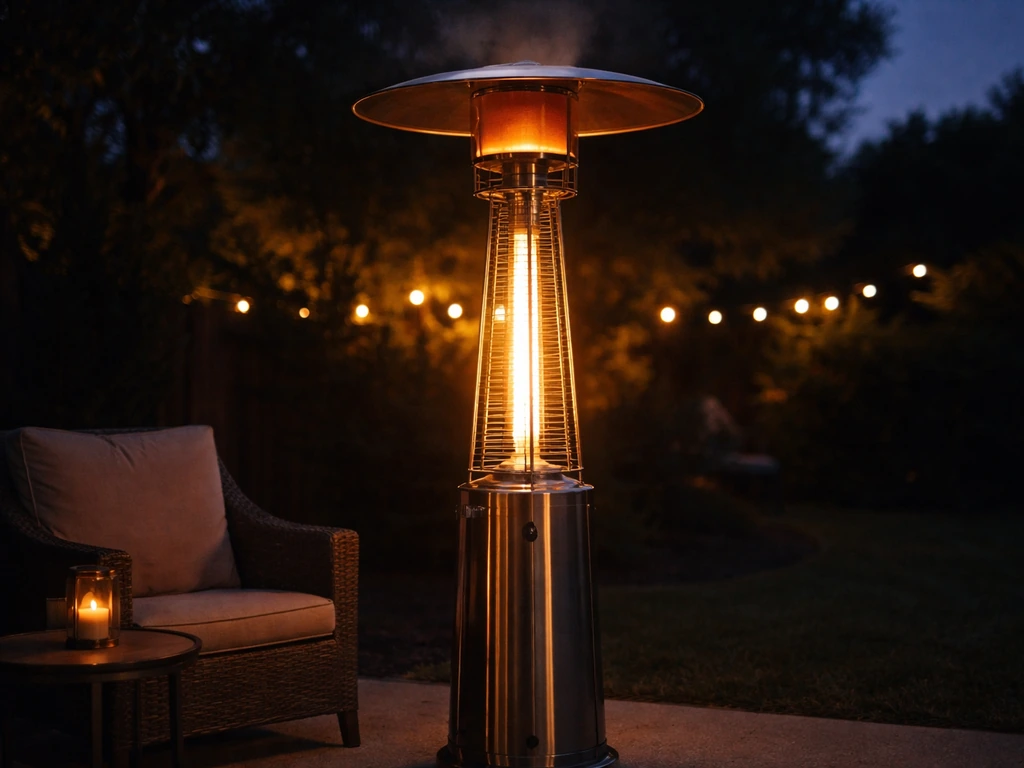
The right pick comes down to your patio size, whether it's covered or open, and how much you want to spend on ongoing fuel. If you are looking for home appliance guys patio heater reviews, you can use these same size, fuel type, and coverage considerations to compare models more accurately.
What Well Traveled Living actually makes (and who it's for)
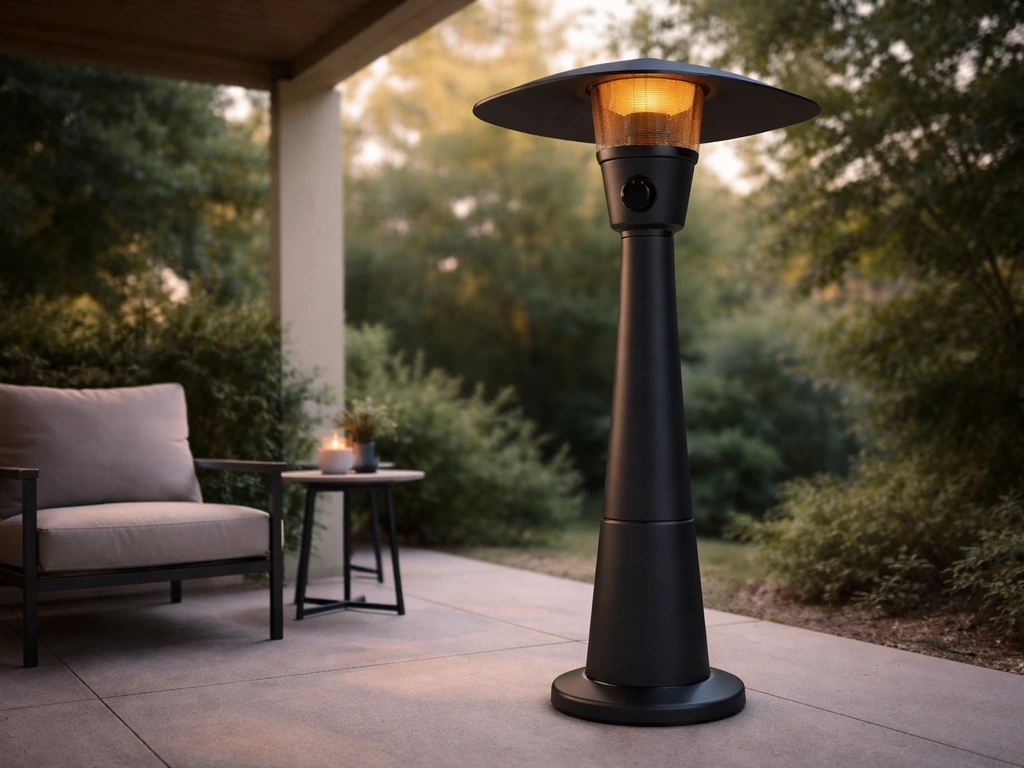
Well Traveled Living is an outdoor living products designer, importer, and distributor. You may have also seen their products sold under the Fire Sense or Balkene Home brand names, which share the same parent company. Their patio heater catalog is organized into five series: Hospitality, Performance, Commercial, Specialty, and Table Top. This range means they're selling to both residential buyers who want a solid backyard heater and commercial buyers outfitting a restaurant patio or event space. For most homeowners, the Performance and Hospitality series are the sweet spot, while the Commercial series is overkill for a typical backyard.
Their core audience is someone who wants a reliable, no-frills heater that works season after season without a lot of fuss. These aren't luxury heaters loaded with app controls or designer finishes. They're practical, well-built units that do the job. If you're comparing options across brands, you'll find that the Well Traveled Living propane models are particularly competitive on BTU output and heat coverage for the price.
Top models and how their specs actually compare
Here's a side-by-side look at the main Well Traveled Living heater models worth knowing about. The propane freestanding units are where the brand really shines, but the electric and infrared options fill a real need for covered patios without a gas hookup.
| Model | Fuel / Type | Heat Output | Coverage | Key Features | Best For |
|---|---|---|---|---|---|
| 60788 | Propane (LP) | 46,000 BTU | Up to 18 ft. diameter | Piezo ignition, auto tilt shut-off, wheels, weighted base, 33" hood, 85" tall | Medium to large open patios |
| 60368 | Propane (LP) | 46,000 BTU | Up to 18 ft. diameter | Electronic (pilotless) ignition, auto tilt shut-off, 4.6/5 stars (27 reviews) | Open patios, easy ignition priority |
| 60688 | Propane (LP) | 46,000 BTU max / 17,500 BTU low | 14–16 ft. diameter | CSA certified, 18-degree tilt shut-off, ~10 hrs on high per tank, 11" WC operating pressure | Medium patios, budget-conscious buyers |
| 60253 / 60411 | Electric Infrared | 1,500 W (Quartz Halogen) | Directional / spot heating | Telescopic pole (min. 8 ft. 2 in. height), grounded 120V, on/off tilt switch, virtually maintenance-free | Covered patios, small spaces |
| 60402 / 60514 | Electric Halogen | 700 / 800 / 1,500 W (3 settings) | Small to medium coverage | 3 heat settings (Low/Med/High), 120V/60Hz, 82.68" tall, simple controls | Covered decks, flexibility on warmth level |
A few things worth flagging: all the propane models require a standard 20 lb LP tank (the same size used on most backyard grills). The 60688 operates at 11 inches water column pressure and specifies that tank dimensions should be roughly 18 inches tall by 12.5 inches wide, so a standard 20 lb cylinder fits right inside the base. The 60788 adds wheels, which is a genuinely useful feature if you're moving the heater around a large deck or patio depending on where people are sitting.
Real-world performance across different patio setups
Small patios (under 150 sq ft) and covered decks
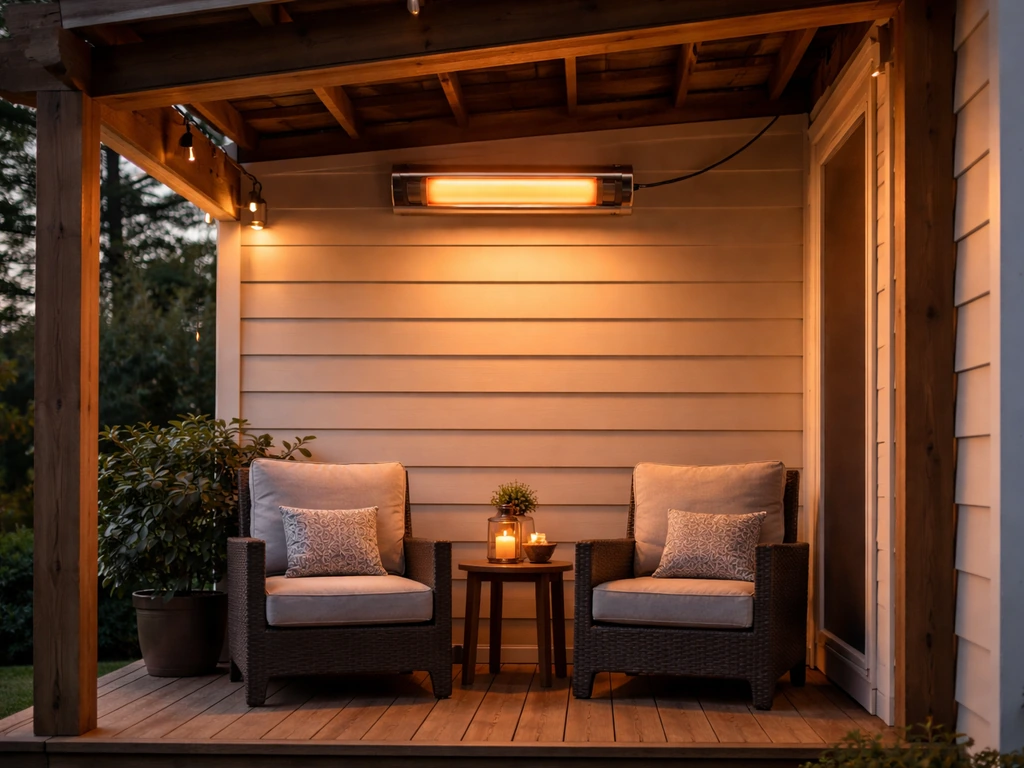
For a small covered deck or pergola, the electric models (60402/60514 or 60253/60411) are the practical choice. A 1,500-watt infrared heater in a covered space works surprisingly well because the heat isn't being carried away by wind and the ceiling traps some warmth. The 60402's three heat settings let you dial back to 700 or 800 watts on milder evenings, which is a nice touch for energy savings.
A quartz glass tube patio heater review can help you compare how that style performs in terms of heat output, coverage, and safety. The 60253/60411 infrared unit needs a minimum mounting height of 8 feet 2 inches, so check your clearance before buying. The [owner’s manual for the 60253/60411 infrared heater](https://www. backyardcity.
com/Images/WTL/60253-60411. pdf) lists the electrical specifications as 120 volts, 13. 0 amps, and 1,500 watts, along with a quartz halogen lamp and a heater diameter of about 22 inches with a height of about 98 inches.
Medium patios (150–300 sq ft) and semi-open spaces
This is where the 46,000 BTU propane units genuinely earn their reputation. A 14 to 18-foot diameter heat circle maps well onto a medium patio with seating arranged around the heater. The 60688, with its 14 to 16-foot range, is a good fit for a tighter arrangement. If you want a bit more reach (up to 18 feet), go with the 60788 or 60368. In calm conditions, you'll feel the heat noticeably within 8 to 10 feet of the unit. On a covered or semi-covered patio with some wind protection, the effective warmth extends further.
Large or fully open patios and windy conditions
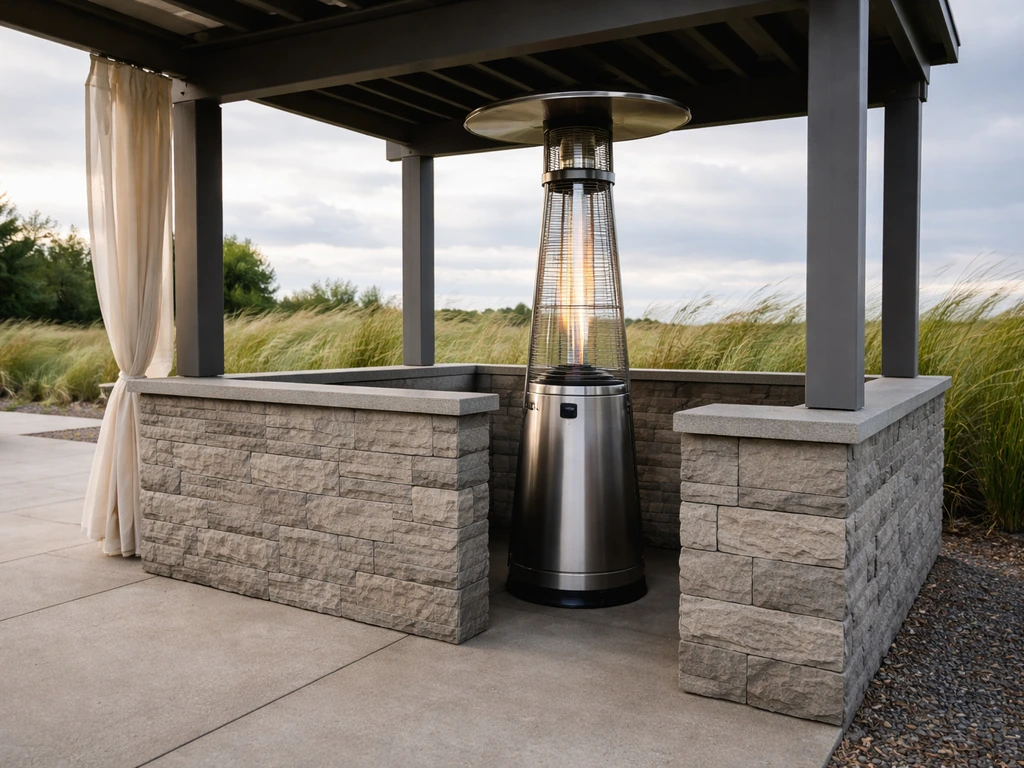
Here's where you need to be realistic. The 60688 manual explicitly states the heater must be sheltered from harsh weather conditions and strong winds. That's not just a legal disclaimer, it's a practical truth for any mushroom-style propane heater. Wind disperses the heat quickly, and you'll feel maybe 60 to 70 percent of the rated coverage on a breezy night compared to a calm one.
If your patio is fully exposed and regularly windy, even a 46,000 BTU unit will struggle to keep a large group warm. Position the heater centrally, use windbreak structures if possible, and expect to run it on the higher settings. One thing the 60788's wheels really help with: you can reposition it as wind direction changes.
Propane vs electric: picking the right fuel for your setup
Well Traveled Living doesn't currently offer a natural gas conversion kit as a standard option in their main lineup, and there's no pellet heater in the residential-focused range. So the real decision is propane vs electric, and the right answer depends heavily on where your patio is and how you use it.
| Factor | Propane (46,000 BTU) | Electric (1,500W) |
|---|---|---|
| Heat output | High (46,000 BTU) | Moderate (~5,100 BTU equivalent) |
| Coverage area | Up to 18 ft. diameter | Directional / small zone |
| Best space type | Open or semi-open patios | Covered patios, enclosed decks |
| Setup requirement | 20 lb LP tank (no wiring) | 120V grounded outdoor outlet |
| Operating cost (approx.) | ~$2–4/hr at high setting | ~$0.18–0.22/hr at 1,500W |
| Portability | Portable (no cord), heavy tank | Cord-dependent, lighter unit |
| Wind performance | Affected by wind | Infrared is less wind-affected |
| Use below 40°F | Not recommended (PH09-S manual) | Generally fine per specs |
| CO hazard | Yes — outdoor use only | None |
| Maintenance | Occasional (regulator, igniter) | Virtually maintenance-free |
Propane wins on raw heat output for open outdoor spaces. If you're hosting on a large open patio and need to warm a group of 8 to 10 people, there's simply no 1,500-watt electric heater that competes with 46,000 BTU.
But the electric infrared units have a real advantage in covered spaces: they don't produce carbon monoxide, they're nearly maintenance-free, and the infrared element heats objects and people directly rather than warming the air (which means wind has less impact on how warm you feel). For anyone with a covered pergola or screened porch, the electric models are the smarter long-term pick. Operating cost is also dramatically lower: roughly $0. 18 to $0.
22 per hour for the 1,500-watt electric unit versus $2 to $4 per hour for propane at full blast.
If you're interested in how infrared heating compares to standard gas convection heating in terms of efficiency and feel, that topic comes up a lot in general patio heater comparisons and is worth understanding before you buy. If you’re specifically weighing a glass tube heater vs patio heater, it’s worth comparing how each type warms and how wind affects your feel of the heat. The short version: infrared warms you directly, convection warms the air around you. For open and windy spaces, infrared tends to feel more efficient even at lower wattages.
Safety, weather resistance, and what to watch for
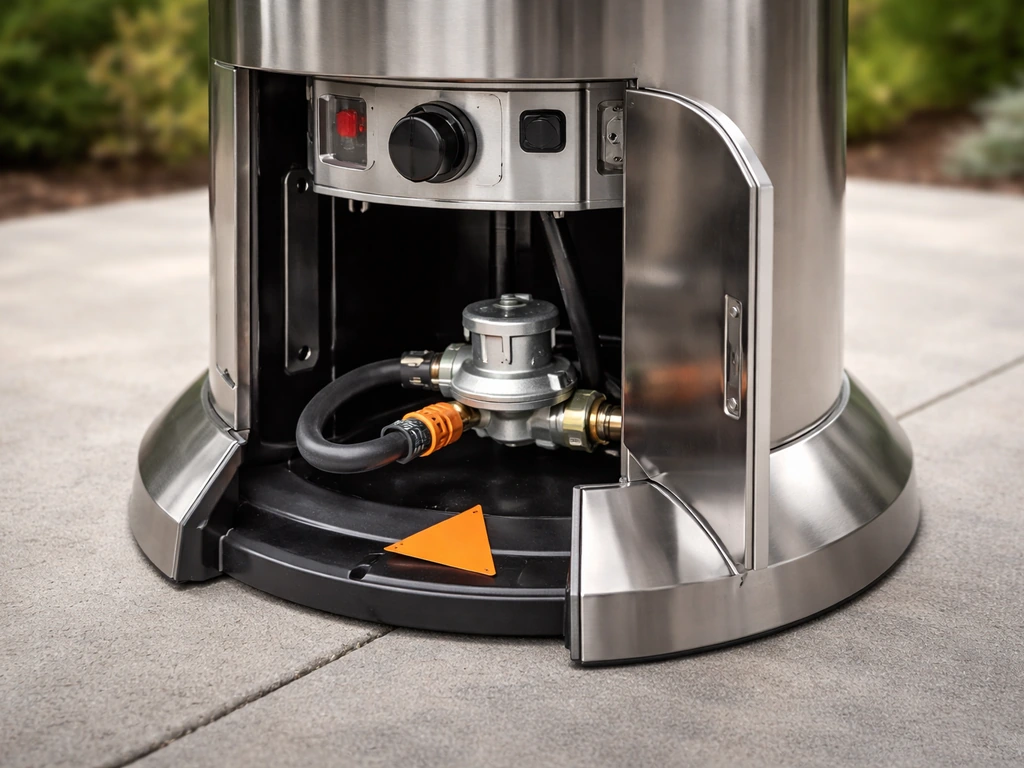
Well Traveled Living builds some important safety features into every propane model. Well Traveled Living's 60688 manual also specifies a maximum heat rating of 46,000 BTU, a low setting of 17,500 BTU, and a radiant heat range of about 14 to 16 feet in diameter. The tilt-activated auto shut-off is standard: on the 60688, the gas cuts off if the heater tilts beyond 18 degrees. The 60788 and 60368 include the same feature. This is critical for stability, especially if you have kids or pets around. The 60788 adds a weighted base for extra stability, which is worth prioritizing if your patio surface is uneven or you're in an area with occasional strong gusts.
For the propane units, the gas connection protocol matters. The manuals are clear: use a soapy solution to check for leaks at all three connection points between the regulator, hose, and cylinder before every use. Never use an open flame to check for leaks. Never substitute the factory regulator with a non-approved replacement. And never use the heater below 40°F (4.4°C), as LP gas doesn't vaporize properly at low temperatures and you'll get weak flame or no ignition at all.
All propane models are strictly outdoor-only. The manuals are explicit: no garages, no enclosed areas, no buildings. Even a partially enclosed patio with limited airflow can create carbon monoxide risk. The electric models don't have this concern, but they do require a properly grounded 120V outdoor outlet and must not be used with an adapter.
Neither the propane nor electric units are rated for use in rain. Standard practice is to move or cover them when rain is expected. For storage, the 60253/60411 infrared manual recommends storing in a covered dry location and using a protective vinyl cover after the unit has fully cooled. That advice applies broadly to all the electric models. The propane units should have their tank disconnected and stored safely when not in active use.
Setup, portability, and what you'll spend over time
Getting them set up
The propane freestanding models (60688, 60788, 60368) assemble in roughly 30 to 45 minutes with basic tools. You connect the pole sections, attach the emitter hood, route the gas hose, connect the regulator to your 20 lb tank, and run a leak check. The 60368's pilotless electronic ignition makes lighting straightforward, no matches or manual piezo clicks required. The 60788 uses a piezo ignition that's reliable but requires you to hold the knob down for a moment to purge air from the line on first use.
The electric infrared unit (60253/60411) involves extending the three telescopic pole sections to full length and plugging into a grounded outdoor outlet. Setup takes 15 to 20 minutes. The tilt switch on/off is located on the black box at the base, which you'll want to check is in the ON position before wondering why nothing's happening.
Portability
The 60788 is the most mobile of the propane lineup thanks to its built-in wheels, though at 85 inches tall and with a full 20 lb tank inside the base, it's still a two-person job to move on uneven ground. The electric models are lighter and easier to reposition, but you're tethered to an outlet. The tabletop series (Well Traveled Living offers these as a separate category) would be the pick if true portability is your priority.
Long-term costs
The 60688's manual notes approximately 10 hours of runtime at the highest setting on a single 20 lb tank. At current LP prices (roughly $20 to $25 to refill a 20 lb tank), you're looking at $2 to $2. 50 per hour at full blast. Run it on the low setting (17,500 BTU) and that runtime stretches considerably, cutting per-hour cost roughly in half.
The electric models are much cheaper to run: a 1,500-watt unit at the average U. S. electricity rate of about 14 to 15 cents per kWh costs around $0. 21 per hour.
Over a full season, that difference adds up quickly. For parts, the electric models have virtually no maintenance costs. Propane units may eventually need a replacement regulator (use only the factory-specified replacement per the manual) or a new igniter, both of which are inexpensive and widely available.
Which model to buy based on your patio
Here's the practical breakdown. Pick based on your actual situation, not just the highest BTU number. If you want a wider view beyond one brand, these living accents patio heater reviews can help you compare how different patio heaters perform and what to watch for before buying.
- Small covered patio or screened porch (under 150 sq ft): Go with the 60402/60514 electric halogen heater. The three-way heat settings give you flexibility, operating cost is minimal, and you don't need to deal with propane in a semi-enclosed space. Make sure you have a grounded outdoor outlet nearby.
- Covered pergola or deck with adequate height clearance (8+ feet): The 60253/60411 infrared heater is the better pick here. Infrared heats people and objects directly rather than the air, so it feels warm even if your pergola isn't fully enclosed. Virtually maintenance-free and cheap to run.
- Medium open patio (150–300 sq ft, calm to moderate wind): Any of the 46,000 BTU propane models work well. The 60368 with electronic (pilotless) ignition is the easiest to light and has strong customer ratings (4.6 out of 5 stars from 27 reviews). The 60688 is a solid budget option with CSA certification if that matters to you.
- Large open patio or entertaining space (300+ sq ft, variable wind): The 60788 is the pick. The 18-foot diameter coverage, weighted base for stability, and wheels for repositioning give you the most flexibility. Position centrally in your seating area and plan to run it at high output on cooler nights.
- Budget-conscious buyer for a medium patio: The 60688 hits the sweet spot. Its 46,000 BTU max and CSA certification at a typically lower price point make it a reliable option. The low setting at 17,500 BTU also makes it more practical for mild evenings without burning through a tank in one use.
- Frequently moving your heater or patio layout changes often: The 60788's wheels make it the most practical freestanding propane choice. If you want something even more mobile, look at the Well Traveled Living tabletop series, which trades coverage for true portability.
Before you buy, measure your patio and check a few things: confirm you have a grounded outdoor outlet for electric models, check that your patio surface is level (important for propane tilt shut-off functionality), and verify clearance height if you're mounting or positioning an infrared unit. For propane, stock a spare 20 lb tank so you're not cutting a gathering short when the first one runs out.
Well Traveled Living's lineup isn't the flashiest on the market, but for buyers who want proven heat output, sensible safety features, and a straightforward setup process, these heaters deliver. If a glass-tube patio heater is on your short list, it helps to compare how its heat output and safety features stack up against the infrared and propane options in this review.
If you're also considering other brands in this category, it's worth looking at how gas patio heaters from other manufacturers compare on BTU, coverage, and build quality. If you want deeper purchasing guidance, you can also compare style selections gas patio heater reviews to see how other models perform in real setups gas patio heaters. If you want more context, gas patio heater reviews can help you compare BTU, coverage area, and safety features across brands gas patio heaters.
If you want, you can also look at enders elegance patio heater reviews to compare performance and build quality across popular heater brands how gas patio heaters from other manufacturers compare. The Well Traveled Living propane units hold up well in those comparisons, especially on coverage area per dollar. The electric infrared units are competitive with similarly priced models from brands like Living Accents, particularly for covered patio applications.
If you’re looking for home appliance guys patio heater reviews, you’ll want to compare coverage, safety features, and operating costs across the propane and electric options before choosing a model. Before you buy, read gas patio heater reviews to compare heat coverage, safety features, and how they perform in windy or fully exposed spaces. Living Accents patio heater reviews are also helpful if you want to judge how those competitors perform in real-world covered patio setups.
FAQ
Do I really need a windbreak for a 46,000 BTU Well Traveled Living propane heater?
Often, yes. The manuals’ guidance about sheltering from strong winds matters because breezy conditions can cut effective warmth to roughly 60 to 70% of the rated feel. If your patio is fully exposed, add a structural windbreak (pergola walls, planters, or an exterior curtain system) and plan to run higher settings, especially during windy evenings.
Can I use the propane patio heater in a partially enclosed area like a screened porch?
You should be cautious. The propane units are strictly outdoor-only in the documentation, even when a screened porch seems airy. If airflow is limited, carbon monoxide risk increases, so if the area has any walls or overhead structure that reduce ventilation, choose an electric model or use the space only if it remains fully outdoor and open on sides.
What happens if I use a standard propane tank but the hose or regulator configuration seems different?
Do not improvise. The propane models require the factory-specified regulator and hose setup, and the leak check protocol is tied to those exact connection points. If the heater does not match the manual’s pictured connections, stop and verify parts compatibility rather than substituting components.
How do I properly do the “soapy solution” leak check before using the propane unit?
Use the solution at all three connection points (regulator, hose connections, and cylinder connection) and check for bubbles that grow or persist. Perform the check before each use, and if you see leaks, shut down immediately, tighten only if the manual allows it, and recheck before lighting. Never check for leaks with flame.
Is it safe to run the electric infrared unit with an extension cord?
Avoid it. The electric models require a properly grounded 120V outdoor outlet and should not be used with adapters. If you need more reach, use a dedicated, outdoor-rated power setup sized for the heater’s wattage rather than relying on a generic extension cord.
What should I know about infrared heater clearance height on the 60253/60411 model?
You must meet the minimum mounting or positioning height of 8 feet 2 inches. If your ceiling, pergola crossbeams, or overhead structure reduces clearance, the heater may run too close to surrounding materials, and heat will distribute differently than expected.
Can I leave the patio heaters outside between seasons?
Not recommended. Neither the propane nor electric units are rated for use in rain, and wet storage can accelerate wear. For electric units, plan on covered, dry storage and use a protective cover after cooling. For propane, disconnect the tank and store it safely when not in use.
How long will a 20 lb propane tank last, and does runtime change by heat setting?
Yes. The 60688 is stated around 10 hours on the highest setting, and running at lower output extends runtime significantly, roughly cutting per-hour cost in half when used on the low setting. If you frequently host for shorter windows, consider using the low or medium setting earlier and only bump up when needed.
What’s the easiest way to decide between the 60688 and 60788 if I’m not sure about my patio wind pattern?
If your seating arrangement changes or wind direction shifts, the 60788’s wheels make repositioning simpler without needing heavy lifting. If you have a stable, wind-protected layout and can keep the heater centrally placed, the 60688’s narrower effective range may be enough and can be a more cost-effective choice.
Does the tilt auto shut-off only protect against tipping, or does it affect performance?
It mainly protects against instability, but it can shut the unit off if the base is not level. For propane models with tilt-activated shut-off, confirm the patio surface is level, because uneven ground can trigger the safety more readily than you’d expect, even if the heater looks stable.
Are these heaters suitable for kids or pets, beyond the tilt shut-off?
Use additional precautions. The propane models include stability shut-off features, but you still need keep-clear zones because the emitter hood and radiant heat can cause burns. For homes with kids or pets, prioritize placement away from foot traffic and consider a physical barrier or furniture layout that prevents accidental contact.