
If you want fast, targeted outdoor heat that works even on a breezy evening, a quartz glass tube patio heater is one of the best investments you can make. These electric infrared heaters warm you directly, not the air around you, which means you feel the heat almost immediately and it doesn't vanish the second wind picks up.
Quartz Glass Tube Patio Heater Review and Buying Guide

Willa Brennan
7 Jul 2026
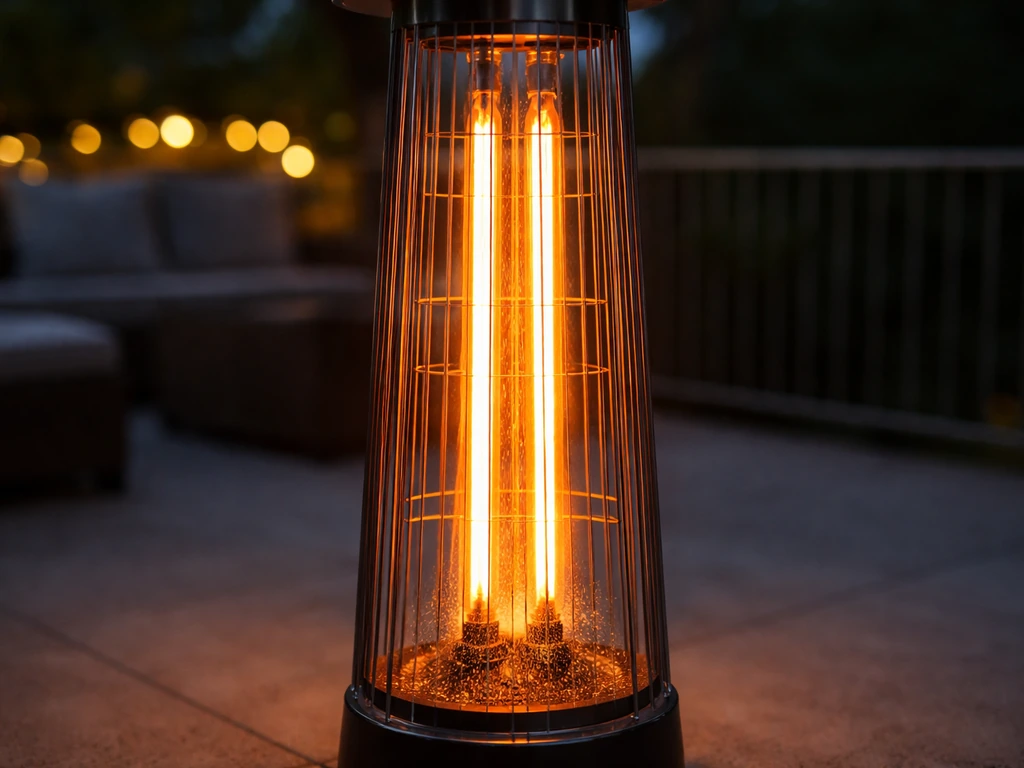
Infrared patio heaters work by emitting blank" rel="noopener noreferrer">radiant infrared energy that warms nearby objects and people, which is one reason newer electric infrared models are discussed as different from gas heaters that primarily warm the surrounding air emit radiant infrared energy that warms nearby objects and people.
The right model for most covered patios or semi-sheltered spaces is a wall- or ceiling-mounted electric quartz infrared unit in the 1,500 to 3,000-watt range, and you can find solid options anywhere from around $80 for a basic freestanding model to $400-plus for a commercial-grade mounted unit. This guide breaks down exactly what to look for, which models are worth buying, and how to set one up so it actually performs.
What a quartz glass tube patio heater is (and why it heats differently)
A quartz glass tube patio heater is an electric infrared heater built around a resistive heating element sealed inside a tube made from fused-silica (quartz) glass. When you switch it on, electricity passes through that element, heating it to very high temperatures. The quartz tube builds up heat and releases it as infrared radiation, which travels outward and warms whatever it hits: your skin, your jacket, the table, the chairs. The air itself is mostly bypassed.
That's the key difference from a propane or natural gas patio heater, which burns fuel to heat the surrounding air. With a gas heater, a gust of wind can scatter that warmed air instantly. With a quartz tube infrared heater, the radiant energy is already reaching you before the wind has a chance to interfere, so you feel much warmer at the same ambient temperature. Electric quartz infrared is also odor-free and produces no combustion byproducts, which matters a lot if your patio is covered or partially enclosed.
Compared to a standard electric resistance heater (like a coil heater), quartz tube models heat up and cool down much faster because the quartz glass has low thermal mass. You get warmth in seconds rather than minutes, and when you switch it off, it stops heating almost immediately. That fast-response cycle is one of the defining practical advantages over both gas heaters and older electric coil designs. If you've been looking at glass tube patio heater options more broadly, quartz tube is a specific subset: it's the medium-wave infrared style, sitting between cheap halogen-style near-infrared and the bulkier far-infrared ceramic panel heaters.
How to choose the right quartz tube heater: the specs that actually matter
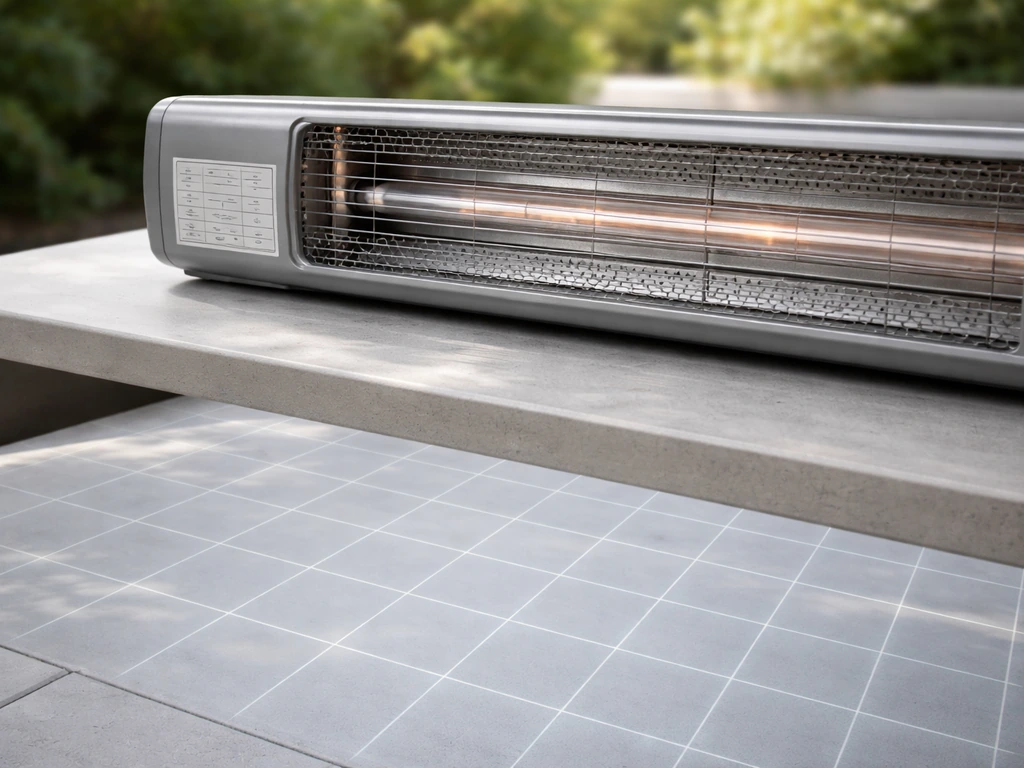
There are five things worth checking before you buy. Get these right and almost any reputable quartz tube heater will serve you well. Get them wrong and you'll either be cold or you'll return the unit within a week.
Heat output and coverage area
Quartz tube heaters are rated in watts. As a practical rule of thumb, you need roughly 10 watts per square foot for an outdoor covered space, and more like 15 to 20 watts per square foot for an open or semi-exposed patio where heat dissipates faster. A 1,500-watt unit comfortably covers about 100 to 150 square feet in a well-sheltered spot. A 2,000-watt unit pushes that to around 150 to 200 square feet. For a large open deck or a pergola with open sides, consider two 1,500-watt units positioned to overlap coverage rather than one underpowered single unit.
Mounting type and position
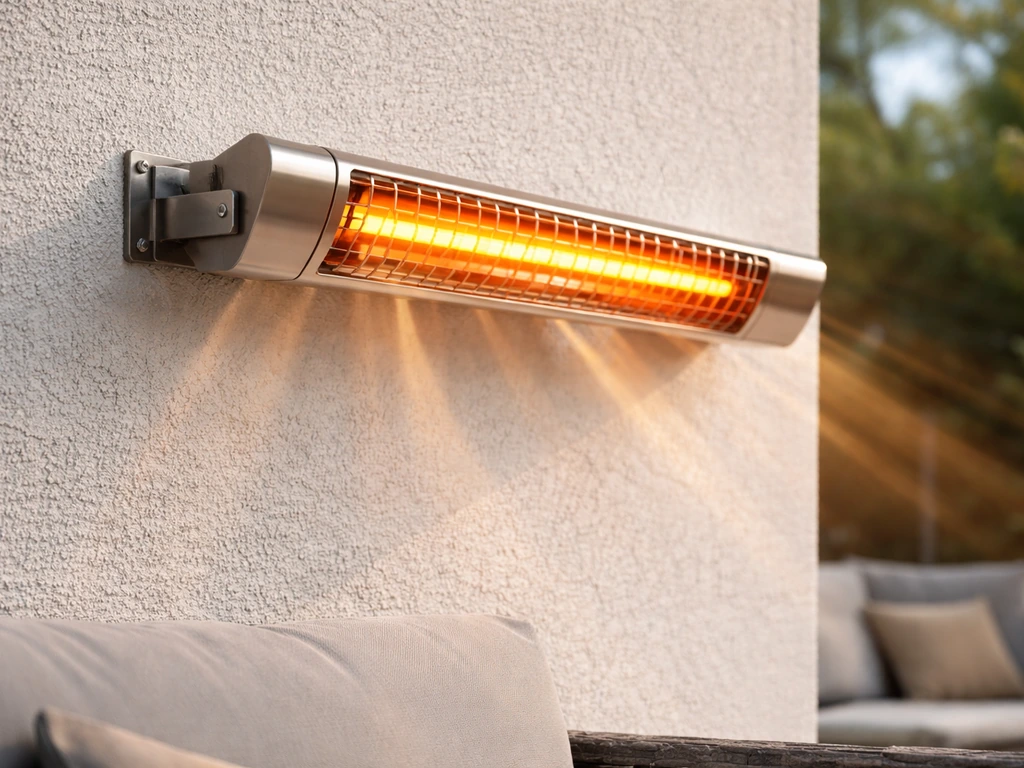
Wall-mounted and ceiling-mounted quartz tube heaters give you far better heat distribution than freestanding pole models. Infrared heat travels in a directed beam, so positioning matters. A ceiling-mounted unit angled at about 30 to 45 degrees toward the seating area will hit people at chest and shoulder height, which is where you want it. Freestanding models are portable and convenient but often less efficient because the element ends up at mid-body height, and heat rises away from the ground level. If you're setting up a permanent patio space, a mount is almost always worth the extra install effort.
Controls and thermostat
At minimum, look for a model with at least two heat settings (typically half-power and full-power). Better units add a remote control, which is genuinely useful when the heater is wall- or ceiling-mounted and you don't want to get up to adjust it. A built-in thermostat is a nice-to-have for covered spaces where you want to maintain a consistent temperature without babysitting the unit. Timer functions are also worth paying for if you tend to leave heaters running longer than needed.
Build quality and weather rating
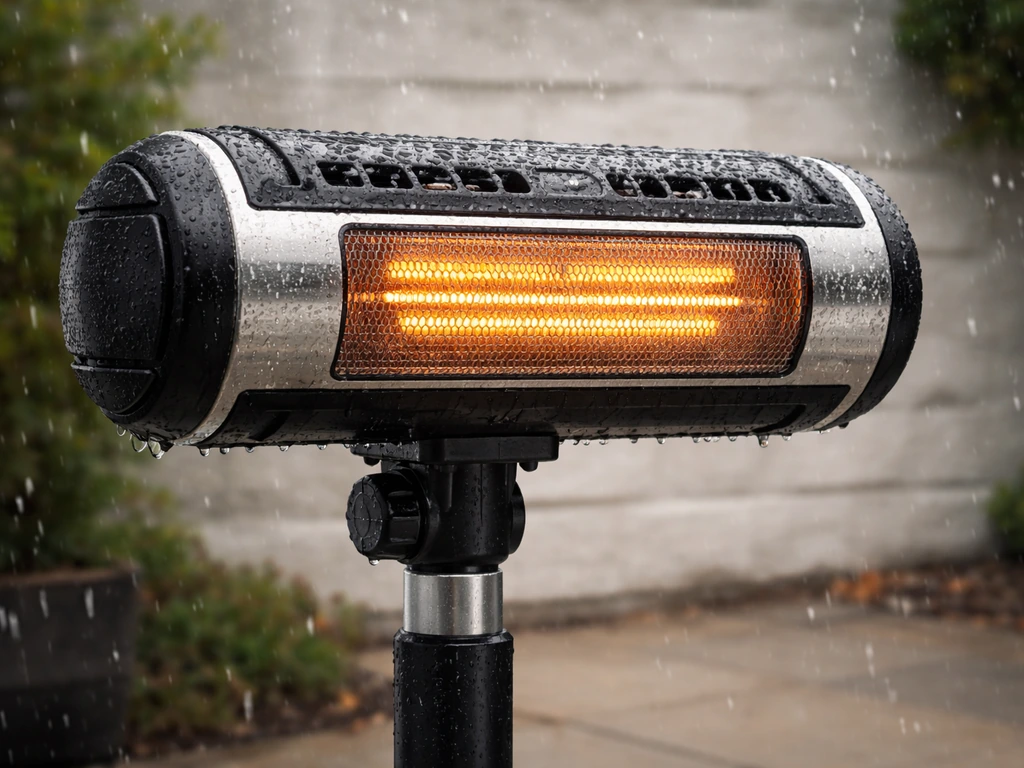
For outdoor use, check the IP (Ingress Protection) rating. An IP44 rating means the heater is splash-proof from all directions and protected against solid objects larger than 1mm, which is fine for a covered patio. If your heater will be exposed to direct rain, aim for IP55 or higher. The housing material matters too: powder-coated stainless steel or aluminum holds up far better outdoors than chrome-plated mild steel, which rusts. The quartz tube itself is weather-resistant but mechanically fragile, so check whether the guard or housing adequately protects the tube from physical impact.
Safety features
Look for an overheat protection cut-off (most quality units have this), a tip-over switch on freestanding models, and a protective guard around the quartz tube. That guard isn't just about protecting the tube from breakage; it also keeps fingers, fabric, and leaves away from an extremely hot surface. blank" rel="noopener noreferrer">High-intensity quartz infrared elements can cause burns if skin is too close for too long, so a guard and a minimum safe-use distance listed in the manual both matter.
Quartz tube heater reviews: best picks by patio type and budget
Here's how I'd break down the current market across the most common use cases. If you are looking for enders elegance patio heater reviews, use this patio-type breakdown to compare wattage, coverage, and mounting style before you buy. I've focused on models that represent the best value at each level, with honest notes on where each one falls short.
| Model / Type | Wattage | Best For | Mount Type | IP Rating | Approx. Price | Weakness |
|---|---|---|---|---|---|---|
| Dr. Infrared DR-238 (portable) | 1,500W | Small covered patios, apartments | Freestanding/portable | IPX4 (splash-resistant) | $80–$120 | Limited coverage, no remote |
| AZ Patio Heaters HLI-SS Series | 1,500W | Covered pergolas, patios up to 150 sq ft | Wall/ceiling mount | IP44 | $120–$160 | Single heat setting on base model |
| Infratech W-Series (W-2024) | 2,000W | Medium covered patios, year-round use | Ceiling/wall mount | IP55 | $200–$280 | Needs dedicated 20A circuit |
| Bromic Platinum Smart-Heat Electric | 2,000–3,400W | Large covered patios, commercial settings | Ceiling/wall mount | IP55 | $350–$500+ | Premium price, overkill for small spaces |
| King Electric PCHF1-1215W (panel style) | 1,500W | Budget covered decks, enclosed porches | Wall mount | IP33 | $90–$130 | Lower weather resistance, covered use only |
Best for small covered patios on a budget
The AZ Patio Heaters HLI-SS is the model I recommend most often for readers who want a proper mounted quartz tube heater without spending a lot. It installs easily, the stainless housing holds up well outdoors, and the 1,500-watt output is genuinely enough to keep a small to mid-size covered patio warm down to around 40°F. The main limitation is that the base model lacks a remote, so you'll want to add a smart plug if you want app or voice control.
Best mid-range pick for year-round use
The Infratech W-2024 is consistently the model that gets strong reviews from people who use their patio seriously. If you want to compare options from real buyers, check the home appliance guys patio heater reviews section for practical pros and cons. It's IP55-rated, which means it handles rain exposure reasonably well. The 2,000-watt output on a dedicated 20-amp circuit heats a 150 to 200 square foot space comfortably. It's not cheap, but it's built with a commercial-quality housing and the quartz tube is genuinely replaceable, which extends the heater's useful life significantly.
Best premium pick for large or commercial spaces
The Bromic Platinum Smart-Heat Electric is the heater I'd put on a large covered restaurant patio or a serious entertaining space without hesitation. It produces a wide, even heat spread, integrates with smart home systems, and the build quality is genuinely premium. At $350 to $500-plus depending on wattage, it's not for everyone, but for a large space where you need reliable performance over years, it's worth the cost. If you're also evaluating Living Accents options, these living accents patio heater reviews can help you compare build, output, and overall value against the Bromic pick. The Bromic also comes in a gas version, so if you're comparing fuel types, it's a useful apples-to-apples reference.
Best portable option
If you need something you can move around, the Dr. Infrared DR-238 is a reliable freestanding unit that uses a quartz infrared element and runs on a standard 120V outlet. It's limited in coverage and lacks the efficiency of a mounted model, but for a small apartment balcony or a rental space where you can't mount anything, it does the job at a price that's easy to justify.
Real-world performance: warm-up time, wind, and how it actually feels
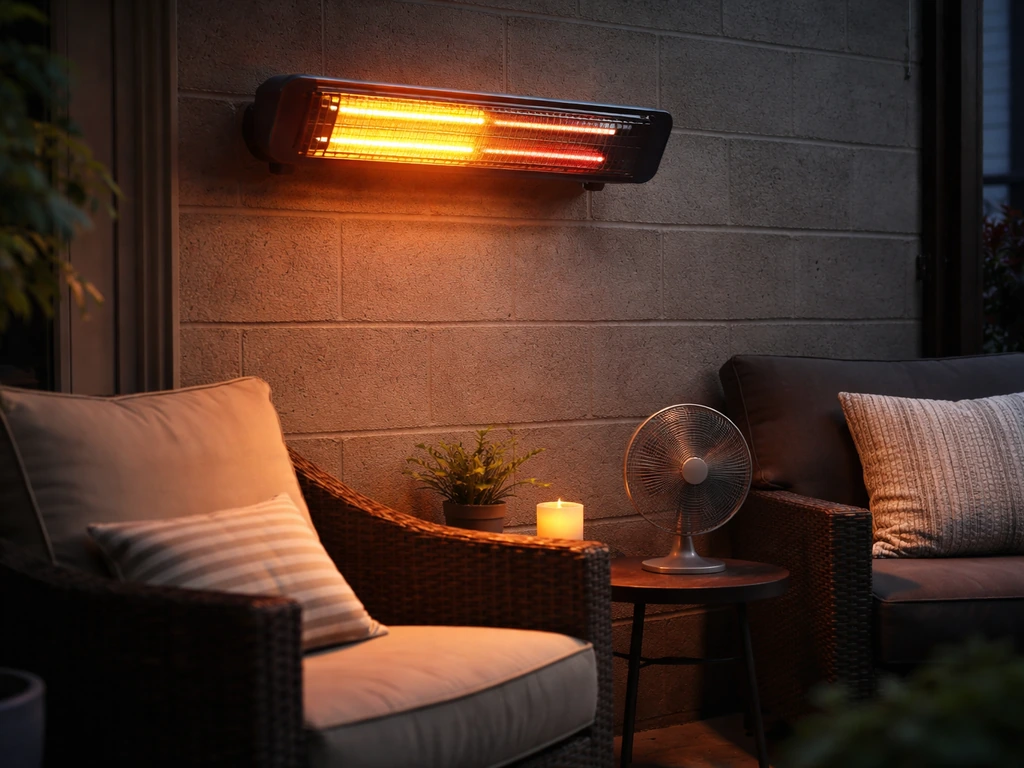
One of the things that genuinely surprises people when they first use a quartz tube infrared heater is how fast it feels warm. Most medium-wave quartz infrared units reach operating temperature in 30 to 90 seconds. You don't get that lag you experience with gas heaters that need a minute or two to really start warming the air. You switch it on, sit down, and you can feel it almost immediately. That said, what you're feeling is directional radiant heat: if you're in the beam, you're warm. Step out of the beam, or turn your back to it, and you notice the difference quickly.
Wind is where quartz tube heaters earn their reputation. A 10 to 15 mph breeze will dramatically reduce the effective warmth from a gas patio heater, because it disperses the warm air. That difference is why choosing between a glass tube heater vs patio heater performance usually comes down to whether you want radiant heat that stays effective in wind a gas patio heater. A quartz tube infrared heater loses almost nothing to wind because the infrared radiation travels directly to you as a wave, not as heated air. The main wind concern with quartz tube heaters is actually mechanical: strong gusts can rock a poorly mounted freestanding unit, and debris hitting an exposed quartz tube can crack it.
Efficiency-wise, electric quartz infrared heaters convert close to 100% of their electrical input to heat output (no combustion losses), but your electricity rate determines the real running cost. At a typical residential rate of $0.15 per kWh, a 1,500-watt heater running for two hours costs about $0.45. Compare that to propane at current prices, and electric quartz tube heaters are generally competitive for casual use, especially if you're only heating a small defined area rather than a large open space.
One honest trade-off: quartz tube infrared heaters produce a visible warm orange glow when running. Most people don't mind it, and many find it pleasant. But if you want invisible heat (say, for a photography or film setup, or you just don't like the glow), look at far-infrared ceramic panel heaters instead. Also, unlike propane models, you need an electrical outlet or hardwired circuit nearby, which adds a setup consideration if your patio doesn't already have outdoor-rated power access.
Safety and maintenance: what to know before the quartz tube breaks
Quartz glass tubes are mechanically fragile. They handle extreme heat, but they crack if you knock them, spray cold water on a hot tube, or let them absorb a physical impact. This is the single most common complaint I hear from quartz tube heater owners: a tube broke and replacement was harder than expected. Before you buy any model, verify that replacement quartz tubes are available for that specific unit and check the price. A $30 replacement tube on a $120 heater is fine. Discovering the tube is proprietary and costs $90 is frustrating.
For cleaning, let the heater cool completely before touching anything. Wipe the housing with a damp cloth. For the quartz tube itself, avoid touching it with bare hands once it's been in service: skin oils can create hot spots on the tube surface that cause premature failure over time. If you need to clean the tube, use a clean dry cloth or a cloth lightly dampened with isopropyl alcohol, and let it dry fully before switching the heater on.
The protective guard around the tube should be checked periodically for damage or warping. A bent guard that puts pressure on the tube can cause cracking. Also check mounting hardware if your unit is wall- or ceiling-mounted: vibration over time can loosen screws, and a falling heater is both a safety hazard and a quick way to shatter the quartz tube.
On the burn risk front: high-intensity quartz infrared elements produce enough radiant energy to cause discomfort or skin burns if you're too close for too long. Manufacturer-specified minimum distances vary but are typically 1.5 to 3 feet for high-wattage units. Pay attention to these specs and position mounted heaters so the beam angle means normal seated occupants aren't directly under the element at point-blank range.
- Never spray water on a hot quartz tube — thermal shock will crack it
- Handle the tube only when cold, and use a cloth rather than bare hands
- Check that replacement tubes are available and reasonably priced before buying the heater
- Inspect guard hardware every season and tighten any loose mounting screws
- Follow minimum safe-distance guidelines from the manual, especially for higher-wattage units
- Store portable units indoors or under a waterproof cover when not in use
- Ensure the heater is on a circuit rated for its wattage — a 2,000W unit needs a 20A circuit
Your quick buying guide, setup tips, and final recommendation
Here's how to shortlist a model in under five minutes. Start with your patio's square footage and shelter situation. Covered patio under 150 sq ft: a 1,500-watt wall-mount unit is the right choice. Covered patio 150 to 250 sq ft: step up to 2,000 watts or use two 1,500-watt units.
Open or semi-exposed deck: add 30 to 50% more wattage, and seriously consider a gas patio heater instead if wind exposure is high. For readers who want a shortcut, check style selections gas patio heater reviews to compare the most popular gas options side by side. Then confirm you have the right electrical circuit available, check IP rating against your weather exposure, and verify tube replacement availability before checking out.
- Measure your patio and calculate approximate square footage
- Decide on mounted vs. freestanding based on your setup (mounted is almost always better for performance)
- Match wattage to coverage: 10W per sq ft covered, 15–20W per sq ft exposed
- Confirm your outlet or circuit can handle the load (1,500W needs 15A minimum, 2,000W needs 20A)
- Check IP rating: IP44 minimum for covered, IP55 for any rain exposure
- Search the model name plus 'replacement tube' before buying to confirm parts availability
- If your patio is large and open, compare with gas heater options before committing
For setup, mount the heater so the beam angle hits seated occupants at chest height from a distance of at least 2 feet (more for high-wattage units). Aim for a 30-to-45-degree downward angle from a ceiling or high wall mount. Use outdoor-rated wiring and weatherproof outlet covers. If you're hardwiring a unit over 1,500 watts, have a licensed electrician handle the circuit to be safe.
The honest final recommendation: for most homeowners with a covered patio up to 200 square feet, the AZ Patio Heaters HLI-SS series at the budget end and the Infratech W-Series at the mid-range are the two models I'd put in front of almost anyone. If you have a larger or more demanding space, the Bromic Platinum justifies its price.
If you're still unsure whether a quartz tube electric model is the right call for your situation versus a gas heater, it's worth reviewing a broader glass tube vs. If you want well traveled living patio heater reviews, compare quartz tube options to the most common alternatives in real-world use glass tube vs. . standard patio heater comparison for your specific setup before committing.
Quartz tube infrared heaters are genuinely excellent tools for the right situation: they're fast, clean, wind-resistant, and efficient. Just make sure your space and power setup actually match the model you choose.
FAQ
Can I use a quartz glass tube patio heater under a covered patio if it gets occasional rain?
Most quartz tube heaters are designed for outdoor-rated wiring and enclosures, but you still need to match the heater’s IP rating to your actual exposure. For example, a splash-proof unit (around IP44) may be fine under an awning, but it can fail early if it gets repeated direct rain or sits where runoff drips onto the housing and controls. If you are unsure, choose IP55 or higher and use an outdoor-rated junction box and conduit.
What’s the biggest electrical mistake people make when installing a quartz tube patio heater?
You can, but you should plan the electrical side first. Many 1,500 to 2,000-watt mounted models require a dedicated 120V or 20A circuit depending on the unit, and using an indoor extension cord is a common mistake that can overheat and void safety protections. If your heater is above 1,500 watts or you do not have an outdoor outlet nearby, hardwiring (installed by a licensed electrician) is usually the safer, cleaner option.
Why does my quartz tube heater feel weaker than expected even though it’s the right wattage?
Do not judge performance only by the listed watts, because heater height and aiming angle change what people actually feel. Infrared heat is directional, so a heater mounted too high, aimed too steeply, or placed at the wrong distance can leave seated areas under-heated even when wattage looks “right.” Use the manufacturer’s minimum safe distance and target chest-level warmth by adjusting both height and angle.
How do I estimate coverage if my seating is far from the heater or not centered in the beam?
For covered patios, the typical guidance of roughly 10 watts per square foot (and more for open areas) assumes average seating distance and normal human positioning in the beam. If you regularly host people farther from the heater, you may need extra wattage or a second unit to widen the effective coverage. A practical test is to measure the distance from the heater to the farthest seat, then confirm the model’s beam reach and minimum distance in the manual.
Are quartz glass tube patio heaters suitable for year-round use on a freestanding stand?
Yes, but it can be risky if the quartz tube is the load-bearing part of the design. The quartz tube is mechanically fragile, so vibrations from a poorly installed mount or bumping a freestanding unit can crack it over time. For long-term use, a stable wall or ceiling mount with proper fasteners and periodic hardware checks is usually more reliable than moving the unit frequently.
Why do I feel warm quickly in some spots but not others right after turning the heater on?
Quartz tube heaters can be very fast to feel warm, but you may notice a delay in “comfort” due to cold wind, clothing insulation, and whether your body is inside the beam. On average, the heater may reach operating temperature within about a minute, but outdoor conditions can make it feel slower. The fix is to ensure correct aiming at seated height and reduce airflow where practical (for example, side screens on windy patios).
If I want invisible heat for a patio or photography, will a quartz tube heater work?
They are usually brighter than you expect, and the glow can be distracting for some uses. If you want less visible light, look at alternatives like far-infrared ceramic panel heaters, since quartz medium-wave designs often produce a noticeable orange emission. Also consider mounting direction so the glow does not shine into your eyes or cameras.
What should I verify about quartz tube replacement before purchasing?
The key is to plan for tube replacement availability before buying. A common frustration is discovering the replacement tube is proprietary, expensive, or hard to find for that exact model and wattage. Confirm that replacement parts exist for your specific heater, check pricing, and verify whether the manufacturer sells tubes directly or through authorized channels.
What’s the safest way to clean a quartz glass tube heater without damaging the tube?
You should not spray water on the hot tube or clean it while it is still warm, since thermal shock can crack the quartz glass. Let the unit fully cool, wipe the housing with a damp cloth, and avoid touching the tube with bare hands after it has been operating (skin oils can contribute to premature failure). For heavy cleaning, use a method recommended by the manufacturer, such as a clean dry cloth or light alcohol on a cloth, then let it dry completely.
How close is too close for people, kids, or pets to a quartz tube patio heater?
Use the heater’s stated minimum safe distance to people, and also consider that the beam can cause discomfort if you sit too close. If you have children, pets, or guests who move around, prioritize a model with a robust guard and confirm the guard is designed to prevent contact with the hot surface. A common safety lapse is assuming “radiant heat” is harmless at close range.