
The Inferno patio heater line, made by Shinerich, offers a solid mid-range propane radiant heater in the SRPH68 (sometimes listed as SRPH67 or SRPH84) that puts out 36,000 BTU and covers up to a 20x20-foot area. There's also a smaller tabletop infrared propane model, the SRPT08, rated at 10,000 BTU for close-range warmth. Both are CSA-certified, come with decent safety features, and are priced in the $400–$530 range. They're genuinely capable heaters for the right setup, but they have some real limitations worth knowing before you buy.
Inferno Patio Heater Reviews: Best Model for Your Patio?

Willa Brennan
1 Jul 2026
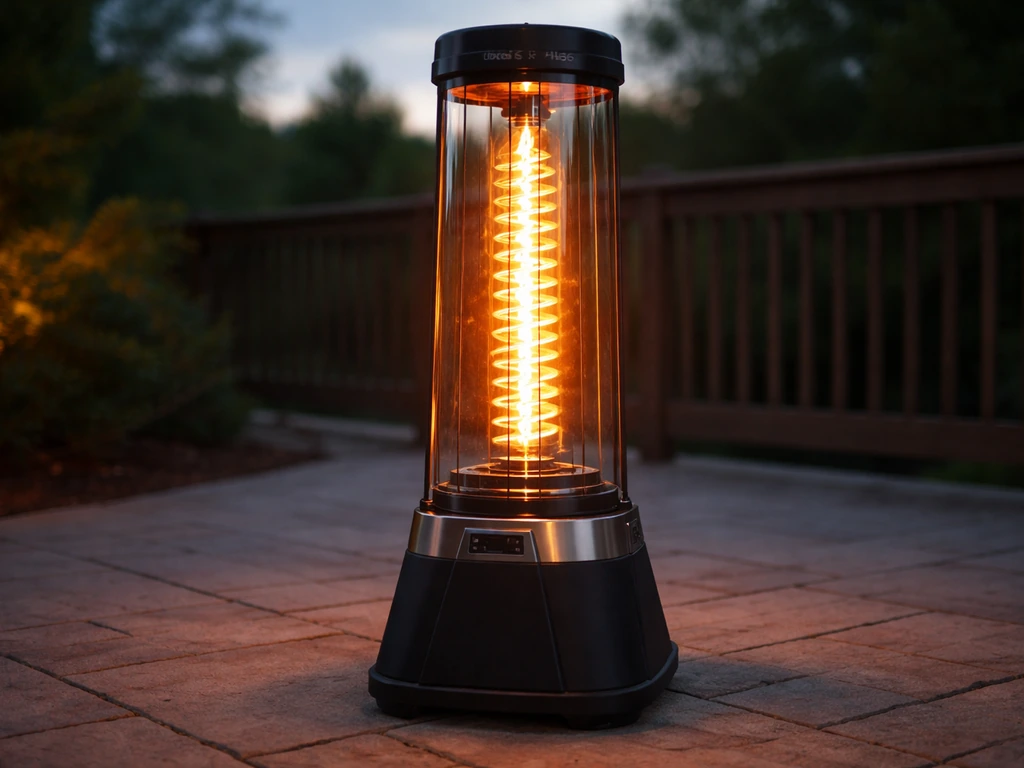
Quick verdict on the Inferno patio heater
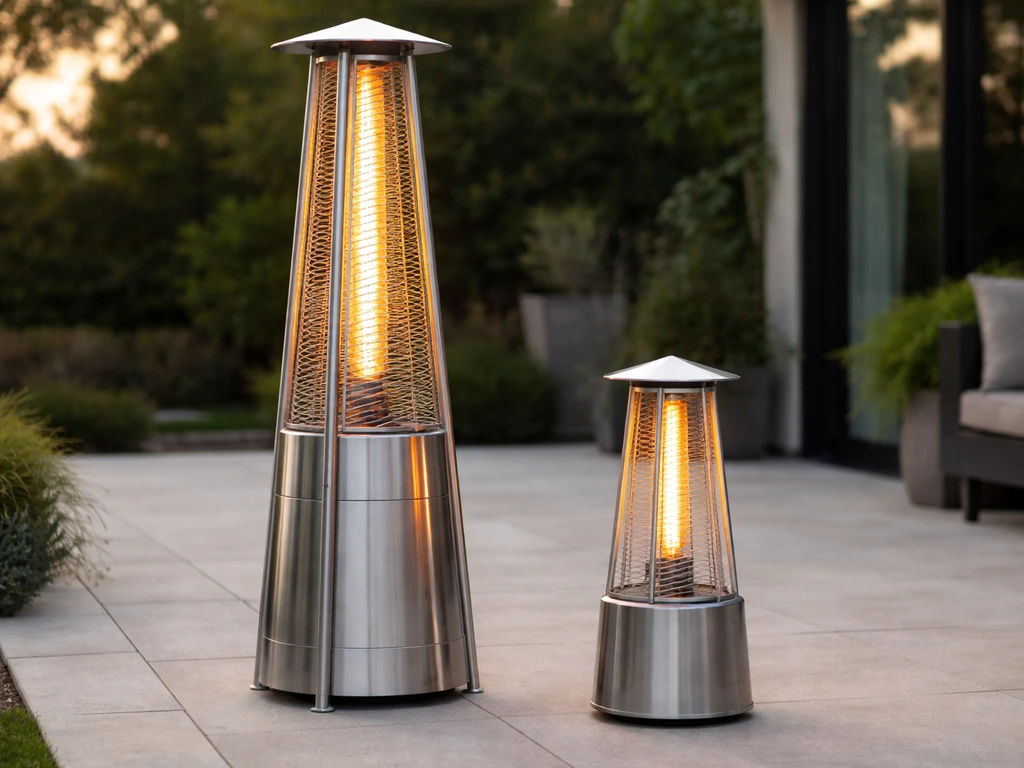
The Inferno SRPH68 is a competent, no-frills propane radiant tower heater. It heats a decent-sized patio, looks clean with its Pyrex glass and spiral stainless steel emitter, and includes the safety features you'd expect: an anti-tilt switch and a flame failure device that cuts gas if the flame goes out. Electronic push-button ignition makes startup easy. That said, it's not exceptional in any one area, and at around $530, it sits in a competitive price range where alternatives from brands like Fire Sense offer similar or better output. If you want a classic mushroom-top propane tower heater with 360-degree heat and you're shopping in Canada or from retailers like Canadian Tire, the Inferno is a solid pick. If you're comparing across fuel types or want more flexibility, keep reading.
The Inferno model lineup explained
There are two main Inferno models worth knowing about, and they serve pretty different use cases. Here's how they stack up:
| Feature | SRPH68 / SRPH67 / SRPH84 | SRPT08 |
|---|---|---|
| Type | Freestanding radiant tower heater | Tabletop infrared heater |
| Fuel | Propane (LP gas) | Propane (LP gas) |
| Heat output | 36,000 BTU/hr | 10,000 BTU/hr |
| Coverage area | Up to 400 sq. ft. (20' x 20') | Close range / small area |
| Emitter | Spiral stainless steel with Pyrex glass (360°) | Infrared tabletop element |
| Ignition | Electronic push-button | Manual / pilot-style |
| Safety features | Anti-tilt switch, flame failure device | Flame failure device, anti-tilt |
| Portability | Wheels included, retractable design | Portable tabletop |
| Tank size | 20 lb LP cylinder (not included) | Small LP canister (not included) |
| Dimensions | 20.3" dia. x 70.9" H | Compact tabletop unit |
| Certification | CSA (LP gas) | CSA certified |
The SRPH68/SRPH67/SRPH84 are essentially the same heater across different retail listings and minor production runs. The SRPH84-BLACK is the version Canadian Tire carries and includes a hose and regulator in the box, which is a nice touch since not every listing includes those. The SRPT08 is a completely different animal: a tabletop infrared unit that's better suited to a small bistro table setup or a covered balcony where you just need warmth within arm's reach. Both run on propane, so there's no electric or natural gas option in the current Inferno lineup.
How well does it actually heat your patio?
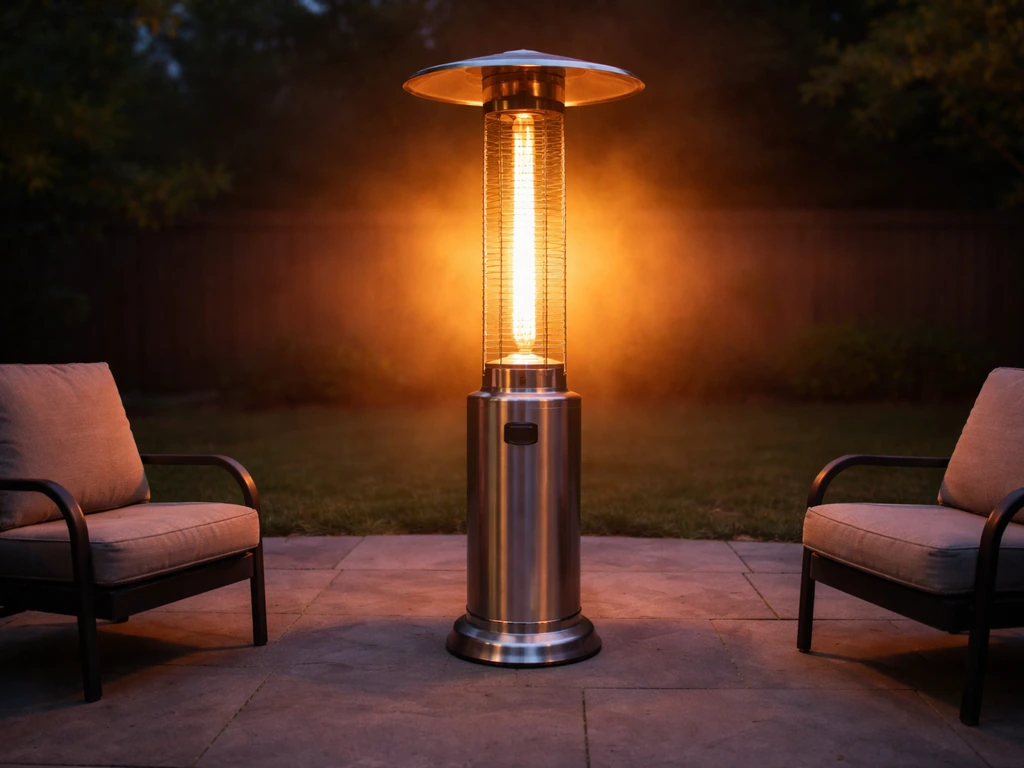
The SRPH68's 36,000 BTU output is on the lower-to-mid end of full-size propane tower heaters. Many comparable heaters run 40,000–46,000 BTU, so you'll feel that difference on the coldest nights. In practical terms, the Inferno's 400 sq. ft. (20x20 foot) manufacturer claim is realistic for a mild evening around 50–55°F, but push that to 40°F or below and you're really looking at effective warmth within a 5- to 6-foot radius of the heater. For example, the Northern Tool SRPH68-style listing claims “heat distribution in a 5 ft. to 6 ft. radius,” aligning with how effective warmth is limited to that range in colder conditions. That's fine for a round patio table with four to six people seated around it, but don't expect to warm a sprawling deck.
The 360-degree radiant design with the Pyrex glass and spiral emitter does mean heat radiates outward in all directions, which is exactly what you want for a central gathering point. It's not directional like some infrared panel heaters. Where it struggles is wind: radiant propane heat and gusty conditions are a bad combination. Wind disperses the warmth quickly and can also trip the flame failure safety device, causing the heater to shut off. If your patio is exposed and regularly breezy, plan on some kind of wind screening or consider an infrared option that performs better in open conditions.
For covered patios, the Inferno performs noticeably better since the heat stays in the space. If you have a pergola, enclosed porch, or overhead structure, you'll get much more out of the 36,000 BTU. Just keep clearances in mind: maintain at least 3 feet from any combustibles above or beside the heater, and always use it outdoors only. The manual for the Inferno SRPT08 warns that it must be used outdoors only and includes carbon monoxide hazard warnings along with safety features like a flame failure device and anti-tilt always use it outdoors only. The manual is clear about carbon monoxide risks, and that's not just legal boilerplate: radiant gas heaters should never be used in enclosed or semi-enclosed spaces without adequate ventilation.
What about the SRPT08 tabletop model?
The 10,000 BTU tabletop infrared SRPT08 isn't trying to heat your whole patio. Think of it as a personal warmth supplement for two to four people seated close together. It's the right tool for a small apartment balcony, a deck with a bistro table, or as a second heater alongside a larger tower unit. Infrared technology means it heats objects and people directly rather than the air, which makes it slightly more efficient in open conditions compared to standard radiant models at the same BTU level.
Startup, controls, and moving it around

Setting up the SRPH68 is straightforward. It comes with wheels and a retractable design, so moving it across a deck or into storage for winter is easy without needing to disassemble anything. The hose and regulator are included with the SRPH84-BLACK version (confirm your specific listing before buying), and you'll need to supply your own 20-pound propane tank. That's standard for this category.
Ignition is electronic push-button, which means no separate lighter or match needed. You turn the control knob to the pilot position, press and hold, push the ignition button, and wait for the flame to establish before releasing. The flame failure device requires the thermocouple to heat up before it will hold the gas valve open, so you typically need to hold the knob for 15–30 seconds after the flame lights. Releasing too early is the most common reason people report the heater shutting off immediately after lighting. Once it's running, a temperature control knob lets you dial the output between low, medium, and high.
One nuisance to be aware of: if your heater lights and then shuts off after you release the knob, the most likely culprits are either releasing too soon, a dirty or misaligned thermocouple, or an issue with gas pressure. This isn't unique to the Inferno. It's a common behavior across all propane heaters with flame failure devices. Cleaning the thermocouple tip with fine steel wool and ensuring it's properly positioned in the flame usually fixes this.
Safety, build quality, and weather resistance
The Inferno SRPH68 checks the right safety boxes. The anti-tilt switch automatically cuts gas if the heater tips over, and the flame failure device shuts off gas within seconds if the flame goes out unexpectedly. Both are standard safety requirements for CSA-certified gas heaters, and the Inferno carries that certification for LP gas use. The protective screen around the emitter keeps hands and fabric from getting too close to the heat source.
Build quality is mid-range. The stainless steel emitter holds up well, and the Pyrex glass is durable for outdoor use. The housing is typically powder-coated steel. It's not going to rust out in a single season, but like most patio heaters in this price range, you'll want to use a weather cover when it's not in use and store it during harsh winters. The wheels and retractable design make that practical.
The manifold pressure is rated at 11 inches W.C., which is standard for propane appliances. Always perform a leak test (brush soapy water on connections and look for bubbles) when connecting a new tank or reconnecting after storage. The manual covers this, and it's worth doing every time.
Is the price actually worth it?
The Inferno SRPH68 lists around $530 (USD) at specialty retailers, though availability varies. At that price, it's competing directly with heaters that put out 40,000–46,000 BTU, which is a real gap when you're trying to heat a patio on a cold night. The Fire Sense 46,000 BTU model, for example, delivers significantly more heat output at a comparable or lower price point depending on where you shop. If you are considering other options, this Fire Sense patio heater review comparison can help you see how the BTU and value stack up Fire Sense 46,000 BTU model. That's a meaningful difference in real-world performance, and it's worth cross-shopping before committing.
That said, the Inferno's included hose and regulator (on the SRPH84-BLACK version), CSA certification, and clean design aren't nothing. If you find it on sale or at a Canadian Tire near you and the price is competitive, it's a fair buy. At full retail versus other options in the $400–$550 range, the BTU-per-dollar math doesn't favor the Inferno.
| Heater type | Typical BTU output | Approx. price range | Best for |
|---|---|---|---|
| Inferno SRPH68 (propane radiant) | 36,000 BTU | $400–$530 | Mid-size covered patios, Canadian buyers |
| Propane tower heater (40–46k BTU alternatives) | 40,000–46,000 BTU | $150–$400 | Larger or open patios needing more heat |
| Electric infrared heater | 1,500–3,000W (~5,000–10,000 BTU eq.) | $100–$400 | Covered patios, no propane access |
| Natural gas patio heater | 40,000–50,000 BTU | $300–$700+ | Permanent install, high use frequency |
| Tabletop infrared (Inferno SRPT08) | 10,000 BTU | ~$100–$200 | Small balconies, close-range warmth |
| Pellet patio heater | Variable | $300–$600+ | Ambiance + heat, off-grid scenarios |
If you're comparing patio heater brands broadly, Fire Sense is worth a look for similar propane tower heaters at various BTU levels and price points. The Firestorm line is another alternative in this space worth considering if you want to compare build quality and features side by side before deciding. If you are specifically shopping for a Firestorm patio heater, it helps to read firestorm patio heater reviews so you can compare performance and build quality across models Firestorm line.
Who should buy the Inferno, and who should skip it
The Inferno is a good fit if you:
- Have a covered or semi-covered patio in the 200–400 sq. ft. range
- Want a 360-degree radiant propane heater with a clean, classic look
- Are shopping in Canada where it's readily stocked at Canadian Tire
- Need wheels and portability for moving the heater between spaces or into storage
- Are okay with propane and already own or will buy a 20-pound tank
- Want the SRPT08 for a small balcony or tabletop supplemental warmth
Skip it and look elsewhere if you:
- Have a large, open, or windy patio where you need 40,000+ BTU to make a dent
- Are price-shopping aggressively: comparable or higher-BTU propane heaters are available for less
- Want an electric heater (the Inferno lineup is propane-only)
- Need a natural gas option for a permanent installation
- Live somewhere the Inferno has limited availability or where shipping costs eat the value
- Are expecting performance equal to heaters in the 46,000 BTU class
The bottom line: the Inferno SRPH68 is a reliable, safe, mid-output propane heater that does what it says. It's not the best value on the market at full retail, and it's not the most powerful option for challenging conditions. But if the price is right and your patio fits the use case, there's nothing broken about this heater. Go in with accurate expectations about its 36,000 BTU ceiling and you won't be disappointed.
FAQ
Can the Inferno patio heater run on natural gas or electricity? (inferno patio heater reviews)
No, the current Inferno lineup described is propane-only. If you need natural gas or an electric heater, you will have to switch brands or look for a different Inferno model series, because the SRPH68 and SRPT08 both rely on propane tanks and hose/regulator setup.
Why does my Inferno heater keep shutting off when it is windy? (inferno patio heater reviews)
Wind can cause rapid heat loss and can also prevent the flame failure device from staying open, so the heater may shut off shortly after lighting. If your patio is exposed, prioritize wind screening (fixed panels or a sheltered placement) or consider a heater designed for open conditions, such as a higher-output model or a more wind-tolerant infrared setup.
What should I do if the Inferno lights but turns off right after I release the knob?
Most “lights then shuts off” cases are related to the flame failure device requiring the thermocouple to warm up. Hold the control knob/pilot position about 15 to 30 seconds after ignition, and if it still drops out, check that the thermocouple tip is clean and properly positioned in the flame.
Is it safe to use an Inferno patio heater under a covered porch or gazebo? (inferno patio heater reviews)
Yes, but only outdoors and with real ventilation. Even semi-enclosed spaces can create a carbon monoxide risk with gas radiant heaters, so you should not use the SRPH68 in garages, enclosed porches without open airflow, or anywhere the exhaust products cannot disperse. If you are unsure, treat it as outdoor-only.
Does every Inferno SRPH68 listing include the hose and regulator? (inferno patio heater reviews)
If you buy the SRPH84-BLACK you may get the hose and regulator included, but other listings might not. Before checkout, confirm whether a regulator and propane hose are in the box, and verify they match the type of propane tank connection you will use.
How much of my patio will the SRPH68 actually warm in cold weather?
Don’t assume 400 sq. ft. coverage will feel warm everywhere on colder nights. For the SRPH68’s 36,000 BTU output, effective warmth is more like a limited radius, roughly a 5 to 6 foot zone in colder temperatures. For larger or drafty patios, either reduce the seating footprint or choose a higher-BTU heater.
Is the Inferno SRPH68 directional or can I “aim” the heat at seating?
The SRPH68 is a radiant tower with 360-degree heat, so it warms people and nearby surfaces all around the base, not in a focused “aimed” beam. If you want targeted warmth for one seating area, you may prefer a directional heater type rather than relying on the tower’s 360-degree glow.
Is the Inferno SRPH68 a good buy compared to higher-BTU propane tower heaters? (inferno patio heater reviews)
At the $400 to $550 range, the key decision is often value per BTU. The SRPH68’s 36,000 BTU output is on the lower end versus many competitors in the 40,000 to 46,000 BTU band, so if you expect frequent sub-freezing evenings, cross-shopping a higher-BTU alternative usually matters more than minor design features.
How should I store the Inferno patio heater for winter to prevent problems next season? (inferno patio heater reviews)
Use a weather cover and store it during harsh winter conditions, especially where moisture and salt air accelerate wear on powder-coated steel and fittings. Also do not store with any connections under stress, and keep the unit clean so the burner and thermocouple remain aligned for reliable ignition.
Do I need to leak test every time I change a propane tank? (inferno patio heater reviews)
You should do a leak test with soapy water on every new tank hookup and any time you reconnect after storage. Look for bubbles at connections, and if you see any, tighten or re-seat connections and do not operate until the leak is resolved. This is especially important if the hose/regulator assembly was moved or replaced.
What size group and setup is the Inferno SRPT08 best suited for?
For the SRPT08 tabletop model, treat it as personal warmth rather than whole-patio heat. It is best for close seating on a bistro table or balcony where you need warmth within arm’s reach, typically for small groups, not for extending comfort across a deck.