
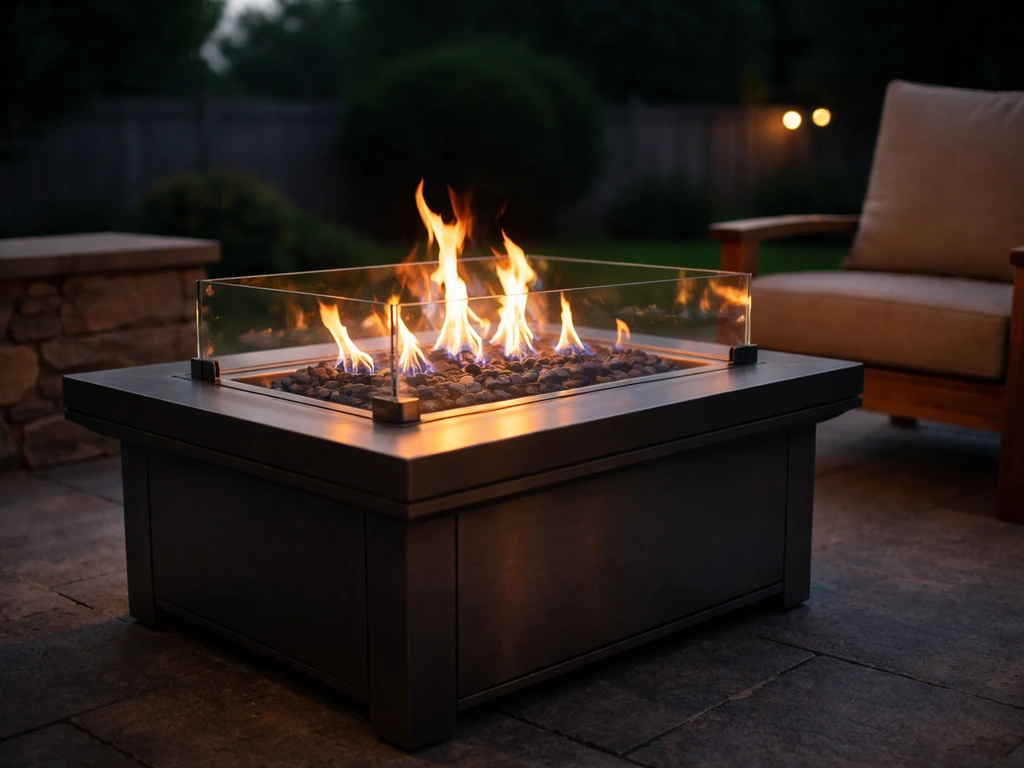
Napoleon makes two distinct types of outdoor heating products that often get lumped together under one search: the Patioflame series (gas fire tables and burner kits built for ambiance and supplemental warmth) and their PTH-series radiant patio heaters (standalone propane units built to heat a specific area). If you want a gorgeous flame centerpiece for your patio that also takes the chill off, the Patioflame line delivers. If you want directed, efficient warmth over a seating area, the PTH heaters are the better pick. Knowing which category you actually need makes the rest of this decision straightforward.
Napoleon Patio Heater Review: Best Models, Coverage, and Setup

Willa Brennan
23 Jun 2026
What Napoleon patio heaters are and who they're for
Napoleon is a well-established Canadian appliance brand that has been making gas fireplaces, grills, and outdoor heating equipment for decades. Their outdoor heating lineup splits cleanly into three product families. The Patioflame series covers gas fire tables, linear burner units, and burner kits. The SKYFire line is a tabletop propane torch heater designed for smaller spaces. The PTH-series radiant heaters are traditional freestanding or overhead propane units focused on heat output over aesthetics.
The Patioflame products appeal most to homeowners who want a fire table or built-in burner as a design feature on their patio. These aren't heaters in the traditional sense; they produce flame and warmth, but the heat is more ambient than directed. Think of them as a gas firepit you can install into a custom table or use as a freestanding fire feature.
The PTH-series and SKYFire units, on the other hand, are for people who want measurable warmth pushed over a seating area. If you're trying to extend your fall or winter patio season and you need actual heat coverage, those are the units to focus on. If you're comparing options, these Nedis patio heater reviews can help you judge comfort, heat output, and build quality from a buyer perspective.
Top Napoleon models: quick picks and differences
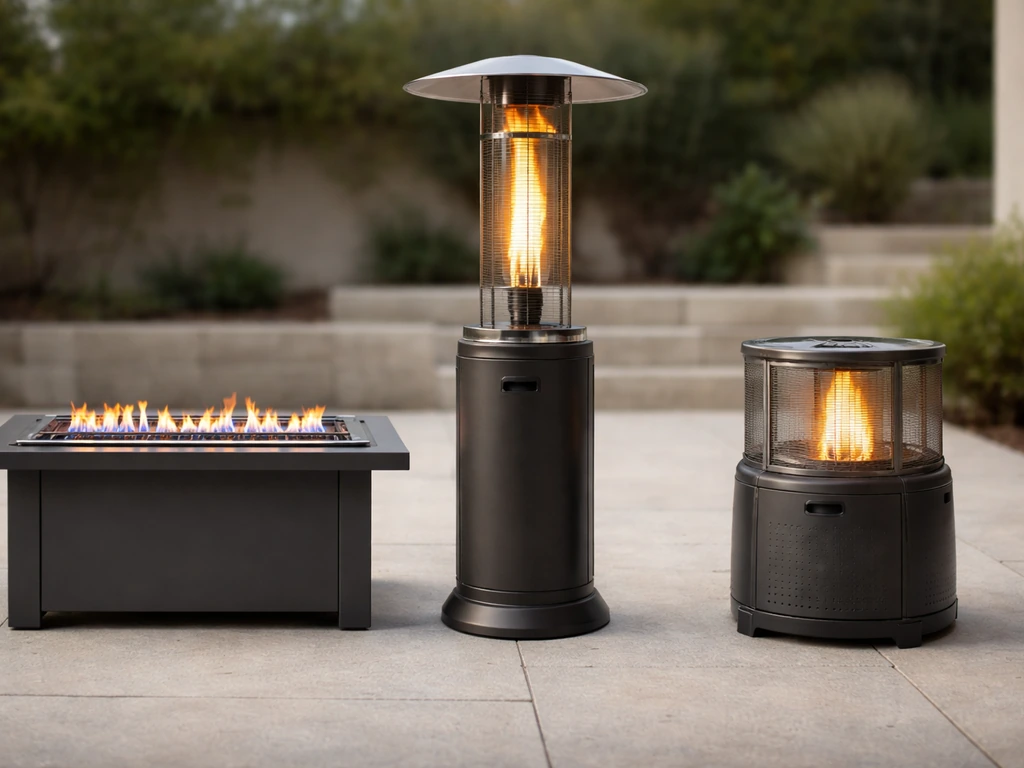
Here's a breakdown of the main Napoleon outdoor heating models worth knowing about, what they do, and who each one suits best.
| Model | Type | Fuel | Best For | Key Feature |
|---|---|---|---|---|
| GPFL48MHP (Linear Patioflame) | Gas fire table / linear burner | Propane (NG convertible) | Medium to large patios needing a fire feature | 48-inch linear flame, electronic ignition, safety valve |
| GPFR60 (30-inch Burner Kit) | DIY burner kit for custom fire table | Propane or Natural Gas | Custom outdoor table builds | Fits non-combustible bases, conversion kit included |
| HAMP2-GY (Hamptons Square Table) | Gas fire table | Propane | Entertaining patios, design-forward spaces | Thermocouple safety valve, square table format |
| SKYFire (Tabletop Torch Heater) | Tabletop propane torch | LP (propane cylinder) | Small patios, balconies, intimate seating areas | ODS pilot, anti-tilt switch, flame-failure device |
| PTHC38PK / PTHC38NK (PTH Radiant Heater) | Freestanding radiant heater | Propane | Direct warmth over a defined seating area | Defined BTU output, measured heat-area diameter |
The GPFL48MHP is Napoleon's most feature-complete Patioflame unit out of the box. It includes an electronic ignition, a windscreen accessory, and a safety shutoff valve that cuts gas if the flame goes out. It's a standalone product, not a kit, so it requires less DIY work than the GPFR60. The GPFR60 burner kit is a better option if you're building a custom fire table from scratch and want Napoleon's reliable burner technology inside your own design.
The Hamptons Square table (HAMP2-GY) is the most turnkey option for someone who wants a complete fire table without any custom work. For smaller spaces, the SKYFire tabletop unit keeps things simple: small LP cylinder, no installation, easy to move. The PTH radiant heaters are a separate category entirely, designed to push heat in a specific direction rather than create a flame experience.
Performance review: heat output, coverage, wind, and controls
Patioflame series: ambiance-first heating
The Patioflame units (GPFL48MHP, GPFR60, HAMP2-GY) prioritize a visible flame over measurable BTU output. Heat is radiated outward from the flame surface, which works well for people sitting close to the unit on a calm evening. Coverage is roughly 6 to 10 feet in calm conditions, depending on flame height and ambient temperature. In any meaningful wind, radiant heat from a low fire table dissipates quickly. Napoleon does sell a windscreen accessory for the GPFL48MHP, which helps noticeably, but if your patio gets regular wind, a fire table alone won't keep you warm.
Ignition on the GPFL48MHP is electronic, which is a real convenience advantage over manual pilot setups. The HAMP2-GY uses a thermocouple valve system: when the flame is interrupted for any reason (wind gust, accidental contact), the valve closes and cuts gas automatically. That's the kind of safety behavior you want in a patio setting. Flame height is typically adjustable via a regulator or valve knob, giving you some control over heat output and ambiance.
SKYFire: small footprint, limited coverage
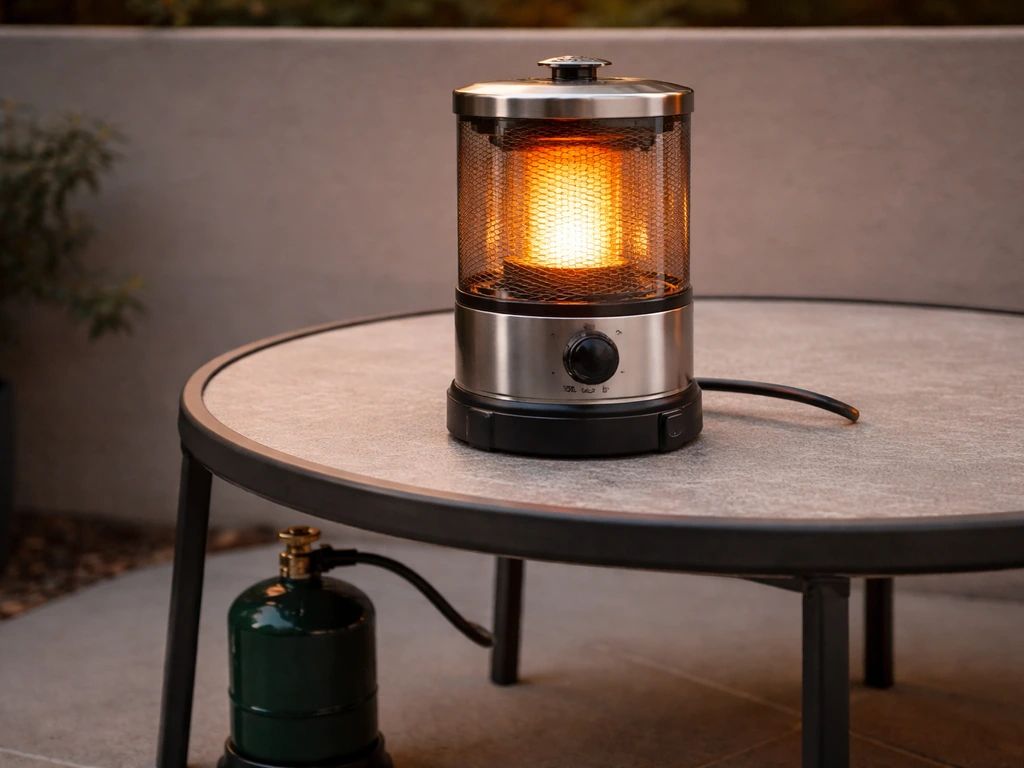
The SKYFire tabletop torch heater runs on a small LP cylinder and is intended for intimate seating, balconies, or areas where you can't use a full-size unit. Heat output is modest by design. It's more of a supplemental warmth source and a visual centerpiece than a primary heater for a cold evening. The safety package is solid: it includes an Oxygen Depletion Safety (ODS) pilot, an anti-tilt switch that shuts the unit off if it tips, and a flame-failure device. For an outdoor tabletop unit, those safety features are worth having.
PTH radiant heaters: actual warmth for a seating area
The PTHC38PK and PTHC38NK are Napoleon's purpose-built patio heaters with a blank" rel="noopener noreferrer">defined BTU output and a heat-area diameter rating. These behave more like a traditional mushroom-style or column propane heater: they push heat downward and outward over a measured radius. If you need to actually heat 8 to 12 feet of patio seating area on a 45-degree night, the PTH series is the Napoleon product designed for that job. If you want the most up-to-date Napoleon tabletop patio heater reviews, focus on the SKYFire line since it's the tabletop option in the lineup. Wind resistance is better than a fire table (the heat direction is more concentrated), though no propane heater is truly wind-proof in exposed conditions.
Fuel type, setup, and ease of use
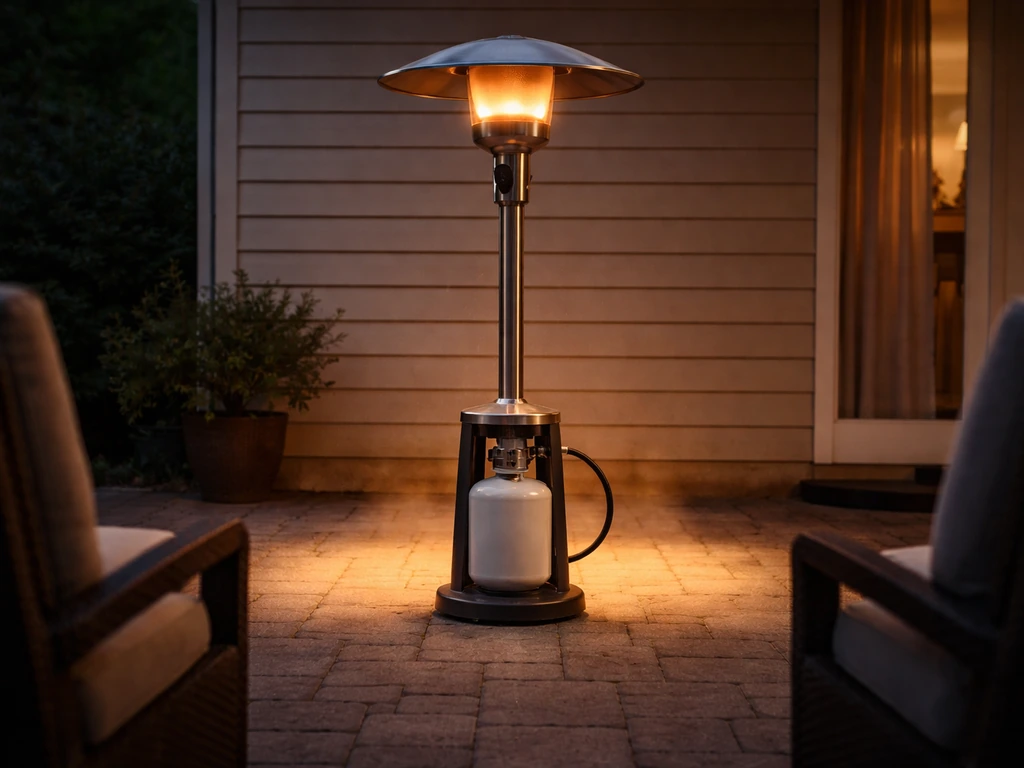
All Napoleon patio heating products are gas-fueled, either propane (LP) or natural gas (in some cases, with a conversion). There are no electric or infrared models in the Napoleon patio lineup at this time, which is worth knowing upfront if you were hoping for a plug-in option.
Propane setup
The Patioflame units and PTH heaters connect to a standard 20-lb propane tank via a regulator hose. The GPFL48MHP connects to an LP supply with a standard low-pressure regulator. Setup is manageable for most homeowners: connect the hose, check for leaks with soapy water, ignite electronically. The main installation consideration is clearance. Fire tables require a minimum clearance from combustible surfaces (walls, overhangs, fences) and should never be used indoors or in enclosed spaces. Napoleon's manuals specify clearance requirements per model, and those should be followed carefully.
Natural gas option
The GPFR60 burner kit supports natural gas with a conversion kit, which is a significant advantage for homeowners who already have a natural gas line on their patio. A permanent NG connection eliminates tank swaps and delivers consistent pressure. However, connecting to a natural gas line requires a licensed professional in most jurisdictions, so factor that installation cost into your budget.
SKYFire setup
The SKYFire tabletop unit uses a small LP cylinder (the type commonly used for camp stoves). Setup takes about five minutes. There's no permanent installation, no hose running across the patio, and no professional needed. That simplicity is its main selling point. The trade-off is limited burn time and lower heat output compared to any tank-connected unit.
Build quality, safety, and maintenance
Napoleon's build quality is generally a step above budget patio heater brands. Their burner components use materials designed for outdoor gas appliance durability, and the safety systems across the lineup are well thought out. The thermocouple valve on the Hamptons table and the GPFL48MHP's safety shutoff are both passive safety mechanisms: they don't require you to do anything. If the flame goes out, gas stops. That's the right approach for an outdoor heater.
Weather resistance is reasonable for a gas appliance. The fire table units are built with outdoor use in mind, but Napoleon recommends covering them when not in use, especially in wet or winter conditions. The burner media (lava rock, glass beads, or similar) can absorb moisture if left uncovered, which affects ignition performance. A fitted cover extends the life of the unit significantly. Cleaning is straightforward: clear debris from the burner area, inspect the igniter periodically, and check the regulator and hose for cracking or wear annually.
- Thermocouple safety valve cuts gas automatically if flame is extinguished (HAMP2-GY and similar models)
- Electronic ignition on GPFL48MHP for reliable, no-fuss lighting
- SKYFire includes ODS pilot, anti-tilt switch, and flame-failure device
- All units require outdoor-only use with adequate clearance from combustibles
- Annual inspection of hose and regulator is recommended for all propane units
- Covering the unit when not in use protects the burner and extends product life
Value for money: pricing, warranty, and how Napoleon compares
Napoleon sits in the mid-to-premium price tier for outdoor heating. Their fire table products cost more than entry-level fire pits from hardware stores, but the build quality, safety systems, and brand support justify the gap. Napoleon backs their products with a manufacturer warranty (specific terms vary by model, so confirm at point of purchase), and their customer support infrastructure is more developed than smaller or overseas brands.
Napoleon vs. infrared and electric alternatives
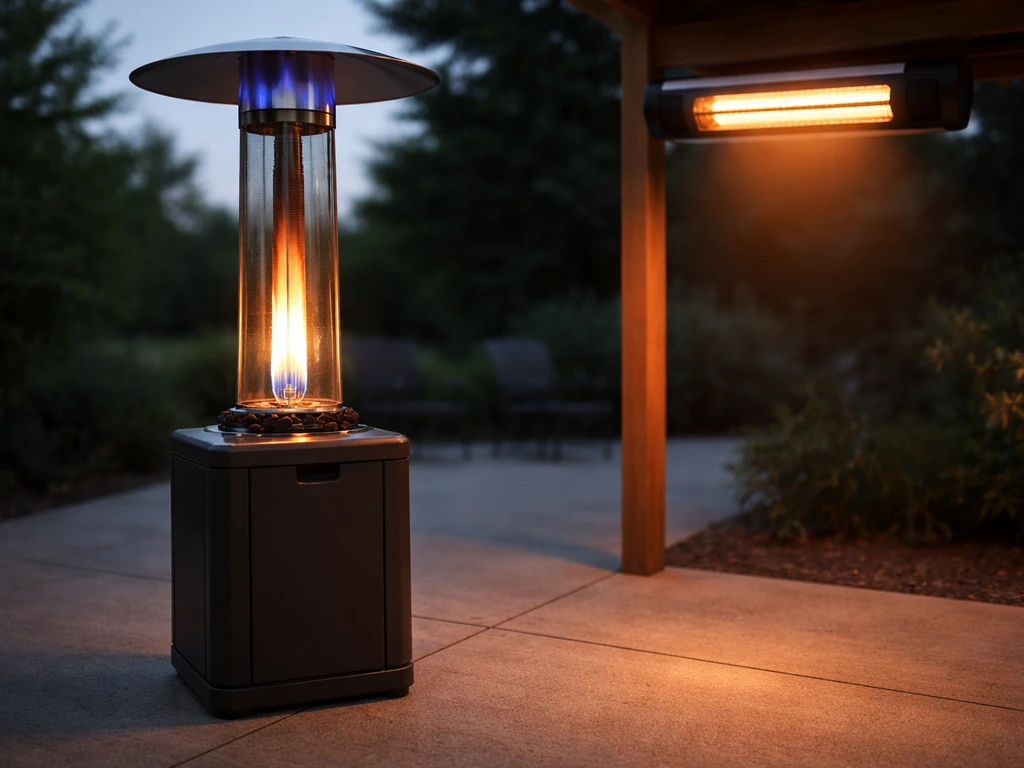
If your priority is pure heat efficiency, especially on a covered patio or in a space with any wind, infrared electric heaters (wall-mounted or overhead) outperform a gas fire table. Infrared heaters heat objects and people directly rather than warming air, so wind doesn't steal your warmth the same way. Brands like Sunpak and others in this category are worth comparing if you have a covered outdoor space and an electrical outlet available.
If you're comparing options, our Sunpak patio heater reviews can help you evaluate performance and build quality across different heater styles Brands like Sunpak and others in this category are worth comparing. Napoleon's gas flame products win on ambiance, flexibility (no electrical requirement), and the experience of an actual flame, but they're not the most efficient pure-heating option.
If you're comparing Napoleon's Patioflame against other fire table brands or pellet-burning alternatives, Napoleon's gas convenience and safety engineering give it a real edge. Pellet fire tables require more maintenance and aren't as easy to control. Other gas fire table brands can be cheaper, but Napoleon's integrated safety systems and electronic ignition features are genuinely better on their mid-range and flagship models.
| Heater Type | Best Scenario | Wind Performance | Heat Efficiency | Ambiance | Setup Complexity |
|---|---|---|---|---|---|
| Napoleon Patioflame (gas fire table) | Open patio, flame-focused entertaining | Poor to moderate (windscreen helps) | Moderate | Excellent | Low to moderate |
| Napoleon PTH radiant heater | Defined seating area, open patio | Moderate | Good | Low | Low |
| Napoleon SKYFire (tabletop) | Small patio, balcony, intimate seating | Poor | Low | Good | Very low |
| Infrared electric heater (e.g., Sunpak) | Covered patio, wall/ceiling mount | Excellent | Excellent | None | Moderate (wiring needed) |
| Propane mushroom/column heater (generic) | Open medium patio | Moderate | Good | Low | Very low |
| Pellet fire table | Open patio, rustic aesthetic | Poor | Low to moderate | Good | High (fuel management) |
Best Napoleon pick by use case
For a small covered patio or balcony where you want something portable and simple: the SKYFire tabletop is your answer. No installation, easy to store, reasonable safety features for a tabletop unit. For a medium entertaining patio where you want a fire feature as the focal point: the Hamptons Square table (HAMP2-GY) or the GPFL48MHP linear unit are the right choices. The linear unit suits modern/contemporary patio designs; the square table suits more traditional setups.
For a larger uncovered patio where you actually need heating performance: consider the PTH radiant heater series, or honestly look at a dedicated overhead infrared unit (Napoleon's Patioflame isn't the right tool for that job). If you also want broader perspective beyond Napoleon, reading sahara patio heater reviews can help you compare performance, coverage, and overall value across brands PTH radiant heater series.
If you're building a custom outdoor table and want to drop in a quality gas burner: the GPFR60 burner kit is a smart, flexible choice that gives you Napoleon's burner quality in whatever enclosure you design.
What to measure before you buy
Before you finalize any Napoleon model, run through this checklist. It takes ten minutes and saves you from a return.
- Measure your patio area in square feet and note whether it's covered or open to the sky
- Check ceiling height if covered (fire tables require clearance from overhead combustibles)
- Decide whether you want a flame experience (Patioflame) or pure heat output (PTH radiant or infrared)
- Confirm your fuel access: do you have a natural gas line on the patio, or will you use propane tanks?
- Consider wind exposure: if your patio is frequently windy, a fire table alone will underperform
- Compare BTU output and heat-area diameter on any PTH model you're considering against the square footage you need to warm
- Check local codes for gas appliance clearances and whether a licensed installer is required for natural gas connections
- Look at the Napoleon tabletop options (including the SKYFire and the separate Napoleon tabletop patio heater models) if your space is small or you need portability
Napoleon is a solid choice in the gas-fired outdoor heating category, especially if you want a flame-forward experience backed by real safety engineering. If you’re specifically looking for pamapic patio heater reviews, these Napoleon models are a useful benchmark for flame-forward style versus true heat coverage. The Patioflame line doesn't try to be something it isn't: it's a gas fire feature with supplemental warmth, not a primary heater for cold nights. Match the right product to the right use case, and Napoleon delivers reliability and quality that justifies its price point over the cheaper fire table alternatives on the market.
FAQ
Which Napoleon model should I choose if my patio gets a lot of wind?
If your patio is regularly windy, a Napoleon Patioflame fire table is usually a poor primary-heat solution. Even with the GPFL48MHP windscreen accessory, radiant warmth dissipates quickly in gusts. For windier areas, prioritize a PTH radiant heater with a rated heat radius, or consider an overhead infrared heater that warms objects more directly.
How do I estimate propane usage and how often I will refill the tank? (Especially compared to the SKYFire unit)
For tank-connected models, assume you will need more frequent propane refills in colder conditions because burn rates rise and you typically run longer. A simple way to plan is to check your typical session length, then compare it to the stated propane cylinder capacity for the SKYFire (small cylinder) versus tank-to-burner setup for the Patioflame and PTH units.
What clearance mistakes cause the most trouble when installing a Napoleon patio heater or fire table?
Use the product’s own clearance guidance, not the space you want for seating. Fire tables also need clearance from overhead structures like pergola beams, soffits, and nearby railings, plus enough room to prevent heat buildup around combustible surfaces. If you are unsure, you can measure from the unit’s sides and top, then verify those distances match the manual for your exact model.
What does the stated coverage radius mean in real life, and what factors change it?
Treat “coverage” as comfort range, not a guaranteed heated area. The article mentions roughly 6 to 10 feet for calm conditions on fire-table styles, but performance changes based on flame height, ambient temperature, and how low people sit or how far they are from the unit. If you are between sizes, choose the option sized for the larger seating radius or plan for additional spot heating.
Should I choose the GPFR60 for natural gas, or stick with propane tank setups?
With the GPFR60 burner kit, the biggest decision is whether you have an existing natural gas line and whether you are willing to pay for professional hookup. If you switch from LP later or you plan to move the setup, the permanent NG connection can be inconvenient compared to propane models that use a regulator hose. Decide based on whether the heater will stay in one location long term.
Can I use a Napoleon patio heater under a covered porch or in a screened area?
Napoleon states that gas appliances are not intended for enclosed or indoor use. In practice, that means you should not use them in screen rooms, partially enclosed gazebos, or under structures where airflow is limited. If you want heat in a semi-enclosed space, you will usually need an outdoor-rated heater type and airflow guidance from the manual, not just “it’s covered.”
Why does my fire table sometimes ignite poorly after rain or winter storage, and what should I do?
Yes, and it affects how the unit ignites and how evenly it burns. Burner media like lava rock or glass beads can retain moisture, so an uncovered winter season can lead to harder starts or inconsistent flame appearance. The practical fix is to cover the unit when not in use and inspect and clear debris before trying to light it again.
How reliable are Napoleon’s flame-failure and shutoff systems in everyday patio conditions?
The safety shutoff behavior differs by design. The Hamptons Square uses a thermocouple valve approach, and the GPFL48MHP has a safety shutoff that stops gas if the flame goes out. If you want fewer nuisance shutoffs from minor disturbances, avoid placing the unit where people frequently brush against it or where wind directly interrupts the flame.
Where should I place the heater for best comfort, and does orientation matter?
Expect more benefit from targeted positioning than from changing settings. For PTH heaters, center the seating area within the rated heat radius and aim the discharge toward where people sit. For Patioflame units, place the unit where people will naturally face toward it, since the warmth is strongest near the flame surface and fades with distance.
When is the SKYFire tabletop actually the best choice versus a tank-connected Napoleon model?
If you want an option that can be stored easily and you do not want hoses or installation, the SKYFire tabletop is the simplest. Just note the tradeoff, limited cylinder size and lower output. If you already have an outdoor gas line or want longer sessions without refilling, tank-connected Patioflame or PTH options are usually the better fit.