
Pamapic makes a solid lineup of propane patio heaters in the $175–$200 range that work well for calm to lightly breezy evenings on small to medium patios. If you want a clear Napoleon patio heater review style comparison, it helps to match BTUs, coverage, and wind performance across brands propane patio heaters. Their flagship models all put out 48,000–50,000 BTUs, cover roughly 15–18 feet in diameter, and come with decent safety features.
Pamapic Patio Heater Reviews: Best Models and Buying Guide

Willa Brennan
24 May 2026
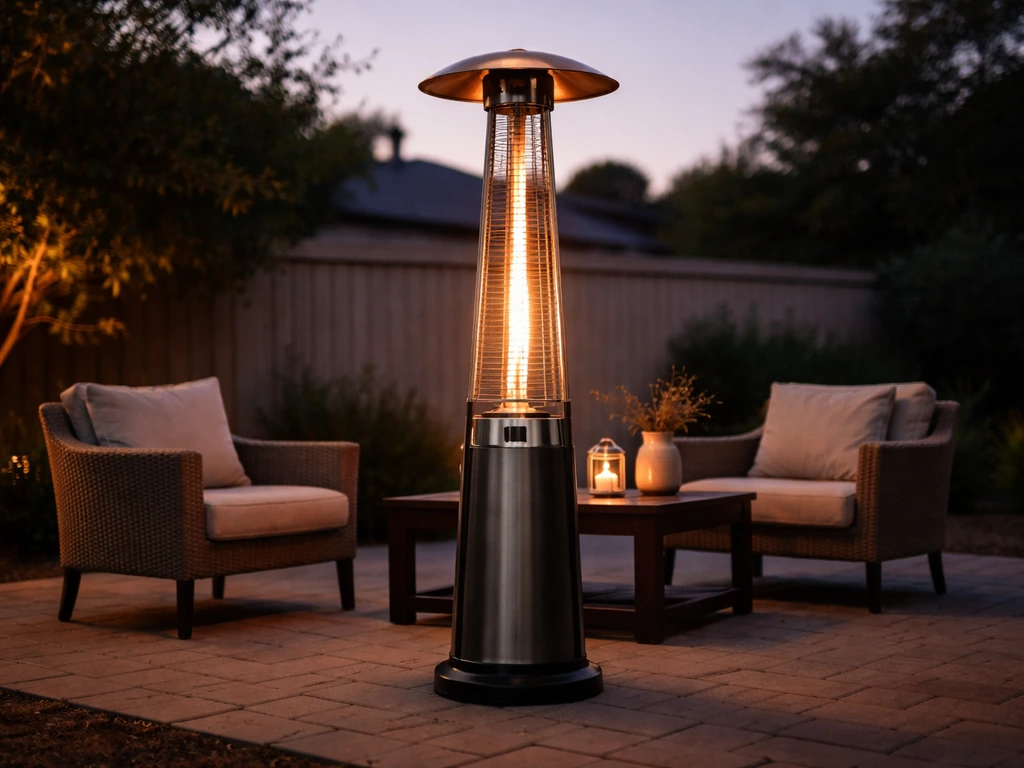
The honest takeaway from real-world reviews: they heat up fast, assembly is straightforward, and the price is genuinely competitive. The main trade-offs are wind sensitivity and occasional igniter quirks that can frustrate first-time users. If you have a sheltered patio and want a budget-friendly propane tower or pyramid heater, Pamapic is worth serious consideration.
What Pamapic Actually Makes: Model Lineup and Heater Types
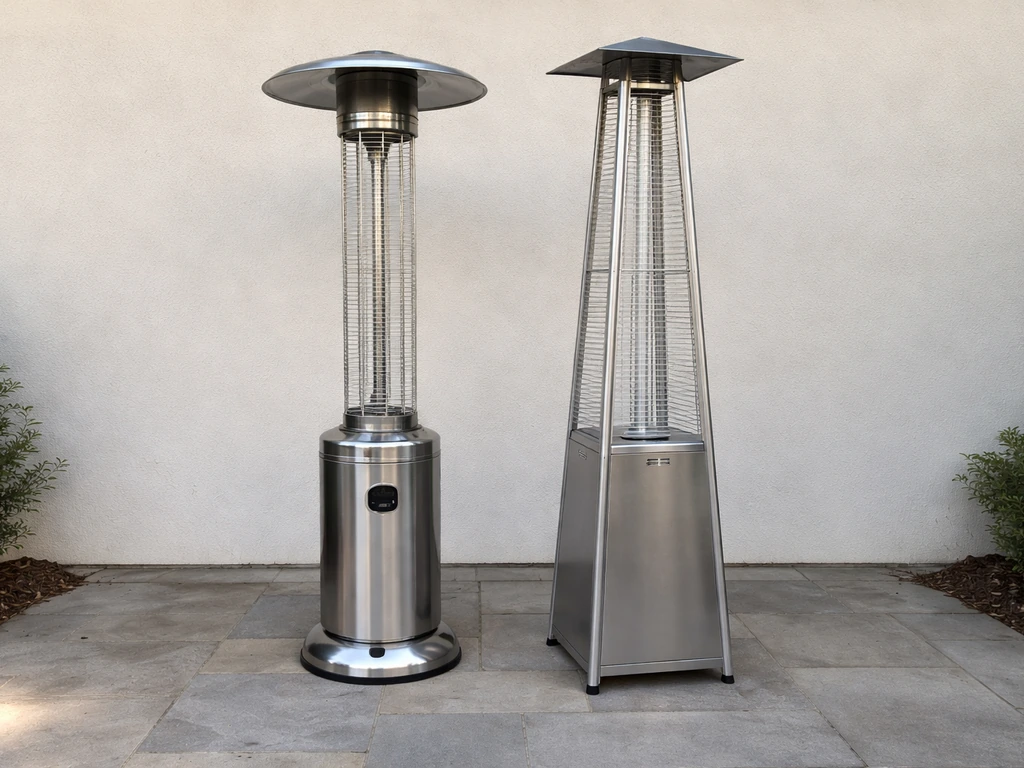
Pamapic's catalog isn't enormous, but there's more variety than most people expect. A web crawl described this as a non-comprehensive Pamapic catalog, with additional heater variants discovered through major retailers and manual databases rather than a single 2024 to 2026 master list not a comprehensive catalog. The core product is a propane standing tower heater in the mushroom or pyramid (glass tube flame) style, but they also make at least one wall-mounted infrared electric model. Here's how the lineup breaks down based on what's currently available at major retailers:
- PH-LY-WH3 (Home Depot, ~$177): 48,000 BTU commercial propane tower heater, silver-gray finish, includes cover and wheels, automated safety shut-off, designed for a standard 20 lb propane tank
- PH-LY-X-WL1 (Lowe's, ~$190): 48,000 BTU propane heater, 88 inches tall, 32-inch reflector, claims up to 18 feet of heat coverage in diameter
- PH-SXG-MH3 (Home Depot): 48,000 BTU propane heater with an anti-slope/anti-slant stability design using three fixers, includes a control panel and cover
- PH-LZ-WH1 (Home Depot): 48,000 BTU commercial propane bronze finish heater, one of the more reviewed models with over 115 customer reviews on Home Depot alone
- Pyra Apex 48,000 BTU: Glass tube pyramid-style propane heater, stainless steel body, CSA certified, waterproof cover included, auto shut-off if tilted over 45 degrees
- PH-ZMSX (50,000 BTU): Propane heater with a 27.6-inch round table built in, great for entertaining setups
- JHB-1500R: Wall-mounted infrared electric heater at 1,500W/110-120V, remote control with three heat modes and a 1–24 hour timer, designed for covered patios or pergolas
The propane tower models are what most people are actually searching for, and they're all closely related in output and design. The key differences between SKUs come down to finish color, whether wheels are included, the style of the heat reflector (mushroom cap vs. glass tube pyramid flame), and minor stability features. The electric infrared model is a completely different product category and suits covered or semi-enclosed spaces where you can't use propane safely.
Pamapic Patio Heater Reviews: Real-World Pros and Cons
Digging through reviews across Home Depot (115+ reviews on PH-LZ-WH1 alone, 114+ on PH-LY-WH3) and third-party roundups gives a pretty consistent picture. These aren't premium heaters, but they punch above their price point in several areas. If you're specifically hunting for sahara patio heater reviews, use those benchmarks to compare heat output, wind sensitivity, and safety features side by side Pamapic propane heaters.
What real buyers actually like
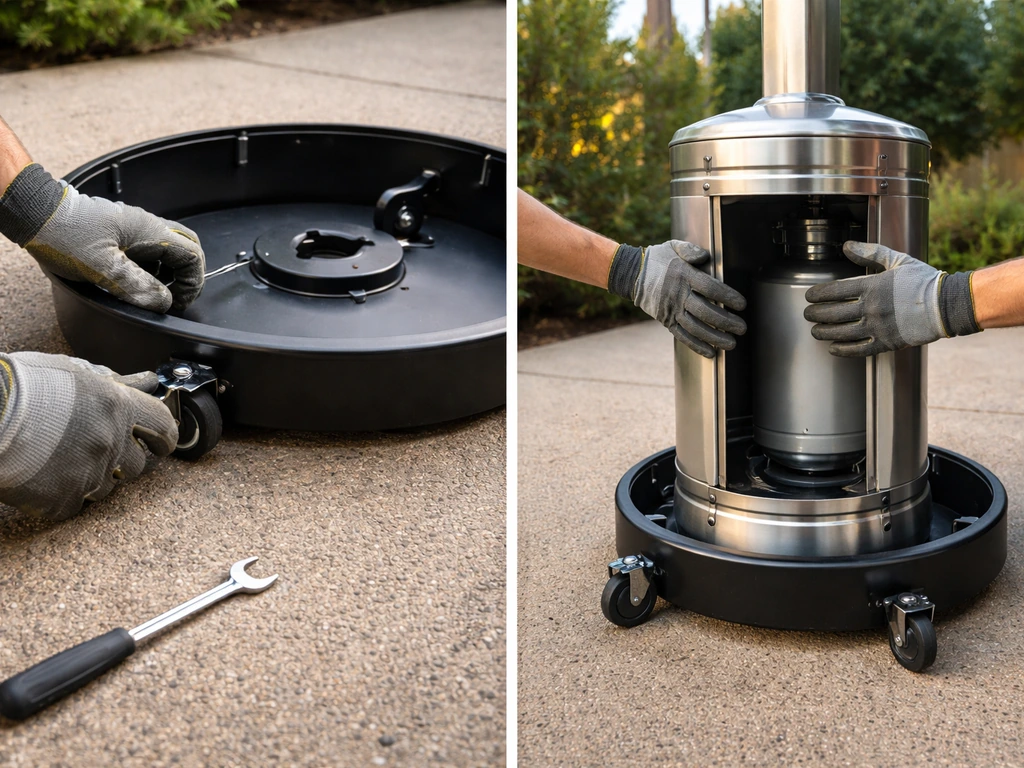
- Easy assembly: Most reviewers say setup takes 30–45 minutes with minimal frustration, which isn't always true in this price range
- Warmth output: On calm evenings, the 48,000–50,000 BTU rating feels real. One verified Pamapic buyer specifically noted it 'warms up quickly' and performs well 'especially on cold days that lack wind'
- Long-lasting warmth: Reviewers on This Old House's roundup flag 'long-lasting warmth' as a consistent pro
- Value for money: At $177–$190, getting a commercial-grade BTU rating, a cover, and safety features included is genuinely competitive
- Safety features: Triple protection (anti-tip, flame failure sensor, overheat shutoff) is mentioned positively by buyers who have kids or pets around
- Cover included: Multiple models ship with a waterproof cover, which is often a $20–$30 add-on with competitor brands
Where reviewers run into trouble
- Igniter reliability: This is the most common complaint. Some buyers report the pulse igniter fails to spark consistently, especially when the unit is new or in cooler temps. You may need to hold the control knob in for 10–15 seconds after the pilot lights, release slowly, then sometimes repeat the sequence
- Wind performance: The heater manual literally tells you to move it indoors during strong wind events. Flame-out in gusty conditions is a real issue, and this is more pronounced on the pyramid glass tube models
- Less heat than mushroom-style competitors: This Old House specifically notes Pamapic's pyramid models 'give off less heat than similarly sized mushroom-style heaters,' which matters if you're heating an open, larger patio
- No included propane tank: The 20 lb tank is not included with any model, so budget an extra $40–$60 for your first tank plus filling
- Regulator/hose attachment learning curve: First-time propane users sometimes find the leak-check and regulator connection steps confusing if they haven't dealt with propane before
Heating Performance for Different Patio Sizes
Pamapic's stated coverage ranges from 15 feet in diameter (Pyra Apex and base propane models) to 18 feet in diameter (PH-LY-X-WL1 at Lowe's). In real-world terms, that means comfortable warmth for people sitting within roughly 6–8 feet of the heater in calm conditions. At the outer edge of those ranges, you're feeling mild warmth, not the toasty heat that makes outdoor dining pleasant in October.
| Patio Size | Recommended Setup | Pamapic Model Fit | Notes |
|---|---|---|---|
| Small (up to 150 sq ft) | Single heater, central placement | Strong fit | One 48,000 BTU unit covers a small deck or balcony comfortably in calm conditions |
| Medium (150–300 sq ft) | Single heater plus windbreak, or two units | Good fit with caveats | Works well in sheltered spaces; open breezy patios may need two units or a windbreak |
| Large (300+ sq ft) | Two or more heaters, or a higher-BTU option | Marginal fit | A single Pamapic won't heat a large open patio evenly; consider alternatives or multiple units |
| Covered patio/pergola | JHB-1500R electric infrared wall mount | Strong fit | Wall-mount infrared avoids propane tank logistics and heats directionally overhead |
Warm-up time is one area where Pamapic actually shines. Propane heaters at this BTU level reach their working temperature in about 30–60 seconds, which is faster than electric infrared alternatives that may need a minute or two to reach full output. Wind is the single biggest variable. Even moderate gusts can cause the flame to flicker, reduce perceived warmth dramatically, or trigger the tip-over safety shutoff. If your patio faces prevailing winds without any fencing or structure to break them, either add a windscreen or look at infrared electric options like the JHB-1500R, which are completely unaffected by wind.
Ease of Use, Controls, and Day-to-Day Reliability
Day-to-day operation of Pamapic propane heaters follows the same basic routine as most standing propane units. You open the tank valve, push and turn the control knob to the pilot position, press the igniter button repeatedly until the pilot lights, then hold the knob in for 10–15 seconds while the thermocouple heats up. After that, you hold it again briefly before slowly releasing to the 'on' position. It sounds fiddly written out, but after your first two or three times you do it without thinking.
The PH-SXG-MH3 adds a dedicated control panel, which simplifies the process slightly with more clearly labeled controls. The Pyra Apex and PH-ZMSX models have a variable heat valve, so you can dial heat output up or down rather than running at full blast all night. That's actually useful for mild evenings when 48,000 BTUs is more than you need.
The JHB-1500R electric model is the easiest to use of all Pamapic's heaters. It comes with a remote control and three heat modes (P1/P2/P3 for low, moderate, and high), plus a programmable 1–24 hour timer. According to the Pamapic JHB-1500R manual, these controls correspond to 110, 120V/60Hz operation, 1500W power, remote low/moderate/high heating (P1/P2/P3), and a 1, 24 hour timer remote control and three heat modes (P1/P2/P3) and a programmable 1–24 hour timer. You just point the remote, press a button, and you're done. No igniter, no propane connections, no leak checks. For people who find gas heaters intimidating or want a grab-and-go experience, the electric wall mount wins on simplicity every time.
Reliability-wise, the igniter is the most common point of failure mentioned in reviews, as noted above. The body, stand, and base hold up well based on reviewer feedback, and the stainless steel construction on the Pyra Apex resists surface rust. The glass tube on the Pyra Apex is described as high-strength, but it's worth being careful during assembly and storage since glass is always a potential weak point on pyramid-style heaters.
Safety, Durability, and Maintenance: What Reviewers Warn About
Pamapic takes safety features seriously for a budget-priced brand. Most propane models include three layers of protection: a tip-over sensor that cuts gas flow if the heater tilts more than 45 degrees, a flame failure device (thermocouple) that shuts off gas if the flame goes out unexpectedly, and an overheat sensor. The CSA certification on the Pyra Apex confirms it's met independent safety testing standards, which matters if you're buying for residential use near kids or pets. The anti-slant design with three-point fixers on the PH-SXG-MH3 adds extra stability on slightly uneven surfaces.
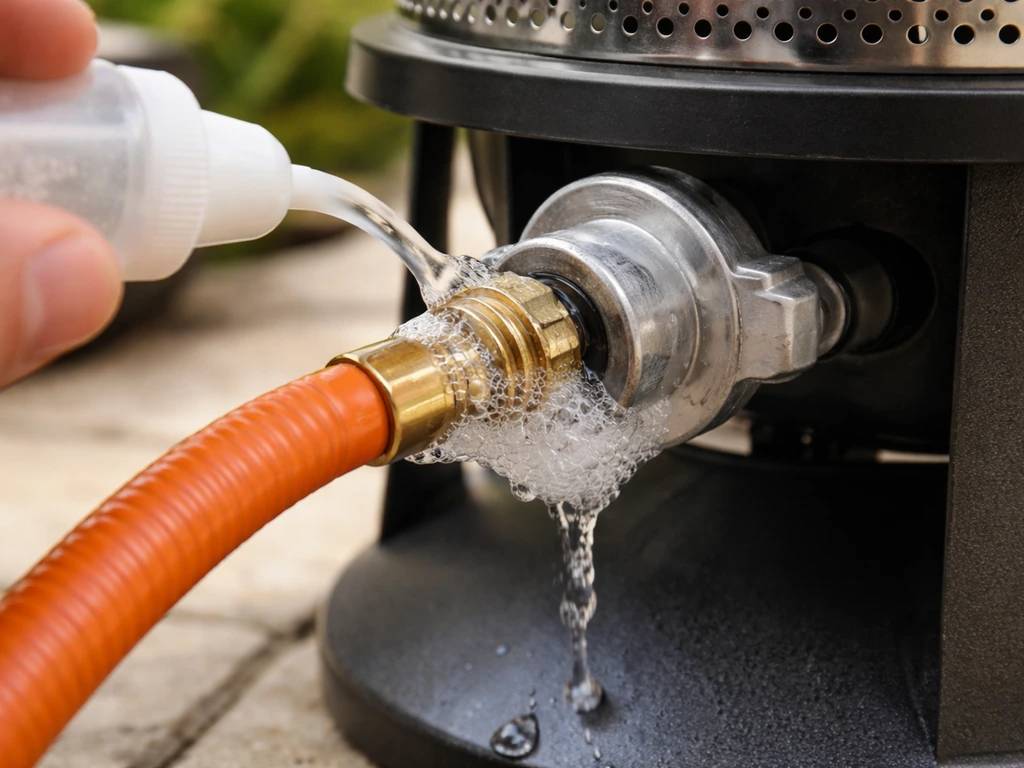
Before each propane season, do the soap-bubble leak check that the manual requires. Mix dish soap and water, apply it to every gas connection point, turn on the tank valve, and watch for bubbles. No bubbles means you're good. This is standard practice for any propane appliance and only takes two minutes. The manual also calls out that you should never use the heater in enclosed spaces, even partially enclosed garages or covered areas with poor ventilation. Propane combustion produces carbon monoxide.
For the JHB-1500R electric infrared model, the main maintenance note is replacing the reflector element every two years to keep heating efficiency up. The manual is explicit about this, and it's an easy DIY task. Mount it at least 1.8 meters from the floor and at least 0.5 meters from the ceiling to stay within safe clearance specs.
Durability feedback is generally positive for the price point. Stainless steel finishes handle outdoor humidity better than powder-coated steel over time. Using the included waterproof cover when the heater isn't in use makes a big difference in how long the finish lasts, especially in climates with frequent rain.
Running Costs and Fuel Tradeoffs
A 48,000 BTU propane heater running at full output burns roughly 1.1–1.2 lbs of propane per hour. A standard 20 lb tank gives you about 16–18 hours of full-blast heat, or longer if you dial the output down (which you usually will). At current propane prices around $3.50–$5.00 per gallon (and roughly 4.2 lbs per gallon), a full tank costs $17–$24 to fill and lasts multiple evenings of casual use. For occasional weekend entertaining, that's a very reasonable operating cost.
The JHB-1500R electric model at 1,500W draws about 1. 5 kWh per hour. At the national average of around $0. 16 per kWh, that's roughly $0.
24 per hour on full power, or about $58 per year if you use it 4 hours a day, 60 days a year. It's cheaper to run than propane per hour of heat, but the trade-off is that it delivers less total heat output (1,500W is roughly 5,100 BTUs, compared to 48,000 BTUs for the propane models). For a small covered patio where you're sitting directly in the heater's line of sight, the electric model is plenty.
If you're weighing other budget electric options and want a broader read on real-world performance, you can also check nedis patio heater reviews as a comparison point. For an open patio where you need to heat a volume of air, propane wins on raw output.
| Fuel Type | Pamapic Model | Heat Output | Estimated Hourly Cost | Best For | Main Limitation |
|---|---|---|---|---|---|
| Propane | PH-LY-WH3, PH-LZ-WH1, Pyra Apex, others | 48,000–50,000 BTU | $1.00–$1.50/hr at full blast | Open or semi-open patios, large groups, cold evenings | Wind sensitivity, tank logistics |
| Electric Infrared | JHB-1500R (wall mount) | 1,500W (~5,100 BTU) | ~$0.24/hr | Covered patios, pergolas, small seating areas | Low raw output, requires wiring/outlet |
If you're comparing Pamapic to a natural gas patio heater (which requires a dedicated gas line), the per-hour fuel cost drops further, but the installation cost and lack of portability change the whole value equation. For most homeowners who don't already have a natural gas line on their patio, propane or electric is the practical choice. Pellet patio heaters are a niche option with a different aesthetic appeal (real fire, smoky ambiance) but significantly more maintenance and cleanup than either propane or electric.
Best-Pick Recommendations and Buying Checklist
Here's how I'd match Pamapic models to specific situations based on everything above:
- Best for small to medium open patios (calm conditions): PH-LY-WH3 or PH-LZ-WH1. These are the most-reviewed models, come with covers and wheels, and are genuinely portable. Either works well for a backyard deck or patio up to about 200 sq ft with people seated close to the heater.
- Best for entertaining with a built-in table: PH-ZMSX (50,000 BTU with 27.6-inch round table). The table-top feature is practical for drinks and snacks, and the slightly higher BTU rating gives you a bit more range.
- Best for looks plus performance: Pyra Apex. The glass tube flame is visually striking (it looks like a fire column), it's CSA certified, the stainless steel build is more durable, and the triple safety system is clearly documented. Worth the slight premium if aesthetics matter.
- Best for covered patios and pergolas: JHB-1500R infrared wall mount. No propane tanks, no igniter issues, remote control, and totally unaffected by wind. Ideal for a covered outdoor dining area or screened porch.
- Who should skip Pamapic entirely: If you have a large open patio (300+ sq ft), regularly deal with gusty wind, or want the absolute warmest output per dollar, look at a higher-BTU or mushroom-cap propane heater from a brand like Sunpak or Napoleon, which tend to deliver more aggressive heat spread on open, exposed patios.
Before you buy: quick checklist
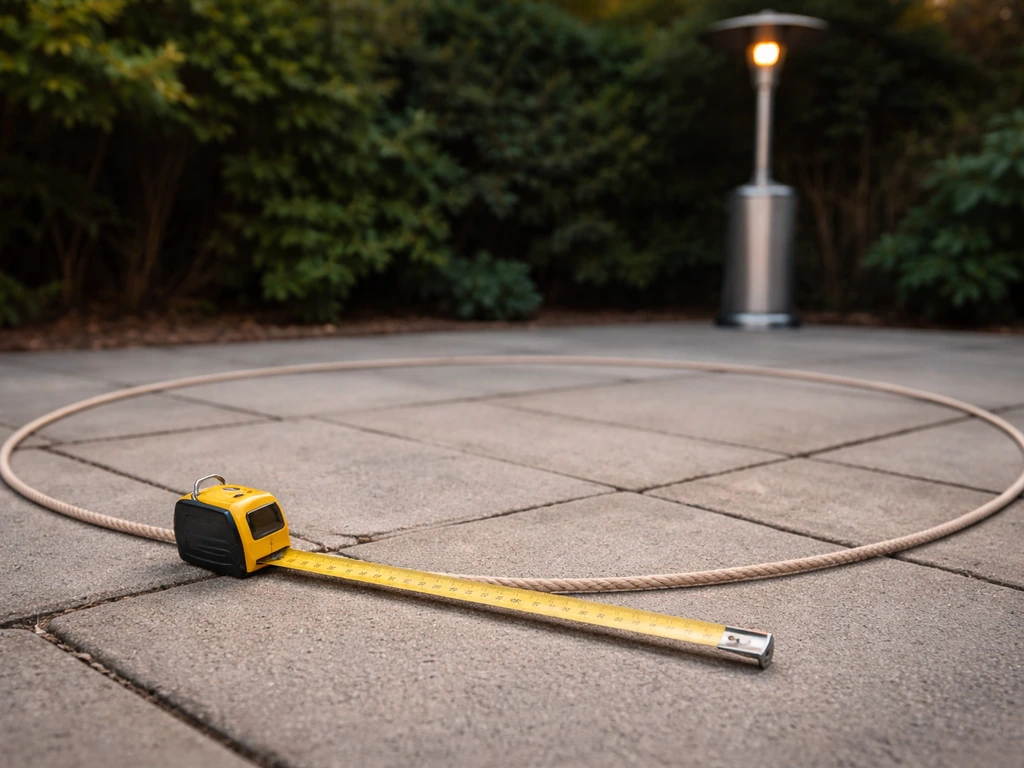
- Check your patio size and shape against the 15–18 foot diameter coverage claim. If you need warmth at 10+ feet from the heater in multiple directions, one unit may not be enough.
- Budget for a 20 lb propane tank (not included with any model) and the first fill, which typically runs $40–$60 total.
- Assess your wind exposure honestly. If your patio is exposed and breezy, the glass tube pyramid style is more vulnerable to flame-out than the mushroom-cap tower. Consider a windscreen or choose a sheltered placement.
- Decide on covered vs. open space before choosing propane or electric. Never use a propane heater in an enclosed or poorly ventilated area.
- Check for CSA or ETL certification on the specific model you're buying, especially if you're in a regulated rental or commercial setting.
- Read the ignition sequence in the manual before your first use. The thermocouple hold step (10–15 seconds) is where most igniter frustration comes from, and knowing it in advance prevents the experience.
- Plan where you'll store the heater off-season and whether you'll use the included waterproof cover consistently. It matters for longevity.
- If you're comparing Pamapic against other brands in this price tier, brands like Sunpak, Napoleon, Sahara, and Nedis each have distinct strengths worth reviewing before committing.
At their price point, Pamapic propane heaters deliver real heating performance for most typical backyard situations. If you’re looking specifically for sunpak patio heater reviews, it helps to compare them on BTUs, wind performance, and safety features like tip-over shutoff. They're not the strongest option for large open spaces or persistently windy yards, but for a sheltered patio, a small deck, or a covered dining area (where the electric model shines), they represent solid value without overcomplicating the buying decision. If you're also considering a Napoleon tabletop unit, these napoleon tabletop patio heater reviews can give you a quick comparison point on sizing, heat output, and real-world quirks.
FAQ
Why does my Pamapic propane heater light but then shut off right away?
Expect the pilot and thermocouple to be the “work” part of lighting, if it repeatedly clicks but won’t stay lit. Common fixes are holding the knob in for the full 10 to 15 seconds the first time, verifying the gas valve is fully open, and checking that the burner area is dry and clear of dust. If it still won’t hold, stop trying and inspect the thermocouple lead and seating instead of extending the hold time.
Can I use a Pamapic propane heater under a pergola or in a covered patio area?
Not in a partially enclosed area. Even if you can crack a door or it feels “vented enough,” propane heaters can still build up carbon monoxide, and “covered but open air” is still risky. Use the electric model (like the JHB-1500R) for covered patios or anywhere ventilation is uncertain.
How often should I perform the soap-bubble leak check, and what if bubbles appear?
Do the soap-bubble leak check at the start of the season and any time you swap tanks or move the heater, especially after storage in humid weather. If you see bubbling at the regulator or hose connection, don’t run it “just to test.” Tighten only if the manufacturer’s manual allows it at that exact joint, otherwise replace the part or have it serviced.
My propane Pamapic keeps shutting off from “tip-over” when it’s windy, what should I check?
A tip-over shutoff can trigger from slight base movement, uneven ground, or a strong gust that shakes the flame column. Before relighting, confirm the heater is on level, stable footing, remove any loose debris around the base, and make sure the feet and base are fully seated after assembly. For windy yards, adding a windscreen that does not block the burner or safety devices is usually more effective than simply repositioning farther from the patio furniture.
How do I estimate how many people a Pamapic patio heater will actually warm?
Use the coverage numbers as a seating guide, not a true “room heating” spec. For Pamapic’s roughly 15 to 18 foot diameter claims, plan for the main comfort zone within about 6 to 8 feet, especially outdoors where heat disperses quickly. If you want warmth across an entire dining table plus surrounding seats, you may need a second heater rather than relying on maximum BTUs from one unit.
What causes weak flame and slow ignition on Pamapic propane models?
If the flame is very low, flickering heavily, or ignition feels inconsistent, check for propane supply issues first. Make sure the tank is upright, confirm the regulator is properly connected, and inspect burner orifice openings for spider webs or dust. Also consider changing the outdoor position so the flame is not directly in the path of prevailing gusts.
For the JHB-1500R electric model, what maintenance actually impacts heating performance?
With the electric infrared model, treat reflector cleanliness as the maintenance item that keeps it performing. Dust or grime can reduce heating efficiency, and even if the manual emphasizes replacing the reflector element on schedule, regular wipe-downs (with the power off and cooled) can help reduce performance drop between replacements.
How should I place and test the JHB-1500R if I plan to use the timer and remote?
Remote operation affects placement. If you mount the heater or position it so the remote signal has to go through walls or dense structures, the timer and mode changes may feel unreliable. Place the unit within a typical line-of-sight pattern and test a full 1 to 24 hour timer run before leaving it unattended.
Is it worth paying attention to Pamapic’s variable heat valve models, or should I just run full output?
Yes, and it can change the “feel” more than you expect. Running at lower output improves comfort and fuel efficiency, but you may also notice less warmth near the outer edge of the heater’s range. If you’re deciding between full blast and variable heat valve models, pick variable control when you frequently host during shoulder seasons (cooler starts, warmer middays).
How can I extend the life of a Pamapic patio heater in rainy or humid climates?
Stainless and proper covers help, but the biggest difference is storage habits. Use the included waterproof cover when the heater is fully cool, keep it in a dry area if possible, and avoid leaving glass-tube or pyramid-style components under tension or where they can receive impact. For climates with frequent rain, a breathable cover plus indoor or garage storage is safer than sealing it in a damp spot.
If I live in a consistently windy area, is propane still the right choice?
Your best “wind test” is a short session during the same conditions you’ll use it for. If you routinely get noticeable gusts, a propane tower at 48,000 to 50,000 BTUs can still feel disappointing at the far edge of its range. In that case, consider switching to the infrared electric model for covered patios, or add a windbreak that blocks gusts without trapping heat around the heater base or controls.