
If you're searching for Sunpak patio heater reviews, the short version is this: Sunpak makes genuinely excellent infrared gas heaters (the S25 and S34 are the core models) that are wall- or ceiling-mounted, run on natural gas or propane, and are best suited for covered patios where you want a permanent, high-quality installation. They're not cheap, but they're built to last and outperform most mushroom-style portable heaters on cold or breezy nights. If you've also been looking at Sunheat, Sunjoy, or Sunstar, those are completely different companies with different products, and knowing which one actually fits your setup could save you a lot of money and frustration.
Sunpak Patio Heater Reviews: Compare Sunheat, Sunjoy, Sunstar

Willa Brennan
4 Jun 2026
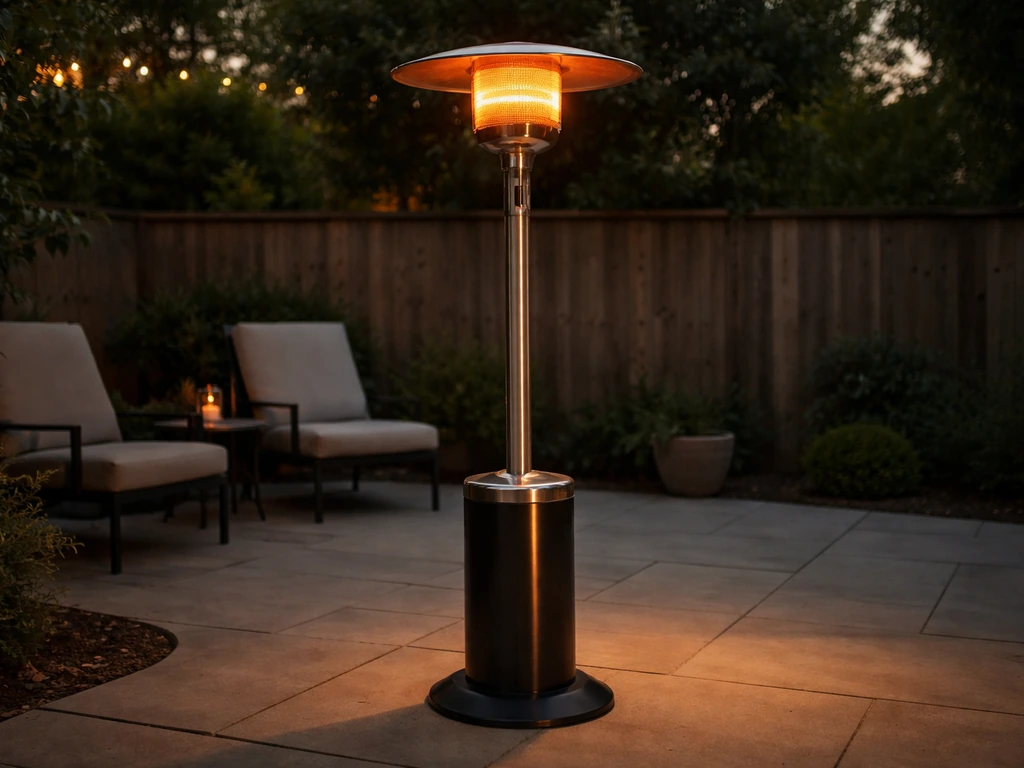
Wait, which brand are you actually looking at? Sunpak vs Sunheat vs Sunjoy vs Sunstar
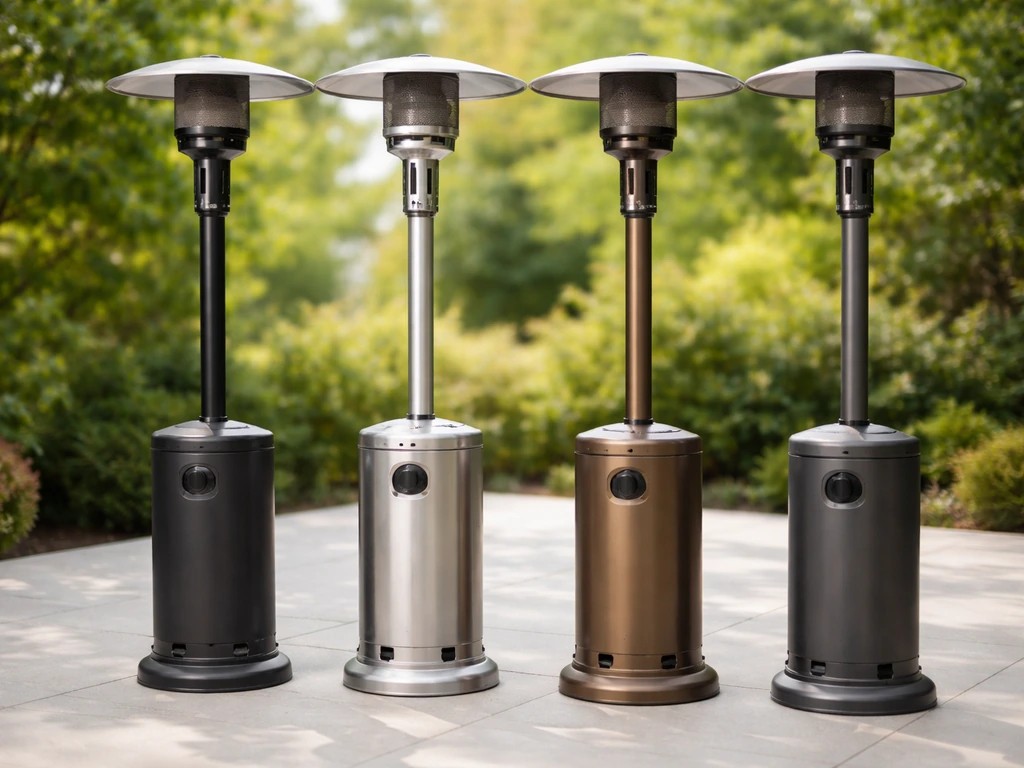
These four names sound almost identical, and search engines often mix them together. Let's clear it up right now, because buying the wrong type of heater for your patio is the most common mistake I see people make.
- Sunpak (SunPakHeater.com): A premium brand making hard-wired, permanently mounted infrared gas heaters. Their flagship models are the S25 (25,000 BTU) and S34 (34,000 BTU). These mount to your ceiling or overhead structure and run on natural gas or propane. Not portable. Not cheap. Best for covered patios with a gas line nearby.
- Sunheat (SUNHEAT International): A separate company making portable propane patio heaters. Their USA1500-M is a 41,000 BTU infrared propane heater with a tip-over safety switch and adjustable heat output. Their 'Original SUNHEAT Square Patio Heater' uses a 20 lb propane tank and has a decorative variable flame design, which is more of a traditional open-flame style.
- Sunjoy: A home and garden brand sold widely at Home Depot and other big-box retailers. Their main patio heater (Model A306016800) is a freestanding propane unit rated at 47,000 BTU, push-button ignition, with a safety auto shut-off tilt valve. Classic mushroom-style portable heater at an accessible price point.
- Sunstar (SunStar Heating Products): A commercial-leaning brand that makes ceiling- or wall-mounted infrared gas heaters, similar in concept to Sunpak but with multiple product lines. Their PHS Series covers a 20-foot diameter circle at 40,000 BTU. The SGL Glass Series is wind-resistant up to 40 MPH and works well in partially covered outdoor dining areas.
The bottom line: Sunpak and Sunstar are permanent-mount infrared heaters aimed at serious outdoor spaces. Sunheat and Sunjoy are portable propane heaters you can move around. These are fundamentally different products, and your decision should start with whether you want something portable or permanently installed.
Infrared vs convection, and why the fuel type matters more than you think
Every heater in this group uses gas (propane or natural gas), but how they produce heat differs quite a bit. All four brands lean into infrared radiant heating, which means they warm objects and people directly rather than heating the air. That's a big deal outdoors because wind blows heated air away instantly, but radiant warmth hits you like sunlight regardless of a breeze. That said, not all of these heaters perform equally well in windy conditions, and their infrared designs vary.
Sunpak's S25/S34 uses a ceramic burner to generate infrared heat and relies on electronic ignition with flame rectification safety, which is a more sophisticated flame-sensing system than a basic thermocouple. Sunstar's SGL Glass Series goes further with a totally enclosed burner specifically designed to prevent flame rollout in high winds, and it's rated for winds up to 40 MPH. The Sunjoy portable, by contrast, uses an open-flame mushroom burner design, which is less wind-tolerant and more suited to calm or sheltered spots. Sunheat's USA1500-M sits somewhere in the middle as a portable infrared propane unit.
On fuel: if you have natural gas already plumbed to your patio, the Sunpak and Sunstar mounted heaters are the obvious choice, since they can tap into that line for unlimited runtime with no tank swapping. If you don't have a gas line, propane gives you flexibility, and all four brands offer propane models. Electric patio heaters are a separate category entirely and none of these brands are primarily electric.
Brand-by-brand review: real heat output, coverage, and how they actually perform
Sunpak S25 and S34
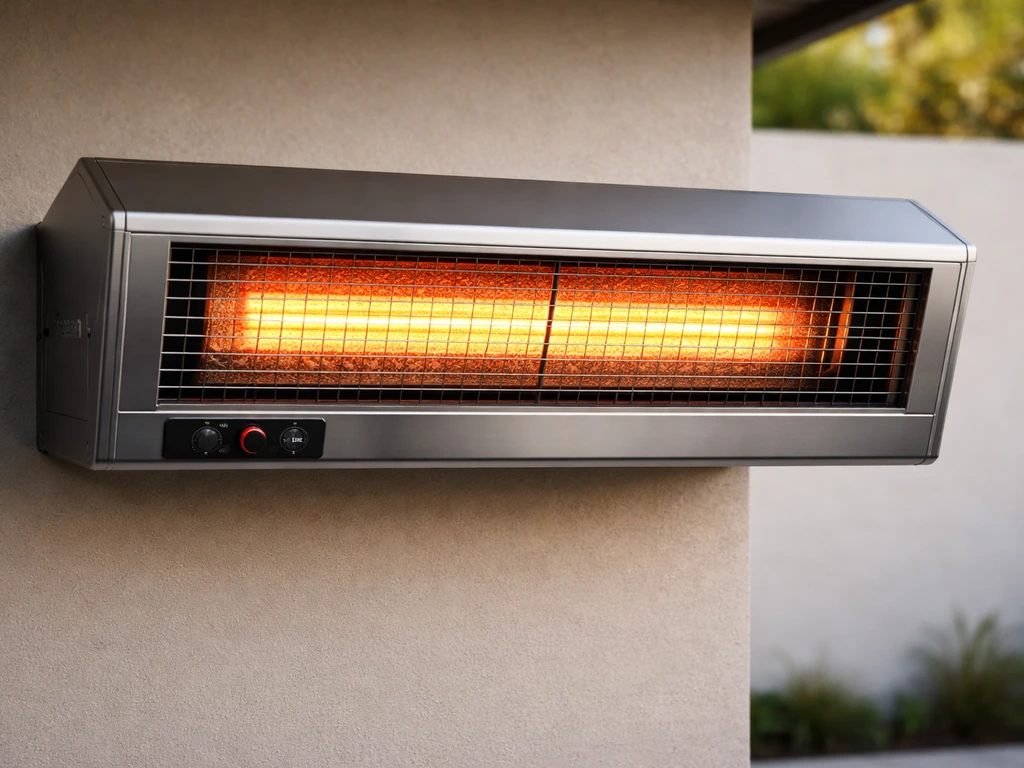
The S25 puts out 25,000 BTU and the S34 hits 34,000 BTU. Both cover approximately a 10x10 foot area, which is Sunpak's own stated guideline. In practice, that's enough to keep a small seating area of four to six people comfortable on cool evenings, though wind exposure will shrink that coverage noticeably. The S34-TSR variant adds remote control operation, which is worth the upgrade if you're mounting the heater overhead and don't want to reach for a wall switch every time. The heater uses a 24 VAC control system, meaning you'll need an external transformer during installation (the TSR remote variant skips this requirement). These are ceiling- or wall-mount units only, so if you're picturing a portable standing heater, this isn't it. The ceramic burner and electronic ignition with flame rectification make ignition reliable and the safety circuit solid, but if the flame fails to sense, the heater locks out and requires a reset, which can be annoying on a cold night.
Sunheat USA1500-M and Original Square
The USA1500-M is Sunheat's best portable option at 41,000 BTU with adjustable heat output via a control knob and a tip-over safety switch. It runs on propane (20 lb tank, not included) and is marketed as an infrared heater, making it more wind-tolerant than a standard open-flame mushroom heater. The Original Square Patio Heater is a different animal: it has a decorative variable flame feature that looks attractive but leans more toward traditional combustion heating rather than pure infrared radiance. Neither model specifies a coverage radius on their fact sheets, which is a transparency gap worth noting. For a covered deck or patio with no gas line, the USA1500-M is a solid portable choice.
Sunjoy A306016800
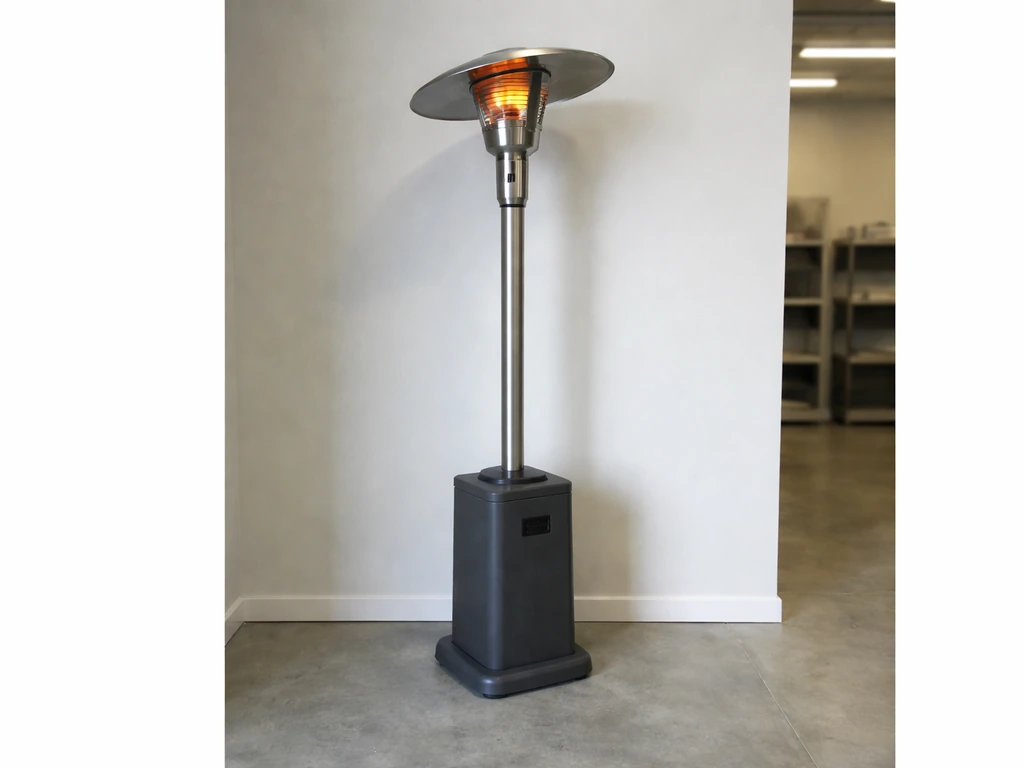
At 47,000 BTU, this is the highest-output portable in the group and is priced accessibly at big-box retailers. It stands 87.4 inches tall (just over 7 feet), has push-button ignition, and includes a safety auto shut-off tilt valve. On paper, that's a competitive spec sheet. In practice, user reports tell a more complicated story: some users have noted that after the initial flame, the heater can develop a roaring sound with the flame extending outside the protective cage, which is a sign of burner, regulator, or component issues. This kind of failure mode is worth knowing about before you buy. For calm patios or covered areas, it does its job. For windy or exposed spaces, the open mushroom design will struggle. Other brands like Pamapic and Sahara offer similar mushroom-style heaters worth comparing before you commit to Sunjoy. If you want to compare those options side by side, look up sahara patio heater reviews to see how they hold up in real-world conditions Sahara offer similar mushroom-style heaters worth comparing. If you're curious how Pamapic models stack up, check Pamapic patio heater reviews before you buy.
Sunstar PHS Series and SGL Glass Series
Sunstar is the most commercial-grade brand in this group, and it shows in both the build and the pricing. The PHS Series infrared heater puts out 40,000 BTU and distributes heat uniformly across a 20-foot diameter circle, which is substantially more coverage than Sunpak's 10x10 guideline. It's UL listed, includes a flame failure safety device as standard, uses matchless piezo ignition, and has a weighted base to prevent tip-over. The SGL Glass Series is the standout for wind-exposed patios: it's rated to operate in winds up to 40 MPH thanks to a totally enclosed burner design that prevents flame rollout, and it's marketed specifically for outdoor dining areas, vestibules, and partially covered spaces. Sunstar's product information for its SGL Glass Series lists a 40 MPH wind rating for operation winds up to 40 MPH. BTU ranges run from 24,000 to 35,000 BTU depending on the model, with coverage bands in the 8 to 16 foot range. If you're fitting out a restaurant patio or a serious outdoor entertaining area, Sunstar is worth the premium. Napoleon is another brand in this premium mounted-heater category that's worth a look for comparison.
| Brand/Model | Heater Type | BTU Output | Coverage | Fuel Options | Mounting | Wind Performance |
|---|---|---|---|---|---|---|
| Sunpak S25 | Infrared gas (ceramic) | 25,000 BTU | ~10x10 ft | Natural gas or propane | Ceiling/wall mount | Moderate (open mount) |
| Sunpak S34 | Infrared gas (ceramic) | 34,000 BTU | ~10x10 ft | Natural gas or propane | Ceiling/wall mount | Moderate (open mount) |
| Sunheat USA1500-M | Infrared propane | 41,000 BTU | Not specified | Propane only | Freestanding portable | Better than open flame |
| Sunheat Original Square | Flame/combustion propane | Not specified | Not specified | Propane only | Freestanding portable | Low |
| Sunjoy A306016800 | Open-flame propane | 47,000 BTU | Not specified | Propane only | Freestanding portable | Low |
| Sunstar PHS Series | Infrared gas | 40,000 BTU | 20 ft diameter | Natural gas or propane | Ceiling/wall mount | Good |
| Sunstar SGL Glass Series | Infrared gas (enclosed burner) | 24,000–35,000 BTU | 8–16 ft | Natural gas or propane | Ceiling/wall mount | Excellent (rated 40 MPH) |
Safety, build quality, and what happens in actual outdoor conditions
All four brands include some form of safety shutoff, but the implementation varies in quality and sophistication. Here's how they stack up.
Sunpak's flame rectification safety system is among the more reliable approaches for a mounted gas heater: it actively senses whether a flame is present and shuts off gas flow if it isn't. The downside is the lockout behavior, where a failed ignition requires a manual reset or power cycle. For a covered patio with a stable installation, this is rarely a day-to-day issue. The 24 VAC transformer requirement adds a bit of setup complexity, and the minimum mounting height is 7 feet from the floor, with best performance between 8 and 10 feet (mounting above 10 feet reduces effectiveness).
Sunstar covers its bases well on safety: the PHS Series uses a flame failure device and piezo ignition, the SG Series has a 100% gas shut-off safety control, and some models use a tip-over switch connected to a thermocouple. The SGL's totally enclosed burner isn't just about wind performance, it's also a safety feature because it prevents flame rollout near combustible materials. If you're mounting near a wooden pergola or fabric shade sail, this matters a lot. Sunstar also recommends windbreaks in unprotected locations and cautions against angling heaters more than 30 degrees from vertical, since it reduces radiant intensity and can create safety issues.
Sunjoy's tilt valve safety shutoff is straightforward and functional: if the heater tips, gas cuts off automatically. That's the standard you'd expect on any portable gas heater. The build is brown powder-coated steel, which is fine for occasional use but won't hold up as well as stainless steel in wet climates. Leaving a Sunjoy unit uncovered in rain or coastal conditions will shorten its lifespan significantly. Sunheat's USA1500-M includes a tip-over safety switch and is built for portability, but like Sunjoy, it's best stored or covered when not in use.
For covered patios, any of these heaters can work safely if installed per the manufacturer's guidelines. For uncovered patios exposed to rain and weather, the mounted infrared heaters (Sunpak, Sunstar) with appropriate weatherproofing are a better long-term investment. The portable units from Sunjoy and Sunheat should be brought in or covered during rain, and neither is designed for permanent outdoor exposure.
Ease of use: ignition, controls, assembly, and keeping things running
If you're looking for the easiest day-to-day experience, the portable options win on simplicity. Sunjoy's push-button ignition starts the flame quickly, and the single control knob adjusts heat output. Assembly is straightforward since it's a freestanding unit. Sunheat's USA1500-M also offers adjustable heat via a control knob, and the tip-over switch works passively with no extra steps from you. The trade-off is propane tank management: a 20 lb tank running a 41,000 or 47,000 BTU heater on high will last roughly 8 to 10 hours, so you'll be swapping tanks regularly if you use the heater often.
Sunpak requires a professional installation (you're running gas line, mounting hardware, and a 24 VAC transformer), so the upfront effort is significant. Once installed though, operation is simple: a wall switch or remote (on the TSR model) turns it on and off. The S34-TSR remote adds convenience but also introduces a troubleshooting layer if the remote connection has issues or the flame safety circuit locks out. Maintenance involves periodic cleaning of the ceramic burner and checking ignition electrode gaps, which is manageable for most homeowners.
Sunstar's piezo ignition on the PHS Series means no electricity is needed to start the heater, which simplifies installation compared to Sunpak's electronic ignition system. The SGL Series is marketed as installer-friendly for dining and bar environments, but it's still a mounted unit that needs professional gas work. Once up and running, both Sunstar lines are low-maintenance with periodic burner inspection recommended.
How to pick the right heater for your patio: BTU, coverage, and placement
Start with two questions: how big is the area you need to heat, and do you have (or want) a permanent gas connection? Everything else flows from there.
Sizing by BTU and patio area
A general rule for infrared patio heaters is roughly 1,000 BTU per square foot for an open, exposed patio, and somewhat less for a covered or enclosed space. That means a 10x10 foot seating area (100 sq ft) needs around 25,000 to 34,000 BTU, which is exactly what Sunpak's S25 and S34 deliver. For a larger area, say a 20-foot diameter circle, the Sunstar PHS at 40,000 BTU is appropriate. The Sunjoy at 47,000 BTU is technically powerful enough for a good-sized area, but because it's a single-point open-flame source rather than a directed infrared beam, the heat dispersion isn't as efficient as a mounted infrared unit.
Mounting height and placement
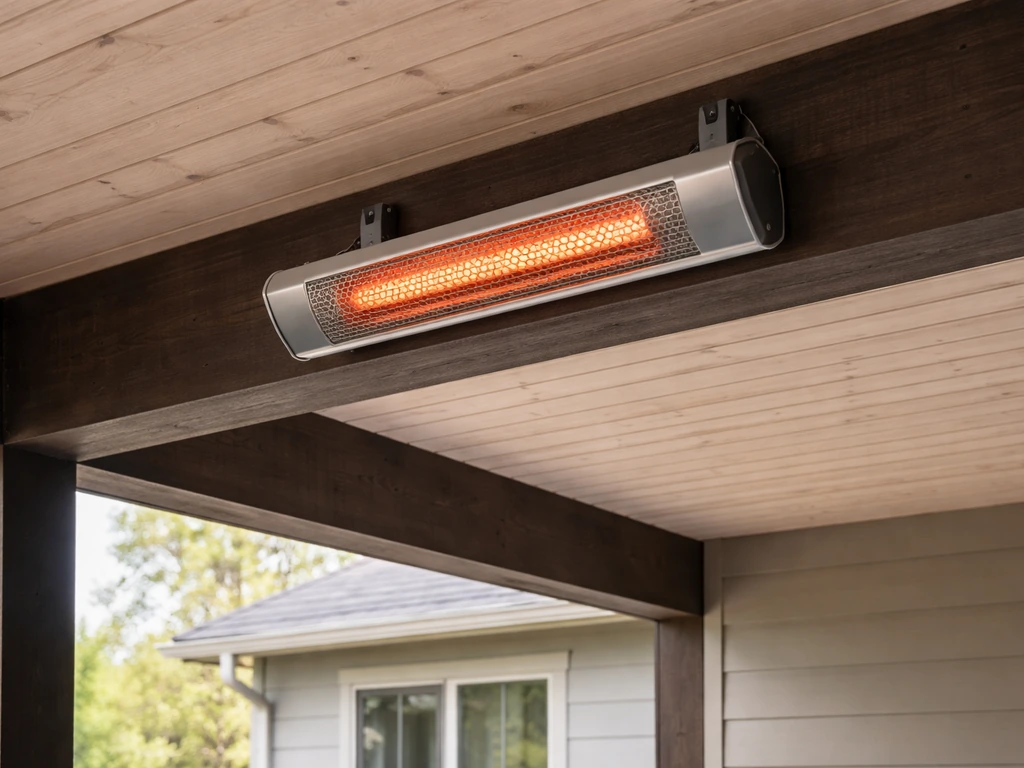
For mounted infrared heaters like Sunpak and Sunstar, mounting height is critical. Sunpak recommends at least 7 feet from the floor as a safety minimum, with the sweet spot between 8 and 10 feet for maximum felt warmth. Above 10 feet, the radiant heat disperses too much before it reaches the people below. Sunstar adds that angling a heater more than 30 degrees from vertical also reduces radiant intensity, so aim for a straight-down or slightly angled mount. For portable units like Sunjoy and Sunheat, place them near the seating area but not so close that the burner head is within reach of fabric, cushions, or overhead cover.
Wind exposure: covered vs open patios
If your patio is sheltered (a pergola, covered deck, or three-sided structure), almost any of these heaters will perform well. If it's exposed to open-air wind, your options narrow quickly. Sunstar's SGL Glass Series (40 MPH wind rating) is the top pick for windy spots. Sunpak's mounted infrared heaters perform reasonably well in moderate wind because the ceramic burner is enclosed and the heat is directional. Open-flame portables like Sunjoy struggle in anything above a light breeze, and Sunstar specifically recommends adding windbreaks in unprotected locations for all but the SGL Series.
Fuel access guide
| Your Situation | Best Heater Type | Recommended Brand |
|---|---|---|
| Covered patio, natural gas line available | Mounted infrared gas | Sunpak S34 or Sunstar PHS/SGL |
| Covered patio, no gas line | Portable propane infrared | Sunheat USA1500-M |
| Open patio, windy conditions | Mounted infrared with enclosed burner | Sunstar SGL Glass Series |
| Open patio, calm conditions, budget priority | Freestanding propane | Sunjoy A306016800 (with reservations) |
| Commercial/restaurant patio | Mounted infrared gas | Sunstar PHS or SGL Series |
What to actually buy, and the mistakes that cost people money
For most homeowners with a covered patio and access to natural gas or an existing propane setup, the Sunpak S34 is the best overall choice. It's a purpose-built infrared heater with a proven safety system, good coverage for a standard seating area, and a clean permanent installation that doesn't take up floor space. If you want remote control operation, go straight to the S34-TSR. Budget for professional installation, because the gas work and transformer setup isn't a DIY project for most people.
If you're on a tighter budget or need portability, the Sunheat USA1500-M is the pick over the Sunjoy. The infrared design makes it more effective in less-than-perfect conditions, and the tip-over switch adds peace of mind. The Sunjoy A306016800 isn't a bad heater, but the real-world reliability issues some users have reported (flame shooting outside the cage after use) give me enough pause to not recommend it as a first choice. If you do go with Sunjoy, buy from a retailer with a solid return policy.
If you're outfitting a commercial space or a seriously wind-exposed patio, don't waste money on portables. Go with Sunstar SGL directly. It's the only heater in this group with a tested 40 MPH wind rating and an enclosed burner that actually handles outdoor restaurant conditions. Nedis and Napoleon also make solid mounted patio heaters worth comparing in this category before you finalize your order. If you're also researching Nedis patio heater reviews, comparing mounting style, wind performance, and coverage will help you choose the right match for your space. If you're specifically comparing Napoleon models for a tabletop setup, these Napoleon tabletop patio heater reviews will help you narrow down the best option for your space. If you're also considering Napoleon patio heaters, that can help you compare performance, wind tolerance, and overall value against the brands covered here.
Pitfalls to avoid before you buy
- Don't buy a mounted heater without confirming your ceiling or overhead structure can support it and that you can run gas line to the location. This changes the total cost significantly.
- Don't assume more BTU always means better. A 47,000 BTU open-flame portable in a covered space can be less comfortable and less efficient than a 25,000 BTU directed infrared unit mounted at the right height.
- Don't mount a heater above 10 feet and expect full warmth. Sunpak is explicit about this, and it's a real-world performance issue, not just a spec footnote.
- Don't leave powder-coated steel portable heaters (like Sunjoy) out in rain without a cover. Rust and corrosion will reduce lifespan fast.
- Don't skip the windbreak assessment. If your patio gets regular wind above 10 MPH, a portable open-flame heater won't do the job. Plan for windbreaks or choose a wind-rated mounted unit.
- Don't confuse brand names. Sunpak, Sunheat, Sunjoy, and Sunstar are four different companies with different products. Reading a review for one and buying another is an easy mistake that leads to the wrong heater.
Your next step is simple: measure your patio, decide if you want a permanent or portable setup, check your fuel access, and then match that to the heater profiles above. Most people who end up unhappy with a patio heater skipped one of those steps. Take ten minutes to do it right and you'll be sitting comfortably outside long after everyone else has gone inside.
FAQ
Can I install a Sunpak Sunheat Sunjoy or Sunstar patio heater myself, especially the remote models?
Yes, but only if your installation matches the heater’s wiring and mounting requirements. For the Sunpak S34-TSR remote version, the 24 VAC control system typically requires an external transformer, and incorrect transformer sizing or wiring can trigger lockouts even when gas pressure is fine.
How accurate are the “10x10” or diameter coverage claims for these heaters?
Coverage can look too optimistic if you heat directly next to a wall, under a low ceiling, or in strong crosswinds. Measure the seating area plus a buffer zone, and if your patio is breezy, plan around the lower end of the stated coverage because radiant intensity falls off with distance and angling.
Are Sunpak or Sunstar infrared gas heaters safe to use in a screened-in or partially enclosed patio?
All of these are gas heaters, so you should not use them indoors or in enclosed spaces without proper ventilation and local code compliance. Even if they are infrared, the burner still produces combustion gases, and partially enclosed patios with poor airflow can become unsafe.
What happens if I mount a wall or ceiling heater higher than the recommended height?
For the mounted infrared units, do not mount higher than recommended or you may feel much less warmth at seating height. Sunpak specifically notes a best-performance band around 8 to 10 feet, and going above 10 feet reduces how much radiant heat reaches people.
What should I do if my portable Sunjoy heater starts roaring or the flame looks like it is escaping the cage?
If you see the flame extending outside the protective cage and hearing a roaring sound after ignition, stop using the heater and have it inspected. This pattern often indicates an issue with the burner, regulator, or gas components, and continued use can be a sign of unsafe combustion.
If I buy a Sunpak model without remote, can I add a remote later?
Yes, but you should treat it as a warranty and safety issue, not just an upgrade. For remote variants, test the switch or remote trigger function separately from the flame-sensing lockout logic, because some problems are caused by the control circuit rather than the remote itself.
How do I estimate runtime and total cost of running these heaters on propane versus natural gas?
With propane, expect shorter runtimes at high output, and with natural gas you get steadier long-term operation if pressure and gas line sizing are correct. If you are choosing between propane and natural gas, also factor in tank logistics, refilling frequency, and whether you want the hassle of an outdoor shutoff valve and regulator setup.
What are the hidden costs people miss when buying a mounted infrared heater like Sunpak or Sunstar?
Budget for more than the heater price if you choose mounted infrared models. Sunpak mounted units often require professional gas work plus a 24 VAC transformer for certain versions, so get an installation quote that includes gas line connection, mounting hardware, and electrical hookup.
Are these heaters okay for coastal or rainy climates, or do I need special weather protection?
For humid, coastal, or frequently wet climates, corrosion resistance matters a lot. Portable units like Sunjoy are powder-coated steel and should be covered or stored away from rain, and even mounted units benefit from avoiding direct exposure to water from sprinklers or runoff.
What is the difference between tip-over shutoff, flame failure, and lockout behavior in these models?
Not all “tilt” and “flame failure” safety systems behave the same way. A tip-over shutoff mainly prevents operation if knocked over, while flame-failure and flame-sensing systems can lock out if the heater detects abnormal ignition or flame signal, which means you may need to troubleshoot or reset.
Which should I choose if my patio gets moderate to strong wind, higher BTU or a wind-rated enclosed burner?
If you want predictable warmth on windy patios, prioritize an enclosed burner design and verified wind rating rather than higher BTU alone. In this lineup, Sunstar’s SGL Glass Series is the wind-focused option, while open-flame mushroom portables generally struggle in anything beyond light breeze conditions.