
There are two very different products sold under the Sahara patio heater name: a 2000W ceiling-mounted infrared heater designed for covered outdoor spaces, and the Heat Storm Sahara, a 1500W portable indoor/outdoor electric infrared heater. Neither is a propane or natural gas unit. If you came here expecting a tall freestanding propane mushroom heater, Sahara is not that brand. But if you want a capable, affordable electric infrared heater for a covered patio, pergola, or gazebo, one of these two models is probably worth your money. Here's how to figure out which one fits your setup.
Sahara Patio Heater Reviews: Best Models, Costs, Safety

Willa Brennan
24 Jun 2026
What "Sahara Patio Heater" Actually Means
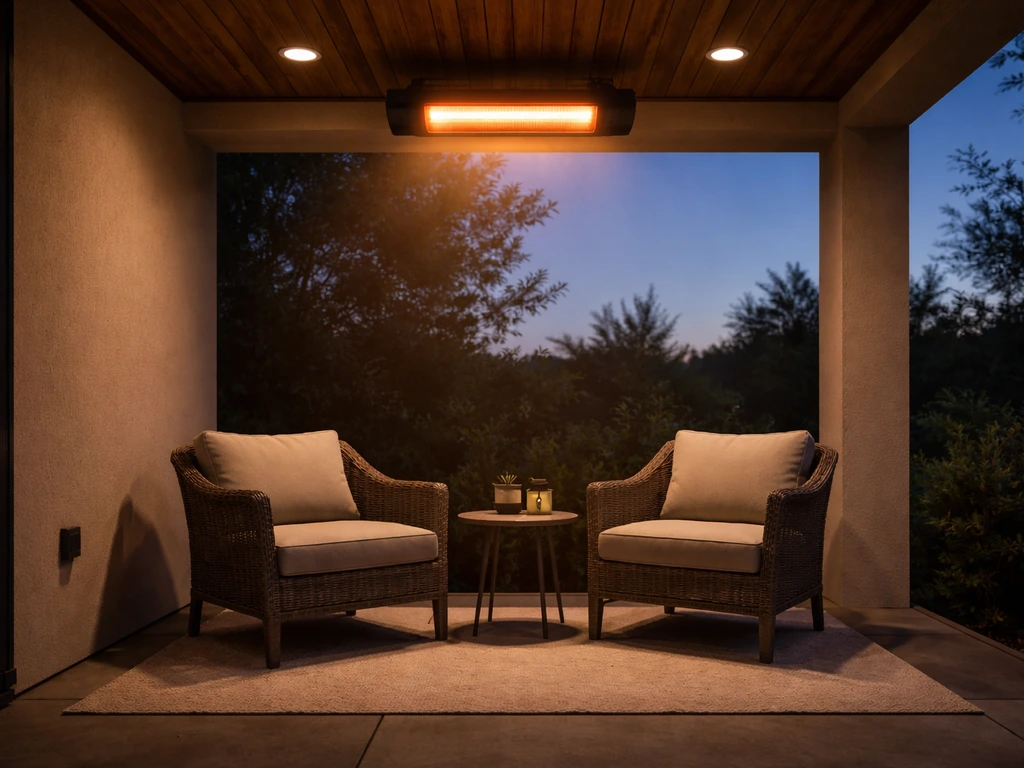
The Sahara name shows up in two distinct product lines, and mixing them up is easy. First is the Sahara 2000W Hanging Patio Heater (SKU G1145), sold at hardware and outdoor retailers. This is a ceiling-mounted infrared electric heater built specifically for covered outdoor use, think enclosed gazebos, pergolas with a solid roof, or covered patios.
It hardwires or plugs in, mounts overhead, and throws radiant heat downward over a seating area. Second is the Heat Storm Sahara (model A-1500-ISA), a compact 1500W portable unit with two power modes (750W and 1500W), a fan, and a remote control. It's technically a convection/radiant infrared quartz heater, meaning it combines a fan with infrared elements to push heat around a room or small outdoor space.
Consumer Reports lists it as infrared with a fan, and Home Depot confirms the full model number. Neither model runs on propane or natural gas. Both are electric-only, which shapes everything about installation, running costs, and where you can realistically use them.
If you're looking for a propane or natural gas patio heater, brands like Napoleon, Sunpak, or even some Pamapic models are worth exploring instead. Sahara is firmly in the electric infrared category, and that's actually a good thing for covered spaces where ventilation for gas combustion is a concern.
Quick Verdicts: Best Sahara Pick by Patio Size and Setup
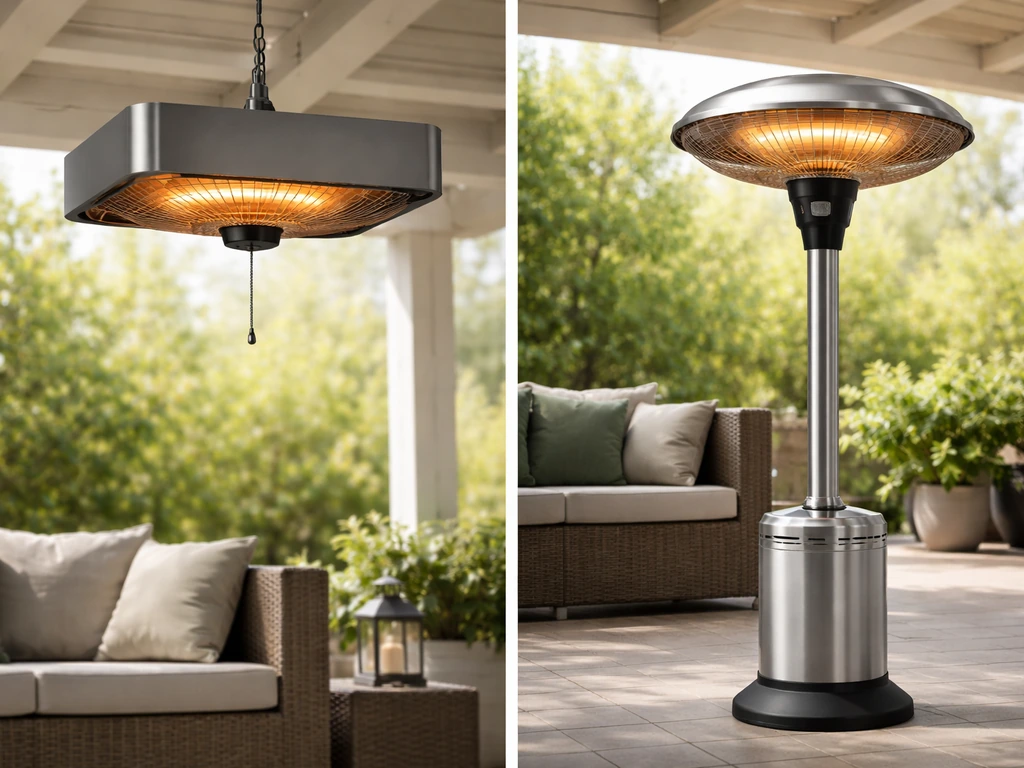
Here's the fast version before we go deep. If you’re specifically looking for nedis patio heater reviews, it’s worth comparing those results against what you get from electric infrared models like the Sahara and Heat Storm options here. Your best choice depends almost entirely on whether your patio is covered and how large the area is.
| Setup | Best Sahara Model | Why |
|---|---|---|
| Small covered patio or pergola (up to ~100 sq ft) | Sahara 2000W Hanging Heater (G1145) | Ceiling mount keeps the floor clear, infrared heat goes straight down to people |
| Medium covered space or gazebo (100–150 sq ft) | Sahara 2000W Hanging Heater (G1145) with central placement | Overhead radiant covers the seating zone well when mounted centrally |
| Small open or semi-open patio, deck, or balcony | Heat Storm Sahara 1500W (A-1500-ISA) | Portable and flexible; move it as needed, eco mode saves energy |
| Indoor sunroom or enclosed porch | Heat Storm Sahara 1500W (A-1500-ISA) | Fan-assisted convection heats the whole room faster than pure radiant |
| Large open or fully exposed patio (200+ sq ft) | Neither model is ideal | Electric infrared struggles in wind and open spaces this size; consider propane alternatives |
Heating Performance and Real-World Coverage
The 2000W ceiling-mounted Sahara puts out roughly 6,800 BTU equivalent of radiant infrared heat. That's enough to make a 10x10 foot covered seating area genuinely comfortable on a cool evening, say 45-55°F outside. It heats people and surfaces directly, not the air, so you feel it quickly after flipping it on. That's the main advantage of infrared: there's no 10-minute warm-up period. The catch is that coverage drops fast once you get more than about 6-8 feet from the unit, and any significant airflow (even from an open side of a pergola) disrupts the radiant heat path.
The Heat Storm Sahara 1500W behaves differently because of its fan. The convection element means it actually warms the air in a small enclosed space, which makes it better for sunrooms and enclosed porches than pure infrared models. In a small covered outdoor space, the fan can work against you in wind, essentially scattering warm air before it reaches anyone. On the half-power 750W setting, it's not going to impress anyone trying to heat even a moderate outdoor area, it's more useful for a slight chill than for genuinely cold evenings.
Realistically, both units work best when temperatures outside are above 35-40°F. Below that, they'll take the edge off but won't make a large space feel warm. Neither is a substitute for a high-output propane heater like a 40,000 BTU freestanding unit on a cold night in an open yard. If you want the most practical guidance, see our Napoleon patio heater review for comparisons and what to buy for your setup.
Operation, Convenience, and Build Quality
Sahara 2000W Hanging Heater (G1145)
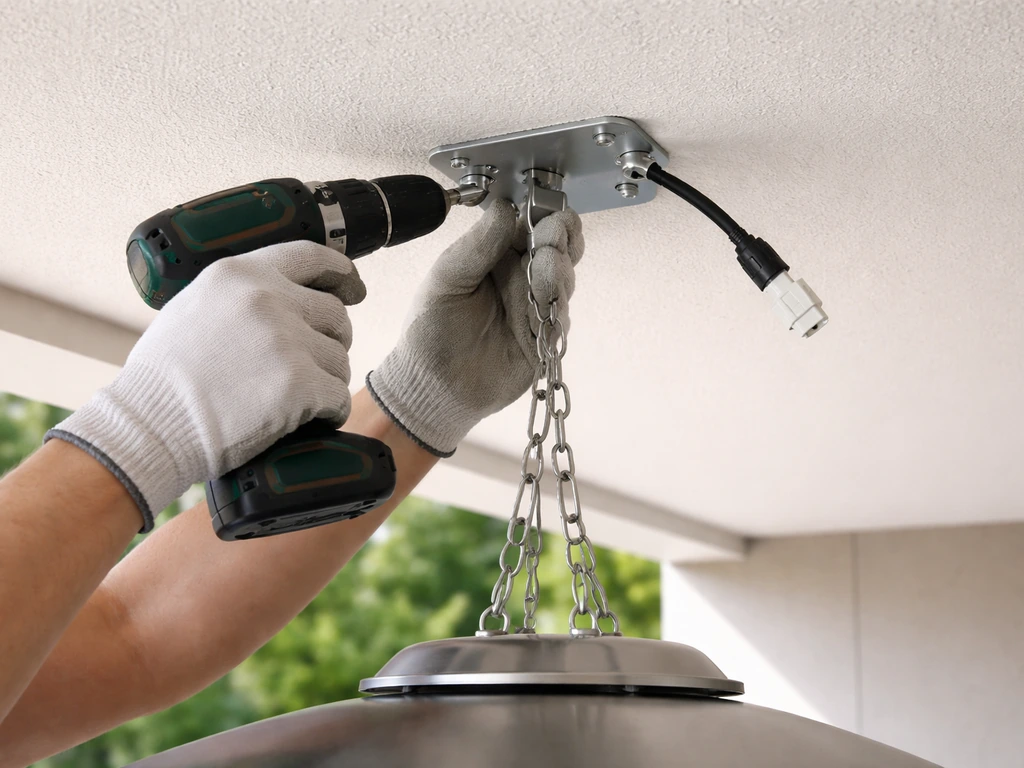
Setup requires a ceiling mount, which is a one-time job but does mean drilling and potentially running an electrical circuit if you don't already have an outdoor outlet in the right spot. Once installed, operation is simple: flip a switch or use a wall-mounted control. There are no fuel tanks to refill, no ignition systems to troubleshoot, and no annual gas-line inspections. The infrared elements typically last 5,000+ hours, which is several seasons of regular use.
Build quality on hanging infrared heaters in this class is generally solid, the main points of failure are the quartz heating elements themselves and the quality of the cord/plug connection if it's not hardwired. Look for a unit with a powder-coated housing and weatherproof rating, and confirm it's rated for outdoor (covered) use before mounting.
Heat Storm Sahara 1500W (A-1500-ISA)
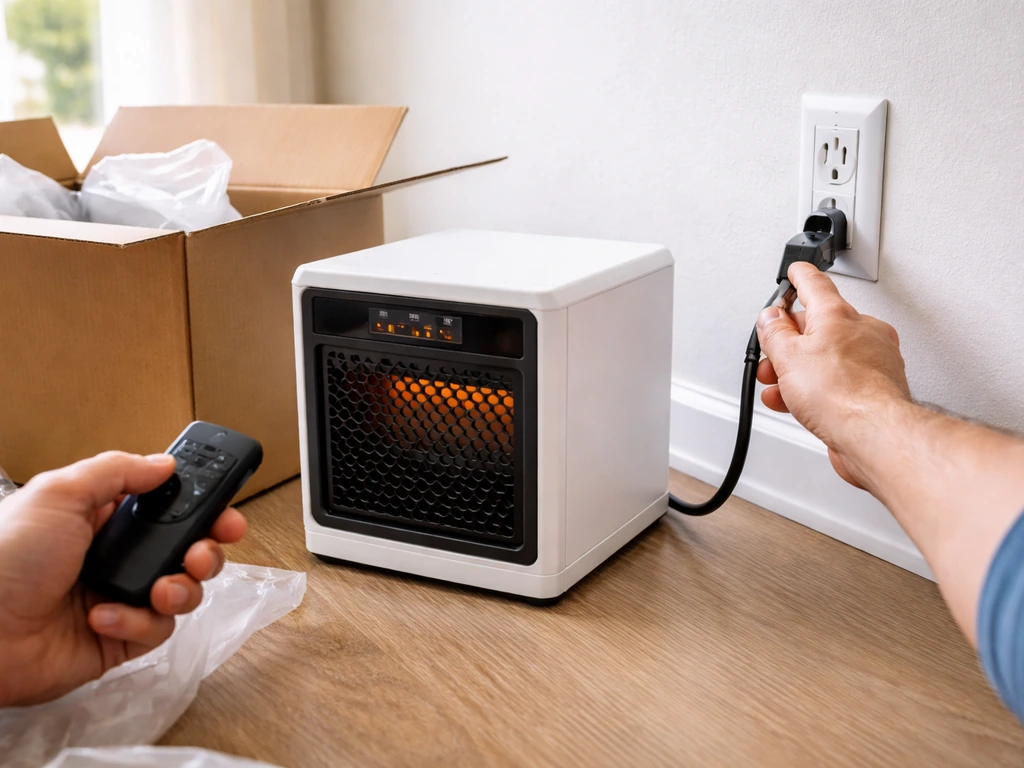
Plug-and-play setup is the biggest convenience win here. Unbox it, plug into a standard 120V outlet, and you're running in under two minutes. The remote control is a nice touch for a heater at this price point, and the eco mode cycles power to maintain temperature without running at full draw the entire time. The fan does add some noise, not loud, but noticeable in a quiet outdoor setting.
Consumer Reports' spec data flags the absence of a tip-over safety switch on the Heat Storm Sahara, which is worth knowing. Heat Storm's own product listing mentions tip-over shut-off as a feature, so there may be variation between product versions or model years.
Either way, treat it like any portable heater: don't leave it unattended and keep it on a stable, flat surface. The plastic housing is functional but not premium. It's a budget-tier unit built for convenience, not longevity under heavy outdoor exposure.
Safety, Maintenance, and Wind Considerations
Electric infrared heaters have a meaningful safety advantage over propane units: no combustion, no carbon monoxide risk, and no open flame. That makes both Sahara models usable in covered spaces where gas heaters require careful ventilation planning. The 2000W hanging unit should be installed with at least the clearance specified in its manual (typically 3 feet from any flammable surface below and 2 feet to the sides). Never mount it flush against a wood ceiling without confirming the clearance rating.
For the Heat Storm Sahara portable unit, the standard portable heater rules apply: keep it away from curtains, upholstered furniture, and anything combustible. The overheat protection will cut power if the unit gets too hot internally, which is your main active safety net. Given the Consumer Reports note about tip-over protection specs, place it somewhere it genuinely cannot be knocked over, especially if kids or pets are nearby.
Wind is the performance killer for both units. The hanging 2000W heater handles mild breezes better than the portable because it's directing radiant heat downward and the heat path from ceiling to seated person is short. But in a fully open pergola with strong crosswinds, you'll lose a significant portion of the benefit. The Heat Storm Sahara fan-assisted model fares worse in wind because warm air simply disperses. If your patio regularly sees winds above 10-15 mph, you'll want a wind-blocking screen or wall, or seriously consider a higher-BTU propane unit instead.
Maintenance for both is minimal compared to propane heaters: no burner cleaning, no gas line checks, no tank swaps. For the ceiling-mounted unit, wipe down the reflector panel once a season and check that the heating elements are intact (hairline cracks in quartz tubes mean replacement). For the portable, keep the intake vents clear of dust.
Running Costs and Efficiency
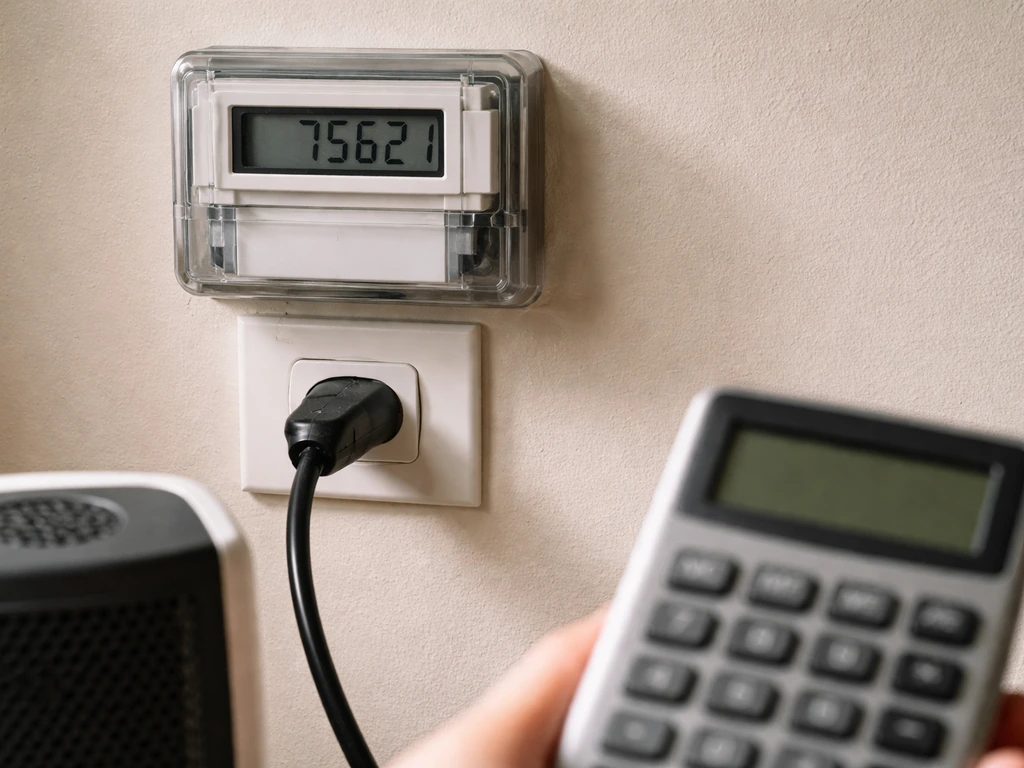
Both models are electric, so running costs are straightforward to calculate based on your local electricity rate. At the U.S. average of roughly $0.16 per kWh (2026 rates vary by state, so check your bill):
| Model | Power Draw | Cost per Hour (at $0.16/kWh) | Cost for 3-Hour Evening |
|---|---|---|---|
| Sahara 2000W Hanging Heater (G1145) | 2000W (2 kWh) | $0.32/hr | $0.96 |
| Heat Storm Sahara – Full Power (A-1500-ISA) | 1500W (1.5 kWh) | $0.24/hr | $0.72 |
| Heat Storm Sahara – Half Power | 750W (0.75 kWh) | $0.12/hr | $0.36 |
| Heat Storm Sahara – Eco Mode | Cycles between modes | ~$0.15–0.18/hr (estimated) | ~$0.50 |
Compared to propane heaters, electric infrared is cheaper to run per hour at average electricity rates, but the tradeoff is lower peak heat output. A 40,000 BTU propane heater costs roughly $0. 75-1. 00 per hour in propane but heats a much larger area.
For a small covered patio, the Sahara 2000W hanging unit's $0. 32/hour is genuinely economical, especially since you can put it on a timer and only run it when the space is occupied. The Heat Storm Sahara's eco mode is the most budget-friendly option for light use, though the lower output means you'll only be comfortable if temperatures aren't too extreme.
Neither unit requires any infrastructure investment beyond a standard electrical outlet (for the portable) or a simple ceiling circuit (for the hanging model), so there's no propane tank rental, no gas line installation, and no delivery fees to factor in.
How to Choose the Right Sahara Model (and Mistakes to Avoid)
The decision between the two Sahara models comes down to three things: whether your space is covered, how large it is, and whether you want permanent or portable heat. Here's a practical checklist to run through before buying.
- Is your patio or area covered with a solid roof? If yes, the 2000W ceiling-mounted unit is the stronger choice. If no, reconsider whether an electric heater is the right tool at all.
- Is your space 150 square feet or smaller? Both models are sized for intimate areas, not large open yards.
- Do you have an outdoor electrical outlet or ceiling circuit? The portable Heat Storm needs a standard 120V outlet nearby. The hanging unit may need a dedicated circuit installed if you don't already have one.
- Will you be moving the heater between spaces? The Heat Storm Sahara wins on portability; the hanging unit is a one-location installation.
- What are your coldest typical outdoor temperatures during use? Above 40°F, either unit handles itself well. Below 35°F on a large or open space, go with a higher-output propane alternative.
- Check the warranty before buying. For electric heaters in this class, look for at least a 1-year parts warranty and confirm whether the retailer accepts returns if the unit doesn't meet your heating expectations after a real-world test.
Common Mistakes to Skip
- Buying either model for a large, open, or windy patio. Neither will satisfy you. Wind is their enemy and open space kills infrared effectiveness.
- Assuming 2000W is "more than enough" for any situation. 2000W is great for a 10x10 covered seating nook; it won't warm a 20x20 open deck.
- Ignoring clearance requirements for the ceiling-mounted unit. Mounting it too close to a wood or vinyl ceiling is a fire hazard.
- Skipping the eco mode on the Heat Storm Sahara for light-chill evenings. You'll cut your running cost in half with minimal comfort difference.
- Expecting either model to replace a propane heater for genuinely cold nights or large gatherings. They're supplemental or primary heat for mild-to-moderate conditions in small covered spaces.
- Not checking your electrical panel capacity. Running a 2000W ceiling heater continuously on a circuit that also powers other outdoor outlets can trip breakers.
How Sahara Compares to Other Brands Worth Considering
If you're cross-shopping electric infrared options, the Sahara 2000W hanging heater competes directly with similar ceiling-mount infrared units from Nedis and other hardware-store brands at the same wattage. If you want to compare options quickly, these sunpak patio heater reviews can help you judge how well different models perform for covered patios and enclosed spaces.
The Heat Storm Sahara portable sits in a crowded market of compact electric space heaters; brands like Pamapic offer outdoor-specific portables that may have better weather ratings. For covered outdoor spaces where aesthetics matter and budget allows, Napoleon's patio heater lineup (including their tabletop options) uses propane but delivers much higher output and longer range. The Sahara electric models win on simplicity and low running cost; they lose on raw power and versatility in open-air settings.
Bottom line: the Sahara 2000W hanging heater is a solid, no-fuss buy for a small covered patio or pergola where you want clean, permanent, overhead infrared heat at under $0.35/hour to run. The Heat Storm Sahara portable is a reasonable convenience buy for a sunroom or enclosed porch, but don't expect it to handle a breezy open deck on a cold night. Know your setup, match the model to it, and you'll likely be happy. If you're looking specifically for Napoleon tabletop patio heater reviews, this Sahara guide can help you compare what to expect from electric tabletop-style heat versus bigger infrared units. Mismatch them, and no review score in the world will save the experience.
FAQ
Can I use a Sahara patio heater on an uncovered, fully open deck?
You can use it, but performance will usually fall short on cold, breezy nights. Infrared heat weakens quickly beyond the recommended throw distance, and wind disrupts the radiant path. If your deck is open to crosswinds, consider a higher-output electric unit meant for open-air or switch to a propane heater designed for larger, uncovered areas.
What clearance rules should I follow for the Sahara 2000W hanging model?
Use the manual’s minimum clearance for flammables as your non-negotiable baseline, then add extra space if you mount under any heat-sensitive materials (wood trim, awnings, or soft ceiling finishes). Also verify the mount can support the heater’s weight and that the ceiling circuit is appropriate for a 2000W load.
Does the Heat Storm Sahara have a tip-over safety switch on my exact unit?
Availability can vary by model year or production version. Before relying on it, confirm the feature in your specific listing or printed specs, and still treat the unit like any portable space heater: keep it on a stable flat surface, away from foot traffic, and never leave it unattended.
Is it safe to run these Sahara heaters under a pergola with slats or a partially open roof?
They are intended for covered spaces, but partially open structures can still introduce enough airflow to reduce comfort and move heat away from people. If you have slats or open sides, test in the coldest conditions you expect, and avoid mounting where drapes, curtains, or soft furnishings can drift into the heat stream.
How do I choose between the 2000W hanging Sahara and the 1500W portable Sahara based on patio size?
Use coverage first, not just wattage. The hanging 2000W model is better when you want heat focused downward over a defined seating zone, typically a relatively small covered area. The portable 1500W fan-assisted model is better for enclosed porches or sunrooms where warmed air can circulate, but it still won’t match the reach of large propane heaters.
What is the real electricity cost if I run one of these heaters every evening?
Estimate hours per use times wattage. Example: a 2000W heater at 2 hours per night is 4 kWh per night. At $0.16 per kWh, that is about $0.64 per night, plus any cost changes based on your local rate and eco mode behavior.
Can I use an extension cord with the portable Heat Storm Sahara?
For most high-draw electric heaters, extension cords are discouraged because they can overheat or fail under continuous load. If your outlet placement forces a decision, use a properly rated outdoor extension cord specified for the heater’s wattage and keep connections protected from moisture. When in doubt, install an appropriate outdoor outlet instead.
Do these heaters work well for people directly vs warming the whole area?
Infrared heaters are primarily for person and surface comfort rather than heating the entire room or yard. You should expect fast warmth when you are in the effective beam, but diminishing comfort as you move away. If your goal is whole-space heating, you may need a higher-output system or a different heater type.
How do I handle wet weather and rain exposure?
Even electric heaters have exposure limits. Confirm the weatherproof rating for your exact model, keep electrical connections protected, and avoid operation during active rain unless the unit is explicitly rated for it. For covered patios, positioning matters, keep the heater away from splashing zones and ensure airflow vents stay clear of wet debris.
What maintenance should I do to keep the infrared elements performing?
Plan for light seasonal cleaning. For the hanging model, inspect the quartz/infrared elements for cracks and wipe the reflector surfaces, then check the mount and wiring area for any looseness. For the portable model, keep the intake and exhaust paths free of dust buildup so the overheat protection doesn’t trigger more often than necessary.