
Your patio heater needs change dramatically across the seasons, and buying the wrong type for your conditions means wasted money every single time you flip it on. A mild fall evening on a covered porch calls for something completely different than a windy January night on an open deck. This guide cuts through that by matching the season and weather conditions you actually face to the heater types and specific models that perform best in those situations, then giving you the running costs, safety notes, and a buying checklist to make the decision straightforward.
Seasonal Trends Patio Heater Reviews: Best Picks by Weather

Willa Brennan
25 Jun 2026
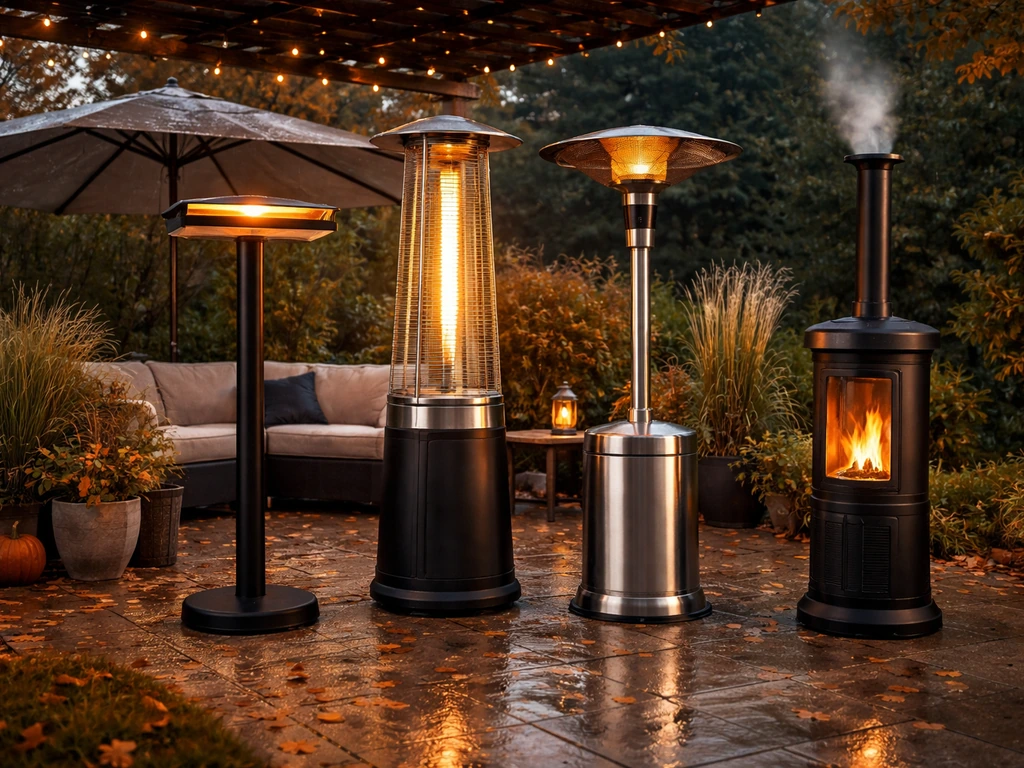
How seasons change what you need from a patio heater
Temperature is the obvious variable, but wind, humidity, and whether your patio is covered matter just as much. In early fall, you might only need to take the chill off at 50 to 55°F. A tabletop propane unit or a modest electric infrared panel handles that easily. Come December in most of the U.S., you're fighting 25 to 35°F temperatures, possibly gusty wind, and you need serious output from a heater that doesn't just warm the air (which blows away immediately) but actually radiates heat directly at people.
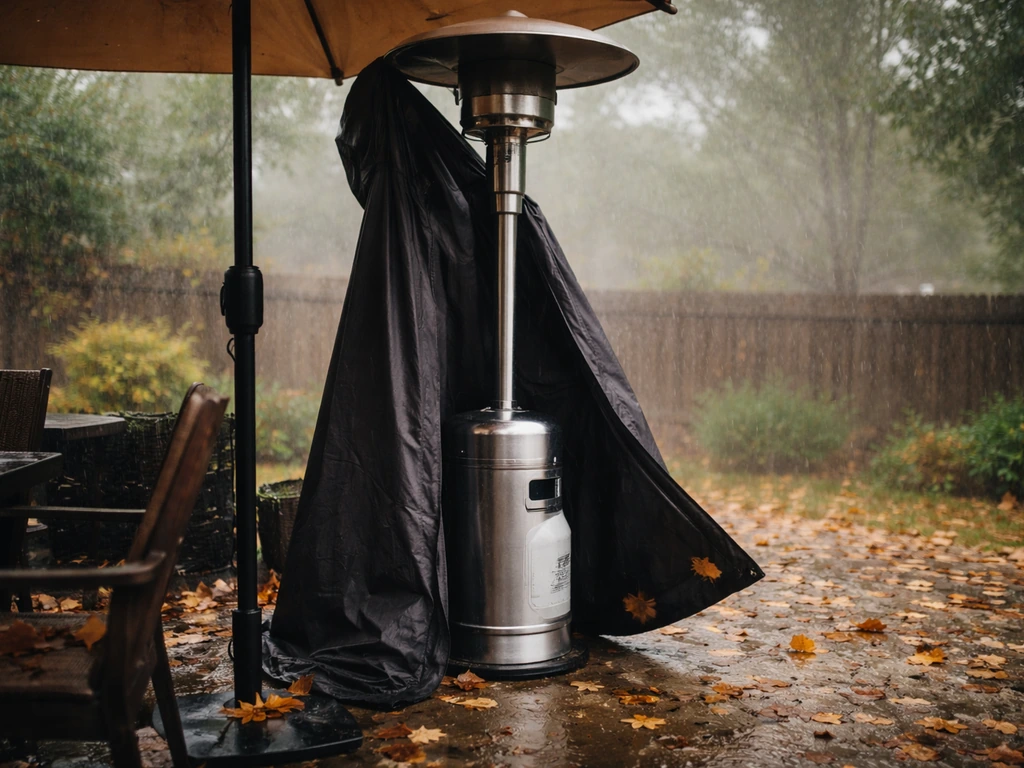
Humidity and rain add another layer. A heater running on a wet, covered porch needs to be weather-rated for moisture exposure. An open patio in a rainy climate needs either a weatherproof electric infrared unit or a heater you're willing to store during bad weather. Propane and natural gas units vary widely in their weather resistance, and most standard mushroom-top propane heaters are not designed to run in rain. Summer use is a different situation entirely: most people only run heaters on cool evenings, so heat output matters less and portability or aesthetics start to matter more.
| Season | Typical Temp Range | Key Challenges | Priority Features |
|---|---|---|---|
| Spring | 45–60°F | Unpredictable wind, occasional rain | Moderate output, weather resistance, portability |
| Summer | 65–75°F evenings | Minimal heat needed, aesthetics matter | Low output, style, tabletop options |
| Fall | 40–55°F | Increasing wind, longer evenings | Medium-high output, wind resistance, coverage area |
| Winter | 20–40°F | Cold, wind, rain/snow, wet surfaces | Maximum output, directional radiant heat, weatherproofing |
One thing that surprises people: covered vs. uncovered makes a bigger difference than the season itself. A covered patio holds heat, bounces radiant energy back toward people, and blocks wind. That means a 40,000 BTU propane heater that barely keeps up on an open deck might feel plenty warm on a covered patio in much colder conditions. Always factor your space type before comparing BTU numbers.
Best heater types by season and weather
Infrared electric heaters: the year-round workhorse
Infrared electric heaters are my top recommendation for most covered patios across all four seasons. They heat objects and people directly rather than warming the air, so wind doesn't carry away your comfort. Infratech's literature puts it well: the warmth won't blow away because it's targeting you, not the air around you. That physics advantage is real and significant. For winter use especially, a ceiling or wall-mounted infrared panel like the Bromic Tungsten Smart-Heat Electric is hard to beat. Bromic positions this series specifically for colder climates and larger spaces, and directional radiant heat means you're not wasting output on empty sky. Carbon-fiber infrared technology (as used in units like the Reznor RIEH series) also gives you near-instant heat, so you're not waiting 10 minutes for warmth when you step outside.
Weather resistance matters here too. The Reznor RIEH series carries an IP65 rating, meaning it's protected against dust and rain spray. That opens up year-round use on open or semi-covered patios in wet climates. If you're shopping electric infrared, look for IP44 as a bare minimum for any outdoor exposure, IP55 or higher for genuinely open installations.
Propane heaters: portable and powerful, with winter trade-offs
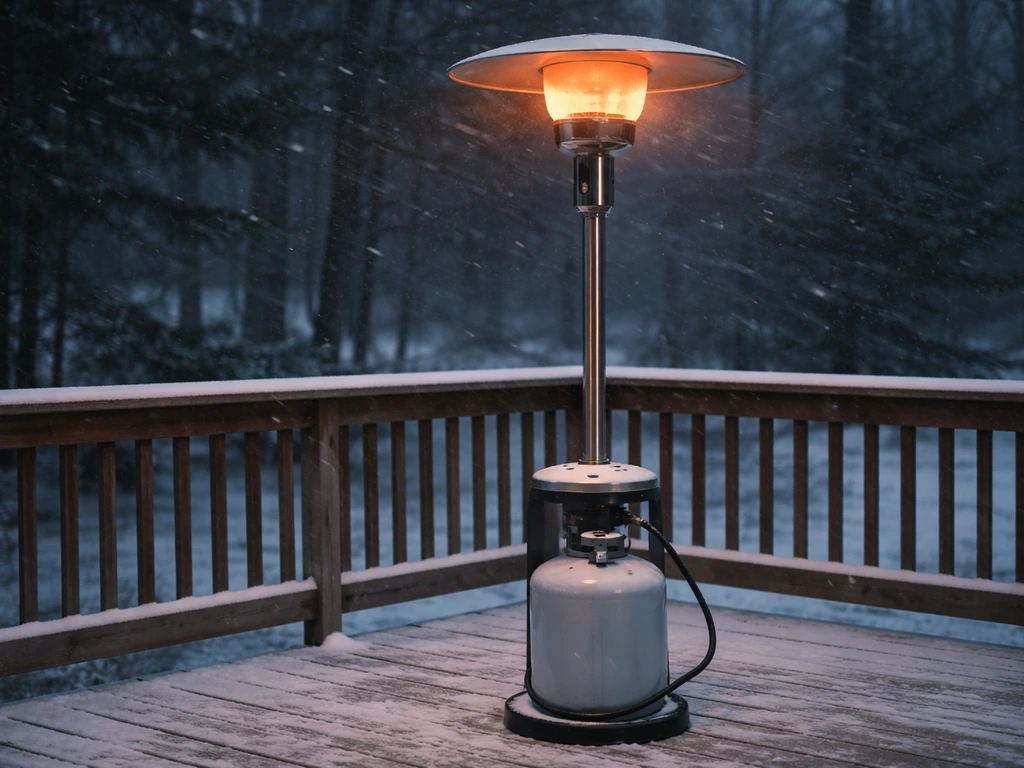
A full-size mushroom-style propane heater typically puts out around 40,000 BTU and can cover roughly a 20-foot diameter (about 314 square feet) under ideal conditions. That's enough heat for a generous patio group in fall and mild winter weather. The portability is a genuine advantage: you can move them inside a garage when not in use and bring them out for events. For spring and summer, a smaller tabletop propane model gives you targeted warmth without overpowering a mild evening.
The winter trade-off with propane is wind. Propane heaters warm the air around them, and that warm air blows away in gusty conditions. They do include safety thermocouples that shut off the gas if the flame gets blown out, which is important, but you'll still lose a lot of efficiency on a windy uncovered deck in January. For winter use on open patios, infrared wins. For covered or wind-protected areas, propane remains an excellent and cost-effective option.
Natural gas heaters: best for permanent, high-use setups
If you use your patio heavily through fall and winter and have access to a natural gas line, a hardwired natural gas heater is the most economical choice over time. You never run out of fuel mid-evening, and the per-BTU cost of natural gas is typically lower than propane. The downside is the installation investment and the fact that you can't move it. Natural gas heaters make the most sense for permanent covered outdoor spaces like pergolas, screened porches, or restaurant-style patios where the heater runs multiple nights per week from October through March.
Pellet heaters: seasonal specialty use
Pellet-burning outdoor heaters occupy a niche between a fire pit and a heater. EPA-certified pellet appliances typically fall in the 70 to 83 percent efficiency range, which is reasonable, but outdoor pellet heaters involve more setup, ash cleanup, and fuel storage than most people want for casual patio use. They're most appealing for fall and winter gatherings where the ambiance of a real flame matters and you have storage space for pellets. They're not a practical choice if you want quick heat on demand or minimal maintenance.
Tabletop heaters: spring and summer convenience
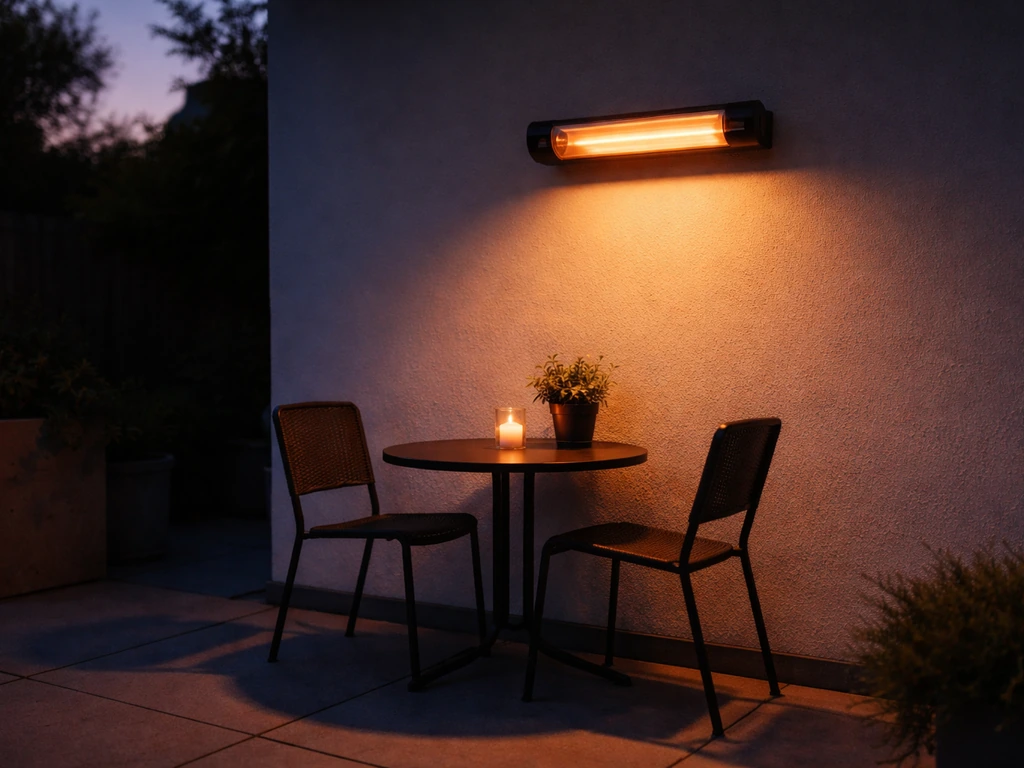
Tabletop propane or electric models are genuinely useful for spring and summer evenings when you just need to take the edge off. They're portable, affordable, and easy to store. Don't expect them to carry serious cold-weather duty, they're designed for mild conditions, but as a secondary heater for a dining table or small seating area, they're hard to beat for the price.
Review roundup: top patio heaters matched to seasonal conditions
Rather than ranking heaters in a vacuum, the most useful comparison is matching them to real-world scenarios. If you want the fastest way to compare options, bond patio heater reviews can help you narrow down the best picks for your specific season and conditions Review roundup. Here's how leading options stack up across the conditions that matter most.
| Heater / Type | Best Season | Best For | Limitations | Approx. Output |
|---|---|---|---|---|
| Bromic Tungsten Smart-Heat Electric (infrared) | Fall / Winter | Covered patios, colder climates, directional heat | Requires electrical install, higher upfront cost | 2000–6000W |
| Reznor RIEH Electric Infrared (IP65) | Year-round | Open or semi-open patios, wet/rainy climates | Professional install recommended | 1500–5000W |
| Full-size propane mushroom (40,000 BTU) | Spring / Fall | Portable setups, covered or wind-sheltered areas | Wind reduces performance; not rain-rated | ~40,000 BTU |
| Natural gas hardwired radiant | Fall / Winter | Permanent covered spaces, high-frequency use | No portability, installation cost | 30,000–50,000 BTU+ |
| VASNER Teras 25 (electric infrared) | Spring–Fall | Small to medium covered patios | Coverage halves outdoors vs. sheltered (~15 m² open) | 2500W |
| Tabletop propane / electric | Spring / Summer | Small groups, casual dining, mild evenings | Not for serious cold; limited coverage | 5,000–11,000 BTU |
Winter evenings on an open, windy deck
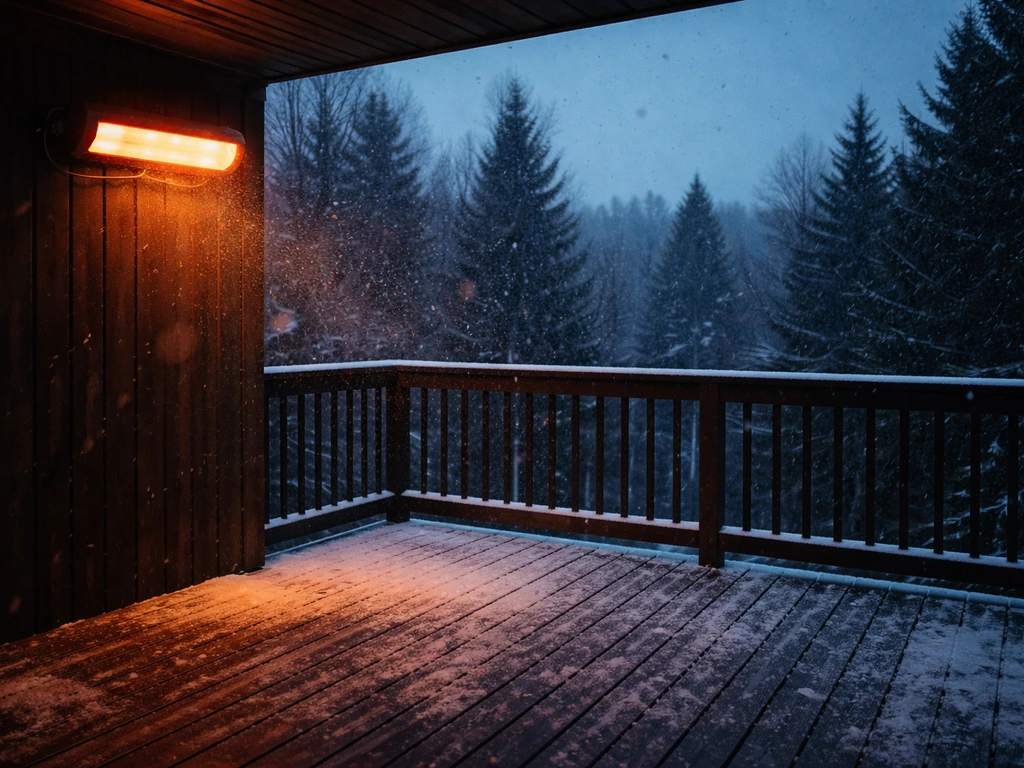
This is the hardest scenario. For genuinely cold, exposed conditions, a mounted infrared electric heater is the right call. Infrared heats objects and people directly, so wind doesn't rob you of your warmth the way it does with a convection-style heater. The Bromic Tungsten Smart-Heat Electric is specifically designed for this scenario: directional radiant output, ceiling or wall mounting for permanent installation, and performance in colder climates. If you're in a rainy region, pair that with an IP65-rated unit like the Reznor RIEH. A standard propane mushroom heater in this situation will work poorly because the warm air plume simply blows away.
Mild fall nights on a covered porch
Covered and sheltered means you have more flexibility. A 40,000 BTU propane heater does great here, and many people prefer it because it's easy to move, doesn't require electrical work, and heats a solid radius. If you want to buy smarter, check patio heater cover reviews to match the heater type with the right cover and protection for your setup 40,000 BTU propane heater. Alternatively, a medium-output wall-mounted electric infrared panel gives you clean, quiet heat at the touch of a button with no fuel logistics. Both are solid choices; the decision usually comes down to whether you want the flexibility of portability or the convenience of a permanent switch.
Quick heat for a small group
Electric infrared panels deliver near-instant warmth, which makes them ideal when you want to step outside without waiting. Carbon-fiber infrared technology heats up in seconds. Propane takes a little longer to get going and requires lighting. If fast, on-demand heat is a priority, electric infrared is the winner.
Coverage guidance: patio size, wind, and mounting
Coverage numbers from manufacturers are always optimistic. A standard 40,000 BTU propane heater can theoretically cover up to a 20-foot diameter, but real-world wind, low temperatures, and open-sky heat loss will shrink that noticeably. As a practical rule, plan for about two-thirds of the stated coverage area in real outdoor conditions, and cut that in half again for exposed, windy situations.
The VASNER Teras 25 illustrates this clearly: the manufacturer lists coverage of about 30 square meters in wind-protected areas but only about 15 square meters in open outdoor areas. That 50 percent reduction is consistent with what most electric infrared panels experience outdoors. Always plan your coverage based on the less-favorable number if your patio is open.
Mounting height and orientation make a real difference for infrared heaters. Bromic's guidance highlights that wattage or BTU, wind exposure, mounting height, and layout all interact to determine real-world performance. A ceiling-mounted infrared heater at 8 feet creates a different heat distribution than the same unit at 10 feet. Generally, lower mounting height means a tighter, more intense heat zone; higher mounting spreads heat over a wider area with less intensity. For winter use with cold-soaked people wanting strong warmth, lower and more targeted works better. For a large dining terrace on a mild fall evening, higher mounting with multiple units covers more ground.
- Covered patio: plan for full or near-full stated coverage; radiant heat bounces off roof back toward occupants
- Open patio with some wind: use 50–65% of stated coverage as your planning number
- Open patio with regular wind: use 40–50% of stated coverage and prioritize infrared over convection heaters
- Ceiling mount: ideal for covered pergolas and patios; keep clearances per manufacturer specs
- Wall mount: good for semi-enclosed spaces; angle downward toward seating area
- Freestanding: most flexible for repositioning, but most vulnerable to wind performance loss
Clearance requirements are not optional. NFPA guidelines and manufacturers both specify minimum clearances to combustibles, and these vary by model. For propane units, always follow the manufacturer's clearance requirements exactly. For electric infrared, the same rule applies, and the Reznor specs include defined mounting heights and spacing as part of installation. Never assume one model's clearances apply to another.
Energy use, running costs, and efficiency across seasons
How much a heater costs to run depends on fuel type, output level, and how many hours per week you're actually using it. Seasonal frequency matters a lot: if you run a heater 4 nights a week from October through February versus only on occasional summer evenings, your annual fuel cost swings dramatically. Here's a realistic breakdown.
| Heater Type | Typical Output | Fuel/Energy Cost Basis | Approx. Running Cost | Seasonal Notes |
|---|---|---|---|---|
| Propane (40,000 BTU) | 40,000 BTU/hr | ~0.44 gal/hr at full capacity | ~$1.70/hr (varies by propane price) | Higher cost in winter with frequent use |
| Electric infrared | 1500–6000W | Varies by local electricity rate | ~$0.18–$0.72/hr at $0.12/kWh | 100% point-of-use efficiency; lower wasted heat |
| Natural gas (hardwired) | 30,000–50,000 BTU/hr | Natural gas price per therm | Typically lower $/BTU than propane | Best cost efficiency for high-frequency winter use |
| Pellet | Varies | Pellet bags (~$5–$8 per 40 lb bag) | Moderate; ~70–83% combustion efficiency | More setup/cleanup than other types |
Electric resistance heating is 100 percent efficient at the point of use: every watt drawn from the outlet becomes heat. That said, electricity rates vary widely by location, and in areas with high per-kWh costs, electric infrared running costs can exceed propane for equivalent output. Natural gas typically offers the lowest per-BTU fuel cost for high-output, frequent-use setups. Propane sits in the middle and adds the convenience of portability.
Infrared heaters also have an efficiency advantage beyond the raw energy numbers. Because they heat people and objects rather than air, less heat is wasted to the surrounding environment. Manufacturer claims of around 90 percent effective energy delivery (as cited in Infratech's marketing) aren't independently verified figures, but the directional-heating principle is real: you're not paying to heat empty sky above your patio. That efficiency advantage is most pronounced in windy or open conditions where convection heating fails.
A practical seasonal cost tip: at roughly $1.70 per hour for a 40,000 BTU propane heater, running it for 3 hours on 5 evenings a week through a 5-month heating season adds up to about $638 in fuel alone, before any equipment costs. That number makes a case for a more efficient electric infrared setup in high-use winter scenarios, especially if your local electricity rates are modest.
Safety, comfort, and maintenance for year-round use
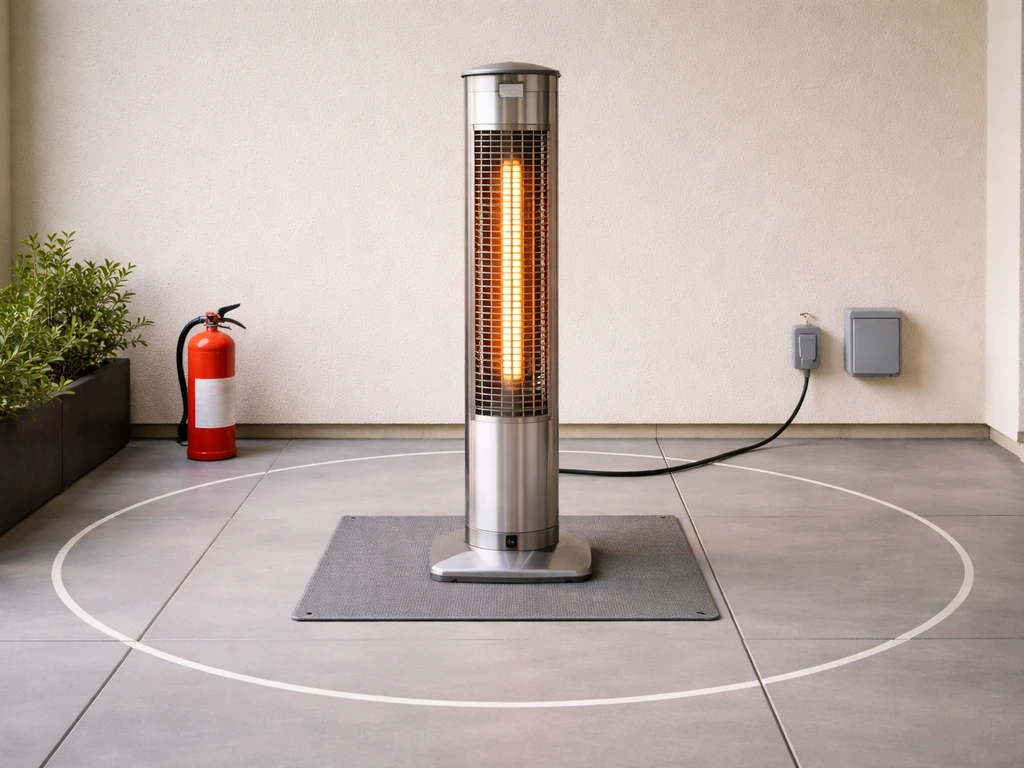
Safety basics that don't change with the season
Propane heaters require proper ventilation and must be used in accordance with fire code requirements. blank" rel="noopener noreferrer">NFPA 1 is the relevant standard for outdoor propane heaters, and NFPA 58 covers liquefied petroleum gas installation. In practical terms, this means never running a propane heater in a fully enclosed space, always maintaining the clearances specified by the manufacturer, and checking that the thermocouple (the safety device that shuts off gas if the flame blows out) is functioning before each season. If you hear the heater clicking off or struggling to stay lit in wind, that's the thermocouple working correctly, not a malfunction.
For electric infrared heaters, clearance requirements still apply, and ceiling or wall-mounted units need to be secured properly. Overhead mounting creates a fall risk if brackets corrode or are improperly installed over time. Check mounting hardware annually, especially if the heater is exposed to outdoor elements year-round.
Seasonal maintenance schedule
- Spring startup: inspect regulator hoses on propane units for cracks or brittleness from winter cold; test igniter; wipe down burner surfaces; check for insect nests in burner tubes (a surprisingly common issue after winter storage)
- Summer: clean reflector surfaces on infrared panels to maintain heat distribution efficiency; check electrical connections on wired units for any corrosion from spring moisture
- Fall prep: full inspection before heavy-use season; test thermocouple on propane units; verify mounting hardware on ceiling/wall units; check weather seals on IP-rated electric heaters
- Winter use: never leave propane tanks connected and pressurized unattended for extended periods; protect freestanding heaters with a weatherproof cover (rated covers make a real difference in longevity) when not in use; inspect for ice or frost buildup on electric elements before powering on
- End-of-season winterization: drain and purge propane lines if storing in unheated spaces; store propane tanks upright in a ventilated outdoor area, never in a garage or enclosed space; cover or store freestanding heaters; run a final igniter test and note any issues before storage
Comfort considerations by season
In fall and winter, seating placement relative to the heater matters more than in mild weather. Radiant infrared heat has a directional beam, so sitting outside the target zone means you get much less warmth. Position seating within the manufacturer's recommended coverage zone and orient the heater toward the primary seating area, not toward empty space. In summer, heaters on full output will make people uncomfortable quickly, so look for models with adjustable output or variable settings so you can dial down to a gentle warmth level rather than full blast.
Patio heater covers deserve a mention here. A quality weatherproof cover extends heater life significantly and is especially important for freestanding propane heaters that stay outdoors year-round. Covers that fit the specific heater model protect the finish, burner, and ignition components from moisture, which is the primary cause of ignition failure and corrosion. If you're researching cover options alongside heater reviews, it's worth looking at model-specific fit covers rather than generic sizes. If you're evaluating patio comfort heater reviews, model-specific cover fit is one of the easiest comfort and performance wins you can make.
Your buying checklist and next steps
Use this checklist to narrow your decision before you start comparing specific models and prices. Skipping any of these questions tends to lead to buyer's remorse.
- What's your primary season of use? If it's mostly spring and fall for occasional evenings, a portable propane heater is probably all you need. If it's serious fall-through-winter use, invest in a mounted infrared or natural gas unit.
- Is your patio covered or open? Covered = more flexibility on heater type. Open and windy = prioritize infrared electric, it's not optional if you want reliable warmth.
- What's your patio size? Measure the area you actually want to heat and compare to the real-world coverage numbers (not the marketing numbers). Plan for 50–65% of stated coverage if you're outdoors and exposed.
- Do you have electrical access at the mounting location? Wall and ceiling-mounted electric infrared heaters need a dedicated circuit. If running wire is a barrier, propane is easier to install.
- Is natural gas available? If yes and you use the patio heavily in cold months, get a hardwired natural gas unit. The long-term fuel savings over propane are significant.
- How important is weatherproofing? If your patio gets rain or you're in a coastal/humid climate, check IP ratings on electric units and look for weatherproofed propane models.
- What's your budget for running costs? Estimate your weekly hours and multiply by the per-hour cost for your fuel type. Do this for the whole season before buying.
- Will you store the heater in off-season or leave it out? If storing, portability and a cover matter. If leaving it out year-round, buy for weather durability first.
After working through that checklist, your choice usually becomes obvious. Most covered-patio owners doing serious winter heating land on a ceiling-mounted electric infrared panel. Most people who want flexibility for spring through fall gatherings land on a freestanding propane heater with a good cover. High-frequency winter use with natural gas access is a clear case for a hardwired gas unit. Tabletop and pellet options fill specific niches but shouldn't be your primary heater unless conditions are genuinely mild.
From here, the best next step is to narrow by fuel type and then compare specific model specs for your output needs and patio dimensions. If you're evaluating electric options specifically, detailed electric patio heater reviews go deeper into wattage, bracket types, and smart controls. If you're focused on a specific brand or heater style, model-specific reviews with real-world runtime data will get you to a final decision faster than any spec sheet alone. The seasonal framework in this guide gives you the right questions to ask, and those reviews will give you the answers.
FAQ
Can I use the same patio heater all year, or do I really need different types for each season?
Yes, but do it by matching the heater type to your patio exposure. If your patio is open to wind, convection-style heating will lose a lot of comfort, so prioritize directional infrared (electric panel) or a properly sheltered propane setup. For covered patios, you can often use the same heater in colder months, but only if the cover helps block gusts and the heater is aimed to the seating zone.
How should I calculate heater size when BTU or watt ratings are always optimistic?
Do not size only by the manufacturer’s stated coverage area. Use the “worse case” planning number for your layout, then add one extra check: if people will be seated farther from the heater or the wind can reach them directly, reduce effective coverage again and consider multiple smaller units instead of one large heater.
Why does my infrared patio heater feel weak even though it’s rated for enough area?
If you get inconsistent warmth, the most common cause is aiming and seating position. Infrared heaters heat what they “see,” so rotate or reposition so the beam hits the center of the seating area. Also check mounting height and whether the patio has reflective surfaces, glare, or obstructions that block direct line-of-sight to people.
What’s the fastest heat type for stepping outside, and what installation choices affect warm-up time?
Electric infrared is typically the fastest path to on-demand heat, but installation details decide how “instant” it feels. Wall or ceiling units with clear line-of-sight warm people quickly, while heaters mounted high or placed behind partial obstructions can delay perceived warmth. For frequent use, choose models with strong directional output and controls that let you avoid running at full power.
Is it safe to use a propane patio heater in a screened porch or partially enclosed area?
Propane mushroom heaters should not be used under fully enclosed structures, and you should treat any partially enclosed area cautiously. Even with thermocouples, wind-driven air can shift combustion behavior and reduce efficiency. Stick to manufacturer guidance, ensure adequate ventilation, and keep the heater outdoors where smoke and combustion byproducts can disperse.
My propane heater keeps shutting off in windy weather, what should I troubleshoot first?
No, don’t treat “thermocouple clicking off” as a minor nuisance. It usually indicates wind, poor gas flow, or ignition issues, and repeated shutdowns waste fuel while still leaving safety systems engaged. In practice, reposition the heater to reduce gust exposure, verify gas connection pressure, and have the ignition components checked if the problem persists.
What weather rating (IP number) should I look for on an outdoor electric infrared heater?
For covered or open installations, the key is a weather protection rating that matches your conditions. Look for an outdoor-appropriate rating (at least IP44 for general exposure, IP55 or higher for genuinely open or splash-prone areas). If you get rain spray, prioritize an IP rating that covers the specific orientation of the unit (horizontal surfaces can fail differently than vertical ones).
Do I really need a patio heater cover, and what mistakes make covers ineffective?
Covers help most with corrosion and ignition reliability, but they’re not a substitute for proper storage when exposure is extreme. For frequent rain, choose a model-specific cover that fits tightly around the burner and ignition areas, then remove the cover periodically to let trapped moisture evaporate. Also confirm the cover is breathable where the manufacturer recommends it.
Can I rely on generic clearance guidelines, or do I need to follow the exact specs for each heater?
Yes, clearance and mounting must be model-specific. A safe mounting height and spacing on one infrared heater does not automatically transfer to another, even from the same brand. Before installing, follow the exact clearance requirements, use corrosion-resistant hardware for outdoor use, and re-check mounting fasteners annually.
What’s the best strategy for heaters on very windy patios, one big unit or multiple smaller heaters?
In windy open patios, you often get better results by switching from a single high-output unit to either a wind-protected layout (if possible) or multiple targeted infrared panels. If you must use propane, aim for placement that shields gusts, because air-plume loss can cut real-world warmth dramatically compared with covered areas.