
Yes, the Thermacell Patio Shield genuinely reduces mosquitoes in real outdoor conditions, but it works best when you set it up correctly and have realistic expectations about wind and coverage area. In calm to light-breeze conditions on a typical patio, it creates a noticeable mosquito-free zone of up to 15 x 15 feet (225 square feet) using a butane-heated repellent mat. That's enough for a small to mid-sized seating area. It's not a force field, and it won't rescue you from a swamp in 20 mph winds, but for most backyard situations it works well enough that people keep buying refills, which says a lot.
Thermacell Patio Shield Reviews: How It Works, Safety, and Setup

Willa Brennan
2 May 2026
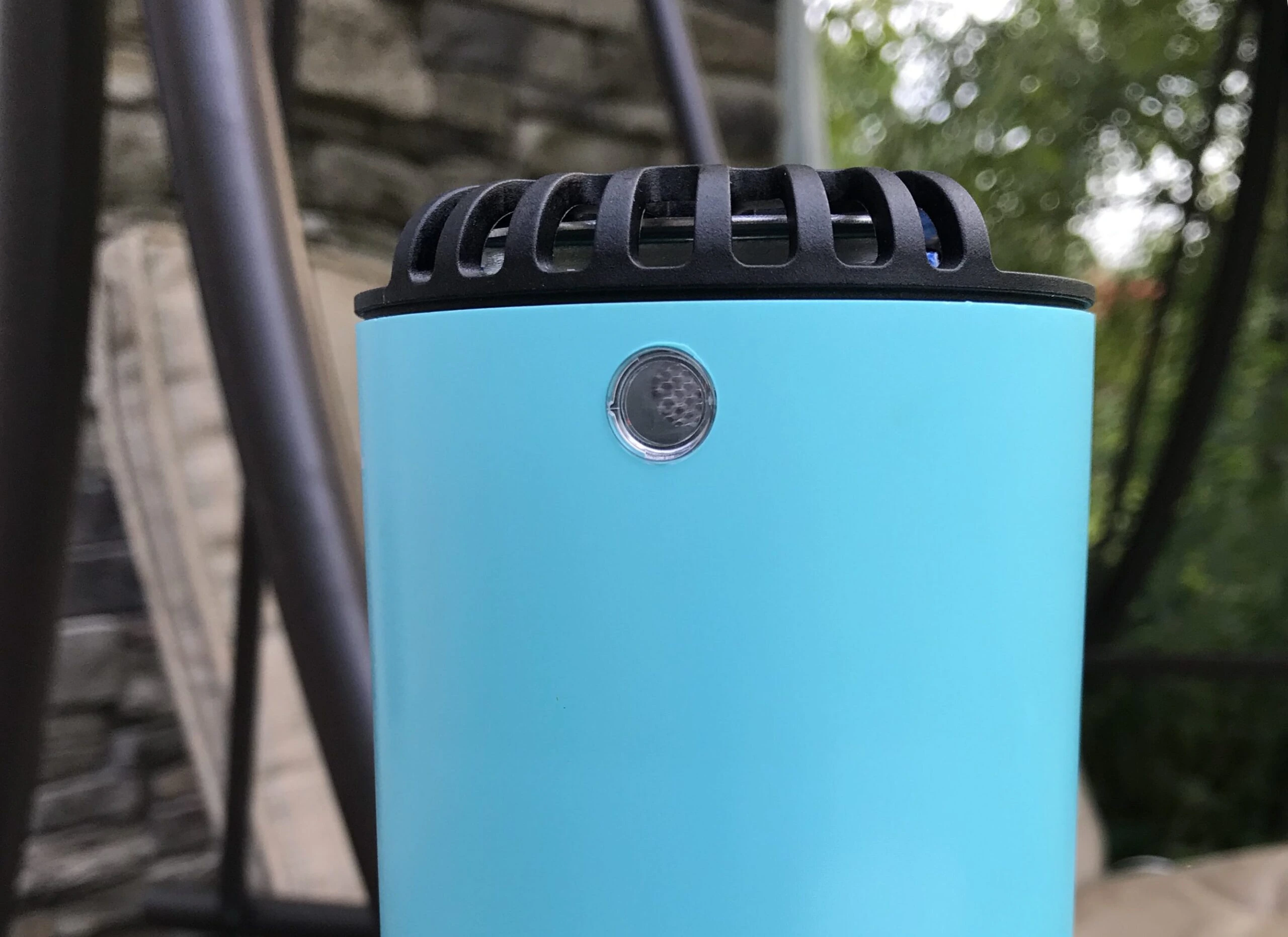
What the Thermacell Patio Shield Actually Is
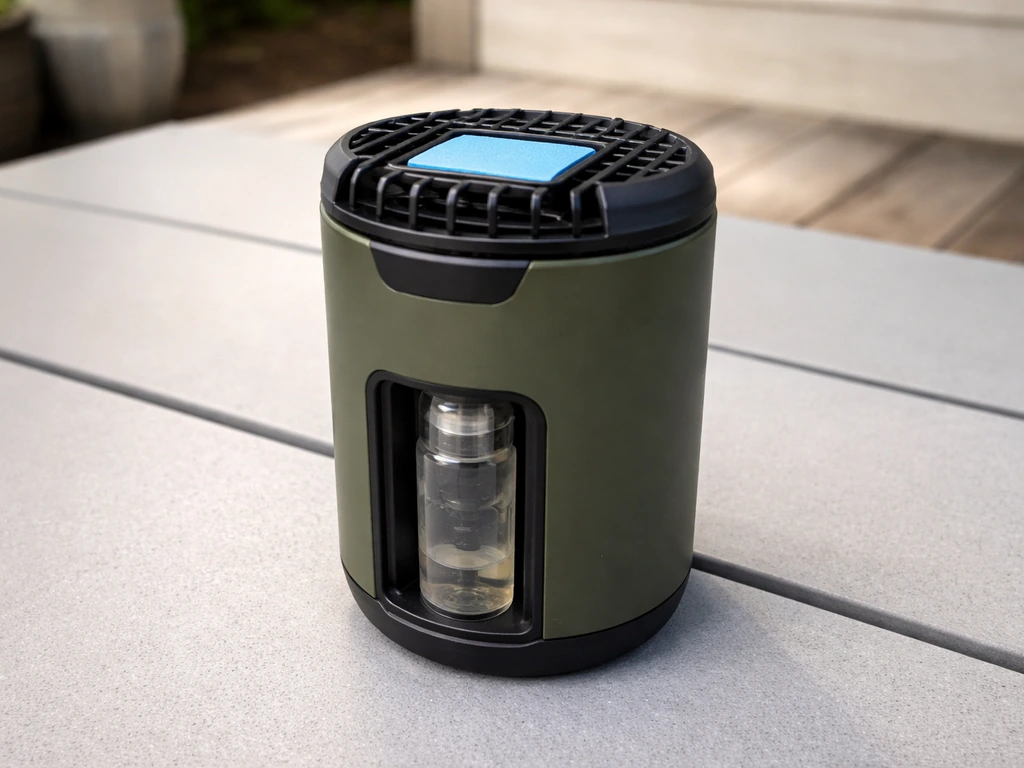
The Thermacell Patio Shield is a mosquito repellent device designed specifically for stationary outdoor use on patios, decks, and similar spaces. It's not a citronella candle, a bug zapper, or a spray product. Instead, it heats a small replaceable mat soaked in allethrin (a synthetic version of a naturally occurring insect repellent found in chrysanthemum flowers) using a butane fuel cartridge. That heat vaporizes the repellent and disperses it into the air around the unit, pushing mosquitoes out of your immediate space.
The Patio Shield line comes in a few form factors. The most commonly searched versions are the standard tabletop unit and the Patio Shield Lantern, which adds a decorative lantern-style housing and ambient light. There's also the Patio Shield Lantern XL, a larger version of the lantern. These are all fuel-powered (butane cartridge) devices as opposed to Thermacell's rechargeable E55 or EX90 models, which use a USB-rechargeable battery instead of butane. The Patio Shield products are meant to sit on a table or surface right in your seating area, not to be carried around.
How It Works: Fuel, Mats, Coverage, and Placement
The mechanism is straightforward. You insert a butane fuel cartridge into the base of the unit, then place a repellent mat on top of the metal heating plate. When you turn it on, the butane cartridge heats the plate, which warms the mat and causes the allethrin to evaporate into the surrounding air. You don't smell it much, you don't see it, and it doesn't require any spraying or reapplication. You just turn it on about 15 minutes before sitting outside to let the zone build up, and it does its thing.
Consumables: What You'll Go Through
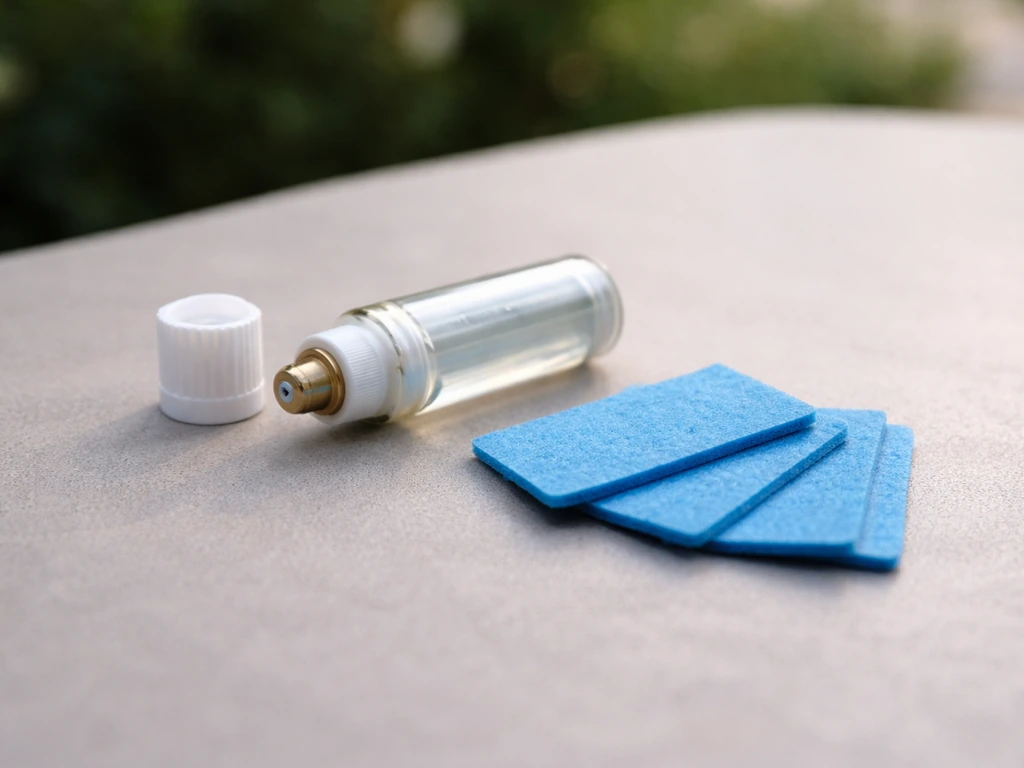
Each butane cartridge lasts up to 12 hours of use. Each repellent mat is good for about 4 hours, so a standard refill pack bundles three mats with one 12-hour cartridge. That means one refill set equals roughly one 12-hour day of use, or three separate 4-hour evening sessions. Mats change color as the allethrin depletes, going from blue to white, so you can see at a glance when it's time to swap. Refill packs are widely available at hardware stores and online, and the cost per session works out to a couple of dollars, which most people find reasonable compared to spraying DEET on themselves every hour.
Coverage Zone and Placement Tips
The Patio Shield protects a zone of up to 15 x 15 feet, which is 225 square feet. That's a solid small patio or a dining table with chairs around it. Placement matters a lot here. You want the unit on the table in the center of your seating group, or as close to the center of your activity area as possible. Putting it on a side table at the edge of the patio wastes half your coverage zone. Also keep it off the ground if you can, since the repellent disperses outward and slightly upward from the heated mat.
Covered patios, pergolas, and screened porches dramatically improve performance because they prevent the repellent cloud from dispersing too quickly. If your patio is fully open and exposed to prevailing winds, you'll notice reduced effectiveness on gusty evenings. Wind is the single biggest enemy of any area repellent device, Thermacell or otherwise.
Patio Shield vs Lantern vs Portable: Which One to Get
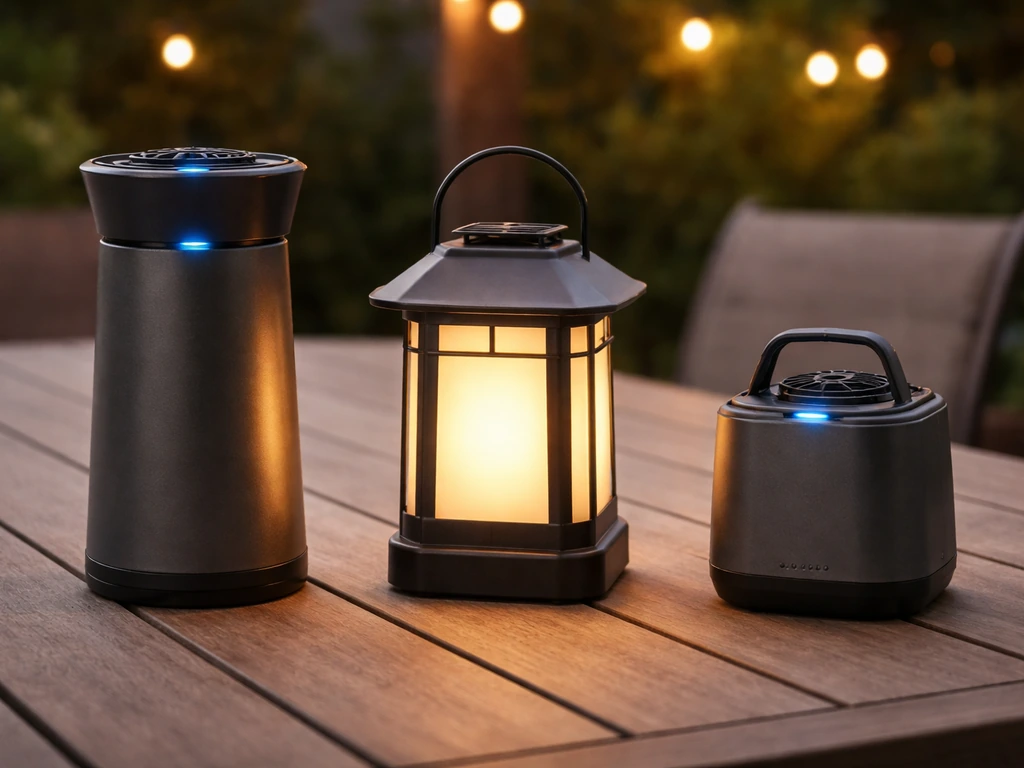
This is one of the most common questions people have, and it's honestly simpler than it seems. The core repellent technology is identical across the fuel-powered Patio Shield, Patio Shield Lantern, and Patio Shield Lantern XL. You're getting the same butane cartridge plus repellent mat system in all three. The differences come down to aesthetics, size, and whether you want ambient lighting.
| Model | Coverage Zone | Light Feature | Best For |
|---|---|---|---|
| Patio Shield (standard) | 15 x 15 ft (225 sq ft) | None | Purely functional, no-frills patio use |
| Patio Shield Lantern | 15 x 15 ft (225 sq ft) | Yes, decorative lantern glow | Patios where ambiance matters as much as function |
| Patio Shield Lantern XL | 15 x 15 ft (225 sq ft) | Yes, larger/brighter lantern | Larger tables, entertaining setups, more visible light |
| Thermacell E55 (rechargeable) | 20 ft protection zone | None | No-fuel convenience, slightly larger zone, portable use |
If you want something to sit on the table and look like it belongs there with candles and string lights, get the Lantern version. If you just want the cheapest, most functional unit and don't care about looks, the standard Patio Shield does the job. The Thermacell E55 and EX90 rechargeable models cover a slightly larger 20-foot protection zone and don't require butane, which appeals to people who don't want to manage cartridges.
If you're comparing Thermacell E55 vs patio use, the key difference is how the rechargeable personal unit handles coverage compared with the stationary Patio Shield setup. If you're deciding between the E55 and a Patio Shield, or comparing portable options to the patio lantern, those are worth exploring as separate decisions based on how you use your outdoor space.
Real-World Performance: What to Actually Expect
In calm or light-wind conditions, the Patio Shield consistently delivers on its promise. Most people who use it correctly (centered placement, turned on early, fresh mats) report a clear reduction in mosquito activity within 10 to 15 minutes. You don't notice the repellent working so much as you notice the absence of mosquitoes, which is exactly what you want.
Where It Performs Well
- Covered or semi-covered patios where air movement is limited
- Screened porches or pergolas with climbing plants that block wind
- Small to medium backyard seating areas in calm summer evenings
- Dusk and early evening use when mosquito pressure is highest
- Supplementing other mosquito control (yard sprays, standing water elimination)
Where It Struggles
- Open, exposed patios with consistent wind above 10 mph
- Very large outdoor spaces exceeding 225 square feet with no boundaries
- Areas with extremely high mosquito pressure (near standing water, wetlands)
- Situations where the unit is placed far from the activity zone
The honest limitation is that allethrin-based area repellents push mosquitoes out of a zone rather than killing them. So if you're sitting at the edge of the coverage area, or if wind is constantly disrupting the repellent cloud, mosquitoes will find their way in. Think of it as creating a buffer zone, not an impenetrable wall. Combining the Patio Shield with eliminating standing water nearby gives you noticeably better results than relying on the device alone.
Safety: Kids, Pets, Ventilation, and Handling
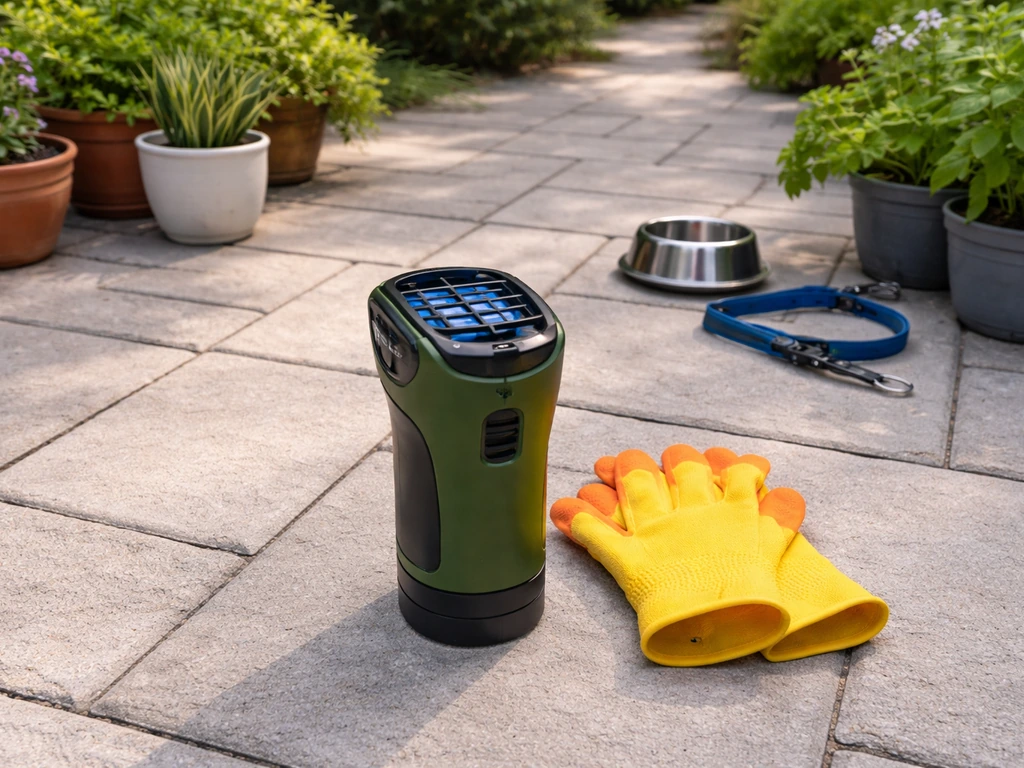
Thermacell products are EPA-registered, which means the allethrin concentration and application method have been reviewed for safety in their intended use case. That said, there are a few practical safety points worth knowing before you use one regularly. Thermacell also advises to follow the label use instructions and, if the unit gets wet, ensure it is fully dry before the next use follow label use instructions.
Around Kids and Pets
Allethrin is considered low-risk for humans and mammals at the concentrations used in Thermacell products, but it is toxic to cats and fish. If you have cats that spend time on the patio, be cautious about prolonged, enclosed-space use. Fish and aquatic animals in nearby ponds or water features can be affected if the unit is placed very close to them. For dogs and children, normal outdoor patio use is generally considered safe by the EPA registration standards. That said, keep the hot heating plate away from curious little hands and paws. The exterior of the unit gets warm during use, so treat it like any other outdoor appliance and keep it out of reach of toddlers.
Ventilation and Enclosed Spaces
The Patio Shield is designed for outdoor use only. The CDC Yellow Book also advises using spatial repellents according to the EPA-registered product label and not improvising with other application approaches. Do not use it indoors, in a fully enclosed space, or in a tent. The butane cartridge produces combustion byproducts, and the allethrin concentration in a confined space can exceed safe levels. A covered patio, pergola, or screened porch is fine because there's still adequate air circulation. A sealed room is not.
Handling and Storage
- Always let the unit cool completely before changing mats or cartridges
- Store fuel cartridges away from heat sources and open flames
- Keep units dry and store indoors or in a covered area when not in use
- Do not operate near flammable materials or fabrics
- Keep the unit upright during use to prevent butane feed issues
What Real Users Are Saying: Reviews and Ratings Roundup
Across major retail platforms and forum discussions, the Thermacell Patio Shield family sits in the 4 to 4.5 out of 5 star range, with thousands of reviews. The consensus is broadly positive, but the same complaints surface consistently, so it's worth knowing both sides before you buy.
What People Love
- It actually works in calm conditions, and people are often genuinely surprised by how well
- No DEET, no spraying yourself, no sticky skin, which is the main reason people switch from sprays
- Refills are easy to find and cost-effective compared to candles or spray cans
- The Lantern versions look good on a patio table alongside candles and lights
- Simple operation with no complicated setup or charging
Common Complaints
- Wind sensitivity is the number one complaint, and it's legitimate, open windy patios reduce effectiveness significantly
- The ongoing cost of refills adds up, especially for people who use it daily all summer
- Coverage area is smaller than people expect, so those with large patios need multiple units
- Some people report a faint smell from the heating element or repellent that bothers them
- The standard Patio Shield unit is not particularly attractive on its own compared to the Lantern versions
Reddit discussions about Thermacell tend to follow a pattern: skeptics who tried it in windy conditions and were disappointed, and enthusiastic converts who discovered it on a covered porch and won't host an evening gathering without it. The truth is both experiences are valid because the product's effectiveness is genuinely tied to conditions. People using it in the right setting (calm, semi-enclosed) almost universally like it. People expecting it to work in a breezy open yard often don't.
Buying Guide: Picking the Right Thermacell for Your Patio
Here's how to match a Thermacell model to your actual situation so you don't end up disappointed.
Small Covered Patio or Deck (Under 200 sq ft, light wind)
This is the ideal Patio Shield scenario. One unit placed centrally on the table will cover your whole space. The Lantern version is worth the small price premium if you want it to blend with your decor. Turn it on 15 minutes before you sit down and let the zone establish. One refill pack per 12 hours of use. Budget for 2 to 4 refill packs per month if you use it heavily in summer.
Medium Open Patio (200 to 400 sq ft, occasional breeze)
Consider using two Patio Shield units placed at opposite ends of your seating area, or one centrally placed unit combined with a perimeter strategy like yard treatment or a Thermacell portable unit for on-person protection. On breezy evenings, position yourself and your guests upwind of the unit so the repellent cloud drifts toward you rather than away.
Large or Open Yard Space (Over 400 sq ft, exposed to wind)
Be realistic: one Patio Shield won't solve your mosquito problem in a large open space. That is the key difference when you compare Thermacell patio shield vs Radius style coverage for open, windy yards. You'll need multiple units, yard treatment, or you should look at the Thermacell rechargeable line (E55 or EX90) which provide a 20-foot personal protection zone and are designed for portability. The EX90 in particular is worth a look for larger area coverage.
Comparing the E55 to the Patio Shield line, or looking at how the Patio Shield stacks up against models like the MR450 or MR300 portable units, can help you figure out whether a portable or stationary unit better fits your setup. If you're also considering models like the MR450, it helps to compare how the portable unit’s protection zone and setup differ from the Patio Shield.
If you're comparing options like the Thermacell MR300 portable unit, you'll want to factor in its personal-use coverage and how it handles outdoor breezes.
High Mosquito Pressure (Near water, wetlands, dense vegetation)
The Patio Shield can help but won't be enough on its own. Layer it with other control: eliminate standing water within 30 feet of your seating area, use a yard spray or granular treatment a day or two before outdoor events, and consider a Thermacell portable unit as a personal backup. The Patio Shield works best as one part of a strategy, not the whole solution, in high-pressure environments.
Quick Decision Guide
| Your Situation | Best Pick | Notes |
|---|---|---|
| Small covered patio, calm evenings | Patio Shield Lantern or standard Patio Shield | One unit is enough; Lantern adds ambiance |
| Medium open patio, light breeze | Two Patio Shield units or one unit + portable | Place centrally; be upwind of unit |
| Large open yard or windy space | E55 or EX90 rechargeable models | Fuel-powered patio units lose effectiveness in wind |
| High mosquito pressure area | Patio Shield + yard treatment combo | Layer strategies for best results |
| Entertaining, care about looks | Patio Shield Lantern XL | Doubles as a decorative lantern |
| Hate buying refills, want convenience | Thermacell E55 rechargeable | No butane cartridges; USB rechargeable |
Bottom line: the Thermacell Patio Shield is a genuinely effective product when used in the right conditions. Buy it, set it up correctly, manage your expectations around wind and coverage, and most people find it becomes a non-negotiable part of their outdoor routine. The Lantern version is worth the extra few dollars if aesthetics matter to you. If you're on the fence about fuel-powered versus rechargeable, think about how much you value not managing butane cartridges versus having a slightly larger protection zone and more portability.
FAQ
Can I use the Thermacell Patio Shield in an uncovered, windy backyard and still get good results?
You can try, but expect a smaller effective zone because gusts break up the repellent cloud. If you use it in breezy conditions, place the unit more centrally than you think you need, position guests upwind of the unit, and consider adding a second unit or combining it with water removal and yard treatment.
How many units do I need for a bigger patio or deck than 15 x 15 feet?
Treat 15 x 15 feet as the maximum calm-to-light-wind zone per unit. For larger spaces, either use multiple units spaced around the seating area (often two at opposite ends works for many patios) or pair one central unit with perimeter mosquito control, otherwise mosquitoes will enter at the edges.
Is it better to put the Patio Shield on the table center or on the ground near the chairs?
Center placement is usually best, and keeping it off the ground helps because the repellent disperses outward and slightly upward. If you set it on the ground, you can lose effectiveness because airflow patterns tend to push the vapor down or around obstacles at chair height.
Do I need to run the Patio Shield before people arrive, and for how long?
Yes. Turn it on about 15 minutes before you sit down so the zone stabilizes, then keep it running through the hangout. Starting it at the moment you step outside often leads to mosquitoes showing up before the protective buffer fully develops.
What are the signs the repellent mat is running out, and can I extend its life?
The mat color change (blue toward white) indicates depletion. You generally should not wait until it looks fully exhausted, because performance drops gradually and mosquitoes start creeping in near the zone edges. Replace when the color shows it has largely depleted.
How should I store butane cartridges and mats between seasons?
Store cartridges and mats in a cool, dry place away from direct sunlight and heat sources. Avoid storing them in an area where temperatures can swing widely (like a hot garage floor), because that can affect mat readiness and overall consistency when you reinstall.
Can I use the device near a fish pond, fountain, or indoor water feature outside?
Be cautious if the unit is very close to water with fish or aquatic life. Allethrin can be harmful to fish, so keep appropriate distance from ponds, and if the water feature is near seating, consider repositioning the unit or using alternative mosquito control methods closer to the waterline.
Is it safe to use around pets, especially cats?
Use extra caution around cats and avoid prolonged use in areas where cats spend a lot of time close to the unit. Keep the hot heating plate out of reach, supervise at first if your pet is curious, and prevent pets from knocking over the device so the mat and fuel stay undisturbed.
Can I run the Patio Shield on a screened porch or under a pergola?
Yes, it typically performs better there than fully open, windy yards because air circulation is still present. The key is that it should not be used in a fully enclosed space like a sealed room or tent, where ventilation is insufficient.
Why do some people complain it did not work at all?
Most “it never worked” cases come from one of three issues: high wind, placement at the edge of the seating area instead of near the center, or using stale/depleted mats. If you troubleshoot, start by checking mat status, then relocate to the center, and finally run it earlier to let the zone build.
Can I use multiple Patio Shield units together without problems?
Yes, multiple units can improve coverage, especially by creating overlapping zones around the seating area. Avoid clustering too tightly in one corner, and spread them so guests are not mostly sitting at the outer boundary of each unit’s effective area.
What should I do if I smell the repellent or notice unusually strong odor?
Occasional minimal odor can happen, but a noticeable increase can indicate a mat is not seated correctly or the cartridge area is affected by spills or debris. Turn the unit off, reseat the mat properly, wipe away any residue, and only restart after everything is dry and correctly installed.
Is the Patio Shield safe for indoor use if I keep a window open?
No. It is for outdoor use only. Even with windows open, a room can trap combustion byproducts from the butane cartridge and raise concentration levels above what is intended, so use it only in open-air patios or structures with real ventilation.