
The best Tiki Brand patio fire pit for most people is the Tiki Smokeless 25-inch Patio Fire Pit (Model #111900168). It handles groups of 4 to 6 people, assembles in minutes without tools, burns wood with noticeably less smoke than a traditional fire pit thanks to a patented internal airflow system, and has proven durable enough that real-world reviewers are still using the same unit after six-plus years.
Tiki Brand Patio Fire Pit Reviews: Best Models and Buying Guide

Willa Brennan
26 Jun 2026
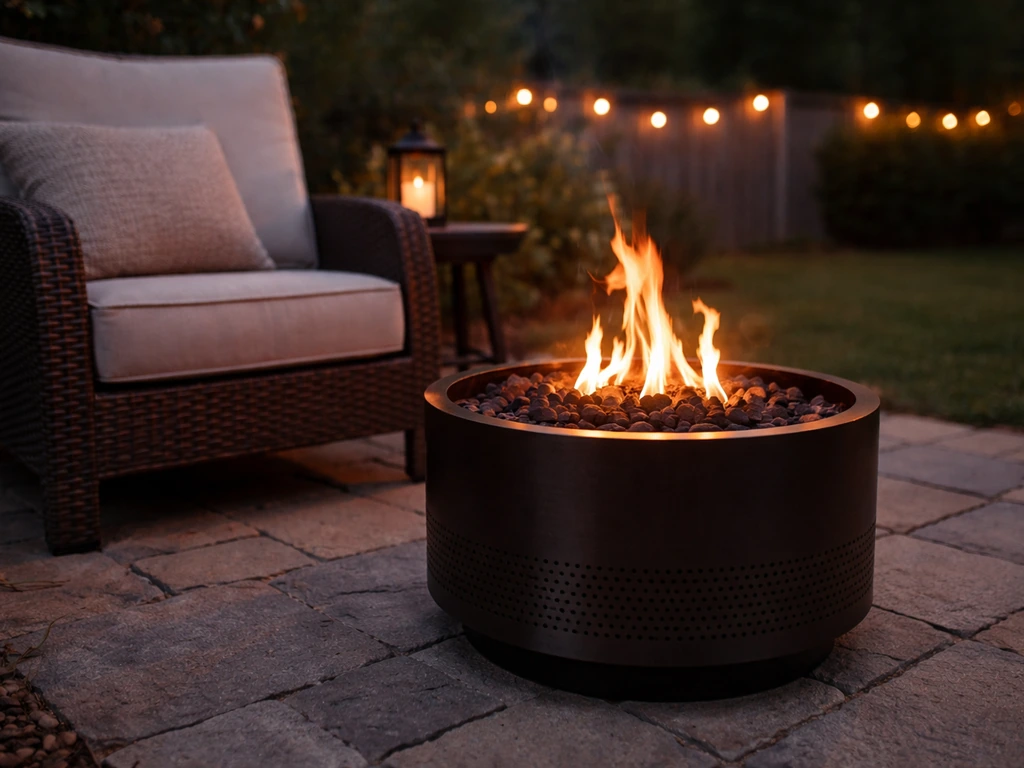
If you want propane convenience instead of wood, the Tiki Customizable Propane Gas Fire Pit at 40,000 BTUs is the better fit, just go in knowing it needs a little more maintenance attention than the marketing copy suggests. The Wayfair listing for the TIKI Brand Customizable 28. 5 Propane Fire Pit states it has a BTU output of 40,000 [40,000 BTUs](https://www. wayfair.
com/outdoor/pdp/tiki-brand-customizable-285-propane-fire-pit-includes-tabletop-insert-and-lava-rocks-black-w111098493. html).
Which Tiki fire pit fits your patio at a glance
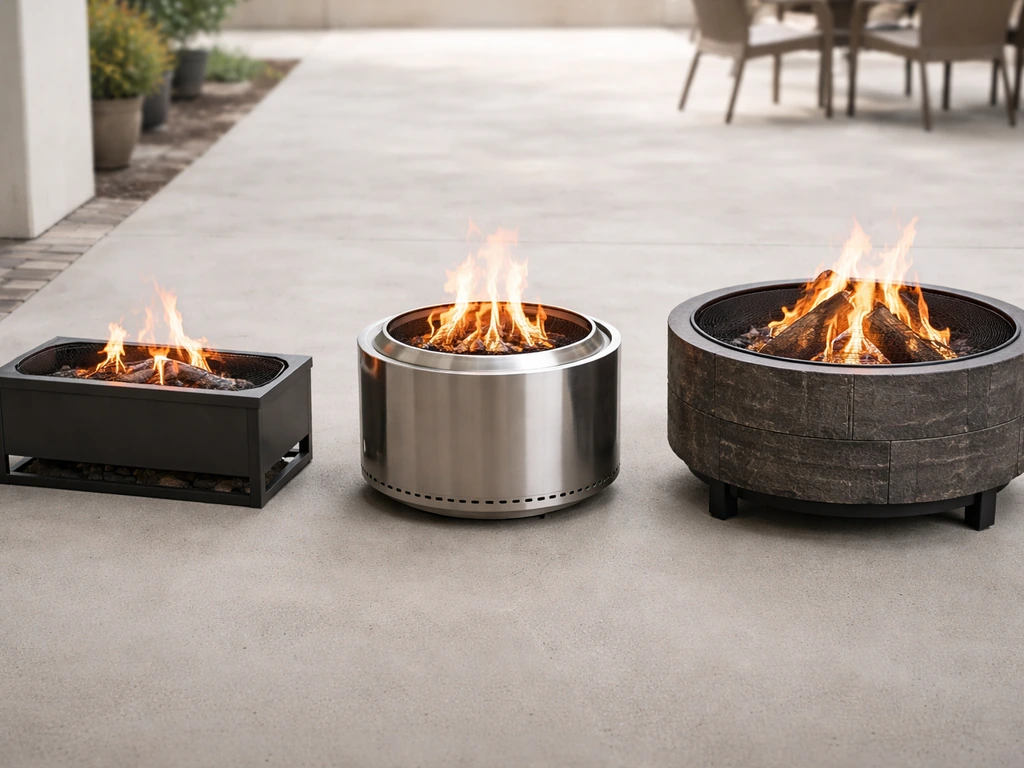
Tiki Brand offers a handful of distinct fire pit models, and the names are similar enough to cause confusion when you're shopping. Here's how they break down and who each one is actually for.
| Model | Fuel | Key Size | Best For |
|---|---|---|---|
| Patio Smokeless Fire Pit (#111900168) | Wood | 24.75" x 24.75", 18.75" tall, 43 lb | Groups of 4–6, medium patios |
| 20-inch Smokeless Social Fire Pit (#1123005) | Wood | 20 inches | Smaller patios or intimate seating for 2–4 |
| Reunion Smokeless Fire Pit (SKU 1121001) | Wood | Largest in lineup | Larger outdoor spaces, bigger gatherings |
| Retreat 21.5-inch Rectangular Smokeless Fire Pit | Wood | 21.5 inches, rectangular | Modern/linear patio layouts |
| Customizable Propane Gas Fire Pit (28.5") | Propane | 28.5-inch tabletop, 40,000 BTU | Propane convenience, modular setups |
The Patio Smokeless Fire Pit is the one you'll see most often at Home Depot and is the model with the deepest review history. The Reunion is Tiki's largest wood-burning option and is worth a look if you're hosting bigger groups. The 20-inch Social Fire Pit is the compact pick for tighter patios. The Retreat is rectangular rather than round, which suits certain deck layouts better. And the Propane Gas Fire Pit is its own category entirely since it doesn't use wood at all, it's a table-style unit with modular attachments that Tiki launched in early 2024.
Heat performance and coverage in real conditions
Tiki lists a 4-foot heat radius for both the Patio Smokeless and the Reunion models. In plain terms, that means the people sitting closest to the fire feel meaningful warmth, but anyone beyond roughly 4 feet from the edge of the bowl is mostly just enjoying the ambiance. For a group of 4 to 6 arranged in a tight circle, that works well. For a larger spread-out seating arrangement, you'll want supplemental heating.
Tom's Guide's 2026 fire pit roundup tested the 21.5-inch Retreat Smokeless and confirmed the same 4-foot radius, and noted a long 40-minute burn time along with a genuinely low-smoke flame in their tested conditions. Keep in mind that "smokeless" is a relative term. Real-world Reddit discussions point out that Tiki smokeless pits, like Solo Stove and similar designs, still produce some smoke, especially during startup, when wood is damp, or when the fire is dying down. The internal airflow system minimizes it significantly, but don't expect zero smoke at the dinner table.
The propane model tells a different story. At 40,000 BTUs, the Customizable Propane Fire Pit pushes more consistent, controllable heat than any of the wood-burning models. Forty thousand BTUs is roughly comparable to many mid-range patio heaters, enough to take the edge off a cool evening across a wider area. If you're specifically comparing different options, this totum patio heater review-style approach helps you judge heat output and real-world performance before buying. You get about 7 hours of burn time from a standard 20-pound propane tank. The tradeoff is that performance dips in wind and cold: the user guide specifically flags irregular flames in gusting wind conditions, and reduced heat performance when temperatures fall below 50°F.
Build quality, materials, and durability
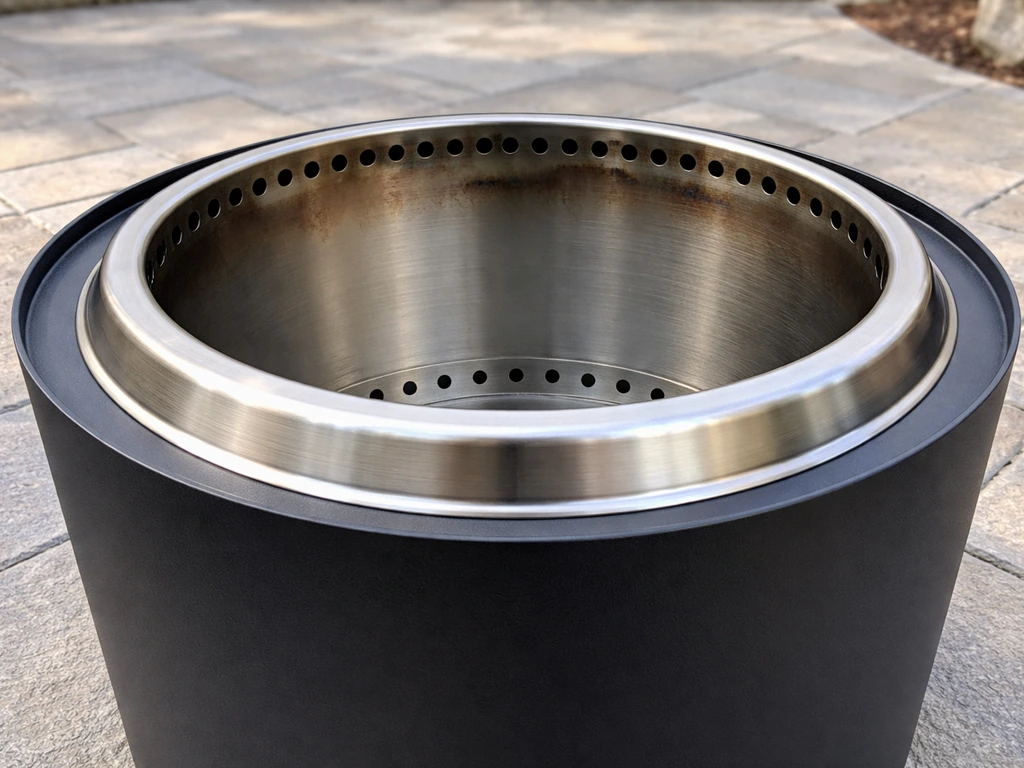
The wood-burning Patio Smokeless Fire Pit is built in black metal with a stainless interior. One Home Depot reviewer who has used theirs for six years noted the interior is "finally losing the coating" with some rust appearing, but that's six years of regular outdoor wood burning, which is genuinely impressive longevity for a fire pit in this price range. Every model ships with a weather-resistant cover, and keeping it covered when not in use is the single biggest thing you can do to extend lifespan.
The propane model has a more mixed track record in reviews. Home Depot customers have flagged rusting on screws and foot pads, which suggests the hardware spec is the weak point rather than the main body. If you live near the coast, pay attention: Tiki's own user guide for the propane model explicitly warns that salt-air environments accelerate corrosion and instructs owners to check for corroded areas frequently and repair them before operating. That's not a dealbreaker, but it is something to take seriously if you're within a few miles of the ocean.
All models come with a 2-year limited warranty. The Reunion adds a stand and TIKI Brand fire starter in the box alongside the weather-resistant cover. The Costco listing for the 25-inch Celebration Smokeless Fire Pit confirms the 43-pound weight class, which means these are moveable but not something you'll casually carry across the yard by yourself.
Ease of use: lighting, fuel, and cleanup
Wood-burning models
Setup is legitimately easy. The Patio Smokeless Fire Pit is a 2-piece assembly with no tools required, reviewers consistently describe it as quick and straightforward. The Costco version of the 25-inch model also advertises no-tools assembly. Once assembled, lighting is standard fire-starting: Tiki includes a fire starter with some models, and the internal airflow design helps fires catch and sustain well.
If you are also researching big timber patio heater reviews, the key is matching the heat output and coverage to how you plan to use your outdoor space fire pit. The removable ash pan is a genuine quality-of-life feature. You slide it out, dump the ash, and you're done. One reviewer helpfully noted that the stainless interior sits recessed inside the black exterior shell, so you don't need to clean the stainless at all, it's naturally contained.
Propane model
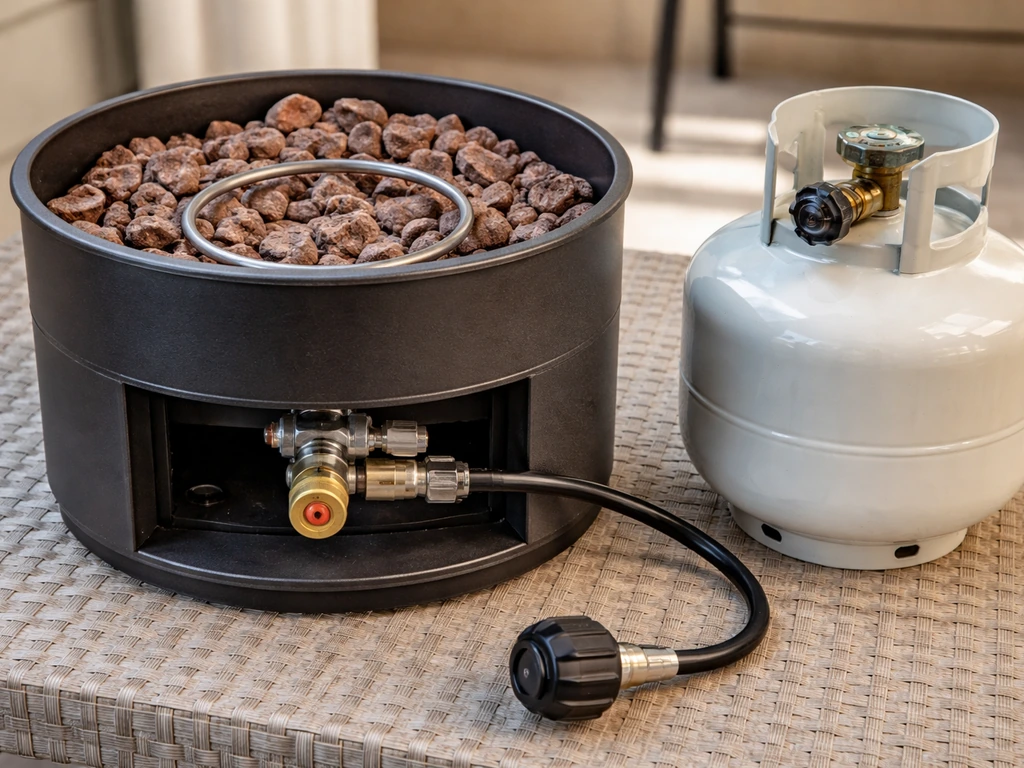
The propane unit is more involved to use correctly. After any exposure to rain or moisture, you're required to heat the lava rocks at maximum setting for 30 full minutes before actually using the fire pit. That seasoning step is non-negotiable for safe operation, so factor that into your plans if you live somewhere with frequent rain.
Ignition issues pop up in real-world use, there's a Reddit thread about popping noises on first use, and the troubleshooting guide addresses blocked burner ports and thermocouple faults as common causes of irregular flames or flames that won't stay lit. These aren't unusual for propane fire pits generally, but they're worth knowing about before you buy.
For readers specifically looking for thermo tiki patio heater reviews, the propane usability and safety notes are a good starting point before you compare models. The built-in tip sensor and flame sensor are genuinely useful safety additions.
For storage, the propane model requires that you disconnect and remove the propane tank before bringing anything indoors, and the tank must be stored outside. The fire pit body can go inside, but the tank cannot, a standard propane safety rule that Tiki's guide reinforces clearly.
Running costs, efficiency, and how Tiki compares to other patio heaters
For the wood-burning models, fuel cost is as low as it gets in patio heating. A bundle of firewood or a bag of wood packs runs a few dollars per session. The trade-off is variable heat output, some smoke, and ash cleanup, things that a propane or electric solution avoids entirely. If you want a quick shortcut, check the trustech patio heater reviews for real-world feedback on comfort, heat output, and reliability.
The propane model gives you 7 hours per 20-pound tank. A standard 20-pound propane tank runs roughly $20 to $25 to refill, putting your cost at around $3 to $4 per hour of heat. That's pretty typical for a 40,000 BTU propane fire pit. For context, an electric infrared patio heater in the 1,500-watt range costs about $0.
20 to $0. 25 per hour at average US electricity rates, dramatically cheaper per hour, though electric heaters deliver radiant heat rather than the fire-and-flame experience. If running costs are your primary concern, electric or infrared heaters (like those from Infratech or similar brands) win on efficiency. If you want, check out infratech patio heaters reviews for how infrared performance compares to propane and wood on similar patios.
If you want the fire atmosphere, propane is the practical middle ground between wood and electric.
| Heat Source | Avg. Cost Per Hour | Heat Output | Fire Ambiance | Best Setting |
|---|---|---|---|---|
| Wood (Tiki Smokeless) | ~$1–2 (wood) | Variable, 4-ft radius | Yes | Casual outdoor evenings |
| Propane (Tiki 40K BTU) | ~$3–4 (propane) | 40,000 BTU, broader spread | Yes (gas flame) | Convenience-focused patios |
| Electric/Infrared heater | ~$0.20–0.25 | Consistent radiant heat | No | Covered patios, efficiency priority |
If you're specifically deciding between the Tiki propane fire pit and a standalone propane patio heater tower, the fire pit wins on ambiance and social experience. A tower heater typically covers a larger radius and is easier to reposition, but it doesn't replace the campfire feel that draws people to fire pits in the first place. If you want a focused gtech patio heater review for a tower-style unit, compare BTU output and wind performance before you buy. For covered patios, an electric infrared heater is almost always the safer and more efficient choice regardless of brand, open-flame fire pits, including Tiki's, should not be used under low-hanging structures or awnings per their own safety guidelines.
What to look for in reviews and how to pick the right model
Red flags to watch for
- Rust appearing in the first 1 to 2 years: minor rusting after 5+ years is normal, but early rust suggests the unit wasn't covered or may have a hardware quality issue — check review dates against purchase dates
- Propane ignition complaints piling up: a few popping or ignition issues are normal, but if multiple reviewers mention persistent ignition failure, blocked ports, or the flame going out repeatedly, that's a pattern worth taking seriously
- Smoke complaints on a 'smokeless' model: some smoke is always normal, but if reviewers describe heavy, constant smoke, the airflow system may not be functioning correctly or the wood being used is too wet
- Assembly confusion or missing parts: Tiki's wood-burning models are supposed to be tool-free and simple — repeated complaints about confusing instructions or missing hardware are a warning sign for that specific production run
- Tip-over or stability issues: the 43-pound weight helps stability, but check reviews for any mention of the stand wobbling or the bowl sitting unevenly on uneven surfaces
How to match model to your patio
- Small patio or balcony (under 150 sq ft): The 20-inch Smokeless Social Fire Pit (Model #1123005) is the right size. It's compact, lighter, and keeps you within the 15-foot clearance from structures that Tiki requires for all their fire pits.
- Medium patio with 4–6 people: The 25-inch Patio Smokeless Fire Pit (Model #111900168) is the sweet spot. Six years of real-world durability data, easy assembly, and a proven design at a mid-range price point.
- Larger backyard or hosting bigger groups: The Reunion Smokeless Fire Pit (SKU 1121001) is Tiki's largest wood-burning model and comes with a stand and fire starter included.
- Propane convenience or a table-style setup: The Customizable Propane Gas Fire Pit (28.5-inch) gives you 40,000 BTUs, modular attachment options, and instant-on convenience. Be prepared for the seasoning step after rain and keep an eye on hardware corrosion.
- Covered patio or enclosed space: None of the Tiki fire pits (wood or propane) are rated for covered or enclosed use. For those setups, an electric or infrared patio heater is the right category entirely.
Quick safety setup checklist before first use
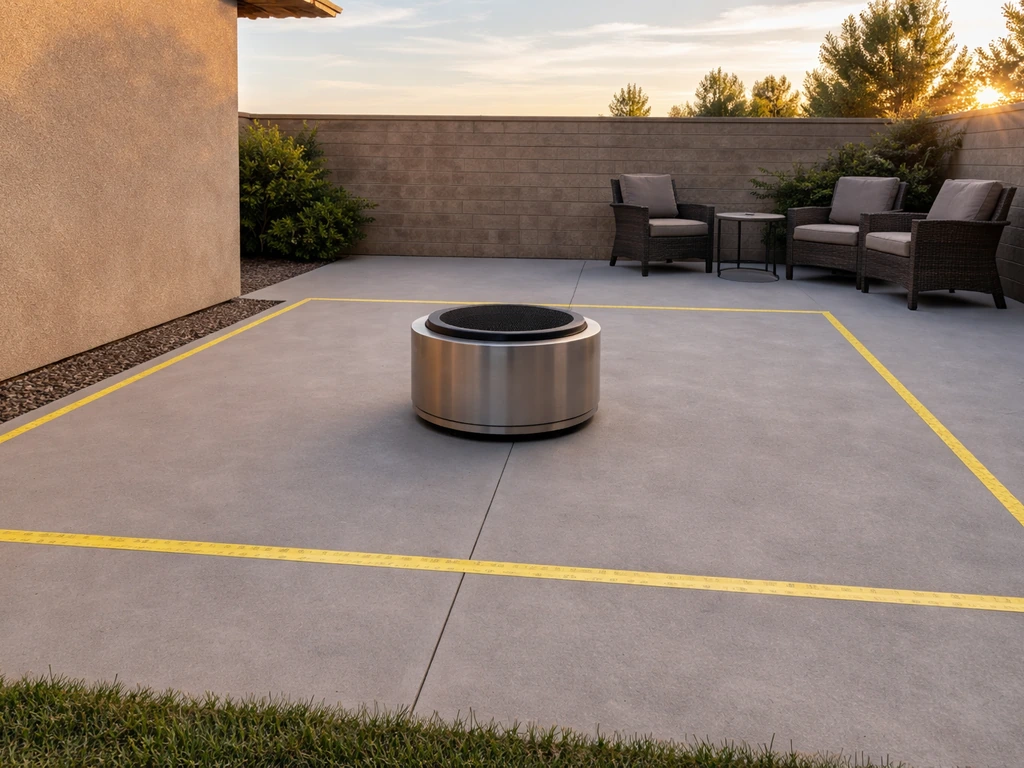
- Place the fire pit at least 15 feet from any wall, structure, awning, dry grass, or combustibles
- Never use under a covered patio, pergola, or low-hanging tree branches
- For the propane model: season lava rocks at max heat for 30 minutes before first use, and repeat after any rain exposure
- For the propane model: disconnect and store the propane tank outdoors whenever storing the unit indoors
- Keep the weather-resistant cover on whenever the fire pit isn't in use — this is your best defense against rust and weather damage
- For the propane model: inspect burner ports and hardware for corrosion at the start of each season, especially if you're near the coast
Bottom line: Tiki Brand builds a genuinely solid fire pit for the price, particularly in the wood-burning smokeless lineup where the 25-inch Patio model has the longest real-world track record. The propane model is more feature-rich but requires more maintenance discipline. A detailed lil timber patio heater review can help you compare heat output, safety features, and real-world performance side by side. Know your patio size, check whether you need open-flame clearance, and choose accordingly, you'll get a fire pit that delivers real ambiance with less hassle than a traditional campfire setup.
FAQ
Are Tiki Brand smokeless fire pits actually smokeless at the dinner table?
If you want the most consistent “less smoke” experience, pick the 25-inch Patio Smokeless. For the most demanding real-world situations (rain-soaked wood, wind, and late-stage ember-only burns), even smokeless designs can still smoke, so plan for a starter or dry firewood storage rather than expecting zero smoke every time.
How do I judge whether the 4-foot heat radius is enough for my patio layout?
Measure from where people sit to the outside edge of the fire bowl, not to the center. With the roughly 4-foot effective heat radius, you can often seat 4 to 6 in a tight circle comfortably, but if your group spreads out, adding a second heat source or using taller seating arrangements will do more than buying a larger Tiki unit.
Can I use a Tiki fire pit under a pergola, awning, or covered patio?
Yes, but only if you follow the open-flame clearance rules and avoid using it under a structure that restricts airflow. In practice, covered patios tend to work poorly because heat and smoke get trapped; use an electric infrared heater for awnings and low ceilings, or keep Tiki for open or well-ventilated areas.
What are the most common propane usability problems, and how can I prevent them?
For propane, you should expect more maintenance discipline than the wood models, especially after moisture exposure. Plan on checking burner ports and ensuring the thermocouple is functioning (as indicated in the troubleshooting guide), and keep lava rocks properly seasoned so ignition stays reliable.
How do these Tiki models perform in wind?
In windy conditions, wood-burning can extinguish and propane can show irregular flames, so treat wind as a sizing and placement issue. Choose a sheltered corner, keep combustible materials downwind, and avoid running at high output when gusts are frequent to reduce flame instability.
Do I really need to season the lava rocks every time it rains?
The propane unit specifically requires heating the lava rocks at maximum for 30 full minutes after rain or moisture before normal use. If your evenings are in the post-rain window, schedule a “drying” session earlier or store the unit covered and protected to avoid interruption.
Can I bring the propane fire pit indoors for storage during winter?
Not exactly. You can store the fire pit body indoors if you want, but the propane tank must remain outside and disconnected. If you have limited outdoor storage, plan for safe tank storage options first, then confirm the body’s size and weight fit your intended indoor space.
What should coastal homeowners do differently with the Tiki propane model?
Yes, but corrosion tends to show up first on hardware in the propane model, like screws and foot pads, not necessarily on the main body. If you live near the coast, do frequent visual checks for corrosion before operating and consider keeping it covered to reduce salt-air exposure.
How do maintenance requirements compare between the wood and propane Tiki models?
Switching from wood to propane can change your cleaning routine more than your heat feel. Wood needs ash dumping and periodic interior attention, while propane needs burner and ignition troubleshooting familiarity and lava rock seasoning after moisture.
Is the Tiki smokeless fire pit easy to move around the yard?
Weight matters if you plan to move it often. The 43-pound class units are movable for one person, but still awkward for frequent repositioning, especially if your patio has steps or uneven surfaces, so verify you can handle it safely before assuming portability.