
Endless Summer makes a range of outdoor heaters, and the tabletop-friendly options fall into two main camps: compact electric models like the "New Orleans" (EWUR810SP), which runs on a 1,200-watt halogen bulb and plugs into a standard 120V outlet, and LP gas fire pit combos like the "Dakota" (GAD19101ES) and "Brooks" (GAD15290ES), which burn propane and deliver far more heat but take up more space.
Endless Summer Tabletop Patio Heater Buying Guide

Willa Brennan
28 Apr 2026
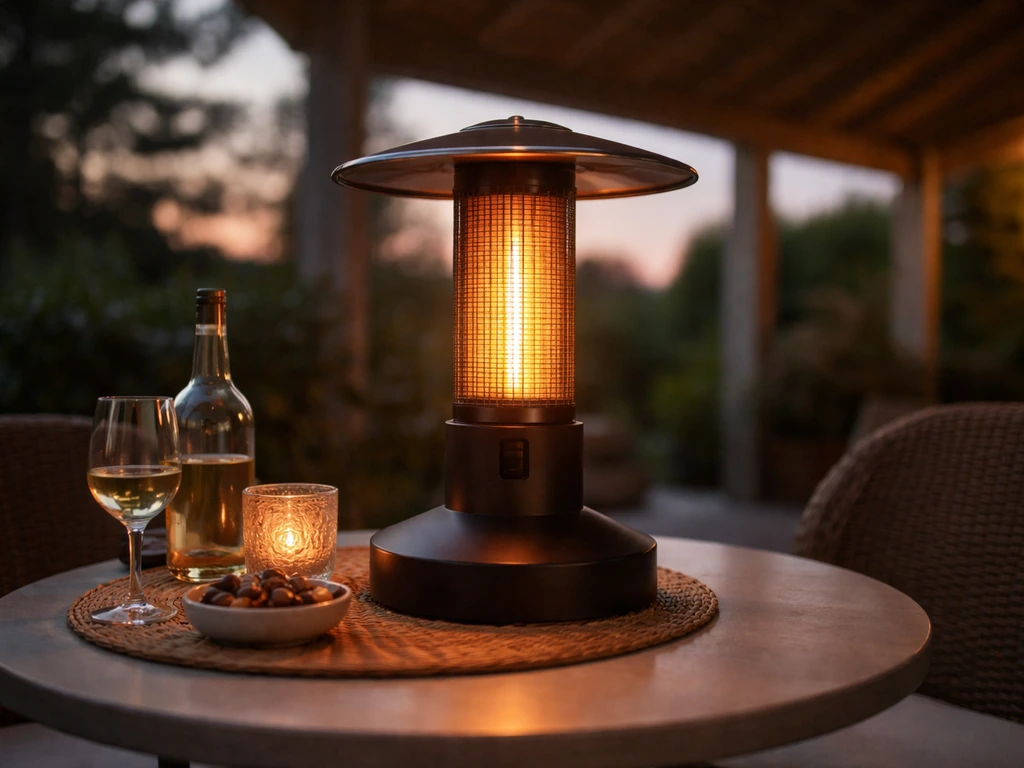
If you want something that actually sits on a dining table without dominating it, the electric halogen units are the practical pick. If you want serious warmth for a small patio gathering and don't mind a tabletop fire pit aesthetic, the LP gas models are worth considering. Neither is a universal winner, but knowing which fits your situation saves you from a return trip.
What Endless Summer tabletop heaters actually are (and who they're for)
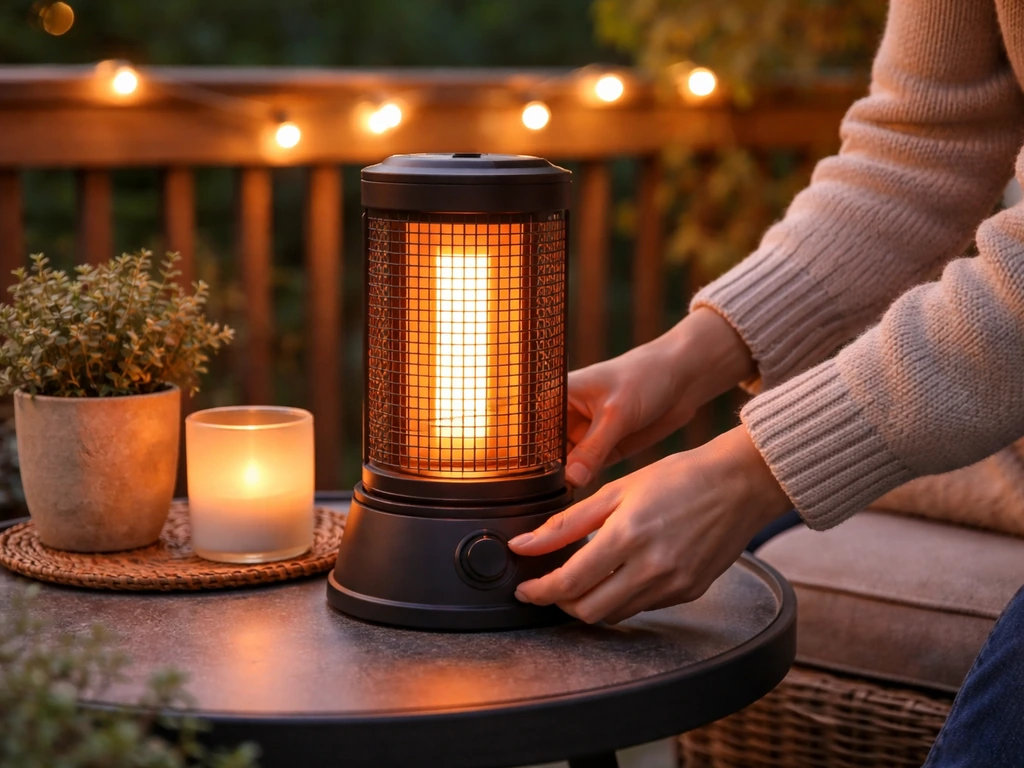
Endless Summer is a brand under the Blue Rhino/Suburban umbrella that positions itself squarely at the casual homeowner market. The tabletop electric models use infrared-style halogen heating, which means they warm people and objects directly rather than heating the surrounding air. That's actually an advantage outdoors, where warming the air is mostly pointless. The gas models in the lineup lean more toward decorative fire pit territory, adding ambient flame to the heat equation, but they're larger and need a propane tank nearby.
These heaters are best suited for people with small to medium patios, balconies, or screened porches who want quick supplemental warmth without a permanent installation. They're not designed to heat a large open yard on a cold night. Think of them as "take the chill off" tools for a 2-to-4 person dining setup, not primary heaters for a full outdoor living room. If that matches your situation, you're in the right place.
Key specs you need to compare before buying
Don't just look at the price tag. These are the numbers that actually determine whether a heater will work for your space.
| Spec | Endless Summer EWUR810SP (Electric) | Endless Summer Dakota GAD19101ES (LP Gas) | Endless Summer Brooks GAD15290ES (LP Gas) |
|---|---|---|---|
| Heating method | Halogen radiant (infrared-style) | LP gas (dual burner) | LP gas |
| Heat output | 1,200W / ~4,095 BTU equivalent | 41,000 BTU total (30K upper + 11K lower) | Not specified in manual |
| Fuel/power | 120V grounded outlet (GFI required) | LP propane tank | LP propane tank |
| Coverage area | Up to 12-foot circle | Small-medium patio (5,000–15,000 BTU tabletop range typical) | Small-medium patio |
| Ignition | Switch/plug-in | Push-and-turn electronic ignition | Push-and-turn with ODS pilot |
| Weather resistance | Outdoor rated; keep dry, no rain use | Outdoor rated; wind limit 10 mph | Outdoor rated; wind limit 10 mph |
| Best for | Covered patios, balconies, table use | Open patio, decorative + heat combo | Open patio, fire pit aesthetic |
One thing to keep in mind: the blank" rel="noopener noreferrer">Dakota's 41,000 BTU figure sounds massive, and it is, but that's a fire pit first, tabletop heater second. The electric EWUR810SP is genuinely compact and designed to sit on or near a table. If your goal is true tabletop heating, the electric model is the more honest fit. General industry sizing guides put tabletop heaters in the 5,000–15,000 BTU range for close-range warmth, and the electric unit sits right in that zone.
Sizing your heater to your patio
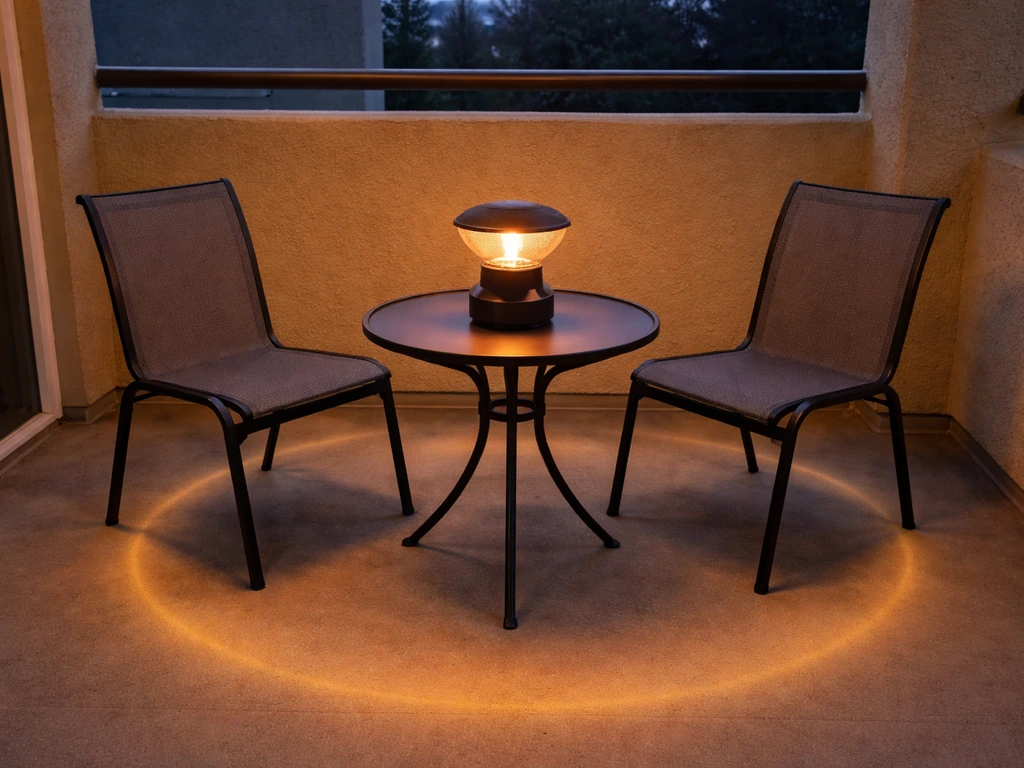
Coverage claims on packaging are always best-case numbers. The EWUR810SP is rated for a 12-foot circle, which is reasonable for a calm evening on a covered porch but will shrink considerably in a breeze or on an open deck. Here's how to think about sizing practically:
- For a 2-person bistro table on a balcony or small covered patio: one electric tabletop unit like the EWUR810SP is enough.
- For a 4-person dining table on an open patio: one tabletop heater provides personal warmth for the closest 1-2 seats. Consider two units or a freestanding floor heater for even coverage.
- For anything larger than a 10x12 foot seating area: tabletop heaters are supplemental at best. You'll want a standing or wall-mounted unit as your primary source.
- Placement distance: position the heater within 3-5 feet of seated guests for meaningful warmth from a halogen unit. Beyond 6 feet, infrared drop-off becomes noticeable.
- Wind matters more than patio size: on windy nights, even a well-positioned heater loses effectiveness fast. The gas models shouldn't be operated in winds above 10 mph.
If your patio is partially enclosed (fence on two sides, pergola overhead), you'll get noticeably better performance from any tabletop heater because the reflected heat stays near people instead of blowing away. That's usually the sweet spot for these units.
Safety, ventilation, and placement rules
This section matters more than most people realize. Both the electric and gas models have specific requirements that aren't optional.
Electric model (EWUR810SP) safety rules
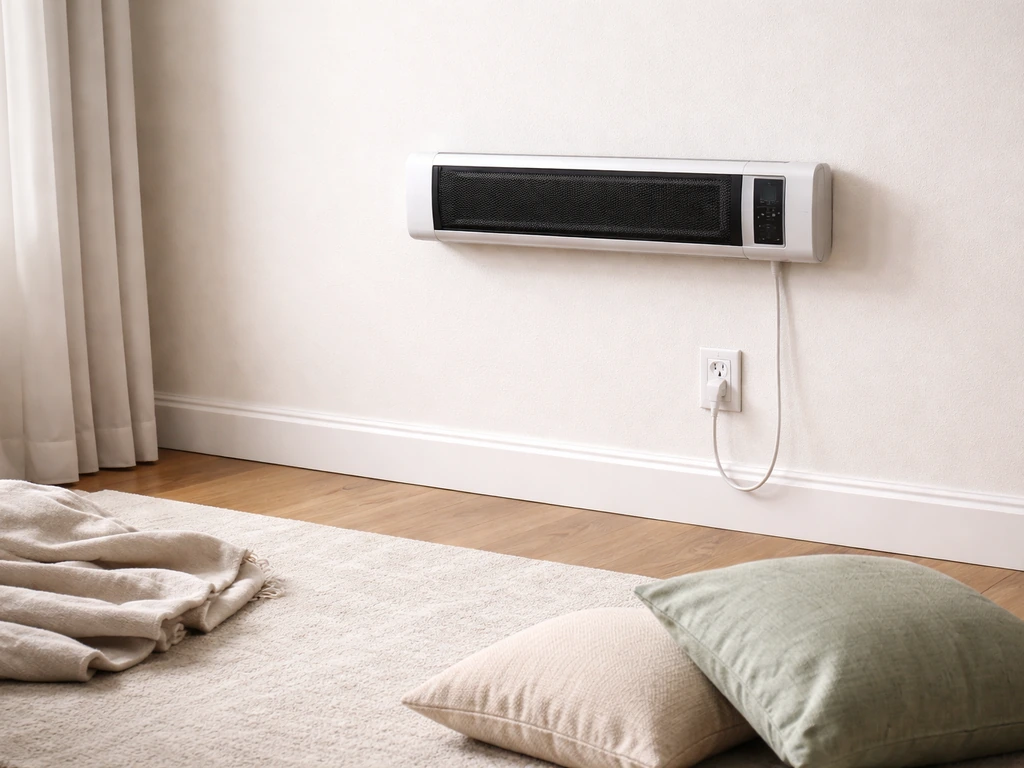
- Keep at least 3 feet (0.9 m) of clearance from combustibles in front of the heater: furniture cushions, throw pillows, curtains, papers, clothing.
- Always plug into a GFI (ground fault interrupter) protected outlet. Do not use without GFI protection outdoors.
- Never use during rain or leave the heater or cord exposed to moisture.
- Keep cords away from foot-traffic areas to prevent tripping. Don't drape cords over table edges where children can pull them.
- If using an extension cord, use a minimum 16 AWG cord rated for at least 1,500 watts.
- Allow about 45 minutes for the unit to cool before moving or storing it after use.
- Do not leave the heater running unattended, and keep children and pets away from the heat source.
LP gas model safety rules
- Never use indoors or in fully enclosed spaces. LP gas combustion consumes oxygen and produces carbon monoxide.
- Endless Summer's ODS (oxygen depletion sensor) pilot system shuts off the gas valve if oxygen drops below 16% by volume, and CO must not exceed 100 ppm under test conditions. But this is a safety backstop, not an invitation to use in enclosed areas.
- Do not operate in winds over 10 mph. Performance drops and flame behavior becomes unpredictable.
- Efficiency is reduced below 40°F (5°C). The unit still works but expect lower output.
- Never attempt to convert a propane model to natural gas. Endless Summer explicitly states this voids the warranty and releases the manufacturer from responsibility.
- Keep the propane tank upright and stable. The Dakota includes adjustable feet for balance on uneven surfaces.
For covered patios specifically: electric is the safer choice under a roof, pergola, or awning because there are no combustion gases to worry about. If you're using a gas model under a covered area, make sure the space is open on at least two sides with good airflow. A tight 3-season room with walls is not appropriate for a propane fire pit.
Day-to-day use and keeping your heater in good shape
Starting up safely
For the electric model, startup is as simple as plugging in and switching on, but always inspect the cord and the halogen bulb housing for cracks or debris before use. For the gas models, use the push-and-turn electronic ignition. If ignition doesn't catch within 5 seconds, turn the knob to OFF, wait a full 5 minutes to clear any accumulated gas, then try again. Don't rush this. Trying to relight immediately after a failed attempt is how accidents happen.
Dealing with wind
Wind is the enemy of any outdoor heater, but you can minimize its impact. Position the heater so the heating element faces the seating area and the unit's back is to the prevailing wind direction. On an open patio, even a lightweight windscreen or seat-height planter barrier helps a lot. For gas models, don't operate if wind is consistently above 10 mph. For the electric model, wind won't extinguish the heat source but it will reduce felt warmth significantly, so closer placement to guests matters more on breezy nights.
Cleaning and maintenance
- Electric model: wipe down the reflector housing with a dry cloth when cool. Check the halogen bulb periodically for darkening or cracking, which signals it's time to replace.
- Gas models: inspect the burner and venturi tube each season for blockages (spider webs, debris). A blocked venturi tube can cause flashback, where the flame burns at the wrong end. Clean it out with a small brush before the first use of the season.
- For thermocouple issues on gas models: disconnect the LP tank, clean around the thermocouple with a dry cloth, reconnect, and relight per the startup procedure. If problems persist, the thermocouple likely needs replacement.
- Store both types in a dry location when not in use for extended periods. A weather-resistant cover keeps debris out of gas burner components between uses.
Setup and installation: what you actually need to do
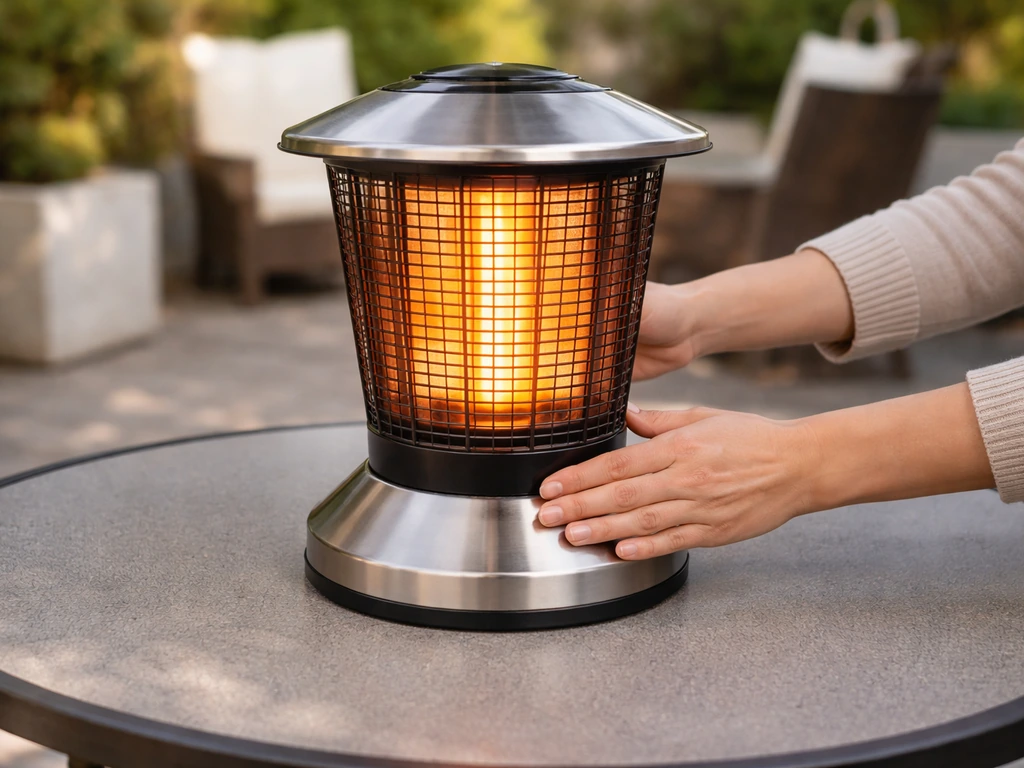
One of the biggest selling points of Endless Summer tabletop heaters is that there's essentially no installation. The electric EWUR810SP plugs into any outdoor GFI outlet. Place it on a stable, level surface, make sure clearances are met, and you're done. The gas models need a standard 1-pound or 20-pound propane tank connected via the regulator hose, and the Dakota's adjustable feet mean you can stabilize it on slightly uneven decking.
Neither model requires mounting, hardwiring, or professional setup. That portability is a real advantage: you can move the heater to wherever people are sitting, bring it inside at the end of the season, or take it to a tailgate. If you eventually want something more permanent, wall-mounted or hardwired options exist in other categories, but for flexibility and ease, tabletop units are hard to beat.
Controls on the electric model are minimal: an on/off switch. The gas models use a push-and-turn knob with variable flame adjustment, which gives you some control over heat output and runtime. Higher flame equals faster propane consumption, so dialing it back on milder evenings stretches your tank.
How Endless Summer tabletop heaters compare to other patio heater types
Before you commit, it's worth knowing where tabletop heaters fit in the broader landscape. This comparison will tell you quickly if you're buying the right category of heater at all.
| Heater Type | Typical BTU/Output | Coverage | Portability | Cost (approx.) | Best Use Case |
|---|---|---|---|---|---|
| Tabletop propane (like Endless Summer gas) | 5,000–15,000 BTU | Close-range (3–6 ft) | High | ~$75–$150 | Small patio, 2–4 people, portable warmth |
| Tabletop electric/halogen (like EWUR810SP) | 1,200W / ~4,095 BTU eq. | Up to 12-ft circle | High | ~$60–$120 | Covered patio, balcony, no gas access |
| Freestanding propane tower | 40,000–48,000 BTU | Up to 20-ft diameter | Medium | $100–$300 | Open patio, 6–10 people |
| Wall-mounted electric infrared | 1,500–3,000W | Directional, 10–15 ft | Low (fixed) | ~$90–$250 | Covered patio, permanent install |
| Natural gas (hardwired/piped) | 30,000–50,000 BTU | Large area | None | $200–$600+ | Permanent outdoor kitchen/patio setup |
| Pellet heater | Varies (~10,000–20,000 BTU) | Medium range | Low-medium | $200–$400 | Off-grid, rustic aesthetic, longer burns |
The honest takeaway: tabletop heaters, including Endless Summer's lineup, are the right call when portability and ease of use matter more than raw heat output. If you're heating a small balcony or want to add warmth to a dining table without buying a dedicated freestanding tower, the EWUR810SP electric model earns its keep. Our endless summer patio heater reviews break down the electric and gas options side by side so you can pick the right one for your patio setup EWUR810SP electric model.
If you’re shopping for an outdoor patio heater table top, pay attention to how much heat it throws toward people and how well it fits your seating layout. If you want a rattan table top patio heater, use the same approach: prioritize direct, close-range warmth and make sure it will sit safely in your seating layout dining table.
If you want more heat and a fire-pit aesthetic and don't mind managing propane, the Dakota or Brooks models work, though they're really fire pits that heat as much as they are heaters that look like fire pits.
For comparisons against specific branded tabletop alternatives, brands like East Oak, Garden Sun, La Hacienda, Rattan, and Member's Mark each take slightly different approaches to tabletop heating, with some leaning more electric and others more decorative. If you are considering a La Hacienda table top electric patio heater, compare how the heat is directed toward your seating and how compact the unit is for your table setup.
If you're comparing Garden Sun options too, pay special attention to table-top footprint, heat direction, and whether the model matches your patio’s typical wind. If you’re considering the Member's Mark patio heater, focus on how well its heating matches your table layout and typical wind conditions. If you’re also looking at East Oak east oak patio heater reviews, compare BTU output, wind performance, and how direct the heat feels on a dining setup.
Endless Summer's edge is brand availability at major retailers and a solid parts/warranty ecosystem, which matters when you need a replacement thermocouple or bulb mid-season. For more firsthand comparisons like this, see endless summer patio heater reviews so you can gauge how these models perform in real-world backyard setups.
Real-world pros and cons of Endless Summer tabletop heaters
What works well
- Plug-and-play setup with no installation or tools required for electric models.
- Halogen/infrared heat feels immediate. Unlike convection heaters, you feel warmth within seconds of turning it on.
- Gas models double as decorative fire pits, which adds ambiance beyond just heat.
- Wide availability at home improvement and big-box stores means parts and replacements are easy to find.
- Electronic ignition on gas models is reliable and convenient compared to match-lit alternatives.
Where they fall short
- Heat output on the electric model (~4,095 BTU equivalent) is modest. On a cold or windy night, it's taking the edge off, not delivering serious warmth.
- Gas models are larger and heavier than the "tabletop" label might suggest, especially with a propane tank attached.
- Wind significantly degrades performance on both types. Neither is ideal for fully exposed, windy yards.
- Electric model requires a GFI-protected outdoor outlet within a reasonable cord distance, which not all patios have.
- Runtime on propane is tank-dependent. A 1-pound camping canister won't last long at full flame on a gas fire pit.
Your next steps to buy and use one confidently
- Decide on fuel type first: if you have a GFI outdoor outlet and a covered or semi-covered patio, go electric (EWUR810SP). If you want more heat and an open-flame aesthetic on an open patio, look at the LP gas models.
- Measure your seating area and check for wind exposure. If your patio is regularly windy or larger than 10x12 feet, a tabletop heater alone won't cut it. Pair it with a freestanding unit or upgrade categories.
- Check your outlet situation before buying the electric model. You need a properly grounded GFI-protected outdoor outlet within cord range.
- For gas models, decide whether you'll use 1-pound canisters (convenient, short runtime) or a 20-pound tank with hose adapter (longer runtime, less frequent refills).
- Read the startup and safety sections of the owner's manual before first use. The 5-minute wait rule after a failed ignition attempt and the 3-foot clearance rule are the two most commonly skipped steps.
- Plan for seasonal storage. Clean the burner or bulb housing at the end of the season, cover the unit, and store it dry to avoid corrosion or spider-web blockages that ruin the first use of next season.
FAQ
What distance should I plan for when using an endless summer table top patio heater?
If you want warmth on a dining table, measure the space from the heater to where people sit and prioritize models that throw heat toward seating. For the electric halogen type, closer placement usually matters more than chasing a larger “coverage circle” number, because wind can quickly shrink the felt range outdoors.
Can I plug an Endless Summer tabletop electric heater into any outdoor outlet?
In most cases, yes, but you must use a properly rated outdoor GFCI outlet and keep the cord and heater base clear of pooling water. If your outdoor outlet is not protected by a GFCI, do not use the heater until you have appropriate protection installed.
What safety checks should I do before using the gas propane tabletop models?
For gas models, use only the correct propane tank size and regulator setup intended for the unit, and inspect the hose connection for leaks before lighting. Also confirm you have clearance around the fire pit style burner, since flame and radiant heat require more spacing than the electric halogen models.
Is it ever okay to use the propane Endless Summer tabletop heater under a covered porch?
Do not run a propane tabletop heater under a roof where airflow is restricted. If it is a covered patio, keep the unit in an open-air position with ventilation on at least two sides, and avoid using it in enclosed 3-season rooms or under fully walled overhangs.
How should I maintain an Endless Summer tabletop heater between uses to keep it working well?
Yes. For the electric unit, the halogen bulb housing can be damaged by impacts, dust, or debris, so avoid repositioning it while hot and keep it clean and dry. For the gas models, check for burner obstructions and ensure the unit is level so the flame behaves correctly.
My electric tabletop heater feels weak, what are the most common causes?
If the electric heater does not warm as expected, first confirm the bulb housing is intact and free of debris, then verify the GFCI outlet is functioning (test it if your model is on a protected circuit). If the patio is breezy, move the unit closer to guests and angle it so the heating element faces them.
What should I do if the propane tabletop heater ignition won’t catch right away?
If ignition fails on the gas model, follow the sequence precisely: if it does not light within about 5 seconds, turn the control to OFF, wait a full 5 minutes, then try again. Repeated quick relight attempts after a failed start can cause gas buildup and elevate risk.
What surfaces are safe for placing a tabletop patio heater?
Both types should be used on stable, non-flammable, level surfaces. Do not place them on glass tops, unstable patio tables, or near overhanging materials like umbrellas or low-slung awnings where radiant heat or flame effects can cause damage.
How can I get longer runtime from a propane endless summer tabletop heater?
Tabletop heaters are meant for small gathering warmth, so you can extend runtime more effectively by lowering output and using wind management. For propane models, dialing the flame down on milder evenings can stretch tank life, and on breezy nights, using a barrier can improve “felt heat” without increasing fuel use.
What’s the best way to position a tabletop patio heater on an exposed deck?
Wind direction and placement are the biggest controllable variables. Position the heater so the heating element faces the seating area, keep the back to the prevailing wind, and consider a seat-height wind barrier or nearby planter as a simple deflector for breezy decks.
Is a higher BTU always better for an endless summer table top patio heater?
Not automatically, because BTU comparisons are not apples-to-apples between decorative flame fire pits and direct radiant heat. If your goal is direct close-range warmth for people at a table, the electric halogen model’s heat direction and seating proximity typically matter more than a gas model’s higher headline BTU.
Which is safer for covered areas, electric or propane?
For covered outdoor spaces, electric is generally the safer choice because there are no combustion gases. If you do use gas on a partially covered patio, make sure there is strong cross-ventilation and never operate it in a mostly enclosed or tight area where exhaust would accumulate.