
If you're searching for a Heatmax or Heatmaxx patio heater review, here's the honest answer upfront: HeatMaxx makes decent mid-range propane floor heaters (48,000 BTU, ~250 sq. ft. coverage) that are worth considering for open or semi-covered patios. The pureHeat Garage & Patio is a completely different animal: a compact 5,100 BTU electric infrared heater that covers roughly 15 sq. ft. and works best as a personal-space warmer in garages or small covered areas. Heatlab and Heatmaster are less clearly defined brands in 2026, and if you're finding sparse results under those names, treat them with caution. None of these are the best option on the market for every patio size or use case, but each fills a specific niche. This guide breaks down which one actually fits your situation.
Heatmax Patio Heater Review: Heatmaxx, Pureheat, Heatlab, Heatmaster

Quick verdict: are HeatMaxx, pureHeat, Heatlab, and Heatmaster worth it?
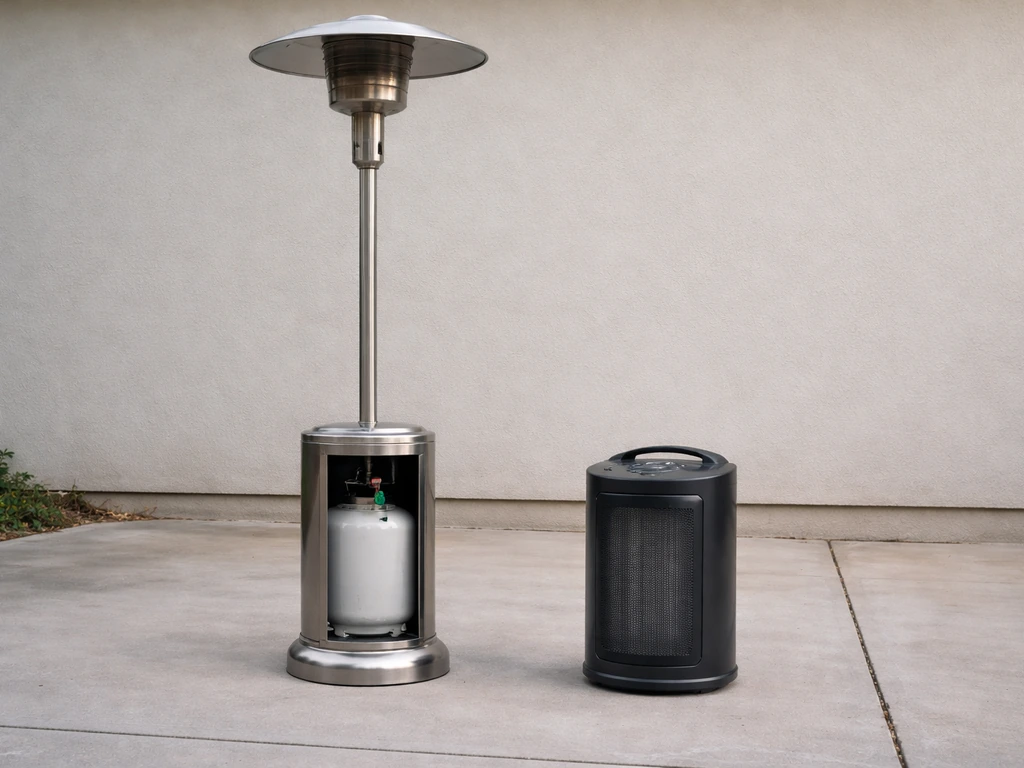
HeatMaxx earns a cautious yes for buyers who want a traditional mushroom-top propane tower heater on a moderate budget. The SRPH33A series (available at Home Depot and Tractor Supply) is CSA-certified, hits 48,000 BTU, has real safety features baked in, and handles a standard 20 lb propane tank. It's not the flashiest heater, but the specs are legitimate and the safety documentation is solid. The pureHeat Garage & Patio (GT-81827 by GreenTech) is worth it specifically if you need a wall- or floor-mounted electric infrared heater for a garage workspace or a small covered patio corner. Its 5,100 BTU output and 15 sq. ft. effective coverage area make it a personal-zone heater, not a patio heater in the traditional sense. Heatlab and Heatmaster are brand names that appear in search results but have very limited verified product documentation or retail presence as of May 2026. Until that changes, I'd skip them and stick with products that have verifiable CSA or ETL certifications, available manuals, and real retail support.
What each heater actually is: types, specs, and what they mean for you
The most important thing to understand is that 'HeatMaxx' and 'pureHeat' describe completely different product categories, even though search engines often group them together under 'Heatmax patio heater.' Getting this wrong means buying a heater that can't do the job you need.
HeatMaxx propane floor heaters (SRPH33A and SRPH68 series)
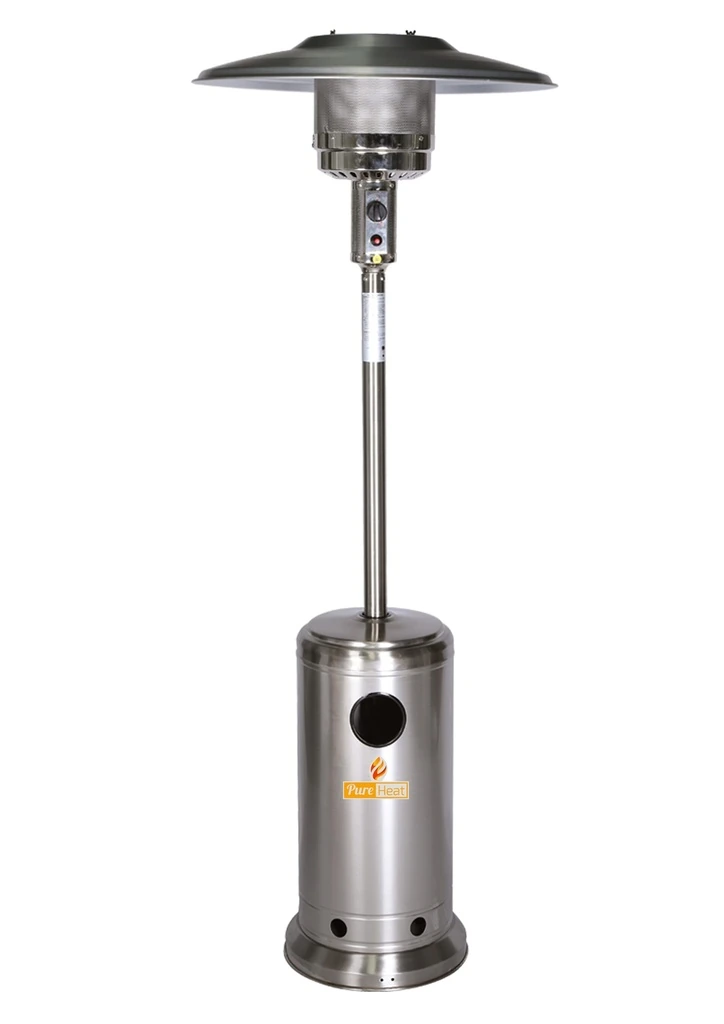
The HeatMaxx SRPH33A-645F and SRPH33A-SS are the models you'll most commonly find in stock. They're tall mushroom-top propane heaters, standing 90.55 inches (about 7.5 feet) with a 32.28-inch reflector diameter. Rated heat input is 48,000 BTU per hour, which the manufacturer claims covers 250 sq. ft. The SRPH33A-645F adds an adjustable, tilt-able reflector so you can aim heat in a specific direction rather than just radiating it in a full circle. The SRPH68 is a slightly smaller sibling at 36,000 BTU. Both connect to a standard 20 lb propane cylinder stored inside the base and use push-and-turn ignition. These are outdoor-only, freestanding heaters in the classic propane tower style.
pureHeat Garage & Patio electric infrared heater (GT-81827)
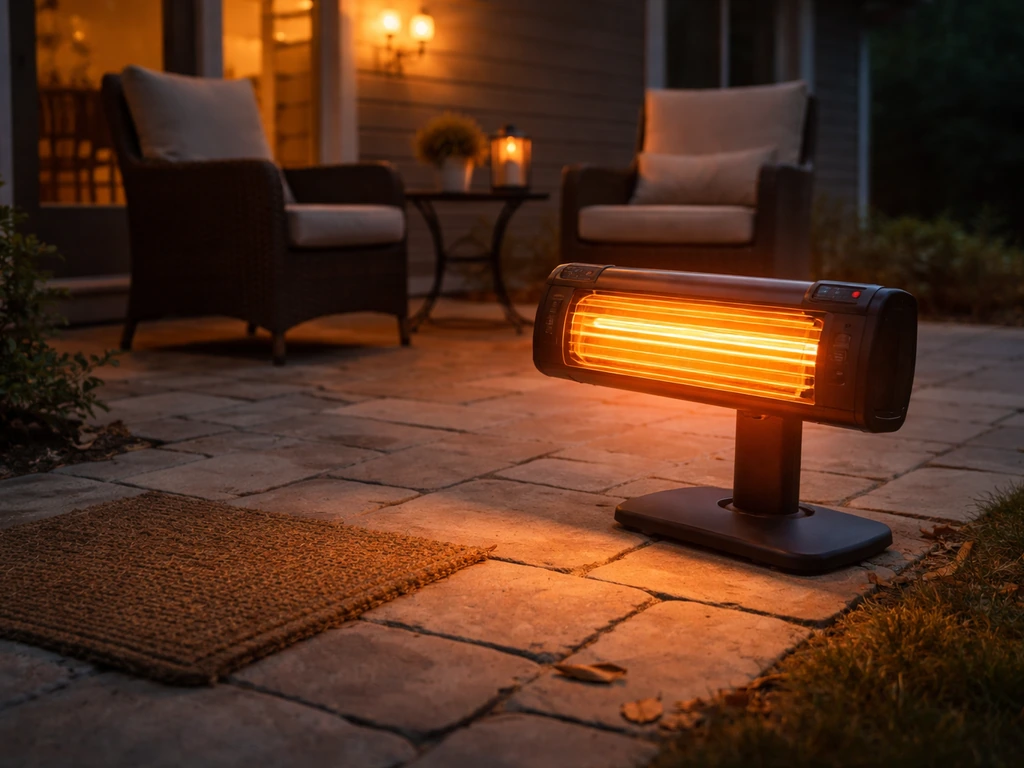
The pureHeat Garage & Patio by GreenTech is an electric infrared heater that runs on standard 120VAC/60Hz household current. Its carbon fiber heating element produces 5,100 BTU (roughly equivalent to 1,500 watts), and the effective heating area is 15 sq. ft. That's not a typo. This is a targeted personal-zone heater, not a whole-patio solution. It comes with three heating modes, a 24-hour programmable timer, remote control, and a tip-over safety shutoff. It also carries a 3-year limited warranty from GreenTech, which is better than what most propane competitors offer. Because it runs on electricity and uses infrared technology, it heats objects and people directly rather than warming the air, which makes it surprisingly effective for its size.
| Feature | HeatMaxx SRPH33A-645F | HeatMaxx SRPH68 | pureHeat GT-81827 |
|---|---|---|---|
| Fuel type | Propane (LP) | Propane (LP) | Electric (120VAC) |
| Heat output | 48,000 BTU/hr | 36,000 BTU/hr | 5,100 BTU / ~1,500W |
| Coverage claim | 250 sq. ft. | Not specified | 15 sq. ft. |
| Heater style | Mushroom-top floor tower | Floor tower | Infrared panel/portable |
| Ignition | Push-and-turn | Push-and-turn | Electric (plug-in) |
| Safety features | Anti-tilt switch + flame failure device | Anti-tilt/tip-over shutoff | 360° tip-over shutoff + 24-hr timer |
| Certification | CSA certified | Listed on device database | Not confirmed CSA |
| Warranty | 1-year limited (heatmaxheaters.com) | 1-year limited | 3-year limited (GreenTech) |
| Outdoor-only? | Yes, strictly outdoor | Yes, strictly outdoor | Indoor/outdoor rated |
Heating performance on a real patio: coverage, wind, warm-up, and hot spots
HeatMaxx propane: the 250 sq. ft. claim in practice
The 250 sq. ft. coverage figure for the SRPH33A is a manufacturer's best-case number, and like most propane mushroom heaters, you'll get that range only on a calm, relatively mild night (say, 45-55°F) with people sitting within 8-10 feet of the heater. In any wind above about 5-7 mph, coverage shrinks noticeably because propane tower heaters rely on radiant heat rising and spreading from the top reflector, and wind disrupts that pattern fast. Under a covered patio with a ceiling that traps some warmth, you'll get closer to the full 250 sq. ft. In open, breezy spaces, expect comfortable coverage in a 6-8 foot radius, not the full advertised area.
The tilting reflector on the SRPH33A-645F is a real advantage here. Being able to angle the heat toward the seating area (rather than just radiating straight up and out) helps focus warmth where people actually are. Warm-up time is typical for propane: you'll feel meaningful heat within 1-2 minutes, and the zone reaches comfortable temperature in about 5 minutes. Cold spots are an issue at the edges of the heating radius, especially at knee and foot level, which is a common limitation of mushroom-top heaters regardless of brand. If cold feet are your main complaint with patio heaters, look at infrared wall-mounted or tabletop alternatives instead.
pureHeat infrared: precise, wind-friendly, but tiny coverage
The pureHeat's 15 sq. ft. effective area is small, but its carbon fiber infrared element is genuinely wind-resistant in a way propane heaters are not. Because infrared heats surfaces and bodies directly (not the air), a breeze doesn't steal your warmth the same way. If you're sitting 3-4 feet directly in front of the unit, you'll feel real heat. Warm-up is nearly instant, under 30 seconds. The tradeoff is that you're heating one or two people in a tight zone, not a dining table of six. Think of it as a personal heater with good safety features and a solid warranty, not a full-patio solution.
Setup, operation, portability, and daily convenience
HeatMaxx propane assembly and use
Assembly for the SRPH33A is typical of propane tower heaters: you'll bolt the base, stack the pole sections, attach the burner head and reflector, and connect the hose-and-regulator assembly to your 20 lb propane cylinder. The manual specifically notes routing the hose carefully to reduce trip hazards, which is worth taking seriously. Budget about 30-45 minutes for first-time assembly. Once it's together, daily operation is straightforward: twist the valve, push and hold, then ignite with the push-and-turn control. Portability is a real convenience, since the tank tucks inside the base and you can roll or carry the whole unit around your patio. When the tank runs out, a 20 lb cylinder at 48,000 BTU/hr gives you roughly 8-10 hours of burn time at full output, less if you're running it constantly at max.
pureHeat setup and daily use
The pureHeat is plug-and-go once you've decided on placement. It runs on a standard 120V outlet, so no propane tank swaps, no hose connections, no ignition ritual. The manual notes that the unit must be positioned so the tip-over safety switch functions correctly (horizontal operation), so pay attention to mounting angle. Three heat modes and a remote control make it genuinely convenient for daily use. The 24-hour timer is a nice touch for garage use where you might want heat to turn off automatically.
Safety, indoor/garage suitability, and weather durability
This is where the HeatMaxx propane and pureHeat electric heaters diverge most sharply, and it matters a lot depending on where you plan to use one.
HeatMaxx propane: outdoor only, no exceptions
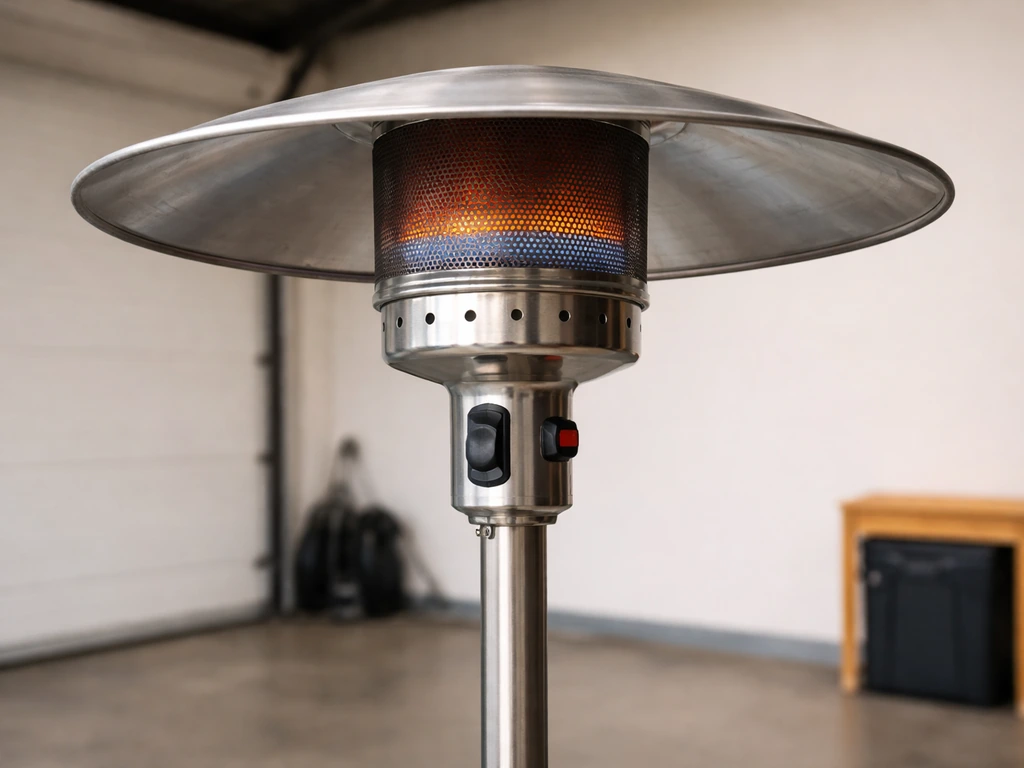
The SRPH33A manual is explicit: never use this heater in an enclosed space. That includes garages, campers, tents, or any structure with limited ventilation. The carbon monoxide hazard warning is not a formality. Propane combustion produces CO, and even a partially enclosed garage can accumulate dangerous levels quickly. The heater's anti-tilt switch and flame failure device are solid safety features for outdoor use: the flame failure device cuts gas if the pilot flame goes out unexpectedly, and the anti-tilt switch shuts off the gas if the unit tips. For rain and wet conditions, propane tower heaters can generally handle light moisture, but you should store or cover them during heavy rain and never use them in standing water. Clearance requirements in the manual should be followed: keep the reflector away from overhead structures like pergola beams or low rooflines.
pureHeat: the only option here that works in a garage
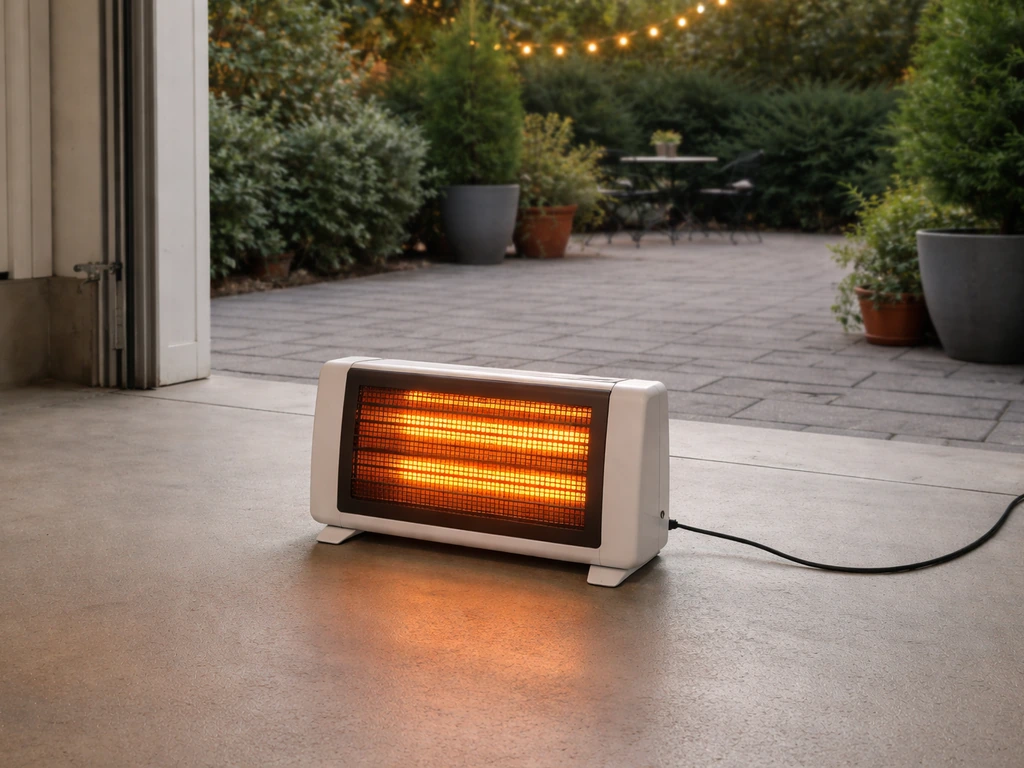
The pureHeat Garage & Patio's name is not marketing fluff. Because it's electric and uses infrared, there are no combustion gases, making it genuinely safe for indoor and garage use. The 360-degree tip-over shutoff and 24-hour timer add real safety margins for unattended or overnight use. Its weatherproof design makes it usable outdoors too, though its 15 sq. ft. effective coverage means 'outdoor use' really means a covered patio corner or a chair you're sitting in, not an open deck. If you searched 'pureHeat garage and patio heater review' specifically because you want something for a garage workshop or enclosed patio, this is the product for you and the HeatMaxx propane models are not.
Maintenance, parts, warranty, and what it costs to own long-term
HeatMaxx propane heaters carry a one-year limited warranty from heatmaxheaters.com, with standard exclusions for misuse, improper installation, and third-party component connections. One year is short compared to premium brands, so treat it as a budget-tier warranty. For maintenance, propane tower heaters need occasional spider web or debris clearing from the burner orifice (a real issue if the heater sits outdoors between uses), and you should inspect the hose and regulator for cracks or wear each season. Replacement regulators and hoses are generally generic and inexpensive. Parts availability for HeatMaxx-specific components is harder to predict since they're sold primarily through big-box retail rather than a strong direct parts network.
The pureHeat GT-81827 has a 3-year limited warranty from GreenTech, which is meaningfully better for peace of mind. Electric infrared heaters have fewer moving parts and no combustion components, so maintenance is minimal: wipe the reflector, check the cord and plug occasionally, and keep the carbon fiber element free of dust buildup. Running costs depend on your electricity rate. At a typical 1,500W draw and $0.15/kWh, you're spending about $0.225 per hour of operation, which is very competitive compared to propane. At current propane prices (roughly $3-4 per gallon in 2026), a 48,000 BTU propane heater costs approximately $0.45-0.60 per hour at full output. For frequent use, the electric pureHeat wins on operating cost, though its coverage is so much smaller that a direct comparison isn't entirely fair.
Which one fits your patio: a comparison by size and fuel type
The right heater depends on three things: your patio size, whether it's covered or open, and whether you have access to a natural gas line, a propane tank, or just an outdoor outlet. Here's how the options stack up against each other and against what else is on the market.
| Patio size / situation | Best fit from this group | What to consider instead |
|---|---|---|
| Small covered patio or garage (under 100 sq. ft.) | pureHeat GT-81827 (electric infrared) | Infrared wall-mount heaters with 1,500-3,000W output |
| Medium open patio (150-300 sq. ft.) | HeatMaxx SRPH33A-645F (48K BTU propane) | Other 46,000-48,000 BTU propane towers with better parts support |
| Large open patio or deck (300+ sq. ft.) | Neither; HeatMaxx maxes at ~250 sq. ft. | Natural gas patio heater or multiple propane units |
| Windy exposed deck | Neither of these; both struggle in wind | Low-profile infrared wall or ceiling heaters aimed at seating area |
| Garage workshop heating | pureHeat GT-81827 (only combustion-safe option) | Dedicated electric garage heaters with higher wattage |
| Frequent use / high operating hours | pureHeat GT-81827 (lower operating cost) | Natural gas patio heater if coverage needs are larger |
How HeatMaxx compares to other propane tower heaters
At 48,000 BTU and CSA certification, the HeatMaxx SRPH33A sits in the same tier as dozens of similar propane tower heaters from brands like AZ Patio Heaters, Fire Sense, and Bromic. The tiltable reflector on the 645F model is a genuine differentiator and makes it more useful than a fixed-reflector tower in real seating arrangements. Where HeatMaxx trails some competitors is in brand longevity, parts availability, and warranty length. If long-term support matters to you, a brand with a stronger direct-to-consumer parts network is worth the slight price premium. Other patio heater review roundups on this site, including looks at brands like Paramount and Mosaic, give you good benchmarks for what competing propane towers offer at similar price points. If you're also comparing styles from other brands, a Mosaic patio heater review can help you benchmark coverage and build quality for similar budgets. If you're also considering a Paramount patio heater, check this guide for how it stacks up in coverage, safety, and real-world performance.
How pureHeat compares to other electric infrared heaters
The pureHeat's 3-year warranty and carbon fiber element put it ahead of cheap infrared space heaters, but its 15 sq. ft. effective coverage is genuinely limited. For a covered patio or screened porch, a ceiling-mounted or wall-mounted infrared heater in the 1,500-4,000W range will heat 50-150 sq. Tom's Guide notes that infrared heaters' coverage ratings are tied to their power output, which helps interpret infrared “watts/Btu” as an expected warm zone size blank" rel="noopener noreferrer">infrared units provide coverage ratings based on power. ft. effectively and leave more floor space free. If you need to heat a whole covered patio, a single pureHeat unit won't cut it. But for a garage corner, a covered workspace, or a chair on a covered porch, it's a practical and safe choice with real safety features and a decent warranty. Similar compact electric infrared heaters from brands reviewed elsewhere on this site, such as those in the Imus Eco and Costco categories, offer useful comparison points if you're shopping this segment. If you're comparing alternatives, this Imus Eco patio heater review category can help you judge whether an electric infrared unit is the better match for your setup. For a shopper-focused take on a similar budget patio setup, check out our Costco patio heater review.
Who should buy each one and who should pass
Buy the HeatMaxx SRPH33A-645F if you want a portable, CSA-certified 48,000 BTU propane tower heater for an open or semi-covered patio, you're comfortable managing a 20 lb propane tank, and you want a tiltable reflector to focus heat on a seating area. Skip it if you need to heat a space larger than about 250 sq. ft., you're in a consistently windy location, or you need indoor or garage-safe operation.
Buy the pureHeat Garage & Patio (GT-81827) if you need an electric, combustion-free heater for a garage, enclosed patio, or small covered outdoor zone, you want the convenience of plug-in operation with a timer and remote, and you're heating one or two people in a tight space. Skip it if you're trying to heat a full dining area or open deck. Its 15 sq. ft. coverage is simply not designed for that job.
On Heatlab and Heatmaster: as of May 2026, neither brand has a well-documented product line with verifiable certifications, published manuals, and consistent retail availability. If you've stumbled across a listing under one of those names, check for a CSA or ETL mark, a downloadable manual, and a real warranty before purchasing. Without those, the risk of getting a poorly supported or uncertified heater isn't worth the potential savings.
FAQ
Can I use the HeatMaxx SRPH33A propane heater in my garage or near an open garage door?
Yes for open or semi-covered patios, but do not use the propane HeatMaxx SRPH33A in garages, tents, campers, or any partially enclosed space. If you plan to use it near an open garage door, treat it as “indoors-adjacent” and keep it fully outdoors with ample cross-ventilation, since CO buildup risk increases quickly when airflow is limited.
How should I position the HeatMaxx SRPH33A (and especially the 645F tilting reflector) for the most warmth?
For the HeatMaxx SRPH33A, best positioning is close enough that you are within about an 6 to 10 foot comfort radius, then use the tilting reflector (on the 645F model) to aim at your seating. Avoid aiming up into a pergola or low roofline, keep clearance from overhead structures, and orient the heater so the reflector “faces” the people, not the widest opening.
Which is better in windy areas, the HeatMaxx propane or the pureHeat electric infrared heater?
If you are shopping for “patio heater” but you want something that works reliably in wind, the electric pureHeat infrared unit usually holds up better because it heats people and surfaces directly and is less affected by breezes than propane mushroom heaters. If your location is consistently windy, also consider adding wind shielding (like a solid patio screen), since even infrared still benefits from reducing airflow around the seating area.
Is the HeatMaxx claim of 250 sq. ft. coverage realistic, and how should I size my patio?
The 250 sq. ft. HeatMaxx coverage is a manufacturer best-case, not a guarantee. A practical rule is to size for comfort at typical seating distance, then reduce expectations for cooler nights and airflow. If you routinely host people at the table edges, or you feel cold at knee and foot level, you will likely need either a different heater style (wall/tabletop infrared) or additional heat sources.
What maintenance checks should I do before using the HeatMaxx propane heater each season?
A good way to avoid common propane issues is to start with a “visual then function” check each season, confirm the hose and regulator are intact (no cracks, brittleness, or wear), and clear any debris around the burner before lighting. Also, keep the cylinder stored properly and avoid running the heater in standing water or during heavy rain, since wet conditions can complicate safe operation.
Can the pureHeat Garage & Patio heater be mounted or placed at an angle?
Yes, but the pureHeat unit is designed for horizontal operation so the tip-over shutoff can function. If you mount it or place it at an angle, you risk triggering the safety feature or reducing safe performance. If you want wall or ceiling placement, you should only do it if the manual explicitly supports that mounting orientation.
How do I estimate running costs if electricity is expensive or if I only use the heater at certain times?
For operating cost, the right comparison depends on how long you run it. pureHeat at about 1,500 W can be cheaper in many places when electricity rates are moderate, but if you live somewhere with high kWh pricing, propane may narrow the gap. Also, don’t compare costs per hour without comparing usable coverage, because 15 sq. ft. of effective warmth is not equivalent to 250 sq. ft. of “comfortable seating” space.
Which brand is easier to get serviced for replacement parts, HeatMaxx or pureHeat?
Warranty coverage can matter when parts are needed. HeatMaxx is a shorter, budget-tier one-year warranty and may be harder to service if specific burner or reflector parts are not readily available, while pureHeat has a longer three-year limited warranty from the manufacturer. Before buying, confirm you can obtain replacement regulators, hoses, and any documented service parts in your region.
I found a “Heatlab” or “Heatmaster” heater online, how can I tell if it’s trustworthy?
Don’t rely on listings that lack verifiable safety marks and documentation. If a Heatlab or Heatmaster product listing does not show clear certification markings (like CSA or ETL), has no downloadable manual, and does not provide a real warranty policy, treat it as higher risk. If you still want to proceed, only buy from a retailer with an easy return policy so you can protect yourself if the product is not supported or not compliant.
What should I do if my biggest complaint is cold feet with a patio heater?
If you are deciding between models and your main goal is eliminating cold feet, propane tower heaters can still leave cooler zones at the edges because they rely on radiant heat patterns rising from the top. For more direct comfort at seated height, infrared options (like wall-mounted or tabletop units) often feel more consistent because they target surfaces and people directly. Alternatively, use the tilting reflector on the 645F to aim at your seating area rather than letting heat spill upward.