
Black Friday is genuinely one of the best times to buy a tabletop patio heater, and if you want a black finish (which most of them come in anyway), you have plenty of solid options across electric infrared and small propane models. If you want to compare current table top patio heater options at Home Depot, check local listings and current deals before you decide on electric infrared versus propane table top patio heater home depot.
Table Top Patio Heater Black Friday Guide in Black

Willa Brennan
5 Jun 2026
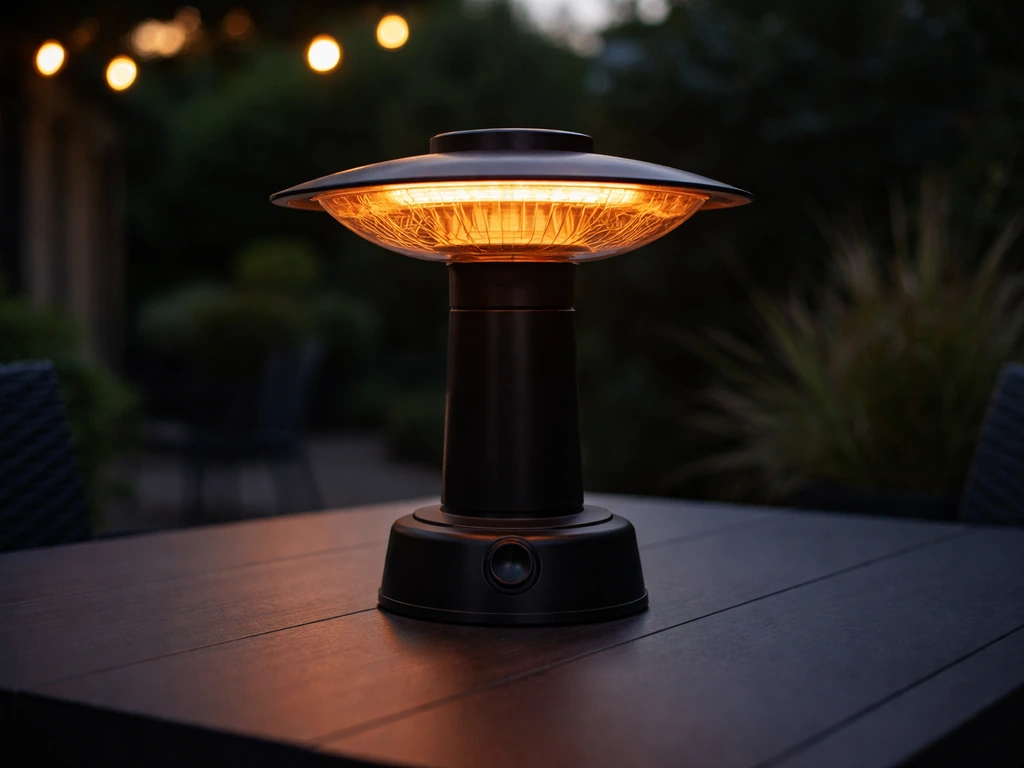
The short version: if you have an outlet nearby and a covered or semi-sheltered spot, go electric infrared. If you're heating an uncovered space or a spot with no power, a small propane tabletop model with a piezo igniter is the move. Either way, your job on Black Friday is to verify the discount is real, match the wattage or BTUs to your actual table area, and make sure the heater has proper tip-over protection before you click buy.
What a tabletop patio heater actually is (and how it differs from a standard patio heater)

A tabletop patio heater is a compact unit designed to sit on a table, countertop, or raised surface rather than stand on the ground. That distinction matters more than it sounds. Standard freestanding patio heaters are typically 7 to 8 feet tall, heat a radius of 10 to 20 feet, and run on 40,000 to 46,000 BTUs of propane. A tabletop version is a fraction of that size, delivering heat at seated height, right where your guests actually are. Typical tabletop propane models run in the 10,000 to 12,000 BTU range. Electric tabletop infrared units like the SUNHEAT USA1500-M operate in the 1,500-watt range and are specifically designed and rated for tabletop placement.
The CSA/ANSI Z83.26/CSA 2.37 standard for gas-fired outdoor infrared patio heaters explicitly distinguishes between tabletop heaters and patio heaters not intended for tabletop use. That's not just regulatory detail. It means a certified tabletop propane heater has been tested for the clearances, stability, and heat output appropriate for sitting on a surface near people and combustibles. If a propane heater isn't specifically certified for tabletop use, don't use it as one.
In terms of footprint, most tabletop models have a base diameter of 10 to 16 inches and a height under 30 inches. They're genuinely portable, which makes them popular for patios, balconies, outdoor dining areas, and even camping tables. The black finish that most come in is both practical (hides weathering and soot better than silver) and looks sharp against most outdoor furniture.
Electric infrared vs. propane: picking the right fuel type for your setup
This is the most important choice you'll make, and it comes down to three things: where your outlet is, how exposed your space is to wind, and whether you're okay with an open flame near the table.
Electric infrared tabletop heaters
Electric infrared models plug into a standard outlet and produce zero emissions at the heater itself since there's no combustion happening. That makes them ideal for covered patios, screened porches, and spaces where you don't want any combustion products near you or your food. Infrared heat works by warming objects and people directly rather than heating the air, so it feels immediate and efficient. The downside is cord management: you need an outlet within reach, and if you're running an extension cord, you should use a heavy-duty outdoor-rated cord (at minimum 14 AWG for a 1,500-watt heater) and never run it under rugs or through door gaps.
Propane tabletop heaters
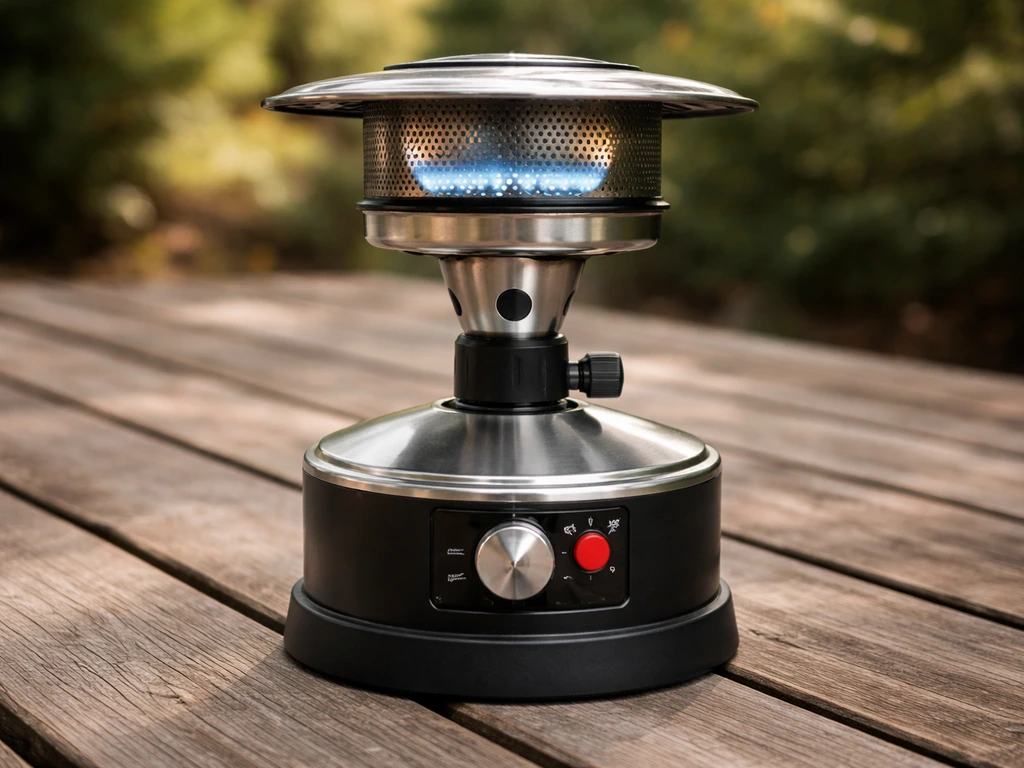
Propane tabletop heaters give you freedom from outlets, which is a big deal on uncovered decks, boats, or any space without convenient power. Most tabletop propane models use a standard 1 lb (16. 4 oz) disposable propane cylinder via a [CGA 600 connector](https://images. thdstatic.
com/catalog/pdfImages/7b/7bb7935e-f762-4ad6-ad22-3a60c0f33beb. pdf), which screws directly into the regulator. Some models can be adapted to run from a larger 20 lb tank using a QCC1/CGA 600 adapter hose, which dramatically reduces the cost per hour of heat. Always confirm your heater's manual authorizes this before using an adapter.
Lighting typically uses a piezo igniter: you press the button, hold the control knob down while the thermocouple heats up (usually 15 to 30 seconds), then release. If the pilot dies when you release the knob, the thermocouple hasn't warmed up enough yet. That's the most common user error with propane tabletop heaters.
One hard rule for propane: these are outdoor-only heaters. CPSC data on CO poisoning from portable propane heaters used indoors is sobering, and even a well-ventilated garage or screened porch doesn't count as outdoor use for safety purposes. If you want a heater for any semi-enclosed space, electric is the right answer.
| Feature | Electric Infrared | Propane Tabletop |
|---|---|---|
| Heat output | 750–1,500 watts | 10,000–12,000 BTU |
| Emissions | None at heater | CO/combustion products |
| Wind performance | Moderate (object heating) | Reduced in wind (CSA Annex E notes this) |
| Requires outlet | Yes | No |
| Fuel cost | Electricity rate | ~$2–4 per 1 lb cylinder (1–2 hrs) |
| Best for | Covered/sheltered spaces | Open/uncovered areas, no outlet |
| Certification to look for | UL 1278, CPSC-compliant tip-over | CSA/ANSI Z83.26 tabletop-rated |
Sizing and coverage: how much heat do you actually need?
Tabletop heaters are not designed to warm a whole patio. They're designed to keep the people sitting at the table comfortable, which is a much more achievable and honest goal. A 1,500-watt electric infrared unit or a 10,000 to 12,000 BTU propane model will comfortably warm a 4 to 6 person dining table area in calm, sheltered conditions. Expect that radius to shrink significantly in wind or on an uncovered deck.
Wind is the factor most people underestimate. The CSA/ANSI Z83.26 standard for gas-fired outdoor patio heaters specifically includes wind-condition performance testing (Annex E) because wind dramatically reduces effective output. In a breezy, uncovered yard, even a 12,000 BTU propane heater will feel underpowered. Electric infrared handles wind a bit better because it heats objects and bodies directly rather than warming the air, but it's still going to lose efficiency in exposed conditions. If your space is regularly windy, consider a windscreen or position the heater to take advantage of any natural shelter from walls, fences, or furniture arrangements.
Also worth knowing: propane heaters lose efficiency below 40°F (4°C). Below that threshold, you may notice reduced flame height or pilot issues. If you're heating in late fall or early winter conditions, budget for slightly higher fuel consumption and be prepared to troubleshoot thermocouple behavior in the cold.
Your Black Friday deal checklist: how to verify you're actually saving money
Black Friday heater deals are real, but so is price inflation before a sale. Retailers sometimes raise the listed price in October or early November and then discount back to what the item normally costs, making the percentage look more impressive than it is. Here's how to protect yourself.
- Check the price history before buying. For Amazon listings, use CamelCamelCamel (camelcamelcamel.com) or the Camelizer browser extension. Both overlay Amazon price history directly on the product page so you can see whether the 'Black Friday price' is genuinely the lowest the item has been or just normal pricing with a sale badge.
- Set a price alert in advance. If you're eyeing a specific model in early November, set a CamelCamelCamel alert for your target price. You'll get an email when it hits that number, so you don't have to camp the site.
- Compare specs, not just price. A $40 discount on a heater that lacks tip-over protection or an outdoor IP rating is not a good deal. Match the heater's wattage or BTUs to your space before comparing prices.
- Read the return window. Many Black Friday purchases have extended holiday return windows, but some retailers restrict returns on 'seasonal' items like heaters. Confirm the return policy before purchase, especially for online orders.
- Check warranty terms. A reputable tabletop heater should come with at least a 1-year manufacturer warranty. Some budget models sold during Black Friday have 90-day warranties or warranty-by-registration requirements. Read the fine print.
- Account for accessories in the total cost. A propane tabletop heater priced at $49 sounds great until you add the first cylinder ($4–6), a cover ($15–25), and possibly a regulator hose if you want to run it from a larger tank ($15–30). Electric models have cord and cover costs but generally lower ongoing fuel costs.
Also worth comparing: tabletop patio heater deals at Costco, Home Depot, Lowe's, Ace Hardware, and Amazon often differ in model availability and bundle inclusions. Costco occasionally bundles accessories like a cover or carrying case. Home Depot and Lowe's tend to carry popular mid-range propane models. If you're shopping for a table top patio heater at Home Depot, compare propane BTUs and electric wattage against the size of your dining table area.
Amazon has the widest selection but requires the most due diligence on price history and seller reputation. If you’re shopping specifically at Ace Hardware, you can look for a table top patio heater and compare the BTU or wattage, safety certifications, and whether it uses electric infrared or propane table top patio heater at Ace Hardware. Knowing what each retailer typically stocks lets you compare apples to apples rather than chasing the lowest sticker price.
Spec checklist: what to verify before buying any model
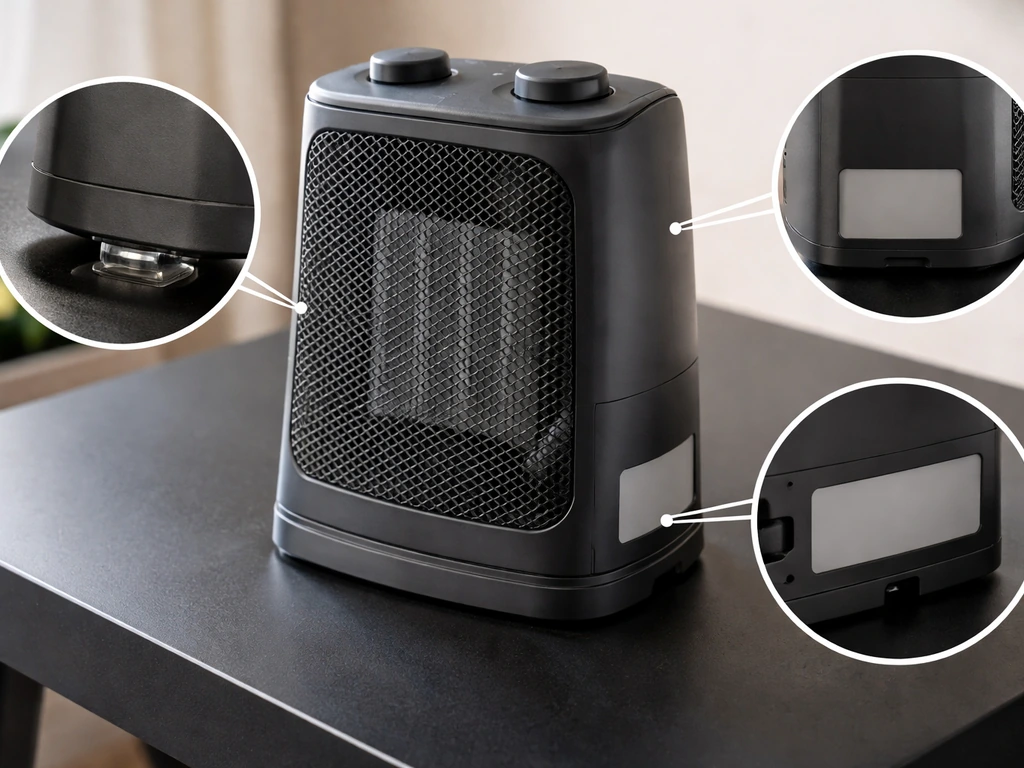
- Tip-over protection: UL-listed electric heaters must include a tip-over switch (per UL 1278 and CPSC requirements). For propane, look for CSA/ANSI Z83.26 tabletop certification, which includes anti-tilt safety devices.
- IP rating (electric models): IP54 means splash-resistant and suitable for covered outdoor use. IP65 means dust-tight and water-jet resistant, suitable for more exposed conditions. Confirm this against the manual, not just the product listing.
- Ignition type (propane): Piezo ignition is standard and reliable. Electronic auto-ignition is more convenient. Manual lighting (match) is a red flag on modern models.
- Heat settings: At least two heat settings (e.g., 750W/1500W for electric or high/low for propane) gives you flexibility and extends fuel/energy efficiency.
- Certification marks: Look for UL, CSA, or ETL marks on the product. These indicate third-party safety testing, not just manufacturer claims.
- Clearance requirements: The manual should specify minimum clearances from combustibles above and around the heater. If this information isn't available, skip the model.
Safety, setup, and everyday use
Tabletop heaters sit closer to people, tablecloths, cushions, and overhead structures than floor-standing models, so placement and clearance matter more than most buyers realize. Follow these rules every time.
Propane tabletop heater safety
- Outdoor use only, no exceptions. No garages, screened porches, or partially enclosed spaces.
- Keep the cylinder in the designated enclosure area of the heater base. Never store spare cylinders near an operating heater.
- Allow the minimum clearance from combustibles above and on all sides as specified in the manual. A typical figure is 36 inches overhead clearance for most tabletop propane models.
- The thermocouple safety system will shut off gas flow if the pilot dies or the unit tips over. This is your main safety net. If your heater doesn't have a thermocouple shutoff, don't use it.
- When lighting, hold the knob depressed for the full 15 to 30 seconds after ignition to let the thermocouple heat. Releasing too early is the number one reason the pilot won't stay lit.
- Turn off the valve at the cylinder before transporting or storing the heater, even for short moves.
Electric infrared tabletop heater safety
- Use only outdoor-rated extension cords if needed, and confirm the cord is rated for the heater's wattage (1,500W at 120V draws about 12.5 amps; use a 14 AWG or heavier cord).
- Never run cords under mats, through door gaps, or anywhere they can be pinched or walked on.
- The tip-over switch is a mandatory UL 1278 feature on listed electric heaters. Test it: tipping the unit should immediately cut power. If it doesn't, stop using the heater.
- Match the IP rating to your space. IP54 is suitable for covered patios. If the heater will be exposed to rain, you need IP65 or higher, or you need to bring it inside when it rains.
- Keep the heating element clear of tablecloths, paper napkins, and any fabric overhanging the table. Infrared elements get hot fast.
- Unplug when not in use. Don't leave a tabletop electric heater plugged in unattended.
Accessories and ongoing costs to budget for
The sticker price of a tabletop heater is rarely the total cost of ownership, especially for propane models. Here's what to factor into your Black Friday math.
| Item | Electric Infrared | Propane Tabletop | Notes |
|---|---|---|---|
| Fuel/energy | ~$0.15–0.25/hr (at $0.12–0.17/kWh) | ~$2–4 per 1 lb cylinder (1–2 hrs) | Propane cost drops significantly with 20 lb tank adapter |
| Propane adapter hose (QCC1/CGA 600) | N/A | $15–30 | Lets you run from a 20 lb tank; verify manual allows it |
| Replacement 1 lb cylinders | N/A | $4–6 each | Stock up; often cheaper in multipacks |
| Weatherproof cover | $15–25 | $15–25 | Extend heater life significantly in outdoor storage |
| Outdoor extension cord | $15–30 | N/A | 14 AWG minimum for 1,500W electric models |
| Replacement heating element/emitter | $20–50 (if available) | N/A | Check part availability before buying off-brand models |
| Regulator replacement | N/A | $10–20 | Replace if pilot issues persist after troubleshooting |
One thing many buyers overlook: part availability for budget Black Friday models. If you buy an off-brand electric infrared heater at a steep discount and the heating element fails in year two, replacement elements may not exist. Sticking with brands that have documented part availability (or buying from retailers with generous return/exchange programs) saves frustration later. Before buying any model on sale, search the brand name plus 'replacement parts' to see what comes up.
For propane users, the math strongly favors investing $15 to 30 in a QCC1-to-CGA 600 adapter hose (always check your heater manual first) so you can run the unit from a standard 20 lb grill tank instead of $4 disposable cylinders. At roughly 1 to 2 hours of heat per 1 lb cylinder versus 20+ hours from a 20 lb tank at similar cost per pound of propane, the adapter pays for itself quickly.
Best picks by use case: quick recommendations
Rather than naming specific models that may be discontinued or repriced by the time you're reading this, here's a use-case framework you can apply to any model you find on sale. Match your situation to the category, then filter by these specs.
Best for: covered patio or screened porch, outlet available
Go electric infrared. Look for 1,500 watts, two heat settings, a tip-over switch (UL 1278 certified), and at minimum an IP54 weather resistance rating. The SUNHEAT USA1500-M is a good reference point for what a legitimate tabletop infrared heater spec sheet should look like, including thermocouple and anti-tilt device callouts. Budget: $60 to $120 on sale.
Best for: uncovered deck or patio, no outlet nearby
Go small propane tabletop. If you’re shopping on Amazon, search specifically for “table top gas patio heater” and then verify it’s certified for tabletop use Go small propane tabletop.. Look for 10,000 to 12,000 BTU, CSA/ANSI Z83.26 tabletop certification, piezo ignition, thermocouple pilot shutoff, and anti-tilt protection. Confirm it accepts 1 lb cylinders via CGA 600 and check whether the manual allows an adapter hose for larger tanks. Budget: $45 to $100 on sale, plus accessories.
Best for: apartment balcony, minimal footprint
Electric infrared wins here for safety and lease compliance (many apartment leases prohibit propane on balconies). Look for a compact model under 20 inches tall with a stable base and cord management. Prioritize IP54 or higher since balconies often catch rain spray. Budget: $50 to $90.
Best for: outdoor dining where aesthetics matter
Black finish electric infrared models tend to look the most polished on dining tables. Prioritize models with a clean profile, no visible cord clutter, and at least two heat settings so you're not always running at full blast. If you entertain frequently, the ongoing fuel cost advantage of electric over disposable propane cylinders adds up fast.
Best for: tight budget, maximum flexibility
A propane tabletop heater in the $45 to $60 range (on sale) with a separately purchased adapter hose gives you the most flexible setup for the least money upfront, assuming you already have a 20 lb propane tank from a grill. Just make sure the heater carries proper CSA/ANSI tabletop certification, not just 'CE' or no marking at all. A cheap heater without proper certification is not actually cheap when you factor in the risk.
Your next steps before you buy
- Decide on fuel type based on your outlet situation and whether your space is covered or open.
- Measure your table or surface and confirm the heater's base dimensions and weight are appropriate for stability on that surface.
- Look up the specific model on CamelCamelCamel (Amazon purchases) or check completed eBay listings and Google Shopping price history for other retailers to verify the Black Friday price is a genuine low.
- Confirm the heater has proper certification (UL 1278 for electric, CSA/ANSI Z83.26 tabletop-rated for propane) before anything else.
- Read the return policy before clicking buy, especially for online orders during Black Friday rush periods.
- Add up the full cost: heater plus cover, plus cord or adapter hose, plus first fuel supply. That's your real budget number.
- After purchase, read the manual for clearance distances before first use. Placement is the safety step most people skip.
FAQ
Can I use a table top patio heater black friday deal indoors if I keep the door open or use a fan?
No. If it burns propane, treat it as outdoor only, a crack in the door or ventilation does not make it safe. Even a semi-enclosed garage or screened porch can still trap exhaust, for any enclosed or semi-enclosed space choose electric infrared.
What’s the safest way to power an electric infrared tabletop unit without risking overheating or fire?
Plug directly into an outdoor-rated receptacle when possible. If you must use an extension cord, keep it as short as practical, use outdoor-rated 14 AWG or thicker for a 1,500-watt class heater, avoid coiling the cord, and keep every connection fully off the ground and away from puddles.
How do I figure out whether a 1,500-watt electric heater will cover my dining table area?
Use the “seated comfort” goal, not whole-patio coverage. As a starting point, expect a warm zone around the tabletop area in calm conditions, and reduce that coverage significantly if wind is common. Measure your table length and seat layout, then test placement so the heat reaches people’s bodies rather than only the center of the table.
How close can the heater sit to a tablecloth, cushions, or the underside of an overhang?
Follow the manufacturer’s clearance and placement instructions for tabletop use, because the tested “near people and combustibles” clearance is part of certification. As a rule, keep fabric and packaging materials from touching the hot body, and avoid placing it directly under low overhangs unless the manual explicitly allows it.
What should I check if a propane tabletop heater won’t stay lit after I release the knob?
Confirm you’re holding the knob down long enough for the thermocouple to heat, then release only after that dwell time. If it dies immediately, the common cause is insufficient warm-up, also check that the pilot area is clean and that the cylinder connection is snug and correctly oriented per the manual.
Is a windscreen or positioning around a patio wall enough for cold, breezy nights?
It helps, but you should still expect reduced effective heat in strong wind. If your spot is consistently exposed, place the heater where it has natural shelter from walls or fences and consider a windscreen designed for outdoor heating, then plan on shorter “active time” because comfort will drop faster than you expect.
Can I use a tabletop propane heater with a larger 20 lb tank on Black Friday?
Some models support it, but only when the manual authorizes an adapter hose from CGA 600 to QCC1. Verify compatibility before buying, use only the specified hose and regulator arrangement, and avoid DIY fittings because an incorrect setup can cause leaks or poor ignition.
What is tip-over protection, and how do I know my tabletop heater actually has it?
Tip-over protection is an anti-tilt or shutdown feature that cuts heat or gas when the unit is knocked or angled beyond safe limits. Look for an explicit tabletop rating and, for electric models, an anti-tilt mechanism with the cited safety standard, not just “stable base” language.
Does a black finish affect heat output or safety on a tabletop patio heater?
No, finish color mainly changes appearance and how it shows weathering or soot. Safety and performance depend on the certified model, materials, and clearances, so don’t assume a darker finish is “better” at heating.
If I buy on Black Friday, how do I avoid ending up with a heater that has no replacement parts?
Before checkout, search the brand name plus “replacement parts” or “service” to see whether components like elements (electric) or ignition hardware (propane) are actually available. Also consider buying from retailers with straightforward return windows in case a part isn’t stocked.
Are IP54 weather ratings enough for rainy conditions on a balcony?
IP54 indicates some protection from dust and splashes, but it does not mean you should leave a tabletop heater out in ongoing rain or stored wet. For balconies, position it away from direct runoff, use a cover when fully cool, and disconnect power or shut down the unit during storms.
What’s the biggest placement mistake people make with tabletop patio heaters?
They treat it like a small version of a floor heater. Place it to warm seated people directly, keep cables and fabric clear, and avoid setting it on unstable surfaces that can wobble, since tabletop certification assumes a specific stability and tested clearance.