
The best commercial patio heater for your space comes down to three things: how much BTU output you actually need, whether you have a gas line or just an outlet, and how exposed your patio is to wind. For most restaurant patios and large outdoor venues, a natural gas or propane infrared heater in the 40,000 BTU range (like the Calcana PH-40HO or a SunStar SPH-40) hits the sweet spot of real coverage, durability, and low running costs. If you're a homeowner with a large covered patio who wants something commercial-grade for weekend use, those same units work well, and electric infrared is worth a serious look if you don't want to deal with gas lines. Here's how to figure out exactly which one fits your setup.
Commercial Patio Heater Reviews: Best Propane, Gas, Electric Picks

Willa Brennan
28 Jun 2026
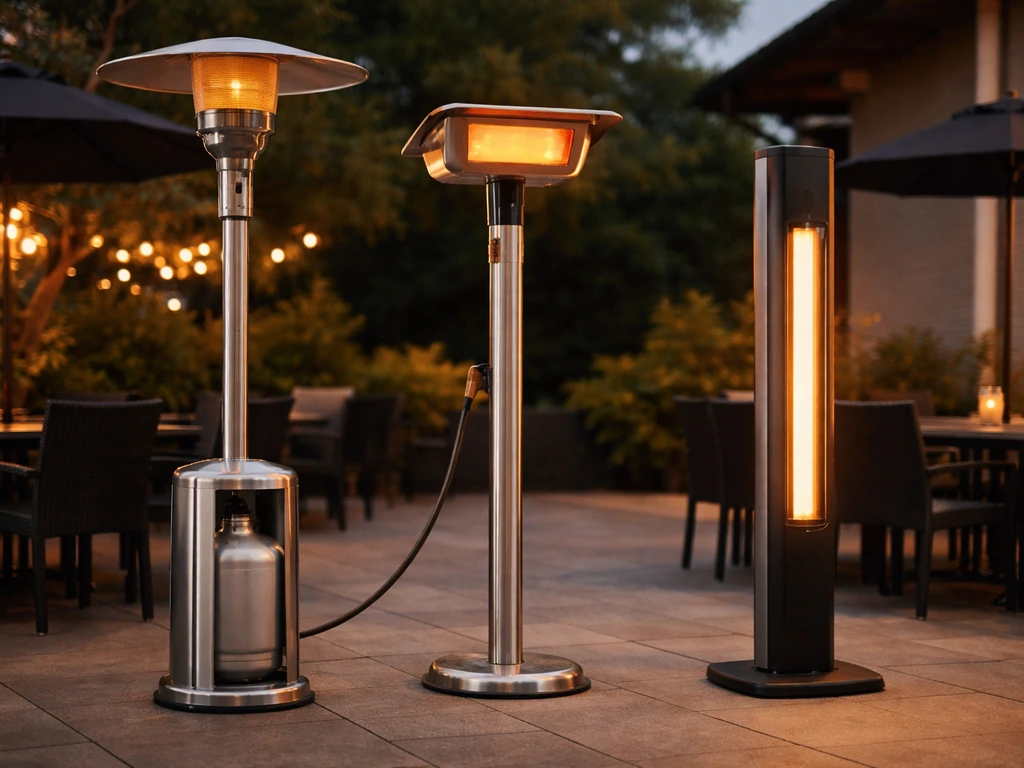
Commercial vs. residential: what actually matters
The label 'commercial' gets thrown around loosely, but there are real differences worth understanding before you spend money. Commercial patio heaters are built for continuous or near-continuous operation, often running 6 to 12 hours a day in restaurant or hospitality settings. That duty cycle demands heavier-gauge steel or stainless construction, more robust burner assemblies, and ignition systems (like Calcana's direct-spark ignition on the PH40HO) that reliably relight after gusts rather than leaving guests cold. Residential units are typically designed for a few hours of use at a time, so their burners, housings, and ignition components are built to lighter tolerances.
Coverage is the other big gap. A standard residential mushroom-style propane heater covers roughly 100 to 200 square feet in calm conditions. A commercial infrared heater like the Calcana PH-40HO covers significantly more usable area because it heats objects and people directly rather than warming the air, which means wind has far less effect on perceived warmth. For an exposed deck or a patio with even a modest breeze, that difference is enormous in practice. Wind resistance, stable mounting options (ceiling, wall, or post mount rather than a floor stand), and multi-stage heat control are the features that separate genuinely commercial units from dressed-up residential ones.
Control options matter too. Commercial setups often need wall-mounted thermostats, remote ignition, or two-stage gas valves that let staff dial back heat without shutting units off entirely. The SunStar SPH-40, for example, includes a two-stage gas valve with documented high and low BTU settings, which is genuinely useful for managing guest comfort and fuel costs across a shift. Residential heaters almost never offer that kind of control.
BTU and coverage planning for real patios
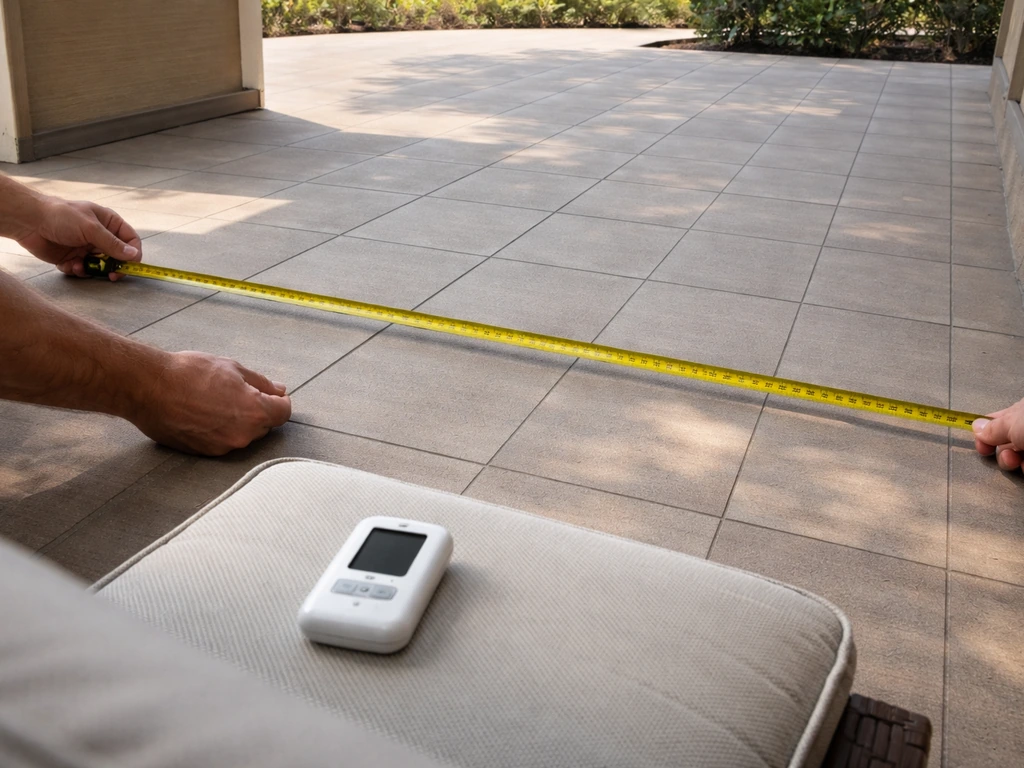
A rough rule of thumb for outdoor heating is 1 watt of electric heat or roughly 3.4 BTU of gas heat per square foot of covered patio space. Uncovered or exposed spaces need about 25 to 50 percent more output because heat dissipates faster. So a 300-square-foot covered restaurant patio might need around 1,000 watts or about 30,000 to 40,000 BTU, while the same footprint open to the sky and a light breeze could push that to 40,000 to 50,000 BTU total, split across multiple units.
Mounting height matters more than most buyers realize. Infrared heaters need to be positioned at the correct angle and height to project heat to the occupant zone (roughly 3 to 6 feet above the ground). SunStar's installation guides specify mounting height constraints for each model to hit the intended output profile safely. If you mount a 40,000 BTU infrared unit too high, you lose a significant portion of effective warmth at seating level. Too low and you risk overheating guests closest to the unit. For most commercial ceiling or overhead installs, 8 to 12 feet of mounting height is the practical range, but always check the specific model's documentation.
| Patio Size | Covered or Exposed | Recommended Output | Suggested Unit Count |
|---|---|---|---|
| Up to 150 sq ft | Covered | 20,000–30,000 BTU | 1 unit |
| 150–300 sq ft | Covered | 30,000–40,000 BTU | 1–2 units |
| 150–300 sq ft | Exposed/windy | 40,000–50,000 BTU | 2 units |
| 300–600 sq ft | Covered | 40,000–80,000 BTU | 2–3 units |
| 300–600 sq ft | Exposed/windy | 60,000–100,000 BTU | 3–4 units |
| 600+ sq ft | Any | Zone-based planning needed | 4+ units |
For large patios over 600 square feet, think in zones rather than trying to cover the whole area with a single powerful unit. Positioning heaters in a grid pattern (rather than clustering them together) gives you more even warmth across seating areas and prevents hot/cold spots. A zone-based approach also lets you run only the zones that are occupied, which cuts fuel and electricity costs significantly.
Fuel-type comparisons: propane, electric, natural gas, and pellet
Each fuel type has a real niche, and picking the wrong one is an expensive mistake. If you want to compare what different patio heater styles deliver in real terms, check out best patio heaters reviews alongside this commercial versus residential breakdown. Here's an honest look at how they stack up for commercial use.
| Fuel Type | Best For | Typical BTU Range | Running Cost | Warm-Up Time | Portability | Key Trade-off |
|---|---|---|---|---|---|---|
| Propane | Portable setups, no gas line available | 30,000–50,000 BTU | Moderate (tank refills) | Instant | High (tank-mounted) | Tank swaps during service; storage regulations |
| Natural Gas | Permanent commercial installs | 30,000–75,000+ BTU | Low (piped gas cheaper) | Instant | None (fixed) | Requires gas line installation upfront |
| Electric (infrared) | Covered patios, quiet spaces, no gas | 1,500–6,000W (5,000–20,000 BTU equivalent) | Higher per hour | Instant | Moderate (cord-dependent) | Lower output ceiling; higher electricity costs at scale |
| Pellet | Ambiance-focused, rural/off-grid | Low to moderate | Low (fuel cost) | 5–15 min startup | Low (heavy, needs fuel storage) | Maintenance-heavy; smoke/ash in dining settings |
Propane
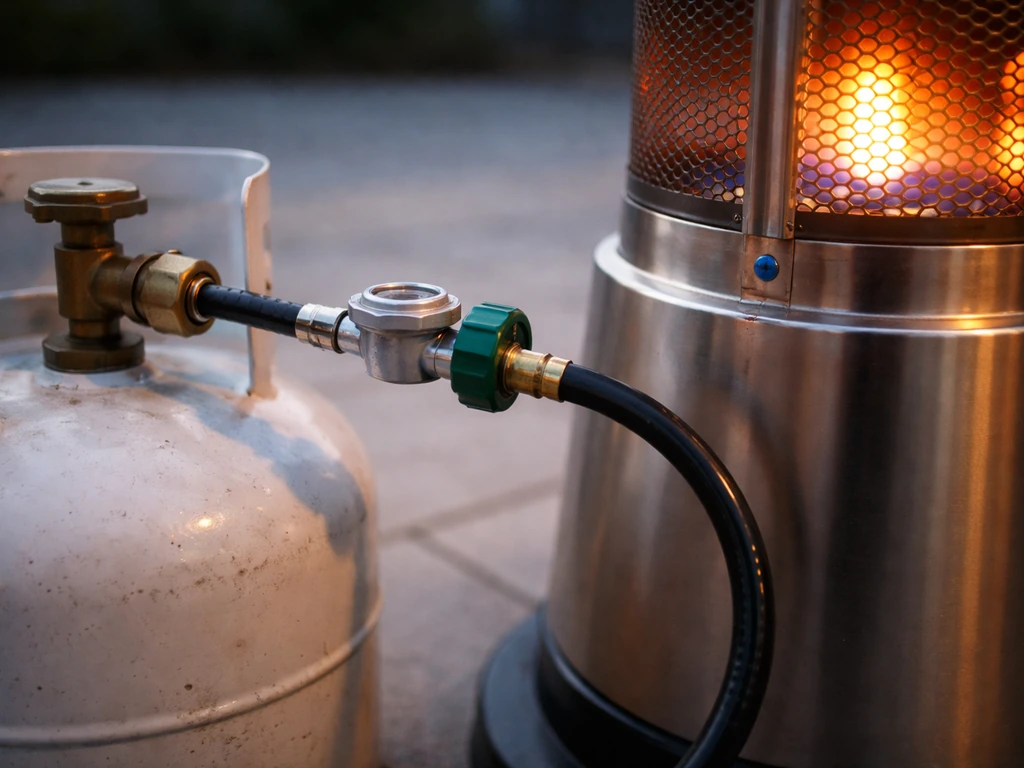
Propane is the go-to for anyone who needs flexibility or doesn't have a natural gas connection. You get instant heat, high BTU output, and the ability to move units around your layout. The trade-offs are real though: tanks need swapping or refilling (disruptive mid-service in a restaurant), tank storage requires following fire code clearances, and propane costs more per BTU than piped natural gas in most markets. For a homeowner or a smaller venue doing occasional events, propane is often the most practical choice despite those downsides.
Natural gas
Natural gas is the preferred fuel for serious commercial installations. Once the gas line is run (yes, that upfront cost is real, typically $500 to $2,000+ depending on distance and local labor rates), the running cost per hour is significantly lower than propane, there's no tank management, and units like the SunStar SPH-40 or Calcana PH-40HO can run continuously during a full service without any interruption. For a restaurant or bar with a permanent patio, piped natural gas almost always pays for itself within one to two seasons compared to propane.
Electric
Electric infrared heaters are quieter, produce no combustion byproducts, and are often easier to mount and control. They're a strong choice for covered patios where ceiling mounting is possible and you want precise zone control. The ceiling on BTU output is lower than gas, which means electric isn't ideal for large exposed spaces in genuinely cold weather. But for a covered rooftop, a pergola, or a semi-enclosed dining area, electric infrared heaters can be very effective and eliminate gas permitting headaches. Tabletop electric models are worth noting here too: they're great for supplemental warmth at individual tables, though they don't replace overhead or post-mounted units for whole-patio coverage.
Pellet
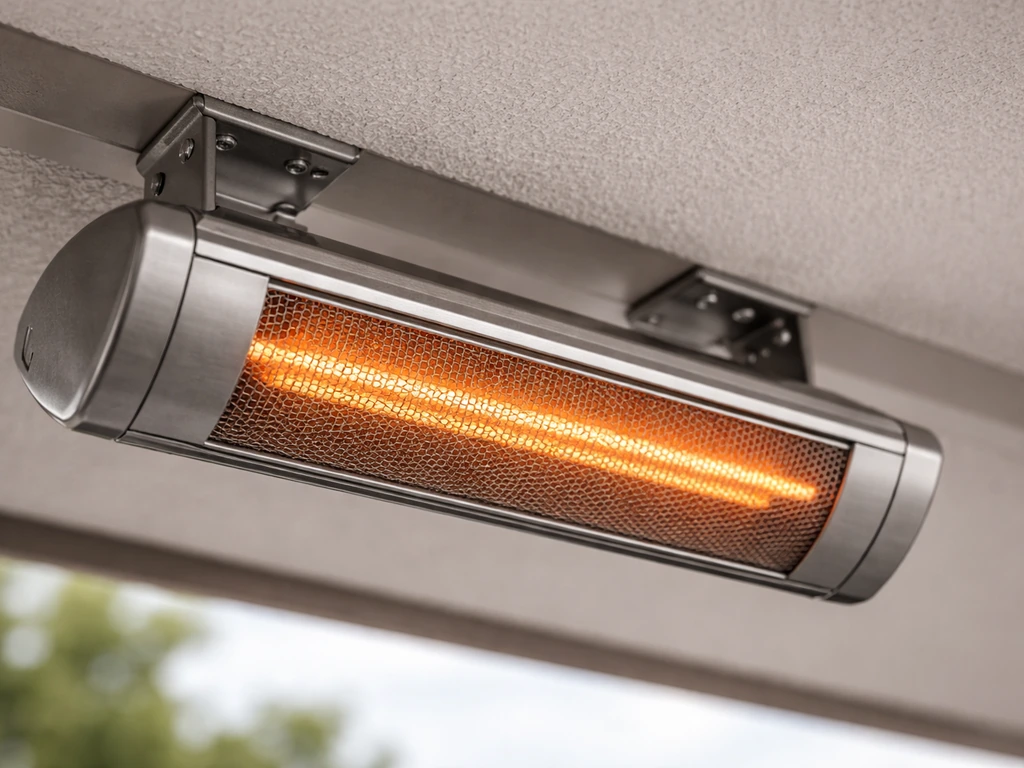
Pellet heaters have a niche but it's a narrow one for commercial patio use. They create a warm, fire-like ambiance that some venues love, and fuel cost is low. But startup time of 5 to 15 minutes, ongoing maintenance (ash removal, auger cleaning), and the presence of visible smoke make them a poor fit for most restaurant or bar patios. They're best suited for rural event spaces, wineries, or farm-to-table venues where the rustic aesthetic is part of the draw and smoke won't bother guests or violate local ordinances.
Infrared and specialized options: when they're the better choice
Infrared heating deserves its own section because it changes the game for outdoor use more than any other technology. Standard convection heaters (including most mushroom-style propane towers) warm the air around them. In any wind at all, that warm air blows away and your guests are cold. Infrared heaters, including the Calcana PH series and SunStar's overhead models, emit radiant heat that warms people and surfaces directly, the same way sunlight warms you on a cool day. Calcana’s PH series infrared heaters are designed to heat objects directly rather than the air, which helps deliver effective warmth even in outdoor wind exposure emit radiant heat that warms people and surfaces directly. A 40,000 BTU infrared heater in a light breeze will feel meaningfully warmer to seated guests than a 50,000 BTU convection unit in the same conditions.
The Calcana PH-40HO is a good benchmark for commercial infrared: its high-output configuration delivers in the 20,000 to 40,000 BTU range, uses direct-spark ignition for reliable lighting in outdoor conditions, and is built with heavy-duty construction intended for daily commercial use. If you want a practical starting point for shopping, these Cuisinart patio heater reviews can help you compare comfort, controls, and value. SunStar's SGL-series glass-faced models take a similar approach but add a more decorative profile, which some venues prefer for aesthetics while still getting commercial-grade output and the clearance-to-combustibles labeling that proper installation requires.
Tabletop heaters are worth mentioning as a complement rather than a replacement. They don't cover large areas, but they're excellent for spot warmth at individual tables, cocktail setups, or small covered nooks where overhead mounting isn't practical. If you're already reading about tabletop patio heater options, think of them as supplemental units that pair well with one or two larger overhead or post-mounted infrared heaters for full patio coverage. If you're comparing tabletop patio heater reviews, focus on how well small units handle spot warmth and how they pair with overhead heaters for full coverage.
For covered patios and semi-enclosed spaces, electric infrared is especially compelling. No combustion, no ventilation concerns, precise directional heat, and easy integration with dimmer-style controls or smart thermostats. The trade-off is that electric infrared hits a ceiling in raw output, so for larger or more exposed areas, gas infrared remains the commercial standard.
Safety, weatherproofing, and placement checklist
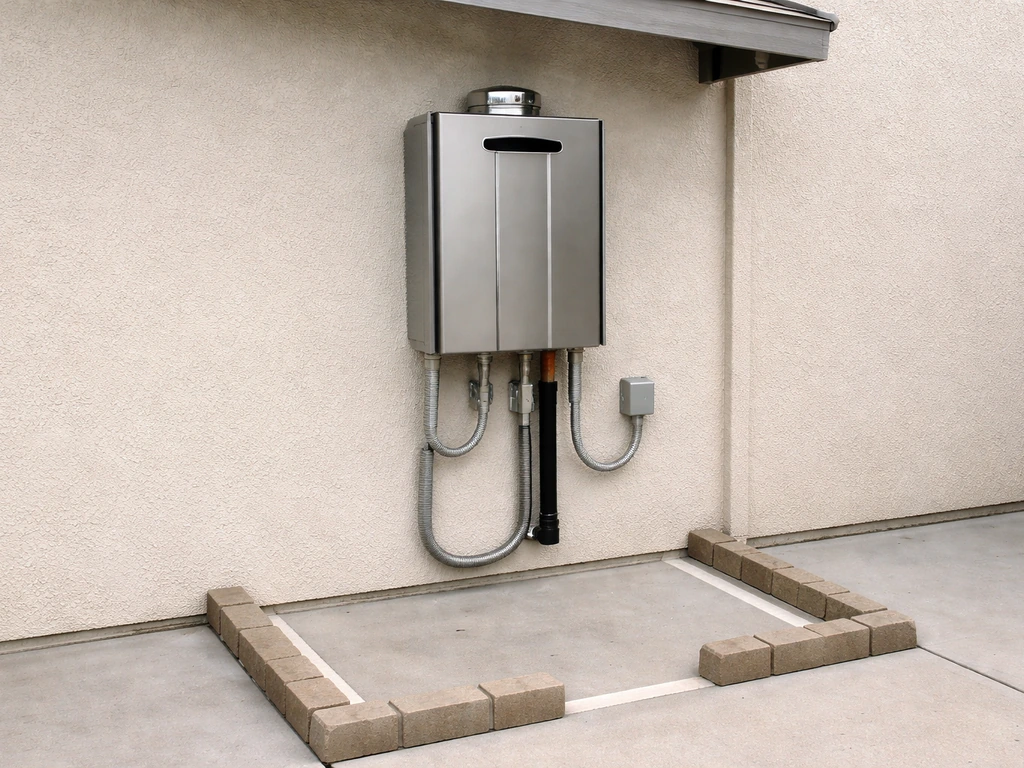
Commercial heaters carry more responsibility than residential ones simply because of the number of people nearby and the hours of operation involved. These are the safety and placement factors that matter most.
- Clearances to combustibles: Every gas heater should have explicit clearance requirements in its installation documentation. SunStar models, for example, include labeled clearance specs as part of their installation instructions. Follow them exactly. The minimum is a starting point, not a target.
- Mounting stability: Overhead and wall-mounted units must be secured with hardware rated for the heater's weight plus wind load. Freestanding units need tip-over protection and should be positioned away from foot traffic.
- Tip-over and overheat shutoffs: Look for tip-over safety switches (standard on most floor-standing propane units) and overheat protection on electric models. For commercial use, these aren't optional features.
- Weather rating (IP rating): If the heater will be exposed to rain, look for an IP55 or higher rating on electric units. For gas units, ensure the ignition system and control valves are rated for outdoor exposure.
- Gas connections and venting: Natural gas connections must be made by a licensed plumber or gas fitter. Propane connections require approved regulators and hoses. Never use indoor-rated gas appliances outdoors.
- Placement relative to guests: Maintain at least 3 feet of horizontal clearance from seated guests for floor-standing propane units. Infrared overhead units should follow the manufacturer's specified mounting height (typically 8 to 12 feet for commercial models) to avoid overheating guests directly beneath.
- Local permits and codes: Many municipalities require permits for permanent gas line connections and overhead heater installations. Check with your local building department before installing any fixed commercial heater.
- Fuel storage: Propane tanks must be stored upright, outdoors, away from heat sources and at clearances specified by your local fire code. Many codes prohibit storing more than two standard 20-lb tanks on a commercial property without a dedicated storage enclosure.
One thing I've seen catch people off guard is the interaction between heaters and overhead structures. A patio umbrella or fabric canopy that seems far enough away at ground level can be much closer to an overhead heater's heat cone than you'd expect. Always measure clearances from the heater's emitter face, not from the body of the unit.
How to choose the right heater for your budget and space
Here's how I'd shortlist units based on the most common commercial and large-home patio scenarios.
| Use Case | Best Fuel/Type | Recommended Output | Key Models to Look At | Budget Range |
|---|---|---|---|---|
| Restaurant/bar patio, permanent install, piped gas available | Natural gas infrared, overhead mount | 40,000 BTU per zone | Calcana PH-40HO, SunStar SPH-40 | $800–$2,000+ per unit |
| Restaurant/bar patio, no gas line | Propane infrared or freestanding propane | 30,000–40,000 BTU | Commercial propane infrared tower or post-mount | $400–$1,200 per unit |
| Covered outdoor dining room or pergola | Electric infrared, ceiling/wall mount | 2,000–4,000W per zone | Commercial-grade electric infrared panels | $300–$800 per unit |
| Large event/venue patio, seasonal use | Propane (portable flexibility) | 40,000–50,000 BTU | Heavy-duty propane freestanding or post-mount | $500–$1,500 per unit |
| Small covered nook or individual table supplement | Tabletop propane or electric | 10,000–15,000 BTU | Tabletop propane or electric infrared | $100–$350 per unit |
| Rural/winery/farm venue, ambiance priority | Pellet or decorative gas | Moderate output | Decorative gas fire pit or pellet heater | $600–$2,500 |
What to prioritize at each budget level
Under $500 per unit: You're in the territory of quality propane freestanding heaters or entry-level electric infrared panels. At this price, focus on build quality (stainless steel housing over aluminum), tip-over protection, and BTU output. For more help comparing options side by side, see our stainless steel patio heater reviews. Avoid units with plastic control knobs or cheap ignitors. These are fine for homeowners and low-volume commercial use, but they won't hold up to daily restaurant use without maintenance.
$500 to $1,200 per unit: This is where commercial-grade propane and electric infrared gets serious. You can find heavy-duty infrared models with direct-spark ignition, stainless housings, and proper weather ratings. For a homeowner with a large patio or a small venue, this range covers the Calcana PH-series entry points and comparable competition. Look for units with documented installation manuals, clearance specs, and warranty support from brands that serve commercial customers.
$1,200 and up per unit: This is the territory of full commercial natural gas systems with multi-stage controls, professional mounting hardware, and high-output burners. The Calcana PH-40HO and SunStar SPH-40 both sit in this bracket once you include mounting hardware and installation. These units are built to run daily for years. If you're outfitting a restaurant patio or a permanent event venue and have a gas line, this is where you want to be.
Your next steps
- Measure your patio: Get the square footage and note whether it's covered, semi-covered, or fully exposed. This single step determines your BTU target more than anything else.
- Check your fuel options: Do you have a natural gas line or can you run one? If not, propane or electric is your path. If you're in a covered space, electric infrared is worth a serious look.
- Set your unit count: Divide your total BTU target by the output of a single unit to determine how many you need. For zones over 300 square feet, plan for at least two units positioned to overlap their coverage areas.
- Review installation requirements: Download the installation manual for any unit you're seriously considering. Look for clearance specs, mounting height requirements, and fuel connection specs before buying.
- Verify local permits: For any fixed gas installation, check with your local building department. Many commercial installs require a permit and inspection.
- Compare warranty and support: Commercial heaters should come with at least a 1-year parts warranty. Brands like Calcana that publish full installation and operation manuals publicly are a good sign of manufacturer support quality.
- Cross-shop specific reviews: If you're narrowing down to stainless steel models, outdoor-specific units, or tabletop options as supplements, dig into those comparisons separately to get model-specific performance details.
The bottom line: don't let the range of options make this harder than it needs to be. Most commercial patios are best served by 1 to 4 natural gas or propane infrared overhead units in the 30,000 to 40,000 BTU range, positioned to overlap their coverage areas. If you want a clearer idea of which models actually perform best, read outdoor patio heaters reviews before you buy. Start there, verify the specs match your space, and you'll land on the right unit without overspending or under-heating.
FAQ
How many commercial patio heaters do I actually need for a given area?
For commercial use, don’t size heaters by the square footage alone. Compute a target BTU, then split it into 2 to 4 units so each one can run at part load (using multi-stage valves or thermostats when available). This reduces fuel spikes, improves evenness, and gives you redundancy if one unit needs service mid-shift.
Can commercial patio heaters run continuously during a restaurant service?
Yes, if you run them long hours. Look for a documented continuous-duty rating, corrosion-resistant materials (stainless or heavy-gauge steel), and ignition that relights reliably in wind. If the product listing only mentions “intermittent” use, plan for more downtime and more frequent parts replacement.
What electrical requirements should I verify for commercial electric infrared patio heaters?
Electric infrared is often the easiest to control, but check your electrical service capacity before buying. Many high-output units require dedicated circuits, specific voltage, and correct wire gauge. If you use multiple heaters, sum the total wattage and confirm you have enough amperage available for simultaneous operation.
How critical are mounting height and angle for infrared commercial patio heaters?
Mounting angle and height can change your perceived coverage more than BTU does. Measure mounting height from the emitter face region, not the housing, and confirm the heater’s minimum and maximum angle constraints. If you have a sloped ceiling, verify the manufacturer’s allowances or you may end up heating the wrong zone.
Why do some higher-BTU propane or gas heaters feel less effective outdoors?
Most complaints come from assuming “more BTU” means “more comfort.” In wind, convection units often feel weaker because the heated air disperses, while infrared still warms people and surfaces. If your patio is exposed, prioritize radiant coverage and wind-resistant placement over chasing a higher BTU number.
What installation clearance mistakes cause safety issues with commercial patio heaters?
Look specifically for clearance-to-combustibles, ventilation or gas safety notes (for gas units), and whether the unit is rated for ceiling or wall mount. Avoid mounting a “freestanding” styled heater overhead unless the manual explicitly allows it. When in doubt, treat umbrella fabric and nearby signage as potential obstructions and re-measure clearances from the emitter face.
How do I plan heater operation for peak hours and staffing changes?
Yes, depending on controls and local gas rules. Natural gas often supports higher utilization because there is no tank swapping, but you may still want zoning and setbacks for staff-only traffic areas. For propane, factor in tank refill logistics and ensure you can swap without shutting the whole patio down.
What is the best way to zone commercial patio heating for cost control?
For most venues, the practical approach is zoning. Create a layout map, assign heaters to sections of seating, and use thermostats, two-stage valves, or programmable timers to reduce output when a section is empty. This typically cuts operating cost because you are not heating the entire patio for every event.
When should I use tabletop heaters versus overhead commercial units?
Tabletop and small stand heaters are supplemental, not substitutes. If you see you need “spot warmth” at individual tables but guests still complain nearby is cold, add overhead or post-mounted radiant units to cover the occupant zone. Treat table heaters as the last 10 to 20 percent of comfort, not the main coverage strategy.
How should I compare propane costs versus natural gas payback for a restaurant patio?
Propane can be the better choice if you need flexibility or don’t have gas service, but the hidden costs are tank storage, refills, and fire-code clearances. If you are comparing propane and natural gas, estimate total run hours, local propane price per gallon, and how long the gas line install will take to pay back.