
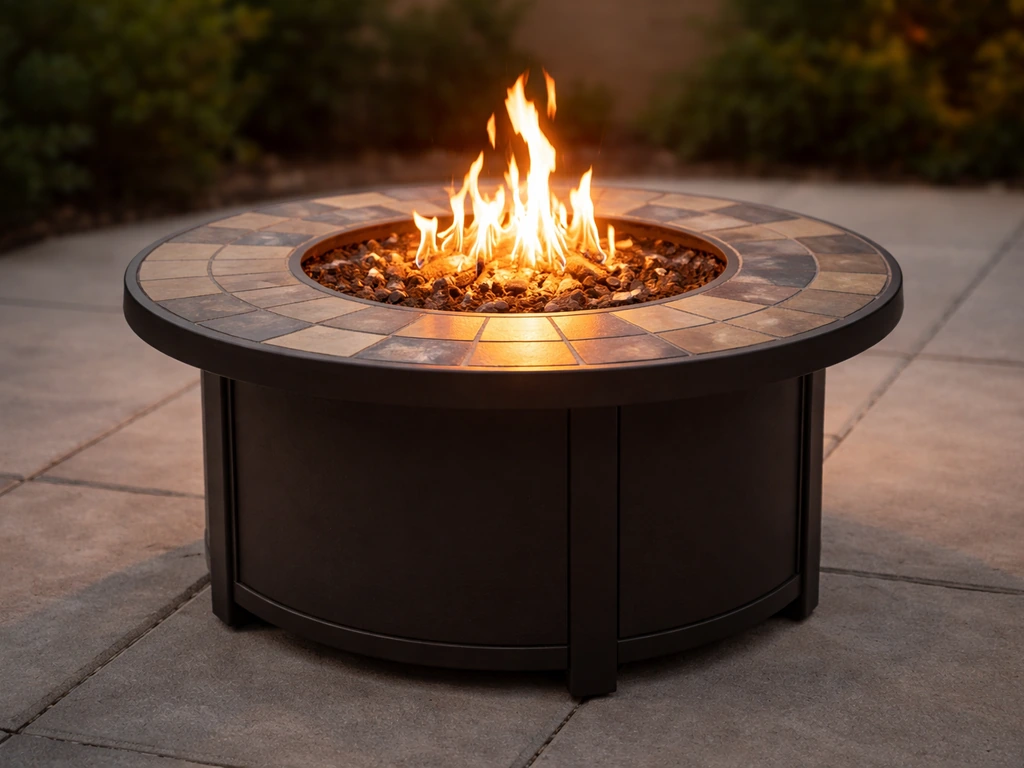
The AZ Patio Heaters tile-top firepit you want is almost certainly the AFP-TTR: a 30-inch round, bronze-finished propane firepit rated at 40,000 BTU. It burns propane only (not natural gas), sits low to the ground as a tabletop or standalone centerpiece, and delivers that mosaic tile-top look that makes it feel more like a decorative fire feature than a standard patio heater. If you searched for the square tile-top version, AZ Patio Heaters does make a square variant with the same concept, and I'll cover how to compare the two. But if you're trying to figure out which one to buy, how much heat you'll actually get, and whether it'll work for your specific patio, keep reading because the BTU number alone won't tell you everything.
AZ Patio Heaters Round Tile Top Firepit: Buying Guide

Willa Brennan
10 Jun 2026
Round vs Square Tile Top: Which One Are You Actually Looking For?
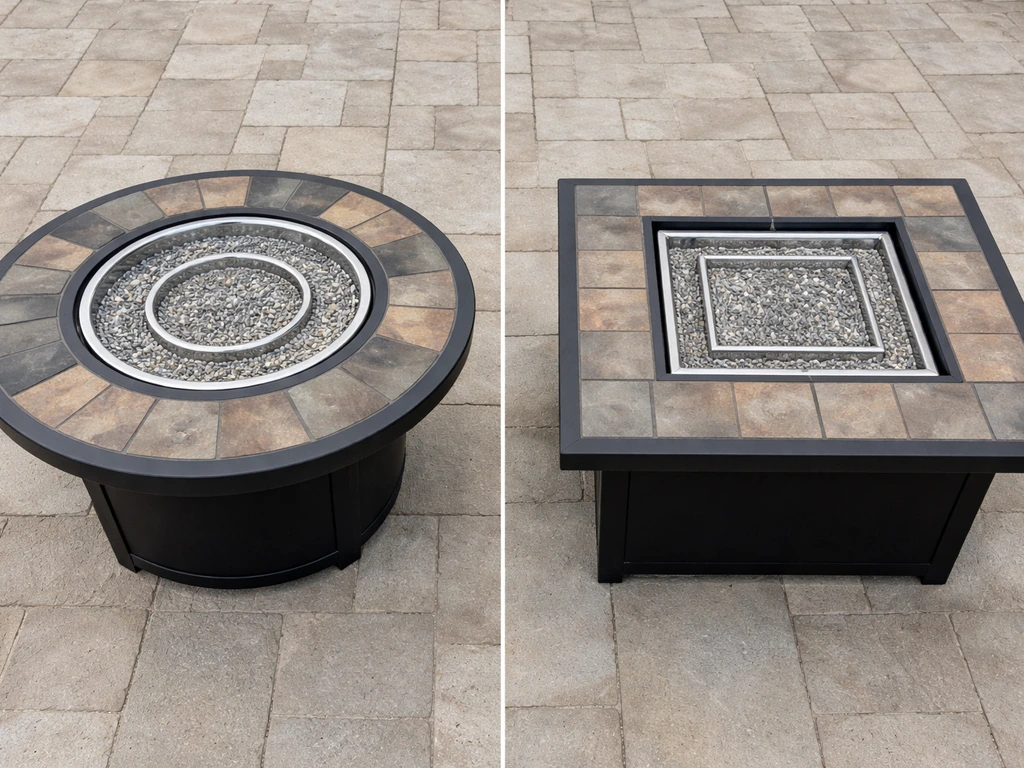
This is the first question to settle before anything else. The round tile-top firepit (AFP-TTR) is 30 inches in diameter, uses a circular burner pattern, and radiates heat outward in all directions more or less evenly. That makes it ideal for placing in the center of a seating arrangement, like a ring of chairs or a circular outdoor sofa setup, where everyone is equidistant from the heat source.
The square tile-top version follows the same design philosophy but has a rectangular or square footprint, which tends to work better alongside a linear patio table or along a bench seating wall. The heat pattern still radiates outward, but the square shape gives you a visual anchor that fits more naturally with rectangular furniture layouts. If you're replacing a square outdoor coffee table and want something that doubles as a fire feature, the square version makes more spatial sense.
In terms of warmth and fuel, both versions use propane and are explicitly not compatible with natural gas. The owner's manual for the AFP-TTR is clear about this. So if you're hoping to tap into a natural gas line you already have running to your patio, neither tile-top model will work for you without a significant workaround (which I'd advise against, since it voids safety certifications).
| Feature | Round Tile Top (AFP-TTR) | Square Tile Top |
|---|---|---|
| Shape | 30" round | Square/rectangular footprint |
| BTU Output | 40,000 BTU | Comparable (check model spec) |
| Fuel | Propane only | Propane only |
| Best Layout Fit | Circular or center seating | Linear/rectangular furniture |
| Heat Pattern | 360° radial | 360° radial from square burner |
| Finish | Bronze with tile top | Bronze with tile top |
How Much Heat Do You Actually Need?
Forty thousand BTU sounds like a lot, and honestly, for a low-profile tabletop-style firepit, it is respectable. But BTU is just one part of the real-world warmth equation. Here's how to think about sizing so you're not disappointed on a cold night.
BTU and Coverage: The Basics
As a rough rule, 40,000 BTU can comfortably heat about 200 to 300 square feet of outdoor space under ideal conditions. But outdoor conditions are never ideal. This unit sits low (tabletop height) rather than overhead, so heat rises away from people more quickly than a standard standing patio heater positioned at shoulder or head level. In practice, it works best when seating is close, within about 5 to 8 feet of the unit. Think of it as a warm campfire anchor for intimate gatherings of 4 to 6 people, not a heat solution for a 500-square-foot deck.
Covered Patios vs Open Spaces
If your patio has a pergola, roof overhang, or enclosed structure above it, heat will stay in the space longer and you'll get noticeably better performance. An open, exposed patio loses warmth fast, especially on windy evenings. Wind is the biggest enemy of any propane fire feature because it pulls heat away before it reaches people and can make ignition inconsistent. If your space is exposed and regularly windy, you'll want to position the unit with a low wall, raised planter, or screen behind it to block prevailing wind.
Proximity Matters More Than You Think
Because this is a low-profile tabletop or floor-level fire feature, the closer your seating is, the more warmth you'll feel. Radiant heat from an open flame drops off quickly with distance. Seating at 3 to 4 feet away will feel genuinely warm. At 8 to 10 feet, you'll feel some ambient warmth but not enough to replace a jacket on a cool night. Design your seating arrangement around the fire feature, not the other way around.
Fuel Type and Performance Tradeoffs
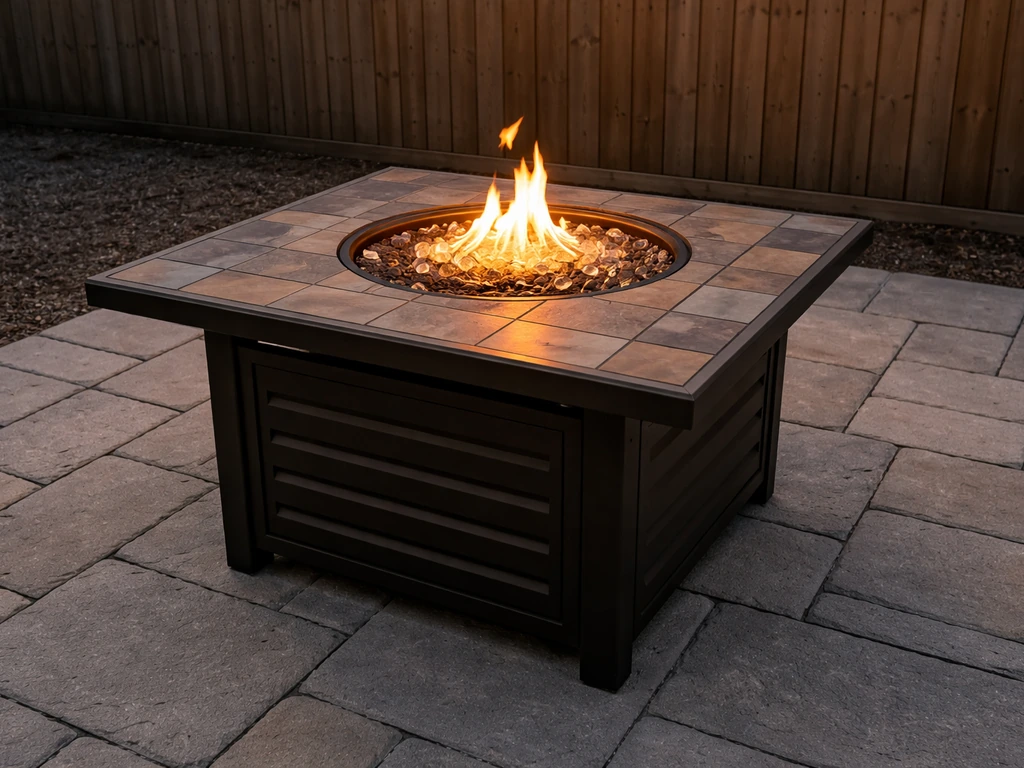
This tile-top firepit is propane only, so let's talk about what that means practically and how it compares to the other fuel types you might be considering for your patio heating setup.
| Fuel Type | Convenience | Ongoing Cost | Heat Output | Best For |
|---|---|---|---|---|
| Propane (AFP-TTR) | High (portable, no hookup needed) | Medium (tank refills) | High (40,000 BTU) | Flexible patios, no gas line |
| Natural Gas | Very high (no tanks to refill) | Low (utility rate) | High | Permanent installs with gas line |
| Electric / Infrared | Very high (plug-in) | Medium-high (electricity) | Medium | Covered patios, no flame needed |
| Pellet | Medium (loading pellets) | Low-medium | High | Rustic setups, off-grid |
| Tabletop Propane | Very high (1lb canisters) | High per hour | Low-medium | Small spaces, camping |
Propane hits a sweet spot for most homeowners: you don't need a gas line, setup is simple, and you get real open-flame warmth that electric options can't replicate visually. The ongoing cost is manageable if you're using the firepit a few evenings a week during cooler months. A standard 20-pound propane tank will last roughly 8 to 10 hours at full burn on a 40,000 BTU unit, so keep a spare on hand if you entertain frequently.
If you already have a natural gas line running to your patio and want zero hassle with tanks, the tile-top AZ models won't fit that plan. In that case, you'd want to look at a standing propane patio heater that comes in a natural gas conversion variant, or a dedicated natural gas fire pit table.
In that case, you'd want to look at a standing propane patio heater that comes in a natural gas conversion variant, or a dedicated natural gas fire pit table, or compare it to a Paramount table top patio heater if you want a more portable tabletop-style option.
Similarly, if you want something smaller for a bistro-style table setting, tabletop propane heaters like the hammer tone bronze tabletop models or the Paramount and Hampton Bay tabletop options are worth a look, though they sacrifice raw BTU output for portability. Similarly, if you want a Hampton Bay tabletop patio heater style option, make sure you check the exact model fuel type and whether it matches your setup.
If you want a dedicated patio heater in that hammer tone bronze style, check the unit's size and BTU rating to confirm it fits your coverage needs hammer tone bronze tabletop models.
Electric and infrared options are the right call when you have a covered patio, need overhead or wall-mounted heat, or are in an area with fire restrictions. They don't give you the open-flame aesthetic the tile-top firepit is all about, but infrared heaters are genuinely efficient in enclosed or semi-enclosed spaces and require almost no maintenance.
Key Features to Check in the Tile-Top Firepit Format
When you're evaluating the AFP-TTR or the square tile-top equivalent, here are the specific features that actually matter for day-to-day use.
Burner and Heating Pattern
The round unit uses a circular burner that produces an even, 360-degree flame pattern across the tile top surface. This creates the campfire-style visual effect and radiates heat outward in all directions. It's intentionally decorative and functional at the same time. The square version has a linear or square burner configuration, which works similarly but gives a slightly different flame shape. Neither version produces directional heat the way a standing mushroom-top patio heater does, so there's no single hot spot to aim at people.
Ignition and Controls
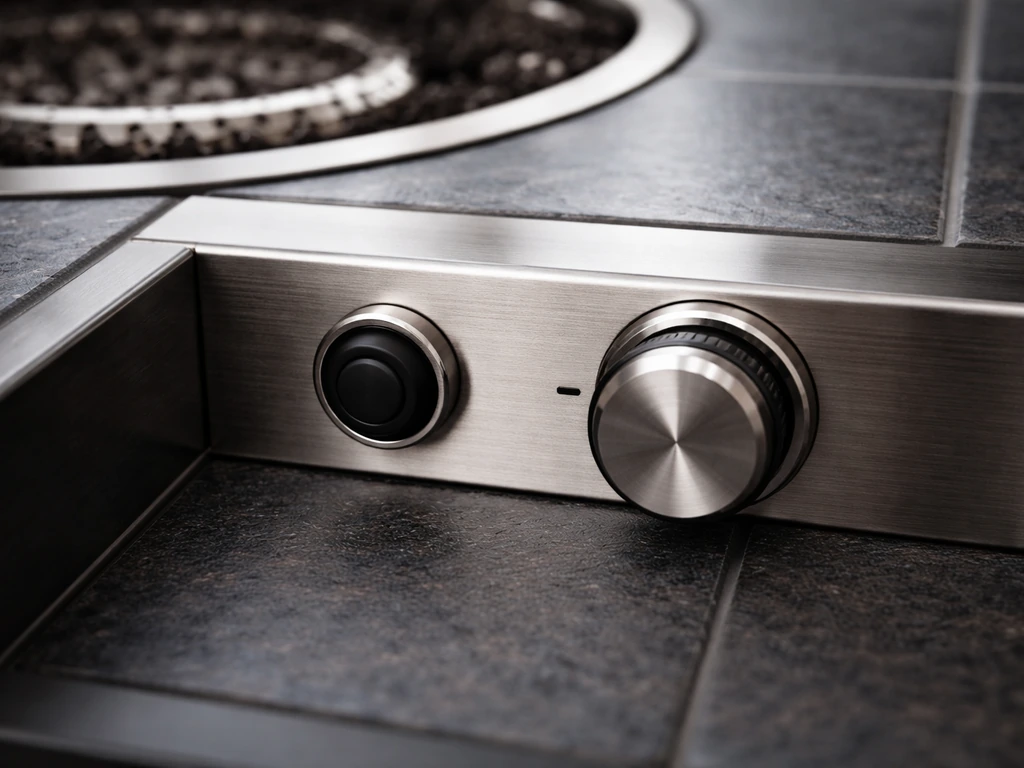
Look for a push-button piezo ignition. On the AFP-TTR, this lets you light the burner without a lighter or match, which matters when you're entertaining and don't want to fumble around. The control knob should have clearly marked positions for pilot, low, and high flame settings. Simple is better here. If you're evaluating a tile-top model and the ignition requires a separate lighter, that's a step backward in usability.
Regulator and Gas Connection
The AFP-TTR connects to a standard 20-pound propane tank via a regulator hose. Make sure the regulator is included with the unit when you buy it, because some sellers don't include it. The regulator steps down the high pressure from the tank to a safe, usable pressure for the burner. Never substitute a grill regulator for a fire pit regulator without confirming the pressure ratings match. If you're buying a used unit, check the hose for cracks or brittleness before using it.
Safety Features
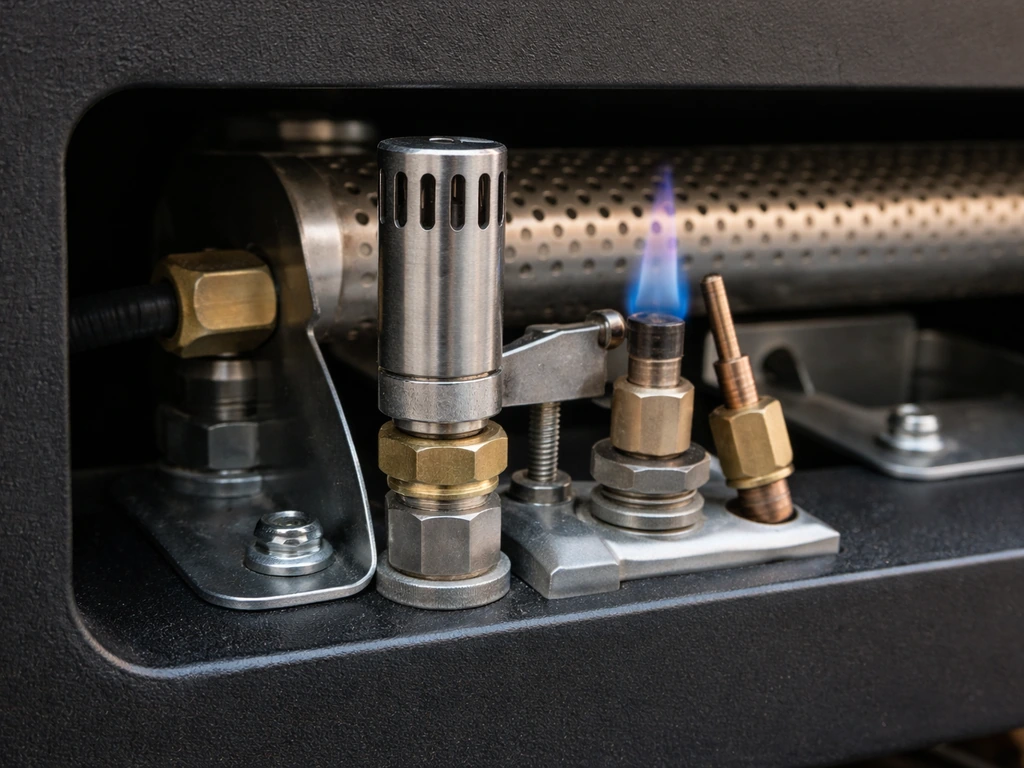
The most important safety feature on a propane fire pit is an ODS (oxygen depletion sensor) or a thermocouple that shuts off the gas if the flame goes out unexpectedly. This prevents unburned propane from accumulating. Check that the unit you're buying has this. The tile top itself also acts as a heat distributor and keeps the immediate surface cooler than a bare metal burner ring, which reduces burn risk if someone brushes against it. Still, treat it like any open flame: keep children and pets back, and never leave it unattended.
Setting It Up and Keeping It Running
Placement and Clearances
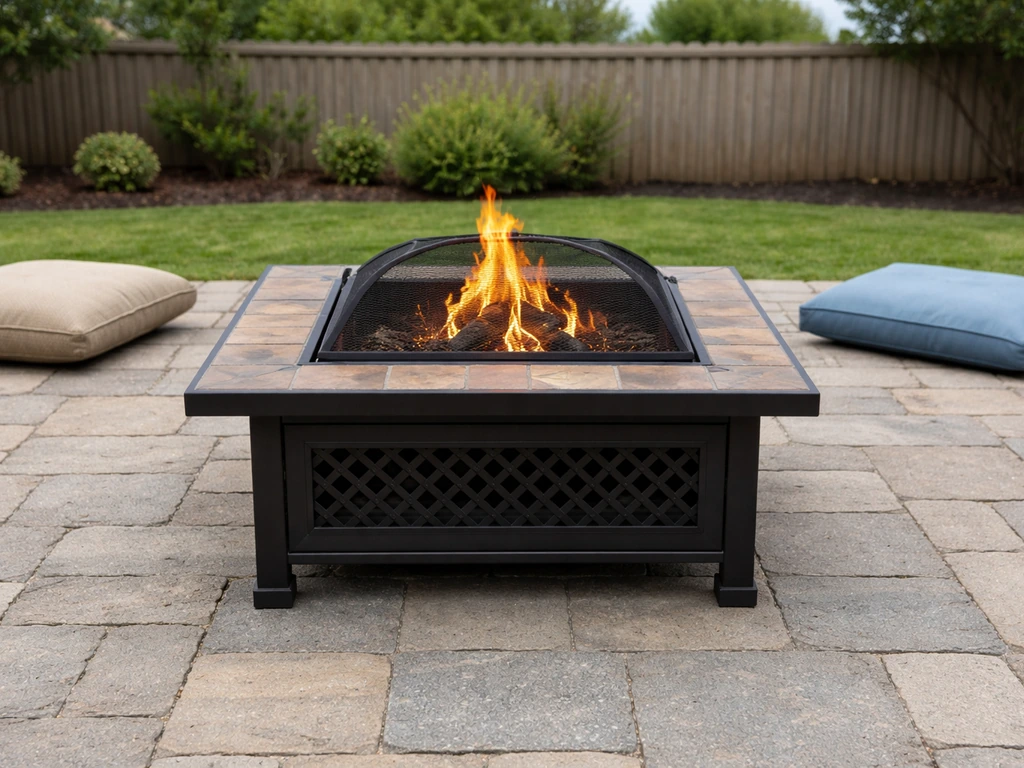
Place the tile-top firepit on a stable, level, non-combustible surface: concrete, pavers, stone, or brick. Never put it on a wood deck without a fire-rated mat underneath, and even then, be cautious. Maintain at least 3 feet of clearance on all sides from furniture, plants, umbrellas, or any overhead structure. AZ Patio Heaters specifies minimum clearances in the manual, so read it before your first use. Keep the propane tank outside and in an upright position, never inside an enclosed cabinet without adequate ventilation.
Weather Protection
The tile top is durable, but prolonged exposure to rain and UV breaks down the grout and adhesive over time. When the unit isn't in use, cover it with a fitted weatherproof cover. A patio heater top reflector shield can also help direct warmth and reduce how quickly heat escapes when conditions are less than ideal cover it. AZ Patio Heaters sells covers sized for their models, or you can buy a universal round fire pit cover in the 30-inch diameter range. Always disconnect and store the propane tank indoors (in a garage or shed, not inside your home) during extended periods of non-use or freezing temperatures.
Cleaning the Tile Top
The tile surface is the most distinctive part of this unit and also the most maintenance-intensive. After the unit cools completely, wipe the tile with a damp cloth to remove ash, debris, and moisture. For stubborn residue, a mild dish soap solution and a soft brush work well. Avoid abrasive cleaners or metal scrubbers, which scratch the tile glaze and eventually cause grout to break down faster.
Once or twice a season, inspect the grout lines. If you see cracking, use a tile-safe, heat-resistant sealant to keep moisture from getting underneath. Check the burner holes for spider webs or debris before each use, especially at the start of the season, since clogged burner ports cause uneven flames and can be a fire hazard.
If you ever need a replacement top shield reflector for outdoor propane patio heaters, make sure it matches your specific model’s dimensions and mounting style.
Seasonal Maintenance
- At the start of each season: inspect the regulator hose for cracks or wear, test the ignition, and clear burner ports with a soft brush or compressed air
- During the season: wipe the tile top after each use and check connections for propane smell before lighting
- End of season: disconnect and store the propane tank safely, clean the tile thoroughly, cover the unit, and store in a sheltered spot if possible
- Annually: replace the regulator hose every 3 to 5 years or if you notice any damage, regardless of how it looks
Your Buying Checklist and Best Alternatives
Before you pull the trigger on the AFP-TTR or the square tile-top version, run through this checklist to make sure you're buying the right thing for your situation.
- Confirm your fuel source: You have access to propane tanks and are comfortable swapping them. This unit does not work with natural gas.
- Measure your space: Seating is within 6 to 8 feet of where the unit will sit, and you have a non-combustible surface to place it on.
- Choose round or square: Round for circular/central seating arrangements, square for linear or rectangular table setups.
- Check what's included: Regulator hose, ignition hardware, and assembly hardware should all be in the box. Confirm before buying.
- Plan for a cover: Budget for a fitted cover if one isn't included, especially if your patio is exposed.
- Verify clearances: You can maintain at least 3 feet of clearance on all sides and have no low-hanging overhead structures directly above the unit.
- Safety check: Confirm the unit has a thermocouple or ODS safety shutoff. If the listing doesn't mention it, contact the seller before buying.
If the Tile-Top Firepit Isn't Quite Right for You
If the AFP-TTR is out of stock, out of budget, or just not the right fit, here are the closest alternatives worth considering. For a smaller, more portable flame option that sits on an existing table, the tabletop propane heater category (including models like the hammer tone bronze finish tabletop heaters and the Hampton Bay tabletop propane heater) gives you open-flame warmth in a much smaller footprint, though with significantly lower BTU output.
If you want more aggressive overhead warmth and don't need the fire feature aesthetic, a standing 46,000 BTU mushroom-top propane heater is more powerful and covers more square footage. For covered patios where open flame isn't ideal, an electric infrared heater mounted overhead is the most efficient and safest option.
And if you want to go all-in on the fire table aesthetic with a larger surface area, a full gas fire pit table (propane or natural gas) gives you the tile or concrete top look at a bigger scale, though they're generally more expensive and harder to move.
The AZ Patio Heaters tile-top firepit line sits in a specific niche: decorative, portable, propane-powered, and best suited for intimate outdoor gatherings where the fire itself is part of the ambiance. If that matches your patio and your entertaining style, the AFP-TTR round tile-top is a solid buy. Just go in with clear expectations about coverage range, keep your seating close, protect the tile top between uses, and you'll get multiple seasons of reliable warmth out of it.
FAQ
Can I run the AZ Patio Heaters round tile-top firepit on natural gas if I convert it?
No. The tile-top models are designed for propane only, and conversions are not recommended because matching regulator and safety requirements is critical. If you want a natural gas setup, choose a unit sold for natural gas (or a dedicated natural gas fire pit table) instead of attempting a DIY conversion.
How do I estimate whether 40,000 BTU will be enough for my space?
Use the 200 to 300 square foot figure only as a baseline, then adjust for conditions. If your patio is open and windy or the fire sits low (tabletop height), plan on seating within about 5 to 8 feet for noticeable warmth, and expect limited comfort beyond roughly 8 to 10 feet.
Is heat directional on this round tile-top firepit, and do I need to aim it?
No. The circular burner creates a more even outward pattern, so there is no single hot spot to orient toward people. Place it centrally in a seating ring, or for rectangular seating, consider the square model as a better visual and layout match.
What should I check before using the firepit for the first time (or if I bought it used)?
Confirm you have the correct propane regulator included, verify the hose has no cracks or brittleness, and inspect the burner ports for debris like spider webs. Also verify the safety shutoff system is present (ODS or thermocouple), then test ignition and flame height settings safely outdoors.
Will the tile top stay safe if it gets wet or if the unit is exposed to rain?
The unit can be used outdoors, but prolonged rain and UV will degrade grout and adhesive over time. Let it fully cool, cover it with a fitted weatherproof cover when not in use, and plan on more careful inspection of tile condition each season in wet climates.
Can I place the firepit on a wood deck or balcony?
Avoid placing it directly on wood. Put it on a stable, level, non-combustible surface like concrete, pavers, stone, or brick. If you must use a non-approved surface, use a properly fire-rated mat and follow the manual, but safest guidance is to use non-combustible flooring.
How much clearance do I need around it for furniture and nearby items?
Maintain at least the manual’s minimum clearance on every side, and do not place it under umbrellas or near plants. As a practical rule of thumb, keep furniture, decor, and overhead obstructions several feet away so heat and flame rise do not contact materials.
How long will a 20-pound propane tank last on the 40,000 BTU setting?
At full burn, expect about 8 to 10 hours with a typical 20-pound propane tank. Real runtime can vary with low versus high flame settings and how often you relight, so if you host frequently, plan with a spare tank.
What ignition and controls should I look for when shopping the round tile-top model?
Prioritize a push-button piezo ignition so you can light without matches or a lighter. Make sure the knob has clearly labeled pilot and flame levels (low and high), since unclear controls increase the time you spend handling ignition during gatherings.
How do I clean the tile top without damaging the glaze or grout?
After it cools, wipe with a damp cloth to remove ash and moisture. For residue, use mild dish soap and a soft brush. Avoid abrasives or metal scrubbers, because scratches can break down glaze and accelerate grout failure.
Is there a recommended way to store the unit and propane when not in use?
Cover the firepit when stored and disconnect the propane tank. Store the tank indoors in a garage or shed, not inside the home, especially during freezing temperatures or long off-season periods. Keep the unit and tank dry to reduce corrosion and tile damage.
How often should I inspect the burner ports and what problem does it prevent?
Check burner holes before each use, and at the start of each season. Clearing spider webs and debris helps maintain an even flame pattern and reduces the risk of incomplete combustion or uneven, potentially unsafe burning.